Designed by Hunters, for Hunters

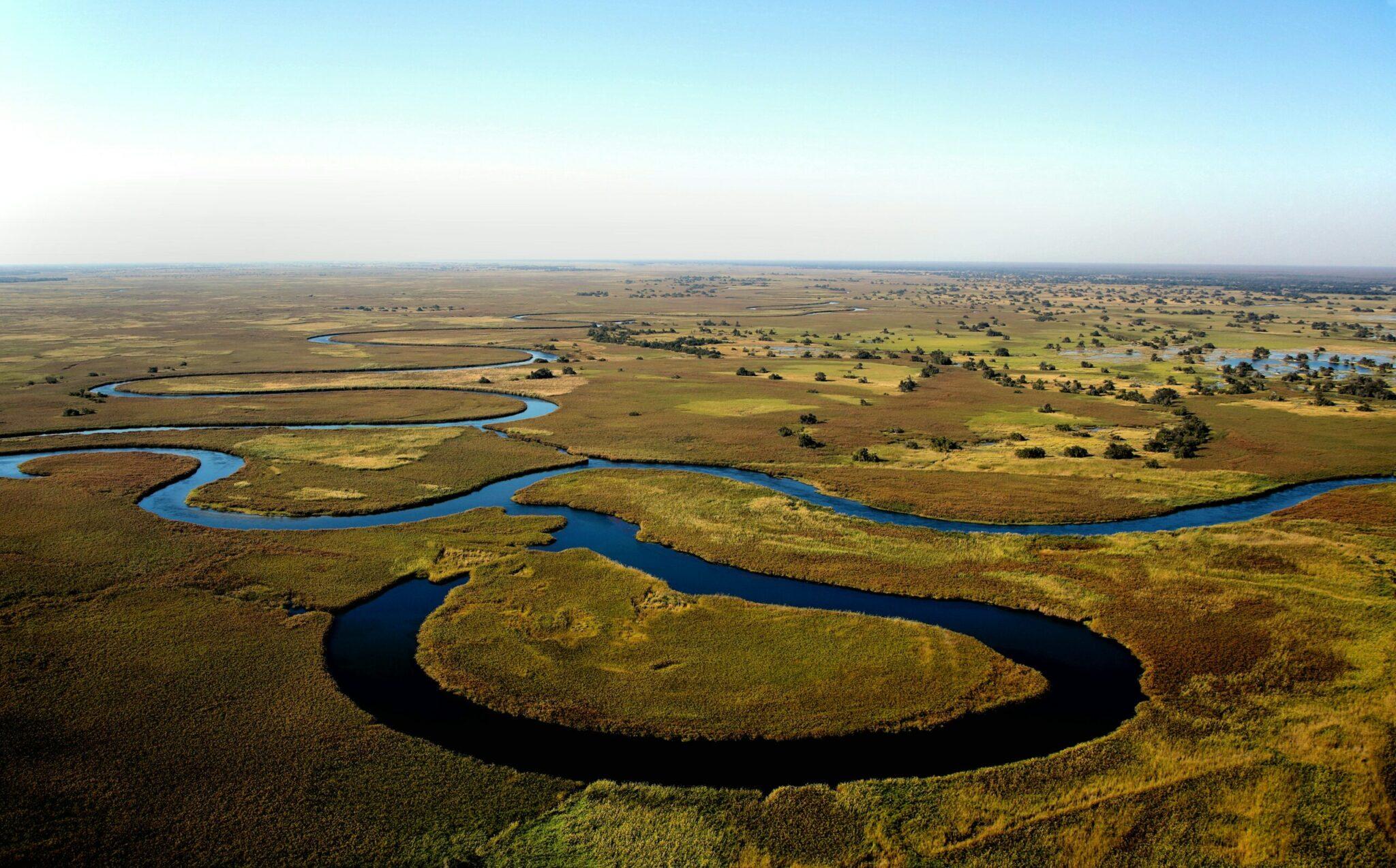
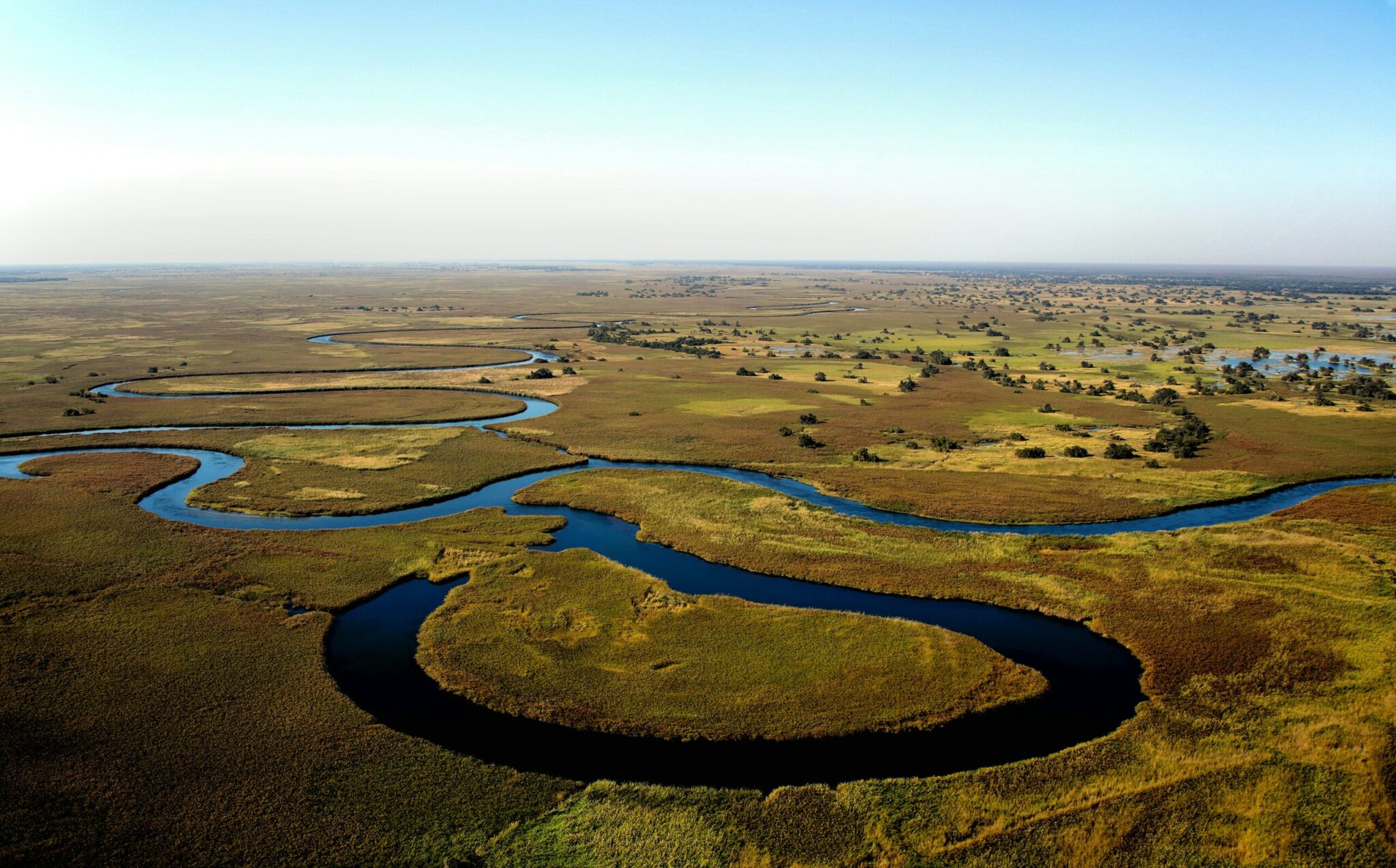
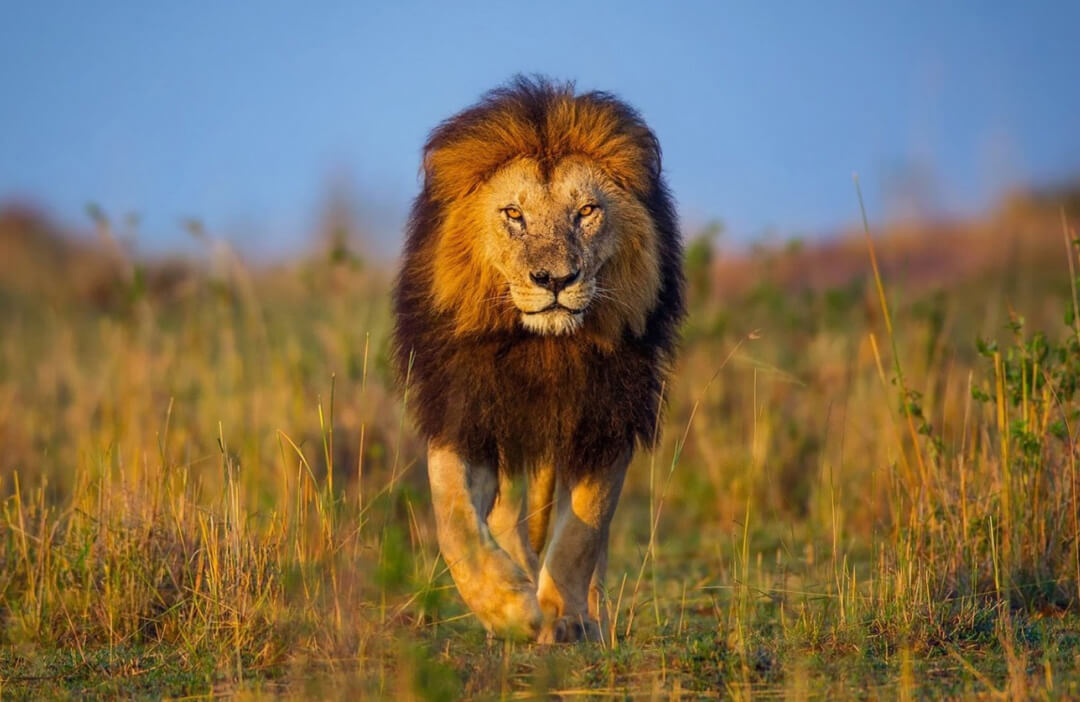
Lion hunting in Botswana takes place in some of southern Africa's largest free-range wildlife areas, where lions move across vast country following prey, water and changing seasonal conditions. Success depends on far more than simply knowing lions are present. Fresh tracks, recent sightings, bait activity where applicable, and information from trackers and scouts help determine where the hunting team concentrates its efforts.
Hunters considering Lion Hunts in Botswana should understand that lion hunting is tightly controlled by available quota and the regulations applying to the particular hunting area. Lions may move considerable distances through a concession, and the presence of an animal does not automatically mean that it is available to hunt.
This is part of what separates Hunting in Botswana from hunting in smaller or more predictable areas. A Professional Hunter may know that lions have recently been active in a particular part of the concession, but fresh sign on the ground will ultimately determine how the hunt proceeds. Tracks can disappear, lions can move overnight, and the hunting team may need to cover considerable country before finding an animal that can be properly assessed.
As one of Africa's Big Five, the lion also remains closely associated with traditional Dangerous Game Hunts. Hunting a mature lion requires patience, careful identification and precise shot placement, particularly because the consequences of wounding one can be serious.
Lion activity in a Botswana hunting area is closely connected to prey, water and recent animal movement. Buffalo and other game moving through an area can influence where lions spend their time, while changing water conditions can alter the routes used by both predators and prey.
This means yesterday's lion activity is useful information, but it does not tell the hunting team exactly where the animals will be today. Trackers may find fresh spoor along roads, around water or near areas holding concentrations of game. From there, the PH must decide whether the tracks are fresh enough to follow and whether the lions can realistically be caught.
Where baiting forms part of the hunting strategy, activity at a bait can provide another source of information. Tracks and trail-camera images can help establish which lions are visiting, how regularly they are returning and whether an individual animal warrants further attention.
This is one of the reasons local knowledge matters when hunting free-ranging lions. Knowing the country helps the team interpret what they are seeing rather than simply searching an enormous hunting area and hoping to find a lion.
Shot Placement when Lion Hunting in Botswana
Lion in Botswana may be hunted by tracking fresh spoor or, where permitted, by using bait and waiting from a blind. The method used will depend on the hunting area, recent lion activity and the strategy of the Professional Hunter.
Regardless of how the lion is encountered, the first shot matters. A wounded lion is extremely dangerous, and hunters should understand the vital area before entering the field. Our complete Lion Shot Placement guide covers the anatomy, preferred shot angles and aiming points in considerably more detail.
Shot placement options when lion hunting in Botswana can include: The Broadside Shot This shot is one that your PH will recommend should it be appropriate. When taking this shot, the hunter is looking to hit the lion hard straight into the heart resulting in a quick and humane kill. The Frontal Shot This shot will be recommended by your PH and allows the animal a quick and humane death. With its broad chest, the lion presents a large target area for the hunter, with a perfectly aimed shot resulting in the heart and lungs being hit. Quartering away from the Hunter When on your lion hunting adventure, it may be facing away from you. In this instance, shot placement would be where the root of the tail joins the body. This is not a shot that your PH will suggest you take due to a small target and the associated risk. Quartering towards the Hunter When the lion is quartering towards the hunter, the lion will be facing the hunter at a slight angle, with the perfect shot will be aimed at the base of the lion’s neck where it meets the shoulder. The bullet will go through into the heart and lungs of the lion and will be deadly. The Fleeing Shot This shot placement should be a follow-up option and not a first shot. If the lion has been wounded due to a poorly placed first shot and is facing away from you, this shot will severe the spine and cripple the lion.
What Caliber Rifle is used when Hunting Lion in Botswana?
While the legal minimum requirement for big game hunting in many African countries is a .375, many hunters prefer a .416 Rigby or a double rifle such as a 470NE or 500NE. Other rifle options while lion hunting in Botswana include a .458 or a .458 Lott. No matter which rifle option works best for you, at the end of the day it is the rifle that meets the requirements and with which you feel confident and shoot accurately, it is your shot placement that can make a difference between a successful Botswana hunting safari or one that went south with possibly disastrous consequences. Ensure that you are properly and adequately prepared for your leopard hunting safari. This African cat is extremely dangerous, don’t be caught unaware or ill-prepared as you will come off second best.
Botswana's lion hunting takes place across large areas of free-range country where lions can move in response to prey, water and changing conditions. Finding fresh activity matters more than relying on where lions were seen several days earlier.
Tracks, reports from scouts and activity around bait where applicable help the Professional Hunter build a picture of what is happening in the hunting area. Even then, lions can move overnight, cross into neighbouring country or simply stop using an area that had been productive.
Quota is equally important. The presence of lions does not automatically create a hunting opportunity. The PH and outfitter must work within the quota and regulations applying to the particular hunting area, while ensuring that any lion considered for hunting is properly assessed before a decision is made.
For hunters looking at Lion Hunts elsewhere in Africa, Botswana is one example of how the country, hunting area, quota and movement of free-ranging lions can change the way a safari is conducted.
A lion may be the main objective of a Botswana safari, but it does not necessarily need to be the only species hunted. Depending on the hunting area, available quota and the hunter's licence, other dangerous game and plains game may form part of the same safari.
This becomes particularly important when lion activity changes. Several days may be spent checking tracks, monitoring bait or following reports from scouts without producing a huntable lion. During that time, opportunities for other species do not necessarily need to be ignored.
Hunters planning Big Game Hunting in Botswana may therefore build the safari around several priorities, with lion forming one part of a broader hunt. The Professional Hunter still needs to protect the time required for the hunter's main objective, but he can also respond when worthwhile opportunities for other species appear.
Lion remains the priority when it is the reason for the safari, but hunting large free-range areas rarely follows a perfectly predictable schedule.
Yes, lion hunting can take place legally in Botswana where the necessary quota and permits have been issued. Opportunities are controlled and depend on the particular hunting area, available quota and current regulations. Hunters should confirm availability with their outfitter before making plans around a lion hunt.
Lion hunting may involve tracking fresh spoor or baiting where this method is permitted. Trackers, scouts, recent sightings and activity around bait can all help the Professional Hunter determine where lions are moving and where hunting efforts should be concentrated.
There is no guaranteed timeframe for hunting a free-ranging lion. Lions can move considerable distances, and several days may be spent locating fresh tracks, monitoring activity and assessing individual animals. Hunters should allow enough time for the PH to work with what is happening in the hunting area rather than expecting the hunt to follow a fixed schedule.
A suitable dangerous-game rifle that meets Botswana's current legal requirements should be used. Many hunters favour cartridges such as the .375 H&H or larger, but familiarity and accurate shooting matter more than simply choosing the largest rifle available. The final choice should be discussed with the Professional Hunter and outfitter before the safari.
Search from our range of Hunts across various popular destinations in Africa.

Book Your Hunt