
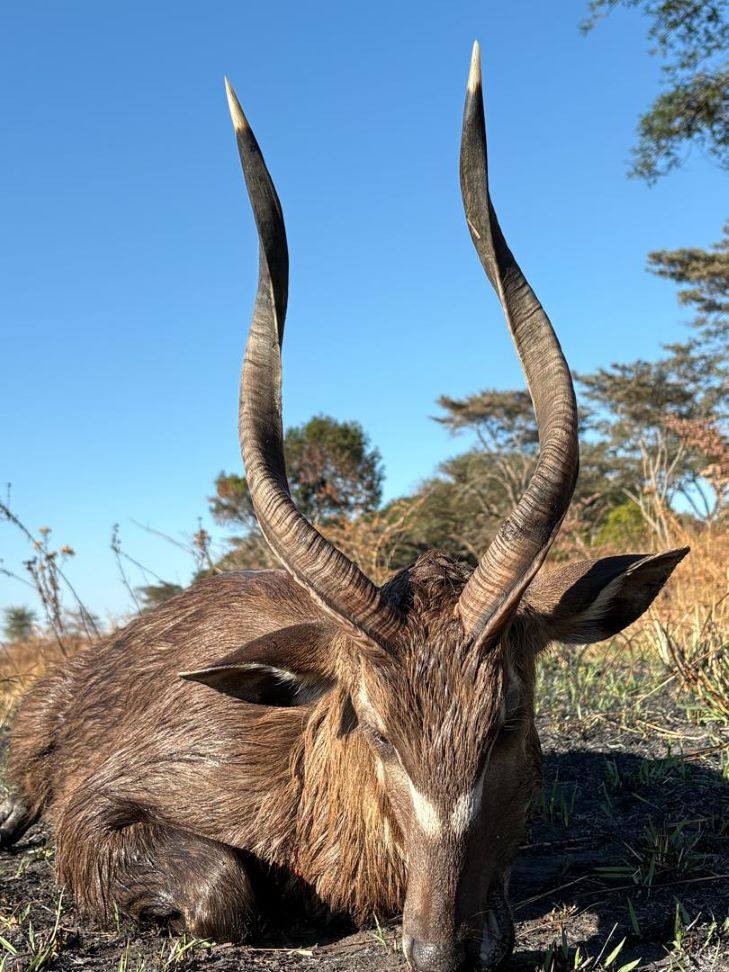
Few African antelope challenge hunters quite like the sitatunga. Found in swamps, floodplains, and dense wetland systems across parts of Africa, this elusive spiral-horned antelope has earned a reputation as one of the continent's most specialized and rewarding trophies. Hunters looking for detailed information on species, destinations, and safari planning should visit our comprehensive Sitatunga Hunts guide.
Unlike traditional plains game hunts conducted across open savannas and bushveld, sitatunga hunting often involves navigating reed beds, marshes, and flooded terrain where patience, persistence, and adaptability become as important as marksmanship. For many experienced hunters, the challenge is not simply finding a sitatunga, but hunting successfully in an environment unlike any other in Africa.
[DYNAMIC-BLOGTABLEOFCONTENT]
Key Takeaways
- The Sitatunga is an aquatic antelope
- Three subspecies of the Sitatunga can be hunted in various African countries
- Popular destinations for Sitatunga hunting in Africa include Tanzania, Cameroon, Uganda, and Zambia
- Hunting methods include stalking while making your way through water on a traditional canoe, or hunting these elusive antelopes from a high platform or blind
The Sitatunga
The Sitatunga (Tragelaphus spekii), also known as the marshbuck, is a medium-sized, amphibious antelope native to central Africa.
Subspecies
There are three recognized subspecies of the Sitatunga antelope:
- Tragelaphus spekii spekii: Nile sitatunga or East African sitatunga
- Tragelaphus spekii gratus: Congo Sitatunga, also known as the Forest Sitatunga or the Western Sitatunga
- Tragelaphus spekii selousi: Zambezi sitatunga, also known as the Southern Sitatunga

These semi-aquatic antelopes have large hooves that are widely splayed, allowing them to walk on watery terrain without sinking. It also assists them in escaping from predators, such as wild dogs and leopards, by fleeing into deeper waters. They are greatly accomplished swimmers, and if chased, they will enter deeper water and submerge themselves until only their nostrils are visible.
Habitat
This species of African plains game antelope enjoys a habitat of swamps, rivers, shallow lakes, and marshlands, ensuring a challenging (and wet!) safari. This hunt can be quite enjoyable as these antelopes are often hunted from a traditional canoe, known as a “mokoro.”
Dangerous Encounters
As this antelope frequents marshes, rivers, and other water sources, be prepared to encounter other, more deadly species during your hunt. These include the Nile Crocodile and Hippo, which share the same habitat as the Sitatunga. Keep your eyes peeled and ready, especially when traveling in a Mokoro down the rivers.
In many areas, these wetland concessions also hold dangerous game, and hunters will often combine their safari with Cape buffalo hunts for a more diverse and challenging African experience.
Top Sitatunga Hunting Destinations
While Sitatunga hunting in Africa also historically included Botswana’s Okavango Delta as a destination, the top destinations for hunting this spiral-horned trophy now include Tanzania, Cameroon, Uganda, and Zambia.
Zambia
Zambia has earned a reputation as one of Africa's premier destinations for the Zambezi sitatunga, a highly specialized antelope adapted to life in vast floodplains, marshes, and wetland systems. Their elongated, splayed hooves allow them to move through deep mud and swamp terrain with remarkable ease, often disappearing into habitat that few hunters would willingly enter.
Unlike many plains game hunts, sitatunga hunting in Zambia is rarely about covering large distances or glassing animals from afar. Success often depends on patience, local knowledge, and the ability to spot subtle movement within reeds, papyrus, and flooded vegetation. When pressured, sitatunga frequently retreat into deeper water or dense cover, relying on camouflage rather than speed to evade danger.
The combination of challenging terrain, low visibility, and an exceptionally elusive quarry has helped establish Zambia as one of the most respected sitatunga hunting destinations in Africa.
Cameroon
Hunters interested in hunting in Cameroon often pursue the forest sitatunga in dense swamps and riverine forests, creating one of Africa's most challenging and rewarding rainforest hunting experiences. This region is also famous for exceptional bongo hunts and Lord Derby eland hunts, making Cameroon one of Africa's premier destinations for serious trophy collectors seeking multiple rare and highly sought-after species on a single safari.
The Forest Sitatunga, also known as the Western or Congo Sitatunga, is perfectly adapted to these dense rainforest environments. No special permits apart from a hunting license are required for this Sitatunga hunting adventure.
Tanzania
Tanzania hunting safaris are renowned for their vast wilderness areas, exceptional trophy quality, and some of the most authentic free-range hunting experiences remaining in Africa. For sitatunga hunters, Tanzania offers the opportunity to pursue the elusive East African sitatunga in remote wetland and swamp habitats, where patience, local knowledge, and specialized hunting techniques are often required. Combined with the country's outstanding dangerous game and plains game opportunities, Tanzania remains one of Africa's most respected hunting destinations.
Uganda
For hunters interested in Uganda hunting safaris, the Nile sitatunga represents one of the country's most specialized and sought-after antelope trophies. These elusive wetland specialists are pursued in regions such as the Aswa-Lolim, Karamoja North and South, and Kafu River Basin concessions, where papyrus swamps and marsh systems provide ideal habitat. While no special permits are generally required, quotas remain limited, adding to the exclusivity of the hunt.
Although highly specialized, sitatunga are classified as plains game and are often pursued as part of broader plains game hunts, particularly by hunters seeking rare and unique African species to complement their safari.
Hunting Methods
These shy and secretive, spiral-horned semi-aquatic antelopes are hunted using a variety of specialized methods. One of the most traditional approaches involves using a mokoro (dugout canoe) to quietly navigate rivers, swamps, and marsh systems while searching for movement amongst the reeds and vegetation. These same waterways are often home to dangerous species, and it is not uncommon to encounter animals pursued on hippo hunts or crocodile hunts while moving through sitatunga country.
Another popular technique involves hunting from elevated platforms, blinds, or high stands positioned to overlook feeding areas and travel routes. Patience is essential. Sitatunga are naturally wary animals that rely heavily on camouflage and cover, often remaining hidden for long periods before briefly exposing themselves.
Unlike many plains game species that may be glassed at distance, sitatunga hunting is often a game of observation, timing, and persistence. They are most active during the early morning and late afternoon hours, making dawn and dusk the most productive times to be in the field.

Rifle Choice & Shot Placement
When hunting Sitatunga, shooting ranges can vary from 100 yards to 400 yards. Consider a fast-shooting rifle equipped with an excellent quality tactical scope. Calibers can vary from a .270 right up to a 300 Win Mag, while a 7mm will also get the job done.
Understanding proper shot placement is critical for a quick and ethical harvest, and reviewing shot placement guides before your safari will greatly improve your success.
Timing the Hunt for the Best Chance of Success
Sitatunga are more active at dusk and dawn, while camouflaging themselves during the daylight hours. Time your hunt accordingly for the best chance of success. These antelopes are best hunted during the dry season, from June to October, when the receding water has the prey on the backfoot
Why is Sitatunga hunting seen as Challenging?
Sitatunga hunting in Africa is a privilege that not many US hunters get to experience, with these trophies being a rarity, thereby increasing their value and ensuring a prime spot in a trophy room. They make the perfect head or shoulder mount, letting the hunter relive what was most probably one of his more challenging, yet rewarding hunting endeavours.
But Sitatunga hunting is also extremely challenging, with these medium-sized aquatic antelopes hunting in trying conditions. The hunt is physically demanding, with hunters needing to navigate thick mud, sludge, marshes, and wet conditions while contending with heat, mosquitoes, and other bugs or critters. The hunt requires the utmost patience, as this antelope is easily spooked and will (with the help of its splayed hooves!) easily navigate the challenging terrain and quickly disappear into reed beds or head to deeper water.
Yet, the rewards remain many, and seasoned trophy hunters are targeting this beautiful species:
- Their lyre-shaped horns, combined with their striking white facial markings, set them apart from other game antelopes
- Sitatunga hunting in Africa provides hunters with a new challenge to plains or dangerous game
- Hunters get to challenge themselves and their skillset, with unique experiences and hunting conditions providing a new test and safari to embark upon
- Due to this trophy’s rarity, it becomes even more prestigious
Essential Gear: Heading to the Swamps
Swamp hunting is not your average hunting adventure but demands even more thorough preparation on the part of the hunter.
Glassing for the Sitatunga required a good set of binoculars, while hip waders, along with a good set or two of waterproof boots, are a necessity given the habitat of the species. Adequate protection from bugs, critters, and mosquitoes is required; a suggestion is DEET, which is both well-known and often used on safaris.
Apart from the above, consider that due to the locality of the hunt, a corner store is not, in fact, around the corner, nor is a drug store; you will need to pack your own medical items. While the Outfitter will be prepared for a major emergency, they will not supply you with Tylenol or other over-the-counter medications for minor aches and pains (which you might well have after trudging through the swamps each day!)
Pack all required medical items, together with chronic medication (and original script), and spare glasses or contact lenses if needed. These include:
- A pair of tweezers, perfect for removing thorns and stings picked up during the day
- Ladies, ensure that you have packed enough feminine hygiene products. Tampons on a game hunting safari can also be lifesaving in the event of an accidental discharge or other hunting accident.
- A small bottle of disinfectant, or disinfectant cream for minor cuts and scrapes, along with micropore or plasters to close them
- If you are going into a malaria area, get a prescription from your medical practitioner and check if the tablets must be taken before the time
- Sunblock is vital, the African sun is unforgiving
- Speaking of sun, the African sun is extremely harsh; pack a hat or cap. This will not only protect your face and neck from the sun, but also from bugs and critters
- Eye drops are always a necessity. Dust and dirt can irritate the eyes, which can lead to an infection affecting your ability to perform the perfect shot…not good!
- A cortisone cream or cortisone in tablet form. Treats basic insect bites, itching, and rashes
- Rehydration packets are a necessity. In the sweltering African heat, hunters can lose as much as three gallons of water a day through sweating as the body tries to cool down, and dehydration is not fun
- Headache and pain tablets, as well as treatment for diarrhea and nausea
- Advise your medical practitioner that you will be traveling in Africa and request a general antibiotic. Hunters can easily pick up a cold or arrive with a bug after sitting for hours traveling
- For those hunters who suffer from Asthma, keep an extra pump available
- Hunters suffering from diabetes should pack an extra insulin pack
- Don’t forget your allergy medication
- In terms of prevention, be sure you have the necessary goods to fight off ticks and mosquitoes. Even though you may be traveling to Africa during the winter months, these pests remain present. A good unscented “body butter” works well if rubbed on your legs and arms
- A few condoms can also come in handy. Should it rain, a condom over the end of your barrel assists in keeping out water and mud
- A tape measure is also a good item to keep on hand to measure those lyre-shaped horns!

Hunt Preparation
As Benjamin Franklin so wisely said, “By failing to prepare, you are preparing to fail,” and these words have never been truer. Hunting Sitatunga is a challenging safari, with various facets of preparation required.
Physically, the hunt is extremely taxing, and a good level of fitness is required. The hunter may walk miles through rough, muddy terrain, so a good level of fitness is needed. Walking, running, and even swimming provide a great option to improve fitness and get ready for the testing conditions of marshlands, swamps, and rivers.
Master Sitatunga essential information, including anatomy guides for optimal shot placement options; learn about their swamp habitats and how this demands dry season timing of the hunts, while elevated stand and mokoro hunting methods are often utilized on these safaris. Lastly, master the art of patience. This African hunt will test your patience, but the reward is well worth the challenge!

Combination Hunts
Why not take the opportunity to add an extra trophy or two during your Sitatunga hunt? The Sitatunga shares its habitat with some dangerous species, such as the Hippo and Nile Crocodile. If the budget allows, it makes perfect sense to combine one of these deadly trophies with the existing Sitatunga safari, allowing for an unforgettable experience!
Conclusion
Sitatunga hunting in Africa combines both brain and brawn to tackle one of Africa’s most elusive and secretive species. Offering hunters a rare trophy, these unique safaris present physical and mental challenges to harvest this specimen, making the hunt a sought-after option for many international and US hunters.
Frequently Asked Questions
What caliber rifle is best when Sitatunga hunting in Africa?
Sitatunga hunting requires a fast-shooting rifle equipped with a high-quality tactical scope, as shooting ranges on this African plains game hunting safari can vary from 100 to 400 yards. Calibers can range from a .270 to a 300 Win-Mag. A 7mm is another option for the hunter to consider when hunting these aquatic antelope.
What is the English name for the Sitatunga?
This aquatic antelope is also referred to as a marsh buck.
In which African countries is it legal to hunt Sitatunga?
You can legally hunt the different subspecies of Sitatunga antelope in Cameroon, the Central African Republic (CAR), Tanzania, Uganda, and Zambia.
Are Sitatunga hunts challenging?
Yes, these aquatic medium-sized antelope provide a great challenge for hunters looking for a unique safari, encompassing wetlands, marshes, and rivers rather than traditional African bush.