
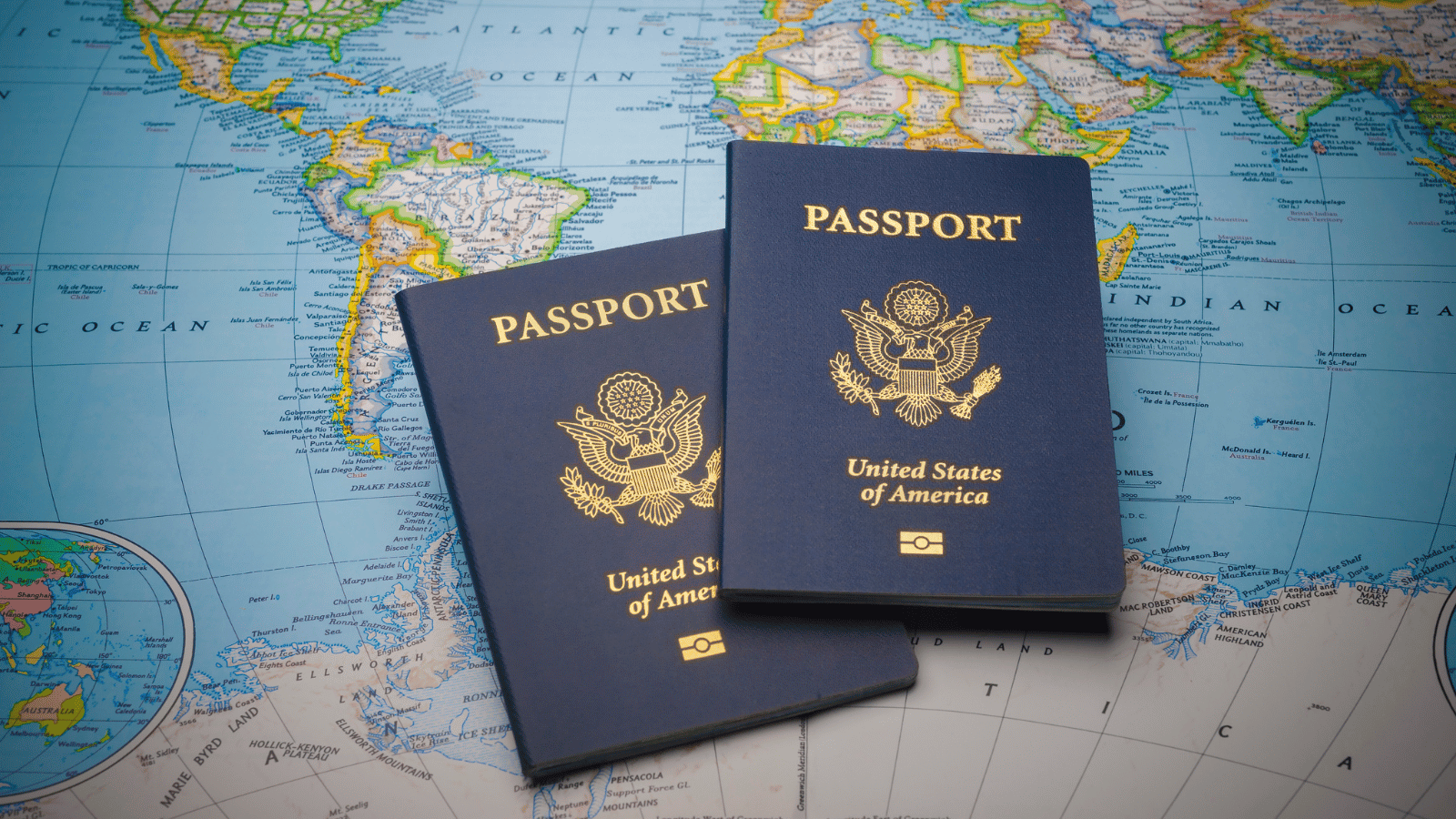
Booking an African Hunting Trip involves far more than choosing a flight. Long before you step onto an airplane, decisions about your destination, rifle, travel plans and hunting goals all begin shaping the safari you will eventually enjoy. A little planning before you leave home often makes the difference between simply arriving in Africa and arriving ready to hunt.
An African safari is unlike any hunting trip most Texas hunters have taken before. The distances are greater, the wildlife is unfamiliar and the logistics are more involved. The reward, however, is the opportunity to hunt some of the world's most iconic game in vast wild places that generations of sportsmen have dreamed about.
This guide is not about comparing airlines or finding the cheapest ticket. Instead, it focuses on the practical decisions that help Texas hunters enjoy a smoother journey from home to Africa, while avoiding common mistakes before their first African Hunting Trip.
Before You Book Your Flights
Booking flights is often one of the first things hunters think about after confirming an African safari. In reality, it should be one of the last major decisions you make. Before comparing airlines or searching for the lowest fare, make sure your hunting dates, destination and travel itinerary have all been confirmed.
The country you choose to hunt will largely determine how you travel. Some safaris begin after a straightforward road transfer from a major international airport, while others involve domestic flights or charter aircraft into remote hunting areas. Booking your flights before these details are finalized can lead to unnecessary changes, additional costs and avoidable travel complications.
Once your itinerary is confirmed, choosing suitable flights becomes much simpler. You'll be able to plan sensible connection times, make the necessary arrangements if travelling with a rifle and arrive ready to begin your African Hunting Trip rather than worrying about travel logistics.

Choosing the Right Route Is More Important Than Choosing the Cheapest Flight
The lowest airfare is not always the best choice for an African hunting safari. A slightly more expensive itinerary with sensible connection times is often worth far more than saving a few hundred dollars while risking missed baggage transfers, tight firearm procedures or unnecessary overnight stops.
Texas hunters have several excellent departure airports available, including Dallas/Fort Worth, Houston, Austin and San Antonio. Rather than focusing on a specific airport, most hunters should choose the itinerary that best matches their safari destination, allows comfortable connection times and fits the travel requirements of their Professional Hunter or outfitter.
Once your hunting itinerary has been confirmed, selecting the right flights usually becomes straightforward. The goal is not simply to reach Africa, but to arrive rested, with your equipment and luggage intact, and ready to begin your African Hunting Trip.
Your First Day in Africa Is Not the Day to Learn Africa
After a long journey from Texas, most hunters are eager to head straight into the field. While the excitement is understandable, experienced hunters know there is value in slowing down before the safari begins.
Use your arrival day to meet your Professional Hunter, become familiar with the camp, confirm that your rifle is still correctly zeroed and ask any questions about the days ahead. Every hunting area is different, and understanding how the safari will unfold allows you to begin with confidence rather than uncertainty.
Africa also hunts differently from Texas. Shooting sticks replace benches, distances can appear deceptive and the pace of the hunt is often dictated by the terrain and the animals rather than the hunter. Spending a little time adjusting before the first stalk often contributes more to a successful safari than trying to hunt immediately after a long international journey.
Hunting Africa Is Not About Doing More - It's About Slowing Down
Texas hunters often arrive with years of hunting experience, good rifle skills and a strong understanding of ethical hunting. Those qualities translate well to Africa, but the rhythm of the hunt is often very different.
African safaris are rarely rushed. A morning may be spent following a single set of tracks, glassing distant hillsides or waiting patiently for the right opportunity rather than covering large distances looking for game. There are times when the best decision is to stop, study the wind and allow the bush to reveal what lies ahead. Patience often becomes one of the most valuable skills a hunter can bring.
Success in Africa also comes from trusting the people around you. Your Professional Hunter and trackers read signs that many visiting hunters simply would not notice. A fresh track in the sand, a broken branch, the alarm call of a bird or the sudden silence of the bush can all influence the next move. What may appear to be an unplanned pause is often part of a deliberate strategy that has been refined over many seasons.
Perhaps the biggest adjustment for first-time hunters is realizing that Africa is not measured by the number of miles covered or the number of stalks attempted. Some of the most memorable days end without a shot being fired because every hour has been spent tracking, observing wildlife and learning how the bush works. When an opportunity finally comes, it usually feels earned rather than rushed.
Hunters who embrace that slower pace often discover that Africa offers something different from anywhere else in the world. The safari becomes about far more than reaching the animal. It becomes about reading the country, understanding the game and appreciating the teamwork between hunter, Professional Hunter and trackers that makes every successful stalk possible.
Hunt the Bush, Not the Checklist
Most Texas hunters arrive in Africa with a list of animals they hope to hunt, and there is nothing wrong with planning ahead. Setting goals helps shape the safari and gives both you and your Professional Hunter a clear idea of what you hope to achieve.
The difference is that Africa rarely follows a script. Weather changes, fresh tracks appear overnight and animals move constantly across the landscape. A buffalo that wasn't in the area yesterday may suddenly become the priority, while the kudu you expected to find may disappear for several days.
The most successful safaris are rarely treated like a shopping list. While every hunter has priorities, trying to hunt Africa by ticking off one species after another often means missing the opportunities the bush presents. Sometimes the right decision is to spend another day following a magnificent old buffalo bull. Other times, it may be passing a younger kudu today because experience tells your PH a better bull is likely to be found tomorrow.
Around African campfires, you'll often hear the phrase, "hunt what the bush gives you." It isn't about lowering your expectations or abandoning your goals. It's about understanding that Africa rewards hunters who remain patient, adaptable and willing to make the most of the opportunities each day brings.
Working closely with your Professional Hunter allows the safari to develop naturally as conditions change. Rather than trying to force the hunt to match a schedule, the goal is to make the most of the opportunities the African bush presents each day.
Travel with Confidence Before You Leave Texas
Booking an African Hunting Trip involves far more than choosing a flight. Before leaving Texas, make sure you understand exactly how your safari will be paid for, when deposits are due and what financial protection is available throughout the booking process.
Knowing these details well in advance removes unnecessary uncertainty and allows you to focus on preparing for the hunt rather than worrying about payments while your departure date approaches. Whether you're booking a plains game safari or a once-in-a-lifetime dangerous game hunt, understanding the financial side of your safari is just as important as planning the hunt itself.
Hunters who want to learn more about deposits, payment security and how funds are handled can read our guide to African Hunting Safari Payments, Escrow & Financial Protection before confirming their booking.
The Journey Begins Long Before You Board the Aircraft
The flight from Texas to Africa may only take a day, but a successful safari begins long before your departure. The decisions you make while planning, the expectations you bring and the advice you choose to follow all help shape the hunt that awaits you.
Prepare well, trust your Professional Hunter and remain open to the opportunities the African bush presents. Africa has a way of rewarding hunters who are patient enough to hunt at its pace rather than their own.
When you finally step onto the aircraft for the journey home, the memories you carry back to Texas will almost certainly be about far more than the trophies you collected. They'll be about the people you met, the country you hunted and the moments that reminded you why an African hunting safari is unlike anywhere else in the world.
Frequently Asked Questions
How long does it take to travel from Texas to Africa for a hunting safari?
Travel times vary depending on your destination and flight connections, but most Texas hunters should expect the journey to take between 20 and 35 hours. Safaris in South Africa often involve the shortest travel times, while more remote destinations may require domestic flights or charter aircraft before reaching camp.
What is the best airport in Texas for flying to Africa?
Dallas/Fort Worth and Houston are the two most common departure airports for hunters travelling to Africa because they offer the greatest choice of international connections. The best airport ultimately depends on your safari destination, flight availability and overall itinerary rather than your starting city alone.
Can I take my hunting rifle from Texas to Africa?
Yes. Hunters may travel with their own rifles provided they comply with airline requirements and the firearm import regulations of the country they are visiting. Many destinations also require temporary firearm import permits before or upon arrival.
How far in advance should I book an African hunting trip?
Planning your safari six to twelve months before your preferred hunting dates usually provides the greatest flexibility. This allows enough time to secure the best dates, arrange international travel, complete any firearm documentation and prepare for the safari without unnecessary pressure.
How much does an African hunting safari cost?
The cost of an African hunting safari depends on the country, species being hunted, safari length, daily rates and trophy fees. Hunters researching budgets can explore our guide to African Hunting Safari Prices, which explains the main costs involved when planning a safari.
What is the best African country for a first hunting safari?
There is no single answer, as the best destination depends on the species you want to hunt, your budget and the style of safari you prefer. South Africa, Namibia and Zimbabwe are popular choices for first-time hunters, while Tanzania and Mozambique are often selected by hunters looking for larger wilderness areas or classic dangerous game safaris.
Game Hunting Safaris
5900 Balcones Drive, STE 100, Austin, TX 78731
Email: info@gamehuntingsafaris.com
USA Contact (WhatsApp Only): +1 470 309 6306
View Our Google Business Profile | Contact Us