
Expert Advice for Dangerous Game Hunting from Texas to Africa
Why Cape Buffalo Captivates Texas Hunters
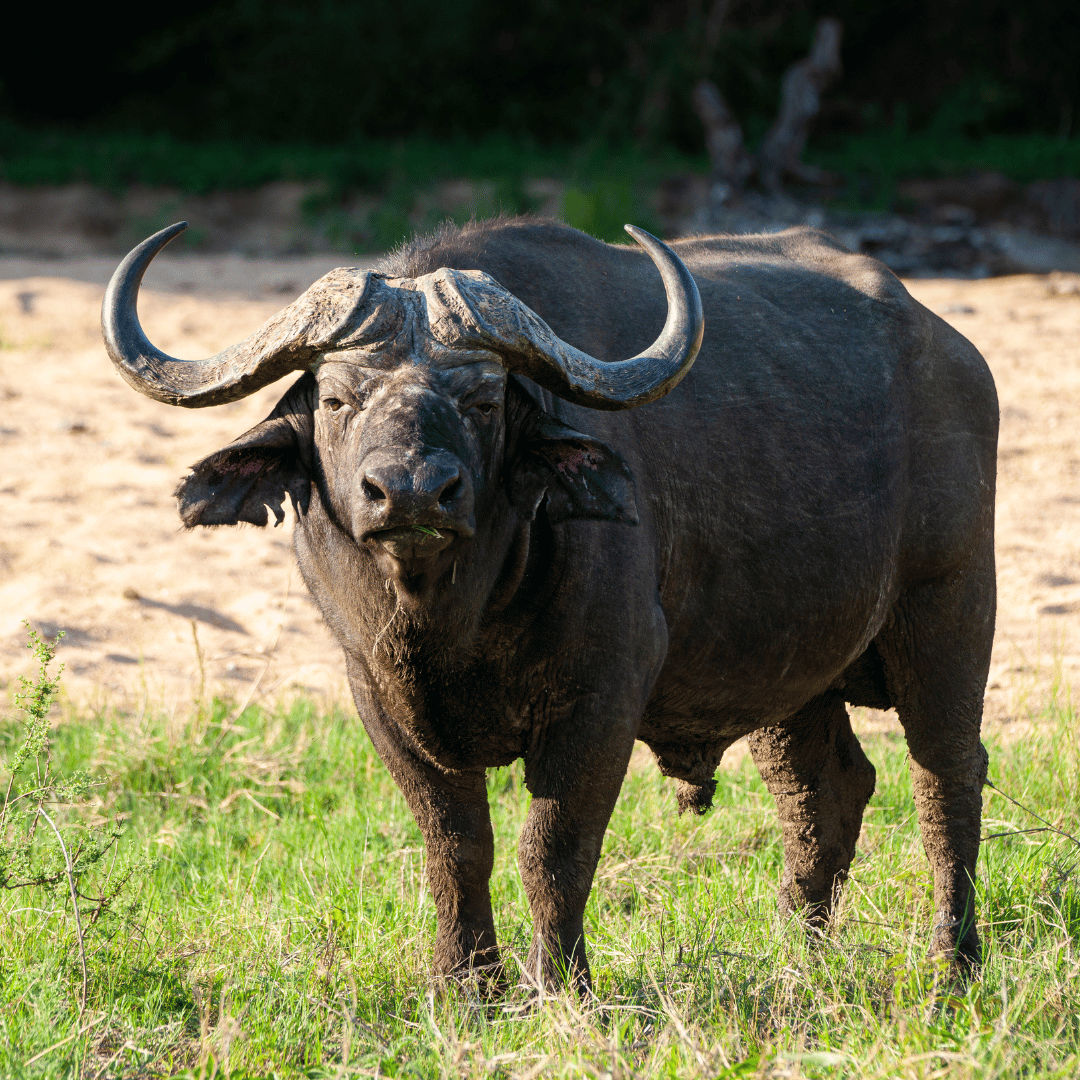
For Texas sportsmen who’ve experienced everything from trophy whitetail to exotic antelope, a Cape buffalo hunt stands out as one of Africa’s most formidable challenges. Often called “The Black Death,” these massive, muscular animals have a reputation for power, toughness, and an unpredictable nature that commands respect.
In the world of dangerous game hunting, Cape buffalo is often the gateway to Africa’s Big Five. Hunts demand a combination of physical readiness, precise shooting, and the ability to remain composed when a ton of muscle and horn can turn on you in an instant.
At Game Hunting Safaris, we help Texas hunters prepare, plan, and execute Cape buffalo hunts that are legal, ethical, and unforgettable. From choosing the right outfitter to handling permits and trophy shipping, we ensure your dangerous game hunt is as smooth as it is thrilling.
Understanding Cape Buffalo Behaviour
To succeed at Cape buffalo hunting, it’s essential to understand the animal’s nature:
- Herd Dynamics: Buffalo are herd animals, but older bulls often break away, becoming solitary “dagga boys” — prime trophies for many hunters.
- Defensive Instincts: Unlike many plains game species, buffalo are known to stand their ground or charge when threatened.
- Acute Senses: They rely on sharp hearing and a strong sense of smell, making wind direction and quiet movement critical.
-
Why Buffalo Hunting Is Unlike Any Other Hunt
Many hunters arrive in Africa expecting Cape buffalo hunting to be a test of marksmanship. In reality, it's far more a test of patience, teamwork, and decision-making.
Unlike many plains game hunts, buffalo are rarely pursued at long range. Every encounter is built around reading fresh spoor, trusting experienced trackers, staying downwind, and slowly closing the distance until the right opportunity presents itself. Some stalks end within an hour, while others continue throughout the day without a shot being fired.
That uncertainty is part of what makes buffalo hunting so addictive. Every set of fresh tracks tells a story, every change in the wind forces a new plan, and every encounter must be earned. Long after the trophy is mounted on the wall, most hunters remember the tracking, the teamwork, and the respect they gained for one of Africa's most formidable dangerous game animals.
Knowing these traits will influence every aspect of your hunt, from approach strategies to shot placement.
Choosing the Right Destination for Your Cape Buffalo Hunt
One of the advantages of hunting Cape buffalo is the variety of safari experiences available across Africa. While the species is widely distributed, each country offers a very different style of hunt, making it important to choose the destination that best matches your hunting goals, budget, and expectations.
- Cape Buffalo Hunting in South Africa is ideal for hunters seeking exceptional trophy quality, experienced professional hunters, and the opportunity to combine Cape buffalo with a wide variety of plains game species. Well-managed hunting concessions and excellent safari infrastructure make it one of Africa's most popular buffalo destinations.
- Buffalo Hunting in Zimbabwe delivers a classic wilderness experience, with legendary hunting areas such as the Zambezi Valley and Hwange offering traditional tracking safaris for mature dagga bulls. For hunters seeking wild Africa, Zimbabwe remains one of the continent's finest dangerous game destinations.
- Cape Buffalo Hunting in Tanzania represents the pinnacle of traditional East African safaris. Vast unfenced concessions, long days tracking buffalo on foot, and the chance to combine buffalo with other dangerous game make Tanzania a dream destination for experienced hunters.
- Buffalo Hunting in Mozambique offers remote wilderness, low hunting pressure, and authentic safari experiences in some of Africa's least developed hunting areas. Hunters looking for a traditional adventure away from the crowds often place Mozambique high on their list.
Whichever destination you choose, selecting the right outfitter and hunting area is every bit as important as selecting the country itself. The best buffalo safaris combine healthy game populations, experienced professional hunters, ethical hunting practices, and realistic expectations to create an unforgettable African hunting experience.
Travel from Texas: Most hunters depart from Dallas-Fort Worth, Houston, or Austin to Johannesburg or Harare, with regional connections or charters to the concession area.

Rifle and Ammunition Selection
For dangerous game hunting in Texas-style preparation, think heavy, reliable, and proven:
- Minimum calibre: .375 H&H Magnum (legal minimum in most countries).
- Popular choices: .416 Rigby, .458 Lott, .404 Jeffery.
- Bullet type: Premium bonded softs for initial shots and solids for follow-ups.
- Optics: Low-power scopes (1-4x) or open sights for close-range encounters.
Practice shooting from sticks and in various positions, most buffalo shots are taken at 50–100 yards.
Shot Placement for Buffalo
Effective buffalo shot placement is non-negotiable when pursuing buffalo:
- Heart-lung area: Broadside shots just above the point of the shoulder.
- Quartering toward: Aim to penetrate the chest and vital organs.
- Frontal shots: Only when close and confident, aiming between the humps where the neck meets the chest.
A well-placed first shot is critical, wounded buffalo are notoriously dangerous and may require multiple follow-up shots.
Hunting Strategies Texas Sportsmen Should Know
1. Tracking on Foot
- Common in Zimbabwe, Mozambique, and Tanzania.
- Start at first light, locate fresh spoor, and follow until you close the distance.
2. Spot and Stalk
- Often used in South Africa’s more open terrain.
- Glass from vantage points, then plan a quiet approach with wind advantage.
3. Waterhole Ambush
- Effective in dry seasons when buffalo rely on predictable water sources.
- Best for hunters who prefer a more controlled shot opportunity.
Preparing for Your Cape Buffalo Hunt
Cape buffalo hunting is not necessarily about covering huge distances, but you should be prepared for long hours on your feet, walking through thornveld, following fresh spoor, and remaining focused when the opportunity finally presents itself. Improving your fitness before travelling will make the experience far more enjoyable, particularly during long tracking days in hot African conditions.
Equally important is trusting your professional hunter. A Cape buffalo hunt is a true team effort, with your PH, trackers, and skinners each playing a vital role. Your professional hunter will read buffalo behaviour, judge the wind, decide when to close the distance, and guide you through every stage of the encounter. When the moment arrives, remain calm, listen carefully to their instructions, and focus on making a well-placed first shot. Few things contribute more to a safe and successful buffalo hunt than confidence in your PH and patience throughout the stalk.
Legal and Permit Considerations
Every African country has specific licensing rules for buffalo:
- CITES requirements: Not applicable to buffalo, but country-specific hunting licenses are mandatory.
- Quota restrictions: Some concessions have very limited buffalo tags each year.
- Export documentation: Required for trophy shipment to the U.S.
Booking through Game Hunting Safaris ensures your hunt is compliant with all regulations.
Why Cape Buffalo Is the Ideal First Dangerous Game for Texas Hunters
For many, Cape buffalo hunts offers:
- High adrenaline without the extreme cost of some Big Five hunts.
- Broad availability across Africa.
- The chance to hunt in varied environments from open savannahs to thick riverine bush.
- A true test of skill, patience, and shooting ability.
It’s often the perfect introduction to dangerous game hunting for Texas sportsmen before tackling lion, leopard, or elephant.
Combining Cape Buffalo with Other African Game
Most hunters travel halfway around the world to experience Africa only once, making it worthwhile to build a safari that offers more than a single trophy. Cape buffalo often forms the centrepiece of the hunt, but adding carefully selected plains game or additional dangerous game creates a far more rewarding African hunting experience.
For many hunters, Greater Kudu Hunts are the perfect complement to buffalo. Known as Africa's legendary "Grey Ghost," mature kudu bulls require a completely different style of hunting, testing patience, observation, and careful stalking through broken bushveld.
Others choose to include Sable Hunts, giving them the opportunity to pursue one of Africa's most admired antelope. Mature sable bulls, with their striking black coats and sweeping horns, rank among the continent's most prestigious plains game trophies.
If your safari takes you near rivers or wetlands, Waterbuck Hunts offer yet another unique challenge, while species such as gemsbok, impala, zebra, warthog, crocodile, hippo, and even leopard may also be available depending on the hunting concession and country.
One of the greatest advantages of an African safari is the flexibility to customise your hunt. Whether you're planning a traditional buffalo safari or building a multi-species adventure, Game Hunting Safaris can help you select the right destination, experienced outfitter, and hunting package to suit your goals, budget, and available time.
Start Planning Your Cape Buffalo Hunt Today
If you’re a Texas hunter ready to experience the intensity of a Cape buffalo safari, we’ll connect you with vetted outfitters, handle all paperwork, and ensure your trophies arrive safely back home.
Game Hunting Safaris
5900 Balcones Drive, STE 100, Austin, TX 78731
Email: info@gamehuntingsafaris.com
USA Contact (WhatsApp Only): +1 470 309 6306
Frequently Asked Questions About Cape Buffalo Hunting
Planning your first Cape buffalo safari can feel overwhelming, especially when every African destination offers something slightly different. These are some of the most common questions we receive from hunters planning a buffalo hunt from Texas and across the United States.
Which African country offers the best Cape buffalo hunting?
There is no single "best" destination for Cape buffalo hunting. South Africa is renowned for exceptional trophy quality and the opportunity to combine buffalo with plains game, Zimbabwe offers traditional free-range wilderness safaris, Tanzania delivers the classic East African dangerous game experience, and Mozambique appeals to hunters seeking remote, untamed hunting areas. The right destination depends on your hunting goals, budget, and the type of safari you want to experience.
Why is Cape buffalo considered one of Africa's most dangerous animals?
Cape buffalo are powerful, unpredictable, and have earned a reputation for standing their ground when wounded or threatened. Their strength, resilience, and willingness to charge under certain circumstances have made them one of Africa's most respected dangerous game animals and a cornerstone of the famous Big Five.
What calibre is recommended for Cape buffalo hunting?
Most African countries require a minimum calibre of .375 for Cape buffalo hunting, although many experienced hunters prefer cartridges such as the .404 Jeffery, .416 Rigby, or .458 Lott. Premium quality ammunition and accurate shot placement are far more important than simply choosing a larger calibre.
How close are most Cape buffalo shots?
Unlike many plains game hunts, Cape buffalo are usually taken at relatively close range. Most opportunities occur between 50 and 100 yards after a careful stalk, making confidence when shooting from sticks and accurate shot placement essential.
Why is the first shot so important on a buffalo hunt?
A well-placed first shot provides the quickest, most humane harvest and greatly reduces the likelihood of a dangerous follow-up. While experienced professional hunters are always prepared for additional shots if necessary, every hunter should aim to make the first shot count.
How physically demanding is a Cape buffalo hunt?
Most buffalo hunts involve several hours of walking, following fresh spoor through thornveld, mopane woodland, or riverine habitat. You don't need to be an elite athlete, but a reasonable level of fitness will make the hunt more enjoyable and allow you to fully appreciate the experience.
Can I combine Cape buffalo with other species?
Absolutely. Many hunters combine Cape buffalo with iconic plains game such as greater kudu, sable, and waterbuck, while others add dangerous game species such as crocodile, hippo, or leopard where regulations allow. Combining species is one of the best ways to maximise your African safari.
What is a dagga boy?
A dagga boy is an older Cape buffalo bull that has left the breeding herd and spends much of its time alone or in small bachelor groups. These mature bulls are often recognised by their heavy bosses, worn horns, and scarred appearance, making them some of the most sought-after trophies in African dangerous game hunting.
How long should I plan for a Cape buffalo safari?
Most Cape buffalo hunting trips last between 7 and 10 hunting days, although longer safaris allow hunters to combine buffalo with additional dangerous game or plains game species while increasing flexibility if weather or hunting conditions change.
Is Cape buffalo a good first dangerous game hunt?
For many hunters, yes. Cape buffalo offer an authentic dangerous game experience that combines tracking, close-range encounters, and genuine excitement without the complexity or cost associated with some other members of Africa's Big Five. It's often considered the perfect introduction to dangerous game hunting.
What happens after my buffalo has been harvested?
Once your buffalo has been recovered, experienced skinners prepare the trophy in the field before it is transferred to a professional dip-and-pack facility. From there, your trophies are prepared for export and shipped to your chosen taxidermist, with the necessary documentation handled throughout the process.
How do I choose the right Cape buffalo outfitter?
The best buffalo safaris are built around experienced professional hunters, well-managed hunting concessions, ethical hunting practices, and realistic expectations. Choosing an outfitter based on reputation, hunting area, trophy quality, and transparency will almost always result in a better safari than simply choosing the lowest price.