
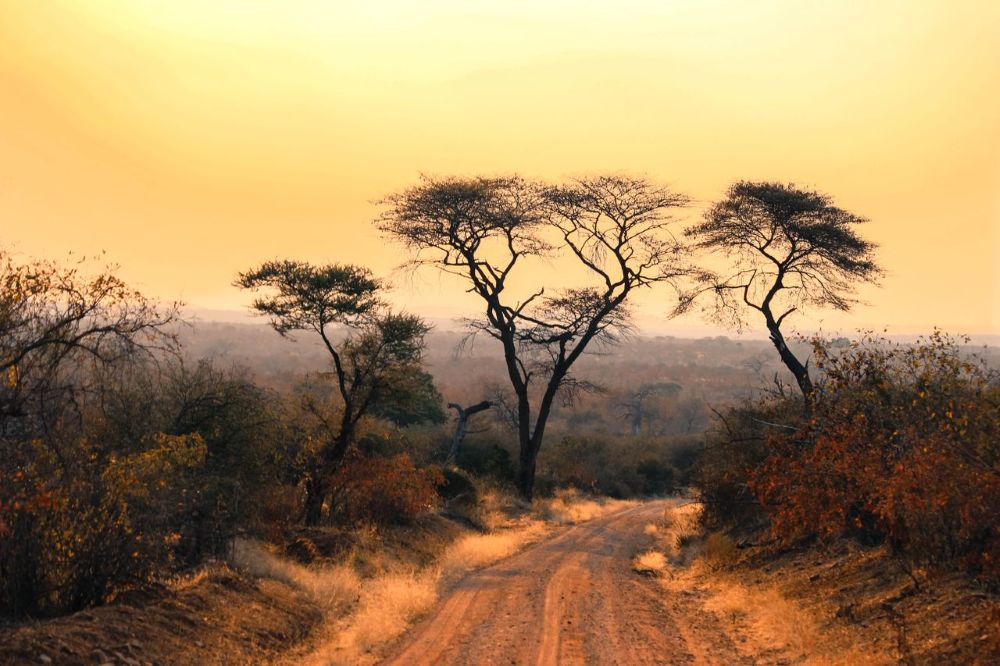
Almost every hunter travelling to Africa for the first time believes it will be a once-in-a-lifetime safari.
Months are spent comparing destinations, studying species, choosing rifles and building the perfect trophy list. Planning African Hunting Trips becomes part of the excitement long before the flight ever leaves home, with evenings disappearing into maps, hunting reports and conversations about buffalo, kudu, leopard and plains game. Range sessions become more frequent, load development suddenly seems more important than ever, and gear is checked, packed and checked again. Like most first-time hunters, the focus is naturally on the animals that might be brought home.
What surprises many is that the memories which stay with them are often something entirely different.
It may be the smell of wood smoke drifting through camp before sunrise while coffee is poured around the fire. It could be fresh spoor crossing a sandy road, causing the Professional Hunter to quietly abandon the original plan before anyone has even left the truck. Before long, the trackers are discussing the tracks among themselves, everyone has an opinion on where the animals are heading, and the excitement quietly builds as the hunt begins to unfold.
Later that evening, the conversation continues around the campfire. Stories from the day's hunt are shared over an ice-cold local beer, missed opportunities somehow become funnier than successful shots and tomorrow's plan slowly begins to take shape. Somewhere between those early mornings and relaxed evenings, hunters realise they have become part of something much bigger than simply collecting trophies.
Sometimes it is simply the feeling that every day begins without knowing exactly how it will end. Somewhere during those first few days, hunters realise the safari has quietly become about far more than the trophies.
By the time the flight home departs, hunters may already think about returning. Not because they failed to complete the trophy list or missed an opportunity, but because Africa has a remarkable way of getting under a hunter's skin in ways they never expected.
That is why hunters keep crossing the Atlantic.
Because one safari is rarely enough.
[DYNAMIC-BLOGTABLEOFCONTENT]
Every Morning Begins With Possibility
Ask any hunter who has returned to Africa more than once what they remember most, and the answer is rarely a single trophy. More often, it is the anticipation that comes with every new day. One of the defining characteristics of African Hunting Safaris is that no two mornings ever begin quite the same way.
One day may start by following fresh buffalo tracks through mopane woodland. The next could see a Professional Hunter quietly changing direction after discovering leopard spoor crossing a sandy road only minutes earlier. Sometimes the trackers stop without saying a word, studying a single track in the dust before everyone instinctively gathers around to see what they have found.
Plans are discussed around the campfire the night before, but experienced hunters quickly learn that the bush has a way of rewriting them. A change in the wind, fresh spoor, an alarm call or an unexpected animal crossing the road can alter the entire day before the hunt has properly begun.
Early mornings carry a sense of anticipation that is difficult to describe until you have experienced it. As the day draws to a close, that same feeling quietly returns. During the last half hour before sunset, the light softens, the temperature begins to fall and the bush often seems to come alive once again. Hunters know that some of the day's best opportunities may still lie ahead, making it just as difficult to relax in the evening as it was to sleep the night before.
Africa Rarely Follows the Plan
Every hunter arrives in Africa with a plan.
Months of preparation have usually produced a carefully considered trophy list, while each evening in camp ends much the same way. Around the campfire, the Professional Hunter discusses where game was seen that day, how the wind is expected to behave and which areas offer the best opportunities the following morning. By the time everyone heads to bed, there is usually a clear idea of what tomorrow should look like.
Then Africa quietly changes the conversation.
Fresh buffalo spoor crossing a sandy road before sunrise may send the hunting party in a completely different direction. A mature kudu spotted feeding on a distant hillside can suddenly become the day's priority. Sometimes a leopard is seen crossing the track, elephants block the intended route or unexpected rain transforms the way the entire hunt needs to unfold.
The most memorable days are often the ones nobody planned.
Returning hunters eventually stop worrying when the original itinerary begins to change. They learn to trust the judgement of the Professional Hunter, the instincts of the trackers and, perhaps most importantly, what the bush is quietly revealing that morning. Rather than asking, "What's next on the schedule?" they begin asking, "What is Africa telling us today?"
That change in mindset is difficult to explain before a first safari. Once it has been experienced, it becomes one of the reasons so many hunters find themselves planning another trip before the first one has properly faded into memory.
You Start Hunting With Your Eyes Open
The first safari can feel almost overwhelming.
Everything is new. Herds of impala seem to appear around every bend, zebra stand watching from distant hillsides and giraffes wander quietly across the horizon. Hunters often find themselves constantly searching for the next species on the trophy list, worried they might miss an opportunity.

Then, almost without realising it, something begins to change.
Attention shifts away from simply looking for animals and towards noticing everything happening around them. Fresh tracks become just as interesting as the animals that made them. The alarm call of a francolin, the sudden silence of a troop of baboons or the uneasy behaviour of impala grazing ahead all begin to mean something. Hunters start reading the bush rather than simply walking through it.
The Professional Hunter and trackers have been doing exactly that from the very beginning.
Africa has simply started teaching.
Returning hunters gradually realise they are no longer looking at the bush in quite the same way. They begin noticing the little things that once passed unnoticed, understanding why the trackers stopped to study a single footprint or why the Professional Hunter suddenly changed direction without saying a word. The safari slows down, not because less is happening, but because they have started seeing far more than they did before.
Africa has not changed. The hunter has.
The People Become Part of the Reason You Return
Ask a hunter about a safari a few years later and the conversation often begins with the trophies.
Keep listening.
Before long, the names start appearing.
The Professional Hunter who always seemed to know when to slow the pace. The tracker who could follow a single footprint across ground that looked impossible to read. The camp cook who somehow remembered exactly how everyone liked their breakfast. The skinner who took obvious pride in preparing every trophy with the same care as if it were his own.
Africa has a remarkable way of creating friendships in places where you would least expect them. Days spent walking together, sharing successes, disappointments and countless hours around the campfire create bonds that are difficult to explain to anyone who has never experienced an African safari.

Out in the bush, titles quietly disappear. The company owner, surgeon, electrician and farmer all become simply hunters, listening as an experienced tracker reads the ground beneath their feet and explains a story that nobody else could see. Respect is earned through shared time rather than job titles, and every member of the hunting team plays an important part in the safari.
By the second or third visit, hunters are no longer returning only for the country or the game. They are returning to people they trust, camps that feel familiar and a team whose strengths they already understand. Knowing how a Professional Hunter likes to hunt, how the trackers work together and how camp simply feels removes uncertainty and allows the hunter to settle into the safari from the very first day.
Those relationships are difficult to measure, yet they often become one of the strongest reasons hunters keep crossing the Atlantic.
You Stop Collecting Trophies and Start Collecting Hunts
Every hunter arrives in Africa hoping to take home memorable trophies. There is nothing wrong with that. Every safari begins somewhere, and the excitement of pursuing Africa's iconic game is part of what makes a first trip unforgettable.
Over time, the questions begin to change.
Instead of asking, "How many animals can I hunt?" hunters begin asking, "What kind of hunt do I want?"
A buffalo tracked on foot through Zimbabwe offers a completely different challenge from climbing Namibia's mountains in search of kudu. Following elephant across Tanzania is unlike anything found elsewhere, while the forests of Cameroon demand patience, endurance and a willingness to hunt in an entirely different world. None of those safaris is better than another. They simply offer different stories.
The destination gradually becomes just as important as the species.
Hunters stop choosing a safari because it offers the longest trophy list and begin choosing it because of the country, the terrain, the people and the style of hunting. A ten-day safari pursuing one old buffalo may become more rewarding than taking several animals in less demanding country. Others return simply to walk familiar ground again, hunt with the same Professional Hunter or spend another week in a camp that has started to feel like a second home.
The trophies continue to find their place on the wall, and the hunts find their place in memory.
That is when hunters realise they are no longer collecting animals, they are collecting chapters of a lifetime spent hunting Africa.
The Journey Continues
Perhaps that is why Africa stays with hunters long after the safari ends.
The trophies eventually find their place on the wall, but over the years they come to represent far more than the animals themselves. Every one tells the story of a place, the people who shared the hunt and a particular chapter of life that can never be repeated.
A buffalo may remind a hunter of the first time he truly understood what tracking meant. A kudu might bring back memories of a favourite camp, an old Professional Hunter or a tracker whose name still comes up whenever hunting stories are told. Years later, those memories often become just as valuable as the trophies themselves.
Time has a way of changing hunters. The young man who first crossed the Atlantic chasing Africa's iconic game may one day return simply to walk familiar country again, hunt with old friends or introduce a son, daughter or grandchild to the continent that gave him so much. The reasons evolve, but the desire to return rarely fades.
Whether it is your first safari or the beginning of many more, African hunting trips have a remarkable way of becoming part of a hunter's story. The trophies eventually fill the room.
The memories quietly fill a lifetime.
Frequently Asked Questions
Why do so many hunters return to Africa more than once?
Many hunters arrive believing their first safari will also be their last. What often brings them back is not a single trophy, but the combination of the hunting, the people, the wilderness and the feeling that every safari offers something completely different from the one before.
How many days should I allow for my first African hunting safari?
Most first-time hunters spend between seven and ten hunting days, although the ideal length depends on the species being hunted, the country and the style of safari. Allowing enough time gives hunters the opportunity to enjoy the experience rather than feeling rushed from one trophy to the next.
Do I need to know exactly what I want to hunt before booking?
Having a rough idea certainly helps, but many hunters discover their priorities change after speaking with an experienced Professional Hunter. The country, terrain and style of hunting often become just as important as the species themselves.
Why do experienced hunters often return to the same Professional Hunter?
Trust is built over time. Once hunters find a Professional Hunter and hunting team whose style suits them, many choose to return because they already understand how one another hunts. Familiarity allows the safari to begin naturally from the very first day.
Does every African hunting safari follow the original plan?
Rarely. Weather, fresh spoor, changing wind conditions and unexpected game sightings can all alter the day's hunting. Experienced hunters often see this flexibility as one of the things that makes African safaris so rewarding.
Is a first African hunting safari suitable for someone who has never hunted Africa before?
Absolutely. Every experienced African hunter started with a first safari. Good preparation, realistic expectations and choosing the right hunting team usually contribute far more to a successful first trip than previous African hunting experience.
What's the best way to start planning an African hunting trip?
The best place to begin is by deciding what kind of safari you want rather than focusing only on a trophy list. Choosing the right country, species and hunting style early on makes planning much easier and helps create a safari that matches your goals.