
Nobody flies halfway around the world simply to squeeze a trigger.
The trophy may be what first brings hunters to Africa, but it is rarely the only thing they remember after returning home. Long after the rifle has been unpacked and the photographs have found their place on the wall, other memories have quietly become just as important.
There is the smell of coffee drifting through camp before daylight. The laughter coming from the trackers while they load the truck. Long drives through country where every bend in the road could reveal something unexpected. Evenings around the fire where stories somehow become better with every retelling and tomorrow's hunt slowly takes shape beneath a sky full of stars.
None of those moments appear on a trophy fee list, yet they become part of every safari.
The longer hunters spend in Africa, the more they realise that the animal they came to pursue is only one part of a much bigger story. The people they hunted beside, the friendships formed around the campfire and the laughter shared over an ice-cold beer or a brandy and Coke after a long day in the bush become just as memorable. So does the simple pleasure of spending uninterrupted time with family, friends or hunting companions.
Together, those moments become part of what makes an African hunting safari so difficult to forget.
Long after the rifle has been unpacked and the photographs have found their place on the wall, the stories are often remembered just as clearly as the trophies themselves.
[DYNAMIC-BLOGTABLEOFCONTENT]
The Hunt Begins Long Before You See an Animal
The first animal of the safari is rarely the first thing hunters remember.
Long before daylight, camp is already awake. Coffee is poured while the smell of wood smoke drifts through camp as the donkey boilers heat the morning showers. In larger hunting areas, breakfast may be little more than a few quick mouthfuls before everyone climbs into the truck. Cooler boxes are packed with ice, rifles are checked one last time and the day's supplies are loaded before the drive begins.
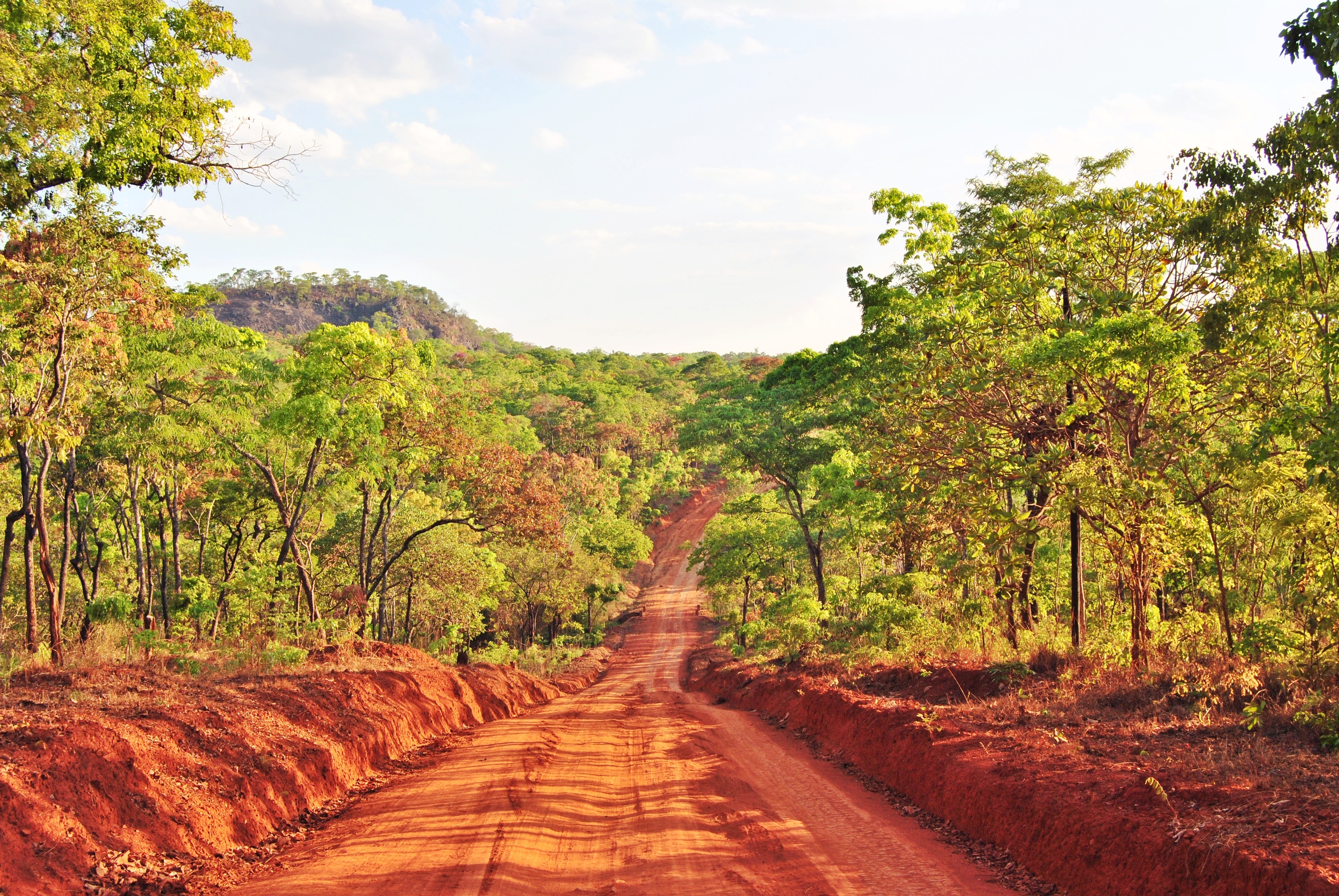
Some mornings, the hunting starts only a few minutes from camp. On others, rough roads and vast concessions mean several hours may pass before the team reaches the area they intend hunting. Those early drives are all part of the safari. The sun slowly rises, game begins to move and conversations drift between yesterday's hunt and what the new day might bring.

Then everything can change in an instant.
Fresh buffalo spoor crossing the road, a kudu bull disappearing into thick cover or a leopard track in the dust may bring the vehicle to a stop without warning. Plans are quickly forgotten as the Professional Hunter and trackers decide what the bush is offering that morning.
By the time hunters finally catch sight of the animal they came to pursue, the day has often been underway for hours. The hunt did not begin with the trophy. It began long before the first tracks were ever followed.
Some of the Best Memories Happen Between Hunts
Not every memorable moment happens with a rifle in your hands.
Some happen during the drive back to camp after a long morning on the spoor. Others come while everyone sits beneath the shade of a tree eating lunch, waiting for the heat of the day to pass or discussing where the afternoon hunt should begin. Those quieter moments have a way of becoming just as memorable as the hunting itself.

Africa has a way of leaving memories in places hunters never expect. The smell of wood smoke drifting through camp before sunrise. The faint scent of burnt gunpowder lingering after the first shot of the morning. A hyena calling somewhere beyond the fire after dark or a thunderstorm rolling across the bush before disappearing as quickly as it arrived. Those moments have nothing to do with the trophy itself, yet they become inseparable from the safari.
The little things also become part of the story. Jackets, gloves and beanies that were essential before sunrise end up piled across the seats of the truck by lunchtime, only to be pulled on again for the drive back to camp. Dust finds its way into everything, somebody opens another cold beer after a long day in the bush and before long the conversation has already turned to tomorrow's hunt.
Years later, hunters rarely remember those moments in the order they happened. Sometimes all it takes is the smell of wood smoke, the sound of a distant hyena or the crack of a rifle on a cold morning to bring an entire safari rushing back.
Africa Gives You Something Modern Life Rarely Does
Life has a habit of demanding constant attention. Phones ring, emails arrive, meetings fill the calendar and someone is always expecting an answer. Truly uninterrupted time together has become surprisingly rare.
An African safari is one of the few places where that begins to change.
Days are spent walking, driving and sitting together without constantly thinking about what is happening back home. There is time to laugh about the morning's stalk, sit quietly while watching wildlife that was never on the licence and enjoy conversations that would probably never happen during everyday life.
Perhaps that is because Africa quietly changes the pace of life. Hours are no longer measured by meetings or notifications, but by sunrise, fresh spoor, the direction of the wind and where the next set of tracks might lead. Somewhere along the way, hunters stop looking at their watches quite so often and start noticing everything else instead.
For those hunting with family, the safari often becomes a classroom without anyone realising it. A father explains why the trackers stopped to study a footprint. A son celebrates his first springbok. Someone learns why eye relief matters after earning a small cut above the eyebrow. Even changing a flat tyre beside a remote track somehow becomes part of the adventure.
Perhaps that is why so many return.
By the middle of almost every safari, the conversation has already turned to the next one. Different country. Different species. Maybe the same camp. Maybe new hunting companions. Africa has a habit of making people think about coming back long before they have even boarded the flight home.
Africa has a way of reminding hunters that the greatest trophies are not always measured in inches. Sometimes they are measured in the time spent with the people who matter most.
Some memories eventually fade. Time spent together rarely does.
The Trophy Is Never Just the Trophy
For someone who has never hunted, a mounted buffalo, kudu or leopard may seem like little more than an animal displayed on a wall.
Hunters see something completely different.
Standing in front of a trophy years later rarely brings back only the moment the shot was taken. It brings back months of planning, studying maps and dreaming about the safari long before the flight ever left home. It reminds them of freezing mornings wrapped in jackets, the heat of the afternoon, tsetse flies, the buffalo that outsmarted everyone, the stalk that almost worked and the one that didn't.
Hunters also know that the trophies on the wall represent only part of the story. During almost every safari, perfectly good opportunities are deliberately passed. Younger animals are left to mature, stalks are abandoned when the conditions are wrong and sometimes the animal everyone hoped to find simply never appears. If hunting were only about collecting trophies, most hunters would return home with far more animals than they do. Judgement, patience and knowing when not to shoot become just as much a part of the safari.
Every trophy becomes a doorway back to a particular place and a particular time in life.
That is why hunters smile when they look at a mounted animal. They are not simply remembering what they hunted. They are remembering everything that surrounded it.
Perhaps that is also why people who have never hunted sometimes struggle to understand.
They see an animal.
The hunter remembers months of anticipation, early mornings, laughter around the campfire, the people who shared the journey and every challenge that came before the shot.
The animal may have brought them to Africa. Everything else is what they carry home.

Frequently Asked Questions About African Hunting Safaris
Why do hunters keep returning to Africa?
The first safari often begins with a particular species in mind, but the reasons for returning usually become much broader. The people, the hunting traditions, the camp life, the wilderness and the memories created along the way become just as important as the trophies themselves.
Is an African hunting safari only about taking trophies?
No. Harvesting a mature animal is certainly part of the objective, but a safari also involves tracking game, reading spoor, learning from Professional Hunters and trackers, spending time in camp and experiencing Africa's remarkable wildlife and landscapes. Those moments often become some of the strongest memories of the entire journey.
Why does every African hunting safari feel different?
No two safaris ever unfold in the same way. Weather, fresh spoor, changing conditions, wildlife movements and daily decisions all influence how each hunt develops. Even returning to the same camp can produce a completely different safari.
Why do mounted trophies mean so much to hunters?
A mounted trophy represents far more than the animal itself. It reminds hunters of the planning, the challenges, the people they hunted beside and the memories created throughout the safari. Every trophy tells a much bigger story than the moment the shot was taken.
How do I choose the right African hunting safari?
Every hunter arrives in Africa with different goals. Some dream of dangerous game, others prefer plains game, while many simply want to experience an authentic African safari with family or friends. Exploring the different African Hunting Trips available across the continent is one of the best ways to compare destinations, species and hunting styles before deciding which safari best matches your expectations.