
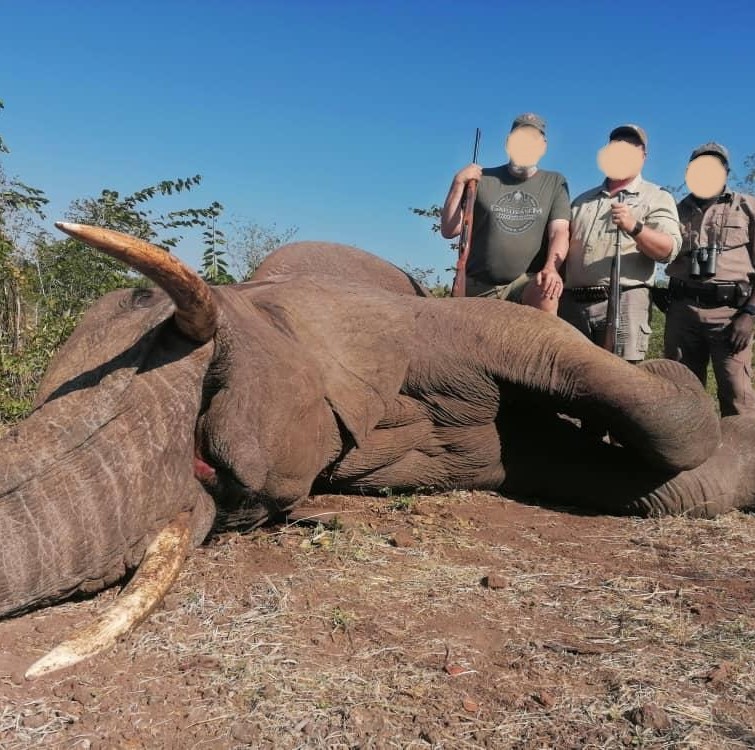
Hunters planning to go Elephant Hunting in Zimbabwe usually expect the greatest challenge to be finding a mature bull. It is an easy assumption to make. After all, Zimbabwe's large hunting areas, free-ranging elephants and thick bush have earned a reputation for producing some of Africa's finest elephant hunting.
The surprise comes when hunters discover that finding elephants is only part of the story.
Zimbabwe has a habit of teaching patience long before the first bull is ever seen. Patience while following fresh spoor that seems to disappear into endless country. Patience when a mature bull crosses onto the wrong side of a concession boundary. Patience while waiting for Zimbabwe Parks, local hunting teams or permission to move into another hunting area. Some days everything falls into place. On others, it feels as though the whole country is working to its own timetable.
That is not a flaw in elephant hunting in Zimbabwe. It is simply part of Hunting in Zimbabwe, one of Africa's classic Big Five Hunting destinations.
By the end of the safari, hunters realise they were never just learning how to hunt elephants.
Zimbabwe was quietly teaching them patience.
[DYNAMIC-BLOGTABLEOFCONTENT]
Zimbabwe Has Plenty of Elephants. Finding the Right Bull Is Something Else
One of the biggest misconceptions about Elephant Hunting in Zimbabwe is that large elephant populations automatically make the hunt easy. Zimbabwe certainly has no shortage of elephants across many of its hunting areas, but numbers alone rarely tell the whole story.
Finding elephants is often only the beginning.
Most elephants are simply not the bulls the hunting party is looking for. Younger bulls are deliberately passed, breeding animals are left alone and many encounters end with nothing more than another set of tracks disappearing into the bush. Finding elephants is one thing. Finding the right mature bull is something entirely different.
Some days begin with fresh spoor only a few hundred yards from camp yet end back around the fire without ever catching sight of the bull. Other times the hunting party finally catches up, only to discover the elephant has crossed onto another concession or into an area where hunting cannot legally take place. Everyone turns around and starts again.
That is why your PH will often recommend allowing more time than you initially think you'll need. A hunter may spend several days following different bulls, passing younger animals or watching mature elephants disappear into country where the hunt cannot continue. Those days are not wasted. They are simply part of hunting free-ranging elephants in Zimbabwe.

That is exactly why experienced hunters planning African Elephant Hunts often choose longer Zimbabwe safaris, allowing enough time for the right opportunity to develop naturally rather than trying to force the hunt into a fixed schedule.
Ironically, Zimbabwe's healthy elephant population can create exactly the opposite impression. Hunters often assume that more elephants automatically mean shorter safaris. More elephants usually mean more decisions, more patience and more time spent looking for the right bull rather than simply the first one.
Elephant hunting in Zimbabwe is rarely measured in miles driven. It is measured in miles walked. Fresh spoor that looked promising at sunrise may lead the hunting party through thick jesse, dry riverbeds and mopane woodland before fading away completely. Then the process starts again. Turning back after several hours on foot is never enjoyable, but it is often part of hunting truly wild elephants.
The hunt is not over because fresh spoor has been found, and it is certainly not over because elephants have been seen. It ends only when the correct bull has been identified, every legal requirement has been met and everything finally comes together.
Zimbabwe Doesn't Follow Your Schedule
One of the first lessons elephant hunting in Zimbabwe teaches is that the bush has very little interest in anyone's timetable. Hunters arrive with carefully planned itineraries, expected hunting areas and a rough idea of how each day will go. Zimbabwe often has other ideas.
A Parks ranger may still be traveling to meet the hunting party. Moving between hunting areas can mean dropping one ranger off before collecting another. Roads that look straightforward on a map may take hours longer than expected, while local arrangements and community agreements sometimes require a little more time before the hunt can continue.
At first, those delays can be frustrating.
Then something changes.
Hunters stop looking at their watches. They realise that becoming frustrated will not make the roads any smoother, the ranger arrives any sooner or the elephants appear any faster. The best approach is simply to go with the flow and enjoy the safari for what it is rather than trying to force it into a schedule.
Strangely enough, that is usually the moment people begin enjoying the safari even more.
The Hunt Can Change at Any Moment
One of the most difficult parts about elephant hunting in Zimbabwe is accepting that no two days are ever the same.
A hunting area that seemed lifeless yesterday can suddenly produce fresh spoor the following morning. A herd that disappeared into thick bush may reappear several days later. Plans change, the wind changes, elephants change direction and what looked like a disappointing safari can suddenly come alive in the space of an hour.
Sometimes the change comes from somewhere completely unexpected. A community member may arrive in camp with news that elephants were seen moving through a particular area before sunrise. A tracker may discover fresh spoor where none existed the previous afternoon. A single message over the radio can have everyone loading the truck within minutes and heading in a completely different direction.
That uncertainty is simply part of elephant hunting in Zimbabwe.
It is also one of the reasons hunters learn not to judge a safari too early. Zimbabwe has a habit of keeping everyone guessing until the very end, and the bull that finally comes together is often the one nobody expected to find that morning.
Patience is not about waiting because nothing is happening. It is about understanding that everything can change when you least expect it.

Rushing Rarely Ends Well
Perhaps the greatest test of patience comes when the opportunity finally arrives.
After days of tracking, waiting and wondering whether the hunt will come together, the temptation is to convince yourself that every mature-looking bull should be taken. That is exactly when patience matters most.
Zimbabwe has a way of reminding hunters that finding elephants is not the same as finding the right bull. A bull may appear for only a few moments before disappearing into thick jesse. Another may seem ideal until everyone has time to study him properly. The excitement of finally seeing ivory after days of searching can easily cloud good judgement.
The same lesson applies across Zimbabwe's dangerous game. Hunters pursuing Cape buffalo hunting in Zimbabwe quickly learn that patience often means walking away from younger bulls, waiting for an old hard-bossed bull or simply accepting that today's opportunity is not the right one. Elephant hunting demands the same discipline.
By this stage of the safari, patience and trust usually go hand in hand. Hunters learn to trust the judgement of their PH, the eyes of the trackers and the process that has brought them this far.
Sometimes the wind is wrong. Sometimes the angle is unsafe. Sometimes the bull simply is not what the hunting party hoped to find. And sometimes the correct decision is to lower the rifle and keep hunting.
Those decisions are never easy, especially after several long days in the bush. Yet they are often the moments hunters remember with the greatest satisfaction afterwards. Walking away from the wrong opportunity takes every bit as much patience as following fresh spoor for miles through the Zimbabwe bush.
The hunt is remembered not because it ended quickly, but because it ended correctly.
What Zimbabwe Teaches Every Elephant Hunter
Ask ten hunters around a campfire what they remember most about their elephant safari in Zimbabwe and you'll probably hear ten different stories.
One will talk about the miles walked through jesse and mopane. Another will remember the bull that crossed onto the wrong side of a concession boundary just when everything seemed to be coming together. Someone else will laugh about the Parks ranger who eventually arrived, the community member whose unexpected visit changed the day's plans or the fresh spoor that appeared where nobody expected it.
Some will remember the elephant they finally took. Others will remember the one that got away.
Yet if you ask them what Zimbabwe taught them, the answer is usually much the same.
Patience.
Not the kind that comes naturally, but the kind earned one sunrise at a time, one set of tracks after another and one difficult decision after the next.
It teaches hunters that not every day goes to plan, not every mature bull should be taken and that the best elephant safaris can never be rushed. They happen when the bush, the people and the opportunity finally come together.
That is why elephant hunting in Zimbabwe stays with people long after the ivory has been measured and the rifle has been put away.

Frequently Asked Questions About Elephant Hunting in Zimbabwe
Why does elephant hunting in Zimbabwe usually take longer than hunters expect?
Zimbabwe has healthy elephant populations, but finding elephants is only part of the hunt. Time is often spent tracking different bulls, passing younger animals, waiting for the right opportunity and dealing with changing conditions. Hunting free-ranging elephants cannot be rushed, which is why many safaris are planned over longer periods.
Is elephant hunting in Zimbabwe physically demanding?
It can be. While vehicles are used to reach hunting areas, much of the hunt takes place on foot. Hunters may spend hours following fresh spoor through jesse bush, mopane woodland and dry riverbeds before the tracks fade away and the search begins again. A reasonable level of fitness helps hunters enjoy the safari and stay comfortable throughout long days in the bush.
Why do hunters pass elephants during a Zimbabwe safari?
Not every bull is the right bull. Younger animals are deliberately left to mature, some elephants move into areas where hunting cannot continue and others may simply not meet the objectives agreed upon with the Professional Hunter. Patience and careful judgement are essential parts of ethical elephant hunting in Zimbabwe.
What other dangerous game can I hunt in Zimbabwe?
Zimbabwe is recognised as one of Africa's premier dangerous game destinations, offering opportunities to hunt elephant, Cape buffalo, leopard, lion, hippo and crocodile in suitable areas and under the appropriate quotas. Hunters interested in combining species can explore our Big Game Hunting opportunities or browse our African Hunting Trips to compare different safari options across Zimbabwe and the rest of Southern Africa.
How many days should I allow for elephant hunting in Zimbabwe?
A ten-day safari can work, but elephant hunting rarely rewards a tight schedule. Hunters specifically travelling to Zimbabwe for a mature bull should seriously consider allowing around 14 to 16 hunting days, particularly when pursuing free-ranging elephants across large safari areas. Extra days provide time for changing elephant movements, long tracking days, bulls moving across boundaries and the inevitable delays that form part of hunting in Zimbabwe. Your PH can recommend the most appropriate safari length for the area and quota being hunted.
What does an elephant hunt in Zimbabwe cost?
The cost of an elephant hunt in Zimbabwe varies according to the hunting area, safari length, quota, trophy expectations and what is included in the package. Rather than comparing trophy fees alone, hunters should compare the complete safari. Our African Hunting Safari Prices guide explains the main costs involved.
Is elephant hunting legal in Zimbabwe?
Yes. Elephant hunting is permitted in Zimbabwe under regulated hunting quotas and applicable wildlife laws. Hunts take place in approved hunting areas and involve the required licences, permits and oversight. The availability of quota varies by area and season, which is another reason hunters should confirm the complete safari arrangements before travelling.