
American hunters planning their first trip to Africa often start with a country. South Africa sounds easy to reach. Zimbabwe has a reputation for dangerous game. Tanzania is the Africa they grew up reading about.
There is nothing wrong with starting there, but there is a better question to ask first.
What animal do you really want to hunt?
Not the ten or fifteen animals you have written on a trophy list. The one animal that would bother you if you flew home without ever having properly hunted it.
Start there.
The animal you choose can determine almost everything that follows. It can change the country, hunting area, number of days, time of year, cost of the safari and even how physically demanding the hunt will be. It can also decide whether you spend your days following tracks through thick bush, glassing mountains, sitting over a leopard bait or walking behind trackers until fresh buffalo spoor finally turns into buffalo.
That is why choosing the right African hunting safari should begin with the animal rather than a map.
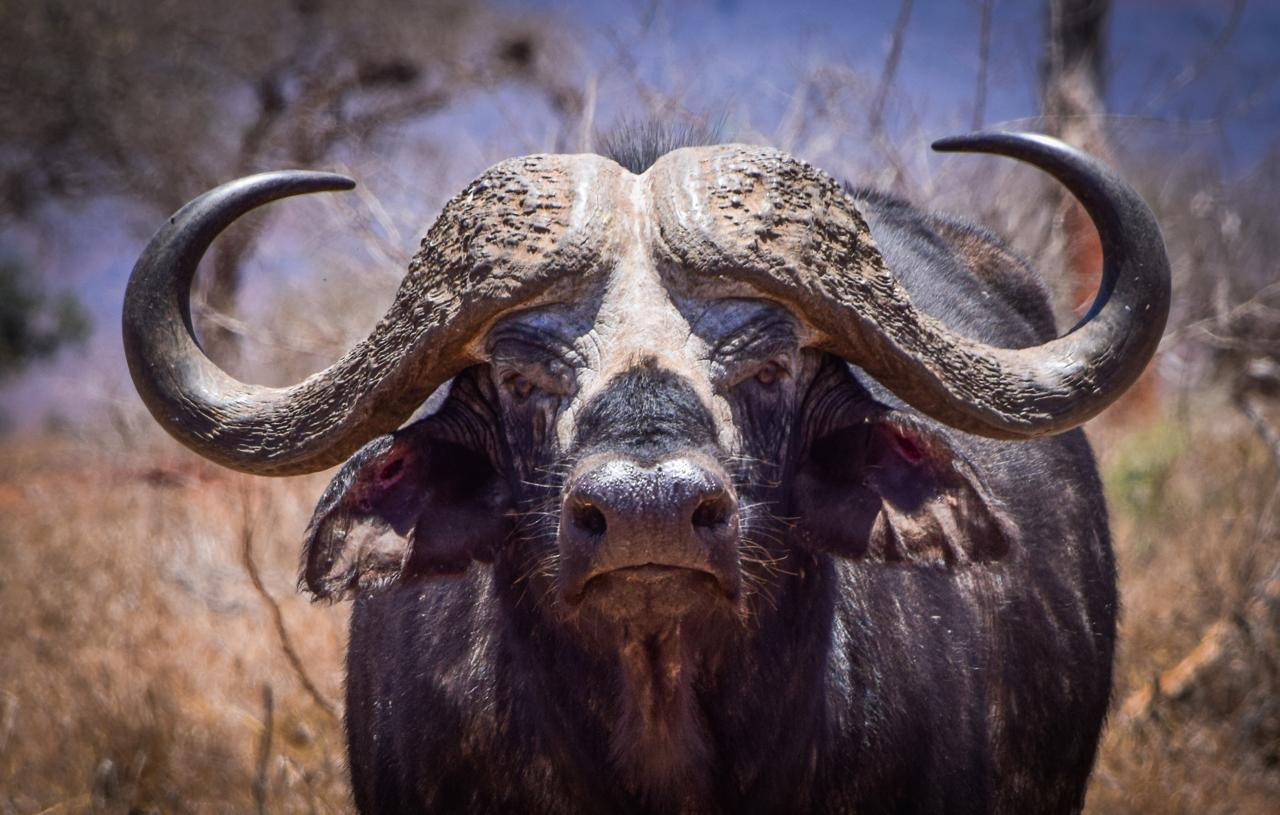
Cape buffalo are a good example. You can hunt buffalo in South Africa, Zimbabwe, Zambia, Mozambique, Tanzania and elsewhere, but those hunts are not interchangeable. A hunter looking for a long, traditional safari in remote Tanzania is asking for something very different from someone who wants to spend seven days hunting buffalo in South Africa and add several plains game animals along the way.
Neither hunt is necessarily better. They are simply different hunts built around the same animal.
The same applies to leopard, elephant, kudu and dozens of other African species. Sometimes there are several countries that make sense. Sometimes the animal narrows the choices considerably. And occasionally, the animal makes most of the decision for you.
Before choosing where to go in Africa, decide what you really came to hunt, then start building the safari around it.
[DYNAMIC-BLOGTABLEOFCONTENT]
The Same Animal Can Give You a Completely Different Hunt
Finding a country where an animal can be hunted is the easy part. When planning Big Game Hunting, choosing how you want to hunt that animal is where the decision becomes more interesting.
Cape buffalo make the point perfectly. A mature bull is still a Cape buffalo whether you find him in Zimbabwe, Tanzania, Mozambique, Zambia or South Africa. But the safari surrounding that bull can be completely different.
One hunter may want to spend days cutting tracks and following buffalo through wild country, knowing there is no guarantee the tracks will eventually lead to the bull he wants. Another may have limited time and prefer a more focused safari where buffalo are the main objective from the first morning. Someone else may want the old-fashioned version: a long safari where buffalo are only one part of several weeks spent hunting dangerous game.
The animal has not changed. Everything around the hunt has.
Terrain matters. So does the size and type of hunting area. The number of days available matters. Game movement, hunting pressure, physical demands and the possibility of combining other species can all change what the safari looks like.
This becomes even more obvious once you move beyond Cape buffalo.
A hunter interested in greater kudu has far more countries and hunting areas to choose from, which makes terrain, subspecies and hunting style increasingly important. Someone determined to hunt a forest bongo has the opposite problem. The animal's natural range has already removed most of Africa from the conversation.
That is why asking “Where can I hunt this animal?” is rarely enough.
A better question is:
“Where can I hunt this animal the way I want to hunt it?”
That small change in thinking can lead to a very different safari.
Cape Buffalo: When the Hunt Matters as Much as the Bull
Cape buffalo are hunted across several African countries, which might make choosing a destination seem straightforward. Find good buffalo country, look at the trophy quality, compare prices and book the hunt.
It is not quite that simple.
Before choosing where to go on a Cape Buffalo Hunt, decide what you want the hunt itself to look like.
In Zimbabwe, that may mean finding tracks at first light and spending most of the day following a herd or a group of Dagga Boys through thick jesse. In Zambia, buffalo can move over large areas and yesterday's information may mean very little by the following morning. Mozambique can involve remote hunting areas where finding buffalo is only the beginning and getting onto the right bull may take days.
Tanzania takes the idea even further. A buffalo hunt may form part of a much longer traditional safari, with considerable distances between hunting areas and other dangerous game forming part of the plan. South Africa can offer a very different proposition. A hunter may book a shorter, more focused safari knowing the trophy class he is hunting and, in some cases, even the particular bull he hopes to pursue. He may arrive knowing that a specific 43-inch buffalo has been identified on the property, while still having to find and hunt that bull once the safari begins.
All of them can produce a mature Cape buffalo.
The question is what you want to do before you finally get onto the sticks.
The number of hunting days deserves just as much thought as the destination. Cutting two or three days from a safari may save money on daily rates, but that saving means very little if you run out of hunting time before finding the bull you came for. This becomes particularly important on free-range hunts, where buffalo can move long distances and there is no guarantee that fresh tracks on the first morning will produce an opportunity that day.
If the budget is already stretched, it can make more sense to wait a little longer, save the extra money and book enough days to give the hunt a fair chance. An extra two days in the field can be worth considerably more than arriving home wishing you had bought yourself more time.
Do you want a week built almost entirely around buffalo? Are you prepared to spend ten days following tracks without knowing when the opportunity will come? Do you want buffalo to be one part of a longer dangerous game safari? Does your wife or a friend want to travel with you?
Those questions can matter more than another inch of horn.
A hunter who gets this decision right isn't simply choosing where buffalo live. He is choosing the kind of buffalo hunt he wants to remember.
Leopard: When the Country Changes the Entire Safari
Leopard can turn the normal way of planning a safari on its head.
If leopard is the animal you really want to hunt, that decision usually needs to be made before the safari is booked. Leopard hunting is controlled by quota and licensing, and in most destinations the outfitter must have leopard available in the hunting area for the safari being offered. It is not normally an animal you decide to add halfway through a hunt simply because fresh tracks appear on the road.
That makes choosing the right Leopard Hunt different from adding another plains game animal to a trophy list.
The next question is how you want to hunt leopard.
That can change the destination completely. In parts of Namibia, including Bushmanland, leopard are often encountered and hunted during daylight. A hunter specifically attracted to that style of hunt may therefore make a very different choice from someone planning a traditional baited nocturnal leopard safari.
Tanzania presents another set of conditions. Leopard may form part of the species available under the relevant safari licence, but hunting at night is not permitted. Baits need to be established and checked, cats need to be patterned, and the hunter may spend considerable time waiting for a mature tom to make a mistake during legal hunting hours.
Other destinations bring their own regulations, hunting methods and practical considerations. Tanzania, Zimbabwe, Zambia, Mozambique and Namibia can all produce excellent cats, but simply asking which country has the most leopard misses the point.
The hunting area matters enormously.
A mature tom may feed on bait one night and disappear the next. Another cat may move in. A good male may appear repeatedly on trail cameras but never when the hunter can legally take him. Fresh tracks can tell you that the cat you want is somewhere nearby without giving you the slightest guarantee that you will ever see him.
That uncertainty is part of leopard hunting.
Trying to save money by cutting hunting days can be a poor bargain. If leopard is one of the reasons you are flying to Africa, give the hunt enough time. Saving several daily rates does not look nearly as clever when the tom you have been waiting for finally begins feeding consistently after you have already packed your rifle.
Your second priority can also change where the safari should take place. A hunter looking for leopard and buffalo may arrive at a different answer from someone wanting leopard and kudu. The right hunting area needs to give the primary animal a genuine chance while still making sense for the rest of the safari.
This brings us straight back to the first question.
If leopard is the animal, say so at the beginning.
Don't choose the country, book a safari and then try to fit leopard into it.
Choose leopard first. Then decide how you want to hunt it, find the available quota and choose the hunting area, number of days and safari that give you the hunt you came to Africa for.
Kudu: When More Choice Makes the Decision Harder
Kudu present almost the opposite problem to leopard. Instead of having limited quota and a relatively small number of realistic options, a hunter looking for greater kudu can choose from a large part of southern Africa.
That does not mean every kudu hunt is the same.
Before booking a Kudu Hunt, think about what you picture when you imagine hunting one. You may want to glass rocky mountains and broken ridges, hunt thick bush where a bull can disappear after taking two steps, or spend several days looking for one old bull rather than trying to collect half a dozen plains game species around him.

The hunting area can also change what should be considered a good trophy. In parts of South Africa's Eastern Cape, for example, kudu are generally smaller than the bulls hunters may encounter in some of the country's better-known greater kudu areas. A heavy, mature 48-inch Eastern Cape bull may therefore be an excellent trophy for that area even though he is never going to trouble the Rowland Ward record book.
That is worth understanding before the hunt, especially if inches matter to you.
There is nothing wrong with wanting a 55- or 60-inch kudu. If that is genuinely important, say so. The mistake is booking a hunting area for other reasons and only later discovering that your expectations do not match the kudu normally produced there.
Your other animals can narrow the choices further. A hunter whose main priorities are kudu, gemsbok and springbok may end up looking at very different country from someone wanting kudu, sable and Cape buffalo. Suddenly the question is no longer simply where good kudu occur. It is where the right combination of animals and hunting country can be put together in one safari.
This is an advantage of starting with the animal rather than the destination. Kudu may give you plenty of choices, but those choices become much easier to sort through once you know what kind of kudu hunt you want, what else matters and what you expect a good bull to look like.
Elephant: When the Animal Starts Narrowing the Map
Elephant begin to narrow the choices again.
Once a hunter decides that elephant is the main reason for the safari, simply finding a country with elephant quota is not enough. The hunting area, elephant numbers, vegetation, visibility, movement of bulls and the amount of walking required can make one elephant hunt very different from another.

Before booking an Elephant Hunt, be honest about what you want from it and how hard you are prepared to work.
Namibia is a good example because two elephant hunts within the same country can be completely different. In the Caprivi, elephant numbers can be higher and visibility is often better. Finding bulls and judging them may therefore be more straightforward than in areas where elephant densities are lower and the country makes locating them considerably harder.
Move into Bushmanland or the Kalahari and the equation changes. Elephant can be spread across much larger areas, tracks may lead a long way before producing a sighting, and simply finding the right bull can become a major part of the hunt.
Tanzania can take that difficulty another step further. Huge hunting areas, thick vegetation and lower elephant densities in some concessions can mean long days spent looking for tracks, following bulls and covering considerable country before a serious opportunity develops. A hunter who wants that kind of safari may regard the difficulty as part of the reason for going. Someone else may decide that it is not the elephant hunt he wants.
Neither decision is wrong.
Physical ability matters as well. Following elephant tracks for several hours in African heat is different from seeing bulls regularly and being able to spend more time judging them before deciding whether to continue the stalk. A hunter who struggles to walk long distances should say so before the safari is booked, not after the trackers disappear over the next ridge.
Trophy expectations also need to be realistic. If a particular tusk weight matters, that needs to be discussed before choosing the country and hunting area. If the priority is an old bull and a proper tracking hunt rather than chasing a number, that can lead to a different recommendation.
This is where choosing the animal first becomes useful.
Saying “I want to hunt an elephant” starts the conversation.
Saying “I want to track an old free-range bull, I'm happy to walk hard, I have twelve days and inches or pounds aren't everything” gives us something we can build a safari around.
Your Second Animal Can Change the Answer
Choosing the animal that matters most gets you pointed in the right direction. The second animal on your list can change where that road leads.
Suppose Cape buffalo is the priority. If leopard is a close second, you need an area with suitable quota and enough time to hunt both properly. If sable is number two, the conversation changes. If you want buffalo, hippo and crocodile, access to the right rivers or lakes suddenly becomes part of the decision.
The same applies to plains game. A hunter who wants kudu above everything else but would also like gemsbok and springbok may be better suited to completely different country from someone whose priorities are kudu, nyala and bushbuck.
A list of fifteen animals followed by “What will this cost?” is not always the best way to start planning a safari.
Put them in order.
Tell him which animal you are coming to Africa for. Then identify the two or three animals you would really like to hunt if the right opportunity develops. Everything below that can remain exactly what it should be: part of the safari rather than a shopping list that must be completed before the flight home.
Trying to squeeze too many important animals into too few hunting days can work against the animals you care about most. If the first six days are spent looking for the right buffalo, there may not be enough time left to hunt leopard properly or move to another part of the hunting area for a particular plains game species.
Sometimes the better safari has fewer animals on the original list and more time to hunt the important ones properly.
Your first animal starts the plan. Your second animal often decides what that plan should look like.
The Right Animal Still Needs the Right Safari
Choosing the animal first does not mean everything else becomes unimportant.
The safari still has to suit the person going on it.
A remote camp reached by charter aircraft may sound perfect until you remember that your wife is coming along and would like to spend a few days sightseeing after the hunt. Ten days following elephant tracks may be exactly what one hunter wants and completely wrong for someone who cannot comfortably walk several miles each day.
Accommodation matters. So does travel time, physical ability, budget and the amount of time you can realistically spend away from home. Some hunters want the most remote free-range country they can find. Others would rather hunt hard during the day and return to a comfortable lodge that evening. Be honest about those things.
There is little point booking an incredible hunting area if the safari surrounding the animal does not suit you.
Start with the animal you really want to hunt. Decide how you want to hunt it. Put the next two or three animals in order. Give yourself enough hunting days and be realistic about what you want from the rest of the trip.
Then find the country and hunting area that puts those pieces together.
The best African hunting trip is not necessarily the one with the longest trophy list or the biggest animal. It is the one built around what you came to Africa to do.
Frequently Asked Questions
Should I choose the animal or the country first when planning an African hunting safari?
Start with the animal that matters most to you. Once that is clear, you can compare the countries and hunting areas that offer the type of hunt you want. The right answer may depend on trophy expectations, hunting method, available quota, terrain, budget and how much time you have available.
How many hunting days should I book for an African safari?
It depends heavily on the species and hunting area. A plains game safari may require considerably less time than a free-range buffalo, elephant or leopard hunt. Avoid cutting hunting days simply to reduce daily rates. If an important animal requires ten days, booking seven can become an expensive saving when you run out of time before getting the opportunity you came for.
Can I hunt several species on the same African safari?
Yes, and combining species is one of the advantages of hunting in Africa. The important part is deciding which animals are priorities. Put the one or two animals that really matter at the top of the list and build the safari around them. Secondary species can then be hunted when time and opportunity allow.
Is big game hunting different from planning a plains game safari?
Yes. Big game hunting in Africa often requires more planning around quota, hunting area, safari length and the amount of time needed to find the right animal. Buffalo, elephant and leopard can also require considerably more flexibility than a general plains game safari, particularly in large free-range areas. The animal you choose should therefore play a major role in deciding where you hunt and how many days you book.
Does the same African species hunt differently between countries?
Absolutely. Cape buffalo are a good example. A buffalo safari in Tanzania can be very different from hunting buffalo in Zimbabwe, Mozambique, Zambia or South Africa. The animal may be the same, but hunting area, game density, terrain, trophy expectations, safari length and the amount of predictability can differ considerably.
What information should I give an outfitter when planning my hunting trip?
Start with the animal you most want to hunt. Then explain your secondary species, trophy expectations, preferred hunting style, available dates, budget, physical ability and how many days you can spend in Africa. Mention observers or family members traveling with you as well. The more an outfitter understands about what matters to you, the easier it becomes to recommend the right hunting area and safari.
About the Author
Pierre van Wyk, co-founder of Game Hunting Safaris, has hunted across Africa and works directly with hunters planning safaris around the species and hunting style that matter most to them. He believes the right African hunt starts with understanding what the hunter wants before choosing the country.