
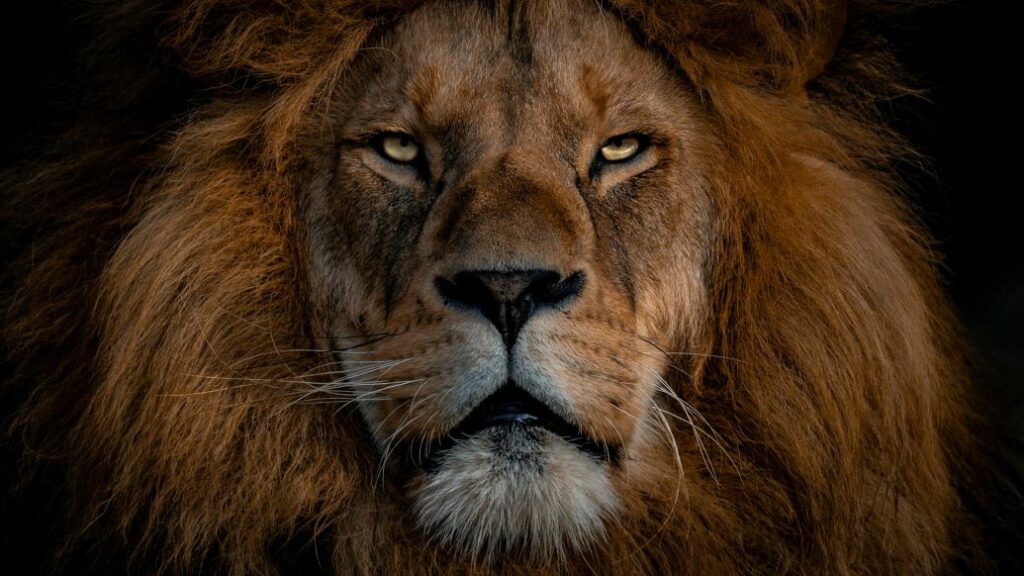
The reasons lions are hunted or killed across Africa are not all the same. Regulated trophy hunting, illegal poaching, livestock protection and historical cultural practices involve very different circumstances and should not be treated as one issue.
Legal lion hunts operate under national wildlife regulations, permits and limited quotas. Poaching for teeth, claws, skins and bones takes place outside these systems, while lions threatening livestock may be killed by farmers or wildlife authorities protecting rural communities.
Understanding these differences provides a more accurate picture of the pressures facing wild lions and the role that regulated wildlife management can play in areas where people and dangerous predators share the same landscape.
[DYNAMIC-BLOGTABLEOFCONTENT]
Why Are Lions Hunted or Killed in Africa?
1. Regulated Lion Hunting
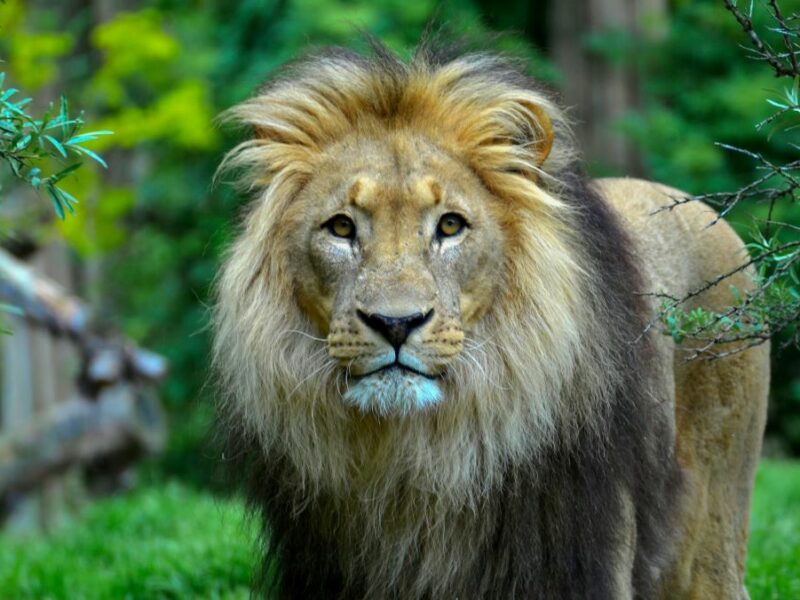
Lions are legally hunted in selected African countries under government permits and quota systems. These hunts generally focus on mature males and must be conducted by licensed outfitters and professional hunters operating within the regulations of the destination.
The lion remains one of the most sought-after members of Africa’s Big Five. Revenue generated through properly managed hunting programs may contribute to concession protection, anti-poaching work, employment and community projects in remote wildlife areas.
Hunters researching regulated and bookable Lion Hunts can explore our dedicated page covering current destinations, prices and safari opportunities.
2. Illegal Trade in Lion Body Parts
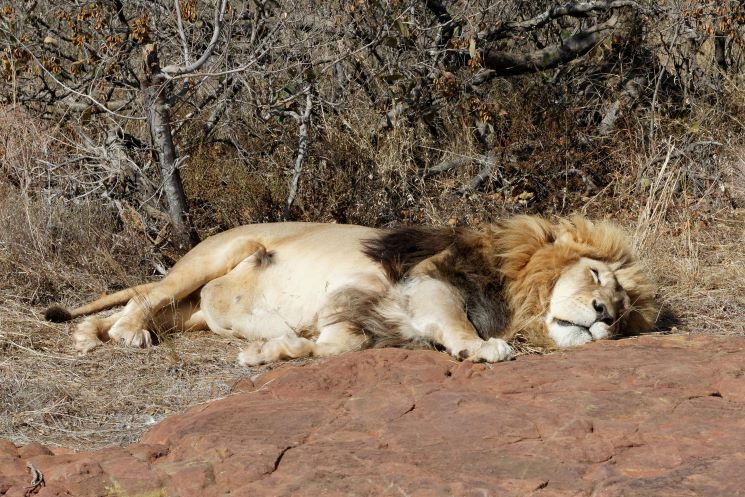
There is a growing illegal demand for lion body parts, including claws, teeth, skins and bones. The Asian market has for a long time already utilized various body parts in Traditional Chinese Medicine (TCM) and lions are hunted and poached to retrieve these body parts.
Closer to home the lion is used in items such as curios, clothing, handbags, wallets, and ornaments, and it is also used in traditional medicine in some areas of the African continent.
3. Human-Lion Conflict and Livestock Protection
As deforestation increases and the lion’s natural habitat decreases, there is at times an overlap between the wild and domestic ways of life. Hungry lions hunt and kill livestock in villages and settlements, destroying livelihoods and communities – and that is only if they target the livestock and not the humans!
These lions are then hunted and killed, to ensure the safety of the farmer’s livestock.
4. Historical Cultural Practices
Lion hunting historically formed part of a cultural rite of passage among some Maasai communities. Due to the reduced numbers of lions, they are no longer hunted as a rite of passage but are rather undertaken when their livestock are threatened or attacked by lions.
Understanding the Difference Matters
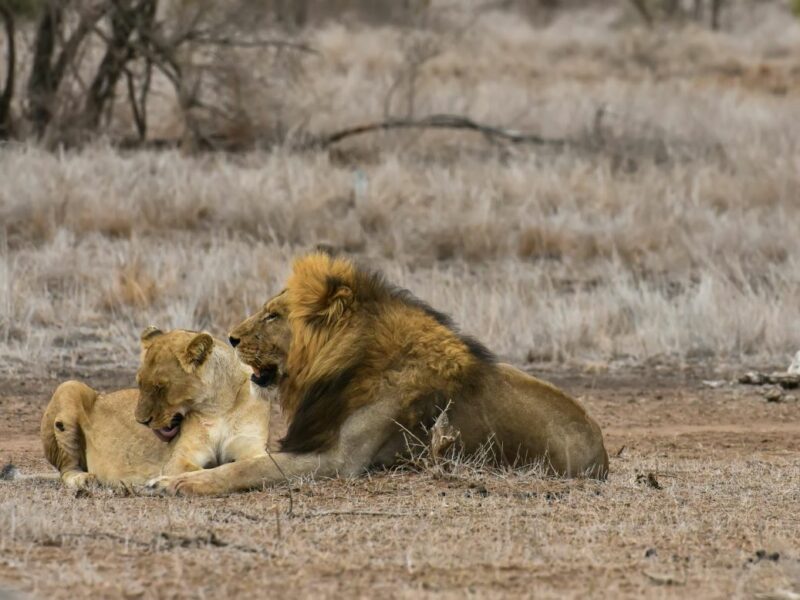
Regulated hunting, illegal poaching and the killing of lions during livestock conflict are fundamentally different activities. Each has different causes, legal consequences and implications for lion conservation. Treating them as interchangeable makes it more difficult to understand the pressures facing wild lion populations and the role of properly managed wildlife areas.
As a member of Africa’s Big Five, the lion remains an important species within the continent’s hunting and conservation landscape. Hunters planning broader African Hunting Trips should confirm current regulations, trophy-import requirements and available quota before choosing a destination or safari.
Author: B. Hershensohnn
Reviewed by Pierre van Wyk
This article has been reviewed by Pierre van Wyk, co-founder of Game Hunting Safaris and an African hunting professional with more than 30 years of hunting experience across Southern and East Africa. Having pursued members of the Big 5 and Dangerous 7, including lion, Cape buffalo, hippo, and crocodile, Pierre combines extensive field experience with a deep understanding of dangerous game hunting, wildlife conservation, and African safari planning.
Growing up in South Africa's Eastern Cape, Pierre developed a lifelong passion for ethical, sustainable hunting and African wildlife. Together with his wife Tamlyn and their family, he has spent decades hunting and exploring Africa's most iconic destinations while helping international hunters better understand African hunting safaris.