Designed by Hunters, for Hunters

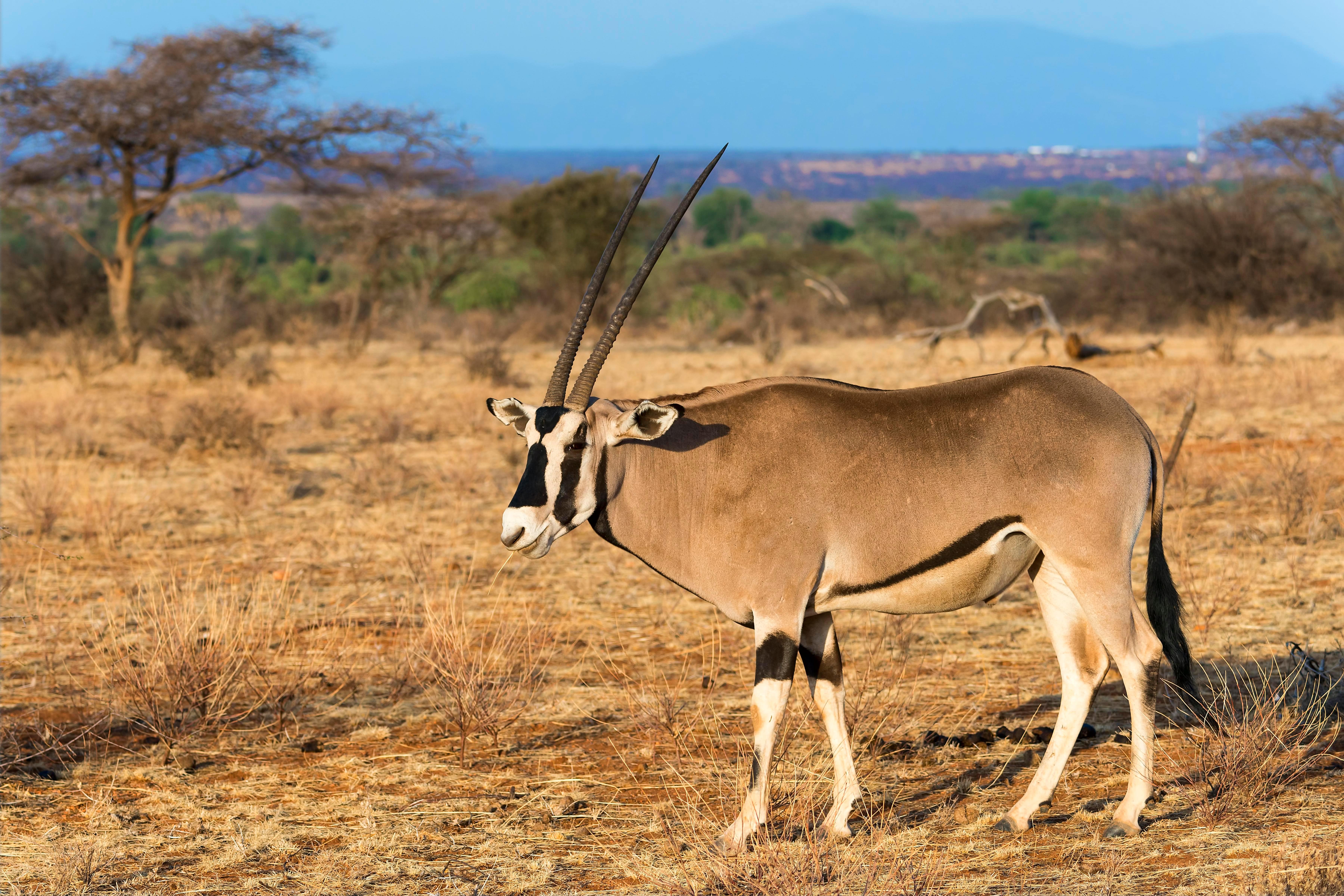
Most hunters are familiar with gemsbok, but very few realize that a different form of oryx exists in East Africa. The Beisa Oryx, also known as the East African oryx, is one of the least encountered antelope species in Africa and remains largely unknown to most U.S. and Canadian hunters.
In Ethiopia, these animals occupy semi-arid plains, broken country, and lightly vegetated landscapes where visibility is often inconsistent and game is not encountered in the same densities as Southern Africa. This changes the nature of the hunt entirely. Oryx hunting in Ethiopia is not about working a known population---it is about covering ground, reading terrain, and recognizing opportunities as they develop.
While the Beisa oryx carries the same defining traits as its southern relatives---long, straight horns, bold facial markings, and a durable, well-built frame---the hunting experience differs in practice. Encounters are less predictable, and animals are often seen as they move through terrain rather than being located and stalked from distance.
For most hunters, this is not a species they plan a safari around. It is something encountered along the way---and often remembered long after the trip precisely because it was unexpected.
Shot placement follows standard plains game principles, with the vital zone positioned just behind the shoulder.
Where this hunt differs is in how quickly opportunities can develop. Animals are often seen moving through uneven ground or pausing briefly before continuing, leaving limited time to settle in for a shot.
Oryx are known for their durability. A poorly placed shot can result in extended tracking, particularly in areas where terrain quickly breaks visibility and animals are able to cover ground efficiently. Clean, deliberate shot placement is far more important than caliber selection.
Most standard plains game calibers---.270, .308, .30-06---are more than sufficient for Beisa oryx.
What matters more is bullet construction and consistency. Controlled-expansion or bonded bullets are preferred, as they provide reliable penetration on an animal that can absorb poor hits better than many expect.
This is not a situation where additional power compensates for poor placement. Accuracy and bullet performance remain the deciding factors.
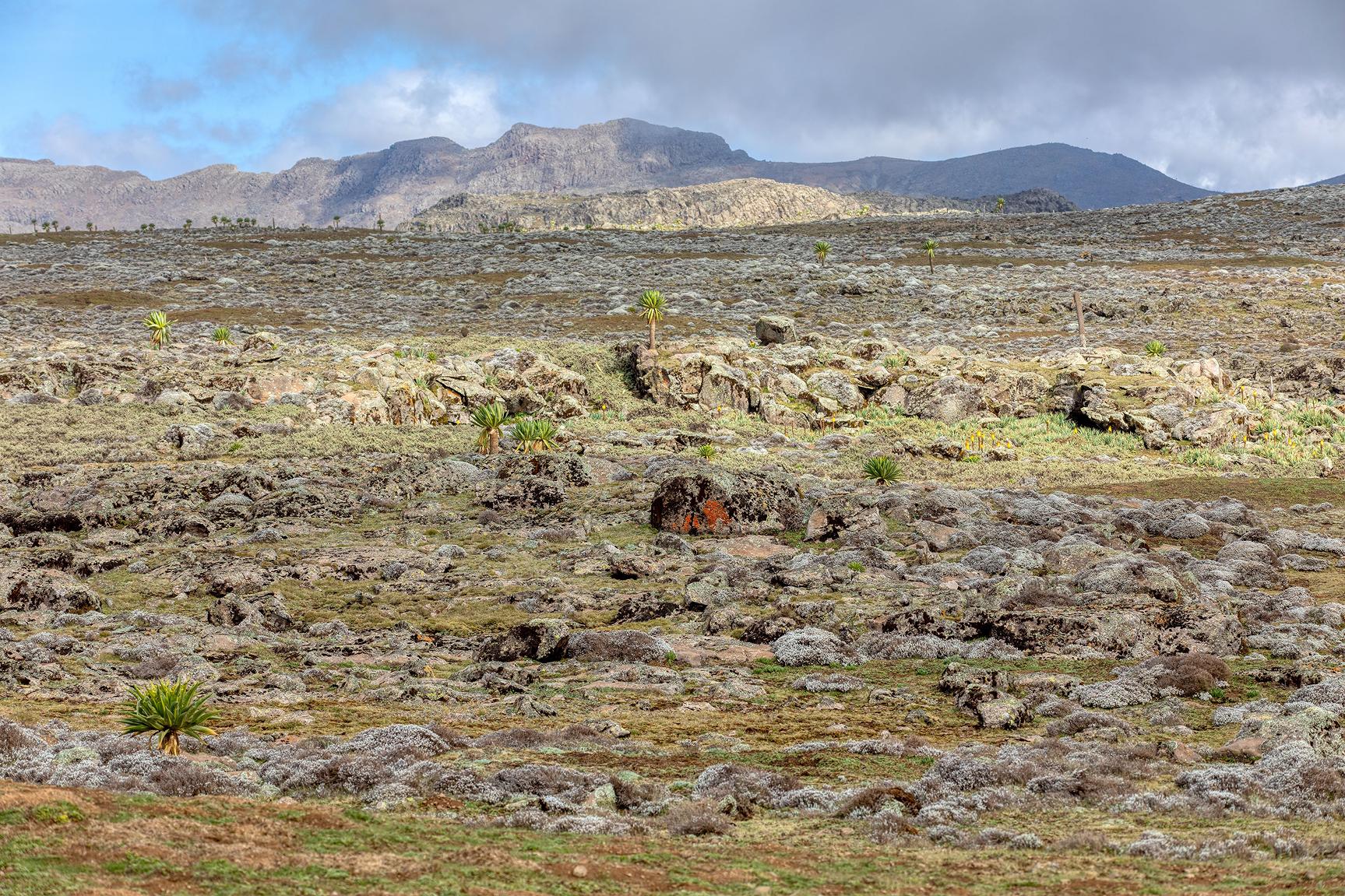
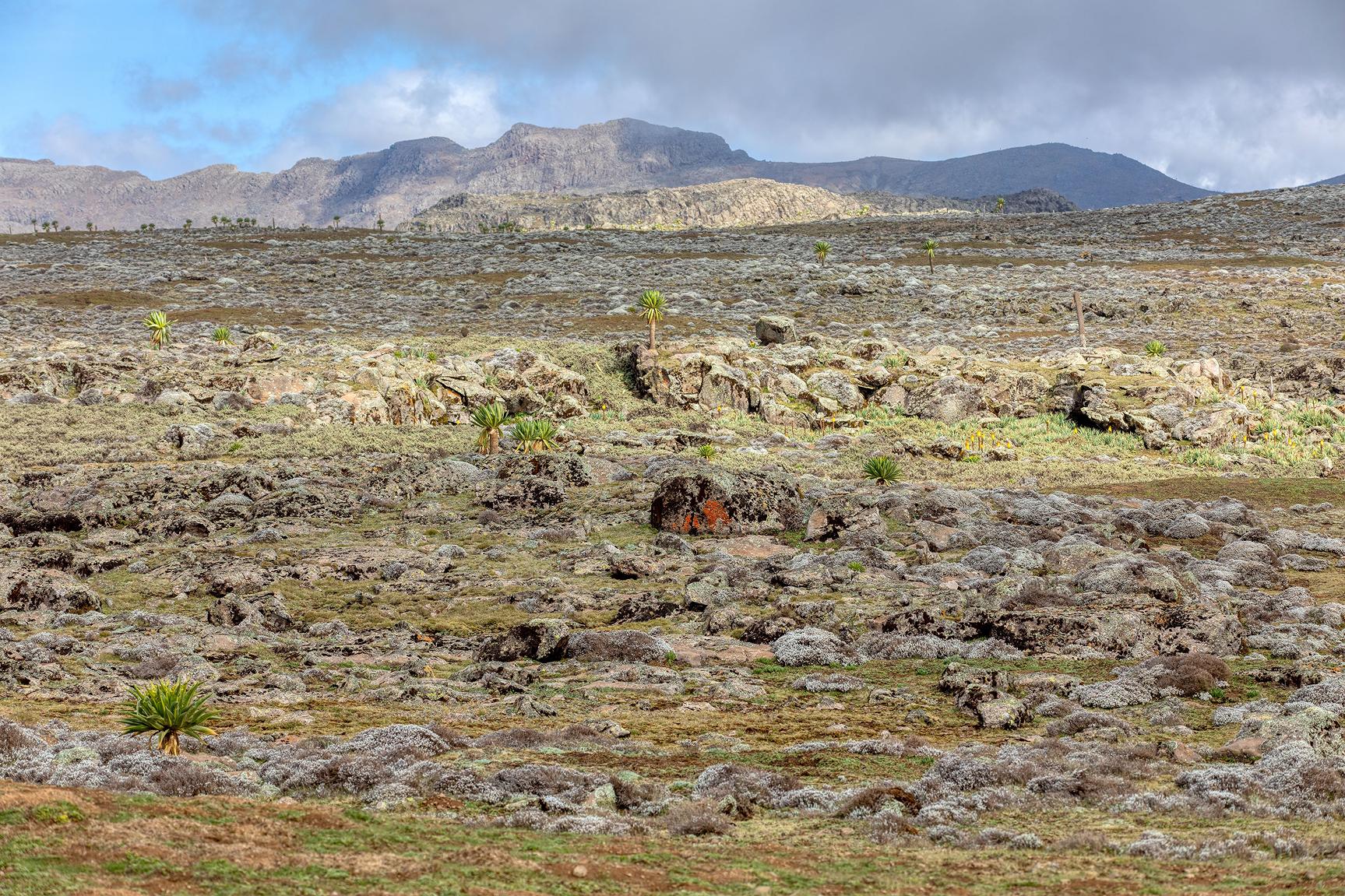
Beisa oryx are found in Ethiopia's drier regions, typically in areas defined by open ground, scattered vegetation, and broken terrain that interrupts long sightlines.
This is not the open desert environment many hunters associate with oryx in places like Namibia. Instead, terrain often includes:
• Rolling, uneven ground that limits visibility
• Patches of bush that break up lines of sight
• Dry plains mixed with natural contours and shallow valleys
• Areas where animals can appear and disappear quickly
The result is a hunting environment where visibility is rarely constant and positioning becomes more important than distance.
This is not a high-volume hunt. Time is spent covering ground and locating animals rather than working a known group.
Oryx are alert without being overly reactive. Rather than fleeing immediately, they often maintain distance and use terrain to stay just out of range, which can make closing the final gap more challenging than expected.
In many cases, you may spot animals at a distance moving across broken ground, only to lose sight of them as they drop into shallow valleys or move behind scattered cover---forcing you to reposition quickly rather than follow a set plan.
Opportunities tend to come in short windows---an animal stepping clear of cover, pausing briefly, or moving through an opening before continuing. These moments do not last long, and being ready matters.
Because animals are not under constant hunting pressure in the same way as in more developed safari areas, their behavior can feel less patterned---making each encounter slightly different from the last.
There are moments on this hunt that are easy to overlook at the time. A group appearing briefly on a distant ridge, standing still just long enough to be noticed before moving on. The contrast of their markings against dry ground, the way they hold themselves for a few seconds before disappearing back into the terrain. It is not dramatic, and it does not always lead to a shot---but it tends to stay with you. For many hunters, those brief encounters end up being the part they remember most.
A typical hunt involves covering suitable habitat either on foot or by vehicle, depending on terrain and conditions.
Once animals are located, the approach is dictated by wind, terrain, and how the animals are moving. Unlike more predictable hunts, there is rarely a fixed pattern to follow.
Some stalks allow time to plan and adjust. Others develop quickly, requiring immediate decisions and controlled execution. In many cases, success depends on reacting correctly in the moment rather than following a predefined approach.
Beisa oryx can be hunted throughout much of the year, although drier periods tend to offer more favorable conditions.
During these times:
• Vegetation is less obstructive
• Animals are easier to locate at distance
• Movement patterns become more consistent
These conditions do not guarantee success, but they make the hunt more workable and predictable.
Beisa oryx hunting in Ethiopia is regulated through permits and quota systems, with availability tied to specific concessions.
This is not a high-volume species, and hunts are typically conducted as part of a broader Ethiopian safari rather than as a standalone objective.
International hunters should review current import regulations prior to booking.
Oryx are generally exportable to the United States, although requirements can vary and should always be confirmed before finalizing travel plans.
Compared to oryx hunting in Namibia or South Africa, the key difference is consistency.
In Southern Africa, oryx are typically located and then stalked in environments where populations are stable and encounters are expected. The hunt is often structured around known animals.
In Ethiopia, it is different. Encounters are more situational, terrain plays a greater role, and success depends less on planning and more on recognizing opportunity in the moment.
It is a less controlled hunt---and for many hunters, that unpredictability is part of the appeal.
Beisa oryx is rarely pursued as a primary species and is best considered by hunters already planning an Ethiopian safari.
It makes sense for hunters who:
• Are interested in species not commonly encountered
• Value experience and variety over volume
• Are already targeting other Ethiopian game
• Are comfortable with less predictable outcomes
This hunt suits hunters who are comfortable operating without a fixed script and who are open to opportunities developing naturally rather than following a set plan.
It appeals to those who:
• Enjoy reading terrain and adapting to changing conditions
• Appreciate lesser-known or region-specific species
• Value the experience itself as much as the result
It can also appeal to hunters who have already pursued more commonly available plains game and are looking to add something less familiar to their experience.
While not typically considered a "collector's species" in the traditional sense, Beisa oryx is rarely encountered in comparison to its Southern African counterparts. For some hunters, that alone adds a level of interest---particularly when the goal is to experience species that are not widely seen, rather than simply repeating more common hunts.
Oryx hunting opportunities across Africa vary significantly depending on region, species, and habitat.
Southern Africa offers the most consistent and widely available hunts, while Ethiopia provides a more limited and less predictable experience centered around regional variation.
Hunters comparing options should review oryx hunting opportunities across Africa before making a final decision.
This is a moderate hunt in terms of physical demand, but one that requires awareness, positioning, and the ability to act decisively when opportunities arise.
It is not physically extreme---it is simply less predictable than many hunters expect.
For most hunters, Beisa oryx is not a species that appears on an initial safari list. In fact, many only learn about it once they begin looking more closely at what Ethiopia has to offer.
That alone shapes how this hunt should be viewed.
This is not about pursuing a well-known trophy or filling a gap in a typical plains game list. It is about encountering a regional species that exists outside the usual Southern African circuit, in an environment that feels different from what most hunters are used to.
The value of this hunt comes from that difference. You are not following a familiar pattern or hunting a species you have seen countless times in photos and videos. You are engaging with something less defined, where expectations are lower and the experience itself becomes the focus.
For hunters who appreciate that shift---who are comfortable pursuing something simply because it is there, rather than because it is widely recognized---Beisa oryx can become one of the more memorable parts of an Ethiopian safari.
This hunt is not suited for hunters who want a clear, structured plan with predictable outcomes.
If the goal is to arrive with a specific species in mind, locate it quickly, and execute a straightforward hunt, this is not the right fit. Beisa oryx does not typically present that kind of opportunity.
It is also not ideal for hunters focused on maximizing numbers or prioritizing widely recognized trophies. In those cases, Southern African plains game hunts offer a far more efficient and predictable experience.
Where Beisa oryx differs is in how loosely it fits into a hunt. It is often encountered rather than targeted, and success depends on being ready when an opportunity appears rather than working toward a guaranteed result.
For hunters who need certainty, structure, and repetition, this can feel unpredictable.
For others, that unpredictability is exactly what makes it worthwhile.
Search from our range of Hunts across various popular destinations in Africa.

Book Your Hunt