Designed by Hunters, for Hunters

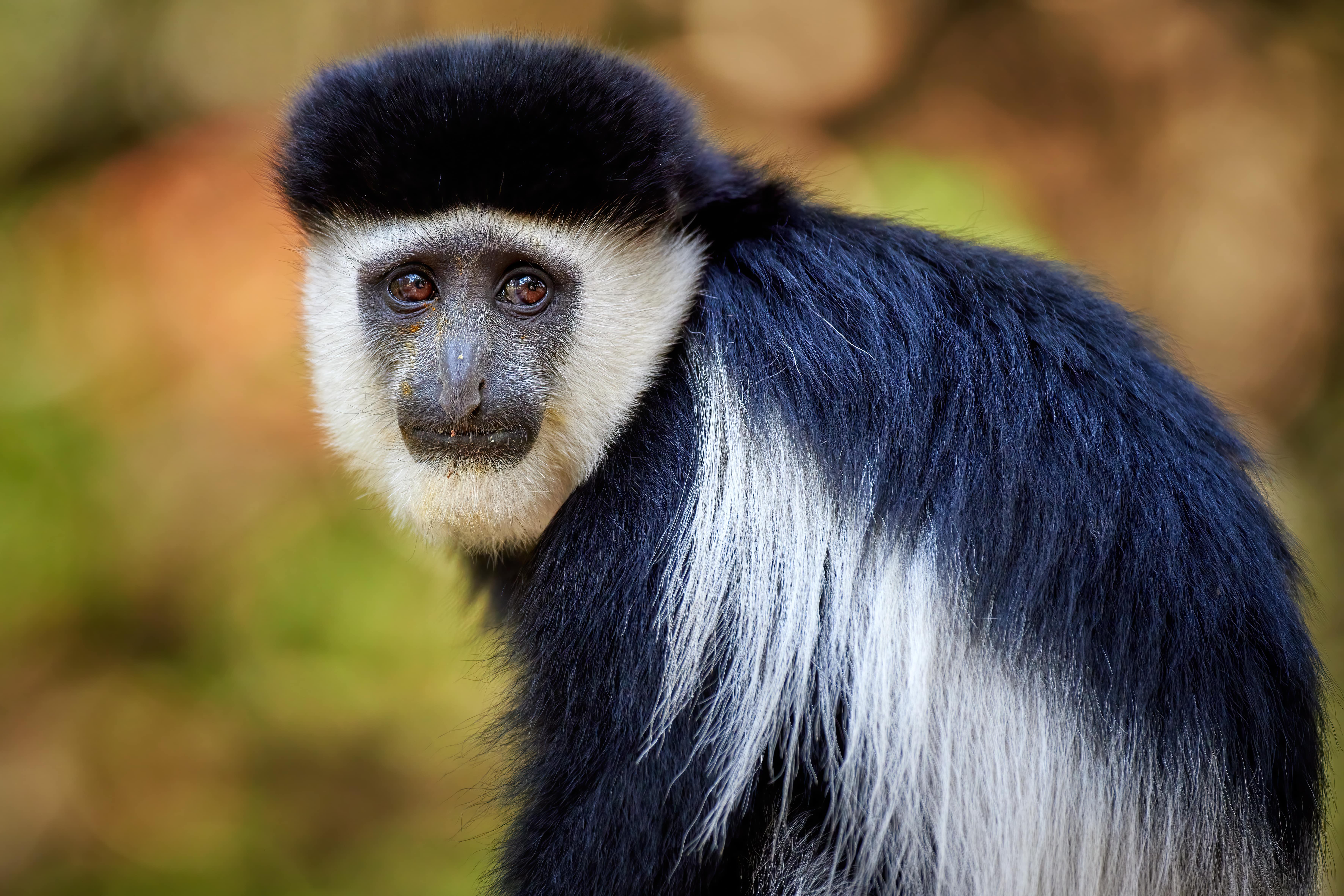
The Black-and-White Colobus, also known as the Guereza Colobus, is one of the more distinctive and lesser-known primate species encountered in certain parts of Africa. Recognized by its striking contrast of deep black fur and long, flowing white mantle and tail, it is often seen high in the canopy rather than on the ground---something that immediately sets it apart from most species hunters are familiar with.
You don't always notice them right away. More often, it begins with movement above you---branches shifting, leaves catching light differently, something just slightly out of place. Then, if you take the time to look properly, you see it. Black and white against green, already moving again before you've fully taken it in.
This is not a typical hunting experience. For hunters who have spent time pursuing Chacma baboon, the difference is immediate, and colobus hunting in Ethiopia quickly feels like a completely different kind of pursuit. Instead of watching ridgelines and open ground, your attention shifts upward, and the hunt becomes less about distance and more about angle, movement, and timing. Colobus are almost entirely arboreal, and encounters happen above eye level, often at angles that feel unfamiliar. For hunters used to tracking game across open ground, this shift in perspective changes everything.
For many, this is not a species they arrive intending to pursue. It is something discovered during the hunt itself---and often remembered because it feels so different from anything else encountered on safari.
It is only after spending time in this environment that it becomes clear how much is happening above you that you would normally never notice.
Shot placement follows basic principles, but the challenge lies in positioning rather than anatomy.
Animals are often partially obscured by branches, with only brief windows where a clear shot presents itself. Angles can be steep, and visibility is rarely complete. This makes patience and shot discipline critical.
Unlike ground-based hunting, where distance and stability are often the primary considerations, here it becomes a matter of identifying a clean opportunity within a limited and shifting field of view.
Light to medium calibers are generally sufficient for this type of hunting.
The emphasis is not on power, but on precision. Shots are typically taken at shorter distances, but under more complex visual conditions, where clear lines of sight are not always available.
Bullet placement and control matter far more than caliber size.
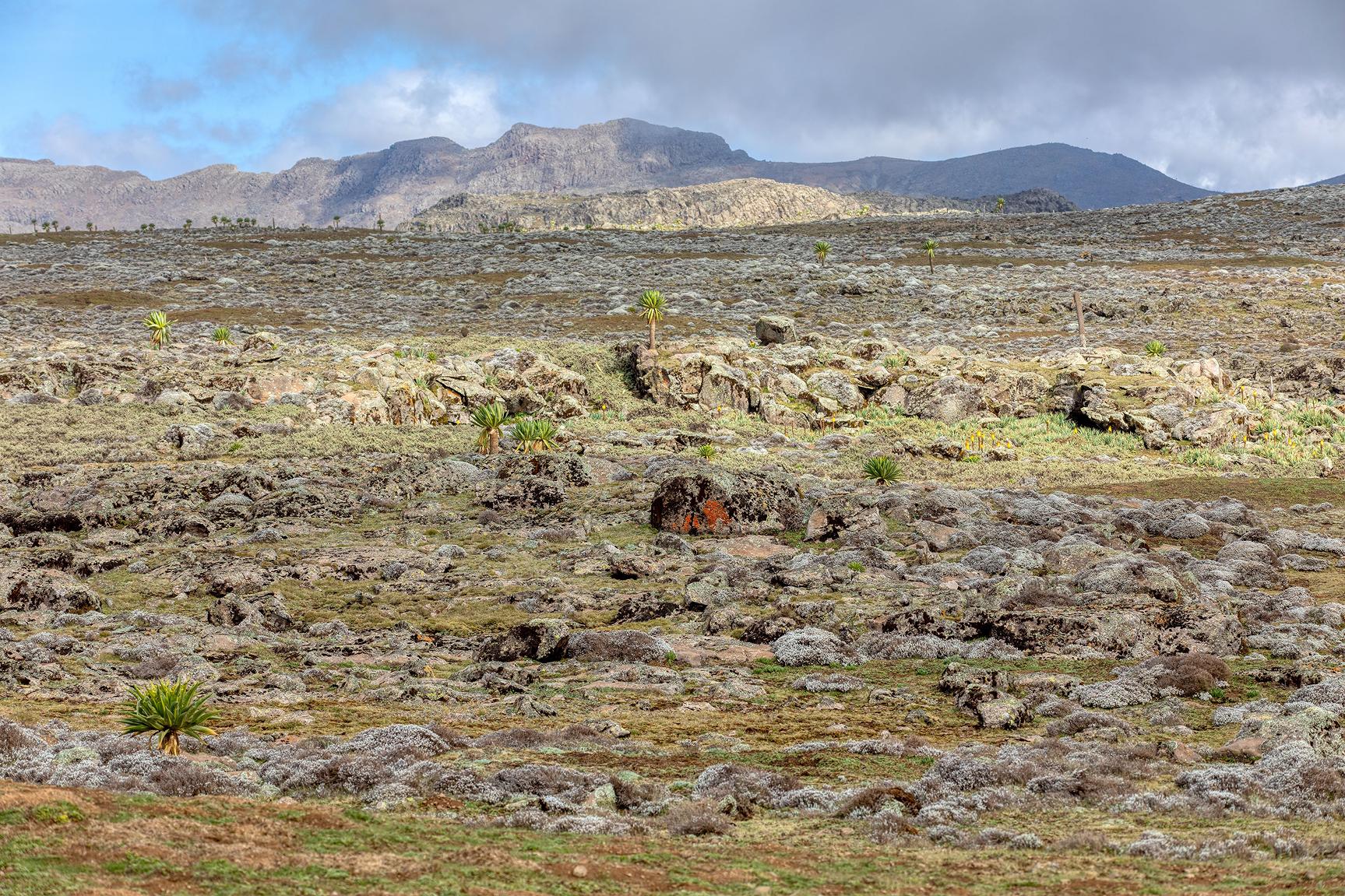
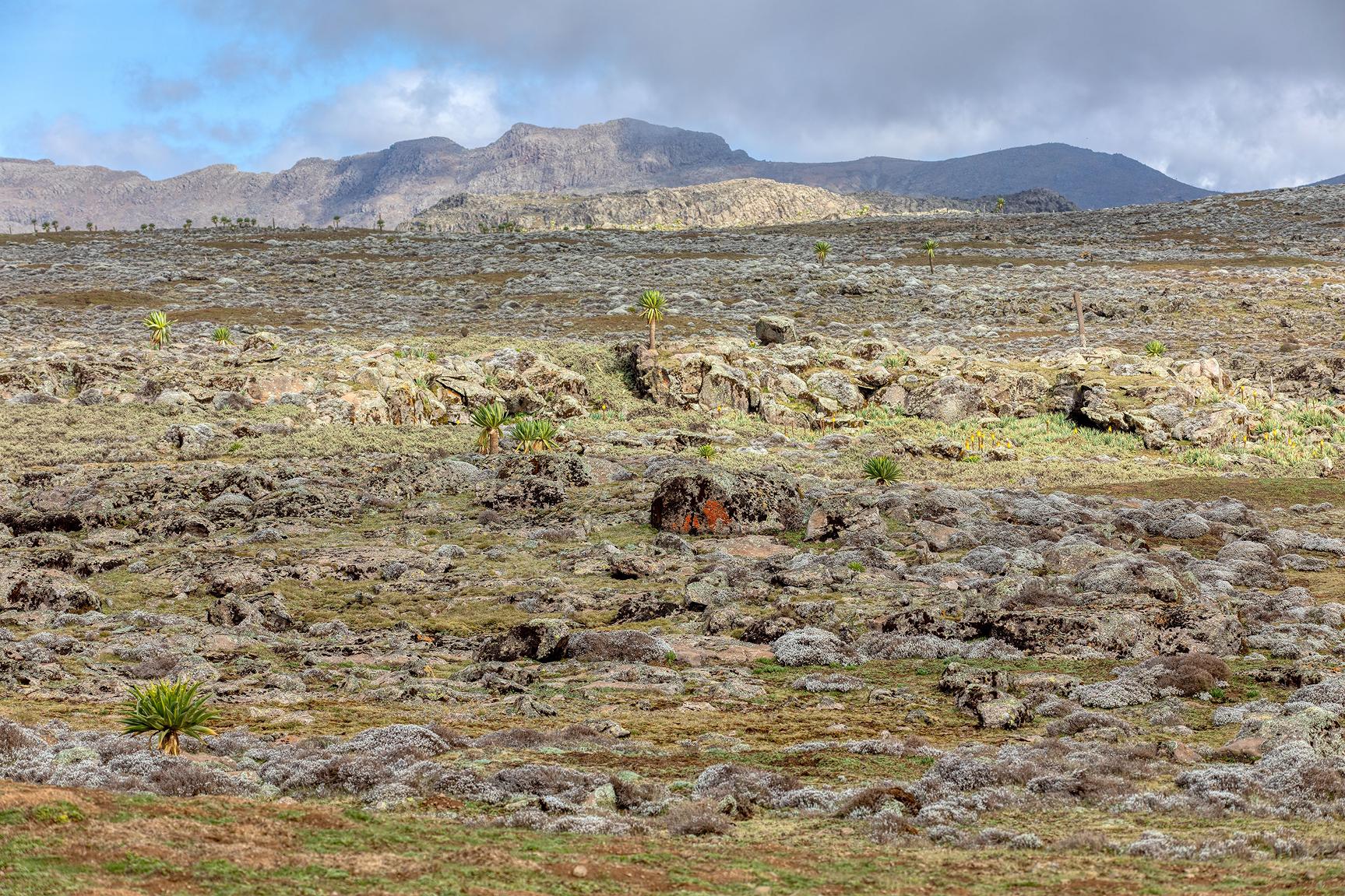
Black-and-white colobus are found in forested and riverine environments, where dense vegetation and tall trees provide the cover they rely on.
These areas are characterized by:
• Thick canopy cover
• Layered vegetation with limited upward visibility
• Uneven ground beneath forested areas
• River systems and shaded valleys
Unlike open plains, these environments restrict both movement and visibility, requiring a slower and more deliberate approach.
This is not a high-volume hunt, and not one defined by frequent opportunities.
Most of the time is spent moving through suitable habitat, listening and watching for subtle signs of movement above. Animals may be close without being immediately visible, and locating them often depends on noticing small changes in the canopy rather than obvious movement.
At times, you may know they are there before you can actually see them---movement above, a branch shifting, a brief glimpse that disappears as quickly as it came. By the time you relocate them, the moment has already changed.
There are moments on this hunt that are easy to overlook at the time. A brief glimpse through branches, the outline of a tail drifting behind movement, a pause just long enough to confirm what you're seeing before it disappears again. It is not dramatic, and it does not always lead to a shot---but it tends to stay with you.
A typical hunt involves slowly working through forested areas, paying as much attention to what is above as what is ahead.
Movement is steady and deliberate. Rather than scanning the horizon, attention is focused upward, following sound and motion through the canopy.
Encounters are often brief and easy to miss if you are not already focused in the right place. There is rarely a structured approach, and success depends on recognizing an opportunity as it develops and being prepared to act within a short window.
Hunting can take place throughout much of the year, although conditions that improve visibility within the canopy are generally preferred.
Periods with slightly reduced foliage density can make locating animals easier, although these conditions vary depending on specific regions and rainfall patterns.
Colobus hunting in Ethiopia is regulated through permits and quota systems, with availability depending on specific concessions and areas.
This is not a high-volume species and is typically encountered as part of a broader safari rather than as a primary focus.
International hunters should confirm current import regulations before planning a hunt.
As with all species, requirements can vary depending on the hunter's home country and should be verified in advance.
This is fundamentally different from most African hunting experiences.
Unlike plains game, where animals are located across open terrain, colobus are encountered above you, often without warning and without the ability to track or approach in a traditional sense.
It is less about following sign and more about observation---recognizing movement, adjusting position, and making the most of brief opportunities when they appear.
For hunters accustomed to ground-based hunting, this shift can feel unfamiliar at first.
This is not a species most hunters travel to Africa specifically to pursue.
It makes sense for those already on safari in regions where colobus are present, and who are open to experiencing something outside the usual expectations of plains game hunting.
It is less about adding a specific trophy and more about engaging with a different kind of hunting environment.
This hunt suits hunters who are comfortable slowing down and adapting to a different pace and perspective.
It appeals to those who:
• Appreciate observation as much as action
• Are interested in species not commonly encountered
• Are open to experiences that fall outside traditional hunting patterns
It can also appeal to hunters who have already experienced more typical African hunts and are looking for something that feels distinctly different.
Colobus species are found in several parts of Africa, although hunting opportunities are limited and region-specific.
Ethiopia offers one of the more consistent opportunities to encounter black-and-white colobus within a hunting context, particularly in forested regions where they form part of the natural ecosystem, and hunters comparing options should review colobus hunting opportunities across Africa before making a final decision.
This is not physically demanding in the traditional sense, but it requires focus, patience, and the ability to adapt to limited visibility.
The challenge lies less in distance or terrain, and more in recognizing and acting on brief, often subtle opportunities.
For most hunters, this is not something they consider until they experience it.
That alone shapes how this hunt should be viewed.
It is not about volume, predictability, or pursuing a well-known species. It is about engaging with a part of the environment that is often overlooked---looking upward instead of outward, and adjusting to a different rhythm of hunting.
For those open to that shift, it can become one of the more memorable parts of a safari, not because of scale or difficulty, but because it feels unlike anything else.
It is the kind of experience that does not stand out immediately, but becomes clearer with time. Long after the details of the hunt begin to fade, it is often the memory of looking up into the canopy---and realizing how much you were not seeing---that stays with you.
This hunt is not suited for hunters expecting frequent opportunities or structured, repeatable conditions.
It may also not appeal to those focused on widely recognized species or maximizing numbers within a limited timeframe.
For hunters who prefer clear patterns, open visibility, and predictable setups, this type of hunting can feel uncertain.
For others, that uncertainty is exactly what makes it interesting.
The appeal of black-and-white colobus is not based on size or measurement, but on appearance and rarity. Their striking contrast, combined with the long, flowing white mantle and tail, creates a visual that is immediately recognizable and unlike any other species encountered on a typical safari.
Unlike more commonly pursued animals, colobus are rarely seen at close range on the ground. Most encounters happen high in the canopy, often briefly and from difficult angles. That alone adds a level of uniqueness to the experience and, for some hunters, to the significance of the animal.
For those who have spent time hunting more traditional plains game, this represents something different---not in terms of difficulty or scale, but in how the animal is encountered and remembered. It is not a typical addition, and that is part of the reason it stands out.
It is not a species most hunters plan for---but it is often one they wish they had paid more attention to once they understand what they were actually seeing.
Search from our range of Hunts across various popular destinations in Africa.

Book Your Hunt