Plains Game Hunts in SA: Sable, Kudu, Warthog & 2 More Trophies
Booking Season: 2026
Hunt Difficulty: Moderate

Kudu hunting in South Africa is where most first-time African hunters start — not because it’s easy, but because it offers the highest chance of finding mature bulls consistently across multiple regions.
In areas like Limpopo, Mpumalanga, and the Kalahari, kudu densities are higher than in most other African countries, which means more encounters — but also more pressured, alert animals that don’t give you much time to make a decision. This is not a slow, drawn-out tracking hunt in most cases. It’s a hunt built on opportunity: spotting movement, closing distance quickly, and taking a clean shot before the bull disappears into thick bush.
That combination — higher opportunity with less margin for hesitation — is what defines kudu hunting in South Africa.
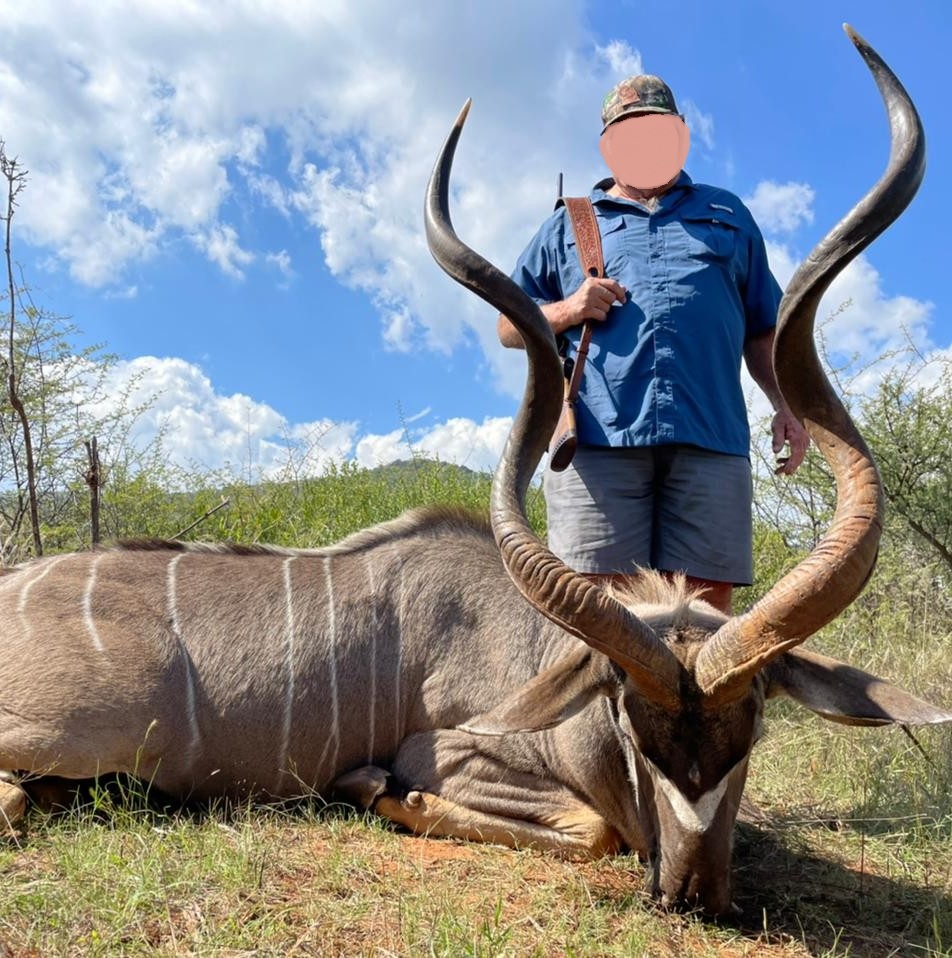
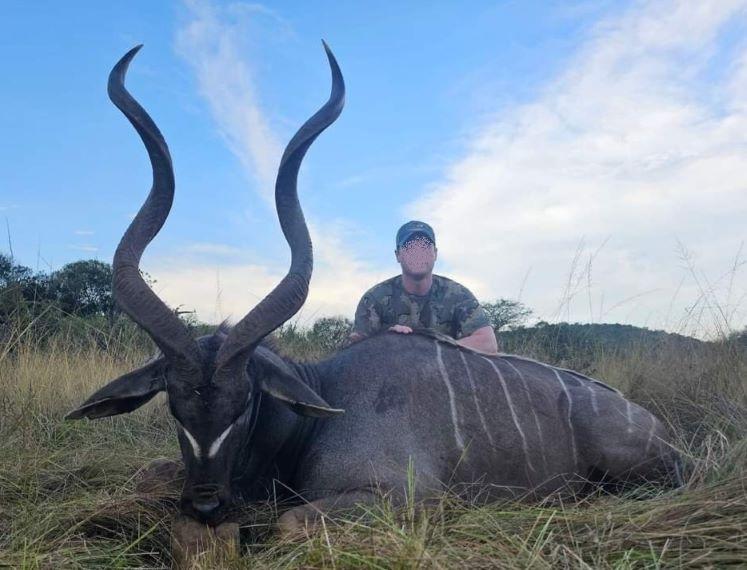
Kudu hunting in South Africa is less about endurance and more about decision-making under pressure. Opportunities can come quickly, and hunters need to be ready to judge horn length, position, and shot placement within seconds. Mature bulls typically range between 50–55 inches, with anything pushing 60 inches considered exceptional.
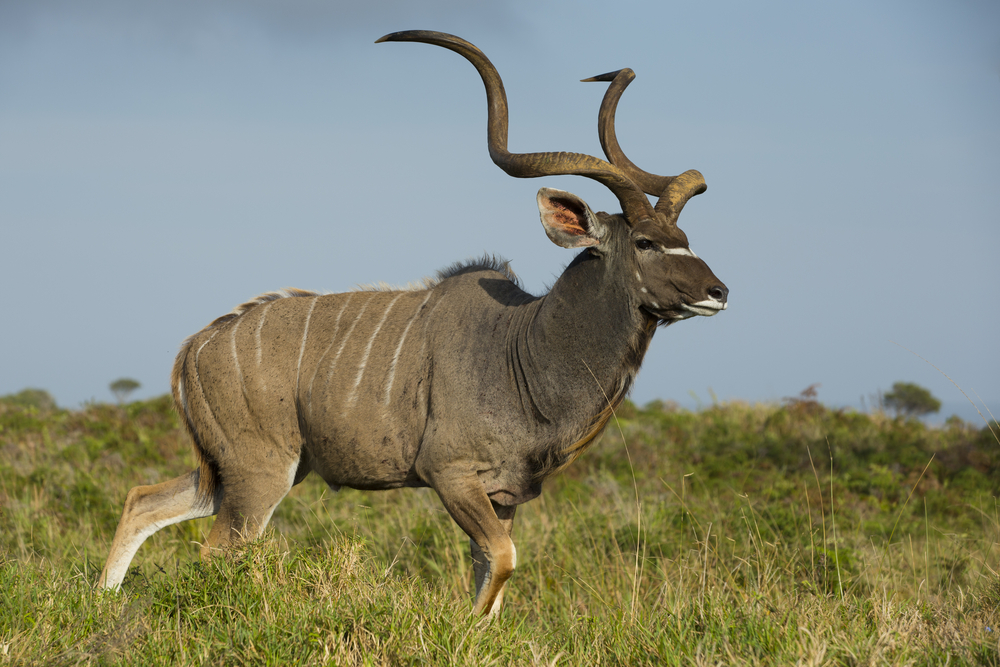
These are large, heavy-bodied antelope, with mature bulls often weighing up to 700 pounds. Despite their size, they move quietly through thick bush, using cover and terrain to avoid detection rather than outrunning danger.
Available Greater Kudu Hunts
Plains Game Hunts in SA: Sable, Kudu, Warthog & 2 More Trophies
Booking Season: 2026
Hunt Difficulty: Moderate
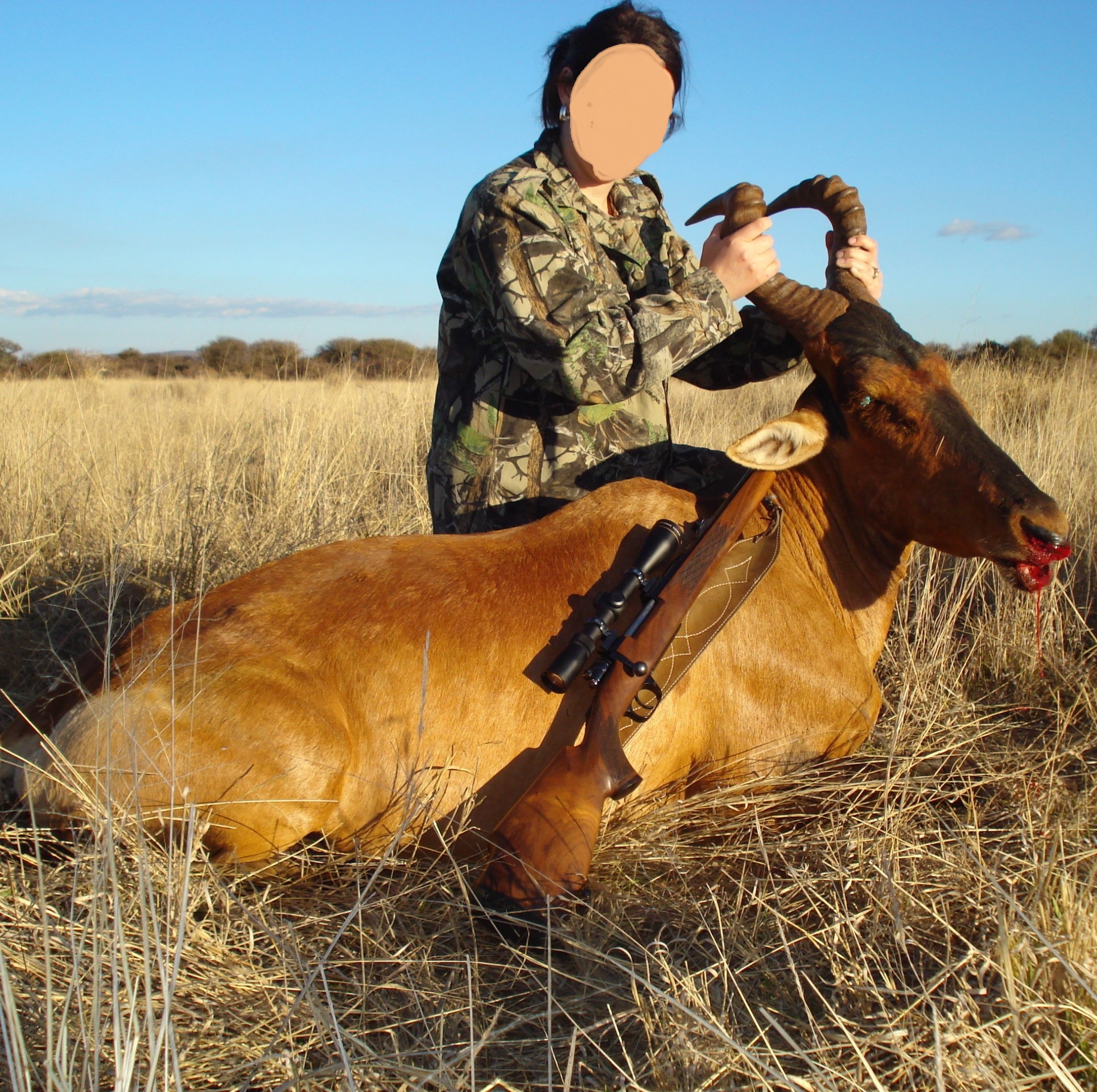
Hunt Kudu, Sable, Zebra, Gemsbok & 4 More Species in Limpopo
Booking Season: 2026
Hunt Difficulty: Moderate
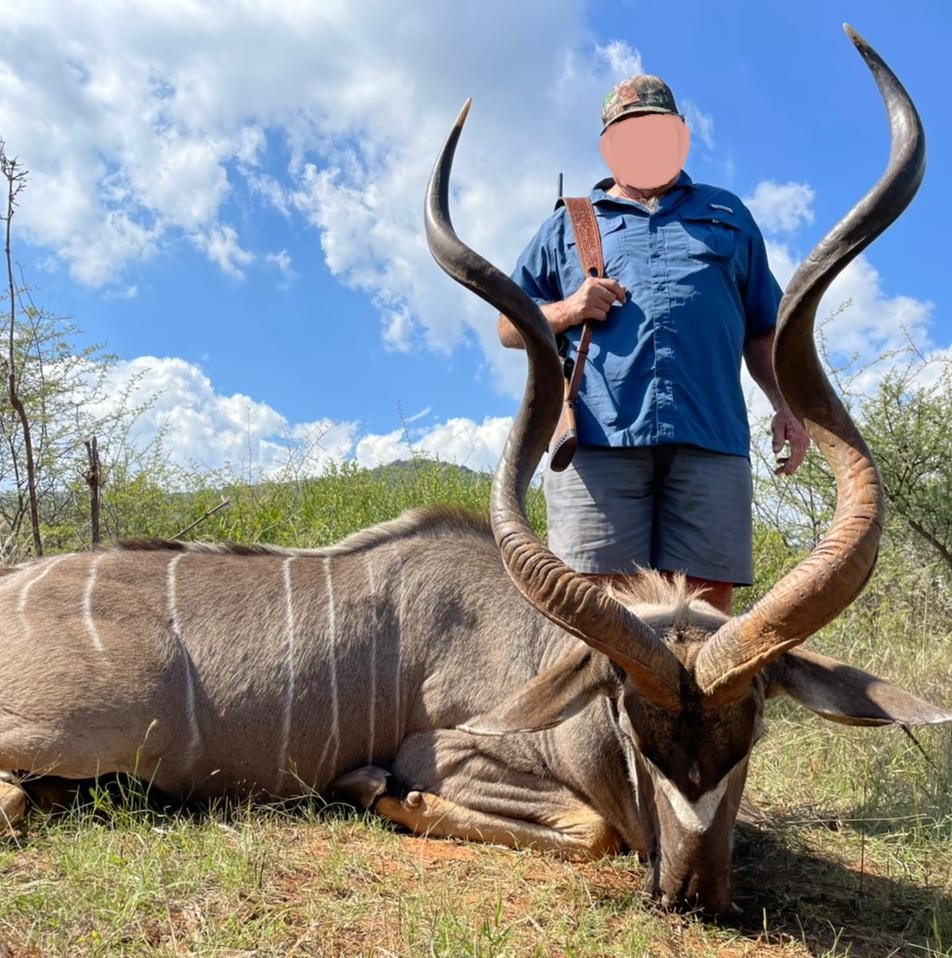
Plains Game Hunting in Limpopo: Kudu, Impala & 2 More Species
Booking Season: 2026
Hunt Difficulty: Moderate

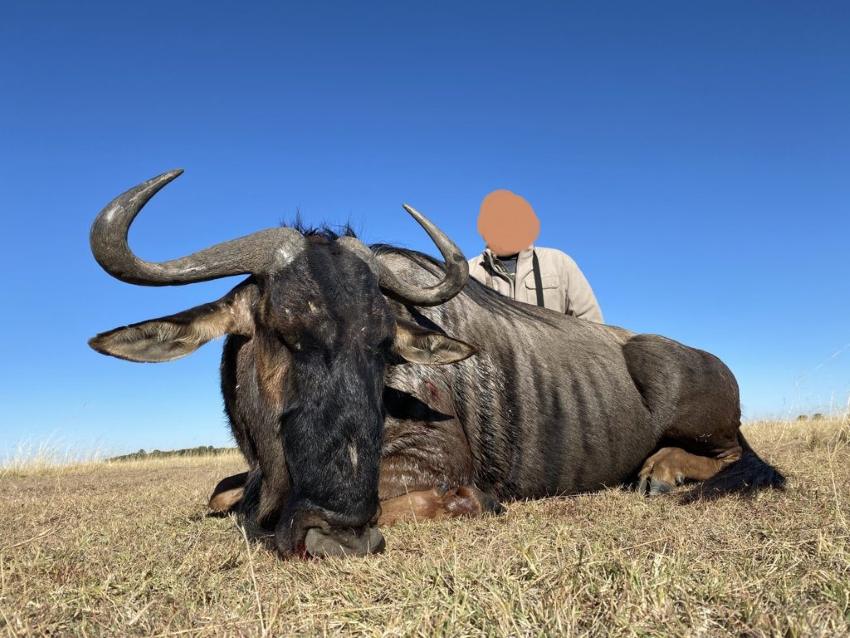
10-Day African Plains Game Safari in North West Province, SA
Booking Season: 2026
Hunt Difficulty: Moderate
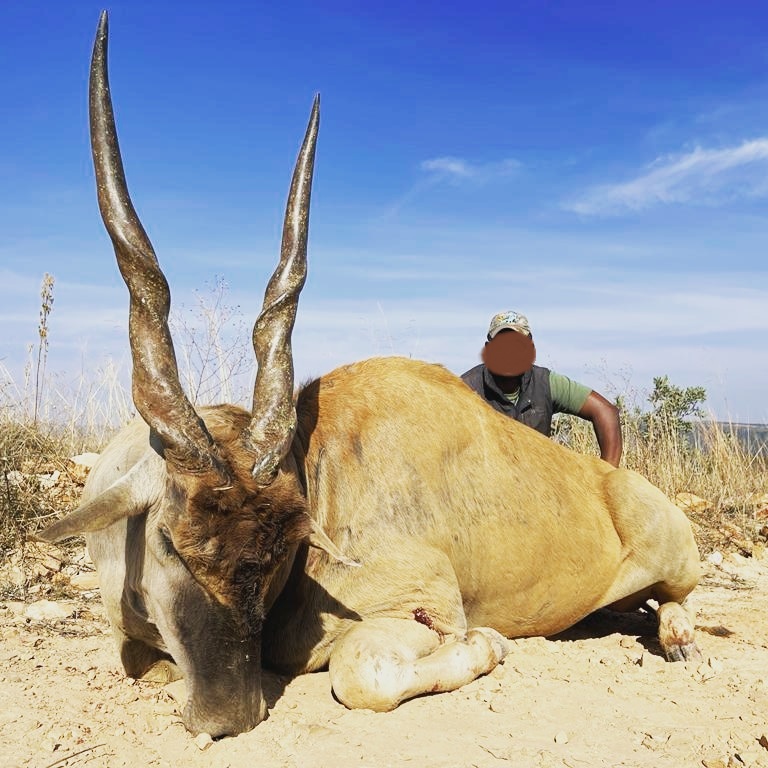
Hunt Eland, Kudu, Nyala & Bushbuck on this SA Spiral Horn Hunt
Booking Season: 2026
Hunt Difficulty: Difficult
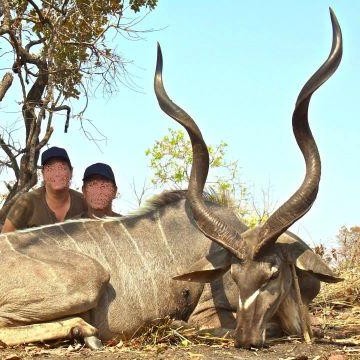
Hunting Safari in SA 10 x Nights Plains Game Combination
Booking Season: 2025
Hunt Difficulty: Difficult
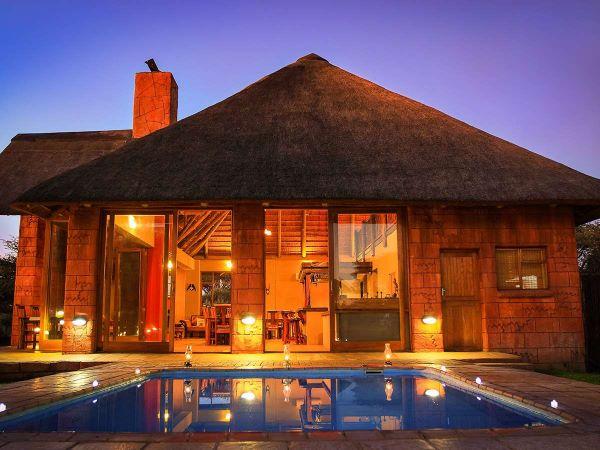
Plains Game Hunting in South Africa 5 Star Luxury 4 x 2
Booking Season: 2026
Hunt Difficulty: Moderate, Difficult
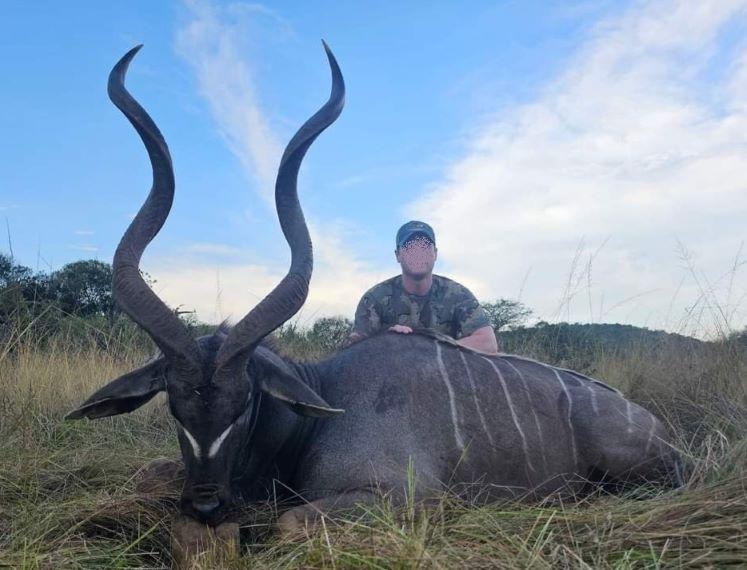
African Plains Game Safari in South Africa 6 Trophies KwaZulu Natal
Booking Season: 2026
Hunt Difficulty: Moderate
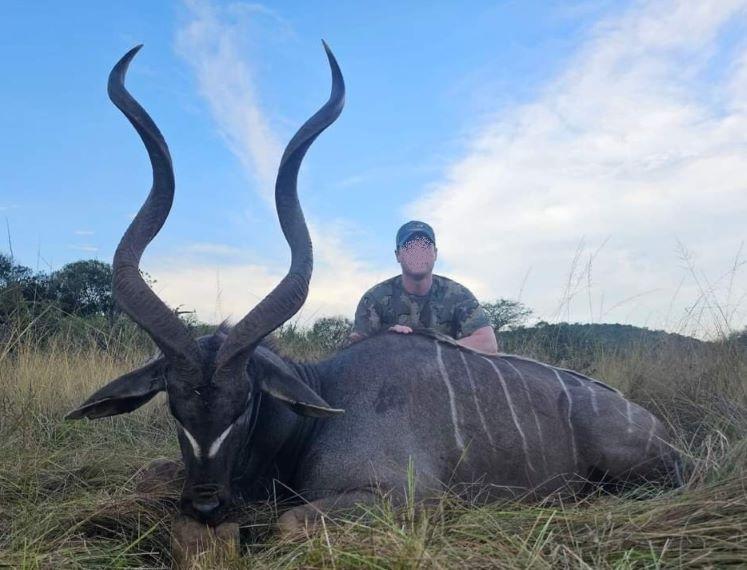
Zebra & Kudu Hunting plus 5 additional Species: 8 x Days in KZN
Booking Season: 2026
Hunt Difficulty: Moderate, Difficult

South African Plains Game Safari Trophy Nyala plus 5 Species
Booking Season: 2026
Hunt Difficulty: Moderate, Difficult
In South Africa, kudu hunting is straightforward from a regulatory perspective, with no special permits required in most areas and healthy, well-managed populations across the country.Hunts are typically conducted across regions like Limpopo, Mpumalanga, the Kalahari, and the Eastern Cape, where differences in terrain and kudu subspecies create slightly different hunting conditions, but similar expectations in terms of shot opportunity and pace.
For hunters comparing destinations, South Africa stands out for consistency. Compared to countries like Namibia or Zimbabwe, hunters are more likely to encounter multiple kudu over a shorter period due to higher population densities and managed areas.
The trade-off is that kudu in South Africa are often more pressured, meaning encounters happen quickly and require faster decisions than the longer, slower tracking hunts typical in less dense regions.
For first-time African hunters, this balance between opportunity and challenge is what makes South Africa the most common starting point for a kudu hunt.
Most kudu hunts in South Africa involve multiple encounters over the course of a few days, especially in higher-density areas like Limpopo and parts of the Kalahari. It’s common to see several bulls before committing to a shot, rather than spending days tracking a single animal.
That said, opportunities don’t last long. Kudu are alert and often moving through cover, which means hunters typically have only a few seconds to assess horn length and take a shot before the animal disappears.
Shot distances vary depending on terrain — often closer in thicker bushveld and longer in more open areas — but the defining factor is not distance, it’s timing. Most missed opportunities come from hesitation, not lack of shooting ability.
In the Eastern Cape, kudu are typically smaller-bodied with shorter horns, but the terrain makes them harder to hunt. Steeper hills, thicker valleys, and more broken ground mean more glassing and longer stalks compared to the northern parts of South Africa.
In contrast, Limpopo and Mpumalanga offer higher kudu densities in thicker bushveld, where encounters are more frequent but shots happen quickly and often at closer range. The Kalahari shifts things again — more open country, longer shots, and more time to evaluate bulls before committing.
In South Africa, kudu are most often encountered while moving through thick bush during early morning and late afternoon. Most shots happen during spot-and-stalk hunts, although in some areas, especially drier regions, ambush setups near water can also be effective.
What matters here is that opportunities are often brief — kudu don’t stand still for long, and you’re usually shooting within a short window before they disappear into cover.
Headshots should be avoided. The target area is too small, the margin for error is high, and it risks damaging the trophy if not perfectly executed.
The preferred shot is a broadside position, roughly one-third up the shoulder. This allows for a margin of error — even if the heart is missed slightly, the lungs are likely to be hit, resulting in a quick and ethical recovery.
For a detailed breakdown of kudu shot placement, including angles and diagrams, see our full kudu shot placement guide.
In South Africa, kudu are most commonly hunted with rifles due to the speed of encounters and limited shooting windows. Bow hunting is possible, but typically requires hunting from a blind over water and significantly more patience.
A .30-06 remains a reliable baseline for kudu hunting, provided you’re using a well-constructed bullet of at least 150 grains. Many hunters also use .300 Win Mag or 7mm for flatter shooting, especially in more open terrain. Heavier calibers like .375 can be used but are not necessary for most kudu scenarios.
Shot distances in South Africa can vary — shorter in thick bushveld and longer in areas like the Kalahari — so choosing a caliber you are comfortable shooting accurately matters more than stepping up in size.
For a more detailed breakdown of kudu shot placement, including diagrams and angles, see our full guide to kudu shot placement.
Kudu are typically hunted as part of a broader plains game safari, often combined with species such as impala, warthog, and bushbuck. Explore our available plains game hunts to see how these safaris are structured across Africa.
South Africa is best suited to hunters looking for consistent opportunities and a realistic chance at taking a mature kudu within a limited timeframe. On a typical 5–7 day hunt, it’s not uncommon to encounter multiple kudu — often several bulls — but only a small number of those will present a clear opportunity on a mature animal.
This makes it particularly well suited to first-time African hunters, as well as experienced hunters who want to combine kudu with other plains game species in a single safari. The structure of the hunt allows for more encounters, but also demands quicker decisions when those opportunities appear.
Hunters looking for long, low-density tracking experiences may prefer countries like Namibia or Zimbabwe, where fewer animals are seen but more time is often available to evaluate each opportunity. In South Africa, the trade-off is different — more encounters, but less time to get each one right.
Most kudu hunts in South Africa don’t fail because hunters don’t get opportunities — they fail because those opportunities are misread or taken too late. In many cases, the animal is within range, the angle is workable, and the shot is there — but the decision is delayed.
A typical shot window may last no more than 3–5 seconds before the bull steps into cover, turns, or disappears completely. Once that happens, there is rarely a second chance to recover the opportunity.
Hesitation, trying to improve the angle, or waiting for a clearer view is often what costs the hunt — not lack of skill or shooting ability.
In higher-density areas, the challenge is not finding kudu — it’s recognizing when a moment is good enough and acting before it closes.
For hunters traveling from the United States, kudu hunting in South Africa is often the most accessible and practical introduction to African hunting. Direct flights, established infrastructure, and a wide range of hunting areas make the process more straightforward than in many other African countries.
Most U.S. hunters are familiar with longer shot opportunities and open terrain, but kudu hunting in South Africa typically involves shorter windows, thicker cover, and faster decision-making. This difference catches many first-time hunters off guard.
It’s also important to understand that judging kudu horn size in the field is not always easy, especially at distance or in broken terrain. Combined with pricing structures based on horn length, this adds another layer of decision-making that many U.S. hunters are not used to.
For those prepared for these differences, South Africa offers one of the most consistent and rewarding kudu hunting experiences available — with a high likelihood of encountering multiple bulls over the course of a hunt.
South Africa offers more frequent kudu encounters than most other African destinations — which is why it’s often considered one of the best places for kudu hunting, especially for first-time hunters. But more opportunity does not automatically make the hunt easier.
Higher kudu densities mean animals are exposed to more consistent pressure. Bulls don’t move casually through open areas — they use cover, change direction quickly, and rarely stay visible for long once they sense movement.
As a result, hunters are often presented with more chances — but less time to act on each one. Instead of building toward a perfect setup, the hunt becomes about recognizing when a situation is workable and committing before it disappears.
In this environment, success is not determined by how many kudu you see, but by how many of those brief opportunities you are able to convert into a clean shot.
Kudu in South Africa behave differently from those in lower-density or less pressured environments. Regular exposure to hunting activity, vehicles, and human movement makes them more alert and more responsive to subtle changes around them.
Bulls rely heavily on terrain and vegetation. It’s common to see only part of the animal — a shoulder, the tips of the horns, or movement through gaps — rather than a full, clear view.
Once a kudu becomes aware of movement or pressure, it rarely stands and evaluates. In most cases, it turns, steps into cover, and is gone within seconds — often without offering a second opportunity.
There is also a common misconception around fenced hunting areas in South Africa. While properties are often enclosed, mature kudu bulls are not easily contained by standard game fencing. Bulls regularly move across boundaries in search of feed, water, or breeding opportunities, meaning movement remains fluid and unpredictable.
In practice, this results in a hunt that feels far closer to free-moving conditions than many hunters expect — with no guarantee that animals will be where they were the day before.
Finding kudu in South Africa is less about chance and more about understanding how they use terrain, temperature, and movement throughout the day.
During the cooler early mornings in peak hunting months, kudu often move onto higher ridges to catch the first warmth of the sun. In these conditions, experienced hunters glass elevated ground carefully — often picking up animals by the brief reflection of sunlight off a bull’s horns before the body is even visible.
As the day warms up, kudu tend to pull back into thicker cover and stand in the shade of trees for extended periods. At this stage, they are rarely spotted by shape alone — movement, a slight color change, or the curve of a horn is often the only giveaway.
Later in the season, particularly during the rut, bulls become more vocal. A short, sharp bark can reveal their position, allowing hunters to close distance even when visibility is limited.
Late in the day, movement increases again during what many hunters refer to as “kudu o’clock” — the final 10–15 minutes before last light. This often produces sudden opportunities, but also adds pressure, as there is very limited time to assess the bull and take a safe, ethical shot.
Across all of these scenarios, success comes down to time in the field. Kudu are rarely found by accident — they are found by hunters who understand where to look, when to look, and are willing to stay in contact with them throughout the day.
In South Africa, most kudu are taken well within effective shooting range — often between 80 and 200 yards depending on terrain. The challenge is not getting close enough — it’s having enough time to act once you are.
Opportunities tend to form quickly and collapse just as fast. A bull steps into a gap, pauses briefly, and then moves again — often within a few seconds.
Many hunters lose opportunities not because they were too far away, but because they waited for the situation to improve. By the time the shot feels ideal, the animal has already shifted position or disappeared into cover.
This is why kudu hunting in South Africa is defined by timing rather than distance. The ability to recognize a workable shot and take it without hesitation is what separates successful hunts from missed chances.
Most first-time hunters arriving in South Africa expect kudu hunting to be slower and more deliberate — similar to other plains game experiences or what they’ve seen in videos.
They assume they’ll have time to evaluate multiple animals, compare horn size, and wait for a perfect broadside shot. In reality, kudu hunting in South Africa rarely unfolds that way.
Opportunities appear quickly, often without warning, and may only last a few seconds. You may only see part of the animal, or have a narrow shooting angle that requires immediate decision-making.
This mismatch between expectation and reality is where most opportunities are lost. Hunters hesitate, wait for improvement, or try to force a better setup — and in doing so, lose the moment entirely.
Understanding this before the hunt begins changes how you approach every encounter — and significantly increases your chances of success.
One of the biggest differences in South Africa compared to other African hunting destinations is how kudu are priced. In many areas, trophy fees increase based on horn size, sometimes significantly once bulls move beyond the mid-50-inch range.
This creates a different dynamic in the field. A bull may be within range, but the decision to shoot is influenced not only by the opportunity — but also by cost and horn size.
At distances of 150–200 yards, accurately judging horn length is not straightforward. Factors like width, curl depth, angle, and background can all distort perception, making a bull appear larger or smaller than it actually is.
This puts real pressure on both the hunter and the professional hunter. Decisions often need to be made quickly, sometimes with only a partial view of the animal, and the consequences extend beyond the shot itself.
In contrast, countries like Namibia, Zimbabwe, or Mozambique typically operate on fixed trophy pricing, where the decision is based purely on the animal rather than its measurement.
Understanding this difference before the hunt is critical. It directly affects how opportunities are evaluated, how quickly decisions are made, and how comfortable a hunter feels committing to a shot when it matters.
Search from our range of Hunts across various popular destinations in Africa.

Book Your Hunt