
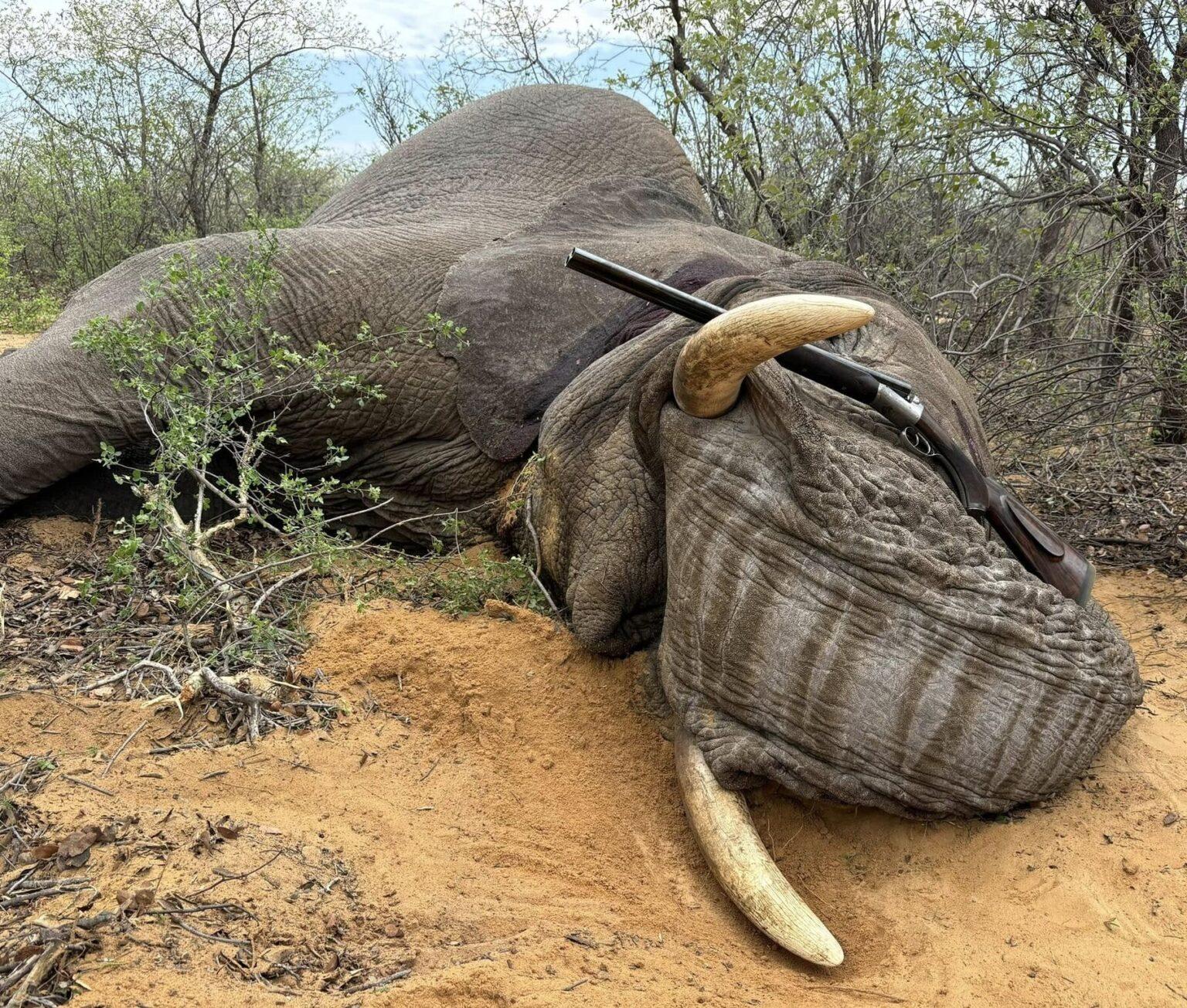
Regulated elephant hunting remains one of the most debated parts of wildlife management in Zimbabwe. Supporters point to revenue for rural communities, incentives to retain wildlife habitat and funding for field operations, while critics question whether hunting should continue to play any role in elephant conservation.
Zimbabwe’s approach cannot be understood by looking at the trophy alone. Hunting takes place within a wider system involving wildlife authorities, safari operators, Rural District Councils and communities living alongside elephants. The CAMPFIRE programme is central to this model, allowing participating communities to receive benefits from the sustainable use of wildlife on communal land.
This article examines how that system is intended to work, where hunting revenue may provide practical benefits and why outcomes can differ between areas. Hunters seeking information about safari areas, hunting methods, permits and trophy expectations should instead read our complete guide to Elephant Hunting in Zimbabwe. Those comparing the species across Africa can also explore our Elephant Hunts page.
[DYNAMIC-BLOGTABLEOFCONTENT]
Key Takeaways
- Regulated elephant hunting is one component of Zimbabwe’s broader wildlife-management system.
- CAMPFIRE allows participating rural communities to benefit from wildlife-based land use.
- Hunting-related income may support employment, community projects, habitat retention and wildlife-management activities.
- The benefits are not identical in every district and depend on governance, revenue distribution and local implementation.
- Hunting does not replace anti-poaching, conflict mitigation, scientific monitoring or photographic tourism.
- Hunters should confirm how a particular concession supports communities and conservation before booking.
How Elephant-Hunting Revenue Is Used in Zimbabwe
Zimbabwe’s approach forms part of the country’s broader Hunting in Zimbabwe framework. Revenue generated through hunting safaris helps fund conservation initiatives that would otherwise struggle to operate effectively across many of Zimbabwe’s vast and remote wilderness areas.
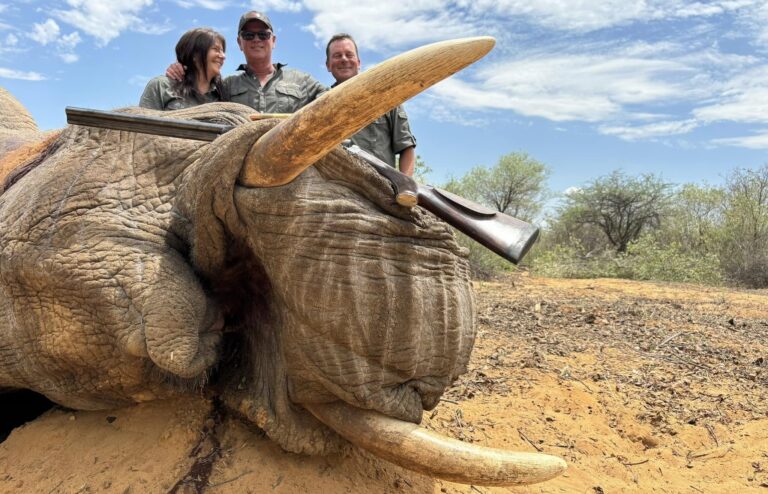
For many international and American hunters, participating in a regulated Zimbabwe Elephant safari is not only about the hunting experience itself, but also about contributing toward the long-term protection and management of wildlife populations. Permit fees, trophy fees, concession payments, and safari-related expenditures all contribute financially to conservation programs, local employment opportunities, and infrastructure development within rural hunting areas.
Unlike photographic tourism, which is often concentrated around major national parks and established tourism hubs, hunting safaris frequently operate in remote concession areas where limited economic opportunities exist. In many of these regions, hunting revenue helps support anti-poaching patrols, game scouts, road maintenance, water infrastructure, and ongoing wildlife management programs that directly benefit both local communities and wildlife populations.
Zimbabwe’s conservation model also places strong emphasis on community involvement through programs such as CAMPFIRE, where rural communities receive economic incentives linked to wildlife conservation and sustainable resource management. As local communities begin to benefit financially from the protection of wildlife habitats and game populations, support for conservation initiatives and anti-poaching efforts often strengthens significantly.
While Elephant hunting remains a controversial topic internationally, regulated hunting programs in Zimbabwe continue to form part of broader wildlife management strategies designed to balance conservation objectives, growing Elephant populations in certain regions, habitat pressures, and the realities faced by communities living alongside dangerous game species.
Income Creation
Beyond trophy fees alone, international hunting safaris also generate income through concession leases, professional hunter services, accommodation, transport, local staffing, permit fees, firearm permits, charter flights, and safari logistics.
A large portion of this revenue is spent within rural and remote areas where economic opportunities are often extremely limited. For many local communities, hunting safaris provide important employment opportunities for trackers, skinners, camp staff, drivers, game scouts, anti-poaching personnel, and other support roles linked to the safari industry.
International and American hunters visiting Zimbabwe for dangerous game safaris also contribute valuable foreign revenue that supports conservation management, wildlife protection programs, infrastructure maintenance, and local economies operating within hunting concessions and surrounding communities.
Community Benefits
The community benefits of hunting are big, with the first benefit being a very large one: employment. Hunting safaris and tourism activities in remote areas support and employ locals where there are otherwise limited opportunities available. Think of the trackers, the skinners, the guides, and the support staff required for lodges and on daily hunts; these are all locals employed for and through hunting.
The Zimbabwe CAMPFIRE program is an initiative where local communities are involved in wildlife management. The program provides incentives to the locals for active participation in conservation and the sustainable use of resources.
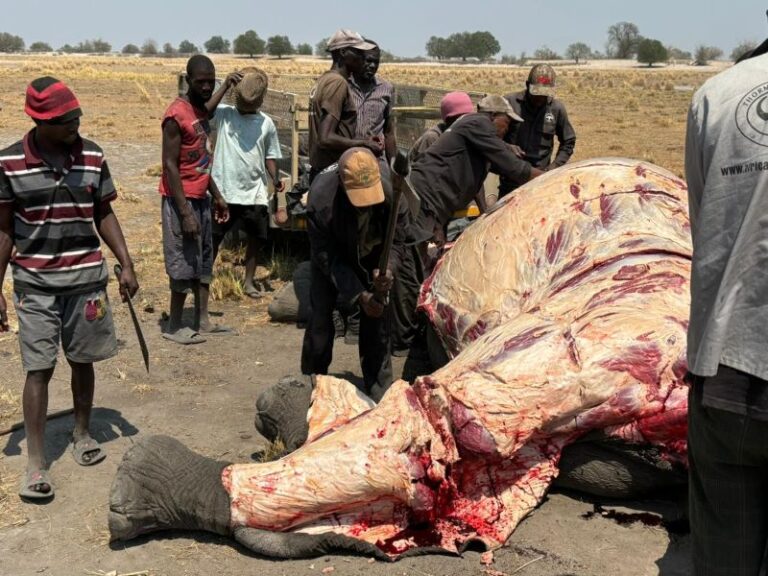
Another very important community benefit is the distribution of meat from the hunts. Rural African communities are often, if not always, impoverished, and the trophies that are harvested during a hunting safari are distributed amongst community leaders for use within their area. This is a very good source of protein and often the only protein that many of these communities see for long periods.
Development & Growth of Local Structures
When hunting in Zimbabwe, the hunts often take place in rural areas, where camps need to be built, set up, created, and maintained. This in turn provides income to local areas and communities that may well not have had the opportunity otherwise.
Conservation Funding
A large portion of hunting revenue from elephant hunting and conservation initiatives is utilized in conservation benefits, supporting anti-poaching initiatives as well as conservation and wildlife management efforts.
Structural Transformation
In the agricultural sectors, hunting safaris in Zimbabwe allow farmers a supplementary income through wildlife tourism and hunting. This additional income would not otherwise be available.
Frequently Asked Questions
How does elephant hunting contribute to conservation in Zimbabwe?
Regulated elephant hunting can generate income through trophy fees, permits, concession payments and safari operations. Depending on the hunting area, this revenue may support wildlife management, anti-poaching activities, local employment, habitat protection and community projects.
The exact benefits differ between concessions and districts. Hunters should ask the outfitter how revenue from the proposed safari is distributed and which conservation or community programs it supports.
What is Zimbabwe’s CAMPFIRE programme?
CAMPFIRE stands for the Communal Areas Management Programme for Indigenous Resources. It was created to give participating rural communities an economic interest in managing wildlife and retaining natural habitat on communal land.
Income may come from regulated hunting, photographic tourism and other forms of sustainable wildlife use. Rural District Councils and local CAMPFIRE structures play a role in managing these activities and distributing benefits.
Do local communities benefit from elephant hunting?
Communities may benefit through employment, revenue-sharing arrangements, meat distribution and infrastructure projects funded through wildlife-based income. Hunting operations can also create work for trackers, camp staff, game scouts, drivers and other local service providers.
Benefits are not necessarily identical in every hunting area. The way income is collected, managed and distributed should be confirmed with the outfitter and relevant local authority.
Is hunting the only source of elephant-conservation funding in Zimbabwe?
No. Elephant conservation also depends on government funding, photographic tourism, international donors, conservation organizations, private operators and community-based initiatives.
Regulated hunting is one part of this wider system, particularly in remote areas where photographic tourism may be difficult or commercially limited.
Does elephant hunting reduce human-elephant conflict?
Hunting alone cannot resolve human-elephant conflict. Conflict mitigation may also require early-warning systems, protection for crops and water sources, community education, problem-animal management and compensation or benefit-sharing programs.
Wildlife-generated income can give communities a practical incentive to retain habitat and tolerate the costs of living alongside elephants, but outcomes depend on how effectively those benefits reach affected households.
Why does elephant hunting in Zimbabwe remain controversial?
Supporters argue that regulated hunting creates economic value from wildlife, supports rural communities and helps maintain land for conservation. Critics question the ethics of hunting elephants and whether revenue is distributed fairly or produces measurable conservation benefits.
A credible assessment should consider the conditions in the particular hunting area rather than assuming that every operation produces the same results.
What should a hunter ask an outfitter about conservation and community benefits?
Before booking, ask who controls the hunting quota, which community or landholder receives income, how trophy and concession fees are distributed and what local projects the operation supports.
The outfitter should also explain how the hunting area funds wildlife monitoring, anti-poaching activities, habitat management and human-wildlife conflict mitigation. Specific, verifiable answers are more useful than general claims about conservation.
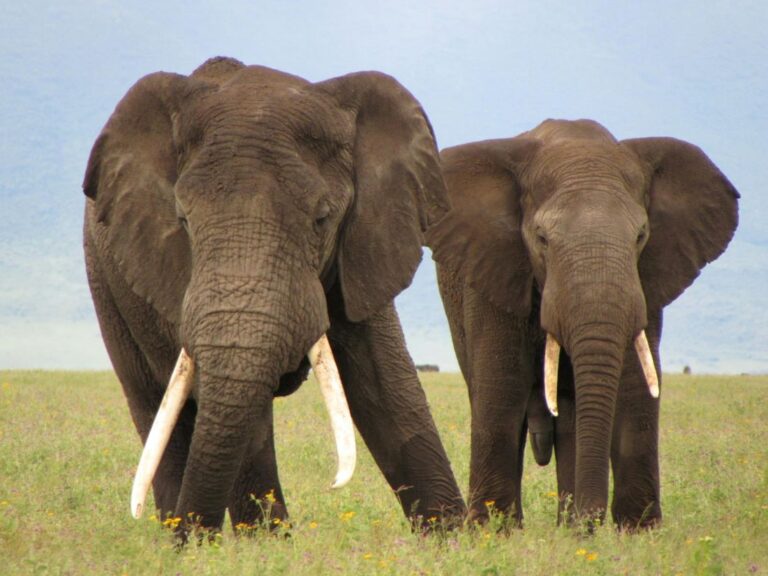
Understanding Hunting's Role in Elephant Conservation
Regulated elephant hunting is one part of Zimbabwe’s wider conservation system. Its value depends on responsible quota management, effective oversight and whether revenue produces measurable benefits for wildlife habitat and the communities living alongside elephants. Hunting cannot replace anti-poaching, population monitoring or human-elephant conflict mitigation, but it can provide funding and economic incentives in remote areas where other forms of tourism may be limited.
Hunters should look beyond general conservation claims and ask how a particular concession manages wildlife, distributes community benefits and uses safari revenue. Those planning this pursuit can read our complete guide to Elephant Hunting in Zimbabwe or compare currently available Hunting Trips before confirming the relevant quota and hunting area.
About the Author
Pierre van Wyk is the founder of Game Hunting Safaris and has spent years involved in African hunting safaris, dangerous game hunting, and wildlife conservation across Southern Africa. With extensive experience in safari operations, hunting destinations, and African game species, Pierre is passionate about promoting ethical hunting practices, sustainable wildlife management, and authentic free-range hunting experiences.
Through Game Hunting Safaris, he works closely with professional hunters, outfitters, and conservation-focused safari operators throughout Africa, helping international hunters better understand the realities of dangerous game hunting, conservation initiatives, and responsible safari tourism.