
Zambia's Luangwa Valley is one of the country's best-known traditional hunting regions, offering extensive, largely unfenced hunting areas where the terrain, wildlife movement and available quotas shape each safari. The Luangwa River and its tributaries run through a landscape of riverine forest, mopane woodland, floodplains and rugged escarpments. For hunters considering hunting in Zambia, the Luangwa Valley offers a distinctive combination of dangerous game, plains game and challenging hunting conditions.
Cape buffalo and leopard are among the region's principal hunting attractions, while species such as Cookson's wildebeest and puku add to its appeal. Hunters planning a big game hunt in Zambia should understand that opportunities vary between concessions, with the available species, quotas and hunting conditions determining what can realistically be pursued. This guide looks specifically at the Luangwa Valley's hunting areas, terrain, wildlife and practical considerations.
[DYNAMIC-BLOGTABLEOFCONTENT]
Luangwa Valley Geography and Terrain: How Does it Influence the Wildlife Biodiversity?
Situated in eastern Zambia and forming part of the Great Rift Valley, the Luangwa Valley houses an abundance of wildlife through its wide biological and ecological variety that supports an array of species found in the region.
The Luangwa River & Floodplain
The river provides a water source throughout the year, and this, in turn, provides nutrients for the soil, resulting in a great variety of vegetation to attract numerous herbivores to the area. These herbivores, in turn, attract carnivores to the area, with a plentiful supply of prey for them, including hippos and various African plains game species. With such variety at hand, leopard, lion, and the apex predator, the Nile crocodile, are prevalent in the area.
Variety of Vegetation Zones
From mopane forests, miombo forests, and grasslands to riparian forests, the area is alive with diverse vegetation for large varieties of animals to inhabit. From small antelopes to large African plains game species, game species are plentiful.
The Muchinga Escarpment
The Muchinga Escarpment’s rocky and hilly terrain provides the perfect habitat for wild dogs and hyenas while forming the natural western border of the Luangwa Valley. Due to its steep incline, it also affects temperature and vegetation growth.
Climate & Vegetation
The region has definite wet and dry seasons that run as follows:
- Wet Season: December to March
- Dry Season: April to November
These two seasons influence the wildlife in the area, with the wet season seeing abundant water sources and great growth in vegetation, drawing the animals to the area with good feeding and watering options, while the dry season allows them to still have access to water by visiting the river and constant water sources.
The Luangwa Valley is home to one of Africa’s most biologically diverse and ecologically rich ecosystems, with many factors, including its perennial river system, escarpment, vegetation types, and climate, all playing a role in encouraging and supporting its array of abundant wildlife species.
Popular Species to Hunt in the Luangwa Valley
The lush Luangwa Valley is alive with copious amounts of game. Some of the most popular to target when on a hunting safari in Zambia’s Luangwa region include both dangerous game and African plains game species:
Dangerous Game Species
Leopard
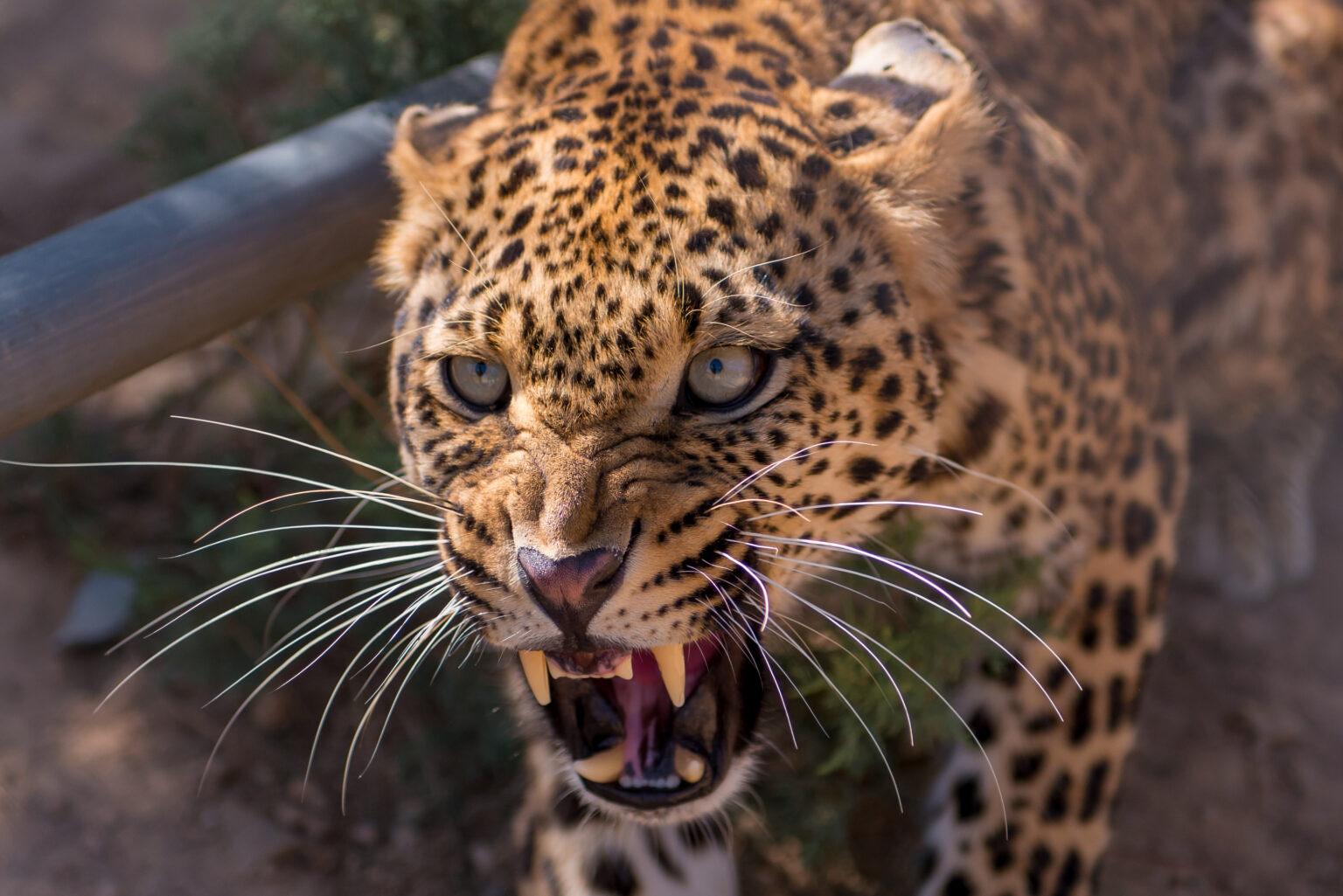
The Luangwa Valley's riverine forests, thick cover and healthy prey populations provide suitable leopard habitat. Hunting typically involves establishing bait sites, monitoring leopard activity and selecting an appropriate location for a blind. Opportunities depend on the concession's current quota and the time allocated to the hunt. Learn more about leopard hunting in Zambia.
Lion
Lions range across parts of the Luangwa ecosystem, but their presence does not automatically mean a hunting opportunity is available. Lion safaris require careful planning around the specific concession, available quota and sufficient hunting days. See our guide to lion hunting in Zambia.
Elephant
Elephants move through parts of the Luangwa ecosystem, including areas adjoining protected national parks. However, elephant hunting opportunities depend on authorised hunting areas and available quotas. Hunters interested in this species should confirm current availability before planning a safari. Explore elephant hunting in Zambia.
Cape Buffalo
Cape buffalo are one of the Luangwa Valley's principal hunting attractions. Bulls may be tracked through thick riverine cover, mopane woodland and surrounding bush, with fresh spoor, wind direction and herd movement influencing the day's hunting. Conditions can vary considerably between concessions. Find out more about buffalo hunting in Zambia.
Nile Crocodile
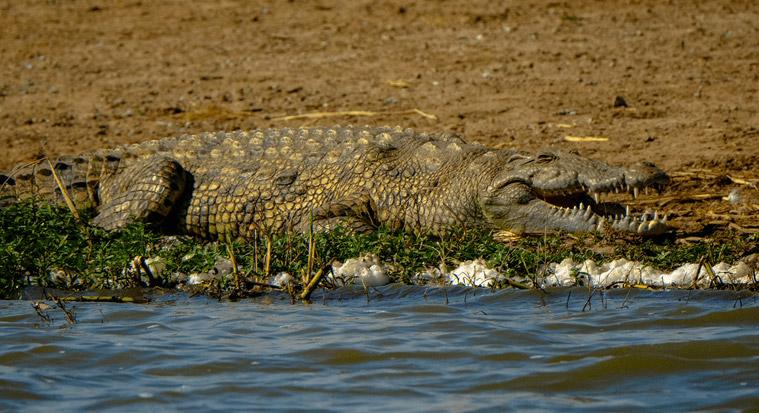
The Luangwa River and its tributaries provide extensive crocodile habitat, particularly around deeper pools and established river systems. Crocodile hunting typically requires careful observation of basking areas, precise shot placement and suitable recovery arrangements. Opportunities depend on the particular concession and available quota. Explore crocodile hunting in Zambia.
Hippo
The Luangwa River supports substantial hippo populations, with animals occupying deeper pools and moving onto surrounding riverbanks to graze. Hunting opportunities are concession-specific and require careful consideration of the animal's location, shot placement and recovery conditions. Learn more about hippo hunting in Zambia.
African Plains Game Hunting in the Luangwa Valley
The Luangwa Valley offers more than dangerous-game hunting, with a variety of plains-game species occupying its woodlands, riverine forests and open floodplains. Cookson's wildebeest, a subspecies of the blue wildebeest associated specifically with the Luangwa Valley, is one of the region's distinctive trophies. Puku are commonly associated with the valley's floodplains and grasslands, while bushbuck, kudu and other antelope favour the thicker woodland and riverine vegetation.
Although sable hunting in Zambia is more strongly associated with areas such as Kafue and parts of western Zambia, suitable habitat also exists within the wider Luangwa ecosystem. Roan and other plains-game species may provide additional opportunities, depending on the concession and available quota. Hunters planning to combine plains game with buffalo or leopard should confirm which species are actually available in their hunting area rather than assume that every animal found in the valley can be included in their safari.
Planning a Hunt in Zambia's Luangwa Valley
The Luangwa Valley offers hunters the opportunity to combine traditional dangerous-game hunting with some of Zambia's distinctive plains-game species. Cape buffalo and leopard are major attractions, while lion, hippo and crocodile may be available in certain concessions, subject to current quotas. Species such as Cookson's wildebeest, puku and greater kudu add further variety, although the animals available will depend on the particular hunting area.
Choosing the right concession is more important than simply selecting the Luangwa Valley as your destination. Hunters should establish which species are available on quota, the number of hunting days required and the conditions they can expect in that part of the valley. For those comparing opportunities beyond Zambia, our African Hunting Trips page provides a broader selection of safaris across Africa.
About the Author
Tamlyn van Wyk is the Co-Founder of Game Hunting Safaris, working closely with African hunting outfitters and professional hunters. She shares practical insights into hunting destinations, wildlife, safari planning and the experiences that make each African hunting region unique.