Trophy Lion Hunting 21 Days in Untamed Rufunsa GMA Zambia
Booking Season: 2026
Hunt Difficulty: Difficult

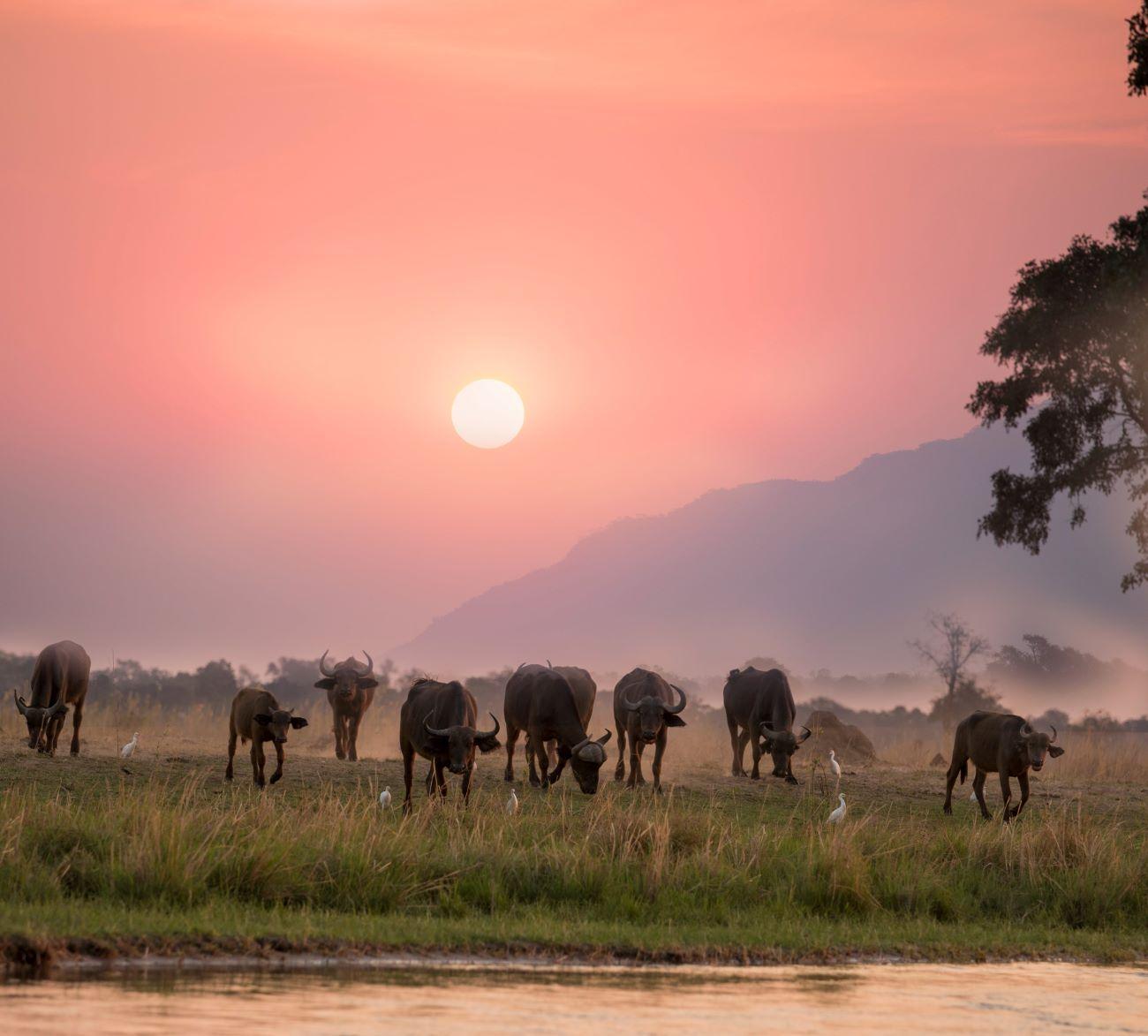
Lion hunting in Zambia is one of the most misunderstood hunts in Africa because legal does not necessarily mean available. Compared with other Lion Hunts in Africa, Zambia offers far fewer opportunities, with access often determined by quota, concession and operator allocation.
Hunting in Zambia is not the same as hunting in Tanzania or Zimbabwe, and lion is definitely not a standard safari option here. Over the past decade, lion hunting in Zambia has gone through bans, strict regulation changes and extremely limited quota allocations.
That changes everything. Availability is limited. Hunts are not consistent from year to year, and in many cases access is restricted to specific operators and concessions. Before looking at prices, areas or booking anything, you need to understand whether a lion hunt is realistically available.
Available Lion Hunts
Trophy Lion Hunting 21 Days in Untamed Rufunsa GMA Zambia
Booking Season: 2026
Hunt Difficulty: Difficult
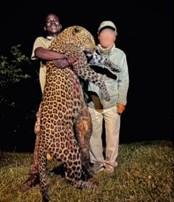
Hunt Zambia 21 Days - Lion, Leopard, Cape Buffalo & PG
Booking Season: 2026
Hunt Difficulty: Difficult
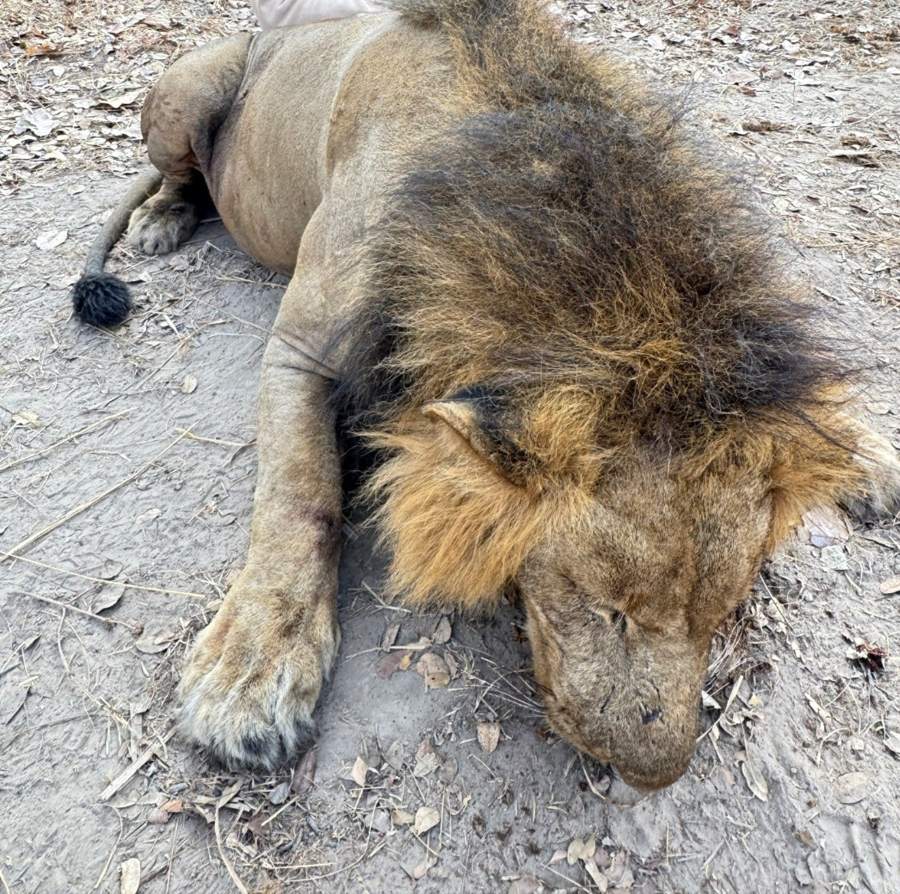
Hunt Leopard, Lion & Plains Game Plus Croc OR Hippo in Kafue, Zambia
Booking Season: 2027
Hunt Difficulty: Difficult
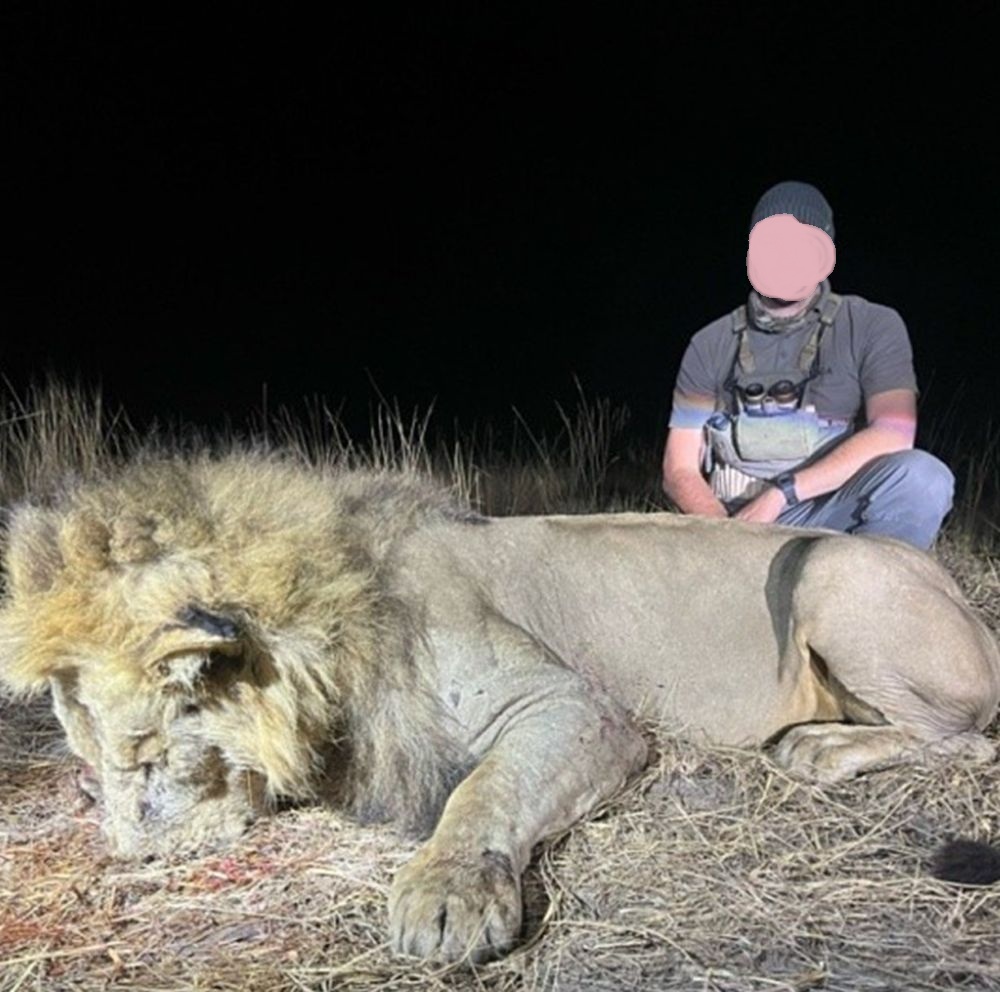
Hunt Lion, Plains Game & Croc OR Hippo in Lunga Luswishi GMA
Booking Season: 2027
Hunt Difficulty: Difficult
• Availability: Extremely limited (not guaranteed every season)
• Quota: Very low (often 1 lion per concession)
• Hunt structure: Full dangerous game safari (not standalone)
• Cost: High, but inconsistent
• Best areas: Luangwa Valley (when open)
• Success rate: Highly variable
• U.S. & Canada import: Possible, but not guaranteed
This is not a mainstream lion hunting destination anymore.
For hunters coming from the United States or Canada, this also means planning becomes more complex. You are not just dealing with hunt availability, you are dealing with timing, quota allocation, and whether a legal, exportable opportunity actually exists in the year you want to hunt. In Zambia, those factors do not always align.
Lion hunting in Zambia is legal, but heavily restricted.
• Controlled under strict government quotas
• Subject to periodic bans and reopenings
• Limited to specific Game Management Areas (GMAs)
• Strong conservation oversight
The key issue is not legality. It’s availability.
In many seasons:
• Quotas are extremely limited
• Some areas may not offer lion at all
• Access depends entirely on operator allocation
For U.S. hunters in particular, there is an additional layer to consider.
Even when a hunt is legally conducted in Zambia, importing a lion trophy into the United States is not guaranteed. Approval is handled on a case-by-case basis by the U.S. Fish and Wildlife Service, and requirements can change over time.
This means:
• A legal hunt in Zambia does not automatically mean a successful import
• Additional documentation may be required
• Approval timelines can be unpredictable
Canadian hunters generally face a more straightforward process, but still require proper CITES permits and compliance with import regulations.
The bottom line is simple:In Zambia, legality is only one part of the equation. Availability, quota access, and import approval all need to align, and that does not happen consistently every year.
For hunters traveling from the United States, lion hunting in Zambia involves more than just booking a safari.
It requires understanding three key factors:
• Whether lion hunting is legally available in that season
• Whether quota exists in a specific concession
• And whether your trophy can be legally imported back into the U.S.
Yes, lion hunting in Zambia is legal, but only under strict regulation.
However, legality in Zambia does not automatically mean a hunt is practical or available to international hunters.
• Quotas are extremely limited
• Not all operators have access
• And availability changes from year to year
This means that even though lion hunting is legal, most hunters will not find a hunt available when they start looking.
This is one of the most important, and most misunderstood parts of the process.
Even if your hunt is conducted legally in Zambia, importing a lion trophy into the United States is not guaranteed.
U.S. imports are regulated by the U.S. Fish and Wildlife Service and reviewed on a case-by-case basis.
This means:
• You must apply for an import permit
• Approval depends on conservation and regulatory criteria
• Processing times can vary significantly
• And approval is never automatic
For U.S. hunters, this adds a layer of uncertainty that must be considered before booking.
For American hunters, a Zambia lion hunt is not just about the hunt itself.
It is about alignment between:
• Legal hunting availability in Zambia
• Access to a valid quota through a reputable operator
• And the ability to successfully import your trophy
If any one of these does not align, the hunt may not achieve the outcome you expect.
Experienced U.S. hunters typically approach Zambia differently.
Instead of searching for:
“lion hunting packages in Zambia”
They focus on:
• Building relationships with trusted operators
• Confirming quota availability first
• And verifying import feasibility before committing
This reduces risk and ensures that the opportunity is real, not just advertised.
Zambia is not a market where you browse and book.
It is a market where:
• Opportunity is limited
• Access is controlled
• And every step requires verification
For hunters willing to navigate that process, Zambia can offer a unique and authentic experience.
But it requires a level of planning and understanding that goes well beyond a typical African safari.
Lion hunting in Zambia did not become limited by accident. It is the result of deliberate conservation decisions and strict quota control.
Over the past decade, Zambia introduced hunting suspensions, tighter regulations, and reduced lion quotas to protect population stability and improve long-term sustainability.
This created a system where:
• Fewer lions are allocated per concession
• Quotas are more tightly controlled
• And not every operator has access to lion hunting at all
At the same time, greater emphasis was placed on age-based hunting, ensuring that only fully mature male lions are taken. This further limits the number of huntable animals in any given season. This changes the reality completely.
Lion hunting in Zambia is no longer built around availability, it is built around conservation-driven restriction. Quotas are intentionally low, access is tightly controlled, and not every season offers real opportunity. The goal is conservation first, not hunting volume.
It is easy to assume that if lion hunting is legal, a hunt can simply be booked. That’s not how Zambia works. That’s not how Zambia works. There are no consistent packages, no predictable availability, and no guarantee that lion quota will even be available when you want to hunt. Zambia is not a plug-and-play destination. It’s access-driven.
The mistake hunters make is treating Zambia like Zimbabwe or Tanzania, where you can compare operators, choose an area, and plan a hunt with reasonable certainty.
In Zambia, the process works the other way around. Access comes first. Availability comes second. And the hunt itself only becomes possible if those two things align in the same season. This is why hunters may spend time researching Zambia, only to realize there is no real hunt available when they are ready to go. Understanding this upfront is the difference between making a smart decision, and chasing an opportunity that doesn’t exist.
Zambia only makes sense if:
• You already have access to a reputable operator
• You are booking a full dangerous game safari
• You are flexible with timing and outcome
• You understand this is not a guaranteed hunt
This is an opportunistic hunt, not a structured one. In most cases, lion in Zambia is not something you go looking for first. It is something that becomes available through the right operator, in the right concession, at the right time. The hunters who benefit most from Zambia are not trying to “find a lion hunt.” They are already working with trusted operators and are in a position to take advantage of a rare quota when it becomes available.
If you are trying to plan a dedicated lion hunt from scratch, Zambia is usually not the right starting point. But if you already have access, and you understand the limitations, it can become one of the more unique and rewarding lion hunting opportunities left in Africa.
Zimbabwe offers structured, consistent lion hunts that can be planned and booked in advance. Operators typically have defined concessions, established baiting systems, and more predictable quota availability. Zambia is different. It is limited, unpredictable, and dependent on quota access. You are not choosing between multiple comparable options, you are relying on whether a specific opportunity exists at all.
Tanzania operates on a strict 21-day system with a clearly defined structure. Hunts are long, regulated, and built around time in the field, with established processes and expectations. Zambia has no consistent structure. It is entirely quota-driven, and availability can change from one season to the next. Where Tanzania offers time and process, Zambia offers uncertainty and limited access.
Mozambique sits somewhere between Zimbabwe and Tanzania in terms of structure. In areas like Niassa and parts of the Zambezi Delta, lion hunting is still available with more consistency than Zambia, although success rates and area quality can vary significantly between concessions.
• Mozambique offers more regular availability
• More operators have access to lion quota
• Hunts can be planned with greater certainty
Zambia, by contrast, remains far more restricted and access-dependent.
South Africa is not considered a free-range lion hunting destination in the same way as Zambia, Zimbabwe, or Tanzania.
• Wild, free-ranging lion hunting opportunities are extremely limited
• Most lion hunting historically took place under captive-bred systems
• The export of captive-bred lion trophies has been restricted or banned by organizations such as Safari Club International and others
For hunters seeking a true wild, free-range lion hunt, South Africa is generally not the primary option.
The Reality
Zambia is not better or worse, it’s just less accessible. Zimbabwe and Tanzania offer structured, reliable systems. Mozambique offers a middle ground with varying consistency. Zambia sits at the far end of the spectrum, where opportunity exists, but only under the right conditions, and not on demand.
Within the Luangwa system, lion hunting opportunities are typically tied to specific Game Management Areas (GMAs) rather than the national parks themselves.
Some of the better-known areas include:
• Lupande GMA (bordering South Luangwa National Park)
• Musalangu GMA (North Luangwa region)
• Mukungule GMA
• Chikwa and adjacent Luangwa Valley blocks
These areas are known for:
• Strong lion habitat
• Low fencing and true wilderness conditions
• Natural movement between park and hunting areas
However, naming these areas does not guarantee a hunt.
In practice:
• Lion quota may only be issued to a limited number of concessions within these GMAs
• Some operators control large, continuous areas, others operate smaller or fragmented blocks
• Access can change depending on lease agreements, quota allocation, and government decisions
This is where experienced hunters approach Zambia differently.
They do not ask: “What’s the best area?”
They ask: “Who has quota this season, and how much land do they actually control?”
In Zambia, the difference between a great hunt and no hunt at all often comes down to those two factors.
When access, area and quota align, Zambia offers a true free-range lion hunt in one of Africa’s great wild systems.
But those opportunities are limited, and they do not exist every year.
In Zambia, lion hunting is controlled through extremely limited quota allocations at the concession level.
In many cases:
• A concession may receive only one lion for the entire season
• Some concessions receive no lion quota at all
• Quotas can change from year to year based on conservation assessments
This creates a system where availability is not just limited, it is highly selective and unpredictable.
Unlike countries where multiple lions may be available across different areas, Zambia operates on a much tighter model. The focus is on sustainability, age-based selection, and long-term population health. This has real consequences.
Even if an area is known for strong lion populations, that does not mean a hunt will be available when you want to go. Quota may already be allocated, reserved, or not issued at all for that season. This is one of the biggest differences between Zambia and more structured hunting destinations.
In Zimbabwe or Tanzania, you can usually plan around known availability. In Zambia, the opportunity must exist first, and only then can the hunt be considered.
Lion hunting in Zambia sits at the expensive end of African hunting, but there is no reliable standard package price. Limited quota, long safari periods and the cost of operating large wilderness concessions all influence what a hunt will cost.
The final price can include daily rates, the lion trophy fee, government levies, permits, concession fees and internal travel. Combining lion with buffalo, leopard or other species can change the overall safari cost considerably.
More importantly, price should only be considered once genuine lion quota has been confirmed. A cheap advertised package means very little if the operator does not control a legal lion allocation for that season. Hunters comparing the wider costs involved can use our African Hunting Safari Prices guide when planning their safari.
Success is not guaranteed, and in Zambia, it’s not just about whether you take a lion. It’s about whether you even get a real opportunity during your hunt.
Outcomes depend on:
• Whether quota is available in that specific season
• Area and concession access
• How much land the operator controls
• The effectiveness of baiting and tracking
• And time in the field
In a well-run concession with active lion movement, success can be good. But Zambia is not a high-volume, high-predictability destination.
Some hunts come together. Others take time. And in some cases, despite doing everything right, the opportunity never fully develops.
The biggest risk here is not failure, it’s limited opportunity.
If you are spending this level of money, you need to approach Zambia differently. You are not paying for a guaranteed result.
You are paying for:
• Access to a rare quota
• Time in a true free-range system
• And the chance to do the hunt properly
But more importantly, you are paying for opportunity, not certainty.
In Zambia, even a well-run hunt in a strong area does not guarantee a shot at a lion. Movement, timing, pressure, and conditions all play a role. Some hunts come together late. Some don’t come together at all.That reality needs to be understood before you book.
Before choosing Zambia, ask yourself:
• Am I comfortable committing significant time and money without a guaranteed outcome?
• Do I value the experience of a true wild hunt more than a predictable result?
• Am I prepared to pass on younger lions and wait for the right animal, even if it costs me the opportunity?
If the answer is yes, Zambia can make sense. If not, there are better options.
What You’re Really Paying For
In more structured countries, you are often paying for:
• Efficiency
• Proven systems
• And a higher likelihood of success within a defined timeframe
In Zambia, you are paying for something different:
• A low-pressure hunting environment
• Large, unfenced wilderness concessions
• Natural lion movement without artificial boundaries
• And a hunt that unfolds on the animal’s terms, not yours
That is what makes it valuable to the right hunter.
• Experienced dangerous game hunters
• Hunters who have already done Africa and want something less commercial
• Those who value authenticity over efficiency
• And hunters who understand that sometimes, the experience matters more than the outcome
• First-time African hunters
• Those working within tight time constraints
• Or hunters looking for a high-probability, structured lion hunt
The hunters who get the most out of Zambia are the ones who arrive with the right expectations.
They understand:
• The opportunity is rare
• The process takes time
• And the outcome is never guaranteed
When it does come together, it means something very different.
• Most lion hunts are conducted over bait at close range
• Shot opportunities are often in low light and tight conditions
• The margin for error is extremely small
• Longer wait times for the right shot
• Higher reliance on perfect setup and positioning
• And an increased risk of passing opportunities that are not ideal
In a system where opportunities are already limited, bow hunting requires a high level of patience, discipline, and realistic expectations.
It can be done, but it is not the standard approach, and it should only be considered by hunters who fully understand the risks involved.
Lion hunting in Zambia is typically conducted as part of a full dangerous game safari and follows a slow, methodical process built around time, patience, and area access. This is not a quick hunt, and it is not built around predictable outcomes.
Most hunts begin with baiting.
• Baits are placed in areas where lion movement has been identified
• These are monitored daily for tracks, feeding activity, and patterns
• It can take several days, or longer before a lion commits to a bait
Once a lion starts feeding, the focus shifts to identifying the right animal.
• Mature male lions
• Proper age estimation
• And avoiding younger animals, even if it means waiting longer
From there, the hunt typically develops in one of two ways:
• A blind is set up near the bait
• The hunter waits for the lion to return, often in low-light conditions
• Shots are taken at close range, where accuracy and shot placement are critical
• Lions may be followed on foot from fresh spoor
• This requires experienced trackers and the right conditions
• It is physically demanding and far less predictable
Because Zambia operates on large, unfenced concessions, the process is constantly influenced by:
• Lion movement across vast areas
• Pressure from neighboring concessions
• Weather and ground conditions
• And how effectively the operator manages multiple bait sites
This is why the hunt feels different from more structured destinations. Progress can be slow. Days may pass without clear movement. And then, when things align, the opportunity can come together quickly. It is a hunt that unfolds, and whether it comes together depends on how well all the moving parts align.
Lion hunting in Zambia is not just time-intensive, it is unpredictable in a way that most hunters underestimate. You are not operating in a controlled environment. You are working within a large, open system where lion movement, pressure, weather, and timing all influence the outcome. That has real consequences in the field. Some days are spent checking bait with no activity.
Some days you see movement, but not the right animal. And sometimes, everything builds slowly over days, until one opportunity presents itself, and you have to get it right.
How the Hunt Actually Feels. This is not a hunt where progress is measured daily. It is a hunt where:
• The first 5–7 days may feel slow
• The middle phase is about building consistency on bait
• And the final opportunity can come at any time, often late in the safari
You are managing uncertainty the entire time.
Lion hunting in Zambia rewards hunters who:
• Can stay patient when nothing seems to be happening
• Trust the process, even when progress feels slow
• Are disciplined enough to pass on the wrong animal
• Understand that one correct decision matters more than ten rushed ones
This is where experience shows.
It does not reward:
• Rushing decisions because time feels limited
• Taking the wrong lion just to “get it done”
• Expecting daily progress or predictable movement
• Treating the hunt like a structured safari
This is where many hunters struggle, not because of skill, but because of expectation.
This is not a fast or structured hunt. .It is a hunt that builds slowly, depends on multiple variables, and only comes together when everything aligns, area, timing, lion movement, and decision-making. And when it does, it happens quickly.
For the right hunter, this is exactly the appeal. For the wrong hunter, this is where frustration starts.
Understanding this before you arrive in camp is one of the most important parts of planning a lion hunt in Zambia.
Lion hunting in Zambia is almost always structured as part of a broader dangerous game safari rather than a standalone hunt, often placing lion within a much larger Big Game Hunting in Africa itinerary.
Depending on the concession and quota, hunters often combine lion with other dangerous game species such as buffalo hunts in Africa, leopard hunts, hippo, and crocodile, all of which are well-established components of Zambia’s dangerous game offering.
For a full breakdown of species, hunt structure, and what to expect, see our dangerous game hunts in Africa guide.
Beyond dangerous game, Zambia offers a highly underrated plains game experience, especially for hunters looking for species that are not commonly found elsewhere in Africa.
The time between lion bait checks can also be used to pursue plains game, adding another dimension to what can be a long safari.
For a full overview, see our plains game hunts in Africa guide.
This is where Zambia really stands out.
Some of the most sought-after specialty species include:
• Kafue Lechwe – Found in the Kafue Flats, a true floodplain specialist
• Black Lechwe – Native to Bangweulu swamps, one of Africa’s most unique antelope hunts
• Sitatunga – A highly specialized swamp-dwelling antelope. Sitatunga hunts are often conducted from platforms or by tracking in wetlands
• Cookson’s Wildebeest – Endemic to the Luangwa Valley, not found anywhere else
• Chobe Bushbuck – A heavier, darker bushbuck variant specific to this region
Zambia’s diverse habitats, from floodplains to river systems and dense thickets, support a wide range of plains game species including puku, bushbuck, reedbuck, and duiker.
In Zambia, lion hunting often involves long periods of baiting and waiting.
Smart hunters use this time effectively by:
• Adding plains game species
• Targeting unique or endemic animals
• Building a more complete and rewarding safari
This is especially important in a system where lion opportunities are limited.
Lion hunting in Zambia is not a standard hunt you plan and book. It is limited, controlled, and often unavailable. This is not a destination where you compare packages, choose dates, and expect a predictable outcome. It is a system built around quota, access, and timing, and all three need to align before a hunt is even possible.
Countries such as Zimbabwe or Tanzania generally offer a more structured lion hunt, with clearer availability and more predictable hunt conditions. Hunters comparing different African Hunting Trips should therefore look beyond the species list and establish whether a genuine lion quota is available before building the safari around Zambia.
What You Are Really Committing To
• A high-cost, low-availability hunt
• A process where opportunity is not guaranteed
• And a system where access matters more than planning
You are not booking certainty. You are stepping into possibility.
Who Should Seriously Consider Zambia
• You already have access to a reputable operator with quota
• You understand how limited and selective these hunts are
• You are comfortable investing significant time and money without guarantees
• And you value a true free-range, low-pressure lion hunt over a structured, outcome-driven safari
This is a hunt for experienced hunters, not a starting point.
The biggest mistake is assuming Zambia is just another lion hunting destination. It isn’t. It sits at the far end of the spectrum, where opportunity exists, but only for those who understand how the system works and are in a position to take advantage of it.
Yes. Lion hunting is legal under Zambia's regulated hunting system, but quota is extremely limited and availability varies between concessions and seasons.
A legally hunted Zambian lion is not automatically eligible for import into the United States. U.S. hunters need to confirm current U.S. Fish and Wildlife Service permit requirements before committing to a safari.
Lion is generally hunted as part of a longer dangerous game safari. Time is needed for baiting, monitoring lion movement and identifying a suitable mature male, and opportunities can develop late in the hunt.
Most hunting takes place in designated Game Management Areas rather than national parks. The Luangwa Valley contains some of Zambia's best-known lion country, although actual hunting availability depends on concession quota.
Yes. Depending on concession quota, lion may be combined with Cape buffalo, leopard and other dangerous game, while plains game and specialist Zambian species can also be hunted during the safari.
If you are looking for a lion hunt you can plan, structure, and execute with confidence, Zambia is rarely the right starting point. But if you have the right access, the right expectations, and the patience to let the hunt unfold on its own terms, Zambia can offer one of the most authentic lion hunting experiences left in Africa.
Search from our range of Hunts across various popular destinations in Africa.

Book Your Hunt