
Elephant Hunting in Zambia | 10-Day Trophy Hunt in Rufunsa Valley
Booking Season: 2026
Hunt Difficulty: Difficult

For American and international hunters, one of the biggest surprises about hunting in Zambia is how much conditions can vary from one area to another. While Zambia offers vast hunting areas and established concessions, elephant density, movement patterns, and hunting pressure can differ significantly between regions. Choosing the right area is often one of the most important decisions a hunter will make.
What hunters overlook is how quickly conditions can change, even within the same ecosystem. Elephant movement is closely linked to water availability, seasonal conditions, and hunting pressure, meaning patterns are rarely fixed from one year to the next.
Success is often less about simply choosing Zambia and more about being in the right area at the right time with an outfitter who understands current conditions on the ground. Understanding these realities upfront helps set realistic expectations and leads to better decisions before committing to an elephant hunt.
Available Elephant Hunts
Elephant Hunting in Zambia | 10-Day Trophy Hunt in Rufunsa Valley
Booking Season: 2026
Hunt Difficulty: Difficult
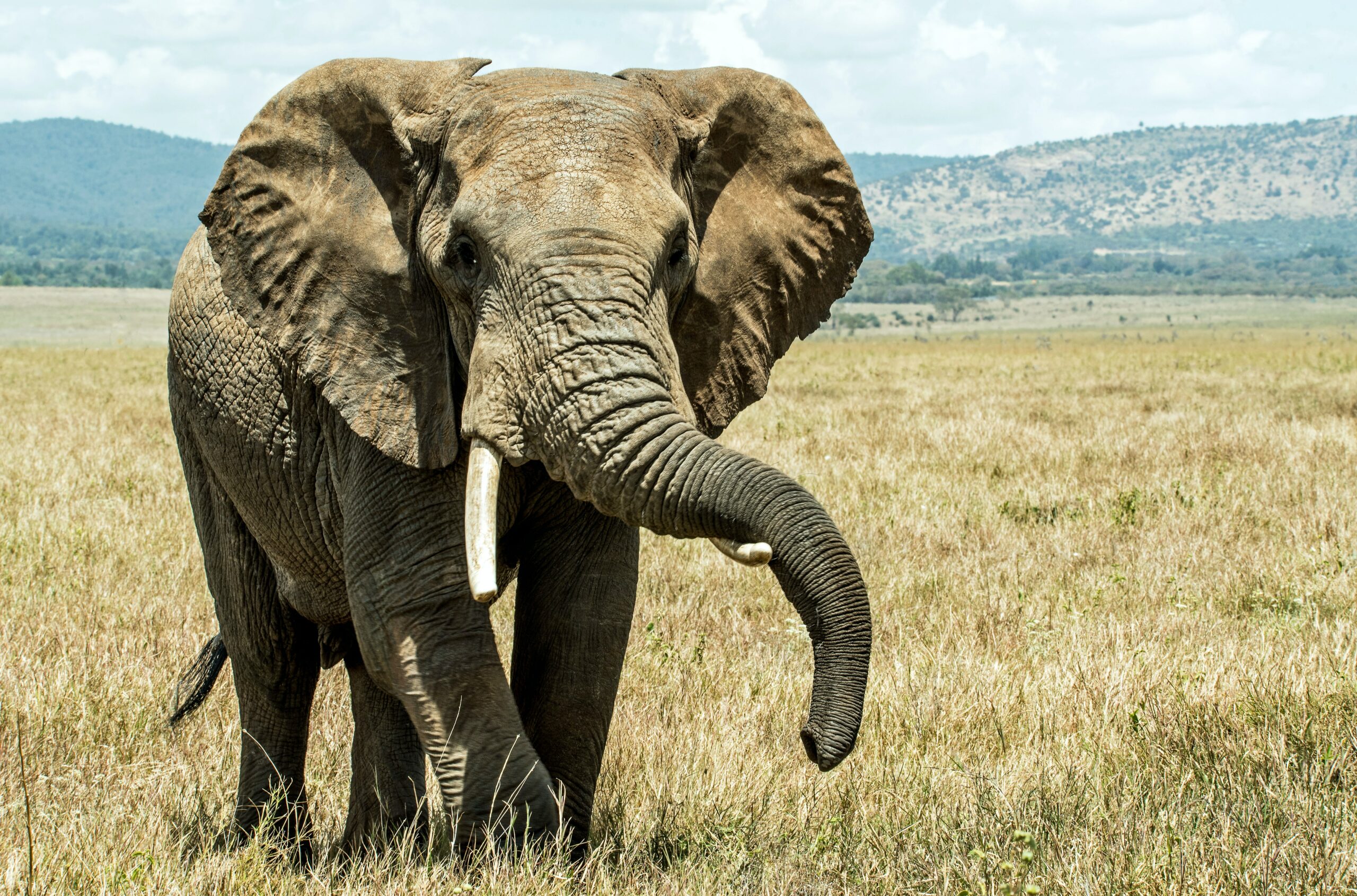
The Luangwa Valley is one of Zambia's most recognized elephant hunting regions and has long been associated with traditional free-range safari hunting. A combination of river systems, thick bush, and more open areas creates ideal elephant habitat, while dry-season conditions often provide good tracking opportunities.
In the right concession, hunters can expect a balanced hunting experience with realistic opportunities to encounter mature bulls under classic walk-and-stalk conditions. However, not all areas within the Luangwa perform equally. Elephant movement patterns, hunting pressure, and concession quality can vary significantly, making area selection and operator choice important factors in the overall success of the hunt.
The Lower Zambezi offers a very different elephant hunting experience from the Luangwa Valley. Characterized by riverine habitat, thicker bush, and seasonal elephant movement patterns, hunting success is often closely tied to water availability, current conditions, and timing.
In favorable conditions, elephants move predictably along river systems and feeding areas, creating excellent hunting opportunities. During less favorable periods, movement can become more inconsistent, and hunters may need to spend additional time locating suitable bulls. For this reason, the Lower Zambezi is often considered a timing-sensitive hunting area where local knowledge and an understanding of current elephant movement patterns play an important role in the outcome of the hunt.
The Kafue region and surrounding Game Management Areas are more variable.
• Large, remote concessions
• Lower hunting pressure in some areas
• Less predictable elephant distribution
This is where Zambia starts to feel very different from countries like Zimbabwe. Elephants in Kafue often move over large distances, and their presence in a specific concession can change depending on:
• Rainfall
• Water availability
• Seasonal pressure
For hunters, this creates a more uncertain, but sometimes more traditional experience.
In practical terms:
• Some areas offer more consistent encounters, but require patience in bull selection
• Others offer fewer opportunities, but a different class of hunting experience
• Timing plays a larger role in Zambia than in more predictable destinations
Choosing Zambia is not simply about selecting the country, it is about selecting the right area at the right time. Some concessions offer more consistent elephant encounters, while others provide a different style of hunting experience that may require greater patience and flexibility. Timing also plays a larger role in Zambia than in some other African destinations, with seasonal conditions often influencing elephant movement and hunting opportunities.
As a result, two elephant hunts in Zambia can look completely different depending on where and when they take place. Understanding these differences upfront helps hunters set realistic expectations and make better-informed decisions before booking a safari.
Elephant hunting in Zambia is generally positioned between more accessible countries like Zimbabwe and higher-cost destinations such as Botswana or Tanzania.
But pricing in Zambia is less standardized, and that matters.
Most elephant hunts in Zambia are structured as 10 to 14-day safaris, with total costs typically falling in the range of:
$40,000 to $75,000+
• Area and concession
• Outfitter reputation and quota access
• Type of elephant (trophy bull vs alternative quota)
Elephant hunts are divided into two core components:
• Professional hunter
• Trackers and staff
• Camp, vehicles, logistics
• Paid only if an elephant is successfully taken
This distinction is critical.
Hunters should always confirm:
• Trophy fees are only charged on success
• No partial or hidden fees apply if no elephant is taken
Typical packages may include:
• Daily rates
• Trophy fee
• Basic government permits
But many costs are often excluded or unclear upfront, including:
• Government levies and conservation fees
• Game scout fees
• VAT (where applicable)
• Charter flights or internal transfers
• Dip & pack, taxidermy, and shipping
This is where pricing in Zambia becomes less transparent than in some other countries.
Elephant hunting in Zambia is often not done in isolation. In many areas, hunters have the opportunity to combine an elephant hunt with other dangerous game species, creating a more complete and rewarding safari experience.
Zambia supports a strong dangerous game offering that may include leopard, lion, hippo, crocodile, and buffalo, depending on the concession and available quota. These species are frequently found within the same ecosystems as elephant, particularly in regions such as the Luangwa Valley and Lower Zambezi.
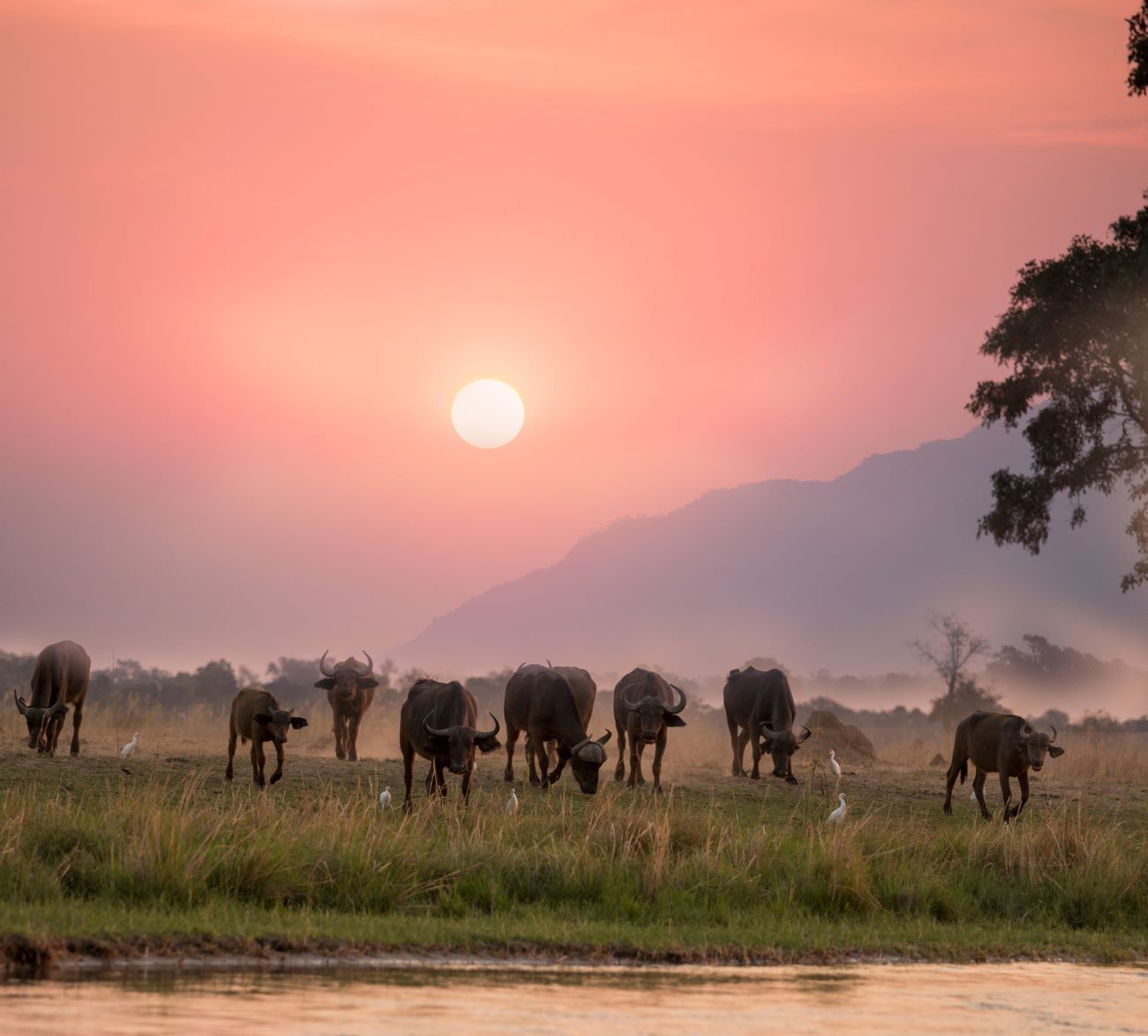
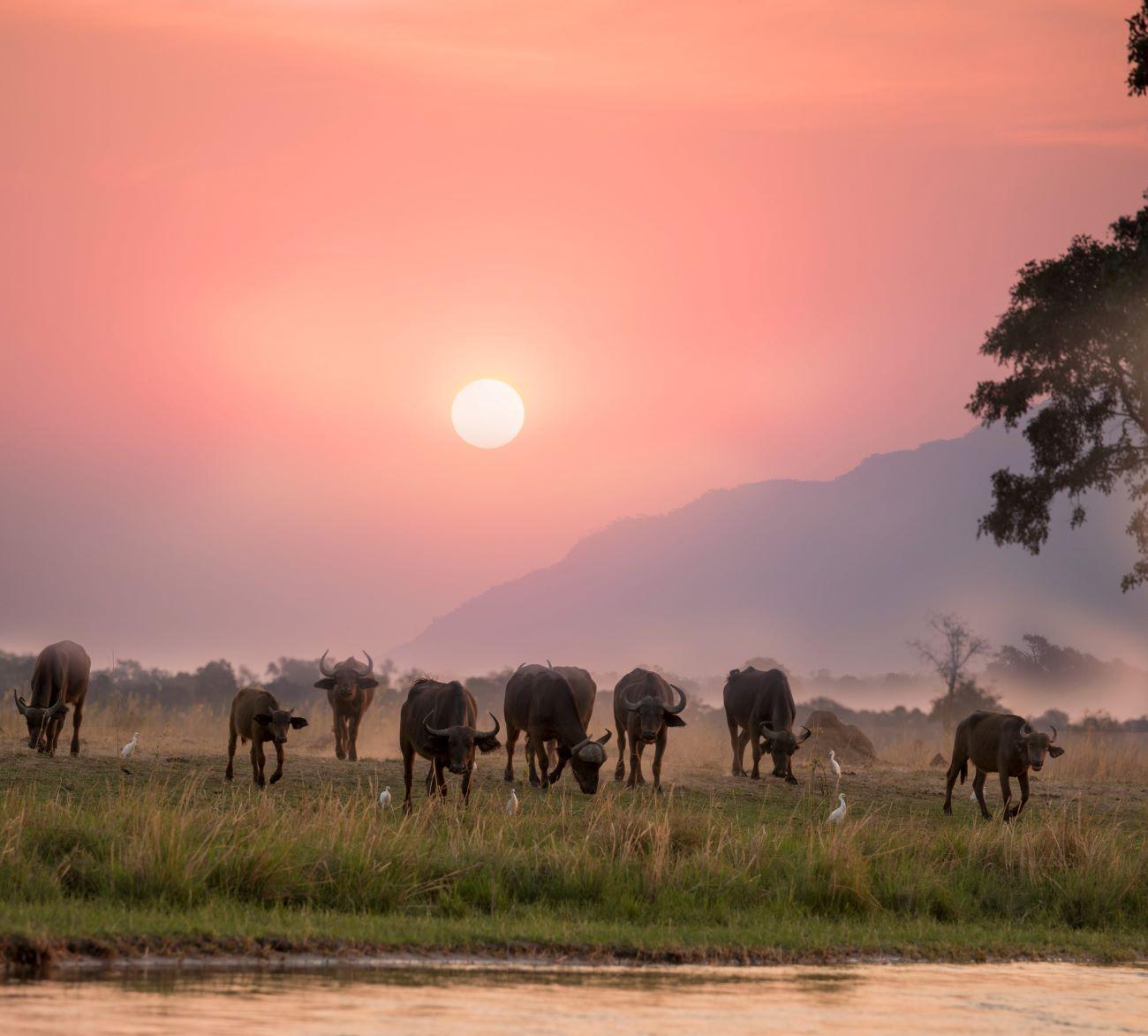
For many hunters, the most practical addition to an elephant safari is the opportunity to enjoy Cape Buffalo Hunts within the same concession. Buffalo are commonly encountered in several of Zambia's major hunting areas and provide a very different hunting challenge while allowing hunters to maximize their time in the field.
In river systems and wetland environments, hunters may also have opportunities for Hippo Hunts alongside elephant. For those investing the time and expense required to hunt Zambia, combining species can create a more diverse safari experience while taking advantage of the wildlife opportunities available within a single hunting area.
For a full breakdown of species, hunt structures, and how multi-species safaris are typically planned, see our guide to dangerous game hunting in Africa.
While elephant and dangerous game are often the primary focus, Zambia also offers a selection of plains game species that are difficult—or impossible—to hunt elsewhere.
This is one of Zambia’s most overlooked advantages.
Key species include:
• Kafue lechwe
• Black lechwe
• Sitatunga
• Puku
• Crawshay’s zebra
These species are tied to specific ecosystems and are not widely available across other African hunting destinations.
For example:
• Sitatunga are typically hunted in swamp and floodplain environments, requiring specialized tracking methods and a completely different style of hunting
• Lechwe species are closely linked to wetland systems and seasonal floodplains
• Puku are common in certain riverine areas but rarely hunted outside of Zambia and neighboring regions
Adding plains game to an elephant hunt can:
• Increase the overall value of the safari
• Provide additional hunting opportunities during slower periods
• Create a more diverse and rewarding experience
In many cases, these species are available at relatively accessible trophy fees compared to dangerous game, making them a practical addition without significantly increasing total cost.
For a full breakdown of available species and how plains game hunts are structured across Africa, see our guide to plains game hunting in Africa.
Elephant bow hunting is one of the most frequently asked questions from hunters considering Zambia.
While it is possible, it is not widely offered—and it is not suited to every area or every hunter.
Bow hunting elephant requires very specific conditions:
• Close-range encounters (often inside 20 yards)
• Stable wind and controlled approach
• A professional hunter experienced in bow setups and shot placement
• Terrain that allows for silent movement and positioning
In Zambia, these conditions are not always consistent. Dense bush, variable wind, and less predictable movement patterns can make bow opportunities more difficult to set up compared to some other countries.
For ethical and legal elephant bow hunting, minimum equipment standards are typically enforced.
While exact regulations may vary by concession, most professional hunters will require:
• Minimum draw weight: 80–90 lbs
• Heavy arrows (typically 900–1,200+ grains total weight)
• Solid broadheads designed for dangerous game
• High penetration setup prioritizing momentum over speed
This is not standard plains game equipment. Even with proper setup, shot placement is critical and extremely limited. Most shots are taken at close range and require precise angles to ensure adequate penetration.
Bow hunting elephant in Zambia should be approached realistically.
• Opportunities are fewer and less predictable
• Setups may take multiple days to develop
• Success depends heavily on conditions aligning during the hunt
For experienced bowhunters looking for a challenge, it can be a highly rewarding pursuit.
For others, a rifle hunt may offer a more consistent and practical approach, particularly in areas where visibility and movement patterns are less favorable.
For international hunters, Zambia is often compared directly to Tanzania. Both offer large, unfenced hunting areas and traditional safari conditions—but they are not the same.
Understanding the difference is important. A Different Kind of Safari Structure
• Highly structured safari systems
• Fixed concession blocks
• Longer, more formalized safari requirements
• Less standardized
• More flexible in how hunts are structured
• More dependent on current conditions rather than fixed expectations
This creates a different type of experience. Lower Pressure, Less Commercial Feel
In many areas of Zambia:
• Hunting pressure is lower
• Fewer safaris operate within the same region
• Camps and concessions feel less commercialized
This does not mean easier hunting, but it does change the atmosphere. For some hunters, this is a key reason they choose Zambia.
More Condition-Driven Hunting
Zambia hunts are often shaped by:
• Current elephant movement
• Seasonal conditions
• Localized pressure
Rather than operating within a fixed system, hunts tend to adapt to what is happening on the ground at the time.
This can create:
• More variability
• Less predictability
• But also a more natural, responsive hunting experience
Zambia is often a better fit for hunters who:
• Have some prior African hunting experience
• Are comfortable with less structured conditions
• Value a more traditional, less commercial safari
It may not be the first choice for every hunter, but for the right individual, it offers something different from more system-driven destinations.
The final cost of an elephant hunt in Zambia is almost always higher than the initial quote. This is not unusual, but it is often underestimated. In many cases, the advertised safari price reflects only the core structure of the hunt. Once all additional components are included, the total investment can increase significantly.
Common additional costs include:
• Internal travel (charter flights or long-distance road transfers)
• Government levies, conservation fees, and mandatory scout fees
• Dip & pack, taxidermy, and international shipping
• Gratuities for professional hunters, trackers, and camp staff
In some areas, particularly more remote concessions, logistics alone can add a meaningful amount to the overall cost of the safari.
This creates a gap between quoted price and actual spend.
A hunt that appears competitively priced at first glance may, in practice, end up costing more than a higher-priced option that includes a more complete structure upfront. Comparing hunts based only on headline price is thus often misleading. Hunters comparing Zambia with other destinations can use our African Hunting Safari Prices guide for a broader look at daily rates, trophy fees and the additional costs involved in planning a safari.
Elephant hunting in Zambia is not expensive by accident. The cost reflects the environment, the quota system, and the realities of operating in remote, low-volume hunting areas. This is where many hunters misunderstand the pricing.
Elephant quota in Zambia is tightly controlled and distributed across specific concessions.
• Only a limited number of elephants can be hunted each season
• Not every area receives quota every year
• Hunts are restricted to a defined hunting season
This means outfitters are not operating at high volume. They may run only a handful of elephant hunts per year, and all operational costs are spread across those few safaris.
Elephant hunting in Zambia takes place in remote, unfenced areas far from established infrastructure.
Reaching camp can involve:
• Charter flights into bush airstrips
• Long road transfers over rough terrain
• Moving fuel, food, and equipment over significant distances
Nothing is close, and nothing is simple. Every vehicle, every drum of fuel, and every piece of equipment has to be transported, maintained, and managed in areas with limited support.
Unlike permanent lodges, many hunting camps in Zambia operate in remote, seasonal environments.
This involves:
• Setting up and maintaining camp infrastructure each season
• Employing skilled trackers, staff, and professional hunters
• Maintaining vehicles under harsh conditions
• Ensuring safety, communication, and logistics in isolated areas
Even when no hunt is taking place, these concessions still require upkeep. These are not low-cost operations—and they are not designed to be.
Elephant hunting in Zambia is not a high-turnover business.
• Few hunts per season
• Large areas with limited pressure
• A focus on sustainable quota rather than volume
This means costs are not spread across dozens of clients.
They are carried by a small number of hunts each year.
From the outside, it is easy to compare prices between countries or outfitters and assume one is simply more expensive.
The cost is tied to:
• How remote the area is
• How the camp is run
• How much infrastructure is required to operate the hunt
• And how limited the quota is
In practical terms, you are not just paying for the animal, you are paying for the ability to hunt it in a remote, free-range environment under real conditions.
Unlike more structured systems such as Tanzania, elephant hunting in Zambia offers more flexibility, but that flexibility comes with variation. Not all hunts are built on the same foundation.
Lower-priced hunts may:
• Take place in areas with less consistent elephant movement
• Offer more variable encounter rates depending on timing
• Be more sensitive to seasonal conditions such as rainfall and water distribution
• Rely on concessions where elephant presence is less predictable
In these cases, the hunt itself may still be legitimate, but the outcome is more dependent on conditions aligning during your specific safari window.
Higher-priced hunts are often associated with:
• More established or better-managed concessions
• Areas with more consistent elephant movement patterns
• Operators with stronger track records in those regions
• Better logistical support and overall hunt structure
This does not guarantee success, but it does change the level of predictability. Pricing in Zambia often reflects consistency, access, and planning, not just the animal itself.
At its core, elephant hunting in Zambia is not defined by numbers, pricing, or even location. It is defined by the animal itself. Elephants are not static, and they are not predictable.
They move constantly, react to pressure, and require patience, discipline, and control to hunt effectively. Most encounters happen at close range. Opportunities are often brief. And when the moment comes, there is very little room for hesitation. Even in well-managed areas, success is never guaranteed. That is part of the reality of hunting a free-ranging animal across large, unfenced landscapes. In Zambia, those conditions are often more pronounced.
Movement is less consistent, timing matters more, and outcomes are shaped by what is happening on the ground during your specific hunt, not what is expected on paper.
For those who understand this, the experience is not defined by how quickly a hunt comes together, but by how it unfolds. That is what makes elephant hunting in Zambia different. Hunters considering Zambia can compare current African Hunting Trips to see available elephant safaris, hunting areas and other species that can be combined within the same trip.
Search from our range of Hunts across various popular destinations in Africa.

Book Your Hunt