
Hunting in Zambia: Leopard, Plains Game Plus Croc OR Hippo
Booking Season: 2027
Hunt Difficulty: Difficult

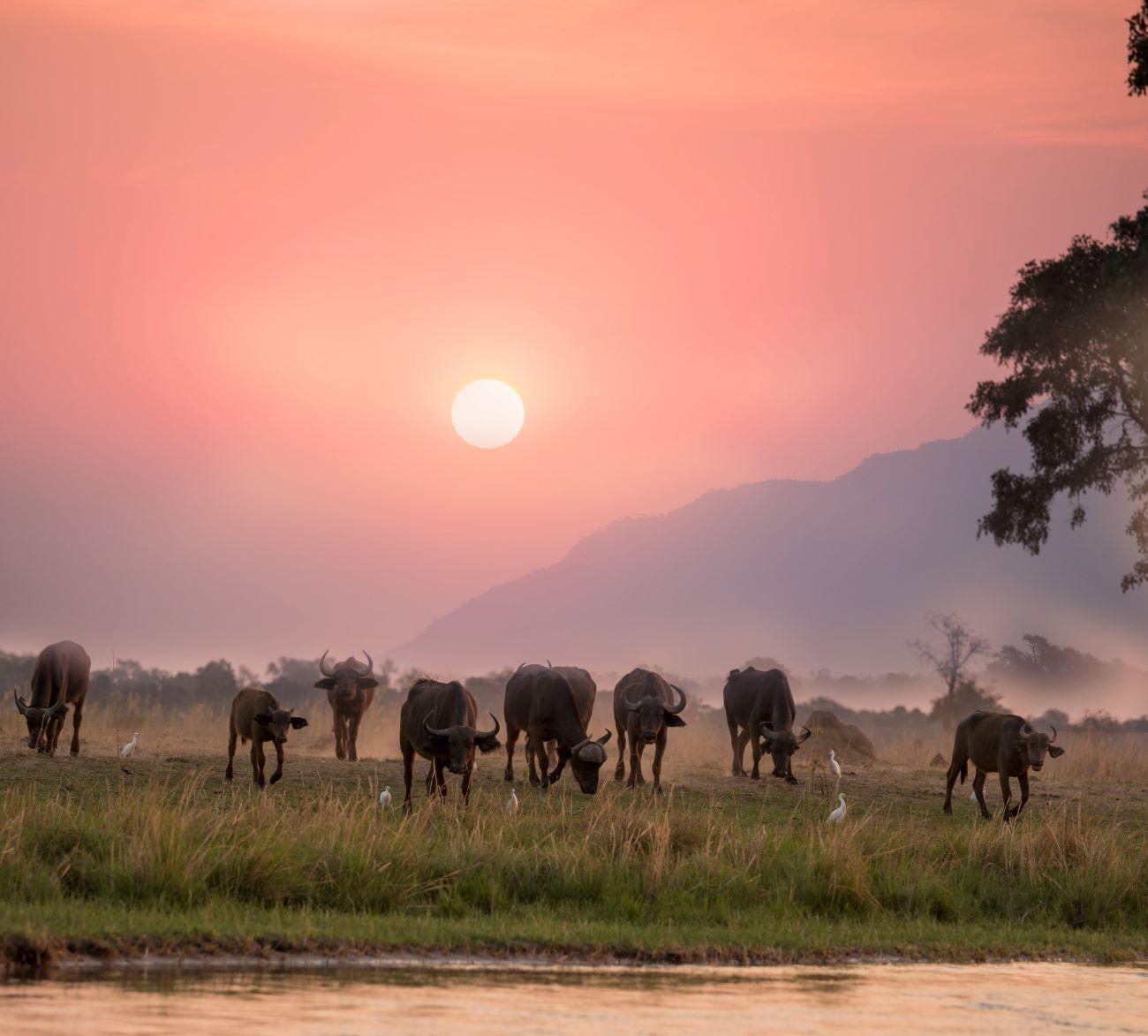
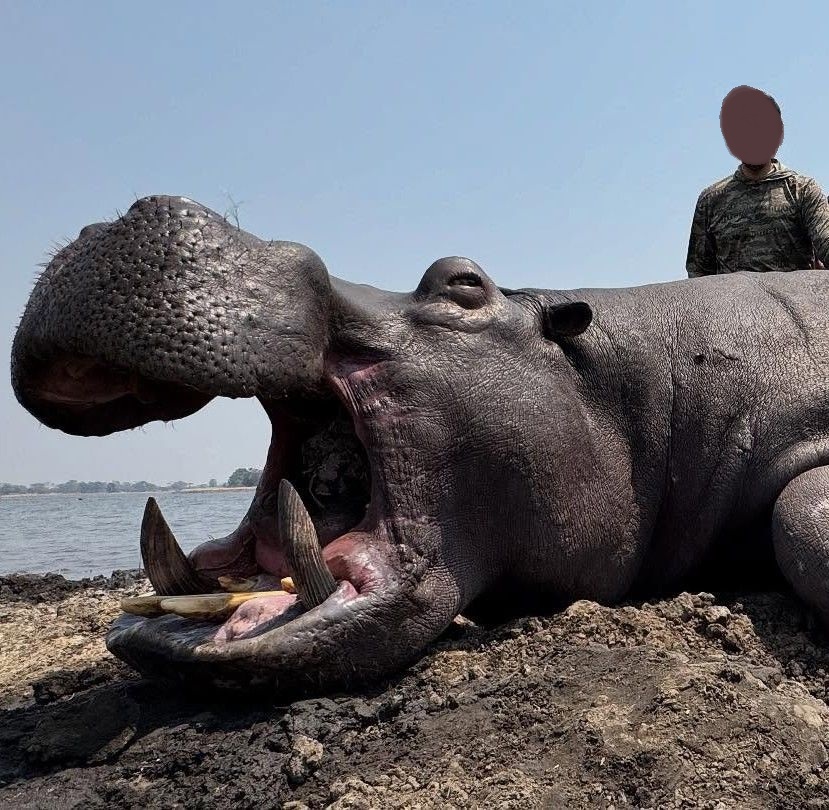
Finding hippos is rarely the difficult part. The challenge is identifying a mature bull, separating him from the rest of the pod and getting into position for a safe shot. Much of the animal may be underwater, and several hippos can surface close together, making careful trophy selection important.
Hunters planning Hippo Hunts in Zambia may pursue bulls in the water or, depending on the circumstances, when they move onto land to feed. Water levels, the position of the pod and the surrounding riverbank can all influence how the hunt develops.
Hippo also fit naturally into a broader Hunting in Zambia safari. Depending on the hunting area and available quota, they can be combined with Cape buffalo, crocodile and other dangerous game during the same safari.
The dry season generally provides increasingly favorable conditions as water levels fall and hippos become concentrated in remaining pools and river channels. This can make locating animals easier, but selecting the right bull and waiting for the right shot can still take time.
That combination of large hippo populations, classic river country and the opportunity to combine hippo with other dangerous game is what makes Zambia such an important destination for the species.
Available Hippo Hunts
Hunting in Zambia: Leopard, Plains Game Plus Croc OR Hippo
Booking Season: 2027
Hunt Difficulty: Difficult
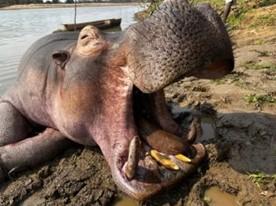
7-Day Dangerous Game & Plains Game Safari in Zambia
Booking Season: 2026
Hunt Difficulty: Difficult
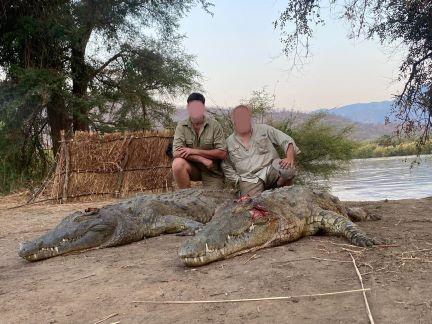
Hippo & Crocodile Hunting Safari in Zambia
Booking Season: 2026
Hunt Difficulty: Difficult
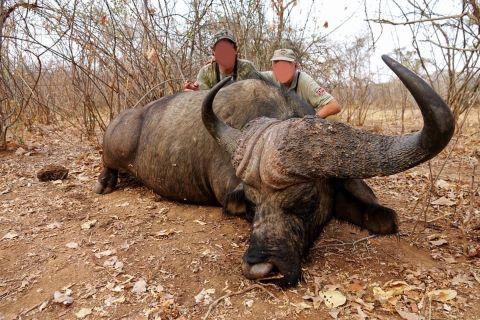
Buffalo Hunting in Zambia's Zambezi Valley
Booking Season: 2026
Hunt Difficulty: Difficult
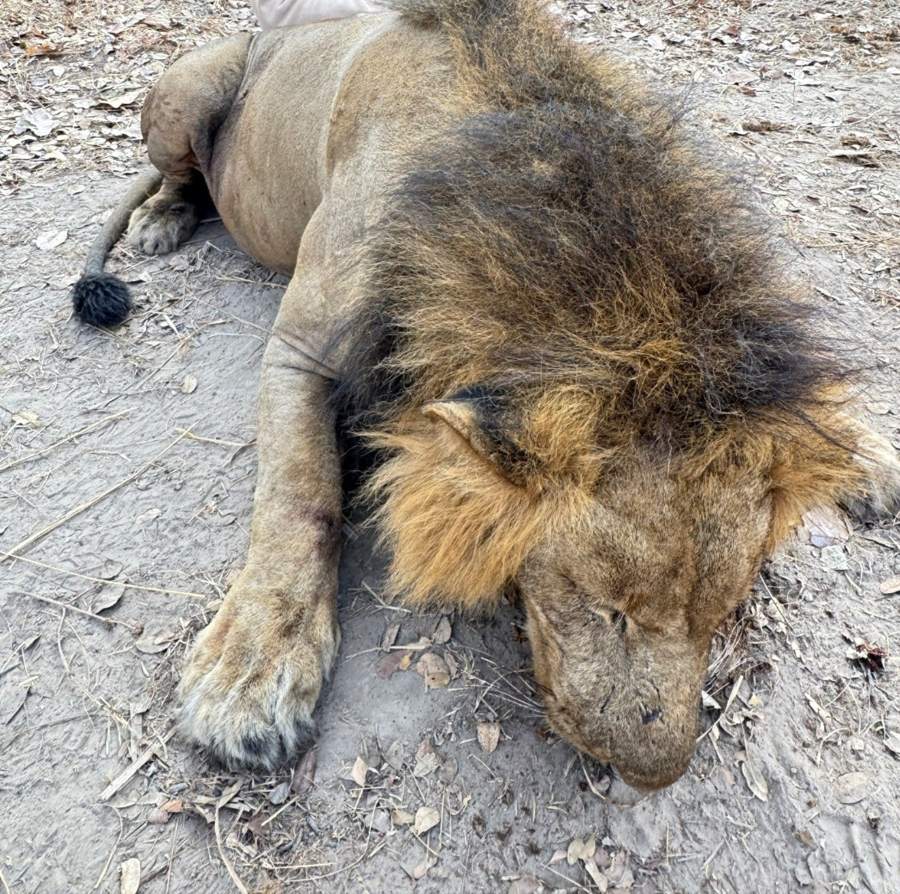
Hunt Leopard, Lion & Plains Game Plus Croc OR Hippo in Kafue, Zambia
Booking Season: 2027
Hunt Difficulty: Difficult
Hunt Hippo, Croc & Plains Game in Chiawa GMA, Zambia
Booking Season: 2026
Hunt Difficulty: Moderate
Hunt Lion, Plains Game & Croc OR Hippo in Lunga Luswishi GMA
Booking Season: 2027
Hunt Difficulty: Difficult
Judging a mature hippo bull can be difficult when most of the animal is below the surface. In a large pod, the hunter may see little more than heads, ears and nostrils, and several animals can surface close together.
A mature bull will generally have a larger, heavier head and thicker neck than the females around him. The tusks can also create noticeable bumps beside the nostrils when the mouth is closed, providing another clue when judging an animal in the water.
Body size alone is not enough. The Professional Hunter may spend time watching the pod, comparing animals and waiting for the bull to separate sufficiently from the others before deciding whether to continue the stalk.
Shot Placement while Hippo Hunting in Zambia
Hippo hunting in Zambia can either take the form of a spot-and-stalk, or the massive mammal will be targeted on land when traveling to and from the water while feeding. At dusk, they tend to leave the water to feed on land, where they will graze for a great deal of the night before returning to the water. As with any dangerous game species, shot placement is critical and you must be sure of your shot before taking it.
Our Hippo Shot Placement guide covers the main brain, heart and lung shot options for hippo in the water and on land. If the right shot is not available, wait for another opportunity. The first shot is of paramount importance, but the second and third follow-up shots are just as important, especially if the first shot was not 100% on target. The hippo is notoriously difficult to kill, and solid bullets are recommended for this African hunt.
There are a couple of options in terms of shot placement for this hippo hunting adventure, including the frontal brain shot, the frontal heart shot, the broadside brain shot with the hippo in the water, the headshot with the hippo facing away from the hunter, as well as the fleeing shot, the neck shot and lastly, the heart and lung shot. The choice of shot placement depends on the situation in which the hunter finds himself, but all options call for accurate, precise shot placement. No hunter wants to be in the situation of the hunt going south quickly, with a wounded hippo hurtling towards you, intent on doing grievous bodily harm!
What Caliber Rifle is Used for Hippo Hunting in Zambia?
Hippos have incredibly thick skulls and vertebrae, which calls for solid bullets to be used to ensure proper penetration. When targeting the hippo on a big game hunting adventure, a rifle with a minimum caliber of .375 is a legal requirement, together with the minimum of a 300-grain bullet. No bow hunting of dangerous game is allowed in Zambia. Should the hippo be hunted at close range on land, with the hunter taking the broadside shot, a .416 Rigby or 500NE is a suggested rifle option to consider, to allow for an accurate kill shot to the heart and a humane death.
The Luangwa Valley gives Zambia's hippo hunting much of its reputation. The Luangwa River and its tributaries support large numbers of hippos, with pods occupying pools, channels and stretches of river throughout suitable hunting areas.
As the dry season progresses, falling water levels can concentrate hippos into smaller sections of the river. Finding animals may become easier, but that does not necessarily make selecting a mature bull simple. Several hippos can occupy the same pool, with animals repeatedly disappearing below the surface and changing position.
The dry months can also bring more fighting between bulls as water and space become limited and animals compete for position around the remaining pools. Bulls may carry scars, cuts and other body markings from these encounters. These markings can help the Professional Hunter recognize an individual bull, which becomes important when several hippos are constantly diving, surfacing and changing position within the same pod.
The river itself also influences the hunt. Steep banks, vegetation, water depth and the position of the pod can determine where the hunter can approach and whether a safe shot is available.
The cost of a hippo hunt in Zambia depends on how the safari is structured. Hippo may be hunted as the main objective or included in a longer safari with Cape buffalo, crocodile and other game.
Daily rates, trophy fees, concession fees, safari length and transfers can all affect the price. Remote hunting areas may involve charter flights and additional logistics.
Hunters should therefore compare the complete cost of the safari, rather than the hippo trophy fee alone. Our African Hunting Safari Prices guide provides a broader look at daily rates, trophy fees and other costs involved when planning a hunt in Africa.
Zambia is one of the countries where a hippo hunt can form part of a broader Big Game Hunting safari. Depending on the hunting area and available quota, hippo may be combined with Cape buffalo, crocodile and other dangerous game during the same trip.
The Luangwa Valley is especially well suited to these combinations. A safari may move from tracking buffalo through the bush to judging hippo bulls or watching crocodiles along the river later the same day.
That variety gives Zambia a deserved place among Africa's Dangerous Game Hunts, where different species, habitats and hunting styles can all be experienced during one safari.
The Luangwa Valley is one of Zambia's best-known hippo hunting areas, with large populations along the Luangwa River and its surrounding waterways. Hippo hunting is also available in other suitable river systems and hunting areas where quota is allocated.
The dry season generally provides good conditions for hippo hunting as water levels fall and animals become concentrated in remaining pools and river channels. Later in the dry season can make locating hippos easier, although selecting a mature bull and getting the right shot can still require patience.
A mature bull generally has a heavier head, thicker neck and larger overall build. Tusks, facial features, scars and other body markings can also help the Professional Hunter identify and follow a particular bull within a pod.
Yes. Depending on the hunting area and available quota, hippo can be combined with Cape buffalo, crocodile and other species during the same safari. This makes hippo a natural addition to a broader Zambia dangerous game hunt.
Prices vary according to the hunting area, safari length, daily rates, trophy fee and other species included. Charter flights, transfers and concession fees may also affect the total cost, particularly in remote hunting areas. Hunters should compare the complete safari price rather than the hippo trophy fee alone.
Search from our range of Hunts across various popular destinations in Africa.

Book Your Hunt