
Hunting in Zambia: Leopard, Plains Game Plus Croc OR Hippo
Booking Season: 2027
Hunt Difficulty: Difficult

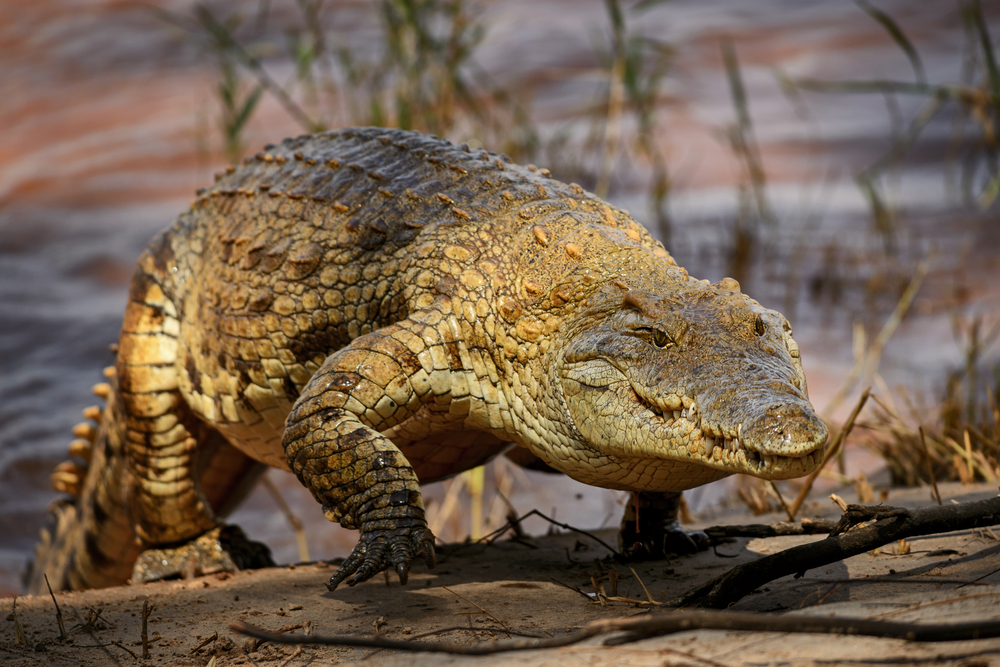
Unlike some Crocodile Hunts where the outcome can be heavily controlled, hunting in Zambia depends on finding the right animal along miles of river. Crocodiles may be watched near established basking areas or drawn to bait positioned away from the water. Finding crocodiles is seldom the hardest part. Judging a mature trophy and getting into position without sending it sliding back into the river is where the real work begins.
A crocodile can lie motionless for hours, yet disappear in seconds when something feels wrong. The hunter may need to crawl into position, wait for the animal to settle and prepare for one precise shot at a very small target. There is little room for error, especially when deep water is only a few feet away.
Crocodile can be the main objective of a shorter safari or form part of a broader Dangerous Game Hunt for hippo, Cape buffalo or other species. With remote hunting concessions, productive waterways and several ways to build a combination safari, hunting in Zambia offers far more than simply adding a crocodile to the end of another hunt.
Available African Crocodile Hunts
Hunting in Zambia: Leopard, Plains Game Plus Croc OR Hippo
Booking Season: 2027
Hunt Difficulty: Difficult

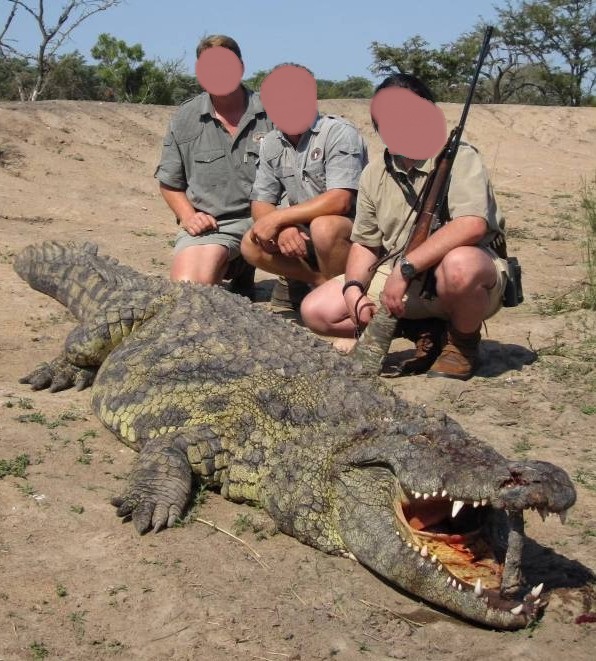
Non-Exportable Crocodile Hunt in Namibia’s Caprivi Strip
Booking Season: 2026
Hunt Difficulty: Moderate, Difficult

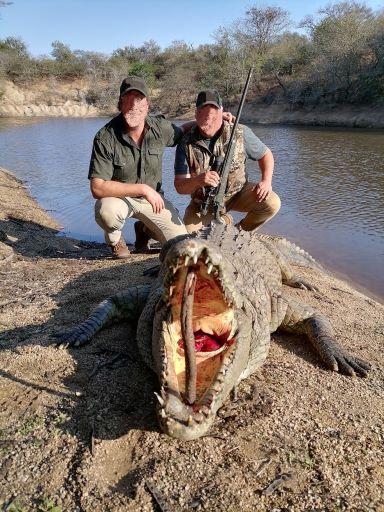
Free Range Crocodile Hunting Safari in Limpopo, SA
Booking Season: 2026
Hunt Difficulty: Moderate
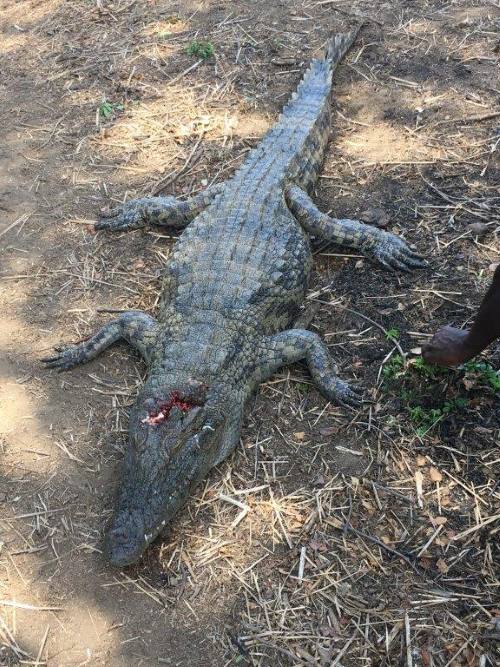
Hippo & Nile Crocodile Hunting Safari in Zimbabwe
Booking Season: 2026
Hunt Difficulty: Difficult
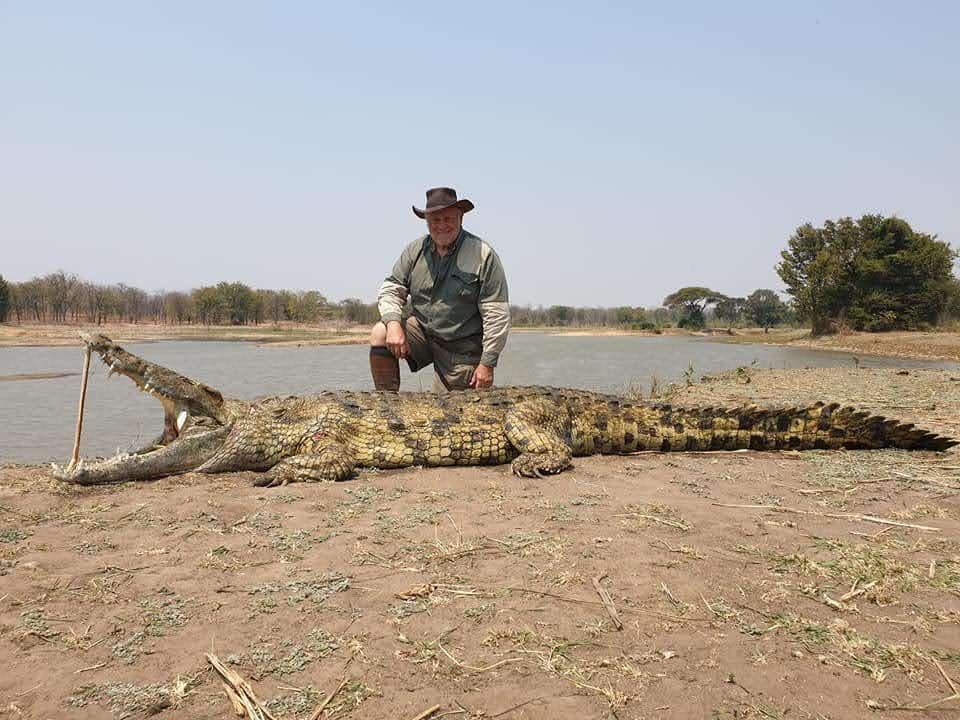
Lake Cahora Bassa Nile Crocodile Hunting Safari
Booking Season: 2026
Hunt Difficulty: Difficult
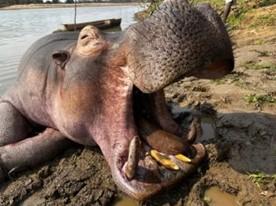
7-Day Dangerous Game & Plains Game Safari in Zambia
Booking Season: 2026
Hunt Difficulty: Difficult
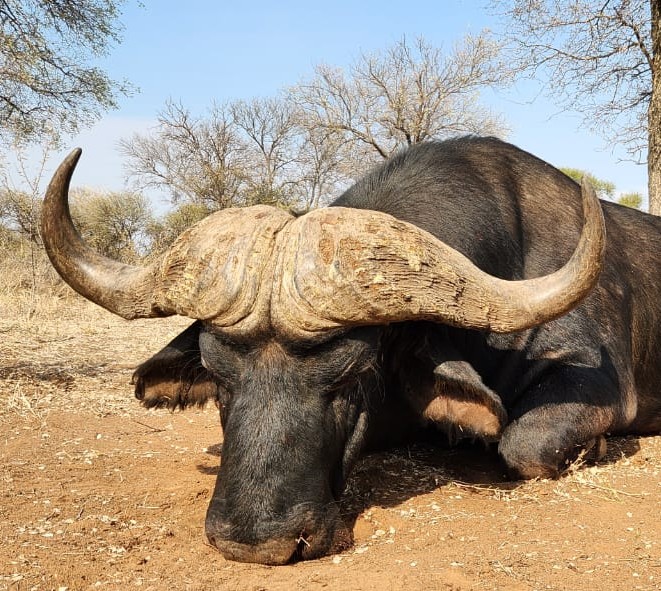
Cape Buffalo, Crocodile & Sable Safari in Limpopo
Booking Season: 2026
Hunt Difficulty: Difficult
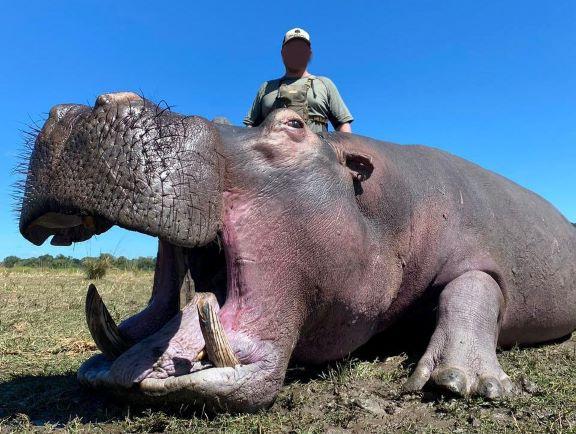
South Africa Dangerous Game & Nocturnal Hunting Safari
Booking Season: 2026
Hunt Difficulty: Moderate, Difficult
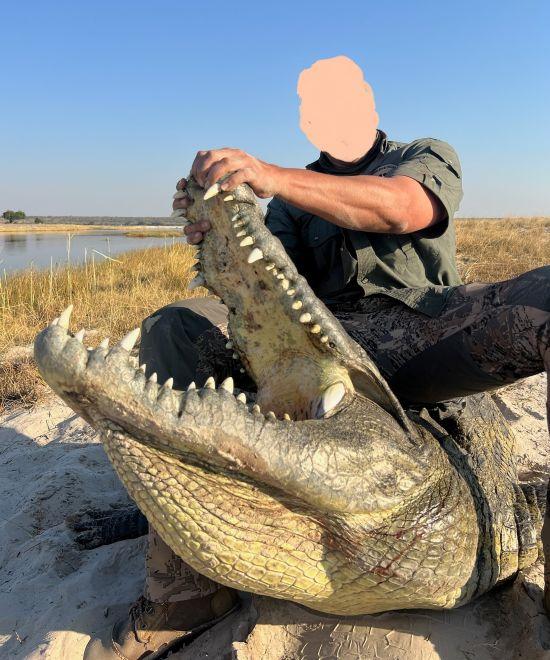
7-Day Nile Crocodile Hunting Safari in Namibia's Zambezi Region
Booking Season: 2026
Hunt Difficulty: Difficult
14-Day Dangerous Game & Plains Game Safari in South Africa
Booking Season: 2026
Hunt Difficulty: Difficult
Crocodile hunting in Zambia is tied to the country’s major rivers and surrounding hunting areas. The Luangwa Valley is well known, with the Luangwa River and its tributaries supporting healthy crocodile populations throughout the year. Opportunities may also be available along sections of the Kafue and Zambezi river systems, depending on the hunting area and available quota.
The quality of the river matters as much as the number of crocodiles present. Productive hunting areas need accessible banks, established basking sites and enough open water for the PH to glass and judge mature animals. In some areas, crocodiles are encountered regularly during broader safaris. In others, several days may be spent checking stretches of river before the right trophy is found.
The Nile crocodile is classified as a species of “least concern” by the International Union for Conservation of Nature. Crocodile hunting remains regulated, and the necessary CITES documentation must be arranged before a trophy can be exported from Zambia.
Crocodiles in Zambia are hunted in one of two ways. The first is from a temporary blind overlooking bait placed far enough from the water to expose the entire animal. The second involves searching the river by boat or mokoro, spotting a crocodile on the bank and then completing the final approach on foot.
Whichever method is used, the objective is the same: identify a mature crocodile and get the hunter into a solid shooting position without pushing it back into the water. This can require hours of waiting followed by a very small window in which to take the shot.
Crocodile Shot Placement is critical because the target area is small and deep water is often only a few feet away. Depending on the crocodile’s position and the hunter’s angle, the PH may recommend a frontal or broadside brain shot. A shot into the neck or spine may also be used in certain situations.
The hunter must be ready to fire an immediate follow-up shot. A poorly placed bullet can allow a wounded crocodile to reach the water, where recovery becomes more difficult and may be impossible. This is not a shot to rush. Wait until the crocodile is properly positioned, settle the rifle and follow the PH’s instructions. .
The best rifle for crocodile hunting is one the hunter can shoot with confidence. Accuracy matters more than carrying the largest caliber in camp.
Flat-shooting calibers such as the 7mm Remington Magnum and .300 Winchester Magnum are commonly used for crocodile hunting. A .375 is another strong option, particularly when the safari also includes hippo, Cape buffalo or other dangerous game.
The rifle should be fitted with a reliable scope and sighted for the distance at which the shot is likely to be taken. Whether shooting from a blind or from a rest along the riverbank, the hunter must be able to hold steady and place the bullet exactly where the PH directs. This is not an animal where extra power can make up for poor accuracy.
A trophy crocodile is usually judged by its overall length, head size and the heavy appearance that comes with age. Old males often have broad heads, thick bodies, prominent ridges along the back and worn or broken teeth. Exceptional crocodiles take years to reach their full size, which is why the PH may spend several days studying animals before recommending one.
Judging length from across a river is not easy. Part of the tail may be hidden in the water, the body may be lying at an angle, and there is often nothing nearby that provides an accurate sense of scale. Experienced PHs look at the width of the head, the thickness of the neck and body, and the overall proportions of the crocodile rather than relying on length alone.
Not every hunter wants the biggest crocodile available. A hunter planning a full mount or dramatic floor mount will generally look for an old, heavy animal. Another hunter may deliberately choose a smaller crocodile because the skin is better suited to making boots, belts, rifle slings, wallets or other leather items. The skin of a very large, old crocodile can be thick, heavily marked and less suitable for this type of work.
The intended trophy should therefore be discussed before the hunt begins. The PH needs to know whether the hunter wants exceptional size, a traditional mount or a crocodile selected partly for the quality of its leather. These are different goals, and each can influence which animal is eventually taken.
A crocodile can be the main objective of a Zambia safari, but it is often hunted alongside other game. The approach depends on the quality of the hunting area, the trophy the hunter wants and how much time is available.
A shorter hunt may work when the outfitter already has a productive stretch of river, established bait sites and recent knowledge of a mature crocodile. That does not mean the result is guaranteed. River levels can change, crocodiles may stop using a particular bank, and a trophy animal seen one day may disappear for the rest of the safari. A hunter looking for an exceptional crocodile should allow enough time to pass smaller animals and wait for the right opportunity.
Hippo is a natural addition because both species are found along the same rivers. Cape buffalo, sable and other game may also be included when they are available in the hunting area. Adding crocodile to a broader Big Game Hunting safari allows the PH to check rivers and bait sites while the hunter pursues other animals during the day.
The mistake is treating crocodile as an animal that can simply be collected during a spare afternoon. Sometimes the right crocodile appears quickly. On another hunt, several days may pass before a suitable animal is properly exposed and offers a safe shot. If crocodile matters to the hunter, it needs to be included in the safari plan from the beginning.
Before booking, find out how crocodiles are hunted in the chosen area. Some outfitters rely mainly on bait, while others spend more time travelling the river and stalking crocodiles found on exposed banks. Neither method is better, but the hunter should know what to expect before arriving in camp.
Ask about recent trophy quality, the amount of accessible river in the hunting area and how many hunting days are realistically required for crocodile. It is also worth confirming whether baiting will begin before the hunter arrives and whether the safari can continue with other game while crocodile activity is monitored.
The package should clearly explain the daily rates, trophy fee, government charges, transport and trophy-handling costs. Crocodile skinning and field preparation require care, particularly when the hunter wants a full mount or intends to use the skin for leatherwork. The outfitter must also arrange the correct licence, quota and CITES export documentation.
A good crocodile hunt begins with the right river, enough time and a PH who understands exactly what the hunter wants from the safari. Price matters, but a cheap opportunity has little value if the area does not hold the trophy the hunter travelled to Zambia to pursue.
A dedicated crocodile hunt may be completed in five to seven hunting days when the area is productive and baiting begins before the hunter arrives. More time should be allowed when looking for an exceptional trophy or combining crocodile with hippo, Cape buffalo or other game. Seeing crocodiles does not guarantee that the right animal will offer a safe shot.
Trophy quality depends on more than length alone. Hunters and PHs also consider the size of the head, width of the body, prominent back ridges and the heavy appearance of an old crocodile. A crocodile measuring more than 13 feet is a strong trophy in most areas, while animals approaching or exceeding 15 feet are exceptional.
Crocodile hunting generally takes place during Zambia’s dry hunting season. Falling water levels expose more sandbanks and concentrate crocodiles along predictable stretches of river. Warmer daytime conditions can also encourage crocodiles to leave the water and bask, giving the hunter a better opportunity to judge the entire animal.
The cost depends on the number of hunting days, trophy fee, location of the hunting area and whether crocodile is part of a combination safari. Hunters should confirm whether government fees, road or charter transfers, bait, trophy preparation and CITES documentation are included. Our guide to African Hunting Safari Prices explains the charges that should be compared before choosing a package.
Yes. Hippo and crocodile are frequently combined because they occupy the same river systems. Cape buffalo, sable and other game may also be added when available in the hunting area. A combination safari allows the PH to monitor crocodile bait and basking sites while the hunter pursues other species.
Yes, provided the crocodile is legally hunted under an available quota and the correct export documents are obtained. A CITES permit is required, and the skin or mount must be prepared and documented correctly before export. American and Canadian hunters should also confirm their own import requirements before booking the safari.
Search from our range of Hunts across various popular destinations in Africa.

Book Your Hunt