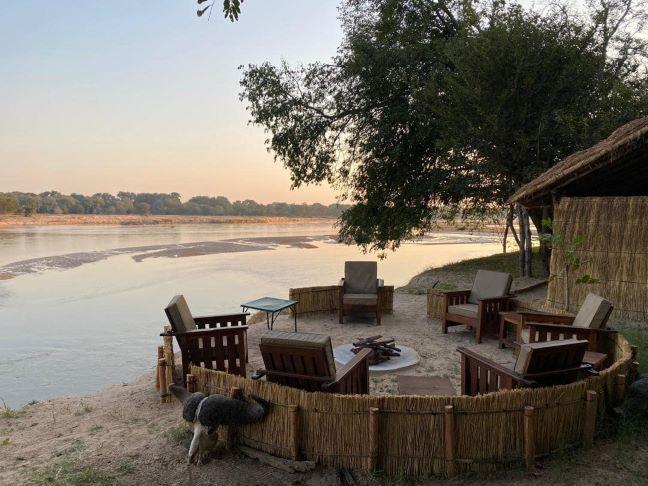
10-Day Sitatunga Hunt in Zambia’s Tondwa GMA
Booking Season: 2026
Hunt Difficulty: Difficult

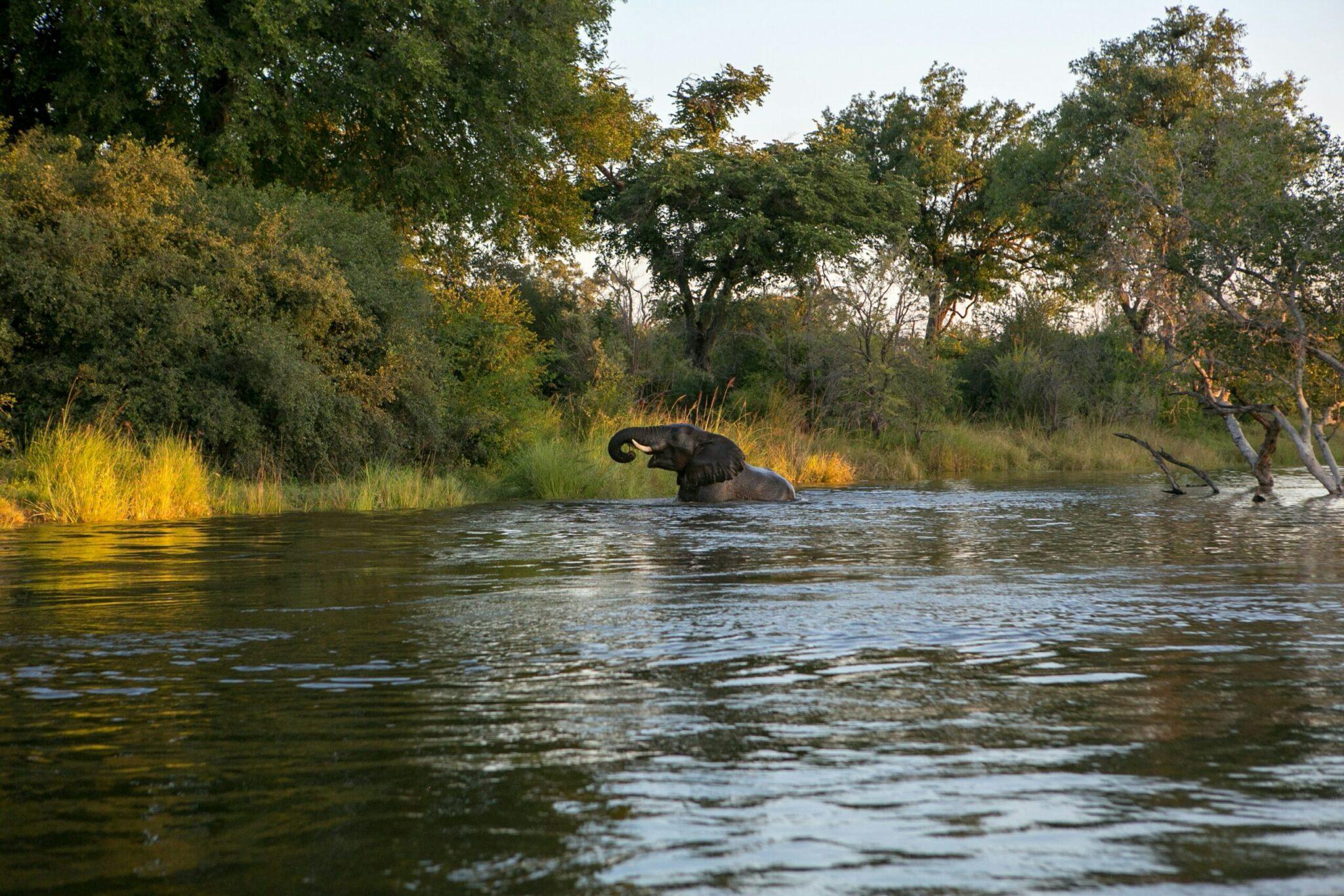
Zambia has earned its place among Africa's serious big game hunting destinations through wild country, strong dangerous game populations and a style of hunting that remains difficult to predict. Cape buffalo, elephant, lion and leopard are found across some of the country's wilderness areas, where success often depends on tracking, local knowledge and having enough time to follow the opportunities that develop.
Hunts Currently Available
10-Day Sitatunga Hunt in Zambia’s Tondwa GMA
Booking Season: 2026
Hunt Difficulty: Difficult
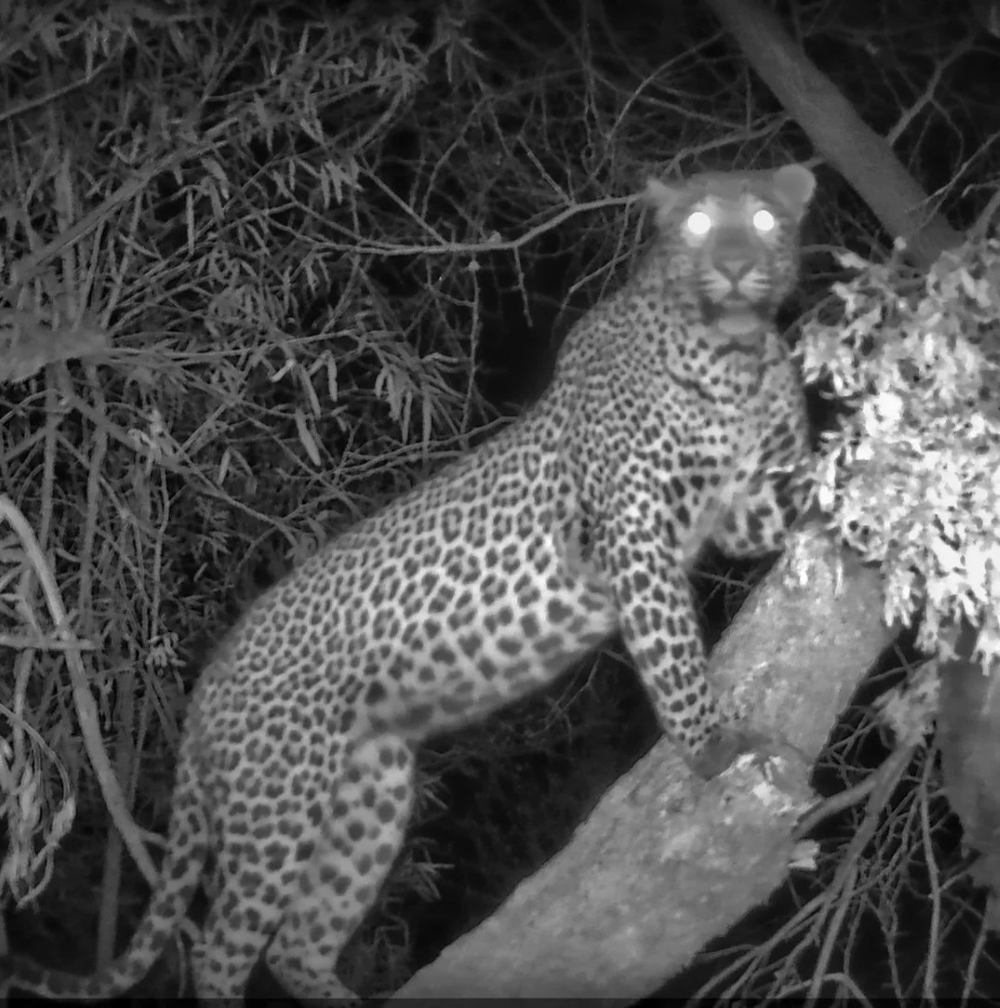
Hunting in Zambia: Leopard, Plains Game Plus Croc OR Hippo
Booking Season: 2027
Hunt Difficulty: Difficult
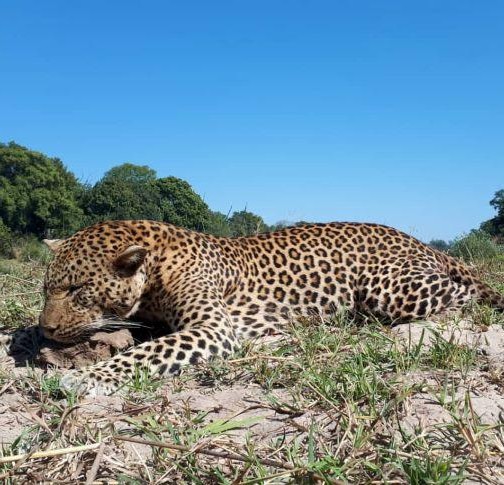
14-Day Rufunsa Leopard Hunt with Optional Buffalo
Booking Season: 2026
Hunt Difficulty: Difficult
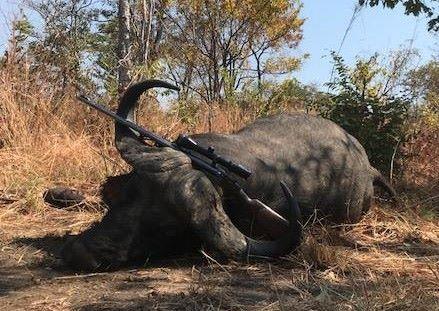
7-Day Rufunsa Cape Buffalo Hunt
Booking Season: 2026
Hunt Difficulty: Difficult
7-Day Dangerous Game & Plains Game Safari in Zambia
Booking Season: 2026
Hunt Difficulty: Difficult
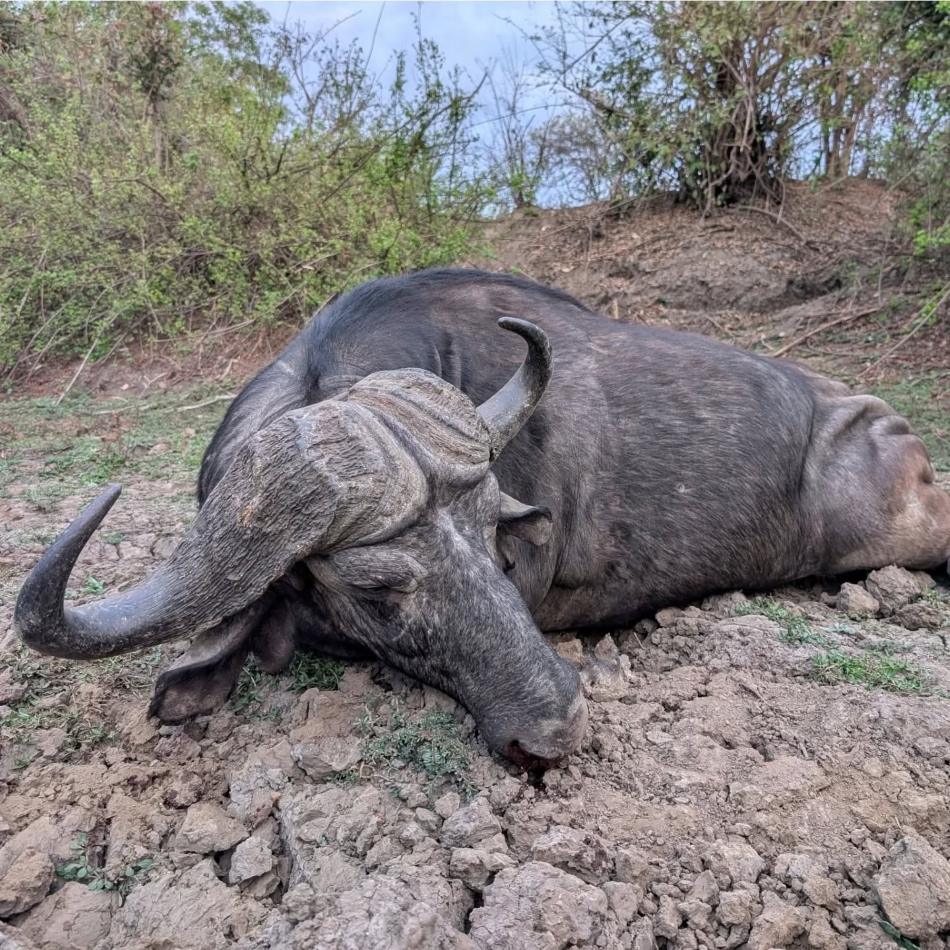
Cape Buffalo & Plains Game Hunting in the Luangwa Valley, Zambia
Booking Season: 2026
Hunt Difficulty: Moderate, Difficult
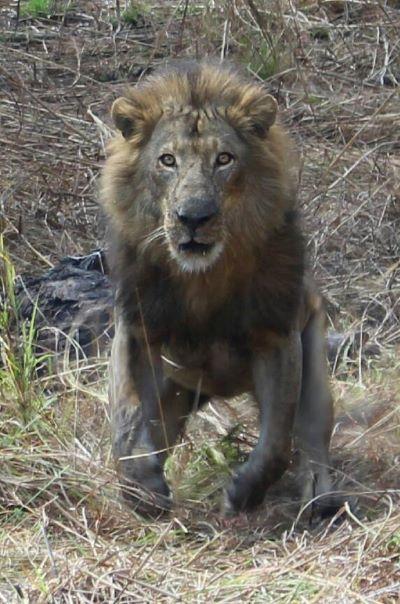
Trophy Lion Hunting 21 Days in Untamed Rufunsa GMA Zambia
Booking Season: 2026
Hunt Difficulty: Difficult
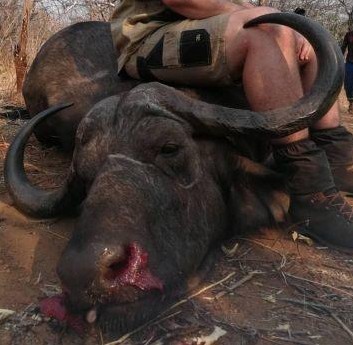
Free-Range Cape Buffalo & Black Lechwe Hunt in Zambia
Booking Season: 2026
Hunt Difficulty: Difficult
Hunt Zambia 21 Days - Lion, Leopard, Cape Buffalo & PG
Booking Season: 2026
Hunt Difficulty: Difficult
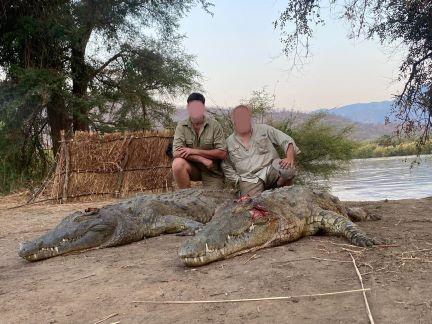
Hippo & Crocodile Hunting Safari in Zambia
Booking Season: 2026
Hunt Difficulty: Difficult
Big Game Hunting in Zambia is well suited to anyone who values the hunt as much as the eventual result. Animals move across large areas, conditions change and information that looked promising a few days earlier may no longer matter when the safari begins. Finding fresh tracks and making decisions from what is happening on the ground are fundamental parts of hunting here.
Cape buffalo remain one of Zambia's major attractions, but a big game safari can be built around several species. Elephant, lion and leopard can become the primary objective of longer hunts, while hippo and crocodile may also be included where the hunting area and available quota allow. The important consideration is not simply which animals appear on a species list, but whether the area, quota and safari length suit the game you most want to pursue.
Location makes a considerable difference.
The Luangwa Valley is internationally known for dangerous game hunting, while other regions of Zambia offer their own combinations of habitat, wildlife and hunting conditions. Our complete guide to Hunting in Zambia covers the country's hunting areas, seasons, travel requirements and broader safari opportunities in greater detail.
A Zambia big game safari is therefore best planned around the animal that matters most. Choose that objective first, then find the hunting area, available quota and amount of time that give you a realistic opportunity to hunt it properly.
Zambia's appeal begins with the amount of country available to hunt. Much of its big game hunting takes place in Game Management Areas adjoining wildlife ecosystems, allowing buffalo, elephant, lion and leopard to move across areas in response to water, food and seasonal conditions.
That freedom of movement creates uncertainty. A buffalo herd seen several days earlier may have moved considerable distance, elephant bulls can pass through an area and disappear, and fresh leopard sign does not guarantee the cat will still be working the same ground when the safari begins.
The response is to hunt what is happening now. Trackers and Professional Hunters rely heavily on fresh spoor, reports from scouts, water sources and recent animal movement rather than assuming game will be found where it was previously seen. When suitable tracks are located, hours on foot may follow before the animals are caught and properly judged.
The hunting can also change considerably during a safari. Fresh buffalo tracks may redirect the morning, reports of elephant bulls can shift attention to another part of the area, while leopard baits continue to be checked in the background. The hunting team needs enough flexibility to respond when an opportunity develops.
That combination of free-ranging game, large hunting areas and uncertainty is central to Zambia's big game appeal. You are not simply choosing the animals you want to hunt; you are choosing a safari where finding them remains part of the hunt.
Cape buffalo, elephant, lion and leopard form the core of Zambia's traditional big game hunting, with hippo and crocodile adding further opportunities in areas associated with the country's major river systems. What is available on a particular safari depends on the hunting area, current quota and the species around which the hunt is being planned.
Cape buffalo are the natural starting point for many Zambia safaris. A Cape Buffalo Hunt here is typically built around finding spoor and following herds or Dagga Boys through woodland and thick cover. Some tracks produce an opportunity within hours; others can consume most of the day before the buffalo are seen, only for the wrong wind or an unsuitable bull to end the pursuit.
Elephant require a different calculation. Bulls can move considerable distances through hunting areas, making current information particularly important. Finding elephant is only part of the job; enough time must remain to follow, judge and pass bulls until the right animal is encountered.
Lion and leopard require the safari to be planned around available quota from the beginning. Leopard hunting usually involves establishing and monitoring baits while other hunting continues, whereas lion can require considerable time searching for fresh sign and determining where suitable males are moving. Hippo and crocodile can make excellent additions where the hunting area provides access to suitable rivers or other permanent water. They can also influence which concession makes sense when either species sits high on the hunter's list.
Together, these opportunities explain Zambia's longstanding reputation for Dangerous Game Hunts. But having six big game species available on paper does not mean six should become equal priorities.
Decide which animal would make the trip to Zambia worthwhile even if everything else remained a bonus. That animal should drive the safari.
Once the priority species is clear, the choice of hunting area becomes much easier. A good buffalo area is not automatically the right place for a hunter whose main objective is leopard, while adding elephant, lion, hippo or crocodile can change the quota, location and amount of time required.
Buffalo offer considerable flexibility. They occur across several of Zambia's hunting regions, but the nature of the hunt can vary between areas. Current herd movement, water, vegetation and hunting pressure all influence where buffalo are being found and how much time may be needed to locate a mature bull.
Leopard require a different approach. The outfitter needs suitable quota, but the area must also have the cats and conditions to hunt them effectively. Baits need time to work, and a leopard-first safari should allow enough days for a mature tom to be identified and patterned rather than treating the cat as something that will simply be fitted around everything else.
Elephant make recent information particularly valuable. Bulls can move between hunting areas and neighboring protected country, so reports from scouts and the Professional Hunter in the weeks leading up to the safari can matter more than what an area produced the previous season.
Lion can narrow the options further. Suitable quota and current information on mature males become central to choosing the area, while enough hunting time needs to remain for the hunt to develop properly.
The second animal on the list matters too. A hunter wanting buffalo and leopard may choose differently from someone whose priorities are buffalo, hippo and crocodile. The latter combination makes access to productive river country considerably more important. A hunter hoping to include a Sitatunga Hunt may need to look at a completely different area again, where suitable wetland habitat and quota are available.
The name Zambia gets you into the right country. The species at the top of your list should help decide exactly where in Zambia you hunt.
Choosing Zambia is only the first decision. The hunting area itself can have a greater influence on the safari than the country's reputation.
Two Zambian concessions can offer the same species on paper and still produce different hunts. Buffalo numbers, elephant movement, leopard activity, water availability, vegetation and hunting pressure can vary considerably between areas and throughout the season. Access to neighboring protected country can also influence how animals move through a concession.
This makes recent information valuable. Trophy photographs from previous seasons are useful, but they do not tell a hunter what is happening in the area today. Before booking, it is worth asking what the Professional Hunter and scouts have been seeing, which species are currently using the area and what quota remains available for the season.
The hunting team matters just as much. A PH who knows where buffalo tend to cross, which waterholes elephant bulls are visiting or where a mature leopard has been working has an advantage that cannot be measured simply by comparing concession size.
None of this guarantees success. That is precisely the point. A good Zambia big game area gives the hunter the country, game and time needed to create opportunities; what happens after that still must be earned in the field.
Big game hunting in Zambia often means covering considerable distances on foot. Days can begin before sunrise, checking roads, waterholes and crossing points for tracks made during the night. Once fresh spoor is found, the vehicle may be left behind and the rest of the morning spent on foot.
Those tracks can lead a long way. Buffalo and elephant do not necessarily stop where you would like them to, and several miles of tracking through miombo woodland, thick riverine cover or dry bush may be required before the animals are caught. Even then, seeing them does not mean the hunt is over. The wind can change, the herd can move or the bull may simply not be the animal the PH wants to take.
Conditions add their own challenges. Temperatures rise quickly as the morning progresses, tsetse flies can be relentless in some hunting concessions, and following game may involve crossing riverbeds, wading through water or pushing through vegetation where visibility is measured in yards.
On a multi-species safari, the plan can change quickly. Leopard baits need checking, scouts may report elephant elsewhere in the area, while fresh buffalo tracks can change the plan for the entire morning.
Some days end with a shot. Others end after miles of walking with nothing more than a better understanding of where the animals have moved.
That is part of big game hunting in Zambia. The country does not always make it easy, and a serious safari should allow enough time for the hunter and hunting team to keep working until the right opportunity develops.
The amount of time needed for a Zambia big game safari depends on the species at the top of the list. A focused buffalo hunt can be considerably shorter than a safari built around leopard, lion or elephant, particularly when several major species are being pursued together.
Buffalo can sometimes come together quickly, but they can just as easily consume several days. Tracks still need to be found, the herd caught and a suitable bull identified. Building some flexibility into the safari becomes important when buffalo are the primary objective rather than assuming an opportunity will appear during the first few days.
Leopard requires more time. Baits need to be established, checked and adjusted as the hunt develops, while identifying a mature tom worth pursuing may take patience. Lion and elephant bring their own uncertainty, particularly when animals are moving across large hunting areas.
A multi-species safari needs enough time for those hunts to work alongside one another. Spending three days following elephant should not leave the hunter feeling that every hour away from buffalo or leopard has compromised another important objective.
The sensible approach is to work backwards from the animals you want to hunt. Choose the priority species, decide which other animals genuinely matter, and then allow enough days for the hunting team to pursue those objectives without having to rush the safari.
The cost of a Zambia big game safari depends heavily on the species being hunted, the number of days required and the location of the hunting area. A focused buffalo hunt sits at a very different price point from a longer safari involving leopard, lion or elephant.
Daily rates and trophy fees form only part of the overall budget. Government fees, licences, concession charges and other safari costs can add considerably to the final amount, particularly when several dangerous game species are included.
Location can also have a major influence on cost. Some of Zambia's remote hunting areas require charter flights to reach camp, and those flights can add thousands of dollars to a safari before the hunting begins. International travel, firearm arrangements and trophy handling should also be considered when calculating the complete trip.
That is one reason it can make sense to stay longer. Once the cost of reaching a remote concession has already been incurred, adding hunting days or carefully selected secondary species may provide considerably better value than returning to Zambia for a separate safari.
Hunters comparing the overall cost with other destinations can use our African Hunting Safari Prices guide for a broader look at daily rates, trophy fees and the additional expenses involved in planning a safari.
The important figure is not simply the advertised hunt price. It is what the complete Zambia safari will cost from arrival to departure, and whether the time and species included justify that investment.
Zambia is not the only strong option for an African big game hunt. Tanzania, Zimbabwe and Mozambique can all offer exceptional safaris, but the differences between them matter when deciding where to spend your time and money.
Tanzania lends itself to longer traditional safaris where several major species can be pursued on the same hunt. Zimbabwe has a strong dangerous game tradition and can offer focused buffalo, elephant, lion and leopard hunting. Mozambique combines enormous wilderness areas with some particularly wild buffalo and elephant country.
Zambia makes its strongest case when the hunter values tracking, free-ranging game and a degree of uncertainty. It can require patience, considerable time on foot and a willingness to accept that the animals may not be where anyone expected them to be.
That does not make Zambia the right destination for every safari. The decision should come back to the species that matters most, the quality of the hunting area, current quota, recent information from the field and the Professional Hunter who will be guiding the hunt.
Once those pieces are clear, compare the number of hunting days, secondary species, logistics and total cost rather than simply comparing package prices. Our current African Hunting Trips provide a starting point for comparing available safaris around those priorities.
Choose Zambia because the hunt available there is right for you, not simply because Zambia has the species you want to hunt.
Zambia offers Cape buffalo, elephant, lion, leopard, hippo and crocodile hunting where quota is available. The exact combination depends on the hunting area and current allocation, so the main species should be decided before choosing the safari.
Yes. Cape buffalo are one of Zambia's principal dangerous game species and can be hunted across several established hunting regions. Hunts are typically track-based, with herds and Dagga Boys followed on foot after fresh spoor is located.
There is no single best area for every big game safari. The Luangwa Valley has a particularly strong dangerous game reputation, but the right area depends on the priority species, current quota, recent animal movement and the quality of the hunting operation.
A buffalo-focused safari can require considerably less time than a hunt built around leopard, lion or elephant. Multi-species safaris need enough days to pursue the primary animal properly without compromising the other important species on the licence.
Cost depends on the species, safari length, trophy fees, government and concession charges, transfers and the location of the hunting area. Remote concessions may require charter flights, which can add substantially to the total cost of the safari.
It can be. Big game hunting may involve many miles on foot, high temperatures, tsetse flies, thick vegetation and following tracks for hours without getting a shot. Anyone considering Zambia should arrive reasonably fit and prepared for days when the hunting requires patience.
Yes, where suitable quota is available. Buffalo may be combined with leopard, elephant, lion, hippo or crocodile on longer safaris. The hunt should still be planned around one or two priority species rather than treating every animal on the licence as equally important.
Not necessarily; they offer different types of safari. Tanzania is particularly suited to long traditional multi-species hunts, while Zimbabwe has a strong dangerous game tradition. Zambia is especially attractive to hunters who value tracking, free-ranging game, extensive hunting country and a less predictable safari.
Ask about the exact hunting area, current quota, recent game movement, number of hunting days, who will be your Professional Hunter, charter or transfer costs and which secondary species can realistically be pursued. Recent information from the hunting area is more useful than relying only on results from previous seasons.
Discounted Hunts
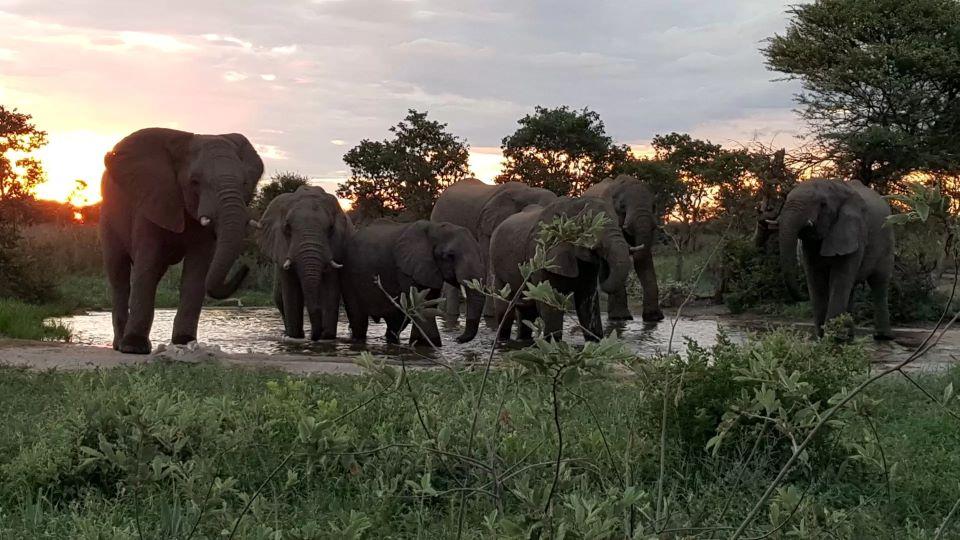
Non-Exportable Elephant Hunting in Namibia: Bushmanland
Booking Season: 2026
Hunt Difficulty: Difficult
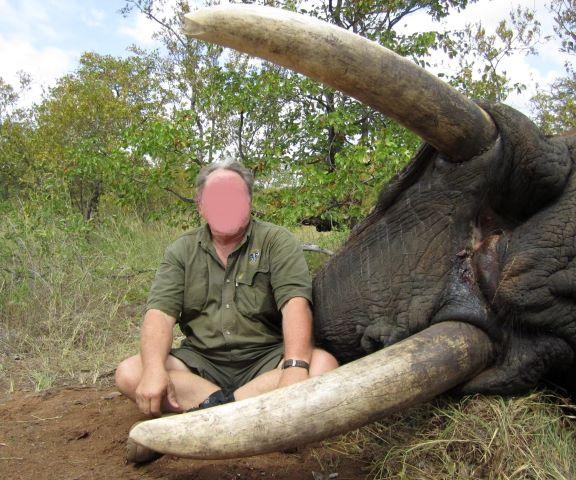
Non-Export Elephant Hunt in Namibia | Caprivi Safari
Booking Season: 2026
Hunt Difficulty: Difficult
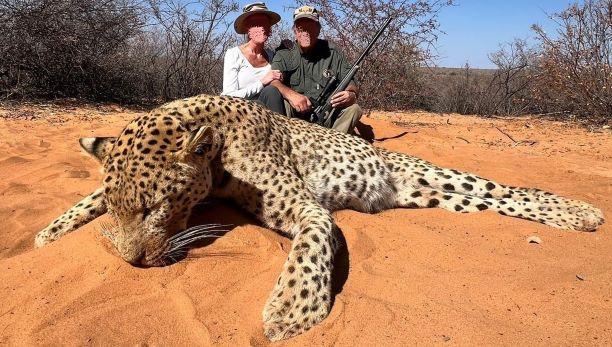
Leopard Safari in Bushmanland
Booking Season: 2026
Hunt Difficulty: Difficult
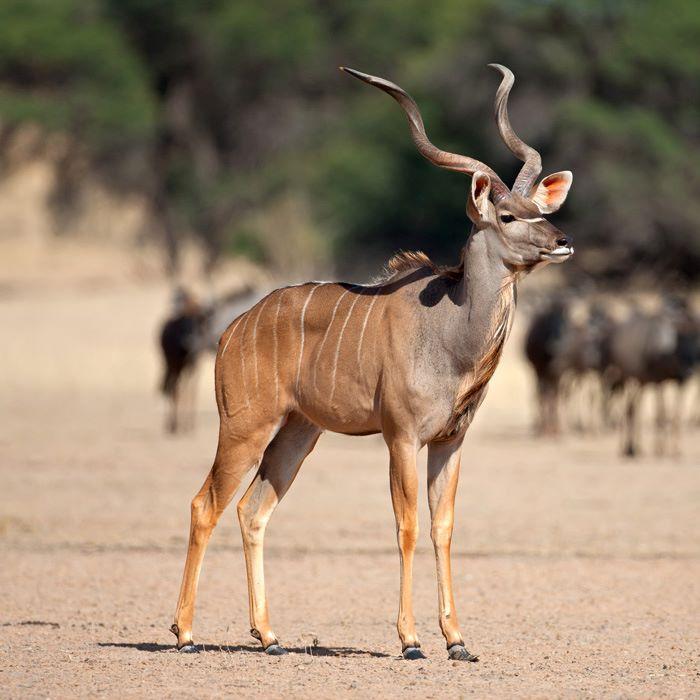
10 Days Kudu hunting bonanza and more for 2 Hunters in SA
Booking Season: 2026
Hunt Difficulty: Difficult
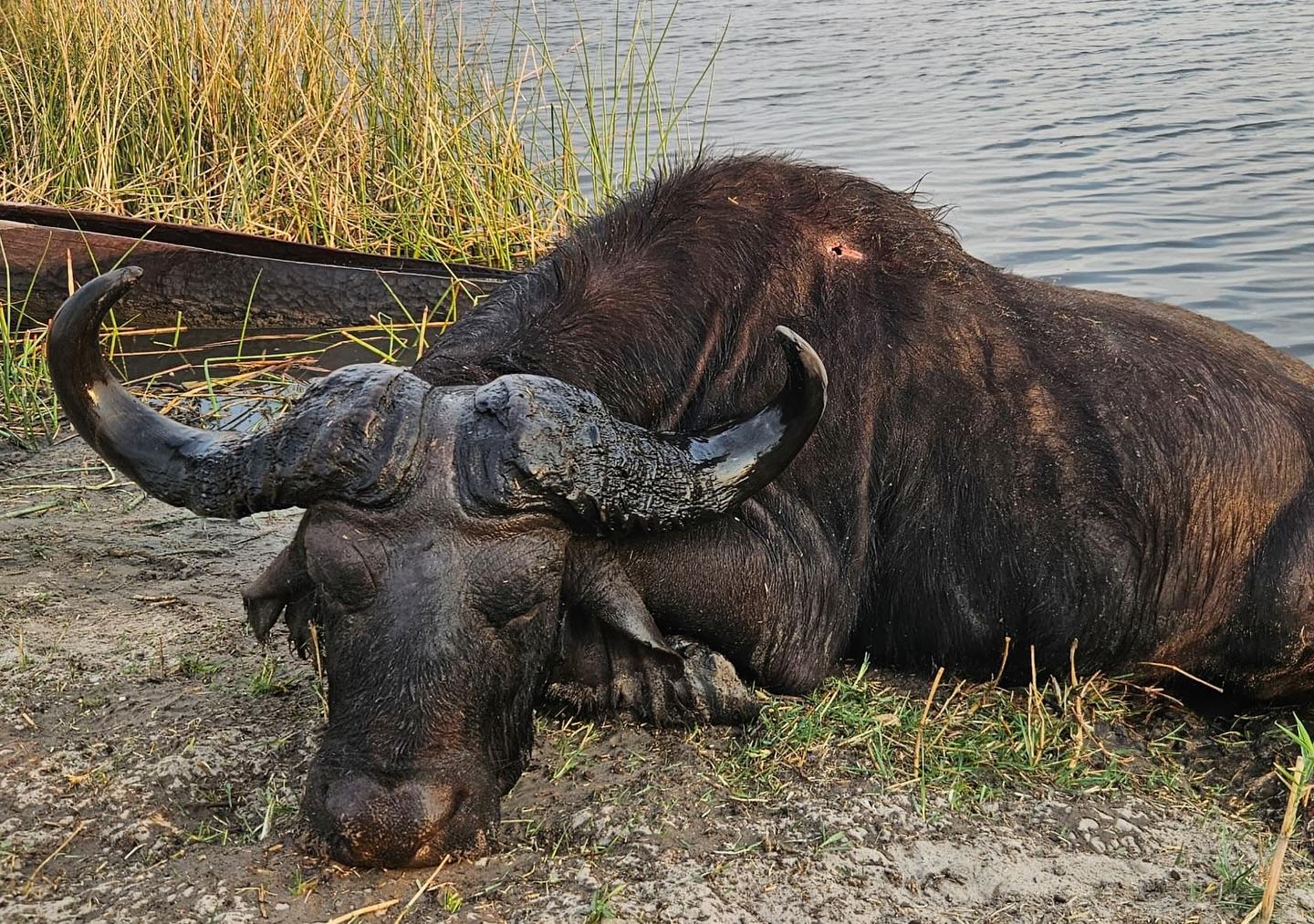
5 Full Day Zambezi Cape Buffalo Safari, Namibia
Booking Season: 2026
Hunt Difficulty: Difficult

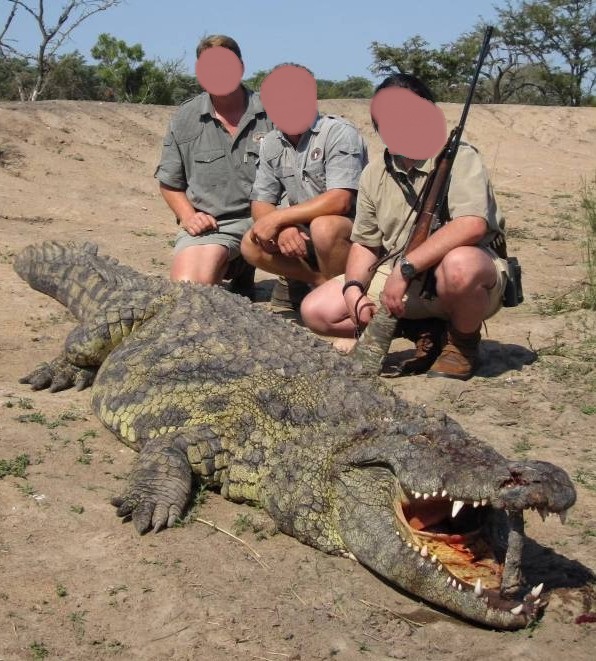
Non-Exportable Crocodile Hunt in Namibia’s Caprivi Strip
Booking Season: 2026
Hunt Difficulty: Moderate, Difficult
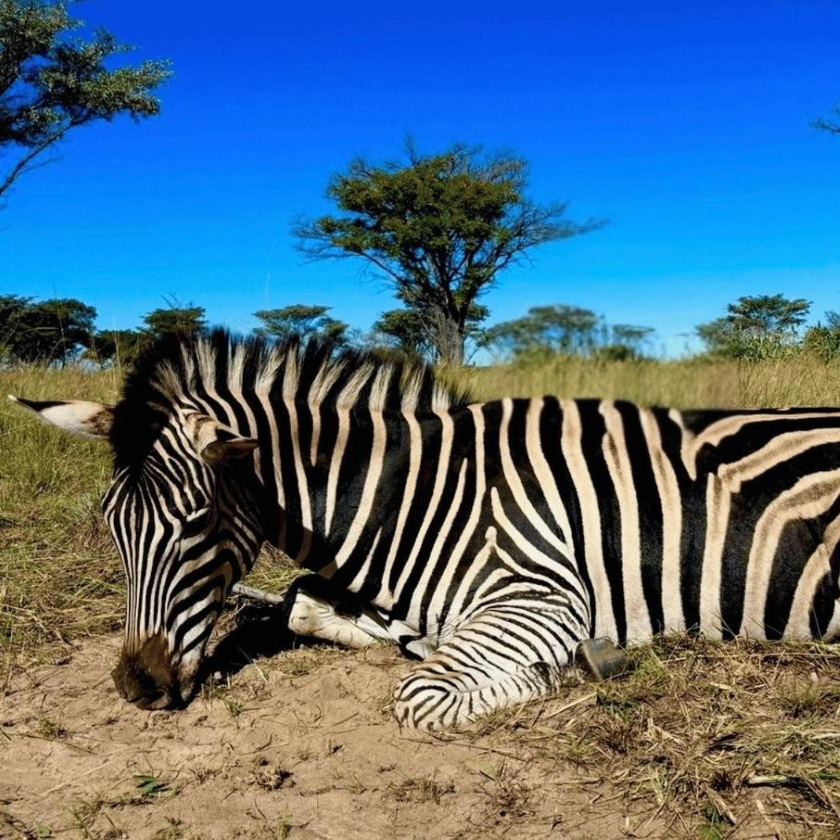
Wildebeest, Impala, Zebra, Warthog & Blesbok Hunts in Limpopo
Booking Season: 2026
Hunt Difficulty: Moderate
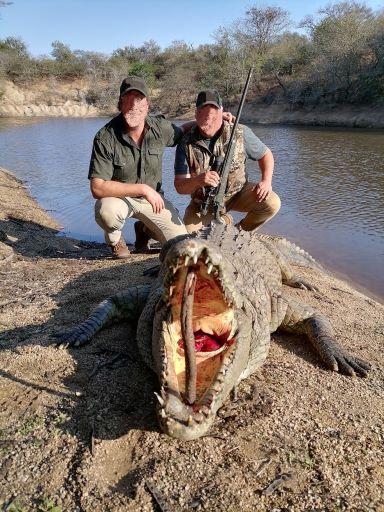
Free Range Crocodile Hunting Safari in Limpopo, SA
Booking Season: 2026
Hunt Difficulty: Moderate
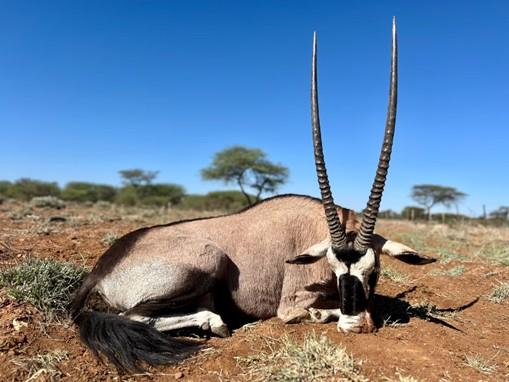
Namibia Plains Game Hunt — 8 Days for Two Hunters
Booking Season: 2026
Hunt Difficulty: Moderate
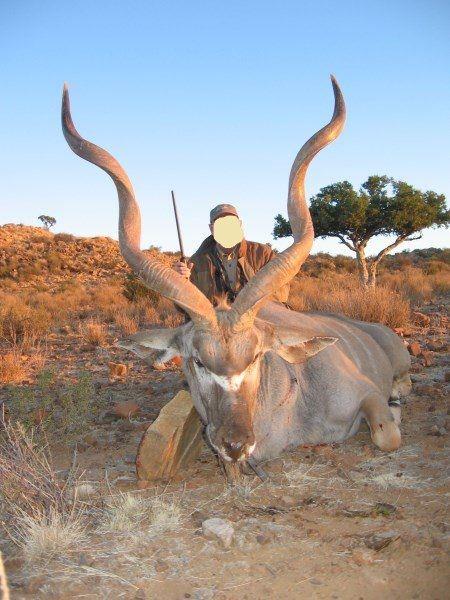
2 Hunters: Kudu, Gemsbok & Springbok Hunt in Namibia | 7 Days
Booking Season: 2026
Hunt Difficulty: Moderate
Packaged Hunts
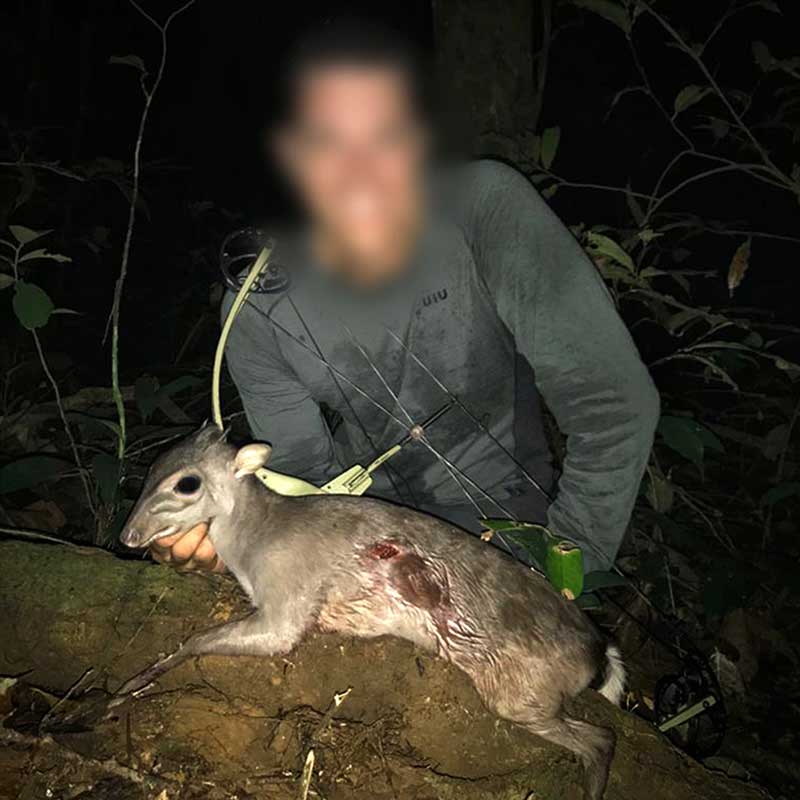
10-Day Duiker & Red River Hog Hunting Safari in the Republic of Congo
Booking Season: 2026
Hunt Difficulty: Difficult
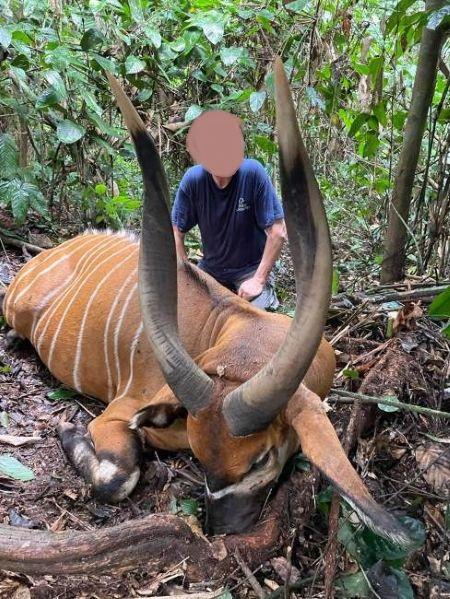
13-Day Bongo Hunting Safari in the Republic of Congo
Booking Season: 2026
Hunt Difficulty: Difficult
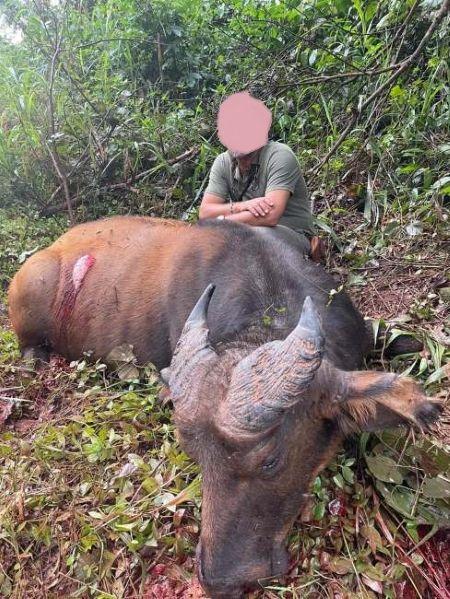
10-Day Dwarf Forest Buffalo Hunting Safari in the Republic of Congo
Booking Season: 2026
Hunt Difficulty: Difficult
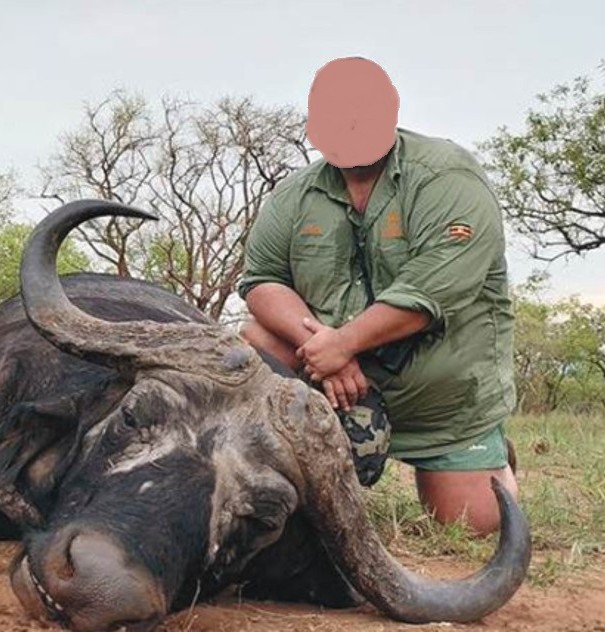
Buffalo, Kob & Bushbuck Safari Hunting in Uganda
Booking Season: 2026
Hunt Difficulty: Difficult
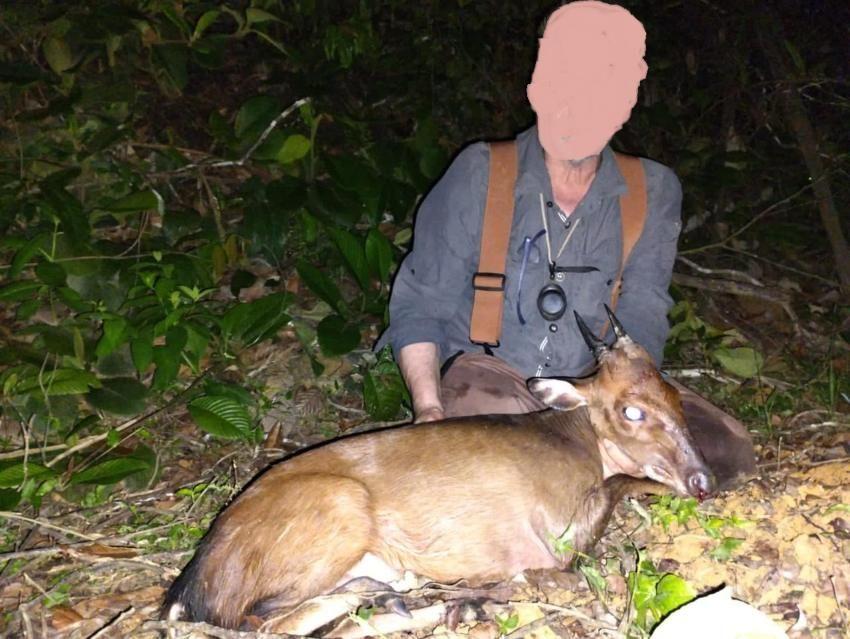
10-Day Gabon Duiker and Forest Game Safari
Booking Season: 2026
Hunt Difficulty: Difficult
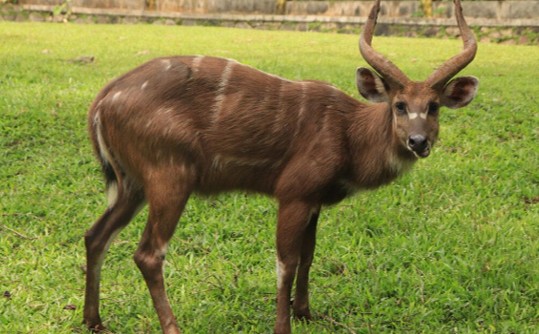
East African Sitatunga & Plains Game Hunting in Uganda
Booking Season: 2026
Hunt Difficulty: Moderate
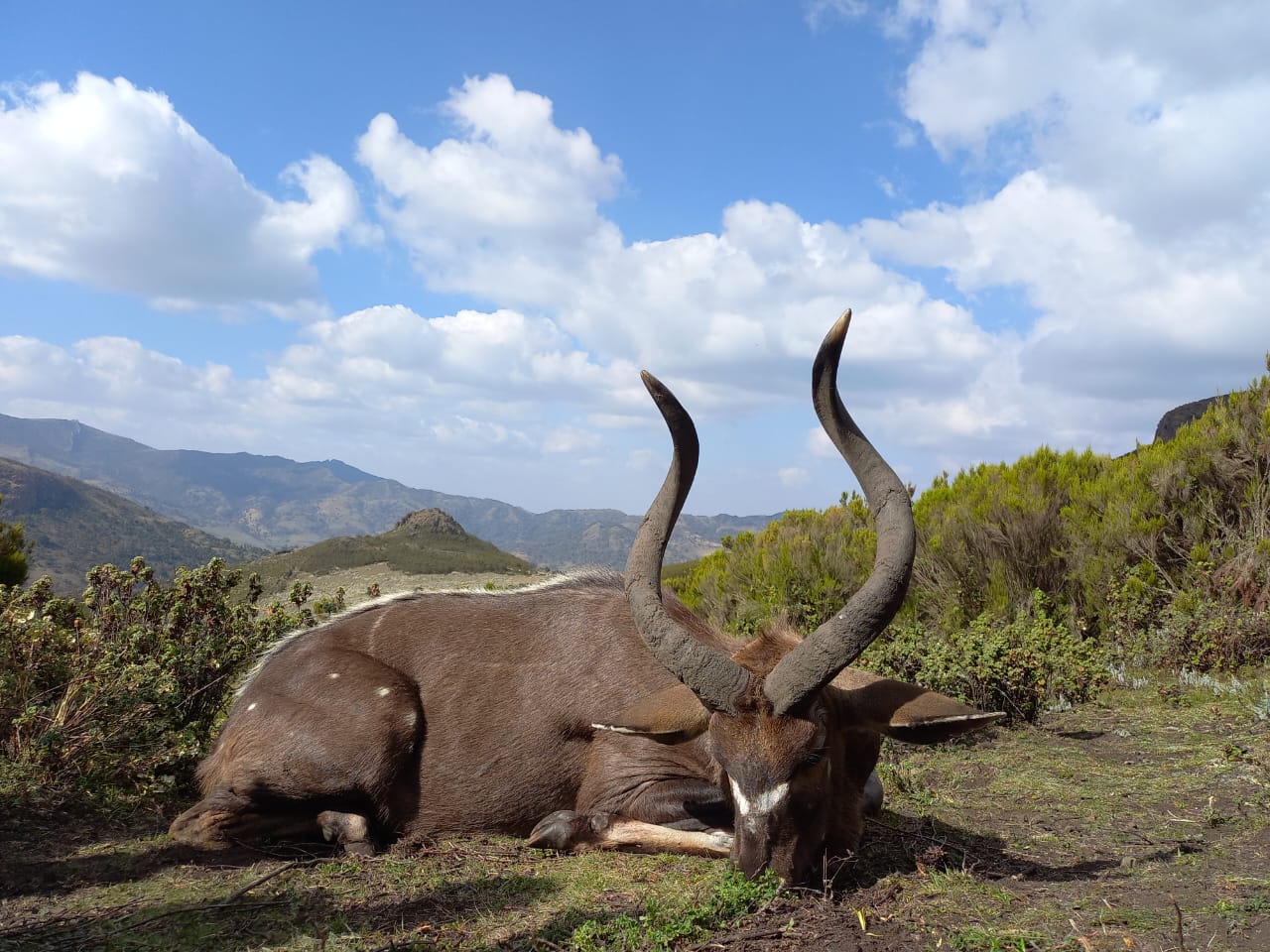
26-Day Mountain Nyala & Lowland Hunting Safari in Ethiopia
Booking Season: 2026
Hunt Difficulty: Moderate, Difficult
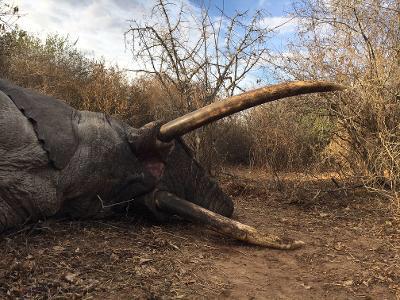
Legendary Selous Safari for Elephant, Lion and Leopard
Booking Season: 2026
Hunt Difficulty: Difficult
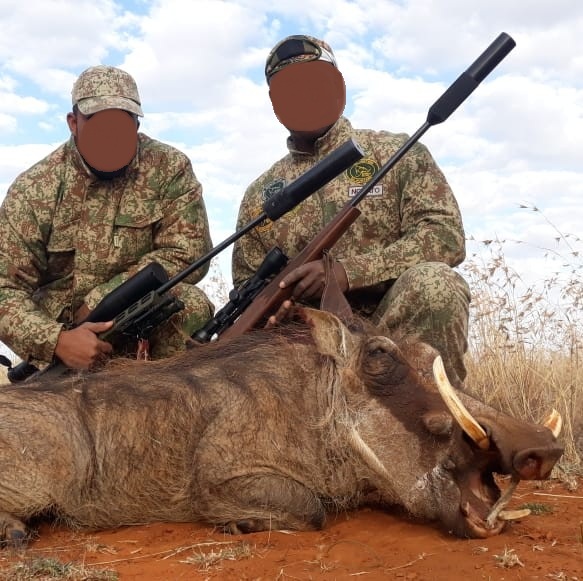
South African Plains Game Hunt: Warthog, Blesbok, Zebra & Impala
Booking Season: 2026
Hunt Difficulty: Moderate
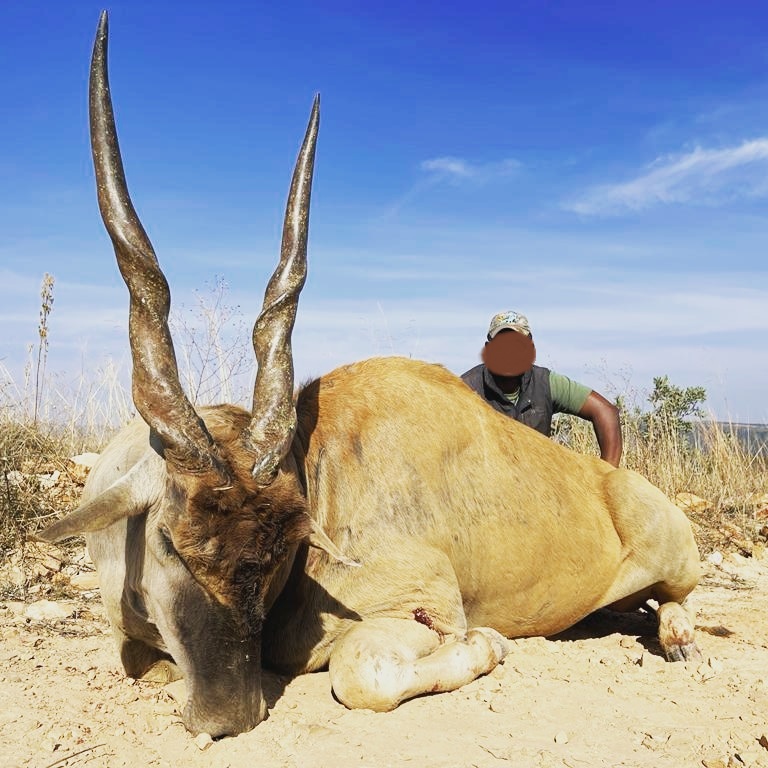
Hunt Eland, Kudu, Nyala & Bushbuck on this SA Spiral Horn Hunt
Booking Season: 2026
Hunt Difficulty: Difficult
Cancelled Hunts
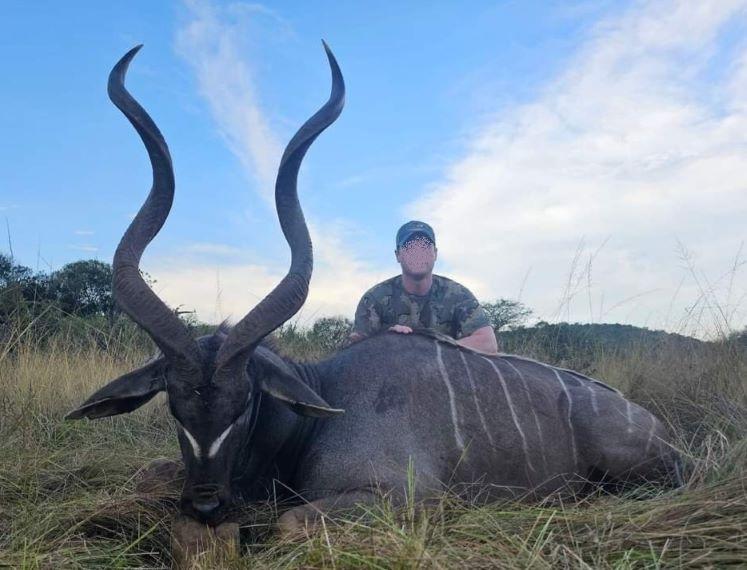
South African Plains Game Safari Trophy Nyala plus 5 Species
Booking Season: 2026
Hunt Difficulty: Moderate, Difficult
Wildebeest, Impala, Zebra, Warthog & Blesbok Hunts in Limpopo
Booking Season: 2026
Hunt Difficulty: Moderate
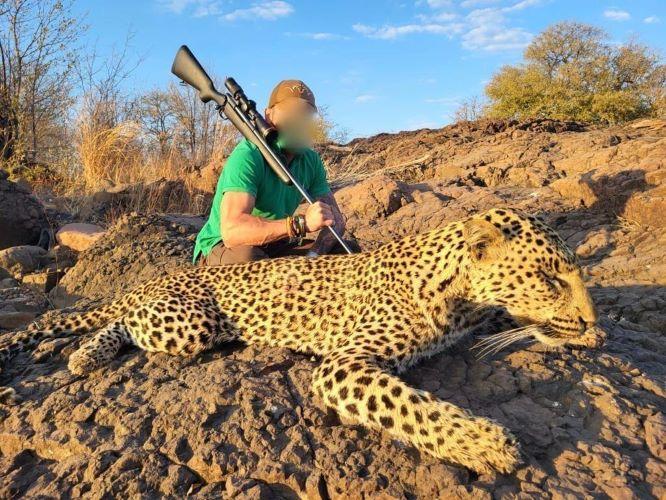
Free-Range Leopard Hunting Safari in Tanzania | 14-Day Licenc
Booking Season: 2026
Hunt Difficulty: Difficult
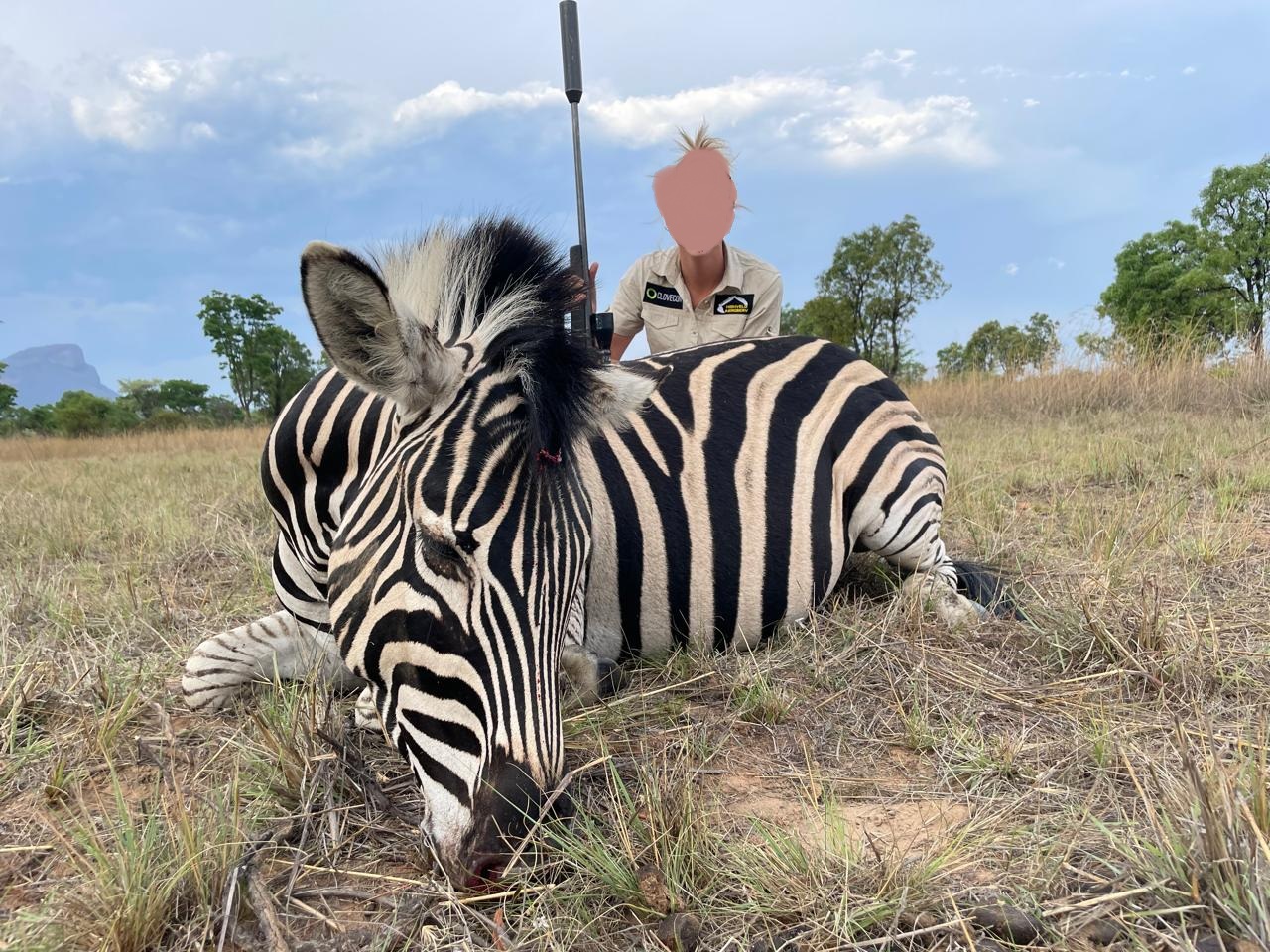
Hunt Cape Buffalo, Wildebeest, Zebra & Bushbuck in Limpopo
Booking Season: 2026
Hunt Difficulty: Difficult
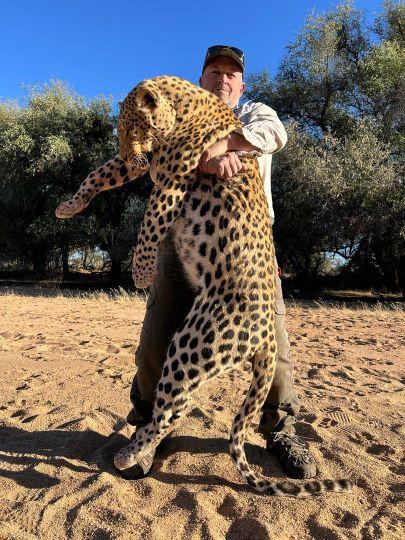
Namibia Leopard & Brown Hyena Cancelation Hunt
Booking Season: 2025
Hunt Difficulty: Difficult