7-Day Rufunsa Cape Buffalo Hunt
Booking Season: 2026
Hunt Difficulty: Difficult
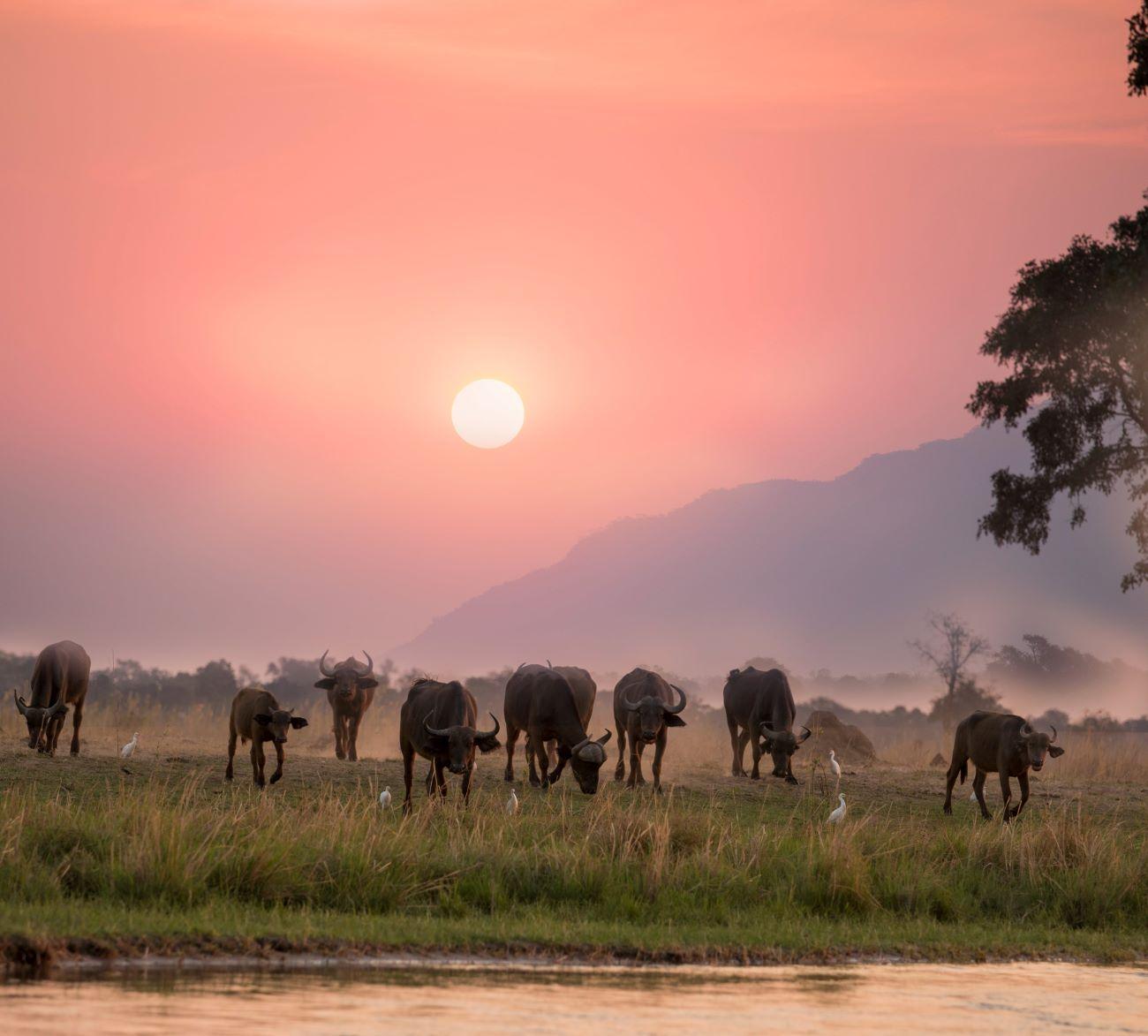
Zambia is not where you go to “get a buffalo.” It’s where you go when the hunt matters more than the outcome.
if youre still evaluating weither this style of hunt fits your expectations, its worth understanding how a full Zambia hunting safari is structureed before narrowing in on buffalo specific decisions. That difference tends to catch hunters off guard, especially those planning their first big game hunting safari, from the United States or Canada, where time is limited and expectations are often built around opportunity and results.
In Zambia, opportunity isn’t something built into the system, it’s something you earn.
You are not stepping into a setup designed to produce encounters. You are stepping into a landscape where buffalo move on their own terms. across large, unfenced areas where pressure, terrain, and timing all decide what actually happens.
That usually means fewer chances, but more importantly, less control over how those chances develop.
Buffalo are there. In strong areas, numbers can be good, but availability is not the issue. Cape Buffalo Hunts in Zambia are defined less by the number of opportunities they produce and more by the quality of the opportunity when it finally comes.
The challenge is how those buffalo behave.
Available Cape Buffalo Hunts
7-Day Rufunsa Cape Buffalo Hunt
Booking Season: 2026
Hunt Difficulty: Difficult
7-Day Dangerous Game & Plains Game Safari in Zambia
Booking Season: 2026
Hunt Difficulty: Difficult
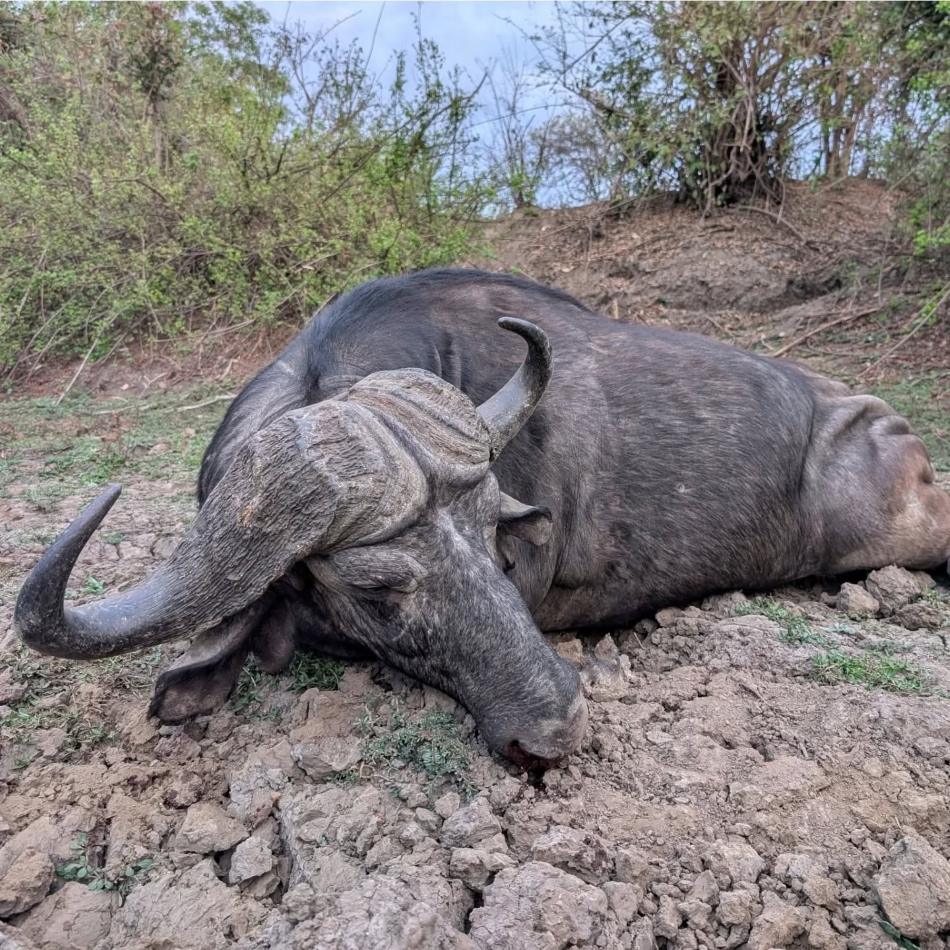
Cape Buffalo & Plains Game Hunting in the Luangwa Valley, Zambia
Booking Season: 2026
Hunt Difficulty: Moderate, Difficult
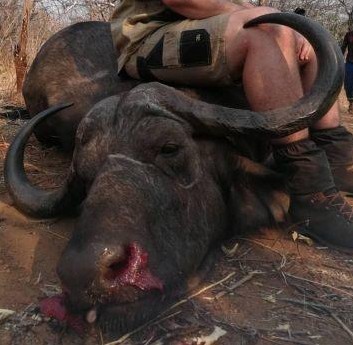
Free-Range Cape Buffalo & Black Lechwe Hunt in Zambia
Booking Season: 2026
Hunt Difficulty: Difficult
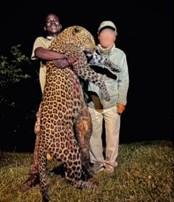
Hunt Zambia 21 Days - Lion, Leopard, Cape Buffalo & PG
Booking Season: 2026
Hunt Difficulty: Difficult
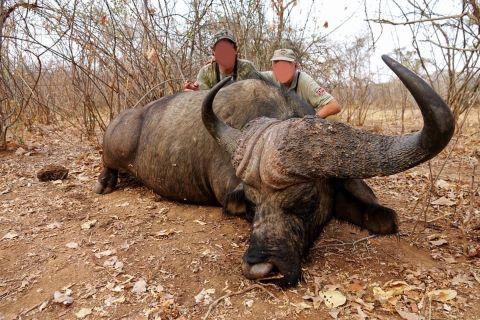
Buffalo Hunting in Zambia's Zambezi Valley
Booking Season: 2026
Hunt Difficulty: Difficult
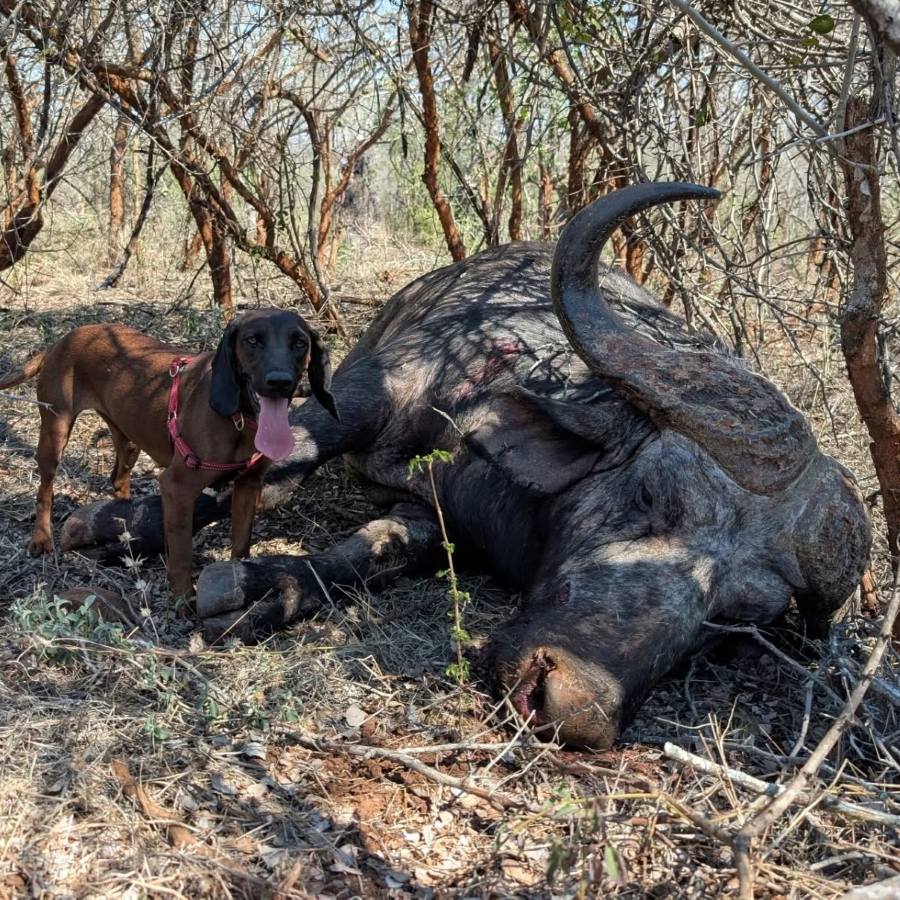
Hunt Cape Buffalo & Plains Game in the Zambezi Valley, Zambia
Booking Season: 2026
Hunt Difficulty: Difficult
Hunting in Nyaminga GMA, Luangwa Valley: Leopard, Buffalo & Plains Game
Booking Season: 2027
Hunt Difficulty: Difficult
Herds don’t move predictably. Bulls don’t always separate cleanly. Old dagga boys often hold in thicker cover or break away into areas where visibility drops and tracking slows. Younger bulls stay buried inside herds where identifying a mature animal takes time, and where shot opportunities disappear quickly if positioning isn’t right.
You can cut fresh tracks of a large herd and never get a clear approach on a single shootable bull. That’s where expectations start to break.
Because in a Cape buffalo hunting safari in Zambia, the difficulty isn’t finding buffalo.
It’s getting into position on the right bull, under the right conditions, with enough time to make it count. It also means more work than most hunters expect.
Days are built around tracking and covering ground, often for hours in heat that slows you down faster than expected. Early mornings allow better movement, but as temperatures rise, pace drops, for both hunter and the trackers.
You might stay on fresh spoor for half a day, sometimes longer, and never lay eyes on the animal. That’s not a failed hunt. That’s a normal day here. Tracking conditions add another layer most hunters don’t anticipate.
In sandy areas, spoor is easier to follow, but movement is slower and more deliberate. In harder ground, tracks become difficult to read and easy to lose, especially where herds cross older spoor or shift direction. In thicker jesse or mopane, visibility tightens, and closing distance becomes the real challenge, not finding the buffalo. Wind matters just as much.
In valley systems, especially in areas like the Luangwa, wind direction can shift as the day heats up. A track that starts clean in the morning can become impossible to approach by midday, not because the buffalo changed, but because the conditions did.
And yes, the success rate on buffalo hunting in Zambia is less consistent than in places like Zimbabwe. Zimbabwe is built around structure and repeatability, more controlled movement, more consistent encounter rates, and a system that helps create opportunities. Zambia isn’t.
Outcomes vary more, not because the hunting is worse, but because far less is controlled. What happens depends on how well area, timing, conditions, and execution come together during your time in the field.
Compared to Namibia, Zambia is also less predictable.
Namibia’s buffalo hunting often revolves around water and movement patterns you can start to read after a few days. Zambia doesn’t give you that same rhythm. Movement shifts. Herd behavior changes. Even productive areas can hunt completely differently from one week to the next.
You can follow the same herd twice and get two completely different results. What you get instead is harder to define, but obvious when you’re in it. A hunt that feels raw.
Less managed. Less forgiving. And far more dependent on how well you read what’s happening in front of you. And for hunters who understand what a true dangerous game hunting experience in Zambia actually involves, that’s exactly the appeal. Because this is one of the few places left where a buffalo hunt doesn’t build toward a guaranteed result, it builds toward a single opportunity.
And whether that opportunity comes together or not…is the whole point.
Most buffalo hunts in Zambia don’t fall apart because the buffalo weren’t there. They fall apart earlier than that, usually in the planning stage, before the hunt even begins.
The most common mistake is expecting Zambia to behave like Zimbabwe. Hunters arrive expecting consistency, regular encounters, multiple chances, and a system that keeps things moving. When that doesn’t happen, it starts to feel like the hunt isn’t working.
But that comparison, Zambia vs Zimbabwe buffalo hunting is where things already go wrong. Zambia was never built to deliver that kind of experience.
It’s slower. Less structured. And far more dependent on how conditions come together during your specific safari, wind, pressure, movement, and how the area is actually hunted week to week. Time is another place where things start to slip. Zambia is not a destination where you rush a buffalo hunt.
You might spend 3–5 hours on a single track, sometimes longer, adjusting constantly as buffalo feed, turn, loop back, or push into thicker cover where visibility disappears.
Early in the season, movement can be wider and less predictable. Later in the season, heat builds quickly, shortening your effective tracking window and slowing both pace and decision-making. When that isn’t expected going in, pressure builds quickly. And pressure changes behavior. Approaches get rushed. Positioning starts to slip.
Shots get taken that should have been left. In buffalo hunting in Zambia, small mistakes tend to carry consequences, especially when you may only get one real opportunity. Area selection is just as important, and often underestimated. Not all concessions offer the same kind of hunt.
Some areas hold strong buffalo numbers but require long, physically demanding tracking days to produce a single chance. Others may offer more frequent encounters, but with more pressure, more unpredictable movement, and less time to set up properly before animals react. Terrain plays a role as well.
Open floodplains, thicker jesse, and mixed mopane systems all hunt differently, and not every hunter is suited to each. The same buffalo density can produce completely different outcomes depending on how that terrain allows you to move, see, and close distance.
Choosing the wrong concession for your expectations changes everything.
A hunter expecting steady opportunities can end up in a remote block where days pass without a visual. Someone looking for a slower, traditional tracking experience can land in an area that feels more active, but less controlled and harder to manage. Different setups, same result: A mismatch between expectation and reality.
Operator choice carries just as much weight, but not for the reasons most hunters think.
In Zambia, the difference isn’t marketing. It’s execution on the ground.
It comes down to:
• the quality and experience of the tracking team, arguably the single biggest factor in how a hunt unfolds
• how the professional hunter manages pressure, when to stay on a track, when to back out, and when to reposition rather than force an approach
• how consistently the concession has been managed over time, including anti-poaching presence and overall hunting pressure
• how quota is used throughout the season, and whether animals are being hunted selectively or opportunistically
Two operators can hunt the same area and produce completely different experiences. In more structured destinations, part of the work is done by the system.
In Zambia, it isn’t. That responsibility sits with the people running the hunt, and the decisions made before you ever arrive. And then there’s mindset. Hunters who come in needing a guaranteed result often struggle with the Zambia buffalo hunting experience, not because the hunt fails, but because it doesn’t follow a predictable timeline.
You can track for six hours, lose the herd in thick jesse, and only realize later you were within 60 yards the entire time. That’s part of it. Zambia rewards patience. It rewards awareness. And it rewards hunters who stay steady when nothing seems to be happening.
Because that’s often when things are quietly coming together. And when it does, it happens fast. If you’re not prepared for how long it can take to get there, that moment either never fully comes together, or it slips away when it finally does.
Buffalo hunting in Zambia does not start with an encounter. It starts with a track.
Most mornings begin early, first light with trackers searching for fresh spoor along roads, water access points, or known movement areas. When a track is found, everything changes pace. The vehicle stops. The hunt slows down. And from that point on, you are on foot.
Tracking in Zambia is rarely short. You may follow spoor for hours, working through heat, uneven ground, and vegetation that constantly shifts how you move. Some tracks stay clean and easy to follow. Others break, cross older spoor, or move into terrain where reading the ground becomes more difficult. Progress is not always linear.
Buffalo may feed, loop, slow down, or change direction entirely. What looks like a straightforward track can turn into a long, drawn-out effort where closing distance becomes the real challenge.
This is where Zambia separates itself from more structured destinations. In Zimbabwe, hunts tend to move at a more consistent pace, with relatively frequent opportunities to work animals. In Namibia, water-driven movement creates a level of predictability in where buffalo are likely to be.
Zambia offers neither. The pace is slower. The movement is less predictable. And the hunt unfolds on the animal’s terms, not the systems.
You may spend most of a day tracking without ever seeing a buffalo. Not because anything went wrong, but because that is how the hunt works here.
And then, without warning, everything compresses. The bush tightens. The wind becomes critical. Voices drop. The sticks go up. You are suddenly inside range, often between 30 and 80 yards, with very little time to think and no room to reset.
That moment is what the entire hunt has been building toward. And in Zambia, you are not managing multiple opportunities. You are working toward one.
One clean chance, earned through time, effort, and everything that happened before you ever saw the animal.
Buffalo hunting in Zambia sits in an unusual position. It’s typically more expensive than Zimbabwe, sometimes significantly, yet it doesn’t offer the same level of consistency. At the same time, it’s often less expensive than Tanzania, but without the same structured safari system.
That’s where a lot of confusion comes in for hunters researching buffalo hunting safari cost in Zambia. On the surface, it can look like you’re paying more, for less certainty.
But that’s not really what you’re paying for. In Zambia, you’re not paying for a system designed to produce outcomes. You’re paying for access to a specific piece of ground,and everything it takes to keep that ground operating as real, unfenced hunting area.
Typical price ranges:
• $15,000 – $22,000 → Standard buffalo hunts
• $22,000 – $35,000+ → Premium areas (Luangwa Valley, top concessions, better access and logistics)
Those numbers give you a rough idea—but on their own, they don’t explain much about the real cost of buffalo hunting in Zambia.
Because in Zambia, pricing isn’t driven by trophy size or “package value.” It comes down to what it takes to operate in places where buffalo are still hunted under real conditions.
Hunting in Zimbabwe runs on a more efficient hunting model.
Higher game densities in key areas. More predictable encounter rates. Better infrastructure and access. Shorter, more efficient safaris.
That efficiency keeps costs lower, and outcomes more consistent for hunters booking a buffalo hunting safari in Zimbabwe.
In many areas, the system itself helps create opportunity. Movement is more readable. Encounters happen more regularly. And hunts tend to come together in a shorter timeframe.
Zambia doesn’t have that same structure.
Buffalo are more spread out, often moving across larger, less pressured areas where patterns are harder to predict. You’re not working within a system designed to produce encounters. You’re working within a landscape where everything depends on conditions lining up at the right time. That changes how the hunt unfolds, and what it takes to make it work.
Hunts take longer to come together.
You may spend multiple days tracking before getting into a position where a shot is even possible. Herds move differently. Bulls don’t always separate cleanly. And when they do, it often happens in terrain that makes closing distance more difficult, thick cover, shifting wind, or ground that slows tracking.
Areas are also more remote. Reaching a buffalo hunting concession in Zambia often involves multiple travel stages, commercial flights, charters, and long vehicle transfers into areas far removed from infrastructure. Once you’re there, everything required to operate the hunt; fuel, vehicles, staff, supplies has to be brought in and maintained under those conditions.
Logistics are more complex, and that cost is built into the safari. You end up covering more ground, using more time, and relying on fewer opportunities to get it done.
Tracking teams work longer hours. Vehicles cover greater distances. And hunts are structured around effort and time in the field, not around how quickly an encounter can be created.
That’s a big part of why the cost of buffalo hunting in Zambia is higher than in Zimbabwe.
More input. Less control. And no guarantee that everything lines up while you’re there. That’s the trade-off. Zimbabwe offers efficiency and consistency.
Zambia offers access to a less controlled, more natural hunting system, where the outcome isn’t built in, and every opportunity has to come together on its own.
Hunting in Tanzania operates under a tightly controlled, government-regulated concession system. Longer mandatory safari durations, often 10 to 14 days.
Fixed concession frameworks. Defined quotas and licensing structures. More consistent operational standards across areas.
That level of structure creates predictability, but it also drives the cost of buffalo hunting in Tanzania significantly higher. Zambia sits somewhere in between.
You still have real wilderness and large concessions, but far less uniformity in how those areas are run. Safaris are often shorter. Operational standards vary more between concessions. Outcomes depend heavily on the specific operator and area.
So, while Zambia may be less expensive than Tanzania, it also carries more variability, and that’s something hunters need to understand when comparing buffalo hunting costs across Africa.
Most hunters don’t have full visibility into this part.
The price of a Zambia buffalo hunting safari isn’t really about the buffalo itself. It’s about everything required to make that hunt possible in places that are still remote enough to function as proper hunting ground. Zambia’s concessions sit far from infrastructure, far from cities, and often far from anything that could be considered convenient.
That reality shapes cost before the hunt even starts. Getting to camp is rarely straightforward.
Most trips involve international travel into the country, followed by a domestic connection, and then either a charter flight into a remote airstrip or a long vehicle transfer over rough terrain. In some cases, it’s all three.
Each step adds cost. But more importantly, it reflects what you’re actually paying for, access. Access to areas that are still wild enough to hold buffalo under natural pressure. That distance from infrastructure isn’t a downside. It’s the reason those areas still produce real hunting.
In many parts of Zambia, especially in areas like the Luangwa Valley or deeper Kafue blocks, charter flights aren’t a luxury. They’re a requirement.
Reaching these concessions by road can take a full day or more, often over terrain that leaves you tired before the hunt even starts. Charters solve that problem, getting you into camp efficiently and ready to hunt. But that efficiency comes at a cost.
Charter flights are one of the biggest line items in a buffalo hunting safari in Zambia. Depending on distance and logistics, they can add several thousand dollars to the total price.
And unlike in more developed destinations, this isn’t an optional upgrade. It’s part of operating in a country where the best hunting areas are still far removed from easy access.
Zambia doesn’t operate on volume. Buffalo quotas are limited, and in some concessions, very limited. That means fewer hunts per season and fewer opportunities for operators to spread costs across multiple clients.
At the same time, the hunting season is relatively tight. Weather patterns, access conditions, and wildlife movement all influence when areas can be hunted effectively. Not every month works, and not every concession runs a full season.
That creates a compressed operating window. When you combine limited quota, a shorter season, and high fixed costs, staff, vehicles, fuel, camp infrastructure, and anti-poaching, the economics shift quickly. Each hunt carries a bigger share of what it takes to keep that concession running.
And there’s another layer most hunters never see directly. In Zambia, concession management is a real cost driver.
Anti-poaching teams, patrols, equipment, and ongoing wildlife management aren’t optional, they’re part of keeping the area viable. In remote concessions, those costs are higher, and they’re built into the hunt whether you notice them or not.
One of the more overlooked parts of buffalo hunting in Zambia is that it rarely stays a single-species hunt.
Part of the reason these safaris carry a higher price is because they operate in areas that hold far more than just buffalo, and for many hunters, that changes the entire value of the experience.
Zambia offers access to several plains game species that are either limited or simply not available in most other African hunting destinations.
Species like Kafue lechwe, black lechwe, and sitatunga aren’t typical add-ons. These are specialist animals, usually pursued by hunters who are building a more complete African collection, not just adding numbers to a safari.
You don’t casually “pick them up” along the way.
They require specific habitat, the right area, and often a completely different approach. Sitatunga hunting in Zambia, for example, is tied to swamp systems and is considered one of the more specialized and demanding plains game hunts in Africa. Lechwe follow the same pattern, floodplain species that only exist in a handful of places at scale.
Even more common species, like Defassa waterbuck, carry a different kind of appeal. For hunters who have already taken common waterbuck elsewhere, Zambia offers a distinct variation in a completely different environment.
That’s where Zambia stands apart. You’re not just on a buffalo hunt. You’re operating in an ecosystem that supports species many hunters won’t encounter anywhere else. Buffalo safaris here are often structured to allow for additional species, sometimes opportunistically, sometimes as part of a broader plan.
For some hunters, that turns a single-species hunt into something far more complete. For others, it’s the main reason they choose Zambia in the first place.
Buffalo hunting in Zambia doesn’t happen in isolation.
You’re operating in true dangerous game hunting country, where buffalo share the same ground with elephant, lion, leopard, hippo, and crocodile. This isn’t a controlled, single-species environment. It’s a system where everything overlaps. Buffalo are often hunted alongside elephant hunting safaris and lion hunting safaris, depending on quota and concession.
And that changes how the hunt unfolds. Movement is affected. Positioning becomes more deliberate. Situations develop with more variables than just the buffalo in front of you.
You’re not just reading one animal, you’re reading the entire environment. In areas like the Luangwa Valley, that becomes obvious quickly. Tracks overlap. Water systems are shared. What starts as a clean follow can shift depending on what else is moving through the same area. It adds pressure.
Not in an exaggerated way, but in a practical one. Decisions get made more carefully. Follow-ups are handled differently. Awareness becomes constant, not occasional.
That’s part of what defines a dangerous game hunting experience in Africa.
You’re not stepping into a managed hunt. You’re stepping into a system where everything is connected, and where you’re not the only one moving through it.
Zambia’s hunting model is built around large, unfenced concession areas, and how those areas are managed directly affects both the quality of the hunt and the condition of the wildlife. There isn’t a single standard.
Some concessions are well run, with strong anti-poaching presence, stable wildlife populations, and consistent management. Others operate under more pressure, where recovery is still ongoing and outcomes are less predictable.
And that difference shows. In Zambia, conservation isn’t something separate from hunting, it’s tied directly to how each concession functions on the ground.
Anti-poaching plays a major role in that.
In remote areas, maintaining patrol teams, vehicles, and a constant presence is expensive, but necessary. Without it, pressure increases quickly, and wildlife numbers follow. Where those systems are strong, populations hold and often recover. Where they aren’t, the impact becomes obvious. Buffalo are a good example.
In many parts of Zambia, populations dropped in the past due to poaching and instability. In well-managed concessions, those numbers have come back, not evenly, and not everywhere, but clearly where management has been consistent over time.
That kind of recovery doesn’t happen on its own. It comes down to:
• how the concession is run
• how quotas are set and respected
• how effectively pressure is controlled
For hunters, this creates a direct link between the hunt and the system behind it. You’re not just choosing a destination. You’re choosing a specific concession, one that either functions properly or it doesn’t. And in Zambia, that difference isn’t theoretical.
You see it in the hunt.
For hunters traveling from the United States, planning a hunting safari in Zambia isn’t complicated, but it does require more coordination than places like Namibia or Zimbabwe. Travel and logistics are simply more involved, and that needs to be understood upfront.
Most trips route through Johannesburg, which acts as the main international hub for Zambia hunting safaris from the USA. From there, you connect into Zambia, either via commercial flight or charter, depending on where your concession is located.
And that’s where things start to feel different. Getting to camp is rarely a single transfer.
It usually involves:
• A commercial flight into Zambia
• A charter flight into a remote airstrip
• A vehicle transfer into the concession
In more remote areas, especially in the Luangwa Valley or deeper Kafue blocks, this can take time.
Delays happen. Weather plays a role. Aircraft availability can shift. And baggage, especially rifles, doesn’t always move as cleanly as planned across multiple legs.
That final leg into camp is not built for convenience. It’s built for access. And that requires planning and flexibility. Rifle import procedures are manageable, but not as streamlined as Namibia.
Most outfitters will guide you through the process in advance, but as a U.S. hunter, you still need the correct paperwork and timing.
That includes:
• U.S. Customs Form 4457
• Airline compliance for international firearm travel
• Transit clearance when passing through South Africa
Where hunters run into problems is not paperwork, it’s timing.
Missed connections. Delayed baggage. Rifles arriving a day late. These are not common, but they happen often enough that you plan around them.
Building in buffer days, especially on the front end of your hunt is one of the simplest ways to avoid unnecessary pressure.
Then there’s the time commitment. Zambia is not a destination where you squeeze a hunt into a tight schedule. Travel alone can take one to two full days depending on routing. And once you’re in camp, the hunt itself needs time to unfold properly.
Trying to rush a buffalo hunting safari in Zambia, or compress it into a short window usually works against you. Not because the buffalo aren’t there. Because the hunt doesn’t operate on a fixed timeline.
But the biggest adjustment isn’t travel or paperwork. It’s mindset. Most American hunters are used to measuring a hunt by opportunity, how often things happen, how many chances present themselves, how quickly a hunt comes together.
Zambia doesn’t work like that. You might go several days without a real opportunity. You may track consistently and still not get into position. The hunt can feel slow—until suddenly it isn’t.
And when that moment comes, there’s no build-up. No reset. And often no second chance. That shift from managing opportunities to earning one, is what catches most hunters off guard when hunting in Zambia from the USA.
Understanding that before you arrive is what determines whether the experience feels frustrating, or exactly what you came for.
Zambia isn’t a default choice. It’s a deliberate one. And whether it’s right for you depends less on budget or timing, and more on how you approach the hunt itself.
Zambia tends to suit hunters who have already experienced Africa and are looking for something less structured, less predictable, and closer to true wilderness conditions.
It works for those who are comfortable with uncertainty, who understand that not every day produces an opportunity, and who are willing to invest time into a hunt that may only offer one real chance. Tracking. Positioning. Waiting. Letting the hunt come together, rather than trying to force it.
For that kind of hunter, Zambia offers something that’s getting harder to find.
• You’ve hunted Africa before and understand how dangerous game hunts unfold
• You’re comfortable with low encounter rates and long tracking days
• You want a track-first, process-driven buffalo hunt
• You value the experience as much as the outcome
• Your schedule is tight or inflexible
• You expect consistent daily opportunities
• You measure success primarily by outcome rather than process
Zambia isn’t built to increase your odds. It’s built to test how you handle the opportunity when it finally comes.
When hunters compare buffalo hunting prices in Africa, Zambia can be difficult to place. Zimbabwe offers efficiency and consistency at a lower cost.
Tanzania offers scale, structure, and longer, more regulated safaris at a higher cost. Zambia sits between them, but it operates on a completely different logic.
It is not built for volume. It is not built for predictability. And it is not built to produce a result on demand. In Zambia, everything depends on how conditions come together during your hunt.
Buffalo move when they move. Wind shifts when it shifts. And the difference between getting into position, or never seeing the bull at all often comes down to small details that can’t be controlled. That’s what separates it.
Here, you are not paying for a system designed to create opportunities. You are paying for access to a place where opportunities are not managed for you.
Large, unfenced concessions. Lower hunting pressure. Animals that behave naturally, without predictable patterns you can rely on. And a hunt that unfolds on the animal’s terms, not the systems.
That comes with trade-offs. Fewer chances. Longer days. More time spent tracking without a guarantee that it comes together. And a level of uncertainty that doesn’t suit every hunter.
But for the right hunter, that is exactly the point. Because when it does come together in Zambia, it doesn’t feel like something that was created for you.
It feels like something you earned. You may only get one real opportunity. No follow-up setup. No second herd waiting. No reset if it goes wrong. Just one moment, built from everything that happened before it.
And that’s where Zambia separates itself from the rest of Africa. It doesn’t give you more chances. It makes the one chance matter. If you're comparing African Hunting Trips across the continent, Zambia remains one of the few destinations where the journey to a single opportunity is every bit as important as the opportunity itself.
Search from our range of Hunts across various popular destinations in Africa.

Book Your Hunt