Hunting in Zambia: Leopard, Plains Game Plus Croc OR Hippo
Booking Season: 2027
Hunt Difficulty: Difficult

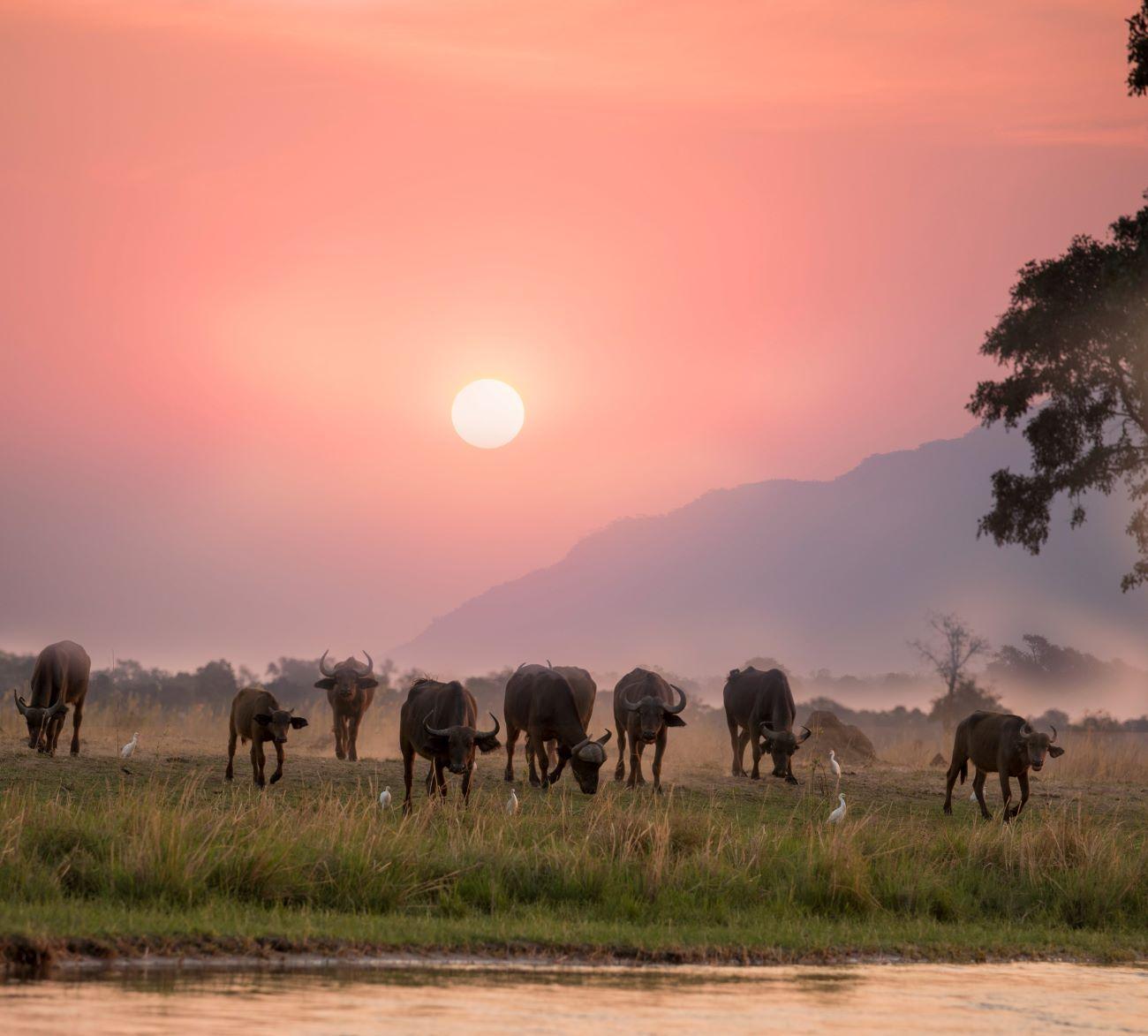
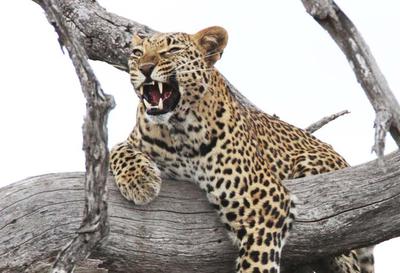
Hunting in Zambia has earned a reputation for offering some of Africa’s finest dangerous game opportunities, with leopard remaining one of its most sought-after species. Solitary, elusive and highly dangerous when wounded, the leopard presents a demanding safari even for an experienced hunter.
Its combination of patience, preparation and precise decision-making has also made leopard one of the most respected species associated with Big Five Hunting.
The Leopard (Panthera pardus) is available to hunt throughout this landlocked country, with the Luangwa Valley standing out as a prime area known for its exceptional dangerous game populations. Leopards are classified as “vulnerable” according to the International Union for Conservation of Nature, and a CITES permit is required for leopard hunting in Zambia.
To compare Zambia with other leading leopard destinations across the continent, explore our dedicated Leopard Hunts page before planning your safari.
Available Leopard Hunts
Hunting in Zambia: Leopard, Plains Game Plus Croc OR Hippo
Booking Season: 2027
Hunt Difficulty: Difficult
Leopard Hunting with Hounds in Botswana
Booking Season: 2026
Hunt Difficulty: Difficult
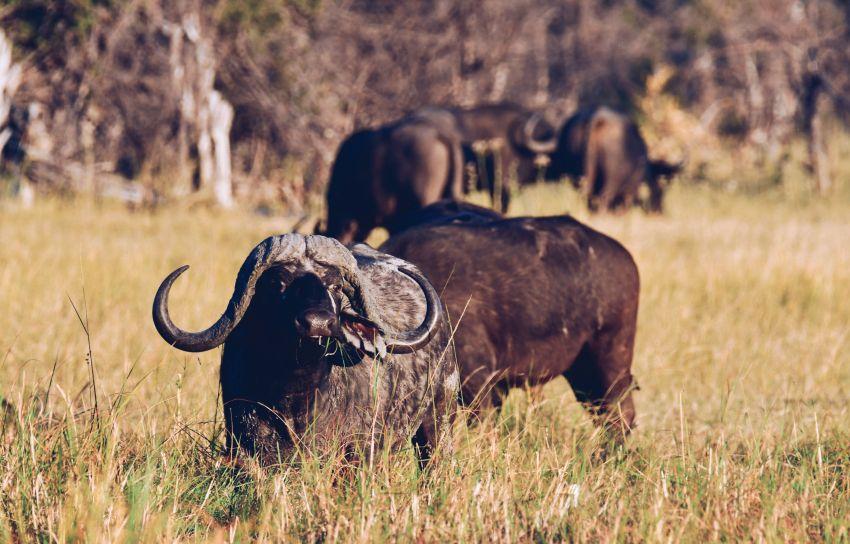
Botswana Leopard & Cape Buffalo Hunting Safari
Booking Season: 2026
Hunt Difficulty: Difficult
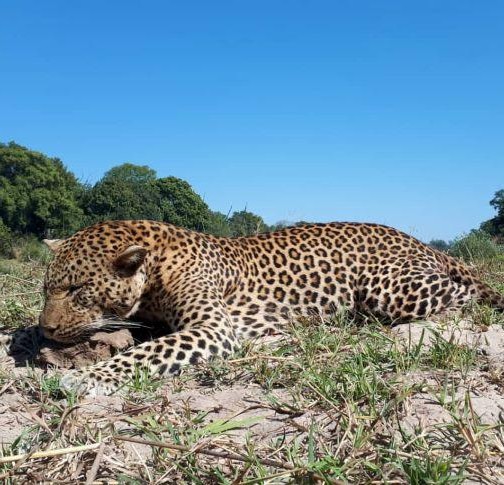
14-Day Rufunsa Leopard Hunt with Optional Buffalo
Booking Season: 2026
Hunt Difficulty: Difficult
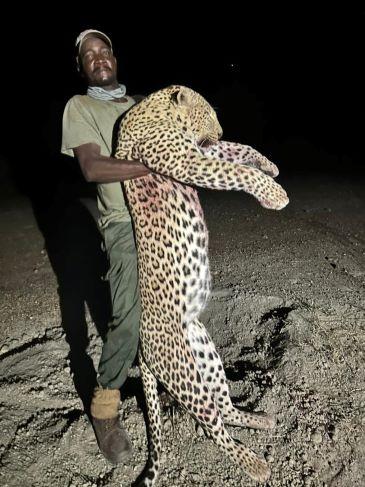
12-Day Save Valley Leopard Safari
Booking Season: 2026
Hunt Difficulty: Moderate, Difficult
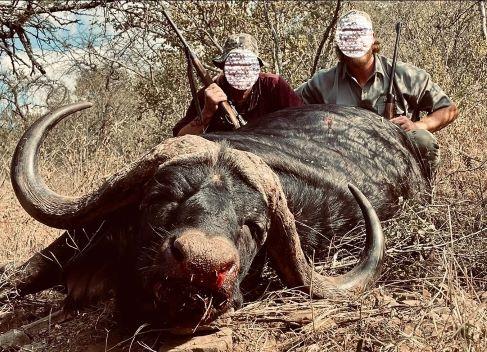
Leopard & Cape Buffalo Safari in Niassa
Booking Season: 2026
Hunt Difficulty: Difficult
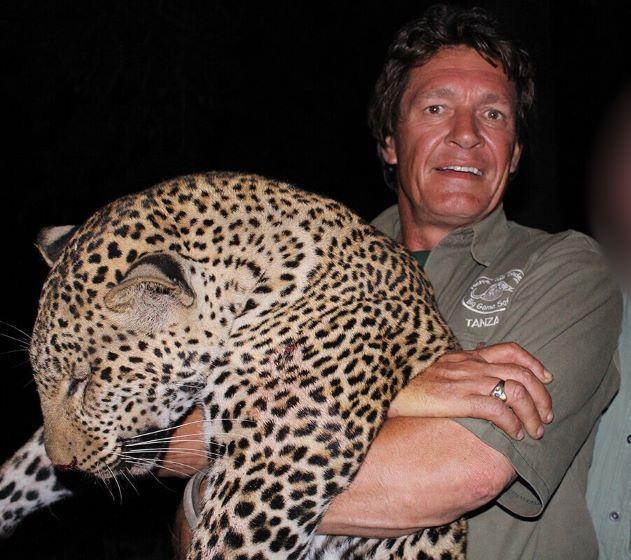
Classic 14-Day Selous Leopard & Buffalo Safari
Booking Season: 2026
Hunt Difficulty: Difficult
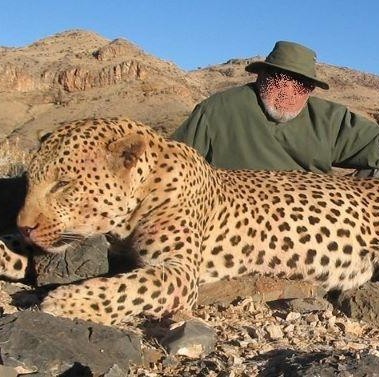
Namibia Leopard Safari in the Khomas Region
Booking Season: 2026
Hunt Difficulty: Difficult
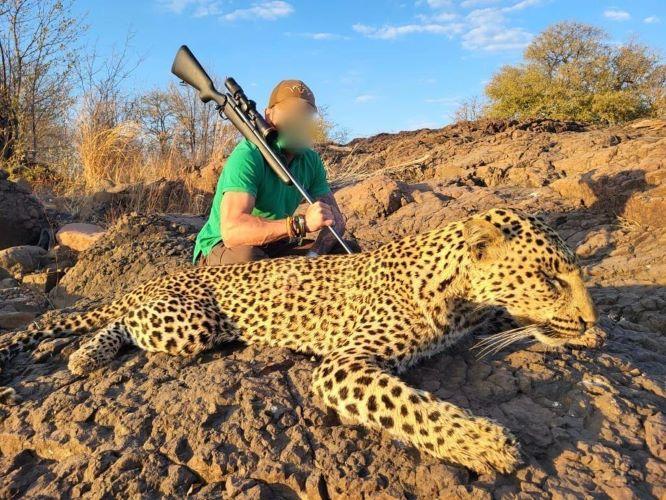
14-Day Leopard & Plains Game Safari | Matabeleland, Zimbabwe
Booking Season: 2026
Hunt Difficulty: Moderate, Difficult
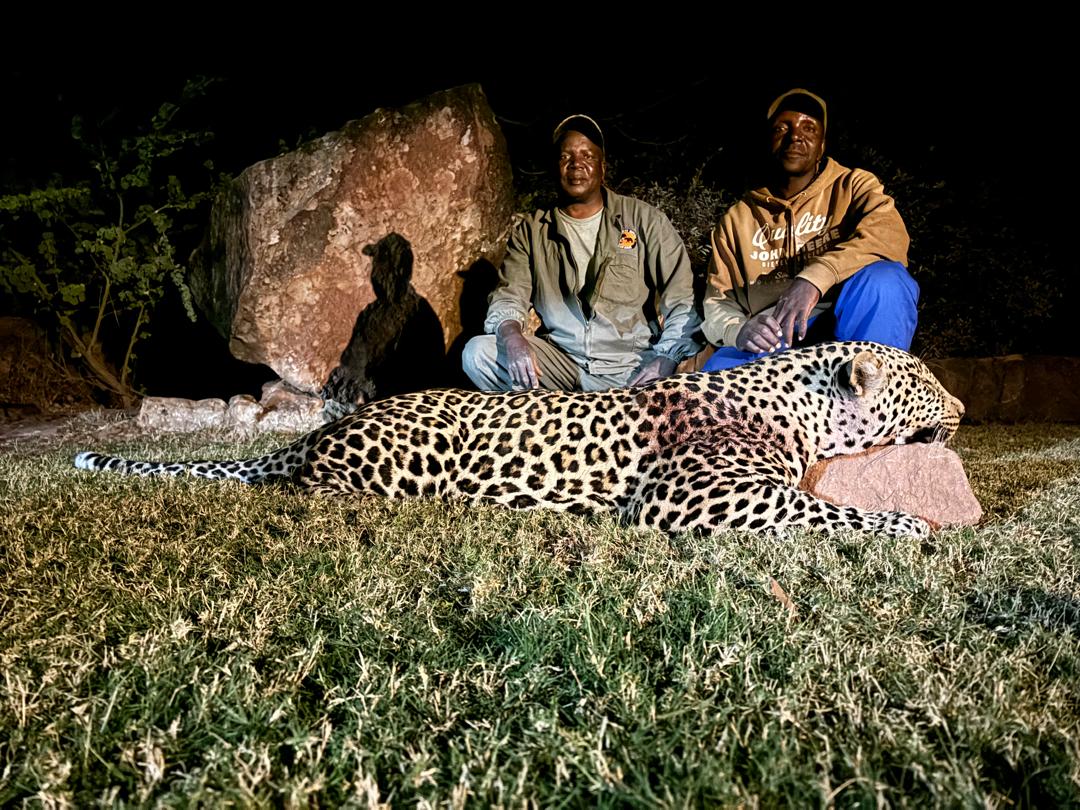
Hunt Leopard and Cape Buffalo in Zimbabwe, Save Valley
Booking Season: 2026
Hunt Difficulty: Difficult
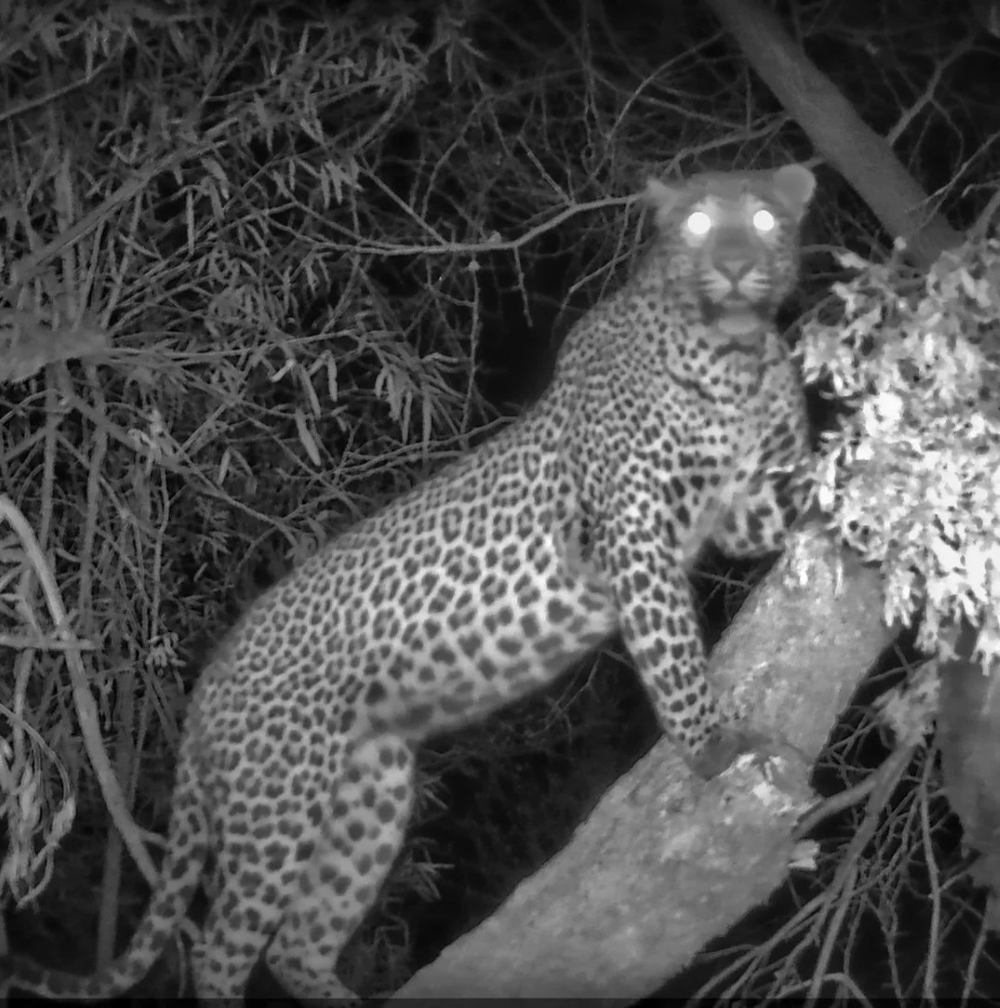
A Zambia leopard safari begins well before the hunter reaches camp. The Professional Hunter and tracking team identify areas being used by mature toms, look for fresh tracks and establish bait sites along likely travel routes. Trail cameras then help determine which leopards are visiting, how regularly they return and whether a particular male is sufficiently mature.
Finding a leopard on camera does not mean the hunt is ready. A tom may visit once and disappear, feed only at unsuitable times or approach from a direction that makes a responsible shot difficult. The team must build a consistent pattern before selecting the bait most likely to produce an opportunity.
Once a mature male is returning reliably, a blind is positioned with the wind, expected approach and shooting angle in mind. The final stage requires patience and restricted movement. Several quiet evenings may pass without a suitable opportunity, even when photographs confirm that the leopard remains in the area.
That is why leopard hunting cannot be rushed. Success depends on preparation, careful identification and allowing the behaviour of the animal to determine when the hunter enters the blind. It is a specialized form of Dangerous Game Hunting in which most of the decisive work happens before the rifle is ever raised.
Zambia contains several major wilderness ecosystems capable of supporting mature leopards, but the name of the region alone does not guarantee a strong safari. Confirmed quota, prey numbers, hunting pressure and the operator’s knowledge of individual leopard territories remain more important than choosing an area solely by reputation.
The Luangwa Valley is Zambia’s best-known leopard region. Its riverine cover, woodland, escarpments and abundant natural prey provide excellent habitat, while the large Game Management Areas surrounding the national parks allow leopards to occupy extensive territories. Hunting conditions vary throughout the valley, making the quality and recent performance of the specific concession important.
The Lower Zambezi ecosystem, including areas such as Rufunsa, offers a different landscape of mopane woodland, Jesse bush, drainage lines and river systems. These large, unfenced hunting areas can combine leopard with Cape buffalo and plains game, giving hunters the option of building a broader dangerous-game safari around the primary leopard hunt.
The greater Kafue ecosystem also contains extensive leopard habitat across a mixture of woodland, riverine cover and remote Game Management Areas. As elsewhere in Zambia, hunters should confirm that the outfitter controls a valid leopard quota and has maintained an active presence in the concession before booking.
Ask for recent information rather than relying only on old trophy photographs. Current trail-camera activity, confirmed quota, bait preparation, anti-poaching presence and the number of leopard hunts conducted in the area all provide a better indication of how the concession is operating today.
There is no single fixed price for leopard hunting in Zambia. The final cost depends on the length of the safari, concession fees, trophy-fee structure, pre-baiting, transfers and whether buffalo or other species are added.
As a practical planning figure, a complete Zambia leopard safari will require a budget of approximately US$40,000–US$55,000 or more before international flights, taxidermy and trophy shipping. Premium concessions, private air charters and additional dangerous game can raise the total.
Hunters should establish whether the quotation includes:
A lower advertised price does not necessarily represent better value. One quotation may include the trophy fee, government charges and transfers, while another separates every item. Hunters should request a written breakdown and compare the complete safari cost before paying a deposit.
Our African Hunting Safari Prices guide explains how daily rates, trophy fees, charter flights and other charges affect the total cost of an African safari.
Leopard hunting in Zambia is controlled through quotas allocated to approved hunting areas. A safari should never be booked on the assumption that a permit will become available later. The outfitter must confirm access to a valid leopard quota for the concession and intended hunting period before the booking is finalized.
The hunting operator coordinates the Zambian hunting licence, concession documentation and the paperwork required for the leopard. Hunters should nevertheless ask for written confirmation that the quota is valid and understand what will happen if the permit or intended dates become unavailable.
International movement of a leopard trophy also requires the applicable CITES documentation. Field preparation, identification, tagging and export paperwork must be handled correctly from the beginning; a mistake made in camp can delay or prevent the trophy from being shipped.
Import requirements are determined by the hunter’s home country and may differ from Zambia’s export requirements. American hunters should confirm the current position with the U.S. Fish and Wildlife Service and their trophy-import specialist before paying a non-refundable deposit. Canadian and other international hunters should complete the same check with the relevant authorities in their own countries.
The outfitter and shipping agent should be able to explain:
Regulations and administrative requirements can change. Written confirmation from the outfitter, exporter and importing authority is considerably more reliable than assumptions based on a previous safari.
When it comes to shot placement, keep the following tips in mind when leopard hunting in Zambia: When shooting a leopard, the hunter needs to remember that often they will be shot while under or next to a bait while in a sitting position and not in the classic broadside position. The leopard may also be reaching up to the bait, thereby changing its body position, which will influence the required shot placement. A leopard’s heart and lungs sit further back, as it is not an ungulate. Unless you want to ruin your game hunting trophy, a headshot is not an option. A leopard generally has a soft body and is highly susceptible to hydrostatic shock. Shot placement is one of the most important factors in a successful leopard hunt. Taking the time to study leopard anatomy before your safari will help you understand how body position, shooting angle and the animal's posture beneath the bait can all influence the point of aim.
Our comprehensive Leopard Shot Placement Guide provides detailed illustrations and practical advice to help hunters prepare for the safari.
Rifle selection must comply with current Zambian regulations and the requirements of the outfitter and Professional Hunter. The .375 H&H remains a common choice, particularly when leopard is combined with Cape buffalo or other dangerous game. For a dedicated leopard safari, hunters may discuss other suitable calibers with their outfitter, but should never assume that a particular rifle is legal or appropriate without confirming it before travelling.
Leopard are soft-skinned animals, making controlled expansion and accurate shot placement more important than excessive rifle power. A dependable scope with strong low-light performance is essential, as opportunities frequently develop around dawn, dusk or in shaded cover. Hunters should practise from the expected shooting position and confirm that their rifle, scope and ammunition combination performs reliably before leaving for Zambia.
Zambia's reputation for leopard hunting has never rested on leopard numbers alone. It has been built on large hunting areas where mature toms continue to occupy extensive territories supported by healthy populations of antelope, bushbuck, warthog and other natural prey. The combination of abundant food, suitable habitat and carefully managed hunting concessions allows old male leopards to establish and defend territories over many years.
The Luangwa Valley is particularly well known for producing exceptional leopard hunting. Thick riverine vegetation, broken escarpments and extensive woodland provide the cover that leopards naturally favour, while permanent water and healthy game populations create ideal conditions for sustaining mature cats. Although leopards occur throughout much of Zambia, these landscapes have played an important role in building the country's reputation among dangerous game hunters.
Leopard hunting in Zambia is rarely about covering large distances in search of fresh tracks. Success usually comes from understanding the habits of mature toms, preparing carefully and allowing enough time for the right opportunity to develop. That combination of wild habitat, well-managed hunting concessions and patient decision-making continues to make Zambia one of Africa's most respected leopard hunting destinations.
A successful leopard hunt is built over time rather than in a single evening. Baits may attract several different animals before the right tom appears, while changing wind, weather and natural movement patterns can quickly alter activity around a productive bait. Conditions that looked promising one evening may require a completely different approach the following day.
Time allows the hunting team to observe these changes rather than forcing decisions too early. A mature tom may visit after dark without presenting a safe opportunity, disappear for several days or return only once conditions suit him. Success often comes from understanding those patterns and allowing the hunt to unfold naturally instead of trying to hurry the process.
That measured approach is one of the reasons leopard has earned its place among Africa's most respected Big Game Hunting species. While the moment at the bait may last only seconds, the planning, preparation and patient decision-making behind that opportunity often take days to come together.
The dry season is generally regarded as the best time for leopard hunting in Zambia. During this period, hunting conditions become more predictable, natural water sources become limited and bait sites can often be monitored more effectively. Exact timing varies between hunting areas, so it is always worth discussing the season with your outfitter before booking.
Leopard hunting takes time. Allowing enough days gives the hunting team greater flexibility to prepare bait sites, monitor mature tom activity and wait for the right opportunity rather than rushing decisions.
Yes. Leopard hunting is commonly combined with buffalo, plains game and other dangerous game, depending on the concession and available quota. Combining species allows hunters to make the most of their time in Zambia while enjoying a broader African safari.
Our selection of African Hunting Trips makes it easy to compare safari packages, hunting areas and available species across Zambia and other leading hunting destinations in Africa. Hunters considering leopard alongside buffalo and other major species can explore our Big Game Hunting in Zambia guide.
Selecting the right leopard involves far more than judging size alone. Hunting teams evaluate age, body proportions, behaviour and trail camera photographs before deciding whether a tom is mature enough to hunt. Taking time to identify the right animal is an important part of ethical leopard hunting and one of the reasons successful leopard safaris are rarely rushed.
Search from our range of Hunts across various popular destinations in Africa.

Book Your Hunt