
There comes a point when a successful plains game safari no longer feels like the final destination. The animals remain just as rewarding, but thoughts begin to drift toward something different. Perhaps it is the idea of following fresh buffalo tracks through thick jesse, waiting over bait for a leopard, or hearing a lion roar somewhere beyond camp after sunset. That is often where the journey into Dangerous Game Hunts begins.
Dangerous game hunting is not simply about pursuing larger or more expensive animals. It demands a different mindset, greater patience and absolute trust in the Professional Hunter and tracking team beside you. Decisions are made at closer distances, situations can change quickly and every stalk carries a greater sense of consequence.
This guide explains what sets dangerous game hunting apart, why Cape Buffalo is often considered the natural starting point and what to consider before planning your first dangerous game safari. From there, explore our Dangerous Game Hunts guide to compare species, destinations and safari options across Africa.
[DYNAMIC-BLOGTABLEOFCONTENT]
Dangerous Game, Big Five and Big Game: What's the Difference?
One of the first things hunters discover when researching Africa is that the terms Dangerous Game, Big Five and Big Game are often used interchangeably. While they overlap, they do not mean the same thing, and understanding the difference helps when planning a safari.
The Big Five refers to the five iconic African animals once considered the most difficult and dangerous to hunt on foot: elephant, lion, leopard, Cape buffalo and rhinoceros.
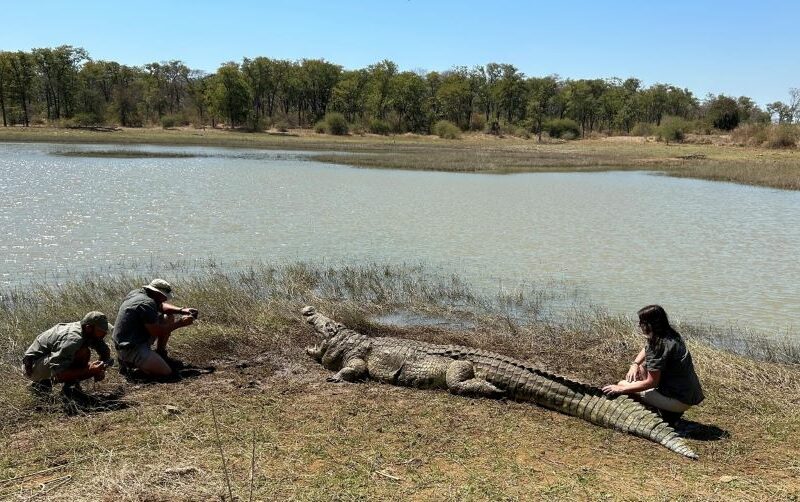
Dangerous Game includes all members of the Big Five but generally extends to hippopotamus and Nile crocodile because both species are capable of inflicting serious injury or death and require specialised hunting methods and appropriate calibres.
Big Game Hunting is the broadest term. Depending on the context, it may refer to the Big Five, dangerous game or simply the pursuit of Africa's larger-bodied species, including sable, roan, eland and bongo. The meaning often depends on who is using the phrase.
For a hunter planning a first dangerous game safari, however, the distinction is less important than choosing the right species to begin with. That decision depends on your hunting goals, budget, preferred destination and the type of challenge you are looking for.
What Does a Dangerous Game Safari Cost?
The cost of a dangerous game safari depends on far more than the trophy fee alone. The species being hunted, destination, length of the safari and hunting method can all have a significant effect on the final budget.
One of the biggest differences between dangerous game and plains game hunting is that success often depends on time rather than simply opportunity. Tracking a mature Cape buffalo may take several days, while leopard hunts can involve extensive baiting and waiting before a suitable animal appears. These factors influence the number of hunting days required and, ultimately, the overall cost of the safari.
Hunters should also budget for daily rates, charter flights where required, permit fees, trophy preparation, shipping and international travel. Some of Africa's most sought-after dangerous game areas are remote, making additional travel costs an important part of the planning process.
Rather than comparing individual trophy fees in isolation, it is more useful to consider the total cost of the safari and what is included. Our African Hunting Safari Prices guide provides a detailed breakdown of the costs hunters should expect when planning a safari in Africa.
Choosing Your First Dangerous Game Animal
Every dangerous game species presents a different challenge, and there is no single "best" choice. Your decision should depend on the type of hunt you want, the amount of time available and your overall safari budget.
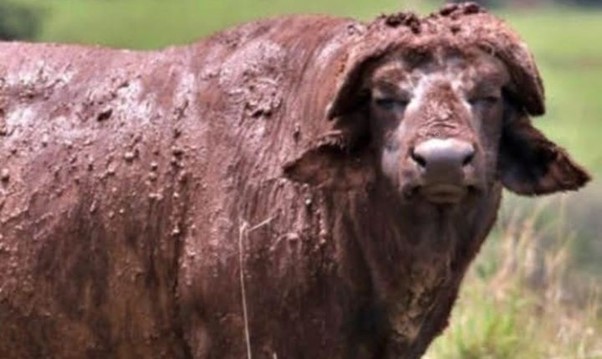
Cape Buffalo Hunts are widely regarded as the natural starting point for hunters entering the world of dangerous game. Buffalo are pursued on foot, offer a highly physical tracking hunt and are available in several African countries. They provide everything hunters associate with traditional dangerous game hunting and are often the first step beyond plains game.
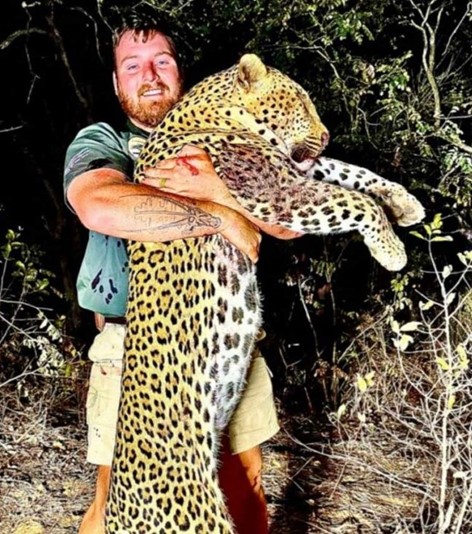
Leopard hunting requires a very different mindset. Patience is essential, with success often depending on careful baiting, preparation and waiting for the right opportunity. Hunts are typically longer than buffalo safaris and demand a different type of discipline.
Elephant, lion, hippopotamus and Nile crocodile each present their own unique challenges, from following fresh tracks for days to hunting over bait or along remote waterways. The right choice depends less on which species is considered the most dangerous and more on the type of hunt you want to pursue.
Few hunts capture the essence of African dangerous game hunting quite like Cape buffalo.
Dangerous Game Requires a Different Skill Set
Dangerous game hunting demands a different approach from the plains game hunting many hunters are familiar with. The challenge is not simply carrying a larger rifle. It is adapting to a style of hunting where the terrain, the conditions and the animals themselves all place greater demands on the hunter.
Unlike many plains game safaris, dangerous game hunts often involve long days on foot through thick jesse, mopane woodland, riverine forest, swamps or deep sand. Hunters may spend hours tracking fresh spoor before an opportunity develops, often in hot conditions where fatigue becomes part of the challenge. In some hunting areas, tsetse flies, dense vegetation and difficult footing are simply part of the day.
The hunt itself also requires a different mindset. Dangerous game opportunities can develop quickly and at relatively close range, leaving little time to think once the Professional Hunter signals that the animal is within range. Remaining calm, trusting your PH and making good decisions under pressure become just as important as shooting ability.
A hunter who is comfortable making accurate shots at 250 or 300 yards with a .270 Winchester or .300 Winchester Magnum may find that shooting a .375 H&H or .500 Nitro Express at 20 or 30 yards presents a very different challenge. Heavy rifles recoil differently, recover more slowly and demand confidence with shot placement under pressure.
Preparing before travelling to Africa involves far more than choosing the right rifle or calibre. Practising from shooting sticks remains essential, but hunters should also become comfortable mounting the rifle quickly, managing heavier recoil and delivering accurate follow-up shots when required. Confidence only comes through repetition.
Just as important is understanding where to place the bullet. Dangerous game anatomy differs significantly between species, and a poorly placed shot can quickly turn a routine hunt into a dangerous situation. Before travelling to Africa, spend time studying our Dangerous Game Shot Placement Guide so you understand the vital areas, shot angles and anatomical differences that can make all the difference in the field.
The Next Step Into Dangerous Game Hunting
Every hunter remembers their first dangerous game safari.
Not because it was the most expensive hunt, or even the most successful, but because it demanded something different. It required greater patience, closer teamwork with the Professional Hunter and trackers, confidence in the rifle and the discipline to make the first shot count.
Whether your goal is Cape buffalo, elephant, leopard, lion, hippopotamus or Nile crocodile, careful preparation remains the foundation of every successful dangerous game hunt. Choosing the right destination is equally important, as each country offers different species, hunting methods, terrain and regulations that shape the character of the safari.
Understanding the species, selecting the right destination, practising with your rifle and arriving with realistic expectations will do more to shape the hunt than any piece of equipment you pack.
Respect Every Animal
Although the term dangerous game traditionally refers to elephant, Cape buffalo, lion, leopard, hippopotamus and Nile crocodile, experienced hunters understand that every wild animal deserves respect. Plains game species such as kudu, eland, wildebeest, gemsbok and bushbuck are powerful, unpredictable animals that are fully capable of inflicting serious injury if wounded, cornered or handled carelessly.
Every African hunt carries an element of risk, regardless of the species being pursued. Good judgement, patience and careful shot placement remain just as important on a plains game safari as they do when following the tracks of a buffalo or elephant. Respect for the animal should never depend on whether it appears on a traditional dangerous game list.
Whether planning Hunting Trips focused on plains game or pursuing Africa's dangerous game, the foundations remain the same: careful preparation, ethical hunting practices and working alongside an experienced Professional Hunter.
Frequently Asked Questions
Is Cape buffalo the best first dangerous game animal?
Cape buffalo is widely regarded as the natural starting point for hunters entering the world of dangerous game. Buffalo hunts combine tracking on foot, close-range encounters and the need for precise shot placement, making them an excellent introduction to dangerous game hunting. They also remain one of the more accessible dangerous game species available across several African countries.
How physically demanding is a dangerous game safari?
The physical demands depend on the species, hunting area and terrain. A buffalo hunt may involve several hours of tracking through thick bush or across sandy riverbeds, while elephant hunting can require long days covering considerable distances. Good fitness certainly helps, but determination, patience and a positive attitude are often just as important.
Do I need previous African hunting experience?
No. Many hunters begin dangerous game hunting after enjoying one or more plains game safaris, while others combine Cape buffalo with plains game during their first African safari. The key is arriving well prepared, listening to your Professional Hunter and understanding what the hunt demands.
What rifle calibre is recommended for dangerous game hunting?
Minimum legal calibres vary between countries and species, but the .375 H&H Magnum has long been regarded as the benchmark for dangerous game hunting. Larger calibres such as the .416 Rigby or .500 Nitro Express are also popular, particularly for hunters who are comfortable managing heavier recoil. The most important factor is using a rifle you can shoot confidently and accurately.
How far are most dangerous game shots?
Unlike many plains game hunts, dangerous game opportunities often develop at relatively close range. Buffalo, elephant and hippopotamus are frequently encountered inside 100 yards, while leopard hunts are normally conducted over bait. The emphasis is on precision rather than long-range shooting.
Should I practise from shooting sticks before travelling to Africa?
Absolutely. Shooting sticks are widely used throughout Africa, and becoming comfortable shooting from them is essential. Hunters should also practise mounting the rifle from the shoulder, managing recoil and delivering accurate follow-up shots, as dangerous game opportunities can develop quickly.
Can dangerous game hunts be combined with plains game?
Yes. Many hunters combine Cape buffalo with species such as kudu, zebra, wildebeest or impala to create a more varied safari. Combining dangerous game and plains game is often an excellent way to experience different styles of hunting during the same trip.
Which African country is best for dangerous game hunting?
There is no single answer. Zimbabwe is renowned for classic Cape buffalo hunting, Tanzania offers vast wilderness concessions, Mozambique is known for its wild hunting areas, Namibia has established elephant and leopard hunting opportunities, while South Africa provides excellent buffalo hunting in a variety of hunting areas. The right destination depends on the species you want to hunt, your budget and the type of safari you are looking for.
How long should I allow for a dangerous game safari?
Safari length varies by species. Buffalo hunts commonly run for seven to ten days, while leopard and lion hunts are generally longer because of the time required for baiting and preparation. Elephant hunts also vary depending on the country and hunting area. Allowing enough time greatly improves the chances of success.
What makes dangerous game hunting different from plains game hunting?
Dangerous game hunting is defined by close-range encounters, teamwork with the Professional Hunter and trackers, and the discipline required to place the first shot accurately under pressure. It demands patience, careful preparation and respect for the animal, making it one of Africa's most rewarding hunting pursuits.
About the Author
Pierre van Wyk is Co-Founder of Game Hunting Safaris and has worked extensively with Professional Hunters and outfitters across Africa. Drawing on years of experience helping hunters plan African safaris, he writes practical guides covering dangerous game, plains game, safari planning and hunting destinations.