
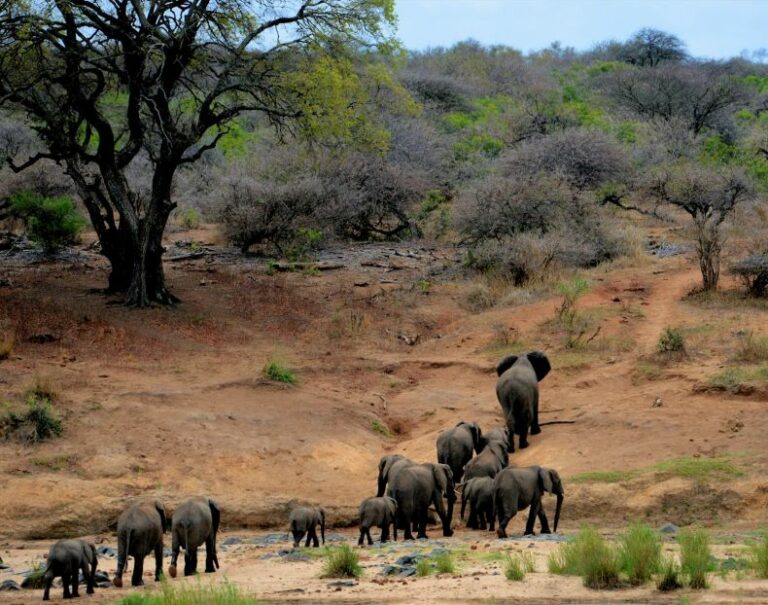
For American hunters researching elephant hunting in Botswana, one of the biggest surprises is how closely photographic safaris and dangerous game hunting safaris continue operating alongside one another across different parts of the country.
To people outside Africa, the debate surrounding elephant hunting in Botswana is often viewed in simple terms — either entirely right or entirely wrong. On the ground, however, the realities are far more complex. In a country holding the largest elephant population in Africa, discussions surrounding wildlife management, rural livelihoods, tourism, and land use remain deeply interconnected.
Botswana’s decision to reopen regulated elephant hunting in 2019 reignited international debate, particularly among foreign media outlets and conservation groups. Yet within Botswana itself, the conversation often centers less on emotion and more on practical questions surrounding elephant populations, human-wildlife conflict, remote land management, and the economic sustainability of wilderness areas.
For American hunters researching elephant hunting in Botswana, one of the biggest surprises is how closely hunting and photographic tourism exist alongside one another across different parts of the country. While areas such as the Okavango Delta are globally known for photographic safaris, other remote concessions rely on seasonal hunting activity to help maintain infrastructure, employment, and ongoing economic value in regions where low-density tourism may not always be viable year-round.
The relationship between elephant hunting, conservation, and tourism in Botswana remains complex. But understanding how these systems interact is important for anyone trying to understand the broader realities shaping modern wildlife management across southern Africa.
[DYNAMIC-BLOGTABLEOFCONTENT]
Botswana's Large Elephant Population
Botswana is home to the largest elephant population in Africa, with estimates commonly exceeding 130,000 animals across the country and the broader Kavango-Zambezi Transfrontier Conservation Area (KAZA). Large concentrations of elephant are particularly common in northern Botswana, including regions surrounding Chobe National Park and the Okavango ecosystem.
In many areas, sustained elephant pressure has significantly altered vegetation, riverine woodland, and natural habitat over time. In heavily populated elephant regions, sustained browsing pressure can also reduce available vegetation and food resources for other herbivore species sharing the same habitat. Over time, changes to woodland structure, tree cover, and grazing availability may influence broader ecosystem dynamics affecting species such as kudu, sable, impala, and other plains game dependent on the same environments. These changing landscapes form part of the broader wildlife management discussion surrounding elephant populations, photographic tourism, land use, and regulated hunting in Botswana today.
For international visitors arriving on photographic safaris, Botswana’s elephant numbers are viewed as one of the country’s greatest wildlife attractions. At the same time, remote concessions and rural regions continue balancing elephant conservation alongside infrastructure costs, habitat pressure, tourism viability, and human-wildlife conflict realities.
Is Elephant Hunting Legal in Botswana?
Yes. Regulated elephant hunting in Botswana was reintroduced in 2019 following the country’s earlier hunting ban. Today, elephant hunting takes place under a controlled quota system managed through government-issued licenses and concession allocations, with hunts primarily targeting mature bulls in designated wilderness areas.
Following Botswana’s hunting ban between 2014 and 2019, debates surrounding elephant management, tourism revenue, and human-wildlife conflict became increasingly prominent within the country. In some rural areas bordering elephant habitat, communities continued dealing with crop damage, infrastructure destruction, and dangerous encounters with wildlife, while broader discussions also focused on how remote wilderness regions could remain economically sustainable over the long term.
Elephant Populations and Land-Use Pressure
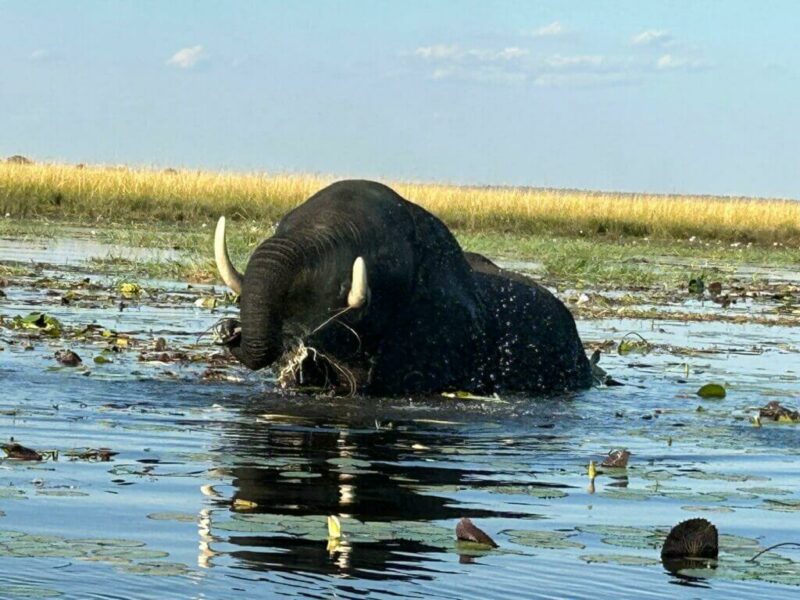
Over the past decades, Botswana’s elephant population has grown significantly, particularly across northern wilderness regions connected to the broader KAZA conservation area. As elephant numbers increased, questions surrounding habitat pressure, land use, tourism infrastructure, and wildlife management became increasingly important across parts of the country.
In remote regions, photographic tourism alone may not always generate enough year-round economic activity to support large concession areas, infrastructure maintenance, anti-poaching presence, and local employment. This has contributed to ongoing debate surrounding how different forms of tourism — including both photographic safaris and regulated hunting — fit into Botswana’s broader wildlife economy.
Hunting and Photographic Tourism in Botswana
Botswana is internationally recognized for its high-end photographic safari industry, particularly in regions such as the Okavango Delta and Chobe National Park where wildlife densities, scenery, and tourism infrastructure attract tourists from around the world.
Not every wilderness area in Botswana is equally suited to large-scale photographic tourism. Some concessions are difficult to access, lack permanent tourism infrastructure, or experience lower visitor demand outside peak safari seasons. In these regions, regulated hunting and photographic tourism may operate very differently from one another economically.
While photographic tourism generates substantial revenue in Botswana’s premier safari destinations, hunting operators and rural concession areas argue that seasonal hunting activity helps maintain economic value in wilderness regions where low-density tourism alone may not always remain financially sustainable year-round.
Outfitters also argue that regulated elephant hunting can generate significant revenue from relatively low visitor numbers compared to high-volume photographic tourism models. In remote concessions with limited infrastructure or lower year-round tourism demand, this lower-density model may still contribute meaningful economic activity toward concession management, employment, and wildlife land use.
For observers outside Africa, hunting and photographic tourism are often presented as opposing industries. On the ground in Botswana, however, the relationship can be more complex, with different regions relying on different land-use models depending on geography, wildlife movement, infrastructure, and tourism demand.
In regions such as the Okavango Delta, high-end photographic tourism often dominates due to strong international demand, luxury safari infrastructure, and consistent wildlife viewing opportunities. Other remote concessions bordering less accessible wilderness areas may operate under very different economic conditions where seasonal hunting activity still forms part of the broader land-use model supporting the concession.
Why Some Remote Concessions Still Depend on Hunting
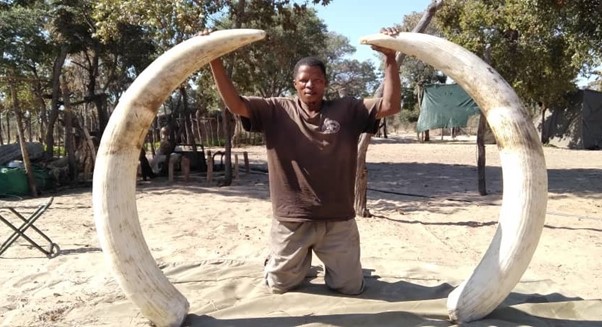
Not every wilderness area in Botswana receives the same level of photographic tourism interest as destinations such as the Okavango Delta or Chobe National Park. Some concessions are extremely remote, difficult to access, or lack the scenery and infrastructure typically associated with luxury photographic safari tourism.
In these lower-density regions, maintaining roads, camps, vehicles, staff, anti-poaching presence, and year-round operations can become financially challenging without some form of economic activity attached to the land.
In parts of northern Botswana, poor soils, limited water access, seasonal flooding, and harsh environmental conditions also restrict the viability of large-scale commercial agriculture or livestock production. As a result, wildlife-based land use — including photographic tourism and regulated hunting — often becomes one of the few realistic economic models available across these remote wilderness regions. Supporters of regulated hunting argue that seasonal safari hunting helps maintain value in concessions that may otherwise struggle to remain economically active through photographic tourism alone.
This debate remains central to broader discussions surrounding wildlife land use in Botswana today. While photographic tourism dominates many of the country’s premier safari destinations, other wilderness regions continue operating under very different economic realities shaped by geography, infrastructure costs, accessibility, and seasonal visitor demand.
For observers, the discussion is therefore not simply about hunting versus tourism, but about how different wilderness areas are managed and funded across a country holding one of Africa’s largest remaining elephant populations.
Managing large elephant populations across unfenced wilderness areas remains one of the more difficult wildlife management challenges facing parts of southern Africa today. Debates surrounding land use, tourism, hunting, habitat pressure, and rural economic sustainability often involve difficult trade-offs with no simple solution that satisfies every stakeholder involved.
Different Views on Wildlife Management
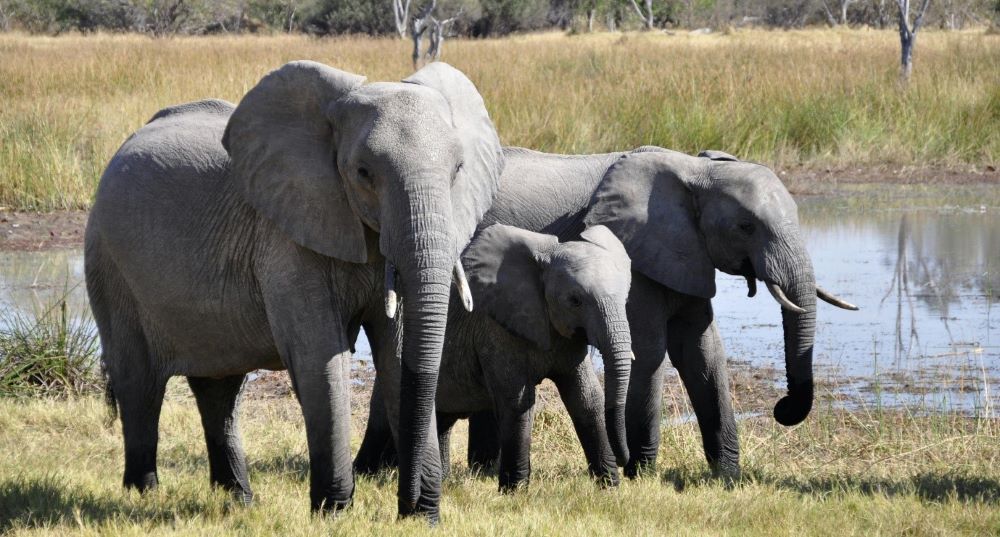
Botswana’s approach to elephant hunting and wildlife management continues attracting strong international attention, particularly from conservation groups, tourism operators, hunting organizations, and foreign governments holding very different views on how large elephant populations should be managed across Africa.
For people outside the continent, elephant hunting remains emotionally difficult to accept under any circumstances. Within Botswana itself, however, discussions are often shaped by a different set of realities tied to land use, rural livelihoods, tourism economics, and coexistence with one of the world’s largest free-ranging elephant populations.
As a result, debates surrounding elephant hunting in Botswana rarely exist in simple terms. They involve competing views on conservation, tourism, economics, wilderness management, and the long-term sustainability of remote wildlife areas that continue supporting both people and wildlife across northern Botswana.
Elephant Hunting and Wildlife Tourism in Botswana
Frequently Asked Questions About Elephant Hunting and Wildlife Tourism in Botswana