
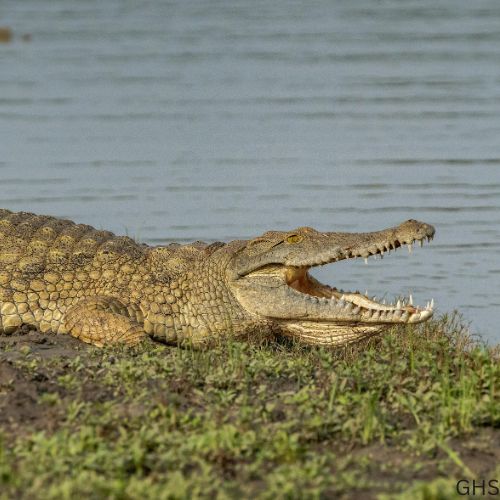
Why the rulebook matters when the water looks still
A Crocodile Hunting Safari is a patience game. The river whispers. Reed beds tremble. Sun bounces off a head the size of a boulder, then nothing moves for twenty minutes. You know what? That quiet is where good habits carry you. Clear rules keep things legal, ethical, and safe, and they put you in the best spot for a clean, quick result. This article focuses on the permits, safety procedures, ethical decisions and trophy paperwork that should be confirmed before a crocodile hunt begins.
The legal frame: paperwork first, stories later
Every crocodile hunt operates within the broader framework governing Dangerous Game Hunts, including national wildlife laws, regional rules and concession permissions.
Your non-negotiables
- Licensed outfitter + licensed PH (Professional Hunter). Ask for license numbers and concession approvals. Pros share this before you ask.
- Open area with valid quota or permission. Crocodiles are tightly controlled. Confirm that your dates match legal access.
- Method rules. Some regions allow baiting; others limit it or define strict distances from water. Boat use, night activity, and lights are often regulated.
- Export/import documents. Expect detailed forms for skins, skulls, or full mounts. Clean paperwork makes customs boring, in a good way.
If anyone treats permits like a footnote, pause. Good operators enjoy explaining this part because it proves they run a tight, legal camp.
Same reptile, different rulebooks: how area choice changes your hunt
A Crocodile Hunt along a big river system doesn’t look like one on a backwater lagoon—and the regulations can change the script.
- Waterbody type: Big rivers, oxbow lakes, floodplains, dam lakes, each affects visibility, stalk routes, and retrieval.
- Boat rules: Some blocks allow boats to reposition; others restrict motors or specify approach lanes.
- Bait restrictions: Where bait is legal, it’s often placed with distance and angle rules. Where it isn’t, you’ll rely on natural sunning spots and travel patterns.
- Local seasons and water levels: Falling water reveals sandbanks and predictable basking areas. Rising water can spread crocodiles into reed beds and make observation and recovery more difficult.
Choosing the concession and team matters more than the country label. We pair you with PHs who know their water like their backyard to ensure an unforgettable safari.
Ethics you can measure: size, maturity, and when to pass
Ethics aren’t a speech. They’re the judgment calls you and your PH make at 120 yards with wind on your cheek.
- Mature crocodiles. Target older, heavier animals with broad heads, pronounced scutes, and thick tails.
- Fair-chase setups. Within legal methods, the animal should have a chance to move, and you should be ready to pass if the angle isn’t there.
- No-shot scenarios. Half-submerged heads, frontal skull shots at range, or a nervous bank with other non-target species in the frame, this is where you wait. A pass now avoids a long, risky retrieval later.
Good teams talk through maturity cues and angles before the rifle ever leaves its case.
Shot placement (clear and careful)
- Brain shot: The “golf ball” between the eyes is not the brain. Your PH will walk you through the precise relationship between eye, ear, and braincase at the angle you’re seeing. This is a true precision shot—taken close, from a rock-steady rest, and only when the angle is perfect.
- High spinal/neck base: On a broadside croc with head slightly elevated, a well-placed shot can anchor instantly.
- Heart-lung: Effective on a fully exposed animal, but recovery near water gets tricky. Your PH will weigh shot type against retrieval realities.
When in doubt, ask your PH to confirm the exact aiming point. Our Crocodile Shot Placement guide provides diagrams showing the vital areas from different angles.
Safety around water: where good hunts stay uneventful
Crocodile Hunts are safe when everyone respects water, boats, and retrieval steps.
- Muzzle control—always. Most setups involve tight lanes with people close by.
- PH calls every shot. If they say “hold,” you hold. The difference between a clean recovery and a slog often comes down to one more second.
- No movement after the shot until cleared. Crocs can thrash; banks crumble; boats drift. Freeze until the PH assigns roles.
- Retrieval plan before the trigger. Boats, poles, ropes, gaff hooks, float lines, your team should have a clear plan for both immediate and delayed recovery.
- Avoid edges until cleared. Don’t stand on undercut banks or step near slides. What looks firm often isn’t.
Quiet confidence beats heroics every time.
Trophy care and paperwork: start the moment the tail stops
Great Crocodile Hunts stay great months later when the skin and skull are in top shape and the forms match.
- Field care: Proper skinning for a flat skin or full mount requires skill and time. The belly scalation is where value meets visibility. Your PH’s team should work like surgeons.
- Measurements: Nose-to-tail length and belly width should be recorded with photos. Do it once, do it right.
- Salt and drying: Even, thorough salting and careful drying prevent folds, hairline cracks, and salt burns.
- Taxidermy path: Decide between local taxidermy or dip-and-pack to a U.S. studio. Compare finish quality, crate standards, references, and timelines.
- Export/import: Expect detailed forms with exact names, permit numbers, and species codes. Keep digital copies, labeled and backed up.
Ask us for recommended taxidermy and shipping partners, we've got all the contacts you need for a stress-free safari.
Smart questions to ask every outfitter
- Which river/lake system and who controls access there?
- Recent results: “Can you share photos and measured lengths from the last two seasons?”
- Method plan: “What’s legal here, bait placement rules, boat use, night restrictions?”
- Shot distances: “Typical yardage for your setups, and preferred rests?”
- Safety and retrieval: “Walk me through your post-shot protocol and tools.”
- Paperwork path: “Who handles export documents and how do you coordinate import?”
- Water levels: “What are the patterns for my dates—falling, steady, or rising?”
- Rifle and bullet advice: “Given my experience, what’s worked best in your area?”
- Costs: “List every extra fee I might see, fuel, boat, transfers, permits.” Hunters comparing full safari costs can also review our guide to African Hunting Safari Prices.
Confident answers come fast and match what you hear from references.
Red flags and common mistakes (the short list that saves long days)
- Skipping the on-arrival zero. Flights move scopes. Confirm before real shots.
- Rushing head shots. Croc skull geometry is unforgiving. Wait for the angle your PH wants.
- Shooting into water without a plan. Recovery first, trigger second.
- Paperwork apathy. “We’ll sort it later” is not a plan. Names and numbers must match.
- Wind ignorance. Even near water, scent matters for approach.
- Over-gunning beyond your control. Flinch steals precision, and precision is everything here.
Frequently Asked Questions
Are crocodile hunting regulations the same throughout Africa?
No. Hunting seasons, quota systems, permitted methods, boat use and concession rules differ between countries and hunting areas. The outfitter should confirm the regulations applying to the specific area before the safari is booked.
What documents are normally required for a crocodile trophy?
The exact requirements depend on the hunting country and the hunter’s home country. They may include hunting permits, export documentation, CITES paperwork and import permits. Names, species details and permit numbers must correspond across all documents.
Who decides whether a shot should be taken?
The professional hunter assesses the crocodile, shot angle, distance, background and recovery conditions before authorizing the shot. If the angle or recovery situation is unsuitable, the hunter must be prepared to wait.
Why must trophy recovery be planned before the shot?
A crocodile may enter deep water immediately after being hit. The team should therefore have the boat, ropes, poles and other recovery equipment ready before the rifle is fired.
When should taxidermy arrangements be confirmed?
The preferred mount or leather use should be discussed before the safari. The skinners need to know how the hide and skull must be prepared, while the hunter should understand the expected taxidermy, shipping and documentation costs.
Planning a Properly Regulated Crocodile Safari
Rules, permits and recovery procedures should be confirmed before a deposit is paid. Ask the outfitter for written details covering the hunting area, available quota, permitted methods, trophy documentation and responsibility for export arrangements.
Hunters comparing crocodile with other species and destinations can review available African Hunting Trips before deciding how the hunt fits into a wider safari.
A well-organized crocodile hunt should never depend on sorting out the rules afterward. The paperwork, safety plan and trophy arrangements should already be in place before the hunter reaches the water.