
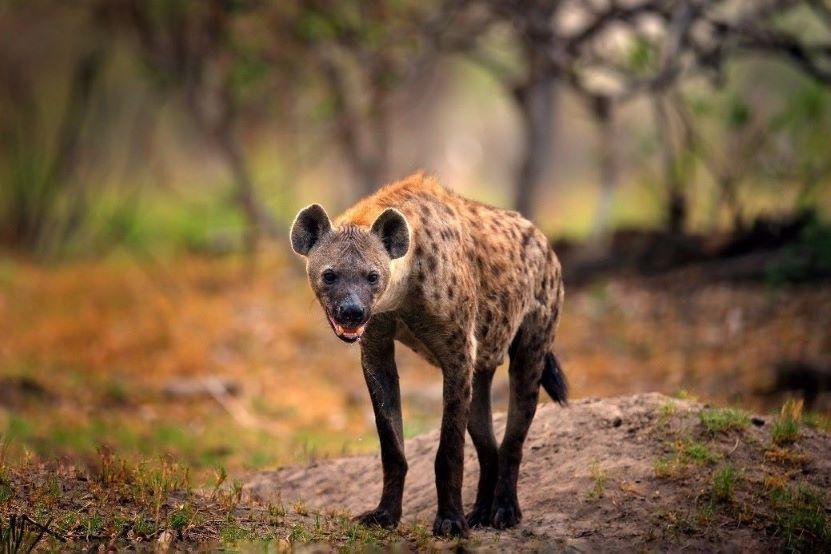
Hyenas are often seen as scavengers, but in reality, they are among the most efficient and strategic hunters in Africa. Understanding how hyenas hunt also provides useful background for hunters considering Hyena Hunts in Africa, where baiting, nocturnal behavior and local hunting conditions can all influence the safari.
Using a combination of intelligence, endurance, and coordinated pack tactics, hyenas are capable of taking down prey much larger than themselves. Their hunts are not random or chaotic, they are calculated, persistent, and often brutally effective.
Hyenas may be efficient predators, but they’re only one part of the bigger picture when it comes to hunting in Africa, where terrain, animal behavior, and experience all play a critical role in the success of any safari.
From long-distance chases that exhaust their prey to highly coordinated group attacks, hyenas rely on teamwork and timing to succeed. Understanding how hyenas hunt reveals not only their adaptability, but also why they are one of the most successful predators in the African wild.
For hunters, understanding animal behavior is only part of the equation, knowing proper shot placement is what ultimately determines a clean and ethical outcome in the field.
[DYNAMIC-BLOGTABLEOFCONTENT]
Key Takeaways
-
Hyenas are highly skilled hunters, using a mix of intelligence, teamwork, and adaptability to secure their prey.
-
Spotted hyenas hunt in coordinated packs, employing strategies like surrounding and exhausting larger animals such as zebras and wildebeests.
-
Lone hyenas rely on stealth and opportunism to target smaller prey and occasionally scavenge for food, demonstrating their versatility.
-
Hunting techniques include stalking, ambushing, persistence chasing, and effective communication through vocalizations and body signals.
-
Despite common misconceptions, hyenas are efficient predators, with hunting providing the majority of their food, especially for spotted hyenas.
-
Their hunting behaviors play a crucial role in maintaining ecological balance by controlling prey populations and recycling nutrients in their ecosystems.
Overview Of Hyenas
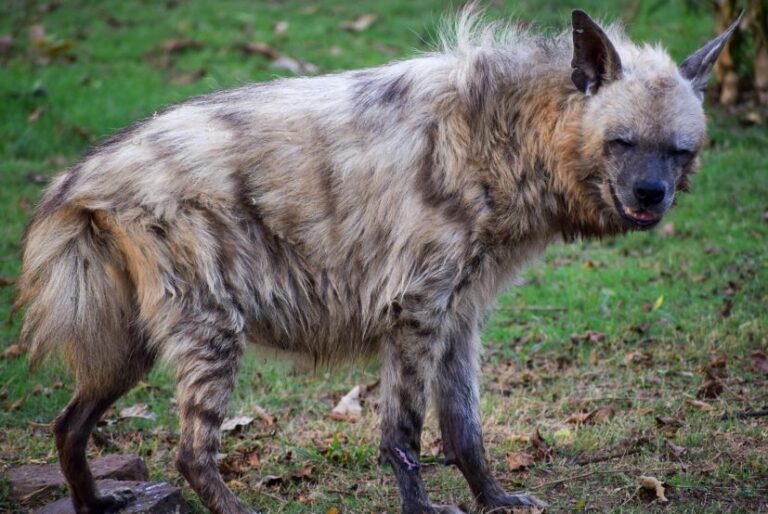
Hyenas are medium-sized carnivores found across Africa and parts of Asia. They belong to the Hyaenidae family, which includes four species: spotted, striped, brown hyenas, and the aardwolf. Among these, the spotted hyena stands out for its advanced social behaviors and hunting skills.
These animals thrive in diverse habitats, ranging from savannas and grasslands to sub-deserts. Their adaptability to various ecosystems ensures their survival alongside their opportunistic feeding habits. While often associated with scavenging, hyenas are skilled hunters capable of capturing live prey through coordination and strategy.
Spotted hyenas exhibit strong pack dynamics. Living in clans that typically consist of 10 to 80 members, these animals rely on teamwork for hunting and defending territory. The matriarchal structure places dominant females at the top, influencing group decisions and interactions.
Their hunting efficiency comes from a blend of stamina, speed, and communication. Spotted hyena hunts often occur during dusk or night when their prey includes animals like wildebeests, zebras, and antelopes. Their ability to identify weaknesses in prey, such as age or injury, increases the success of their pursuits. This skill complements their ability to chase targets over long distances.
In addition to hunting, hyenas swiftly adapt to scavenging opportunities. They compete fiercely with other predators, such as lions, to secure carcasses. Their powerful jaws allow them to consume nearly every part of their prey, leaving very little waste in the ecosystem.
Hyenas play a crucial role in maintaining ecological balance by controlling prey populations and recycling nutrients. Understanding their behaviors enhances respect for these often-misunderstood predators and their vital contribution to the African wilderness.
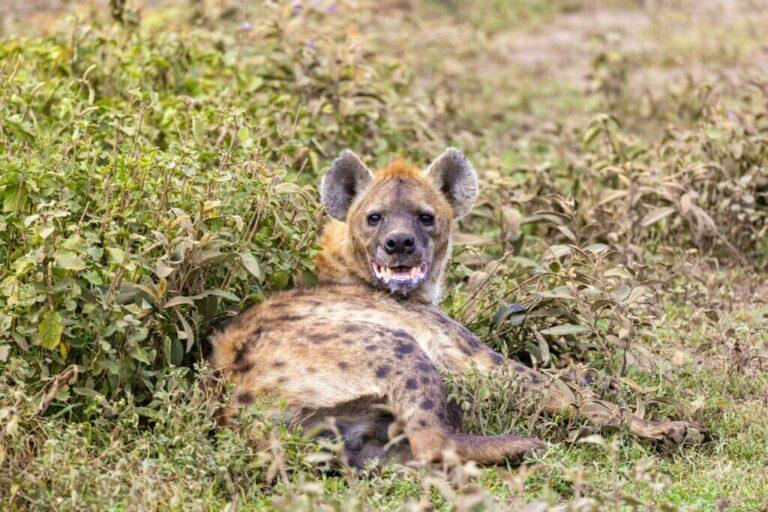
Hunting Habits Of Hyenas
Hyenas are skilled and resourceful hunters with strategies adapted to different environments and prey. Their behavior showcases intelligence and social cooperation, making them formidable predators in the African wilderness.
Pack Behavior
Understanding hyena hunting behavior is essential as background preparation for the hunting safari. Hyenas often hunt in coordinated groups, relying on their strong social structure and teamwork. Spotted hyenas, for example, utilize their pack dynamics to target larger prey like wildebeests, zebras, or antelopes. Packs work together to surround and isolate their target, using persistence to exhaust the animal before making the final attack. Communication plays a vital role, with vocalizations like whoops and grunts signaling key actions. This method improves their hunting efficiency and success rate, particularly when targeting difficult or dangerous prey.
Smaller packs or groups focus on mid-sized animals or younger individuals. By adjusting their tactics to the number of hunters available, hyenas show their remarkable adaptability. These group strategies make hyena hunts highly effective and help sustain their survival in the wild.
Lone Hunting Strategies
Single hyenas often employ stealth and opportunism to hunt smaller prey like hares, birds, or rodents. In these instances, they rely on sharp senses and speed rather than brute strength. Stalking is common, as the lone hunter gets as close as possible before striking quickly. Solitary hunting is more frequent during food shortages or in habitats where prey is abundant but primarily small.
Depending on the situation, hyenas may scavenge opportunistically. If lions or other predators abandon a carcass, a lone hyena can compete for access, showcasing their versatility and determination. Even when alone, their powerful bite and tenacity make them effective predators in the ecosystem.
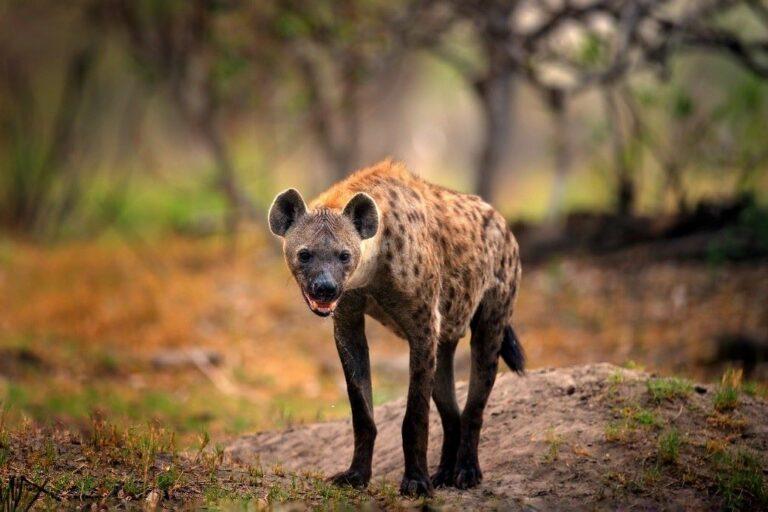
Techniques Hyenas Use To Hunt
Hyenas are skilled predators renowned for their strategic hunting techniques. They utilize various methods tailored to prey type, group size, and environmental conditions, showcasing both teamwork and adaptability.
Stalking And Ambushing
Hyenas often begin hunts by stalking their prey silently to approach undetected. They leverage tall grasses and natural terrain for cover, reducing visibility and increasing the element of surprise. In smaller packs or as solitary hunters, they rely on patience and precision for ambushes, targeting isolated or vulnerable animals. This tactic works effectively for mid-sized prey such as warthogs and antelope.
Chasing Prey
When stalking fails or for larger prey, hyenas employ persistence hunting. They excel at high-endurance chases, using speed and stamina to wear down animals over long distances. Spotted hyenas can reach speeds of up to 37 mph and maintain the pace for extended periods. Larger prey, such as wildebeests or zebras, is often encircled by the group to limit escape routes, while weaker pack members drive the herd toward waiting ambushers. Their relentless pursuit ensures survival even in energy-intensive hunts.
Communication During Hunts
Hyenas utilize vocalizations and body signals to coordinate hunts efficiently. ‘Whoops’ and giggles help locate group members, while short grunts or growls direct movements during hunts. These signals ensure pack cohesion and the ability to adapt quickly when prey changes direction. This collective intelligence is a hallmark of hyena hunting, allowing them to secure kills that would be impossible for a lone predator.
Their calculated tactics, combined with adaptability, make “Hyena Hunts” exceptionally effective strategies in African game hunting landscapes.
Common Prey Of Hyenas
Hyenas target a variety of prey depending on their environment and group size. Spotted hyenas, known for their skill in “hyena hunting,” frequently pursue medium to large herbivores. Common examples include wildebeests, zebras, and antelopes. These animals are often hunted through coordinated pack strategies, allowing hyenas to take down larger prey efficiently.
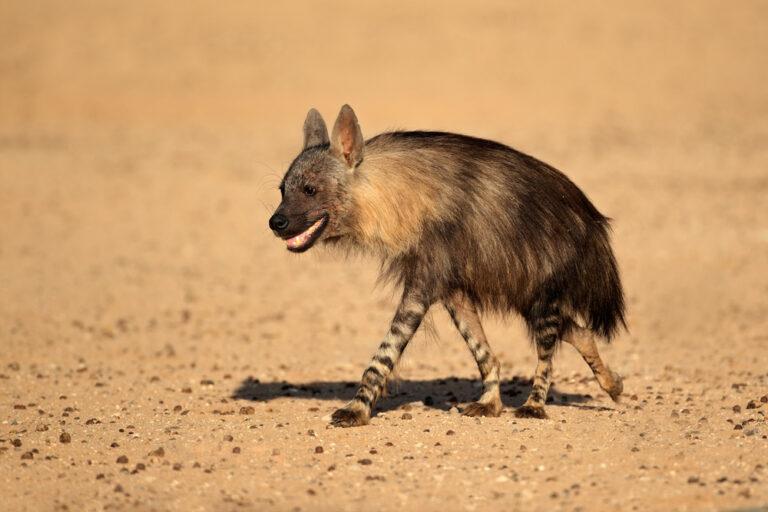
Smaller hyena species like the striped and brown hyenas primarily hunt smaller mammals such as hares and rodents. While less reliant on group hunting compared to spotted hyenas, they still exhibit impressive adaptability. Aardwolves, another member of the Hyaenidae family, primarily feed on insects, with termites making up the bulk of their diet.
Hyenas are also skilled scavengers and opportunists. They readily consume carcasses left behind by other predators. In game-rich areas, such as savannahs, they hunt actively for juvenile prey, including young gazelles and impalas. Their diet versatility ensures survival across various landscapes, from grasslands to semi-arid deserts.
Misconceptions About Hyenas’ Hunting
Many believe hyenas solely scavenge, but that’s untrue for species like the spotted hyena. Though they scavenge opportunistically, their hunting tactics are sophisticated, rivaling other predators. In fact, successful hyena hunts account for over 90% of their food sources in certain regions. While hyenas are rarely targeted directly, they are sometimes encountered during broader dangerous game hunts in Africa, particularly in regions such as hyena hunting in Namibia, where they frequently overlap with other predator species.
Another misconception paints hyenas as uncoordinated or chaotic hunters. However, spotted hyenas exhibit exceptional teamwork, organizing group strategies to take down prey like zebras and wildebeests. Their communication, using vocal sounds and body signals, is key to pack cohesion during hunts.
It’s also often assumed hyenas can’t tackle large prey on their own. While smaller species like the aardwolf and striped hyena prefer insects or small mammals, spotted hyenas have the strength, speed, and teamwork to hunt game larger than themselves. A group of them can overpower prey weighing over 500 lbs.
Lastly, some assume hyenas lack hunting versatility, but they’re highly adaptable. Whether stalking wildebeest in open savannahs or using stealth for mid-sized prey in dense vegetation, hyena hunting strategies adjust based on their environments and pack dynamics. This adaptability contributes to their survival across diverse landscapes.
Conclusion
Hyenas are far more than the scavengers they’re often portrayed to be. Their intelligence, adaptability, and cooperative hunting strategies make them some of the most efficient predators in the animal kingdom. From their strong social structures to their ability to thrive in diverse environments, hyenas demonstrate a remarkable balance of skill and resourcefulness.
By understanding their role in ecosystems and their unique behaviors, we can better appreciate the vital part they play in maintaining ecological harmony. Hyenas are a testament to nature’s complexity, reminding us of the intricate connections that sustain life in the wild.
Frequently Asked Questions
What are the different species of hyenas?
Hyenas belong to the Hyaenidae family, which includes four species: spotted hyenas, striped hyenas, brown hyenas, and aardwolves. Spotted hyenas are the most well-known and thrive in diverse African habitats, while striped and brown hyenas are more solitary. Aardwolves are unique as they primarily feed on termites.
Are hyenas more hunters or scavengers?
Although hyenas are often labeled as scavengers, spotted hyenas are primarily skilled hunters. In some regions, over 90% of their food comes from hunting. However, hyenas are opportunistic and will scavenge if the opportunity arises.
How do hyenas hunt in groups?
Spotted hyenas hunt in coordinated packs, using vocalizations and body signals to strategize. They rely on teamwork to target large prey like wildebeests or zebras. Smaller groups or solitary hyenas adapt their tactics for hunting smaller animals, showcasing their versatility.
What do hyenas typically eat?
Hyenas are flexible predators and scavengers. Spotted hyenas target medium to large herbivores like wildebeests and antelopes. Striped and brown hyenas focus on smaller mammals, while aardwolves feed mainly on termites. They will also scavenge carcasses when available.
How do hyenas contribute to the ecosystem?
Hyenas play a key role in maintaining ecological balance by controlling prey populations and recycling nutrients through scavenging. Their hunting and scavenging activities prevent waste in nature, benefiting other animals and promoting ecosystem health.
Do hyenas only hunt at night?
Hyenas are primarily nocturnal hunters, with peak activity during dusk and nighttime. Their excellent night vision and stamina allow them to hunt efficiently under low-light conditions, giving them an edge over many other predators.
What is unique about hyena packs?
Spotted hyenas live in large, matriarchal packs where females dominate. These strong social structures enable effective communication and teamwork, critical for hunting, protecting young, and defending territory from rivals.
How intelligent are hyenas?
Hyenas are highly intelligent predators. They use advanced communication methods, problem-solving skills, and adaptive strategies during hunts. Their ability to outsmart prey and competitors highlights their cognitive abilities.
What are common misconceptions about hyenas?
Many assume hyenas only scavenge and are cowardly. However, species like the spotted hyena rely primarily on hunting and exhibit exceptional teamwork and planning. They are efficient predators and not solely reliant on scavenging.
Where can hyenas be found?
Hyenas are native to Africa and parts of Asia. Spotted hyenas thrive in various habitats like savannas, grasslands, and even semi-arid regions, while striped and brown hyenas inhabit deserts and woodlands. Aardwolves prefer open, grassy areas rich in termites.