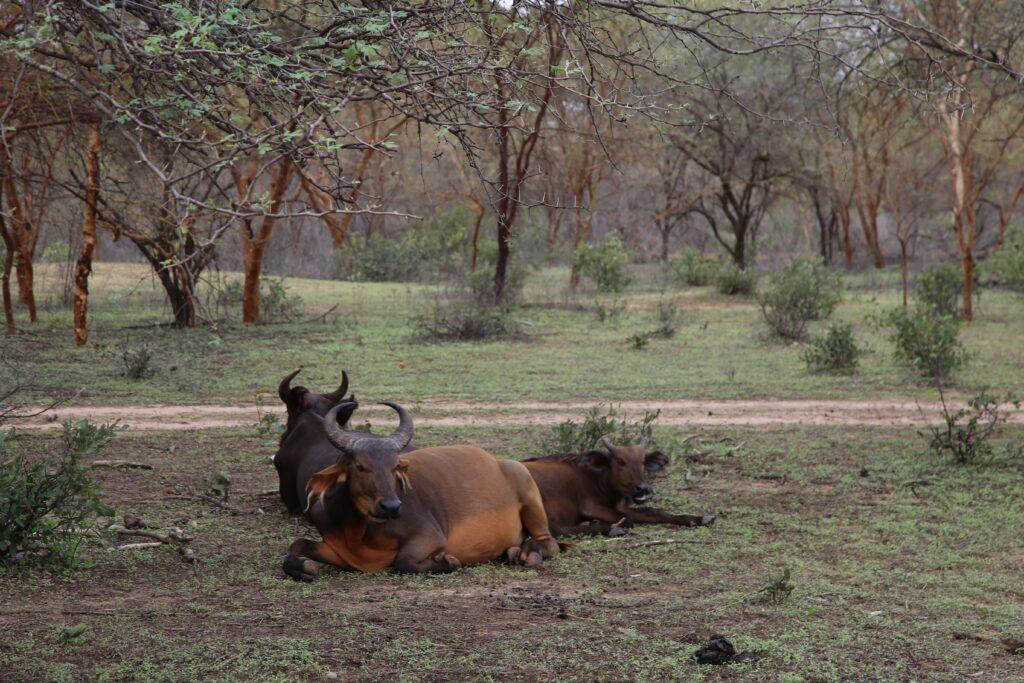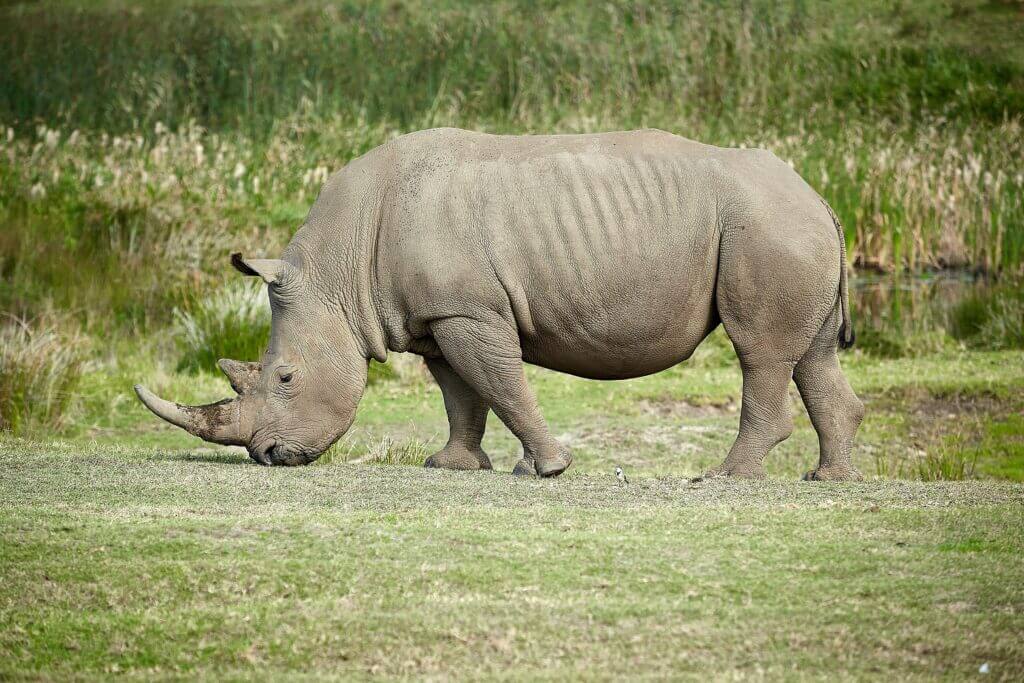
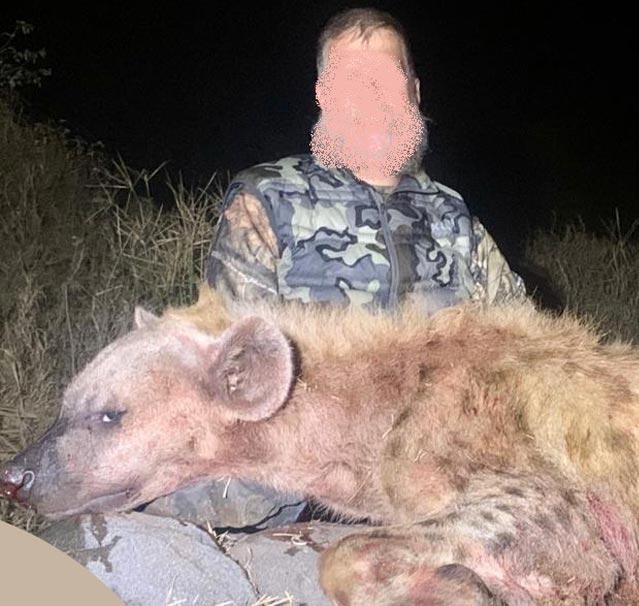
Spotted Hyena Hunting in SA plus 7 Specialty Species
Booking Season: 2026
Hunt Difficulty: Moderate

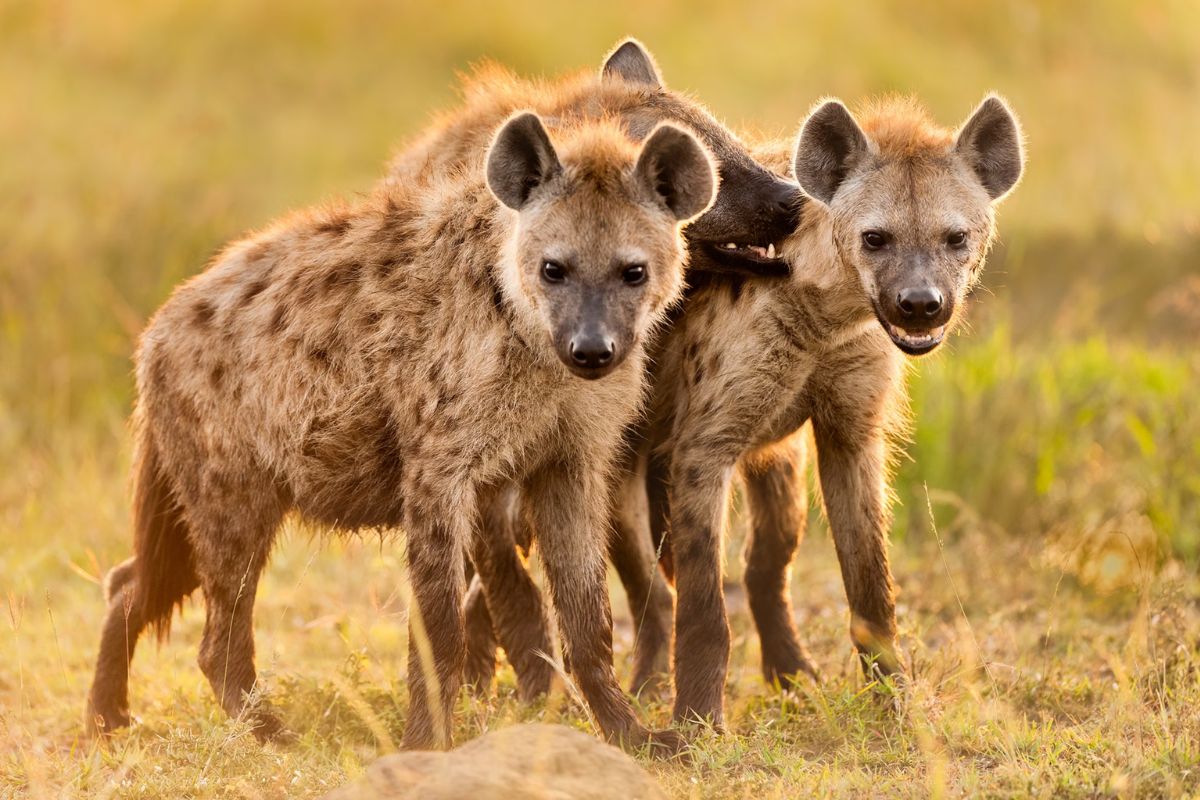
Hyena hunting has got to be one of Africa’s most thrilling game hunting adventures! With four species of Hyena (Spotted Hyena, Brown Hyena, Striped Hyena and the Aardwolf) available to hunt, game hunting enthusiasts are spoilt for both choice and location.
Spotted hyena hunting is the most common form of hyena hunting in Africa and is available in several southern and eastern African countries.
The practice of hunting Hyenas is controversial, with arguments both for and against it, highlighting the complex relationship between hunting, conservation funding, and ethical considerations.
Hyenas are spread throughout Africa and are found in diverse habitats. Savannas, grasslands, sub-deserts, forests, and some mountainous regions are inhabited by the Spotted Hyena, also known as the “laughing hyena.” The Striped Hyena prefers grasslands, scrub forests, and tropical savannahs. Brown Hyenas, also known as “die strandwolf” meaning the “beach wolf,” inhabit semi-deserts, coastal regions and woodlands. The Aardwolf lives in suitable habitats that provide plenty of food in the form of termites, from woodlands to grasslands.
Hyenas are among Africa’s most misunderstood predators. Although they are often thought of purely as scavengers, spotted hyenas are highly effective hunters capable of taking down their own prey.
Their powerful jaws allow them to crush bone and consume nearly every part of a carcass, playing an important ecological role in recycling nutrients and reducing disease in the environment.
Because of their intelligence, complex social hierarchy, and exceptional senses, hyenas are considered one of the most challenging predators to hunt in Africa.
For hunters interested in predator hunting in Africa, pursuing a hyena provides one of the most exciting nighttime hunting experiences available on the continent.
Hyena hunts require specialised permits; check with your specific Hyena hunting destination. For example, in several African destinations including South Africa, a TOPS (Threatened or Protected Species) permit is required, in addition to a CITES permit.
Hyena hunts can form a standalone hunt or be part of a larger hunting safari, with a 6-day hunting safari generally being the minimum time allocated for this exciting safari.
Available Spotted Hyena Hunts
Spotted Hyena Hunting in SA plus 7 Specialty Species
Booking Season: 2026
Hunt Difficulty: Moderate

Hyena Hunting for 10 x Days in SA, plus 6 other Critters
Booking Season: 2026
Hunt Difficulty: Moderate, Difficult
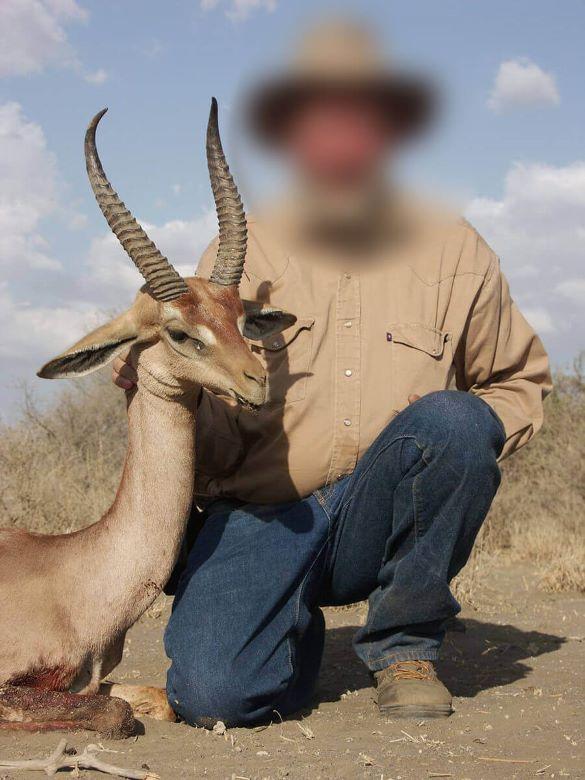
10-Day Plains Game Hunt in Maasailand, Tanzania
Booking Season: 2026
Hunt Difficulty: Moderate
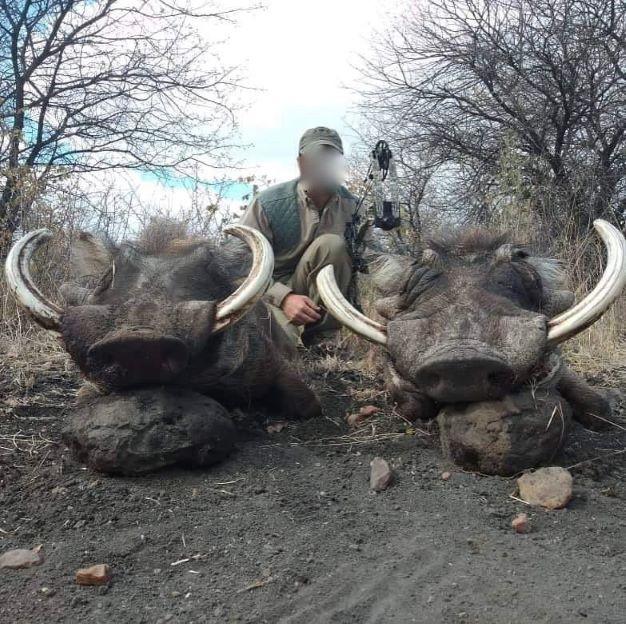
7-Species, 10-Day African Hunt in Tanzania
Booking Season: 2026
Hunt Difficulty: Difficult
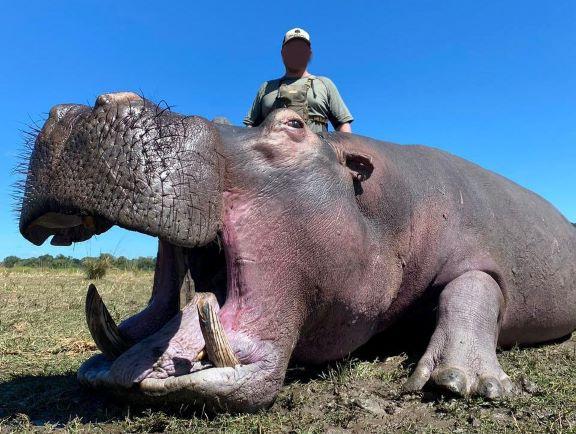
South Africa Dangerous Game & Nocturnal Hunting Safari
Booking Season: 2026
Hunt Difficulty: Moderate, Difficult
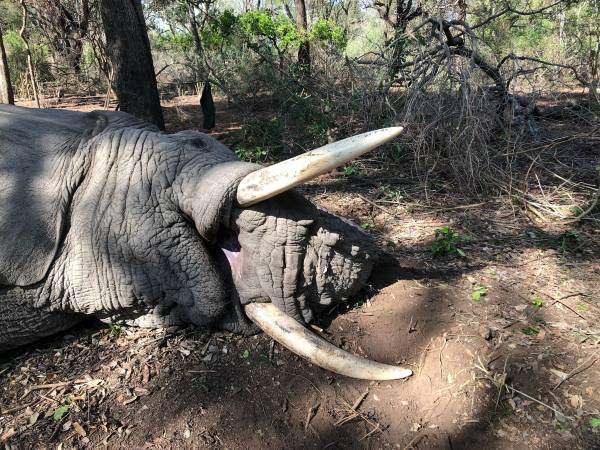
Elephant Hunting, Hyena and Night Critters in Zimbabwe
Booking Season: 2026
Hunt Difficulty: Difficult
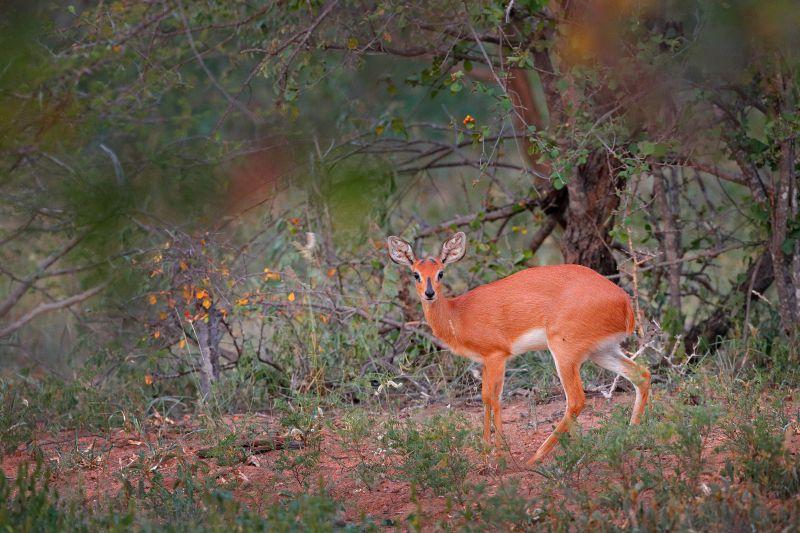
5-Species Plains Game Safari in Tanzania
Booking Season: 2026
Hunt Difficulty: Moderate
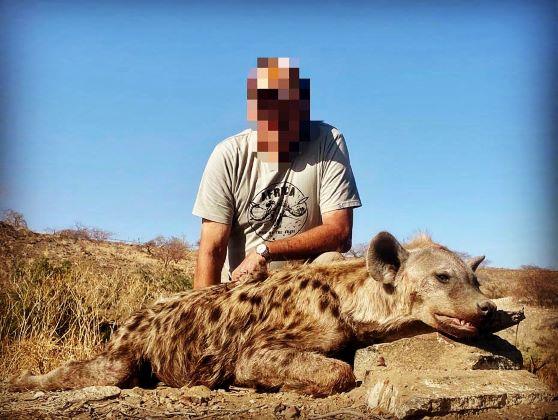
Hyena Hunting and Endemic Antelope 8 x Nights in Namibia
Booking Season: 2026
Hunt Difficulty: Moderate, Difficult
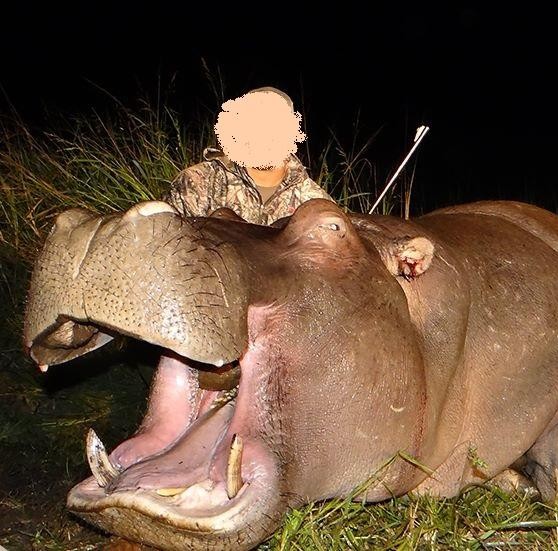
A 10-Day Hippo & Nocturnal Hunting Safari in South Africa
Booking Season: 2026
Hunt Difficulty: Difficult
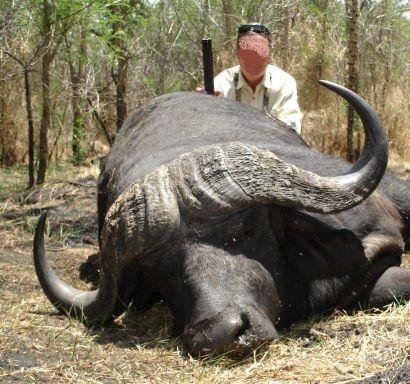
Cape Buffalo Hunting in the Selous Tanzania 1 x 2 or 2 x 1
Booking Season: 2026
Hunt Difficulty: Difficult
The starting point of the Hyena hunt would be to confirm which species of Hyena you want to hunt and decide upon a destination from there.
Spotted Hyena hunting takes place over a wide area of Africa. In Namibia, Spotted Hyena hunts take place in private game farms and conservancies near Etosha National Park and the Zambezi region. South Africa’s Limpopo province is the main area for exceptional trophies and remains a leading destination for hyena hunting in South Africa.
In Botswana, Spotted Hyena hunts are popular in the Okavango Delta and Kalahari regions, while Zambia’s South Luangwa National Park is a popular hunting destination for Spotted Hyenas. The Serengeti and Selous regions in Tanzania are well known for spotted hyena hunting opportunities.
Brown Hyena hunts are undertaken in South Africa, Namibia and Zimbabwe. Namibia’s desert regions including the Skeleton Coast and Namib Desert provide outstanding opportunities for hunters pursuing Namibia hyena hunting safaris, while South Africa’s Eastern Cape and Free State province are renowned for their quality Hyena trophies.
Striped Hyena hunting only takes place in Tanzania and Uganda.
Aardwolf hunts normally only take place in Namibia or South Africa, with South Africa’s Free State and Eastern Cape provinces producing good sized trophies. Prime hunting areas for the Aardwolf in Namibia include remote wilderness concessions in northwestern Namibia as well as the central and northern parts of the country.
Hyena hunts occur throughout the year; there is no specific Hyena hunting season in Africa. The best time to hunt Hyena would be during the dry season (May to August) when the vegetation is less and allows the hunter better visibility. It is also cooler over this time, making the hunt more enjoyable with fewer insects and critters.
Most spotted hyena hunting safaris are conducted over bait from a blind at night. Professional hunters normally place bait several days before the hunt so the hyena becomes comfortable visiting the site.
Hunters then wait in a blind overlooking the bait while using artificial light to identify the animal once it approaches. Because hyenas are extremely cautious predators, patience and silence are critical during these hunts.
Hyenas are nocturnal and hunted from a blind using artificial light. The hunt area is normally baited in advance using all the “leftovers” from the African plains game hunting safaris.
When it comes to Hyena hunts, there are numerous hunting methods that can be applied. During daylight hours, Hyenas are often spotted by chance. Should vultures be seen, there’s a good chance that Hyenas would be in the area. Hyena hunts involve spot-and-stalk methods, often at dawn and dusk when they are most active.
In some regions, hunters will stake out the spots where skinners dispose of bones and guts. If the “gut pile” is regularly used, Hyenas as well as other night critters such as Honey Badgers, Caracal, and African Wildcats will be attracted to the area.
Hunters also use distress calls to attract these predators. This method requires skill and experience, as it relies on the Hyenas’ acute hearing and curiosity.
Hyena hunting offers hunters an unusual game hunting trophy to add to their collection, with each of these predators having a distinctively unique appearance.
Hunters experience an enthralling African hunt when targeting these remarkable species in tough and challenging habitats, making for an unforgettable game hunting safari.
Hyenas are extremely intelligent predators and mature animals will often circle downwind or approach bait sites cautiously before committing to the bait.
Because of this behavior, hyena hunts can involve long hours sitting silently in a blind while waiting for the animal to appear.
When the hyena finally approaches, the shot opportunity can be brief, making calm shooting and precise shot placement essential.
A standard Hyena hunting safari will include the basic service offerings such as accommodation, meals, drinks, professional hunter, camp staff, trackers, on-territory transport, and field preparation of the Hyena trophy.
Exclusions and optional extras when on a Hyena hunt:
The preferred shot placement for a hyena is through the shoulder into the heart-lung area when the animal is broadside. Because hyenas are muscular animals with strong bone structure, accurate shot placement is essential.
Most professional hunters recommend calibers in the .270 to .300 range for hyena hunting, although larger calibers are often used when hyenas are hunted during dangerous game safaris.
Spotted hyenas can weigh between 120 and 190 pounds and possess extremely powerful jaws capable of crushing bone. Brown hyenas are generally smaller but easily recognized by their long shaggy coats and distinctive sloping backs.
Professional hunters normally target mature animals that have already bred within the population, ensuring sustainable wildlife management.
Many hunters pursue hyenas while already on a plains game or dangerous game safari. Because hyena hunts often occur at night, they combine perfectly with daytime hunts for species such as kudu, impala, gemsbok, buffalo, or even leopard.
This makes hyena hunts an excellent additional trophy for hunters wanting to maximize their time in Africa while experiencing the excitement of nocturnal predator hunting.
Hyena hunting is often misunderstood as a simple “sit-and-wait” hunt over bait. In reality, it is one of the most mentally demanding predator hunts in Africa.
Many hunters underestimate just how cautious a mature hyena can be. These animals will often approach a bait site multiple times, circling downwind, stopping, listening, and testing the area before committing. A single unnatural sound or movement can cause the hyena to disappear for the night.
Another common mistake is impatience. Hunters frequently expect quick action, but hyena hunts can involve long hours in total silence, often with no guarantee of an opportunity. When the moment finally comes, it is usually brief and requires calm, controlled shot execution.
Wind direction is another critical factor that is often overlooked. Hyenas rely heavily on their sense of smell, and even a slight shift in wind can result in a failed hunt.
Understanding these realities is essential. A successful hyena hunt is not about luck—it is about discipline, preparation, and experience.
Hyena hunting sits in a unique category when it comes to difficulty.
Compared to plains game hunting, hyena hunts are significantly more challenging from a mental perspective. The long hours in a blind, often at night, require patience and focus that many hunters are not accustomed to.
When compared to leopard hunts in Africa, hyena hunts are generally less complex in terms of permit structure and overall setup, but they remain highly unpredictable due to the hyena’s intelligence and cautious behavior around bait sites.
Success often depends on multiple factors aligning—bait activity, wind direction, timing, and the hunter’s ability to remain still and composed during the critical moment.
For many hunters, the challenge of a hyena hunt lies not in the physical pursuit, but in the mental discipline required to see it through.
The cost of a hyena hunt can vary significantly depending on the country, hunting method, and overall safari structure.
In countries such as South Africa and Namibia, hyena hunts are often more accessible and can be incorporated into broader safaris. These hunts typically involve moderate daily rates, with trophy fees structured separately.
In more remote or exclusive hunting destinations such as Tanzania or Zambia, hyena hunts are usually part of longer, fully guided safaris with higher daily rates and stricter regulations. These hunts often require a larger overall investment due to concession size, logistics, and licensing.
It is important to understand that hyena hunts are frequently conducted as part of a broader safari experience rather than as standalone hunts. This allows hunters to maximize their time in Africa while pursuing multiple species.
As with any African hunting safari, transparency around pricing, inclusions, and trophy fees is essential when selecting an outfitter.
For hunters traveling from the United States or Canada, planning a hyena hunt involves more than just selecting a destination.
Understanding the structure of your safari, what is included, and African hunting safari payment protection and escrow options is essential before committing to any hunt. Daily rates, trophy fees, permits, and additional costs such as dip and pack or shipping should always be clearly outlined upfront.
Equally important is working with experienced and reputable operators. Not all outfitters offer the same level of professionalism, and differences in baiting practices, concession quality, and guiding experience can directly impact the success of a hyena hunt.
Most hunters traveling to Africa will also need to consider firearm import procedures, travel logistics, and arrival coordination. While these processes are straightforward when properly managed, they require planning and clear communication in advance.
Taking the time to understand these factors—and working with the right people—ensures that your hyena hunting safari is not only successful, but also smooth and stress-free from start to finish.
Choosing the right destination plays a major role in the success and overall experience of a hyena hunt.
South Africa remains one of the most popular destinations due to its accessibility, well-managed concessions, and consistent opportunities for spotted hyena. It is often the preferred choice for hunters combining hyena with other species.
Namibia offers a more rugged and remote experience, particularly for brown hyena hunts. The desert landscapes and lower hunting pressure create a unique and rewarding environment for experienced hunters.
Tanzania provides a classic East African safari experience, where hyena hunts are conducted in vast wilderness areas alongside dangerous game. These safaris are typically longer and more immersive.
Zambia and Zimbabwe also offer strong opportunities, particularly in areas with established predator populations and experienced professional hunters.
The best destination ultimately depends on the hunter’s goals, budget, and the type of safari experience they are seeking.
While spotted and brown hyena hunts are available across multiple Southern and Eastern African countries, striped hyena hunting opportunities are far more limited. In practice, Tanzania remains the primary destination where structured striped hyena hunts are conducted as part of licensed safari programs. Although striped hyena may also occur in countries such as Uganda, these opportunities are rare and not commonly offered within traditional safari frameworks.
A hyena hunt follows a structured process that begins well before the hunter arrives in camp.
In most cases, professional hunters will begin preparing bait sites days—or even weeks—in advance. This allows hyenas to become comfortable visiting the area regularly.
Upon arrival, the hunter will typically spend time checking bait sites and assessing activity through tracks, spoor, and camera evidence. Once a suitable pattern is established, the hunt shifts to a night operation.
The hunter and professional hunter will take position in a blind overlooking the bait site before sunset. As darkness sets in, the area is monitored closely for movement and sound.
Hyenas often approach cautiously, sometimes lingering on the outskirts before committing. When the opportunity presents itself, the shot must be taken quickly and accurately.
Following the shot, careful tracking and recovery procedures are carried out to ensure the animal is located safely and ethically.
While hyena hunts can be highly rewarding, they are not always successful.
One of the most common reasons for failure is poor bait placement. If the bait is positioned incorrectly in relation to wind direction or terrain, hyenas may approach but never present a shot opportunity.
Inexperience—either from the outfitter or in handling predator hunts—can also impact success. Proper setup, timing, and understanding of hyena behavior are critical.
Environmental factors such as moon phase, weather conditions, and hunting pressure can further influence activity levels and movement patterns.
Hunters can improve their chances of success by selecting experienced operators, remaining patient throughout the hunt, and trusting the guidance of their professional hunter.
A hyena hunt is not for every hunter—but for the right individual, it can be one of the most rewarding experiences in Africa.
This type of hunt is best suited to hunters who appreciate predator behavior, enjoy the intensity of night hunting, and are willing to commit to long periods of waiting for a single opportunity.
For first-time safari hunters, a hyena hunt may be better experienced as part of a broader safari rather than as the primary focus.
For returning hunters or those specifically interested in predator hunting, the hyena offers a unique challenge that differs from more traditional game species.
Ultimately, the value of a hyena hunt lies in the experience itself—the anticipation, the strategy, and the moment when everything comes together.
Hyenas are tough animals with dense muscle and strong bone structure, making proper equipment selection important.
Most professional hunters recommend calibers in the .270 to .300 range as a minimum, with larger calibers often preferred depending on the hunting conditions and accompanying species.
Because many hyena hunts take place at night, optics and lighting play a critical role. Clear visibility, proper identification of the target, and confidence in shot placement are essential.
Stable shooting support—such as shooting sticks or a rest within the blind—is also important, as shot opportunities can be brief and require precision.
As always, hunters should follow the recommendations of their professional hunter when selecting equipment for the specific hunting area and conditions.
Hyena hunts are ideally suited to be combined with other hunting opportunities in Africa.
Because most hyena activity occurs at night, hunters are free to pursue plains game hunting safaris during daylight hours. This allows for an efficient and well-rounded safari experience.
Common combinations include species such as kudu, impala, and gemsbok, as well as dangerous game hunts where legally permitted.
In some cases, hyena hunts are also conducted alongside other predator hunts, using similar baiting strategies and planning approaches.
Combining hunts not only maximizes time in the field but also increases the overall value and diversity of the safari experience.
Planning a hyena hunt in Africa is not just about choosing a destination—it is about making informed decisions at every stage of the process.
From understanding realistic costs and selecting the right country, to knowing how African hunting safari payments and deposits work, and working with experienced operators, every detail plays a role in the outcome of your safari.
For hunters traveling from the United States or Canada, this becomes even more important. Clear communication, transparent pricing, proper licensing, and experienced professional hunters are not optional—they are essential.
Hyena hunts are often pursued as part of a broader African hunting safari, combining daytime plains game with nighttime predator hunting. Structuring your safari correctly can significantly improve both your experience and your chances of success.
The most successful hunts are rarely the result of luck. They come from preparation, patience, and working with the right people in the right areas.
If you take the time to understand the process and approach your hunt with realistic expectations, a hyena hunt can become one of the most memorable and rewarding experiences Africa has to offer.
Whether it’s finding hyena hunts, stalking, or walking and stalking at dawn, we’re here to deliver the experience of a lifetime with integrity and precision.
✉️ Contact us today to speak with an expert and plan your tailored hyena hunting adventure.
🌍 Browse our active hunting listings and secure your preferred species and dates.
Search from our range of Hunts across various popular destinations in Africa.

Book Your Hunt