
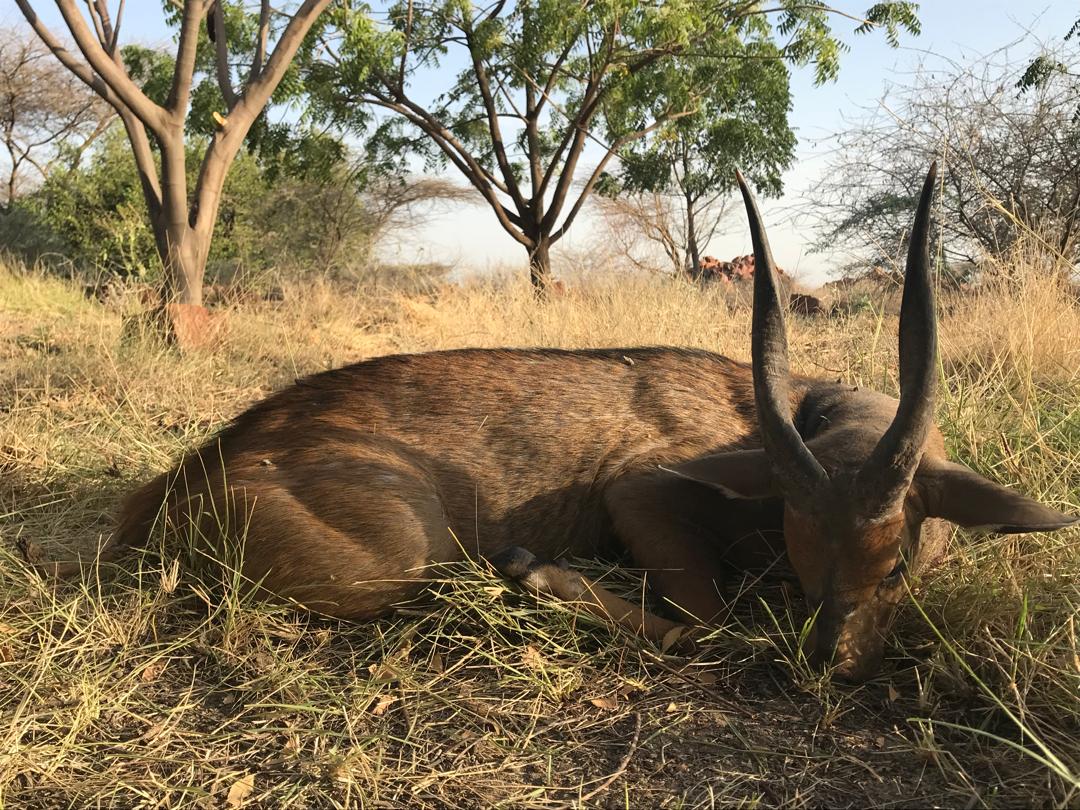
Ethiopia’s hunting areas fall into two very different environments. The highlands are defined by elevation, steep terrain and endemic trophies such as mountain nyala and Menelik’s bushbuck. The lowlands include hotter savanna, woodland and arid country supporting an entirely different selection of game.
Choosing between these areas affects far more than the species list. Temperature, rainfall, physical preparation, safari logistics and the way animals are tracked all change with the region. Hunters looking for a complete country overview should begin with our Hunting in Ethiopia guide.
This article compares the highland and lowland environments so hunters can understand how the location shapes the safari.
[DYNAMIC-BLOGTABLEOFCONTENT]
Key Takeaways
- Ethiopia’s highland and lowland hunting areas provide different terrain, species and physical demands.
- The highlands are associated primarily with mountain nyala, Menelik’s bushbuck and steep, elevated country.
- Lowland hunting takes place across hotter savanna, woodland and arid environments.
- The primary trophy should determine which region and concession a hunter chooses.
- Quotas and species availability must be confirmed with the outfitter before booking.
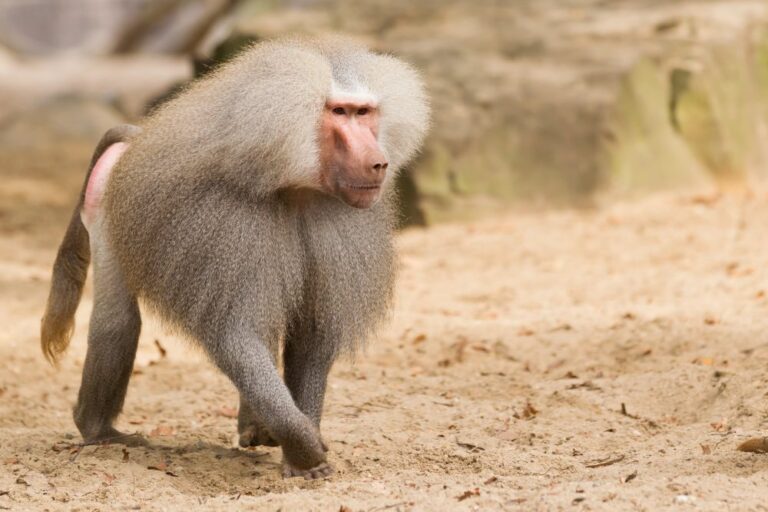
How Do Ethiopia’s Highlands and Lowlands Differ?
The main difference is not simply elevation. Terrain, vegetation, temperature, species distribution and the way a hunt is conducted all change between Ethiopia’s highland and lowland areas.
Highland safaris involve climbing, glassing and tracking across steep slopes, valleys and elevated plateaus. Lowland hunts take place in warmer and more open country, although woodland and riverine vegetation can still make tracking difficult.
These differences affect the equipment a hunter carries, the level of physical preparation required and the amount of time needed to pursue the primary trophy.
Hunting in Ethiopia’s Highlands
Ethiopia’s highland hunting areas include mountainous country associated with the Bale and Ahmar ranges. Elevation, broken slopes and rapidly changing weather can make these hunts physically demanding.
Glassing plays an important role in locating animals across distant slopes and valleys. Once a suitable trophy is identified, the final approach may involve steep climbs, uneven ground and limited shooting positions. Hunters should arrive prepared to walk at altitude and shoot confidently from improvised field positions.
Mountain Nyala
Mountain nyala is endemic to Ethiopia and remains the defining trophy of the country’s highlands. Hunts are structured around locating a mature bull in steep country rather than collecting a long list of additional species.
Hunters considering this pursuit can read our complete guide to Mountain Nyala Hunting in Ethiopia.
Menelik’s Bushbuck
Menelik’s bushbuck is another sought-after highland trophy. It favors thicker vegetation and may require slower hunting around forest edges, valleys and areas offering suitable cover.
Because its habitat and hunting method differ from the more open-country search for mountain nyala, hunters can learn more in our guide to Menelik’s Bushbuck Hunting in Ethiopia.
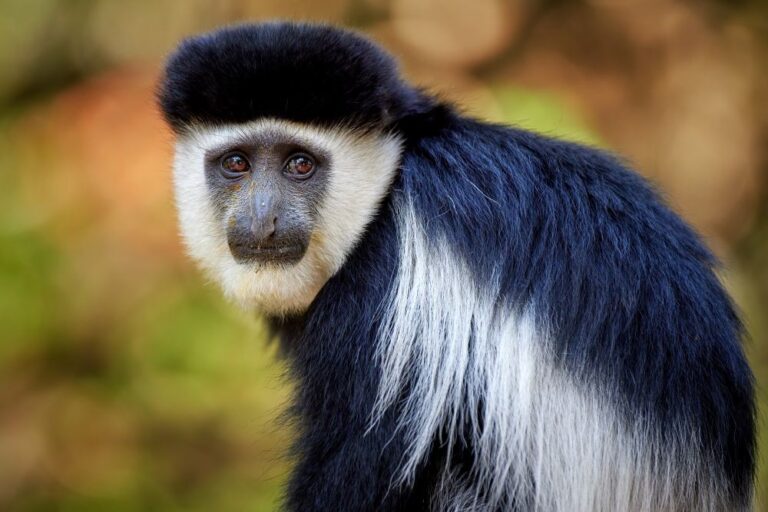
Hunting in Ethiopia’s Lowlands
Ethiopia’s lowlands include savanna, woodland, river valleys and arid country. These areas are hotter than the highlands and support a different selection of game.
Western and southwestern hunting areas include woodland and savanna habitats, while the northeastern regions are characterized by drier and more open terrain. Longer walking distances, heat and limited water can become more important considerations than elevation.
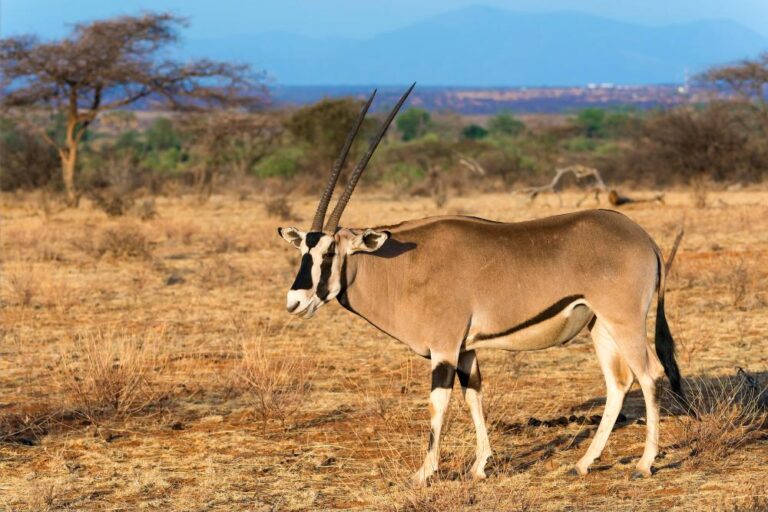
Species associated with Ethiopia’s lowland areas may include lesser kudu, Beisa oryx, gerenuk, Salt’s dik-dik, Defassa waterbuck and Abyssinian bushbuck. The actual selection depends on the concession and current quota, so availability should always be confirmed before the safari is booked.
How Terrain Changes the Hunt
A hunter preparing for the highlands should prioritize cardiovascular fitness, suitable boots and confidence when shooting at angles across broken terrain. Cold mornings, rain and changes in elevation may also require layered clothing.
Lowland preparation places greater emphasis on managing heat, hydration and longer periods on foot. Lightweight field clothing, sun protection and sufficient water become essential, although early mornings can still be cool.
In both regions, hunters should practise from shooting sticks and other realistic field positions before travelling. The outfitter should also explain the likely walking distances, shooting ranges and physical demands of the selected concession.
How Shooting Opportunities Differ
Highland hunting may involve glassing animals across valleys or opposing slopes before planning a careful approach. The final opportunity can come from uneven ground, at an uphill or downhill angle, with enough time to build a stable shooting position.
Lowland opportunities vary with the habitat. Woodland and riverine cover may produce closer shots that need to be taken efficiently from shooting sticks, while open and arid country can require a more deliberate approach across exposed terrain.
An American hunter accustomed mainly to shooting from a bench should practise from sticks, backpacks and improvised rests before travelling. The outfitter should confirm the likely shooting distances and field positions for the selected concession so preparation reflects the actual hunt.
Should You Choose the Highlands or Lowlands?
The decision should begin with the primary trophy. A hunter focused on mountain nyala or Menelik’s bushbuck will naturally be directed toward the highlands. Someone pursuing lesser kudu, Beisa oryx, gerenuk or other lowland species will require an entirely different concession and safari plan.
Trying to choose the region before choosing the animal can lead to unrealistic expectations. Species distribution, quota and safari length should be confirmed first, followed by terrain, accommodation and travel arrangements.
Questions American Hunters Should Ask Before Booking
Before paying a deposit, the hunter should ask the outfitter:
- Is the primary trophy currently available on quota in the proposed concession?
- What elevation, terrain and daily walking distance should be expected?
- How will the hunting party travel from Addis Ababa to the concession?
- If highland and lowland areas are combined, how many safari days will be lost to transfers?
- What firearm-import documents and ammunition restrictions currently apply?
- Can a suitable rifle and ammunition be provided if the hunter does not bring his own?
- Can the selected trophies legally be imported into the United States, and are CITES or other permits required?
- Does the quotation include government charges, internal travel, charter flights, trophy handling and export preparation?
These questions help separate a workable safari plan from a species list that may look attractive on paper but cannot realistically be completed within the available time.
Frequently Asked Questions
Which Ethiopian region is more physically demanding?
Highland hunts generally involve more climbing and exertion at elevation. Lowland hunts may involve flatter terrain, but heat, long walking distances and dry conditions can create a different physical challenge.
Can highland and lowland species be hunted on the same safari?
Possibly, but combining regions may require additional travel, safari days and expense. The outfitter must confirm whether the necessary concessions and quotas can be combined realistically.
Is mountain nyala only found in Ethiopia?
Yes. Mountain nyala is endemic to Ethiopia and is one of the principal reasons specialist trophy collectors travel to the country.
When should the hunting region be selected?
The region should be selected after the hunter has chosen the primary trophy. The outfitter can then recommend the appropriate concession, safari length and time of year.
Choosing the Right Ethiopian Hunting Area
Ethiopia’s highlands and lowlands should not be treated as interchangeable hunting destinations. Each region has its own terrain, climate, species and logistical demands.
Choosing the primary trophy first allows the outfitter to match the hunter with the appropriate area and realistic safari structure. Hunters ready to compare available species and properly structured opportunities can explore our current Hunting Trips before confirming the relevant concession and quota.