
15 Day Mountain Nyala Hunting Safari in Ethiopia
Booking Season: 2026
Hunt Difficulty: Difficult

Many American and international hunters first discover the mountain nyala hunts long before they ever consider hunting one. It might be a full-body mount at a hunting convention, a photograph in a trophy room, or a conversation about Africa's most sought-after antelope. Whatever the introduction, the reaction is often the same:
"What exactly is a mountain nyala?"
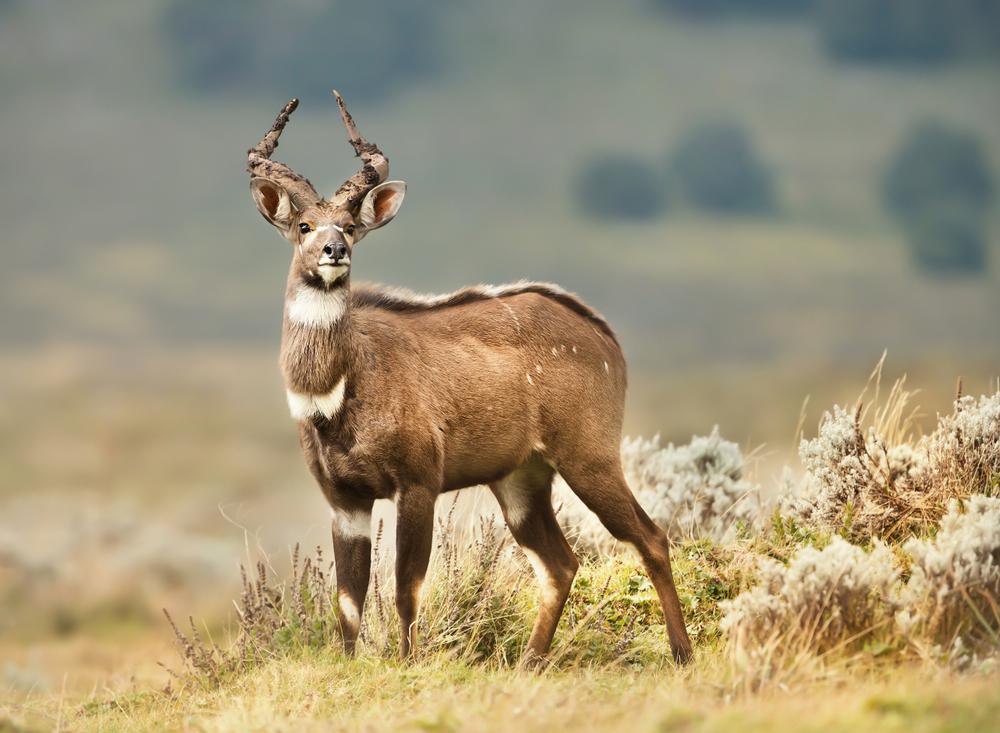
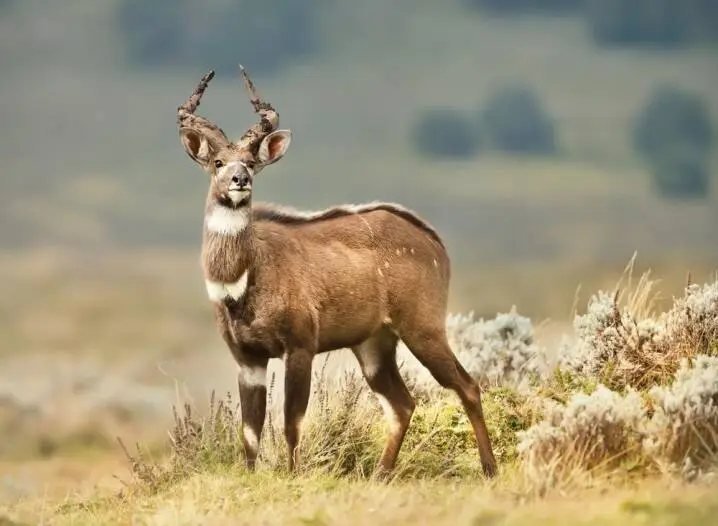
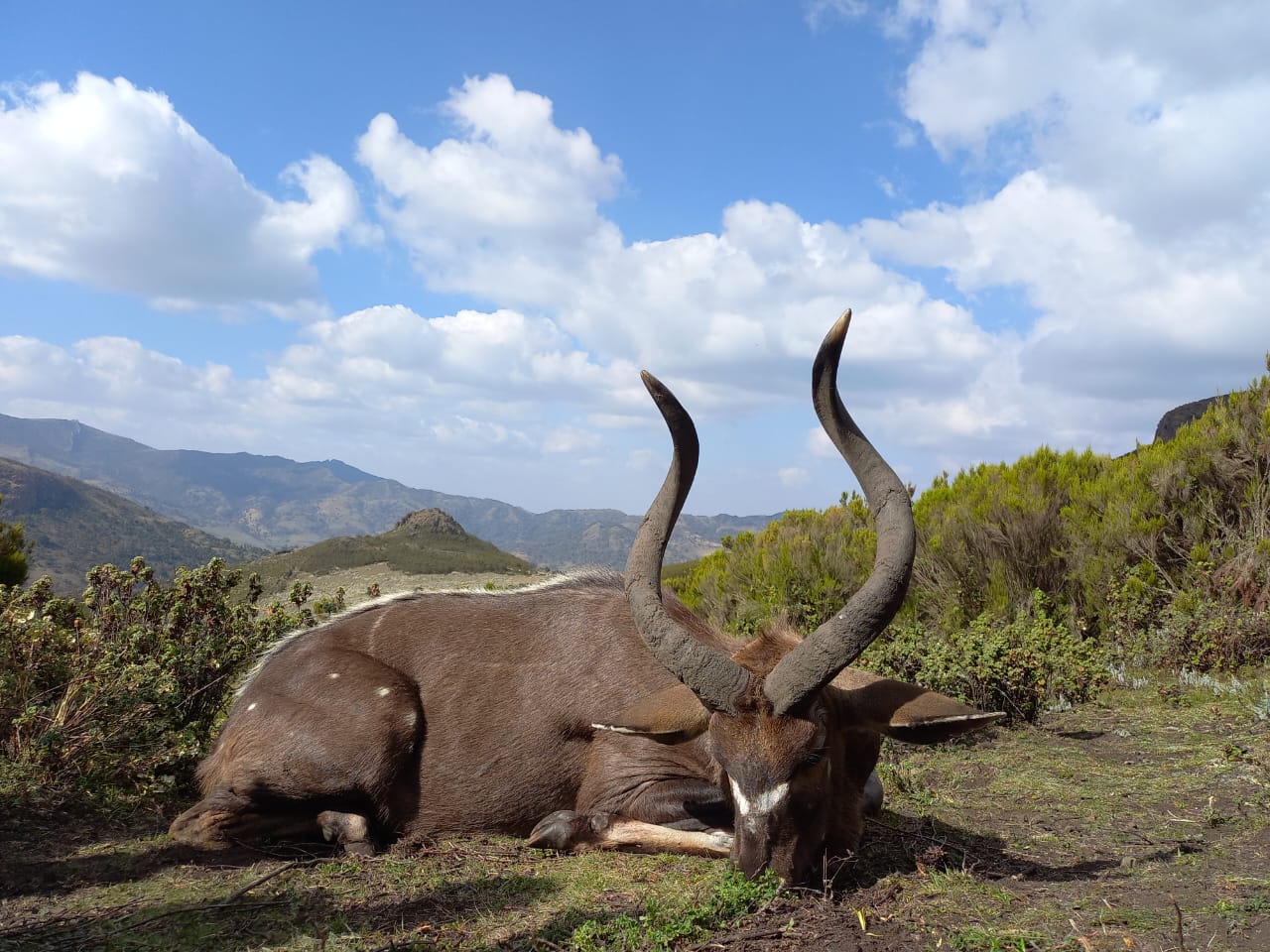
At first glance, many hunters assume it is simply a larger version of the common nyala found elsewhere in Africa. Standing next to a mature mountain nyala quickly changes that perception. The species carries a completely different presence, combining impressive spiral horns, substantial body size, and an appearance that reflects the rugged highland environment where it evolved.
The answer to where it comes from leads directly to Ethiopia.
Unlike most African antelope, mountain nyala are found only in a single country. They inhabit the forests and highlands of Ethiopia, where steep terrain, altitude, and remote hunting areas create one of Africa's most distinctive hunting experiences.
For serious collectors and hunters pursuing one of the continent's most exclusive spiral-horned antelope, there is no alternative destination. If mountain nyala are on the list, Ethiopia is where the journey begins.
Hunters interested in available hunting areas, species, and safari planning can learn more in our complete guide to hunting in Ethiopia.
Available Mountain Nyala Hunts
15 Day Mountain Nyala Hunting Safari in Ethiopia
Booking Season: 2026
Hunt Difficulty: Difficult
Hunting in Ethiopia: Lowland Species & Mountain Nyala
Booking Season: 2026
Hunt Difficulty: Moderate, Difficult
One of the things that makes mountain nyala so appealing to hunters is their exclusivity. Unlike many African antelope that occur across multiple countries, mountain nyala are found only in Ethiopia. If a hunter wants to pursue this remarkable species, there is only one destination where the hunt can take place.
That exclusivity has helped create the mountain nyala's reputation among serious Africa hunters. It is not simply another spiral-horned antelope added to a species list. It is a hunt that requires a specific destination, a unique environment, and a commitment to experiencing a part of Africa that many hunters never visit.
The connection between mountain nyala and Ethiopia is similar to the relationship between certain iconic species and the landscapes that define them. The animal and the country are inseparable. Remove Ethiopia from the equation, and mountain nyala hunting simply does not exist.
The rarity of mountain nyala is part of what makes the hunt so appealing. A successful safari represents more than the opportunity to take a remarkable antelope. It is the chance to experience a hunt that can only take place in one country, within one specific environment, pursuing a species that many hunters spend years dreaming about.
That combination of exclusivity, challenge, and setting has helped establish mountain nyala as one of Africa's most respected hunting trophies.
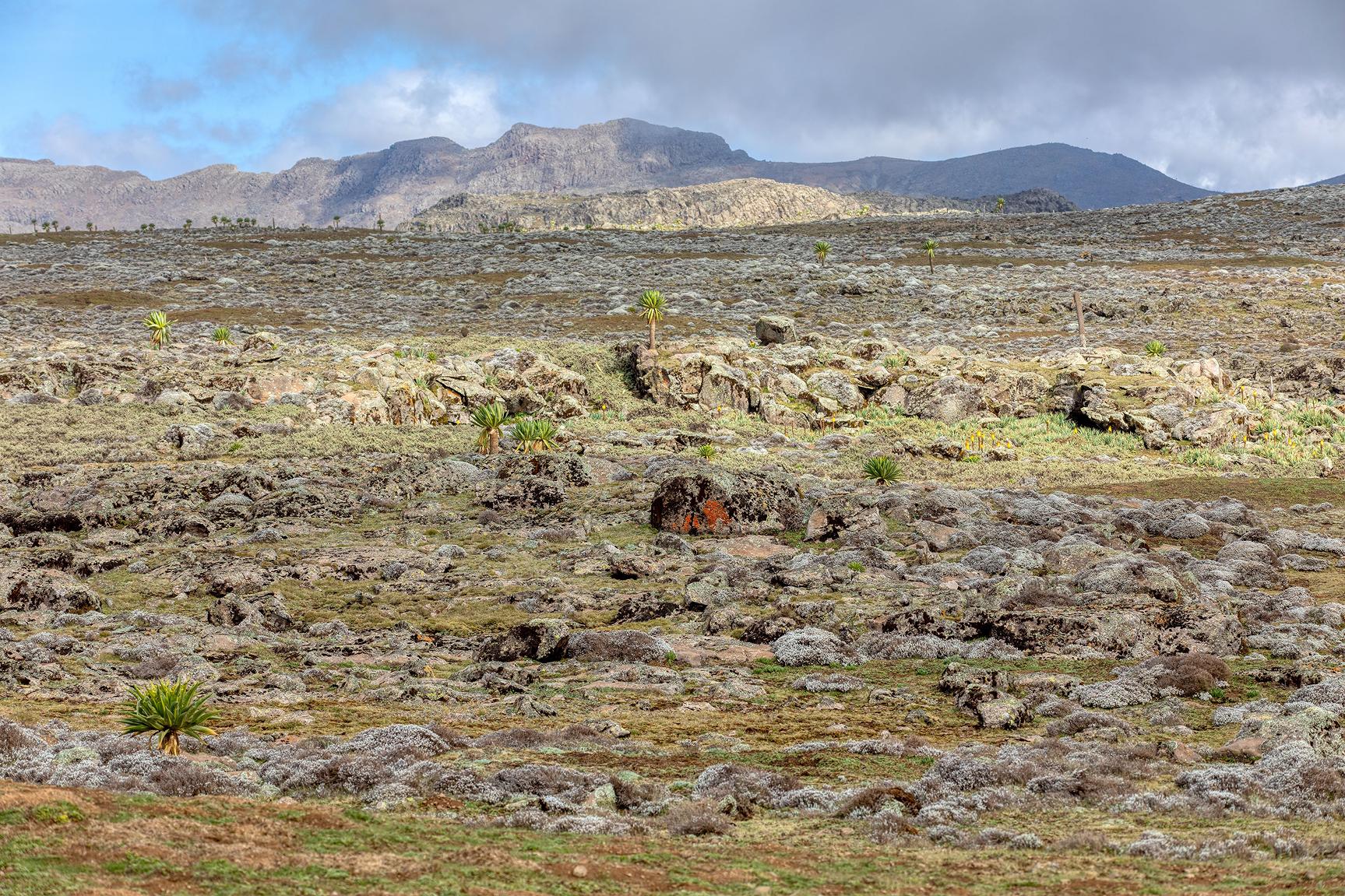
Many hunters arrive in Ethiopia expecting landscapes similar to those found elsewhere in Africa. The reality is often very different. Mountain nyala inhabit a world of high elevations, forested slopes, deep valleys, and rugged mountain terrain that feels far removed from the open savannas commonly associated with African hunting.
Much of the mountain nyala's range lies at elevations approaching or exceeding 10,000 feet above sea level. Cool mornings, steep hillsides, dense vegetation, and long views across the highlands create a hunting environment unlike any found in most traditional plains game destinations.
The terrain plays a major role in every aspect of the hunt. Reaching productive areas often requires covering significant ground on foot, navigating uneven slopes, and spending long periods glassing mountainsides and forest edges in search of mature bulls. Distances can be deceptive, and animals that appear close may require far more effort to reach than initially expected.
For hunters accustomed to traditional plains game hunts in southern Africa, the Ethiopian Highlands often come as a surprise. The landscape feels wilder, more remote, and in many areas remarkably unchanged. It is this combination of terrain, altitude, and isolation that helps make mountain nyala hunting one of Africa's most distinctive safari experiences.
Mountain nyala hunting is rarely a simple matter of driving through an area and spotting animals from a vehicle. The terrain, vegetation, and size of the hunting areas often require a coordinated effort involving professional hunters, trackers, scouts, and local staff working together to locate mature bulls.
In many hunting areas, large sections of the highlands must be searched before suitable animals are found. Spotters may spend hours glassing distant slopes and forest edges, while trackers and guides help interpret movement patterns and determine the best approach. Once a mature bull is located, the hunt often shifts from observation to execution, with the team working together to position the hunter for a realistic opportunity.
This collaborative approach is one of the characteristics that separates mountain nyala hunting from many traditional plains game safaris. Success often depends as much on local knowledge and teamwork as it does on shooting ability.
Hunters quickly discover that pursuing mountain nyala is rarely a solitary effort. It is a hunt built around preparation, communication, and making the most of opportunities when they finally present themselves in challenging terrain.
Mountain nyala hunting is very different from the safari experience many hunters associate with Africa. Those expecting long days driving roads through open savanna in search of plains game are often surprised by the realities of the Ethiopian Highlands.
Altitude, steep terrain, dense vegetation, and extensive hiking are all part of the experience. Much of the hunt takes place in mountainous country where reaching productive areas can require significant effort. Distances that appear manageable on a map often feel very different once hunters begin moving through the landscape.
The physical demands of the hunt are one of the reasons mountain nyala are held in such high regard. Success is rarely measured by shooting ability alone. Preparation, endurance, and the willingness to hunt in challenging conditions often play an equally important role.
The commitment required for a mountain nyala safari also extends beyond the terrain itself. Travel logistics, specialized hunting areas, and the exclusivity of the species make these hunts very different from a typical plains game safari. As a result, mountain nyala are often pursued by hunters specifically seeking an experience that is more demanding, more specialized, and ultimately more rewarding.
Mountain nyala hunting is not for everyone, and that is part of what makes it special. The hunters who pursue it are usually drawn not only to the trophy itself, but also to the challenge of hunting one of Africa's most exclusive antelope in the environment where it belongs.
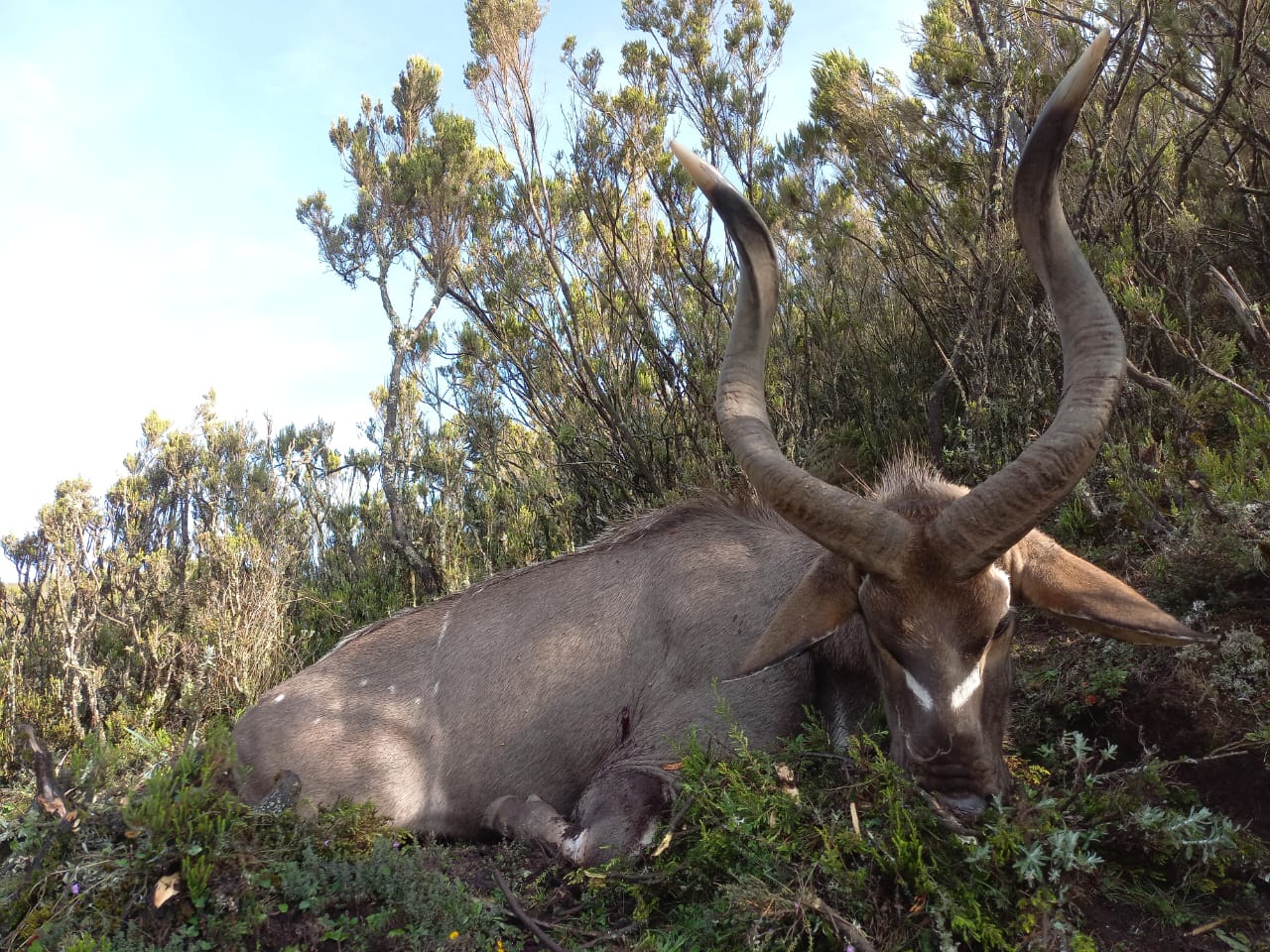
A quality mountain nyala trophy is about far more than horn length alone. Experienced hunters typically evaluate a combination of horn shape, symmetry, maturity, body size, and overall character before deciding whether a bull is worth pursuing.
Hunters familiar with traditional nyala hunts are often surprised by the size and presence of a mature mountain nyala. While the two species share a common ancestry and similar spiral horns, a fully mature mountain nyala carries a stature and appearance that reflects the rugged highland environment where it evolved.
Horn shape is one of the most important considerations. Well-developed spirals, strong mass, and balanced symmetry are often valued just as highly as overall length. Many hunters place significant emphasis on character, preferring a mature bull with impressive shape and presence over a younger animal that may carry additional inches but lacks the same overall appeal.
Judging mountain nyala can also be more difficult than many hunters expect. Animals are often observed at considerable distance across valleys, forest edges, or mountain slopes where perspective can be misleading. A bull that appears exceptional through binoculars may look very different once the hunter closes the distance.
Ultimately, the most desirable trophies are mature bulls that represent the species at its best. The combination of heavy spiral horns, impressive body size, and the dramatic backdrop of the Ethiopian Highlands helps explain why mountain nyala are considered one of Africa's most coveted antelope trophies.
While mountain nyala are often the primary focus of an Ethiopian safari, many hunters choose to combine the hunt with other species found within the country's unique highland environments.
Among the most sought-after combinations is Menelik's bushbuck, a distinctive subspecies that inhabits many of the same mountainous regions. Hunters familiar with traditional bushbuck hunts are often intrigued by the opportunity to pursue a bushbuck that is closely associated with Ethiopia's forests, valleys, and highland terrain.
Depending on the hunting area and available quota, additional species may also be available, allowing hunters to experience a broader cross-section of Ethiopia's wildlife. The exact opportunities vary by concession, but one of the advantages of a well-planned Ethiopian safari is the ability to pursue multiple species that are strongly tied to the country's unique landscapes.
Rather than focusing solely on a species list, many hunters view Ethiopia as a destination hunt. The appeal comes from experiencing a part of Africa that feels markedly different from more traditional safari destinations while pursuing animals found nowhere else in the same abundance.
Mountain nyala occupy a unique place in African hunting. They are not the largest antelope on the continent, nor are they the most dangerous. Their reputation comes from a combination of factors that few other species can match.
The hunt itself is part of the appeal. Reaching the Ethiopian Highlands requires commitment, and success often demands days of effort in steep terrain, high elevations, and conditions that are very different from a traditional safari. A mountain nyala trophy is rarely viewed as something that came easily.
The species also carries a level of exclusivity that is increasingly uncommon in modern hunting. Unlike many African game animals that can be pursued across multiple countries, mountain nyala exist only in Ethiopia. Every trophy is tied to the same mountains, forests, and landscapes that have shaped the species for generations.
A mountain nyala trophy often represents far more than a set of horns. The long glassing sessions, the climb into the highlands, the first sight of a mature bull on a distant slope, and the effort required to reach him frequently become some of the most memorable parts of the entire safari.
That combination of rarity, challenge, and setting helps explain why mountain nyala continue to rank among the most respected and admired trophies in Africa. It is a hunt that stays with hunters long after they leave Ethiopia.
Search from our range of Hunts across various popular destinations in Africa.

Book Your Hunt