
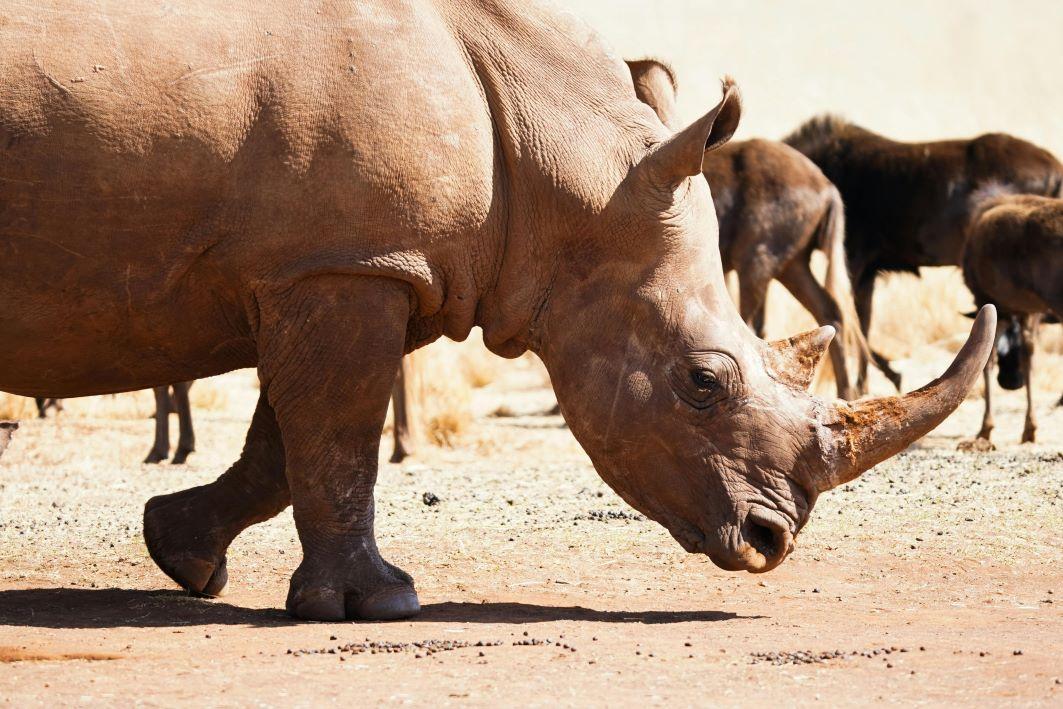
Botswana maintains a regulated framework governing safari hunting, including species quotas, licensing requirements, designated hunting areas and rules for visiting hunters. These regulations form part of the country's wider approach to wildlife management and conservation.
This article focuses specifically on the regulations and ethical considerations surrounding safari hunting in Botswana. Hunters looking for broader information on hunting areas, species, seasons and planning a safari can visit our Hunting in Botswana destination guide.
[DYNAMIC-BLOGTABLEOFCONTENT]
Botswana Safari Hunting Regulations
Botswana has established itself as a leader in sustainable hunting practices. With strict regulations and a focus on conservation, the country ensures that hunting contributes positively to its ecosystems.
Key Regulations for Safari Hunting
- Permits and Licensing:
- Hunters must obtain government-issued permits for specific species.
- Only licensed outfitters and guides can conduct hunting operations.
- Species Quotas:
- Annual hunting quotas are determined based on scientific data.
- Quotas aim to protect breeding populations and prevent overhunting.
- Designated Hunting Areas:
- Hunting is restricted to specific game reserves and concessions where hunters may pursue species such as Elephant Hunting in Botswana and Buffalo Hunting in Botswana, both of which are managed through species quotas and concession-specific regulations. These species form part of the wider opportunities for Big Game Hunting in Botswana, where availability depends heavily on quota, concession and current regulation.
- These areas are carefully managed to support wildlife populations.
- Weapon Restrictions:
- Only approved firearms are allowed for hunting.
- Minimum calibre requirements ensure humane kills.
Monitoring and Enforcement
Botswana’s wildlife authorities work closely with outfitters to monitor hunting activities. Infractions, such as hunting without a permit or exceeding quotas, carry severe penalties, including fines and imprisonment.
The Role of Ethics in Safari Hunting
Ethical hunting goes beyond compliance with regulations. It emphasises respect for wildlife, local communities, and the environment.
Principles of Ethical Hunting
- Fair Chase:
- Hunters must avoid practices that give an unfair advantage, such as baiting or hunting from vehicles.
- Humane Practices:
- Quick and precise shot placement for game hunting in Africa is essential to minimise animal suffering.
- Conservation Support:
- Ethical hunters contribute to conservation initiatives through fees and advocacy.
- Community Engagement:
- Supporting local economies and respecting cultural traditions is a cornerstone of ethical hunting.
The Benefits of Ethical Safari Hunting
- Wildlife Management: Ethical hunting helps control overpopulated species, reducing pressure on habitats.
- Economic Impact: Hunting fees support community projects, healthcare and education. These fees, together with trophy fees, permits and daily rates, form part of the wider African Hunting Safari Prices hunters should consider when planning a safari.
- Conservation Funding: Revenue funds anti-poaching efforts and habitat preservation.
These regulated systems also support high-value species such as lion hunting safaris, which are tightly controlled to ensure long-term sustainability.
Challenges in Regulating Safari Hunting
While Botswana’s model is widely regarded as a success, it is not without challenges. Addressing these issues remains important to Botswana's regulated wildlife-management system.
1. Public Perception
Hunting often faces criticism from those who view it as incompatible with conservation. Raising awareness about its benefits and the strict regulations in place is essential to changing these perceptions.
2. Illegal Hunting and Poaching
Unregulated hunting undermines conservation efforts and tarnishes the reputation of legal hunting practices. Botswana’s authorities continue to combat poaching through enhanced monitoring and community involvement.
3. Climate Change
Shifting weather patterns and habitat changes affect wildlife populations, requiring adaptive management strategies.
Following Botswana's Hunting Regulations Responsibly
Hunters can play a significant role in upholding Botswana’s commitment to sustainable hunting by following these guidelines. Anyone planning one of their first African Hunting Trips should also understand the permit, firearm and species requirements that apply before arriving in camp.
1. Choose Reputable Outfitters
Work with licensed professionals who prioritise ethical practices and community engagement. Reputable outfitters provide transparent information about their operations and conservation contributions.
2. Understand Local Regulations
Take the time to familiarise yourself with Botswana’s hunting laws and ensure full compliance.
3. Engage with Local Communities
Respect the traditions and livelihoods of the people living near hunting areas. Participating in community projects can enhance the positive impact of your trip.
4. Support Conservation Initiatives
Consider donating to or volunteering with organisations that protect Botswana’s wildlife. Your contributions help ensure the long-term sustainability of hunting practices.
Case Studies: Success Stories in Safari Hunting
1. Chobe National Park
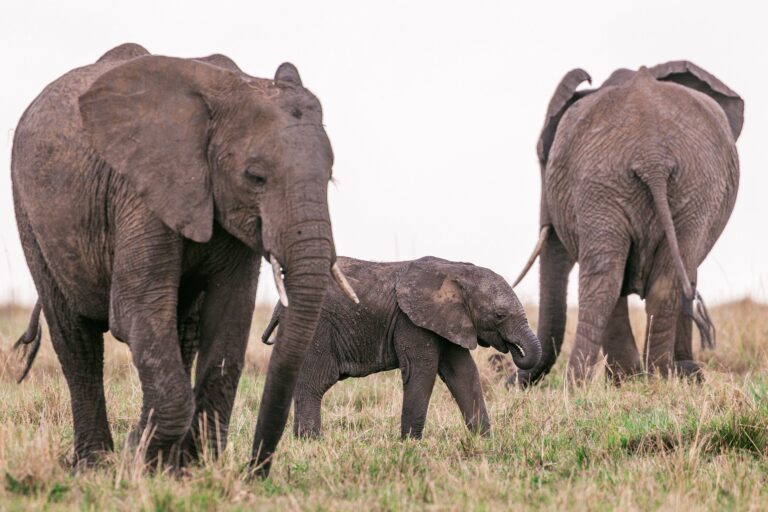
While primarily known for photographic safaris, regulated hunting in buffer zones has helped control elephant populations, reducing human-wildlife conflict.
2. Okavango Delta
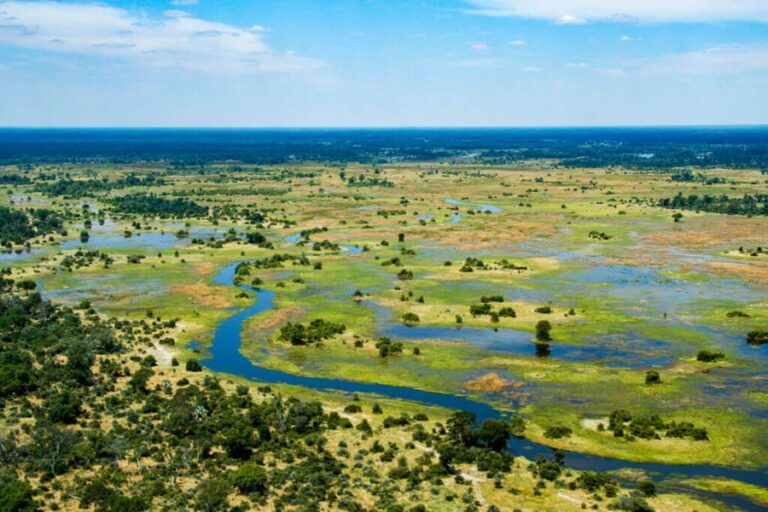
Okavango Delta, a key region for elephant hunting in Botswana.
3. Kalahari Concessions
Private concessions in the Kalahari provide exclusive hunting experiences while supporting habitat restoration and local employment.
The Future of Botswana's Hunting Regulations
Botswana’s approach to safari hunting is constantly evolving. Collaboration between government agencies, conservationists, and hunters ensures the practice remains sustainable and ethical.
Emerging Trends
- Technology in Conservation: Using drones and GPS tracking to monitor wildlife populations.
- Community-Led Conservation: Increasing local involvement in wildlife management decisions.
- Education and Advocacy: Promoting the benefits of regulated hunting to global audiences.
Conclusion
Botswana's hunting system relies on quotas, licensing, designated hunting areas and professional oversight to regulate the sustainable use of wildlife. Understanding these requirements is an important part of planning a legal and responsible safari.
Hunters looking beyond regulations to compare hunting areas, available species, seasons and safari planning can explore our complete Hunting in Botswana destination guide.