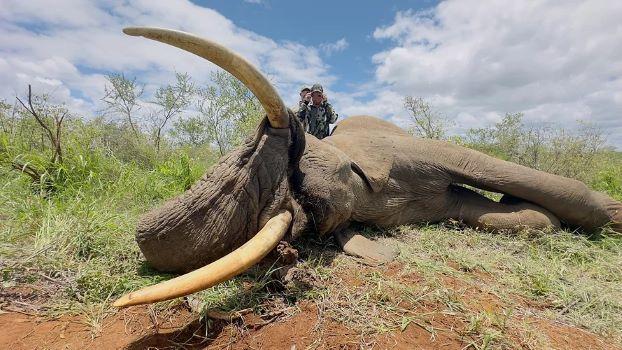
Dangerous game hunting in Botswana, Trophy Elephant
Booking Season: 2026
Hunt Difficulty: Difficult

Big game hunting in Botswana is built around limited opportunity, large hunting areas and a tightly controlled quota system. This is not a destination where hunters arrive with a long species list and decide what to add once they are in camp. The permit, concession and animal being hunted usually shape the safari long before the first day in the field.
Botswana is best known for elephant, with the country's large northern populations supporting some of Africa's most sought-after elephant hunting opportunities. Cape buffalo and leopard may also be available in selected concessions, while plains game can form part of certain safaris depending on the area and quota. Together, these opportunities give Botswana a very different place within Big Game Hunting in Africa.
Hunts Currently Available
Dangerous game hunting in Botswana, Trophy Elephant
Booking Season: 2026
Hunt Difficulty: Difficult
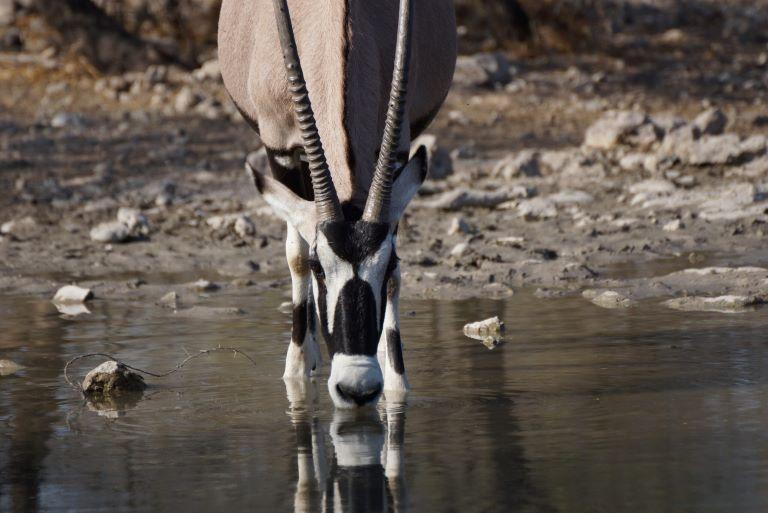
7-Day Kalahari Plains Game Hunt in Botswana
Booking Season: 2026
Hunt Difficulty: Moderate, Difficult
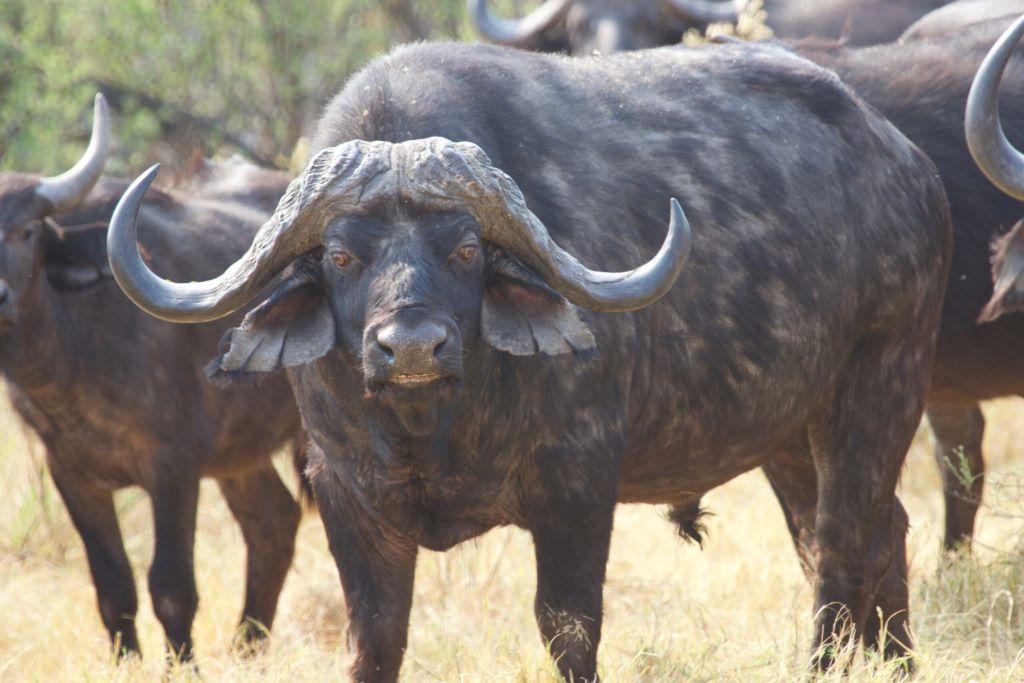
Free-Range Cape Buffalo Hunting in Botswana
Booking Season: 2026
Hunt Difficulty: Difficult
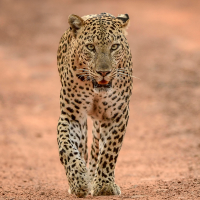
Leopard Hunting with Hounds in Botswana
Booking Season: 2026
Hunt Difficulty: Difficult
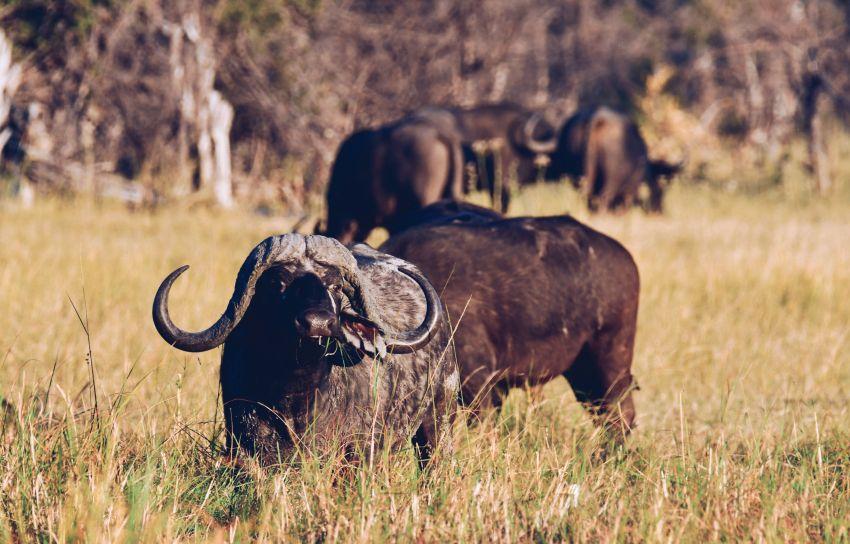
Botswana Leopard & Cape Buffalo Hunting Safari
Booking Season: 2026
Hunt Difficulty: Difficult
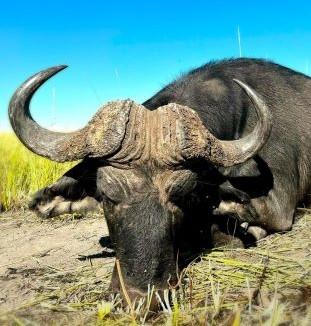
Free-Range Elephant & Buffalo Hunt in Botswana
Booking Season: 2026
Hunt Difficulty: Difficult
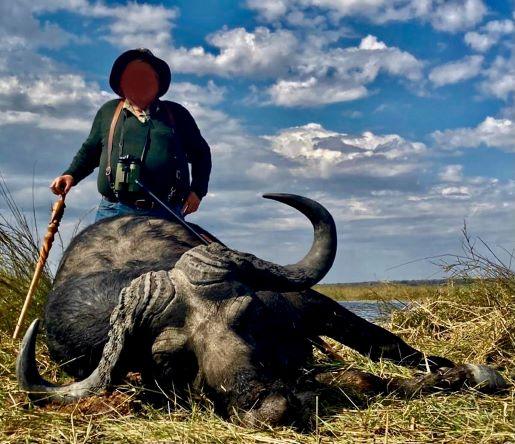
14-Day Free-Range Cape Buffalo Safari | Bushmanland, Botswana
Booking Season: 2026
Hunt Difficulty: Difficult
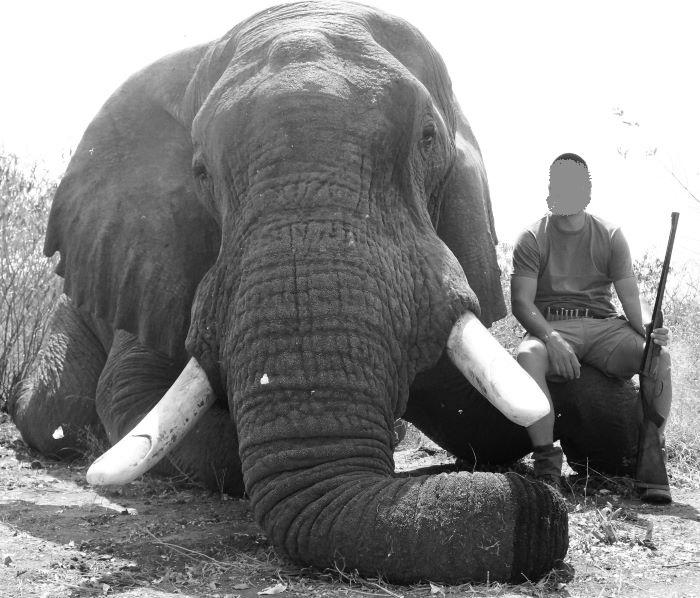
14-Day Exportable Elephant Hunting Safari in Botswana
Booking Season: 2026
Hunt Difficulty: Difficult
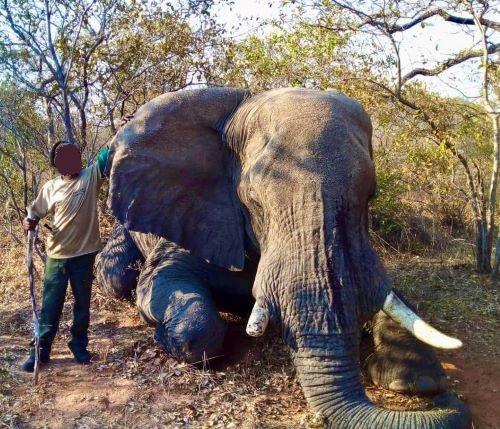
Exportable Elephant Hunting Safari in Botswana's Bushmanland
Booking Season: 2026
Hunt Difficulty: Difficult
Free-Range Elephant & Leopard Hunt in Botswana
Booking Season: 2026
Hunt Difficulty: Difficult
Much of the hunting itself comes down to tracking. Spoor may be picked up in Kalahari sand, along river systems or on the edge of mopane woodland before hunters and trackers follow it. Animals can cover large distances through these concessions, and finding a track is only the beginning of the hunt.
That combination of space, low hunting pressure and limited quota is what defines Hunting in Botswana.
Opportunities are not guaranteed, and flexibility can be limited. When the right animal, concession and timing come together, Botswana offers a big game safari still shaped by tracks, patience and good decisions in wild country.
Botswana does not offer the same flexibility found in some other African hunting destinations. Big game opportunities are tied to specific concessions and quota, which means the animal a hunter wants to pursue can determine where the safari takes place before dates are even discussed.
That matters most with species such as elephant, buffalo and leopard. A concession may offer excellent elephant hunting but have no available leopard quota. Another area may hold buffalo, but not provide the combination of species a hunter hoped to pursue. Seeing an animal on a Botswana species list does not automatically mean it will be available for a particular safari.
The scale of the hunting areas also changes the nature of the hunt. Elephants and buffalo can move considerable distances, and a promising track may lead hunters through miles of sandveld, mopane woodland or river country before the animal is ever seen. Some tracks produce an opportunity. Others simply end with the decision to turn around and start again.
Choosing the right concession matters more than building the longest possible trophy list. Botswana works best when the hunting area, available quota and species being pursued are matched properly from the beginning.
The system may offer fewer options, but that is also part of its appeal. Hunting pressure can remain low, the country is extensive, and success still depends on what hunters and trackers find once they leave camp.
Botswana's big game opportunities are relatively narrow compared with countries such as Tanzania, Zimbabwe or Mozambique. Elephant is the standout species, while Cape buffalo and leopard may be available in selected hunting areas depending on quota.
That shorter list is not necessarily a disadvantage. A Botswana safari is usually built around the availability of a particular animal rather than trying to fit as many species as possible into the same hunt. Once the primary objective is established, other available game can be considered around it.
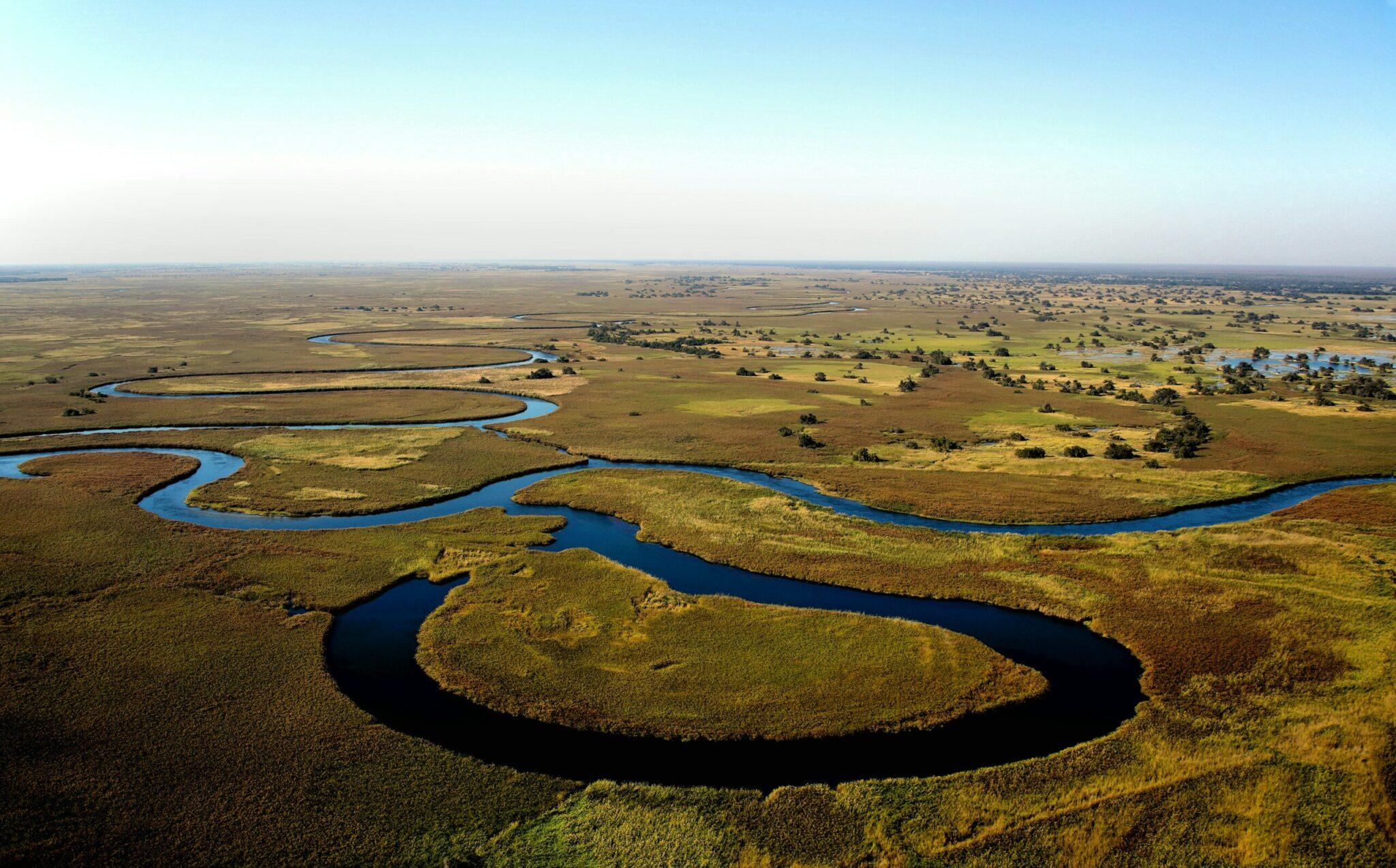
Elephant remains the species most closely associated with big game hunting in Botswana. The country's northern regions support large elephant populations, with bulls moving through extensive areas, influenced by the Okavango and Chobe systems.
Hunts most often begin by looking for tracks. Once suitable spoor is found, the PH and trackers must decide whether the bull is worth following before committing hours of the hunting day to the track. Catching up may take several miles, and even then the bull still needs to be approached and judged before a decision is made.
That uncertainty is a large part of Elephant Hunting in Botswana. Finding elephants is one thing. Finding the right mature bull, catching him and getting into a position where a responsible shot can be taken is something entirely different.
Cape buffalo are found mainly in northern hunting areas where permanent water, floodplains and woodland provide suitable habitat. Opportunities are more limited than in some of Africa's better-known buffalo destinations, making available quota and the choice of concession particularly important.
Hunting is conducted on foot once fresh spoor has been located. Herds and small groups of bulls can cover substantial ground, while vegetation around river systems can make the final approach difficult.
Botswana is unlikely to be the first country chosen by a hunter whose only objective is a Cape buffalo. But when the right quota and concession come together, Hunting Buffalo in Botswana can add a very different dangerous game opportunity to the safari.
Leopard opportunities are specialized and depend on the hunting area, quota and regulations in place at the time of the safari. It is therefore an animal that needs to be discussed early in the planning process rather than added to a hunt after everything else has been arranged.
A hunter serious about leopard should choose the concession around that objective from the beginning. The presence of leopard in an area does not mean there is necessarily a tag available to hunt one.
Botswana can also offer the opportunity to hunt leopard with trained hounds in areas where the method is permitted. Once a track is found, the dogs are put onto the scent and the hunt can develop differently from the baited leopard hunts more commonly associated with Africa. Hunters familiar with mountain lion hunting in North America will recognize parts of the process, although pursuing leopard through African bush brings its own challenges.
Anyone considering leopard as a primary objective should establish the available quota, hunting method and concession before booking. Our guide to Hunting Leopard in Botswana looks at these hunts in considerably more detail.
Seeing game from the hunting vehicle is not necessarily how the day's hunt begins in Botswana. More often, everyone is looking at the ground.
A fresh elephant track crossing a sand road can change the plan for the entire day. The trackers climb down, study the spoor and try to establish how old it is, which direction the bull is travelling and whether there is enough information to justify following it. With buffalo, the same decision may involve separating the tracks of bulls from a larger herd and working out where they were headed.
Once the decision is made to follow, there is no knowing whether the animal is half a mile ahead or still several hours away.
That is where Botswana can become addictive.
The first miles may pass quickly through open sandveld. Then the tracks enter mopane, turn through a riverbed or cross other spoor. The trackers slow down as a track that looked straightforward an hour earlier may suddenly require considerably more work.
Sometimes you catch up.
Sometimes the wind changes just when you do.
And sometimes, the PH looks at the sun, checks the distance back to the vehicle and calls the hunt.
Nothing has been shot, but it has still been a proper day's hunting.
When You Finally Catch Up
Following a track for hours or days does not mean the most difficult part is over when the animal is located. In some ways, that is when the real work begins.
With elephant, the first sight of the bull may be little more than a patch of grey through the mopane. The PH still needs to judge the animal, understand where other elephants are standing and work out whether there is a safe approach. Wind that has behaved all morning can become a nuisance when the hunters are a few hundred yards away.
Buffalo present their own problems. A track may lead into a herd, a small group of bulls or cover where seeing enough of an animal to judge it properly takes time, and often luck. Getting closer without pushing the buffalo ahead becomes the next challenge.
There are days when hunters spend hours catching an animal only to back away without taking a shot. The bull may not be old enough, the wind may turn, other animals may make the approach impossible or there may simply never be a good shooting opportunity.
Walking away can be frustrating after spending most of the day on a track. But on a Botswana big game hunt, catching up and squeezing the trigger are two very different things.
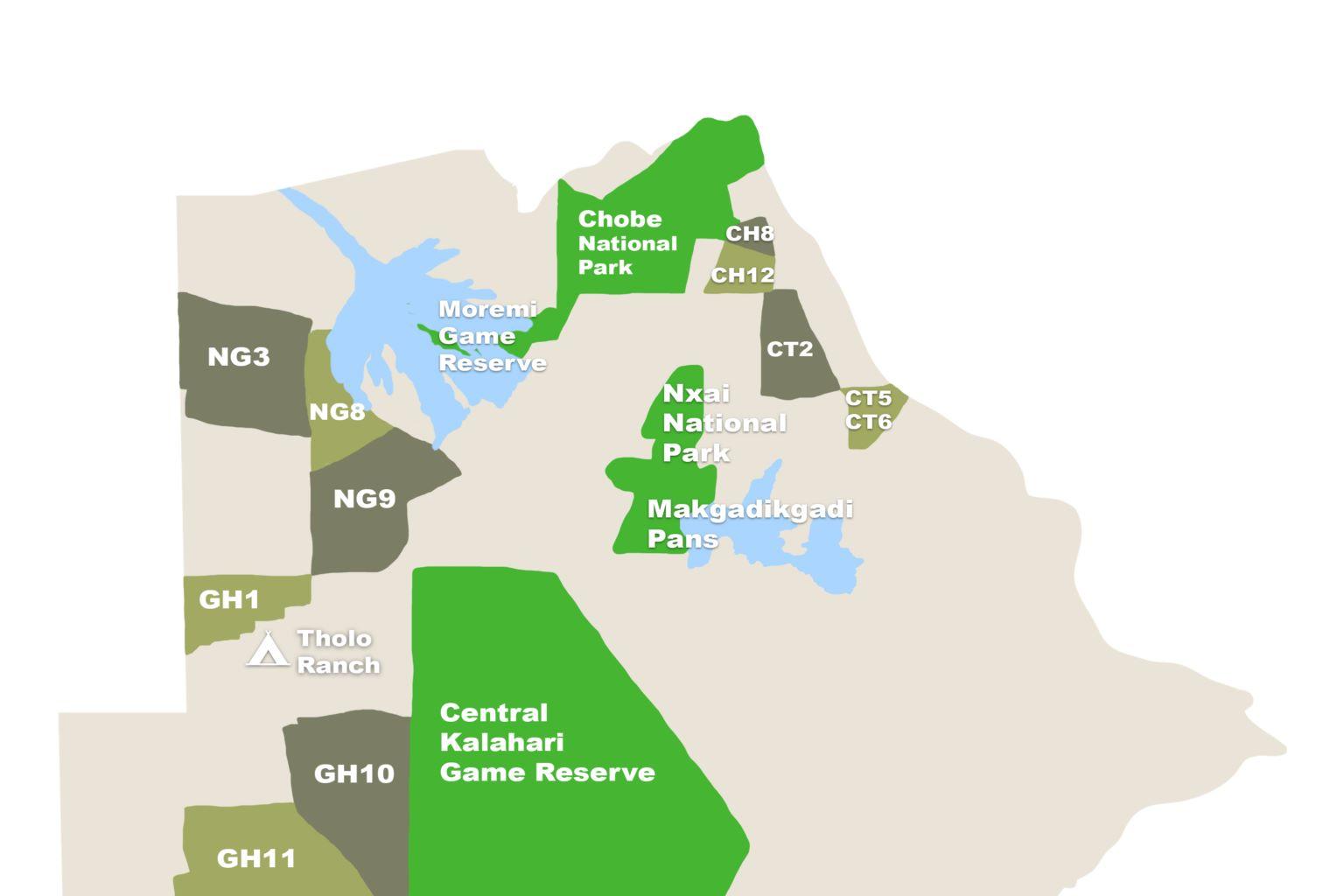
Most of Botswana's big game hunting takes place in the north, where large hunting concessions lie around the wider Okavango and Chobe ecosystems. Permanent water and suitable vegetation support important populations of elephant and buffalo.
Conditions can change considerably between concessions. One area may be dominated by thick mopane and sandy tracks, while another includes river systems, floodplain edges and more open country. These differences affect where animals move, how tracks are found and how much ground hunters may need to cover.
Farther south, the country becomes progressively drier as the landscape transitions toward the Kalahari. Wildlife densities and available species differ, but the sandy ground can provide excellent tracking conditions.
Choosing Botswana is therefore only the first decision. The hunting area needs to match the animal being hunted, particularly when elephant, buffalo or leopard is the main objective.
Big game hunting opportunities in Botswana are controlled through species quotas allocated to specific hunting areas. This means seeing elephant, buffalo or leopard in a concession does not necessarily mean there is a permit available to hunt one.
Quota also determines how the safari is planned. If elephant is the objective, the starting point is finding an appropriate concession with available elephant quota. The hunting dates, other species and logistics can then be built around that opportunity.
This becomes important when a hunter wants to combine several big game species. Elephant quota in one area does not guarantee buffalo or leopard will also be available, and changing concessions during a safari may not be practical.
Availability can therefore matter more than a long list of possibilities. Before booking a Botswana big game hunt, the species, quota and concession should all line up from the beginning.
Big game hunting in Botswana is expensive compared with several other African destinations. Limited quota, remote concessions and the logistics involved in operating hunting camps all contribute to the overall cost of a safari.
The species being hunted makes the biggest difference. An elephant safari will carry a different price from a buffalo hunt, while leopard can require additional hunting days, specialized preparation and, where permitted, the use of trained hounds and handlers.
Hunters should also look beyond the advertised safari price. Trophy fees, government charges, licenses, firearm permits, charter flights or road transfers, accommodation before and after the hunt, and trophy preparation can all affect the final amount.
This is where comparing two hunts purely on price can become misleading. A less expensive Botswana hunt is not necessarily better value if the concession, quota or hunting conditions do not properly match the animal you came to hunt.
Hunters budgeting for Botswana can use our African Hunting Safari Prices guide to compare typical costs and understand what should be included before booking.
Botswana makes the most sense when the hunter understands what he is signing up for before arriving. Limited quota, fewer options and long days spent tracking are not problems to solve once the safari begins. They are part of choosing to hunt here.
Hunters who enjoy tracking and are prepared to spend time on foot without knowing what the day will produce are likely to appreciate Botswana. A long track that ends without a shot is not necessarily a wasted day. It comes with hunting large, lightly pressured areas where animals have plenty of room to move.
The country becomes a harder fit when flexibility is important. Hunters wanting numerous species, short hunting periods or the ability to change plans after arrival may find another destination better suited to the safari they have in mind.
Cost also needs to make sense. Botswana is rarely the cheapest way to hunt big game in Africa, and choosing it simply because a hunt is available is not enough. The species, concession, quota and hunting conditions should justify the trip.
Anyone considering Botswana as part of their African Hunting Trips should know exactly what is available before committing. Confirm the hunt, understand what can and cannot be changed, and arrive ready to hunt Botswana on its terms.
Yes. Regulated hunting is legal in Botswana within designated hunting areas and is controlled through quotas and permits. The species available to hunt depend on the concession and quota allocated for that season.
Elephant is Botswana's best-known big game species. Cape buffalo and leopard may also be available in selected hunting areas, depending on quota and current regulations. Plains game opportunities vary considerably between concessions.
Botswana is one of Africa's important elephant hunting destinations, particularly in the north where large elephant populations occur around the wider Okavango and Chobe ecosystems. Hunts typically involve locating fresh spoor and tracking mature bulls on foot.
Leopard may be hunted with trained hounds in areas where the method is permitted. Availability depends on the concession, quota and regulations in place, so hunters interested specifically in a hound hunt should confirm this before booking.
Costs vary considerably according to the species, concession and length of the safari. Elephant generally commands a substantially higher overall safari price than buffalo, while leopard hunts may involve additional days and specialized costs. Government fees, trophy fees, licenses, transfers and trophy preparation should also be considered.
Planning early is advisable because big game opportunities are tied to limited quota and specific concessions. Hunters targeting elephant, buffalo or leopard should confirm that the appropriate quota is available before finalizing dates, flights or other safari arrangements.
Discounted Hunts

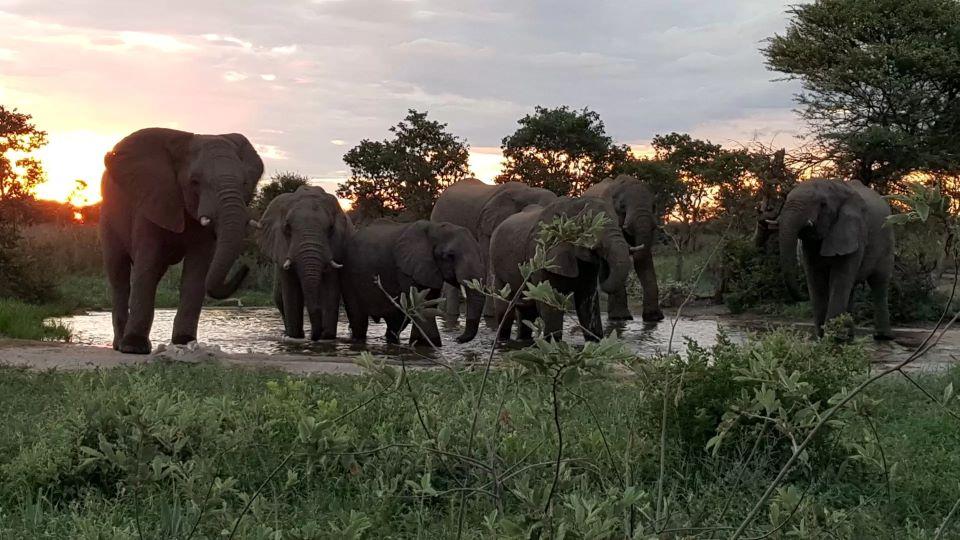
Non-Exportable Elephant Hunting in Namibia: Bushmanland
Booking Season: 2026
Hunt Difficulty: Difficult
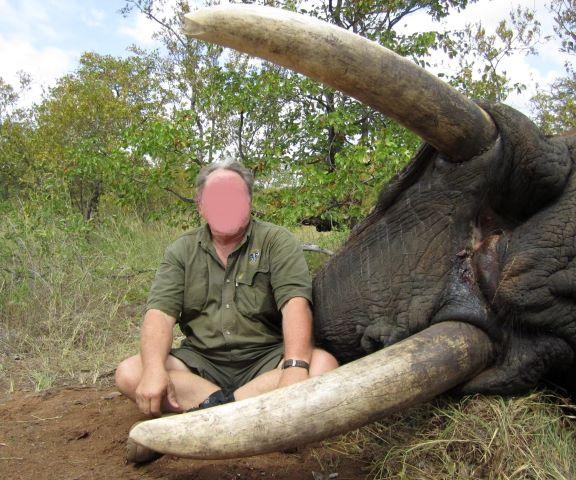
Non-Export Elephant Hunt in Namibia | Caprivi Safari
Booking Season: 2026
Hunt Difficulty: Difficult
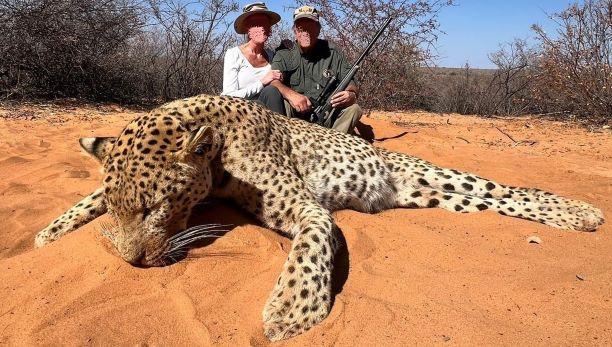
Leopard Safari in Bushmanland
Booking Season: 2026
Hunt Difficulty: Difficult
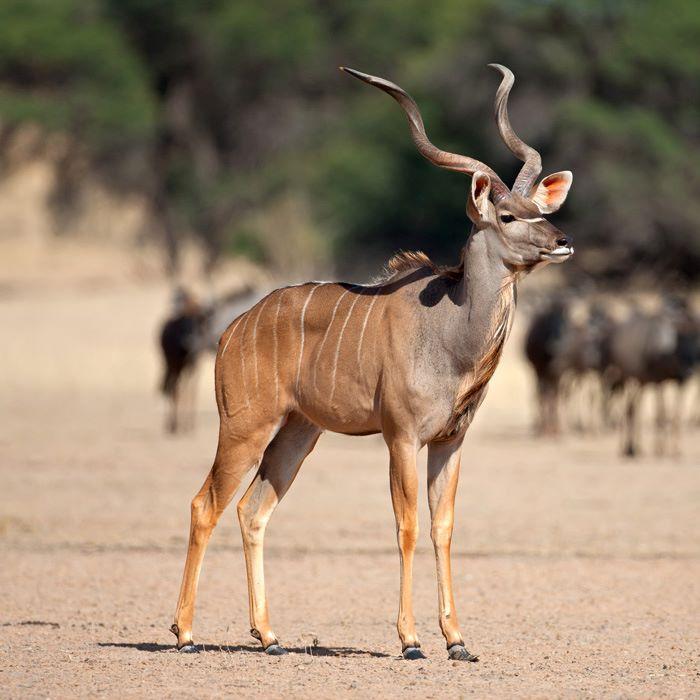
10 Days Kudu hunting bonanza and more for 2 Hunters in SA
Booking Season: 2026
Hunt Difficulty: Difficult
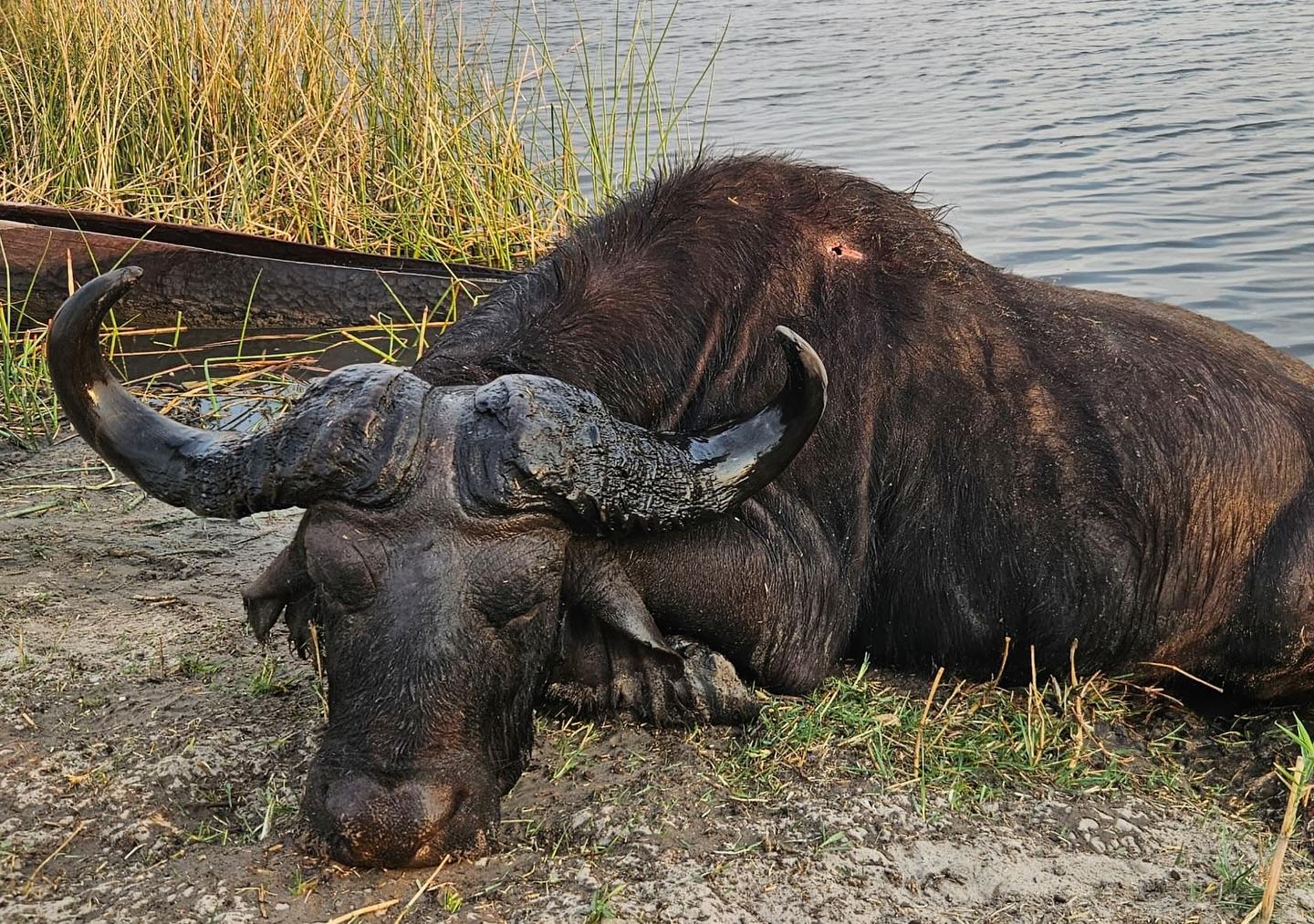
5 Full Day Zambezi Cape Buffalo Safari, Namibia
Booking Season: 2026
Hunt Difficulty: Difficult

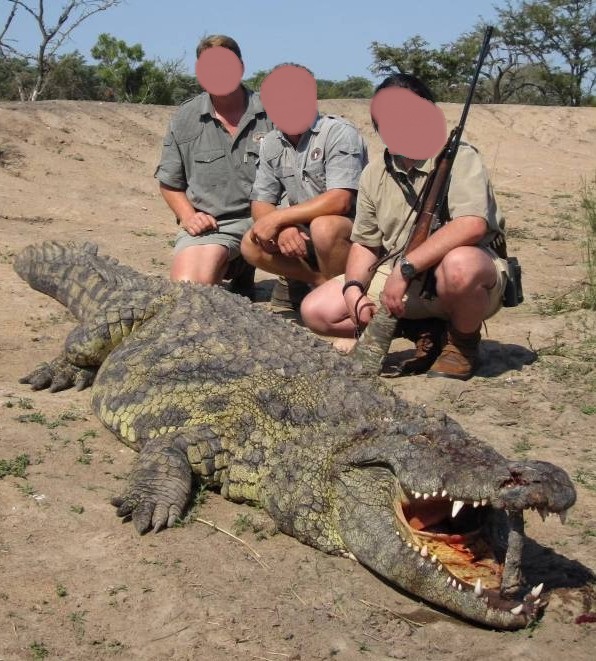
Non-Exportable Crocodile Hunt in Namibia’s Caprivi Strip
Booking Season: 2026
Hunt Difficulty: Moderate, Difficult
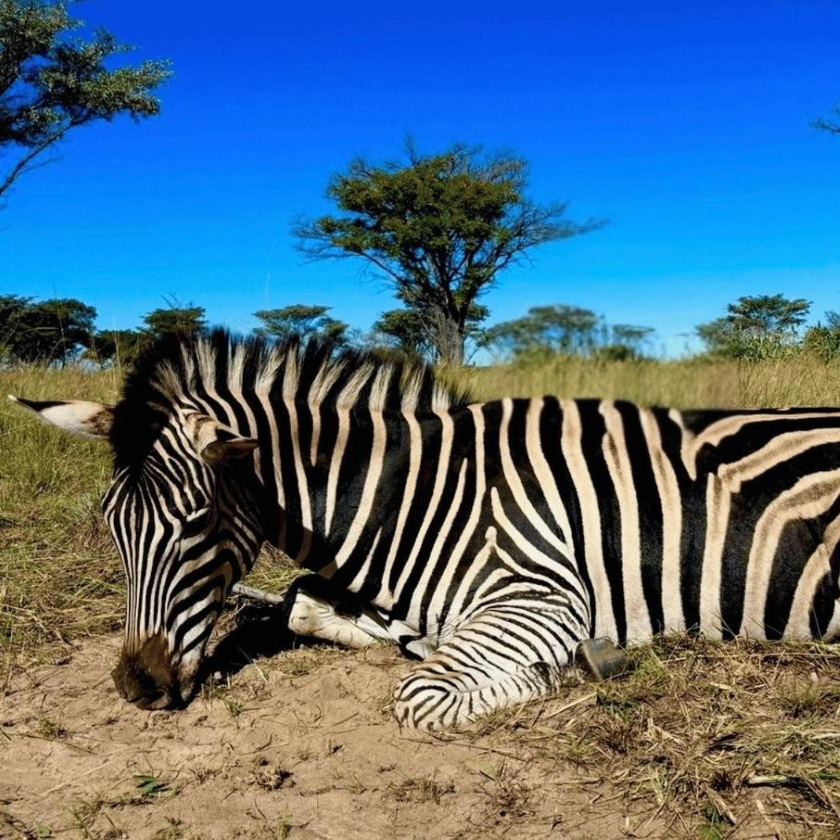
Wildebeest, Impala, Zebra, Warthog & Blesbok Hunts in Limpopo
Booking Season: 2026
Hunt Difficulty: Moderate
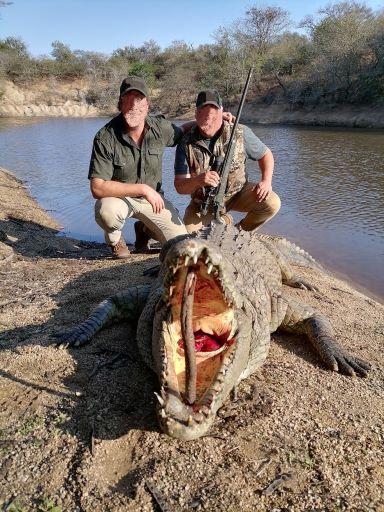
Free Range Crocodile Hunting Safari in Limpopo, SA
Booking Season: 2026
Hunt Difficulty: Moderate
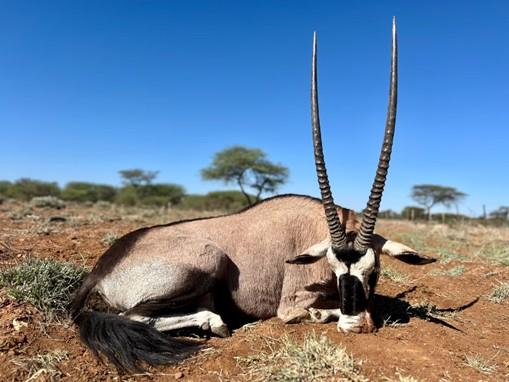
Namibia Plains Game Hunt — 8 Days for Two Hunters
Booking Season: 2026
Hunt Difficulty: Moderate
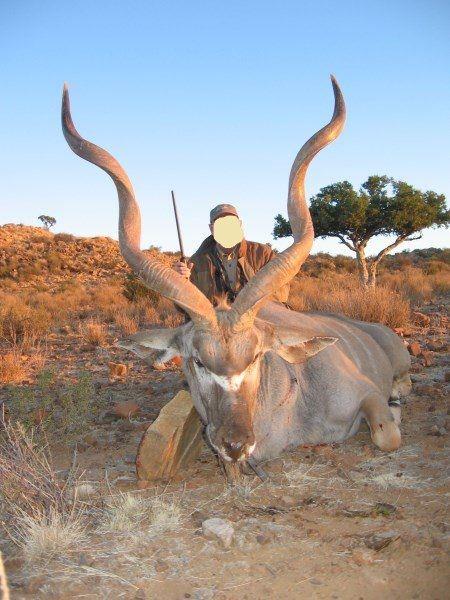
2 Hunters: Kudu, Gemsbok & Springbok Hunt in Namibia | 7 Days
Booking Season: 2026
Hunt Difficulty: Moderate
Packaged Hunts
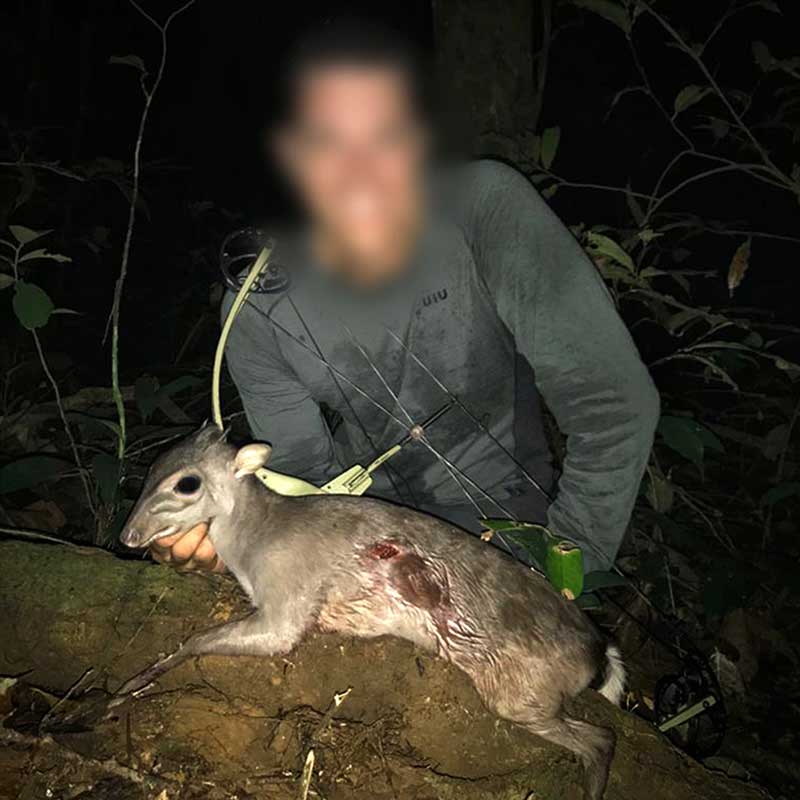
10-Day Duiker & Red River Hog Hunting Safari in the Republic of Congo
Booking Season: 2026
Hunt Difficulty: Difficult
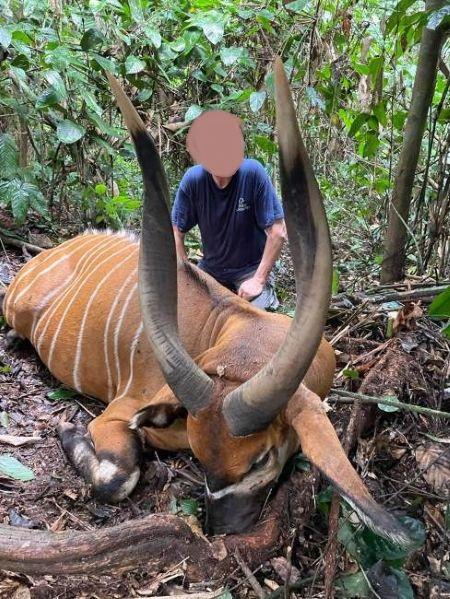
13-Day Bongo Hunting Safari in the Republic of Congo
Booking Season: 2026
Hunt Difficulty: Difficult
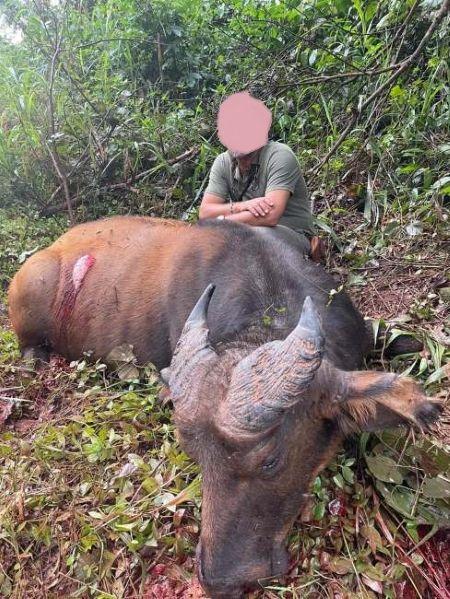
10-Day Dwarf Forest Buffalo Hunting Safari in the Republic of Congo
Booking Season: 2026
Hunt Difficulty: Difficult
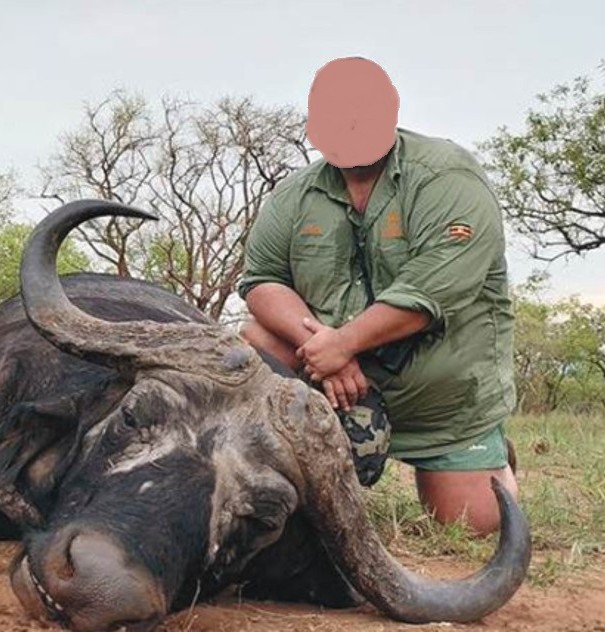
Buffalo, Kob & Bushbuck Safari Hunting in Uganda
Booking Season: 2026
Hunt Difficulty: Difficult
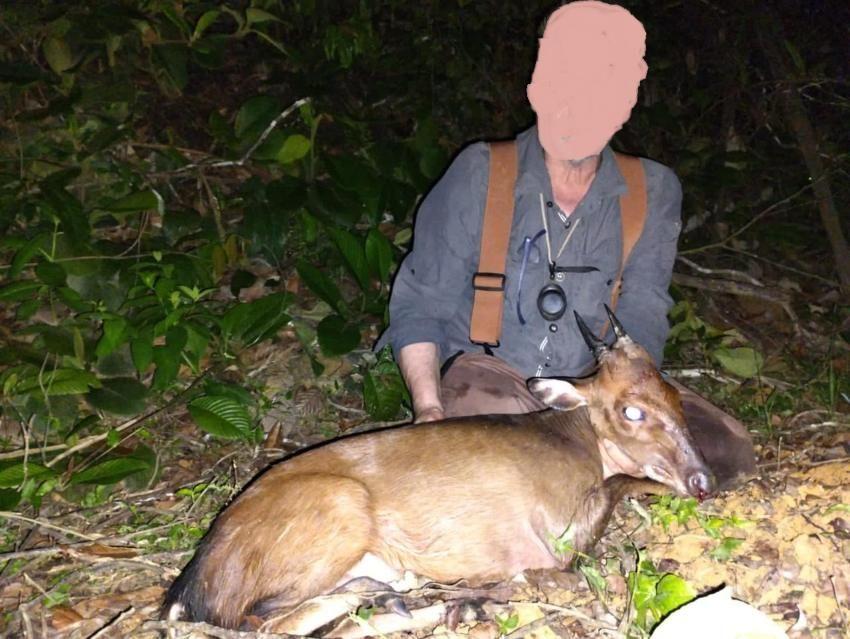
10-Day Gabon Duiker and Forest Game Safari
Booking Season: 2026
Hunt Difficulty: Difficult
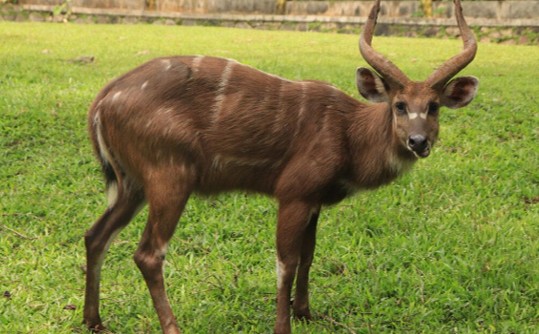
East African Sitatunga & Plains Game Hunting in Uganda
Booking Season: 2026
Hunt Difficulty: Moderate
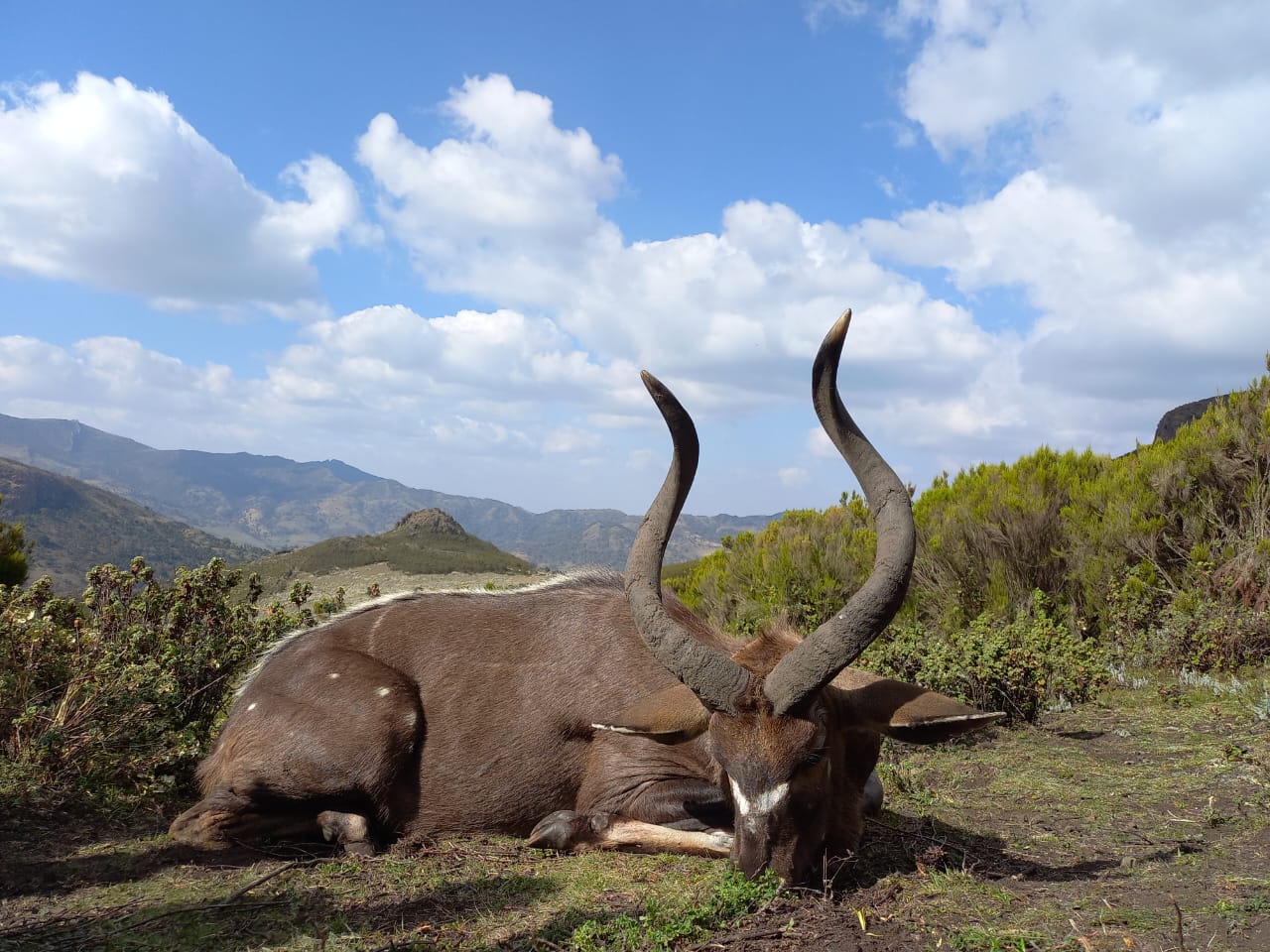
26-Day Mountain Nyala & Lowland Hunting Safari in Ethiopia
Booking Season: 2026
Hunt Difficulty: Moderate, Difficult
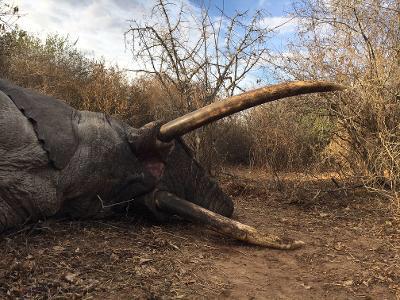
Legendary Selous Safari for Elephant, Lion and Leopard
Booking Season: 2026
Hunt Difficulty: Difficult
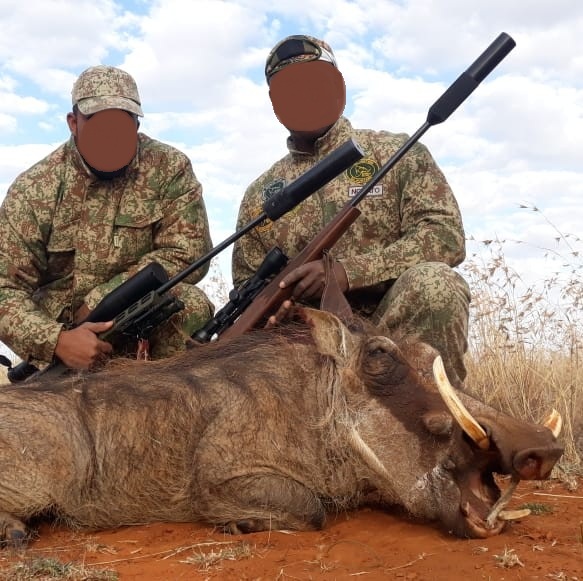
South African Plains Game Hunt: Warthog, Blesbok, Zebra & Impala
Booking Season: 2026
Hunt Difficulty: Moderate
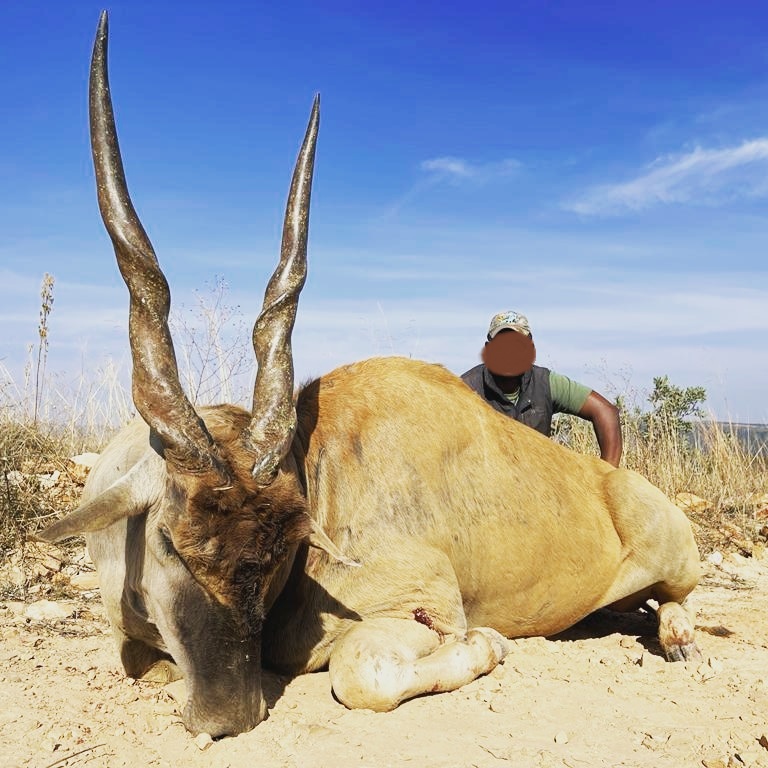
Hunt Eland, Kudu, Nyala & Bushbuck on this SA Spiral Horn Hunt
Booking Season: 2026
Hunt Difficulty: Difficult
Cancelled Hunts
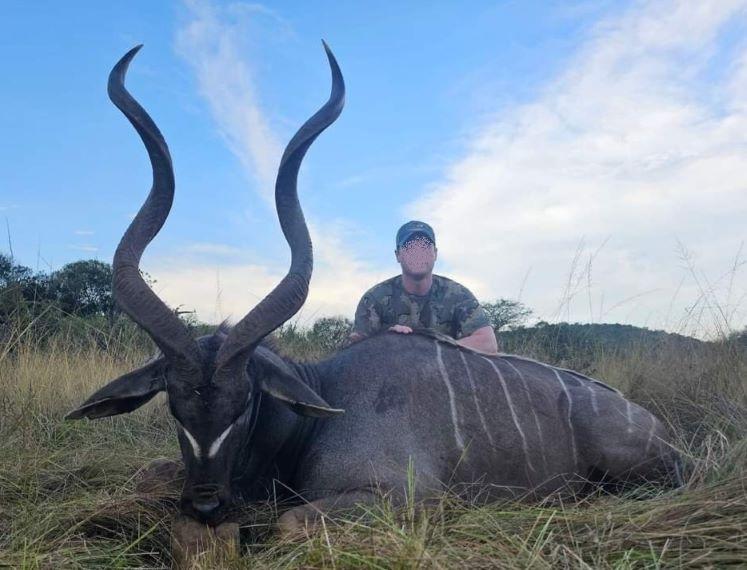
South African Plains Game Safari Trophy Nyala plus 5 Species
Booking Season: 2026
Hunt Difficulty: Moderate, Difficult
Wildebeest, Impala, Zebra, Warthog & Blesbok Hunts in Limpopo
Booking Season: 2026
Hunt Difficulty: Moderate
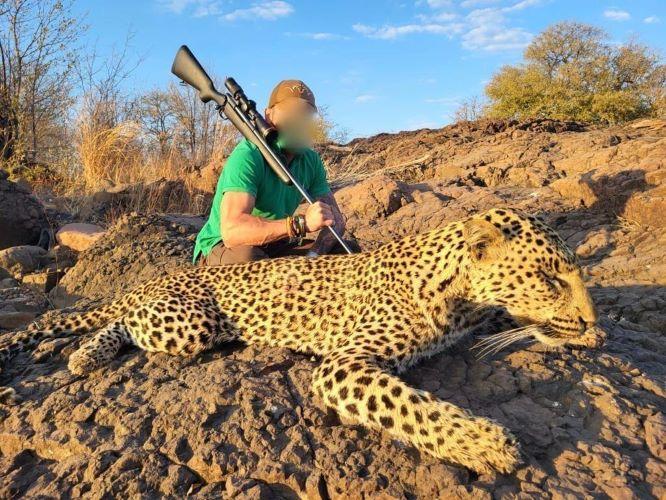
Free-Range Leopard Hunting Safari in Tanzania | 14-Day Licenc
Booking Season: 2026
Hunt Difficulty: Difficult
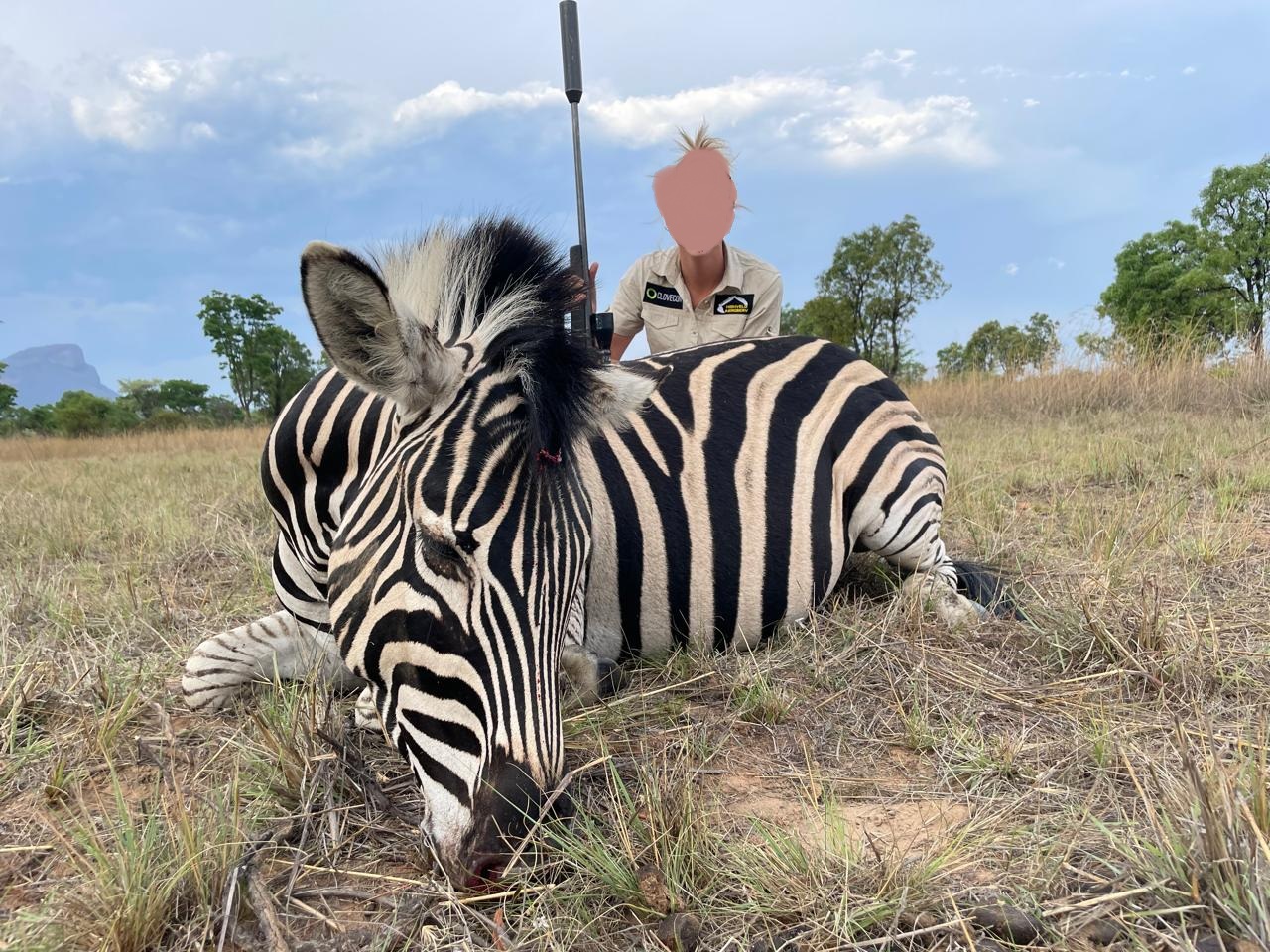
Hunt Cape Buffalo, Wildebeest, Zebra & Bushbuck in Limpopo
Booking Season: 2026
Hunt Difficulty: Difficult
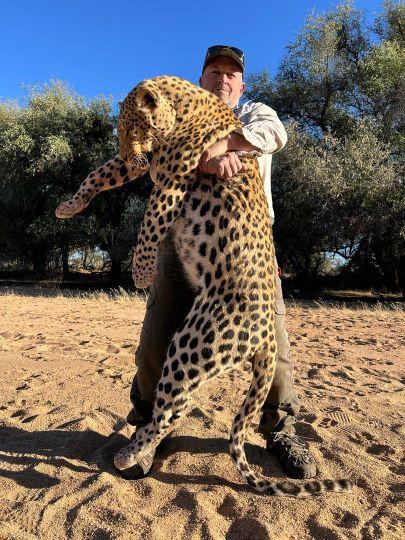
Namibia Leopard & Brown Hyena Cancelation Hunt
Booking Season: 2025
Hunt Difficulty: Difficult