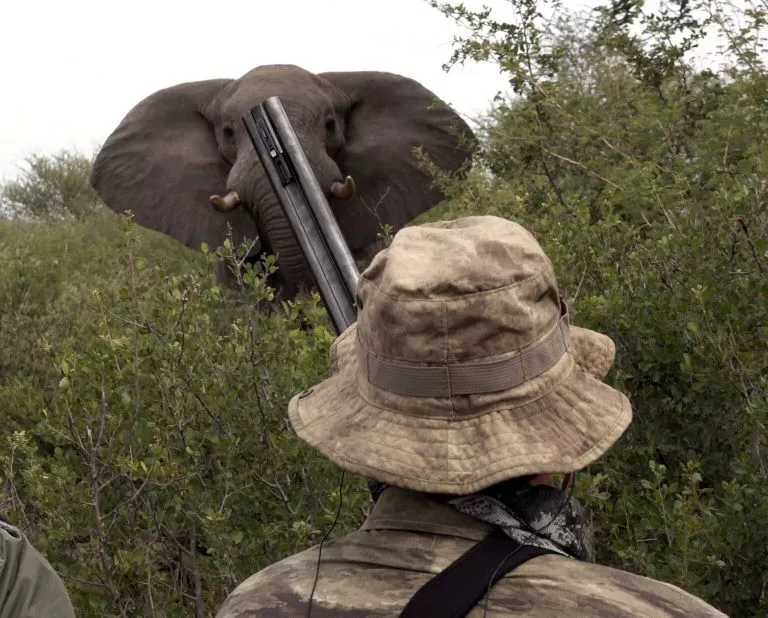
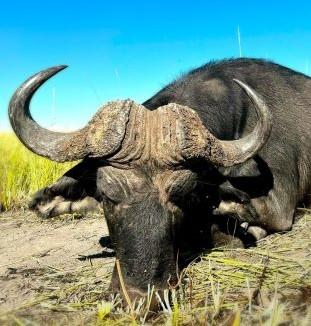
Free-Range Elephant & Buffalo Hunt in Botswana
Booking Season: 2026
Hunt Difficulty: Difficult




The camp offers a choice of spacious, air-conditioned stone cottages with thatched roofs and en-suite bathrooms, as well as large Meru-style tents with thatched roofs and private bathrooms. Each unit is designed to provide comfort in the African wilderness and includes a minibar, coffee station, in-room safe, and private veranda overlooking a waterhole. An eco-friendly swimming pool provides a place to cool off after a day in the field, while the surrounding trees and nearby waterhole offer opportunities to observe wildlife around camp. In the evenings, guests can gather in the open-air lounge and bar or relax beside the campfire beneath the Kalahari's expansive night sky. The accommodation combines a traditional safari atmosphere with modern conveniences, allowing hunters to unwind between hunting days without sacrificing comfort.
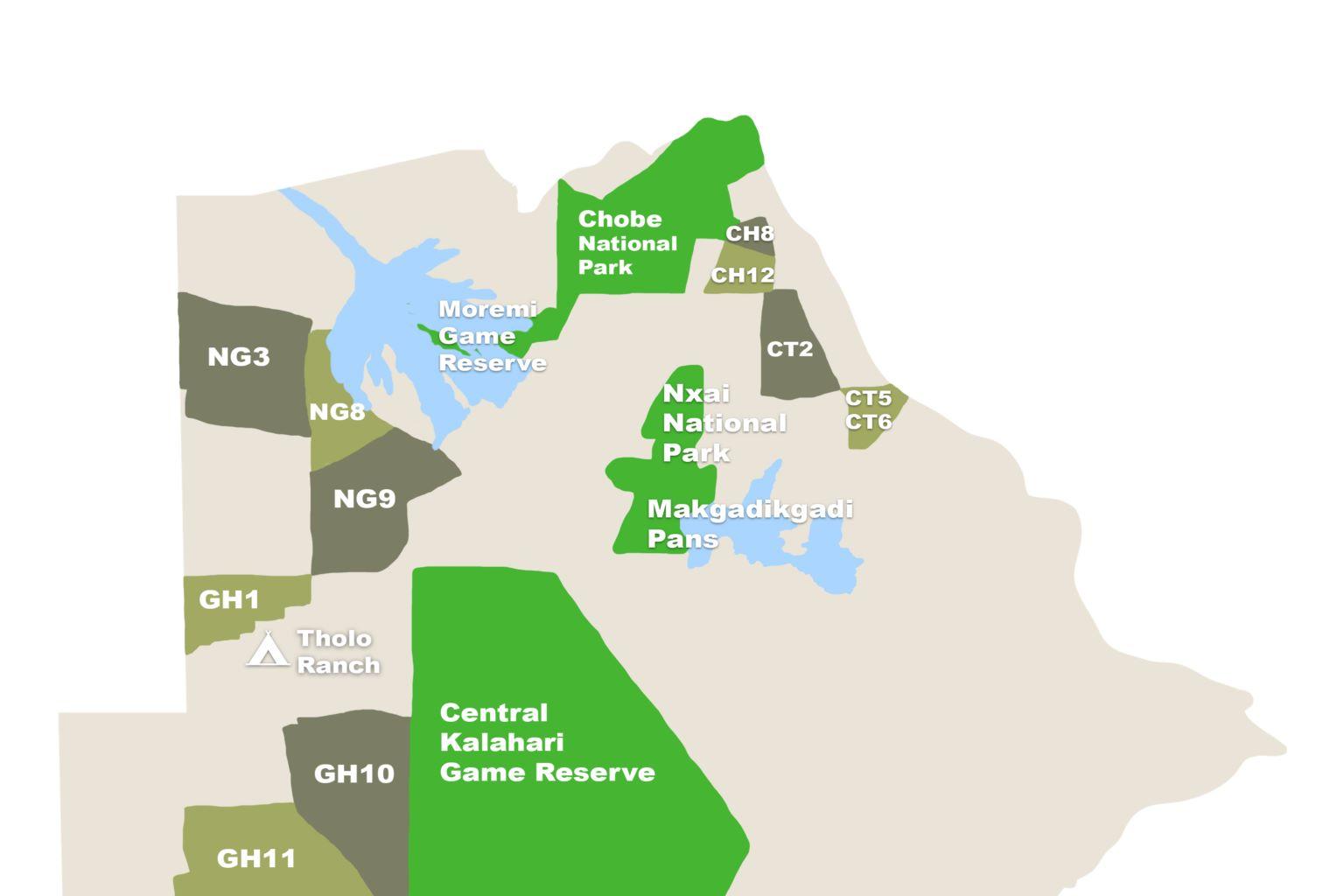
The hunting block is situated approximately 175 miles south of Maun and covers around 240,000 acres of African wilderness. The landscape varies from open plains to low shrub savanna and camel-thorn woodlands, creating different conditions for observing, tracking, and stalking game. Open country provides opportunities to glass the terrain and assess animal movements before planning an approach. In areas with thicker vegetation, hunters must use available cover carefully and pay attention to wind direction and visibility. The size of the concession also means that four-wheel-drive vehicles can be useful for covering ground before continuing the hunt on foot. This varied landscape is one of the attractions of hunting in Botswana. The Kalahari setting offers a distinctive contrast to more densely vegetated hunting areas elsewhere in Africa, with open stretches, scattered shrubs, and thorn woodland providing different challenges throughout the safari.
| Fence Type: | Free-range |
| Fence Area: | 240000 acres |
| Hunting Ground Size: | 97124 ha |
| Language Spoken By Staff: | English |
| Nearest Airport Name: | Maun International Airport |
| Nearest Airport Distance: | 175 miles |
| Transfer From Airport: | Yes |
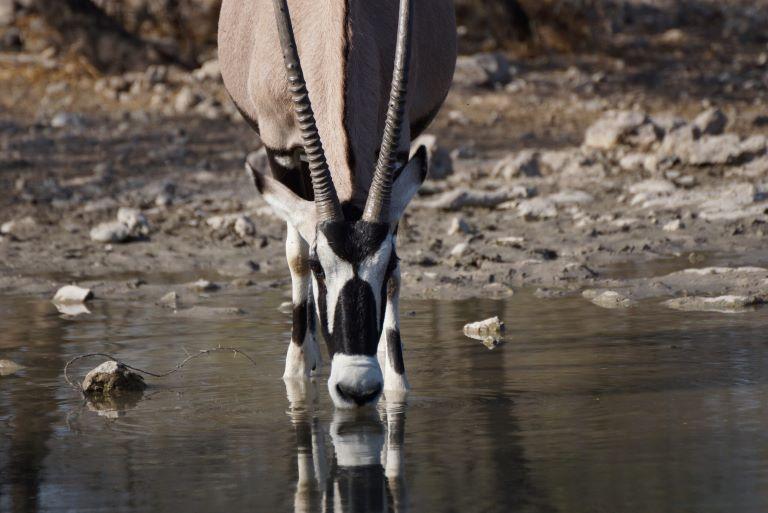
Explore the Kalahari region of Botswana on a seven-day plains game safari featuring six distinctive species. This package combines the striking gemsbok, two sought-after spiral-horn antelope, blue wildebeest, impala, and black-backed jackal in one varied hunting experience. With a large hunting concession, experienced professional guidance, and luxury lodge accommodation, this African hunting trip offers hunters the opportunity to experience Botswana's distinctive landscapes while pursuing a diverse selection of plains game.
This safari offers a varied combination of plains game, from the long-horned gemsbok and impressive spiral-horn antelope to the hardy blue wildebeest and alert impala. The black-backed jackal adds a distinctive specialty species to the package, making this a broader hunting experience than a safari focused exclusively on large antelope.
With seven hunting days available, hunters can work with their Professional Hunter to plan their approach according to the species, terrain, and opportunities encountered. Four-wheel-drive vehicles help cover the extensive hunting area, while glassing and stalking on foot form an important part of the traditional hunting experience.
The package is suited to hunters who appreciate variety and want to pursue several species in one destination. Those exploring gemsbok hunts will find the Oryx an especially distinctive trophy, while blue wildebeest hunts appeal to hunters who enjoy the challenge of approaching a strong, wary animal.
Botswana is widely known for its wildlife and wilderness areas, and its Kalahari region offers a different setting for a multi-species hunting safari. Hunters looking at plains game hunts may appreciate the combination of expansive terrain, a varied trophy list, and the opportunity to experience traditional hunting methods in an established hunting area.
Reasons to consider this safari include:
Clive and his daughter Kim have been conducting hunting safaris in Botswana since 1992. Their operations include plains game hunting as well as dangerous game opportunities, with a stated emphasis on conservation, sustainable hunting, and working alongside the local San Bushman community.
Their experience in the region provides an established base for hunters seeking a guided safari with a varied species selection. Professional Hunters, trackers, skinners, and lodge staff support the hunt, from locating suitable animals to preparing trophies in the field.
Confirm the final cost breakdown with the outfitter before booking, particularly the government VAT, airport transfers, rifle permits, and any optional charter arrangements.
The safari combines different species and body sizes, so hunters should be prepared to adapt their approach to the animal, habitat, and conditions.
Hunters should discuss their priorities with Clive or Kim before the safari so that the hunting plan reflects their preferred species and the available conditions.
This package includes several large antelope, so rifle selection should account for the biggest intended species, particularly Cape eland, as well as the hunter's experience, expected shooting distances, and ammunition choice. The supplied information identifies the .30-06 Springfield and .308 Winchester as possible all-round options, with the 7mm Remington Magnum and .300 Winchester Magnum also mentioned. Discuss the final choice with the Professional Hunter before travelling.
For the larger spiral-horn antelope, the source recommends a projectile of at least 180 grains. The appropriate bullet construction and caliber should nevertheless be assessed together against the intended species and actual conditions, rather than relying on bullet weight alone. Rifle rental is available at US$40 per hunting day, with ammunition charged at cost.
Accurate shot placement is essential for a responsible and humane harvest. The six species differ considerably in body size and anatomy, so a shot opportunity must be evaluated on its own merits. Hunters should be familiar with the vital anatomy of their intended animal, assess distance and angle carefully, and take a shot only when conditions are suitable.
Reviewing shot placement for African game before departure can help hunters prepare for the differences between larger antelope such as eland and gemsbok and smaller species such as impala and jackal. Follow the Professional Hunter's guidance on safe, ethical shot selection throughout the safari.
The supplied information describes Botswana's climate as semi-arid, with low rainfall and a pronounced dry season. May through August is identified as the preferred period for this hunt, when conditions are generally cooler and drier. Nights may be cold, so suitable clothing is important.
The warmer and wetter months are generally associated with November through March, with January and February often bringing afternoon showers. Weather can affect driving conditions and the pace of a safari, so hunters should confirm the expected conditions for their planned dates with the outfitter.
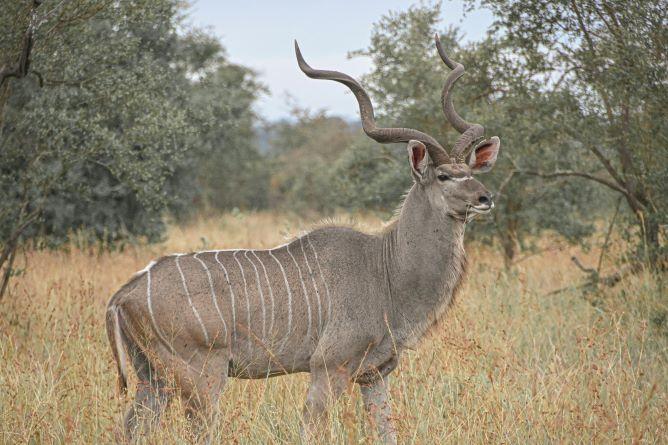
This safari is well-suited to hunters seeking a varied plains game experience in Botswana, with six included species spanning large antelope, a medium-sized antelope, and a specialty species. The combination of gemsbok, kudu, Cape eland, blue wildebeest, impala, and black-backed jackal offers variety without requiring a separate trip for each animal.
The hunt may particularly appeal to hunters who enjoy traditional tracking and stalking, appreciate a large hunting area, and want a mixture of species with different challenges. Both rifle and bow hunting are listed as options, although the appropriate method should be confirmed for each intended species.
The luxury accommodation, meals, laundry service, and lodge facilities also make the safari attractive to accompanying observers. Travellers who want to add photographic wildlife experiences or explore the wider Maun region can discuss extensions with the outfitter, bearing in mind that these activities and tourist trips are excluded from the package.
An African hunting trip can include more than time in the field. Maun is a major access point for visitors travelling to the Okavango Delta and other wildlife destinations in northern Botswana. Depending on the schedule and budget, photographic safaris, guided drives, walks, fishing, birdwatching, and mokoro canoe excursions may be possible through local operators.
These activities are not included in the hunting package, so additional arrangements and costs should be confirmed in advance. Hunters who want to extend their stay can also discuss a trip to the Okavango Delta or Chobe region, subject to travel time and availability.
For further information about this six-species Kalahari safari, rifle or bow hunting arrangements, or additional species options, contact the Game Hunting Safaris team or enquire directly with Clive and Kim. We can also help you compare other destinations and plan an African hunting trip around your preferred species and travel goals.
Please note that terms, conditions and price are subject to change without notice and rates at the time of the hunt will apply
You can speak directly with the outfitter before booking. GHS remains available throughout the process.
Needing assistance with firearm permits and international travel services, or good taxidermists? View our affiliated companies
View Affiliated Services