
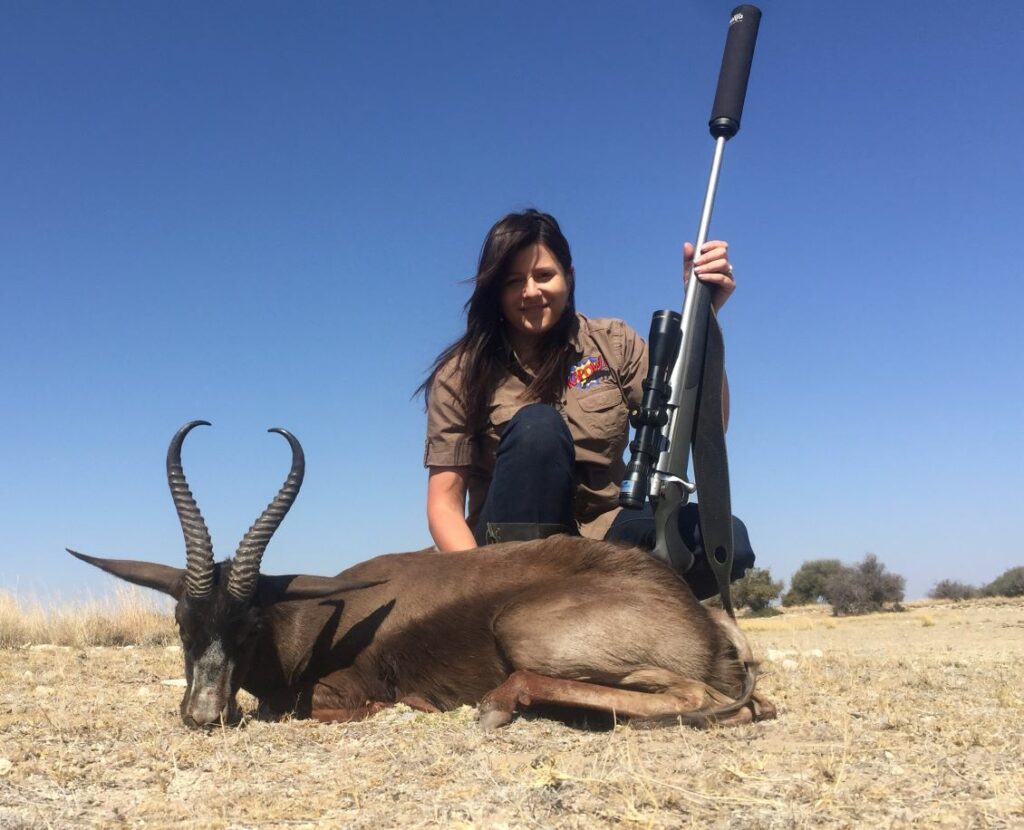
Women have always played a role in hunting, but their presence on African hunting safaris is becoming far more visible. Today, women are travelling to Africa as first-time hunters, experienced sportswomen, daughters hunting alongside their fathers, wives sharing camp with their husbands and independent hunters pursuing ambitions of their own.
Their reasons for hunting are as varied as the animals and destinations they choose. Some are drawn by the challenge of tracking game through wild country, while others value the opportunity to spend meaningful time with family, contribute to conservation or test themselves in an unfamiliar environment. What matters is that women are no longer standing at the edge of the hunting world. They are increasingly becoming an important part of it.
This change can be seen across modern African Hunting Safaris, from introductory plains game hunts to demanding dangerous game pursuits. It is also visible behind the scenes, where more women are working as Professional Hunters, outfitters, conservationists and leaders within the African hunting industry.
[DYNAMIC-BLOGTABLEOFCONTENT]
From Tradition to Today
African hunting has long been associated with fathers, sons and groups of male friends travelling together, and for many years that reflected the majority of hunters visiting the continent. While women have always hunted, they were far less visible on African safaris than they are today.
That picture has changed steadily over the past two decades. Today it is common to see women booking their own safaris, hunting alongside their spouses or families, and pursuing everything from plains game to dangerous game. At the same time, more women are working within the African hunting industry itself as Professional Hunters, outfitters, booking consultants and conservation professionals.
Better access to training, shooting clubs, online communities and hunting education has also helped make the sport more accessible. New hunters can learn from experienced mentors, improve their shooting skills before travelling and connect with others who have already completed an African safari. As a result, many women arrive in Africa well prepared and confident about the adventure ahead.
What has not changed is the reason people return. Regardless of who is carrying the rifle, African hunting continues to reward patience, respect for wildlife and an appreciation for the wild places where these safaris take place.
The increasing visibility of women in African hunting extends beyond clients in the field. More women are becoming Professional Hunters, outfitters, conservationists and leaders within the industry, helping shape the future of hunting across the continent.
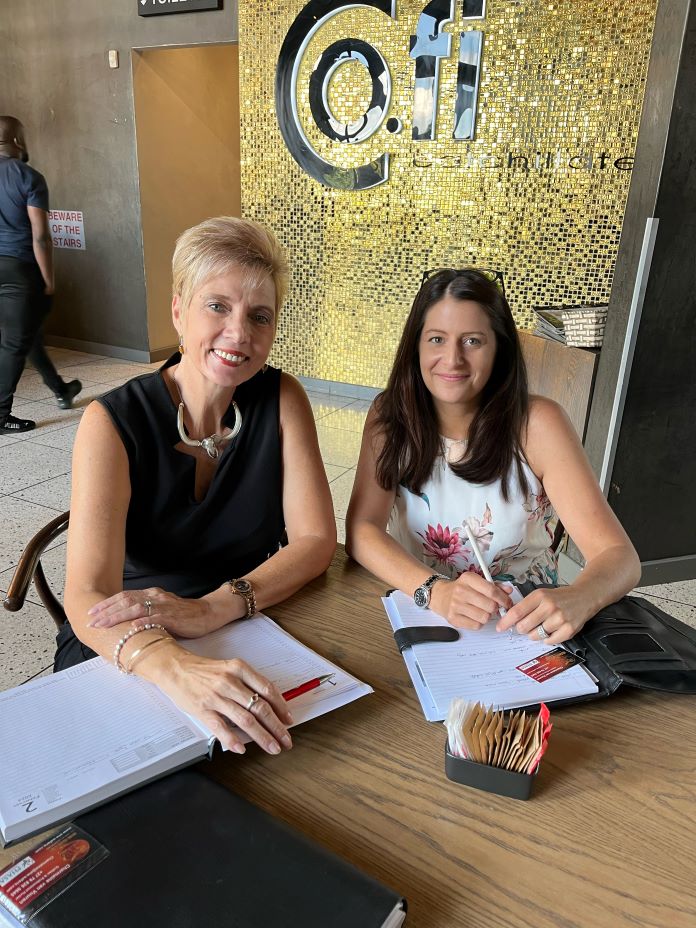
Why African Hunting Appeals to So Many Women
Every hunter arrives in Africa for their own reasons, and women are no different. Some are pursuing a lifelong dream of hunting on the continent, while others are travelling with family or friends to share an adventure together. Many simply want to spend time in wild places where the pace of life is dictated by the bush rather than the clock.
An African hunting safari offers far more than the opportunity to harvest an animal. Long hours spent glassing hillsides, following fresh spoor or sitting quietly at a waterhole create a deeper appreciation for the wildlife, landscapes and people that make each destination unique. Whether the hunt is for plains game or dangerous game, the memories often extend far beyond the moment the shot is taken.
Hunting also provides challenges that are both physical and mental. Walking through rugged country, learning to read the wind, improving marksmanship and working alongside experienced Professional Hunters and trackers all require patience, concentration and confidence. Many women find those challenges every bit as rewarding as the hunt itself.
For others, conservation plays an equally important role. Ethical hunting contributes to wildlife management, supports local communities through employment and helps ensure that large areas of habitat remain protected for future generations. Knowing that a safari contributes to something larger than the hunt itself gives many women an even greater appreciation for Africa's hunting heritage.
Advice From Women Who Have Hunted Africa
Every hunter remembers their first African safari, and it is perfectly natural to arrive with a few questions. Am I fit enough? Do I have enough hunting experience? Will I be able to keep up with the pace of the hunt? These are some of the most common concerns before travelling to Africa, but they usually disappear surprisingly quickly once the safari begins.
One of the first things most hunters discover is that an African safari is not about rushing from one opportunity to the next. It is about working together with your Professional Hunter and trackers, learning to read the wind, understanding animal behaviour and making thoughtful decisions in the field. Every hunt unfolds at its own pace, and experienced hunting teams quickly adapt the safari to the individual rather than expecting every client to hunt in exactly the same way.
Few people arrive knowing everything they need to know, nor are they expected to. Your Professional Hunter will guide you through using shooting sticks, shot placement, judging animals and the many small details that become second nature as the safari progresses. Before long, the uncertainty that many first-time hunters feel is often replaced by growing confidence and a genuine enjoyment of the hunt itself.
When the safari is over, the stories people tell are rarely about the worries they had before arriving. Instead, they remember the early mornings, the excitement of fresh tracks, the laughter shared in camp, the people they met and the wild places they explored. For many, the confidence gained from completing their first African safari becomes just as meaningful as the trophy they take home.
There Is No Right Way to Be a Hunter
Every hunter arrives in Africa with a different story. Some have hunted since childhood, while others are booking their very first safari. Some are confident behind a rifle, while others are still developing their skills. None of that determines the quality of the hunt or the memories that will follow.
One of the biggest misconceptions is that experience alone makes someone a successful hunter. Experienced Professional Hunters will often tell you that patience, listening carefully and being willing to learn are just as important. Many also comment that women frequently make excellent shots, not because they are physically stronger, but because they tend to remain calm, follow instructions and wait for the right opportunity rather than rushing the moment.
An African hunting safari is not a competition. It is a personal journey that unfolds differently for every hunter. Some visitors pursue a single trophy they have dreamed about for years, while others enjoy hunting a variety of plains game species. Some spend every available hour in the field, while others are just as happy photographing wildlife, watching animals from camp or simply enjoying time with family and friends.
There is no scorecard and no "right" way to experience Africa. What matters is respecting the wildlife, embracing the lessons each day brings and enjoying the privilege of hunting in some of the world's last truly wild places. Whether you return home with one trophy or several, the memories, friendships and time spent in the bush are often what stay with you the longest.
Women Are Taking On Bigger Hunting Challenges
Women hunting in Africa are not limited to introductory plains game safaris. An increasing number are pursuing demanding species, testing themselves in difficult terrain and taking on the same physical and mental challenges as any other experienced hunter.
For some, that means stepping into the world of Big Game Hunting, where patience, sound judgement and close cooperation with a Professional Hunter become even more important. Cape buffalo, elephant, leopard and other dangerous game demand careful preparation, confidence with the chosen rifle and the ability to remain composed when an opportunity finally presents itself.
Others are drawn to bowhunting, where success depends on getting much closer to the animal and waiting for the correct shot angle. Women often make excellent bowhunters because the method rewards patience, discipline and precise shot placement rather than speed or physical strength. Whether hunting from a blind, stalking through cover or waiting beside a well-used waterhole, the challenge can be both demanding and deeply satisfying.
The important point is that each hunter can decide how far she wants to take the journey. A first safari may begin with plains game, while a later return to Africa could involve a difficult mountain hunt, a carefully planned bow safari or the pursuit of dangerous game. There is always another challenge waiting for those who choose to take it on.
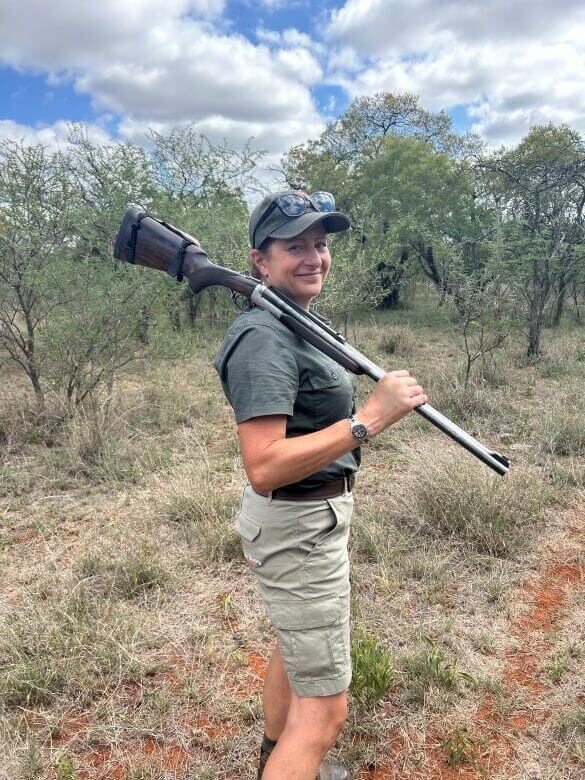
Hunting Creates Connections That Last
One of the most meaningful aspects of an African hunting safari is the opportunity to share it with others. Many women travel to Africa with their spouses, fathers, children or close friends, creating memories that often become just as important as the hunt itself. Long days in the bush, evenings around the campfire and the shared excitement of each stalk build friendships and family traditions that continue long after the safari has ended.
Others choose to hunt independently, enjoying the opportunity to learn new skills, make their own decisions and experience Africa on their own terms. Whether travelling alone or with family, hunting encourages confidence, self-reliance and the quiet satisfaction that comes from achieving something through patience, preparation and perseverance.
As more women become involved in hunting, they are also helping introduce the next generation to the outdoors. Parents who hunt together often pass on a respect for wildlife, ethical hunting practices and an appreciation for conservation that continues through their children and grandchildren.
Women Are Helping Shape the Future of African Hunting
African hunting continues to evolve, and the growing presence of women is now an established part of that story. Whether travelling with family, introducing children to the outdoors or pursuing a long-held hunting ambition, women are making an important contribution to the future of safari hunting.
At its heart, hunting has never been defined by gender. It is built on respect for wildlife, ethical hunting, good sportsmanship and an appreciation for the wild places that make Africa unlike anywhere else in the world. Those values remain the same, regardless of who is carrying the rifle.
As more women become part of Africa's hunting community, they are helping preserve traditions, support conservation and inspire future generations to value wildlife and the outdoors. Together, these shared values will help ensure that African hunting remains strong for many years to come.
Frequently Asked Questions
Can women hunt dangerous game in Africa?
Yes. Women regularly hunt Cape buffalo, elephant, leopard and other dangerous game across Africa. Like any dangerous game safari, success depends on careful preparation, marksmanship, sound judgement and the guidance of an experienced Professional Hunter. Many women who begin with plains game later progress to Big Five Hunting, taking on increasingly challenging species as their confidence and experience grows.
What is the best African hunting safari for a woman visiting for the first time?
There is no single answer because every hunter has different interests, experience and goals. Many first-time visitors choose Hunting Trips that include a variety of plains game species, allowing them to experience different hunting styles while enjoying Africa's wildlife, scenery and hospitality. Others may already have a particular species or destination in mind and build their safari around that objective.
Are African hunting safaris suitable for solo female hunters?
Absolutely. Many women travel to Africa on their own and enjoy safe, successful hunting safaris. Professional Hunters and camp staff work closely with every client, creating a welcoming environment where hunters can focus on learning, improving their skills and enjoying their time in the bush.
Do women need to be physically fit to hunt in Africa?
A reasonable level of fitness is helpful, but most African safaris can be tailored to suit the individual hunter. Some hunts involve walking several miles each day over rugged terrain, while others require far less physical effort. Your Professional Hunter will recommend a safari that matches your fitness level, hunting style and personal goals.
Can women bowhunt in Africa?
Yes. Africa offers outstanding bowhunting opportunities, from spot-and-stalk hunts to purpose-built blinds overlooking waterholes. Success depends on patience, careful shot placement and waiting for the right opportunity rather than physical strength. Many women find bowhunting particularly rewarding because of the close encounters it creates with Africa's wildlife.
Is Africa safe for women hunters?
Many women travel to Africa each year for hunting safaris, either with family, friends or independently. Reputable outfitters place a strong emphasis on client safety, from airport arrivals through to the conclusion of the safari. Choosing an experienced safari operator and Professional Hunter is one of the most important parts of planning a successful trip.
About the Author
Tamlyn van Wyk is the Co-Founder of Game Hunting Safaris and has spent years helping hunters from around the world plan African hunting safaris. Having travelled extensively through Africa's leading hunting destinations and shared many hunts with her family, she enjoys encouraging both new and experienced hunters to discover everything an African safari has to offer.