
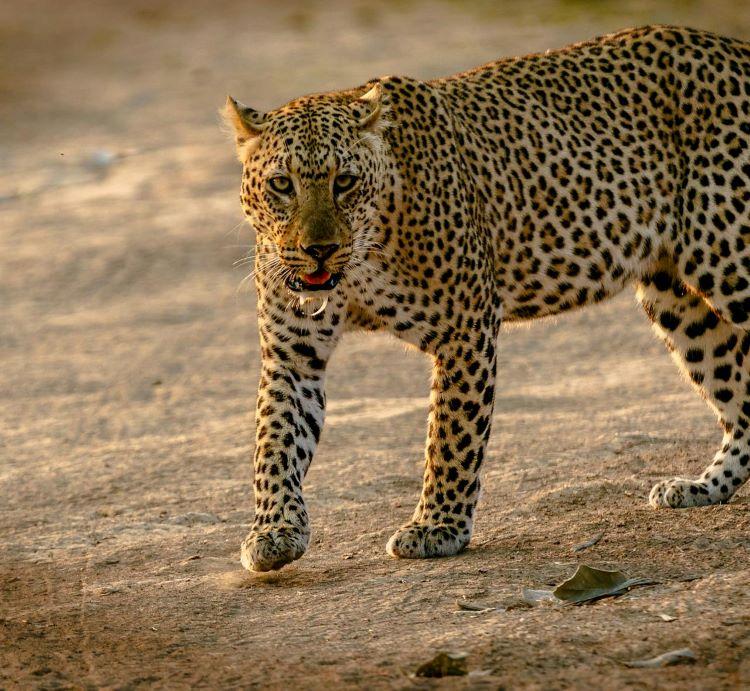
When it comes to leopard hunting in Botswana choosing the right caliber rifle is crucial. This isn’t just about making the hunt successful; it’s about ensuring safety and efficiency. A minimum caliber of .375 with a 300-grain bullet is recommended for this dangerous game. The expanding bullet tip and a high-quality tactical scope can make all the difference.
Leopard hunting in Africa is not for the faint-hearted. These cats are known for their aggression and cunning, making them one of the most challenging animals to hunt. A wounded leopard can turn a thrilling adventure into a perilous ordeal. Proper preparation and the right equipment are essential to face this formidable predator on its home turf.
[DYNAMIC-BLOGTABLEOFCONTENT]
Key Takeaways
- Choosing the right caliber, at least .375 with a 300-grain bullet, is essential for leopard hunting to ensure safety and efficiency.
- Leopard hunting methods include baiting and using hounds, both requiring significant skill, patience, and proper shot placement.
- Preparation for the hunt involves thorough research, high-quality gear, physical fitness, and understanding leopard anatomy for effective shot placement.
- Ethical hunting practices and respecting local laws are crucial, contributing to wildlife conservation and supporting local communities.
- Hiring experienced guides can greatly enhance the chances of a successful hunt by providing valuable local knowledge and ensuring safety.
Overview of Leopard Hunting
Leopard hunting stands out as one of the ultimate challenges in big game hunting in Africa. Unlike other animals, a leopard’s cunning, agility, and sheer power make it an exceptional target. Hunters often speak of the thrill and danger associated with leopard hunting. But how do we approach this adrenaline-filled expedition?
There are two main methods for leopard hunting in Botswana. First, we have the baiting method. Here, bait is hung in a tree to lure leopards. The bait is positioned high to deter scavengers, yet low enough to attract the elusive feline. Activity near the bait is monitored with trail cams. If a tom frequents the area, we set up a temporary blind to get the perfect shot.
Another approach involves using hounds. First, the hounds track the leopard’s scent. Then, they corner the cat, allowing the hunter to take the shot. This method requires considerable skill and patience. A wounded leopard can turn the hunt into a perilous pursuit through the African veld.
When targeting this elusive cat, shot placement is crucial. Unlike ungulates, a leopard’s heart and lungs sit differently. Typically, we shoot while the leopard is under or next to bait, often in a sitting position. If reaching up to the bait, their body position changes, adding to the complexity.
Leopards are not like hyenas or other animals. They possess an unmatched ferocity when wounded. Ensuring that the first shot counts can’t be overstated. A poor shot can lead to tracking a dangerous, wounded animal—a situation no hunter wants.
Those embarking on leopard hunts should prepare thoroughly. Proper gear, knowledge of the animal’s habits, and respect for its environment are essential. Botswana offers some of the best opportunities for leopard hunting with its diverse landscapes and rich wildlife.
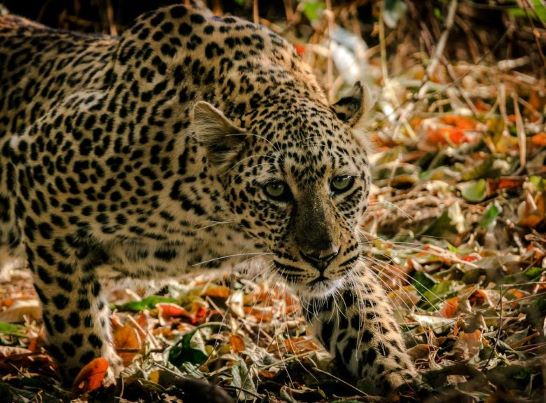
Understanding Caliber and Its Importance
Planning a leopard hunting safari isn’t just about the hunt itself; it’s an experience that ties together culture, adventure, and nature’s raw beauty. Whether you’re tracking a leopard through the bush or setting your sights on a majestic cape buffalo, preparation is key. In this guide, we’ll explore all aspects of a game hunting safari, providing insights and tips to ensure you’re ready for the adventure of a lifetime.
Choosing Your Game
In Africa, various species are available for hunters:
- Leopard Hunting: Often considered the pinnacle of dangerous game hunting.
- Cape Buffalo Hunts: Known as “Black Death” among hunters due to their unpredictable nature.
- Lion Hunts in Africa: A true test of a hunter’s mettle.
- Hyena Hunting: Challenges the perception of these often-misunderstood predators.
- Crocodile Hunting: Demand patience and precision.
Each species offers unique challenges and requires different strategies and skills.
Preparation and Equipment
Preparation begins long before you set foot in the African wild:
Research
Study the habits and habitats of your chosen game. For instance, leopards are nocturnal and prefer dense bush, while cape buffaloes are often found in herds in grasslands.
Gear
Invest in high-quality gear. Rifles should match the game you’re hunting. Minimum caliber recommendations vary:
- Leopard: .375 caliber, 300-grain bullet.
- Cape Buffalo: .416 caliber or higher, 400-grain bullet.
- Lion: Similar to leopard, with an expanding bullet tip.
Physical Fitness
Big game hunting is physically demanding. Training and fitness are crucial for stamina and agility in the field.
The Hunt: Step-by-Step
Step 1: Tracking and Spotting
Tracking often involves following spoor (tracks) or signs like broken branches. Learning to read these signs is an art.
Step 2: Stalking
Move quietly and stay downwind. Camouflage clothing helps. In the case of hunting the elusive Leopard, baiting is a common practice.
Step 3: Shot Placement
Aim for the heart-lung area, as proper leopard shot placement is critical for a clean and effective kill. Study anatomy charts for accuracy.
Step 4: Post-Shot Actions
Approach cautiously. A wounded animal, particularly predators like leopards, can become highly aggressive. Ensure you have a backup shot ready.
Tips and Insights
- Hire Experienced Guides: They know the terrain and animal behavior, enhancing your chance of a successful hunt.
- Safety First: Always prioritize safety for you and your fellow hunters. Follow all protocols and guidelines.
- Respect Local Laws: Abide by conservation laws and hunting regulations in each region.
Ethical Considerations
Hunting in Africa isn’t just about the trophy. It’s also about conservation. Many hunting safaris contribute to wildlife conservation, help manage animal populations, and provide funding for local communities.
Hunting enthusiasts know there’s nothing quite like a game hunting safari in Africa. The thrill, the challenge, the unforgettable experiences—it’s all part of the adventure. Whether you’re eyeing the elusive leopard or the formidable cape buffalo, our guide covers everything you need to know. Ready to dive into the world of African big game hunting? Let’s get started.
Top Calibers for Leopard Hunting
Choosing the right caliber is one of the most important decisions when planning a leopard hunting safari. Unlike larger dangerous game, leopards require a balance of stopping power and precision. A minimum caliber of .375 with a 300-grain bullet is widely recommended, offering sufficient penetration while minimizing unnecessary damage to the trophy. In most situations, accuracy and proper shot placement matter more than sheer caliber size, especially when hunting over bait or at close range.
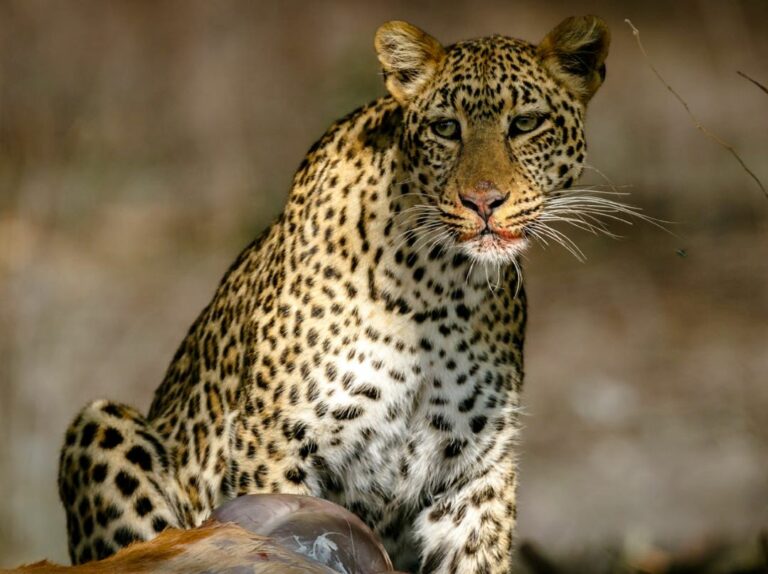
Factors to Consider When Choosing a Caliber
Big 5 African Game
The Big 5—lion, elephant, buffalo, leopard, and rhino—are the stars of African game hunting. Each presents unique challenges. Leopard hunting demands patience and precision due to their elusive nature. Cape buffalo hunts test strength and tactical skills, given the animal’s size and aggression. Understanding these traits helps in planning your hunt.
Diverse Wildlife Options
Aside from the Big 5, Africa offers a plethora of hunting opportunities. Hyena hunting is underestimated but equally challenging. Hippo hunts provide a different thrill, especially near water bodies. Crocodiles hunting adds an aquatic aspect to your adventure. Researching each animal’s habits and habitats is crucial for success.
Caliber selection plays a critical role during close-range leopard hunts in Africa, where shot placement matters most.
Conclusion
Leopard hunting in Botswana demands meticulous preparation and the right caliber rifle. A .375 caliber with a 300-grain bullet is essential for safety and effectiveness. The danger of hunting this formidable predator require a deep understanding of the animal’s habits and a commitment to ethical practices.
Our journey through the intricacies of big game hunting safaris in Africa has highlighted the importance of preparation, gear selection, and physical fitness. Hunting isn’t just about the chase; it’s about respecting local cultures, supporting conservation efforts, and ensuring safety.
Embarking on an African hunting safari is an unforgettable adventure that combines skill, thrill, and respect for nature. With the right preparation and guidance, we can enjoy a unique experience that supports local communities and wildlife conservation.
Frequently Asked Questions
What caliber rifle is recommended for hunting leopards in Botswana?
A minimum caliber of .375 with a 300-grain bullet is recommended to ensure both safety and effectiveness when hunting leopards.
Why is leopard hunting considered challenging?
Leopard hunting is challenging due to the animal’s aggressive nature and the potential dangers associated with encountering a wounded leopard.
What are the two primary methods of hunting leopards in Botswana?
The two primary methods are the baiting method, where bait is hung in a tree to lure leopards, and the use of hounds to track and corner the animal.
Why is shot placement critical in leopard hunting?
Proper shot placement is crucial because leopards have different anatomical structures compared to other game, and a poor shot can lead to dangerous situations.
What should hunters prepare for a successful and safe leopard hunt?
Hunters should focus on thorough preparation, proper knowledge of the animal’s habits, high-quality equipment, and adherence to safety and ethical hunting practices.
What other species can be hunted on a safari in Africa?
Other species include cape buffalo, lions, hyenas, and crocodiles, each presenting unique challenges.
Why is hiring an experienced guide important?
Experienced guides ensure safer hunts, help with tracking and stalking, improve shot placement accuracy, and ensure compliance with local laws.
How do hunting safaris contribute to wildlife conservation?
Many safaris support wildlife conservation efforts and local communities through regulated hunting and financial contributions.
What factors should be considered when planning a big game hunting safari?
Consider the type of game, location, caliber selection, local regulations, experienced guides, gear quality, physical fitness, and ethical considerations.
Why is cultural sensitivity important during a hunting safari?
Understanding and respecting local culture enhances the overall hunting experience and helps build positive relationships with local communities.
How does physical and mental preparation play a role in a successful hunt?
Proper physical and mental preparation ensures that hunters can handle the demands of tracking, stalking, and shooting, ultimately leading to a more successful hunt.