
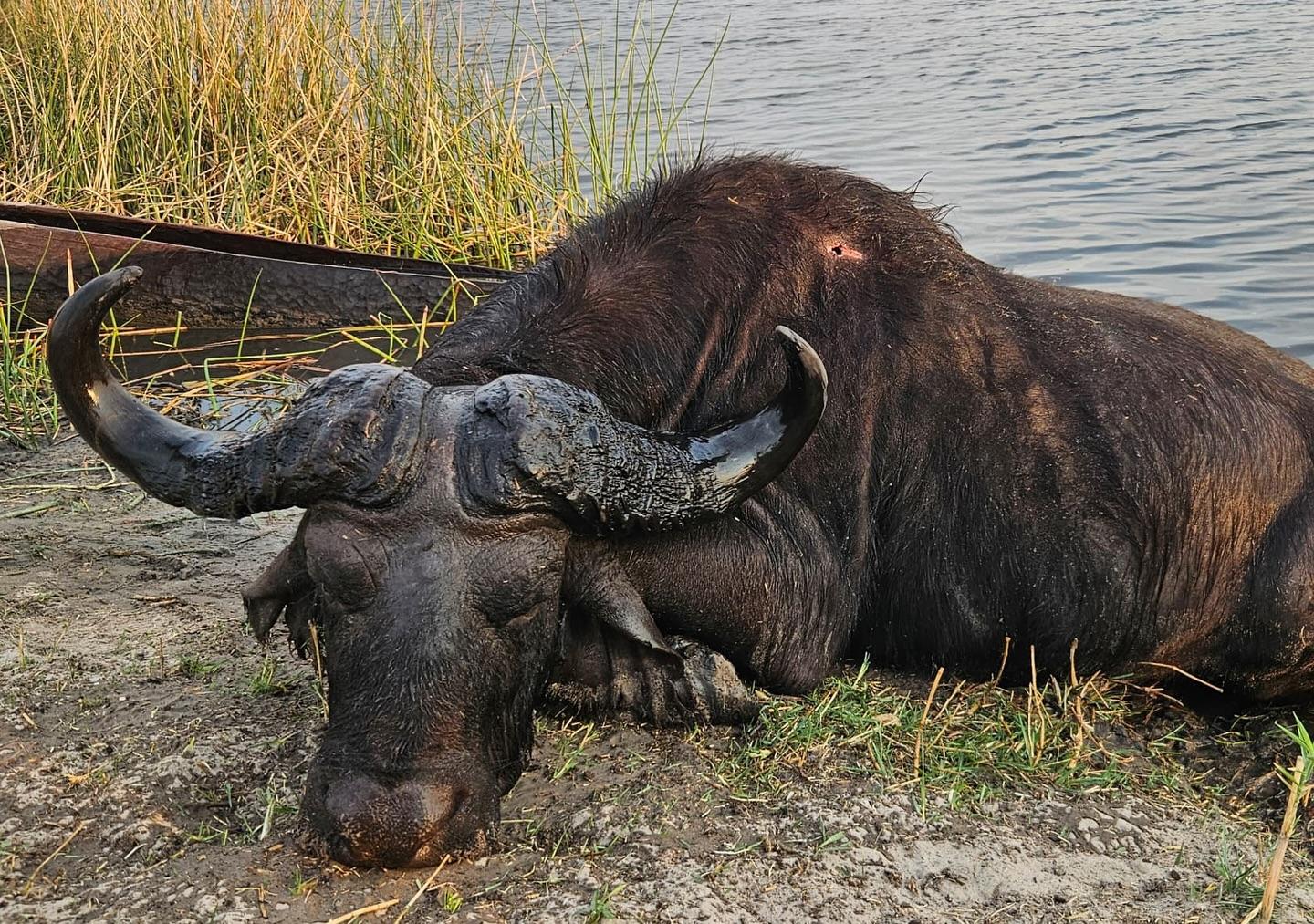
Not every buffalo hunter wants his professional hunter to fire a backup shot. Some want every reasonable opportunity to finish their own bull, while others are perfectly happy for the PH to intervene if the first shot doesn't produce the intended result.
For American hunters planning their first Cape buffalo hunt in Africa, this is a conversation worth having before the hunting begins. A client may expect his PH to hold fire unless someone is in immediate danger, while the PH may have a different understanding of when he should intervene. Discovering that difference after the first shot is hardly ideal.
The circumstances of the hunt can also influence what the hunter wants from his PH. A buffalo being taken for lion bait, a difficult follow-up in thick cover, or an opportunity on the final afternoon of a safari can all affect how the hunter and PH approach a second shot.
The best time to settle those expectations is on the first evening in camp, not when a wounded buffalo has disappeared into the bush.
Not Every Buffalo Hunter Wants the PH to Shoot
For some hunters, taking a Cape buffalo is a personal challenge they want to see through themselves. They have spent countless hours on the shooting range, fired hundreds of rounds, checked their rifle's zero and practised for the different situations they might encounter in buffalo country. After all that preparation, and travelling halfway around the world, they want every reasonable opportunity to finish the bull without assistance. Their expectation may be that the PH guides the hunt, judges the animal and keeps everyone safe, but leaves the shooting to the client unless circumstances demand otherwise.
Other hunters see things differently. An older hunter, or someone who knows he may struggle with a long follow-up through difficult country, might be perfectly comfortable asking the PH to fire again if the first shot looks questionable. He would rather recover the buffalo promptly than insist on taking every shot himself.
The purpose of the buffalo can also influence that decision. If the animal is being taken for lion bait, getting it recovered and the bait established may be more important to the hunter than being the only person to fire. Likewise, a hunter who finally encounters a suitable bull on the last afternoon of his safari may prefer the PH to take an available backup shot rather than face a difficult recovery with little daylight remaining.
None of these preferences makes one hunter more accomplished than another. The important distinction is that the PH needs to know what the client wants before the first shot is fired. Those wishes can influence how the hunt is conducted, although they never remove the PH's responsibility to act when safety or the humane recovery of a wounded animal requires it.
Why a PH Might Fire Before the Hunter Expects Him To
A professional hunter may see something the client misses after the first shot. The buffalo's reaction, its position in relation to thick cover, or the way it moves away can all influence whether the PH believes another shot is necessary. While the hunter may still be trying to judge the result of his first shot, the PH may already be making that decision.
This can occasionally lead to disappointment. A hunter who expected to finish his own buffalo may feel that the PH intervened too quickly, particularly if the bull appeared likely to go down without further shooting. But the PH may have seen something different, or believed that delaying would create an unnecessary risk. Those decisions are seldom as straightforward in the field as they appear afterwards.
During a buffalo hunt along Namibia's Chobe River, I hit a bull hard with my .500 Nitro Express. He fell into the water, but then stood up and started moving towards Botswana. Peter, my PH from Thormählen Safaris, was ready to fire because another few metres could have taken the wounded buffalo across the international border, where we could not simply follow and recover him. My second shot stopped the bull, but Peter was prepared to intervene if it hadn't.
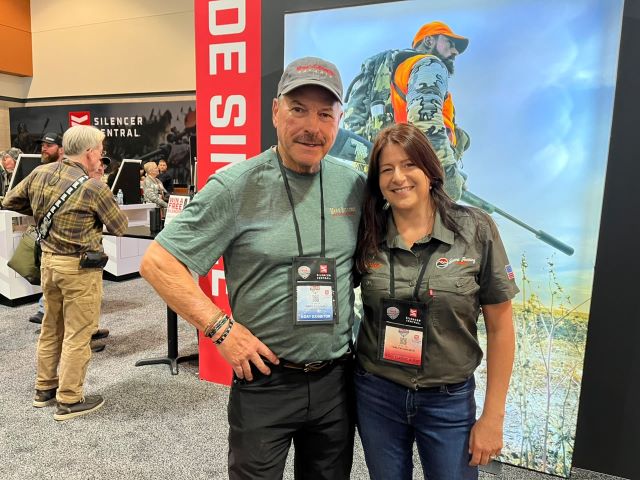
Few professional hunters have generated as much discussion about dangerous-game encounters as Mark Sullivan. His films made charging buffalo and close-range encounters familiar to many hunters, while also provoking debate about when a PH should intervene. During an elephant hunting expedition in Namibia, my son, Keenan van Wyk, who is also a professional hunter, spent several hours with Mark Sullivan discussing double rifles, Cape buffalo charges and close-range dangerous-game hunting. Sullivan was generous with his advice and demonstrated double-rifle handling. When the conversation turned to GHS's .500 Nitro Express, Sullivan jokingly dismissed it as a rifle for women and children. His own preferred rifle was a Holland & Holland .577 Nitro Express.
Whether watching a dangerous-game encounter on film or standing beside a PH when a wounded buffalo is about to disappear across a river, decisions can unfold in seconds. Understanding how your own PH approaches backup shots, and why he might intervene, matters far more than deciding afterwards whether someone else should have fired.
When the Hunter Wants the PH to Hold Fire
Some hunters make it clear that they want the PH to hold fire unless there is an immediate threat to someone's safety. They accept that a wounded buffalo may require a difficult follow-up and want the opportunity to finish what they started. An experienced hunter may feel strongly about this, especially if he has travelled to Africa specifically for the challenge of hunting dangerous game.
That preference deserves respect, but it cannot become an absolute instruction. Even a highly experienced hunter may find himself unable to shoot when danger develops. A tree might obstruct his line of fire, the buffalo may approach from an angle he cannot cover, or he may simply be out of position. The PH might have the only clear opportunity to stop the animal. His responsibility extends beyond the paying client to everyone involved, including trackers who may be working ahead in thick cover.
A wounded buffalo doesn't care whether the person standing in front of him is the hunter, the PH or a tracker. Everyone in that hunting party needs to understand that the PH may have to intervene, regardless of what was agreed in camp.
When Both Hunter and PH Agree to Shoot
There are situations where the hunter and PH agree that both will shoot if things go wrong. Following a wounded buffalo into thick cover is one of them. When visibility is limited and an encounter can develop in seconds, there may be no opportunity to discuss who should fire first.
During a buffalo hunt in Mozambique, I followed a wounded bull into thick cutgrass standing approximately two metres high with Neil, my PH from NB Safaris. Before entering the thick grass, we agreed that if the buffalo charged, we would both shoot. Nobody would wait for the other to fire.
The buffalo did charge. Neil was fractionally quicker with his first shot, but we both fired, then both fired again. As anyone who has followed a wounded Cape buffalo knows, an angry bull can eat lead. Despite taking those additional shots, the buffalo turned, ran approximately 100 yards and finally went down.
Nobody needed to be a hero. We had agreed on our response before entering the grass, and when the charge came, neither of us was left wondering what the other intended to do.
That is the value of agreeing on the terms of engagement. The hunter and PH may have different preferences about backup shots under normal circumstances, but when they agree that both should fire in a dangerous situation, everyone knows the plan.
Have the Backup-Shot Conversation Before the Hunt Begins
The first evening in camp is a good time to sit down with your PH and agree on how backup shots will be handled. Don't assume that because you have hunted dangerous game before, or because your PH may have guided hundreds of buffalo hunts, you automatically understand each other's expectations. Two experienced hunters can have different ideas about when a second rifle should come into play.
Tell your PH whether you want every reasonable opportunity to finish your own buffalo or whether you would prefer him to intervene promptly if the first shot looks doubtful. Discuss what should happen if the bull disappears into thick cover, you cannot get a clear second shot, or a follow-up becomes dangerous. Your PH should explain when he would normally hold fire and when he might shoot without waiting for your permission. These are the terms of engagement, and both parties need to understand them. The conversation should also cover what happens if the hunter is unwilling or unable to participate in a dangerous follow-up. The PH needs to know this beforehand, rather than discovering it after a buffalo has been wounded.
There is also an unwritten understanding among experienced professional hunters. Even if the client makes a poor first shot and the PH delivers the fatal one, a good PH will still refer to the animal as the client's buffalo. He doesn't need to claim the credit or remind everyone who fired the decisive shot. The PH's job is to guide the hunt, help recover the animal and look after his client, not compete with him for recognition.
There is another situation worth discussing before the hunt. Suppose an unwounded buffalo suddenly charges while you are stalking a herd. You trip, cannot see the animal or have no clear shot, and your PH kills it to protect the hunting party. You haven't fired a single round, but does that mean you owe nothing for the buffalo?
Not necessarily. Traditionally, the understanding on African hunting safaris is that the client remains responsible for a buffalo taken during his hunt, even when the PH must fire in self-defence. The PH was guiding the client's safari, not hunting for himself. But an unwritten hunting convention is not automatically a contractual obligation. Trophy-fee liability, how the animal is recorded and whether another buffalo may be hunted depend on the agreement and applicable regulations. Clarify this with the outfitter before wiring your deposit, rather than discovering an unexpected financial obligation afterwards.
Finally, remember that an agreement about backup shots is not permission to take a poor first shot. Understanding proper Cape buffalo shot placement, knowing your rifle and recognising your own limitations remain the hunter's responsibilities. The PH's backup rifle is there for situations that require intervention, not to compensate for careless shooting.
Frequently Asked Questions
Can a PH Tell You Not to Join a Wounded Buffalo Follow-Up?
Yes. A professional hunter may decide that the client should remain behind if the follow-up presents risks the hunter is not equipped to handle. Thick cover, poor visibility, difficult terrain or concerns about the hunter's ability to react safely can all influence that decision.
It isn't necessarily a reflection of the hunter's shooting ability. An experienced hunter can still find himself in circumstances where another armed person moving through the bush would make an already dangerous situation more difficult. The PH must consider the safety of the entire hunting party.
What Happens if You Refuse to Follow Up Your Wounded Buffalo?
A hunter may decide that he is unwilling or physically unable to follow a wounded buffalo into dangerous cover. That doesn't remove the responsibility to make reasonable efforts to recover the animal.
The PH is ultimately responsible for managing the follow-up and doing everything reasonably possible to ensure the wounded buffalo is recovered and dispatched humanely. He must assess the situation and determine how the follow-up can be conducted safely, whether the client participates or not.
A hunter who recognises his limitations should communicate them rather than enter a dangerous situation simply to prove himself. This possibility is worth discussing before the hunt, particularly if the client has concerns about mobility, fitness or following wounded dangerous game.
Can a PH Refuse to Guide a Hunter Who Ignores Safety Instructions?
Yes. A professional hunter has a responsibility to protect his client, trackers and everyone else involved in the safari. If a hunter repeatedly ignores firearm-safety instructions or behaves in a way that endangers the hunting party, the PH may suspend the hunt rather than continue under unsafe conditions.
Paying for a safari does not give the client unrestricted authority over how dangerous game is hunted. The PH is responsible for making professional judgments in the field, and the hunter must respect those decisions. Whether the safari is subsequently resumed or terminated depends on the circumstances and the outfitter's agreement.
A Good Buffalo Hunt Starts With an Understanding
A good buffalo hunt depends on trust between the hunter and his PH. Both need to understand when the second rifle may come into play, who makes the final decision and what happens when circumstances change. Agree on those terms before the hunt begins, respect each other's responsibilities and remember that getting everyone home safely matters more than who fired the final shot.
For hunters planning their next safari, our African hunting trips offer opportunities to hunt Cape buffalo and other dangerous game across several African destinations.
Author
Pierre van Wyk is the co-founder of Game Hunting Safaris and an experienced African hunter who has pursued Cape buffalo and other dangerous game across southern Africa. Through Game Hunting Safaris, Pierre shares practical hunting knowledge gained in the field, helping international hunters better understand the realities of hunting in Africa.