
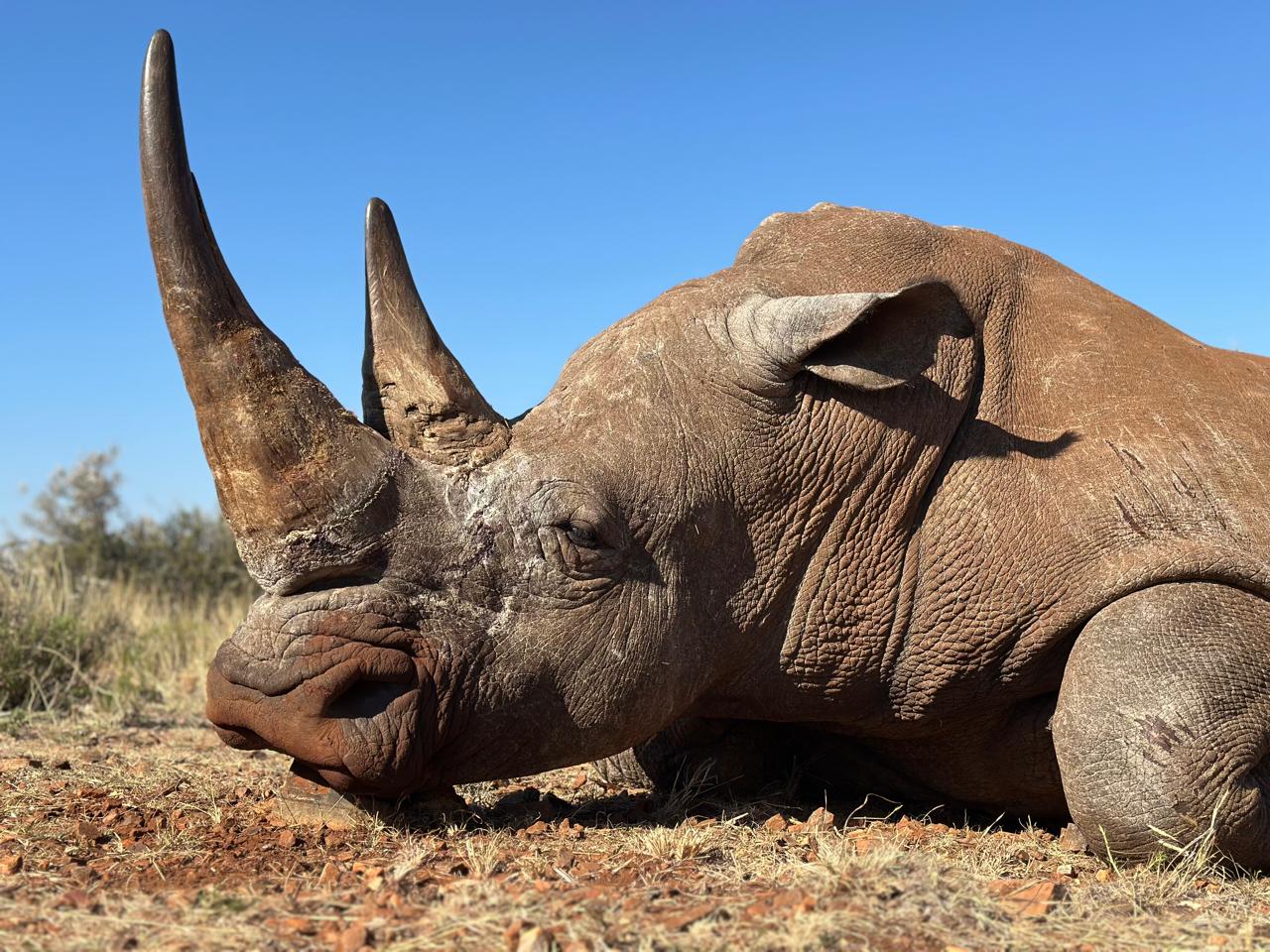
Booking a rhino hunt is different from reserving most other African hunting safaris. A hunter may be offered a particular white rhino bull, complete with photographs and horn measurements, sometimes eighteen months or even two years before the intended hunt. By the time a deposit is requested, the animal may have been identified and the hunting dates discussed, but that does not mean every part of the arrangement has been approved.
For American hunters considering rhino hunts in Africa, the important question is what they are committing to when that first payment is made. The rhino may still require final hunting authorisation, the hunter's own approval may be outstanding, and the agreement may contain conditions that only become relevant months later.
There is no standard set of booking terms that applies to every rhino hunt. Different outfitters and individual hunting arrangements can have different payment requirements, permit conditions and provisions for changes. Before paying a deposit, the hunter should understand exactly what has been agreed, what remains subject to approval, and what happens if the original arrangements cannot go ahead.
Are You Booking a Particular Rhino or a Trophy Category?
Some rhino hunts are arranged around a particular bull. The hunter may have seen photographs, been given horn measurements and agreed on a price for that individual animal. Other hunts are offered within a defined trophy category, where the exact rhino may only be confirmed closer to the safari.
Black rhino hunting can involve a different arrangement. In 2014, a permit for a black rhino hunt in Namibia was auctioned through Dallas Safari Club for $350,000. The hunter was securing a regulated hunting opportunity rather than choosing a particular bull from photographs. It is a useful example of why the animal, hunting authorisation and booking conditions need to be clearly understood before making a financial commitment.
That distinction matters, particularly when the hunt is booked eighteen months or two years in advance. If the agreement is for a specific bull, the hunter should establish how that animal is identified in the booking documents. If it is for a trophy category, he needs to understand how that category is defined and whether the final animal must meet measurements or other agreed conditions.
A photograph of an impressive bull does not necessarily mean that rhino is reserved for the hunter. What matters is what the written agreement specifies.
The process of identifying animals suitable for legal hunting is covered separately in our article, How Is a Rhino Selected for a Legal Hunt? The distinction here is whether the agreement covers an identified animal or a hunting opportunity within a defined category.
What Has Been Approved When You Pay?
Wiring a deposit does not necessarily mean the rhino hunt has received every required approval. An outfitter may have identified the animal, agreed on hunting dates and begun the necessary applications while some authorisations are still outstanding. The hunter needs to know which approvals have been issued and which remain pending when the payment is requested.
In South Africa, rhino hunting is regulated nationally under the National Environmental Management: Biodiversity Act (NEMBA), the Threatened or Protected Species (TOPS) regulations and specific rhino hunting norms and standards. The national Department of Forestry, Fisheries and the Environment (DFFE) has an oversight role, while provincial conservation authorities handle relevant applications and permitting responsibilities. Administrative requirements can differ between provinces.
Rhino hunting applications are subject to national oversight, with the relevant provincial issuing authority responsible for applicable permit decisions. Provincial legislation and administrative requirements can also differ. For hunters considering rhino hunting in South Africa, the consideration is whether the necessary approvals for that hunt have been issued or whether applications are still being processed when the deposit is requested.
The hunter himself may also require approval, which can involve submitting a hunting CV and supporting details of previous hunting experience. What matters here is whether that approval has already been granted or is still outstanding when the deposit becomes payable.
There is nothing inherently unusual about wiring a deposit while approvals are being processed. However, the written agreement should explain what happens if a required authorisation is delayed or refused, including who is responsible for any permit application costs already incurred.
What Happens If Your Rhino Is No Longer Available?
A particular rhino may be identified and reserved years before the actual hunt. During that time, the animal remains exposed to disease, injury, poaching and natural mortality. An animal photographed and measured when the booking was made is not guaranteed to be there when the hunter arrives.
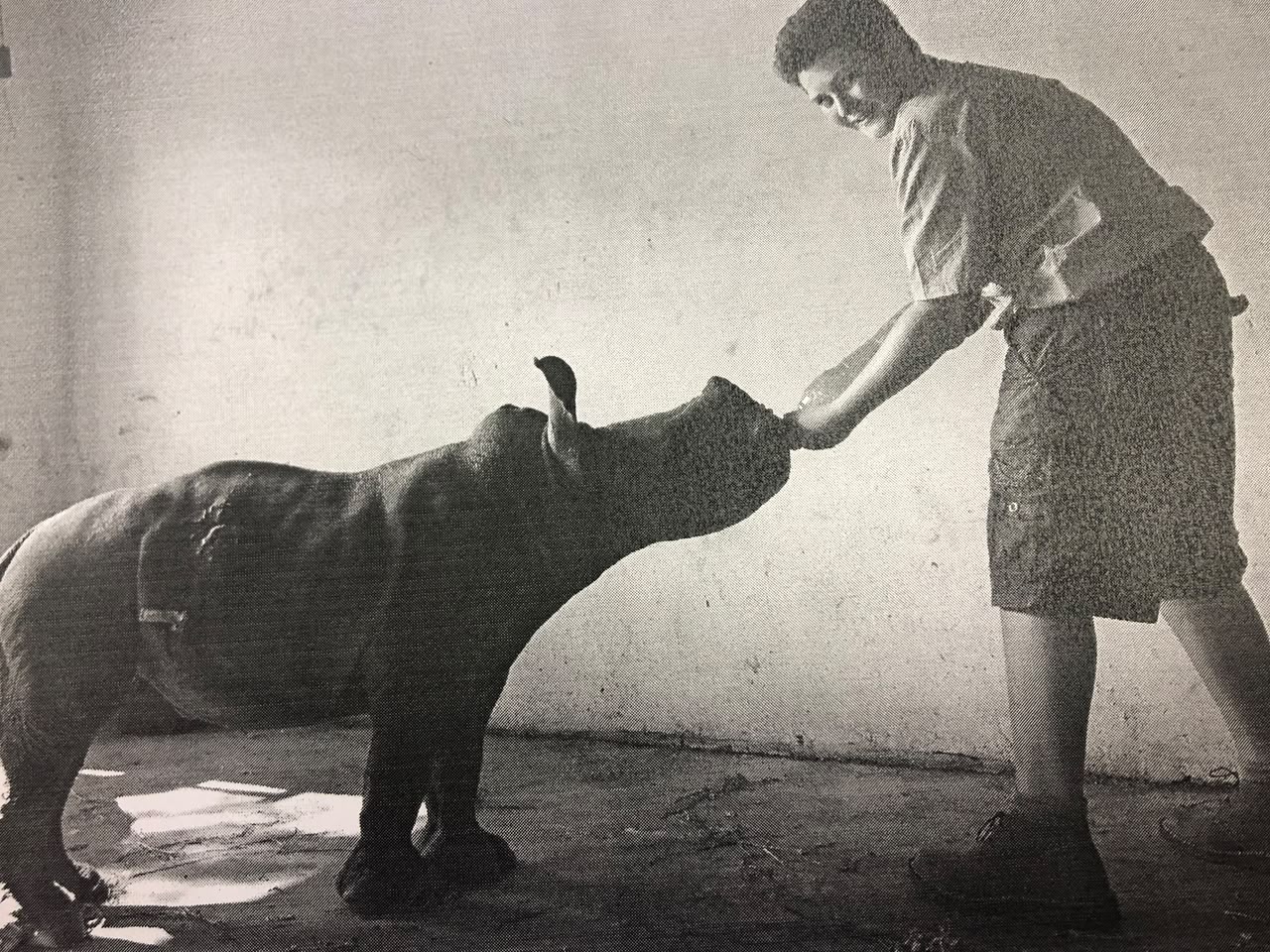
On a visit to Rugania Game Farm in South Africa's North West Province, we saw firsthand how an intended rhino hunt can become impossible. Poachers had killed a female rhino and injured a bull, leaving behind an orphaned calf that we helped feed during our visit. The injured bull had initially been considered suitable for a hunt, and prospective hunters had agreed to proceed.
But while the required permits remained outstanding, his condition deteriorated. Weeks passed, and eventually Anton, the property's professional hunter and manager, had to put the animal down to end its suffering. The hunt never happened, and the property lost the anticipated hunting income.
If the agreement covers a specific bull, losing that animal cannot necessarily be resolved by offering another rhino. A suitable replacement may be available, but its trophy quality, price and permitting requirements could differ. Postponement or cancellation may be necessary, depending on the circumstances and the agreement.
There is no standard outcome. The individual booking terms determine what arrangements have been made for an unavailable animal, including any agreed substitution, postponement or repayment provisions. These conditions matter to both hunter and outfitter when a valuable animal is reserved long before the safari.
Does the Deposit Secure the Animal, the Dates, or Both?
Not every rhino hunt deposit serves the same purpose. One outfitter may require an initial payment to reserve a particular bull, while another may use it to secure hunting dates or begin the permit application process. Some agreements involve staged payments, with additional amounts becoming due once specified approvals have been obtained.
The distinction is important when a hunter is booking well in advance. A deposit securing the dates does not necessarily guarantee that a particular rhino has been reserved, just as an agreement covering an identified animal does not automatically mean every hunting arrangement has been finalised. The payment schedule should make clear what each instalment secures and when further payments become due.
Price is another consideration. Some agreements fix the cost of the hunt when the booking is confirmed, while others allow for specified changes before the safari takes place. With eighteen months or two years between the initial deposit and the hunting dates, the hunter needs to establish whether the quoted price is guaranteed, what additional charges might apply and whether any adjustments require his agreement.
Cancellation terms also deserve attention. A hunter who withdraws from a confirmed booking may face different financial consequences from one whose safari cannot proceed because the outfitter is unable to fulfil the agreed arrangements. Those circumstances should not be treated as interchangeable, and any repayment, credit or postponement provisions depend on the individual agreement and applicable law.
What Happens If Trophy Import Approval Is Refused?
A rhino hunt can be legally authorised in Africa without the hunter having permission to import the trophy into his home country. For an American hunter, obtaining the necessary United States import approval is a separate matter from securing the African hunting permits. Approval on one side does not guarantee approval on the other. American hunters should check the applicable trophy-import requirements with the U.S. Fish and Wildlife Service before committing to a hunt. The necessary permits and approvals depend on the species, country of origin and circumstances of the import.
This distinction is important when a substantial deposit is due long before the hunt. An American hunter intending to bring home a rhino trophy should establish whether the required import authorisation must be obtained before the safari, and whether the booking agreement makes that approval a condition of proceeding.
If import approval is refused, the financial consequences depend on the individual agreement. An outfitter may have reserved an animal, committed hunting dates and incurred expenses in preparing for the safari. The hunter, meanwhile, may no longer wish to proceed with a hunt if the trophy cannot legally be brought home.
These circumstances should be addressed before the deposit is paid. A legally available rhino hunt and an importable trophy are not necessarily the same thing, and neither party should assume that refused import approval automatically cancels the agreement or entitles the hunter to a refund.
Frequently Asked Questions About Rhino Hunt Deposits
Do You Need Previous Big Five Hunting Experience Before Booking a Rhino Hunt?
Not every rhino hunt has the same hunter-approval requirements. Some opportunities require applicants to demonstrate previous dangerous-game hunting experience, which may involve submitting a hunting CV, photographs, previous hunting permits or other supporting documentation.
A hunter who has not completed the Big Five should not automatically assume he is ineligible. However, he should establish whether his experience satisfies the requirements of the hunt before paying a substantial deposit. Previous hunting experience and formal approval requirements are not necessarily the same thing.
Can a Darted Rhino Count Toward Completing the Big Five?
Whether a darted rhino counts toward completing the Big Five depends on whose definition you use. Safari Club International recognises darted rhinoceros under certain award criteria, but that does not mean every Big Five recognition programme treats darting the same way.
In South Africa, rhino darting activities are regulated and may require veterinary supervision and specific authorisations. Before booking, confirm exactly what is being offered and whether it qualifies for any particular award you intend to pursue.
Our article, What Actually Counts as Completing the Big Five?, explains the distinction between personal achievement and formal hunting recognition.
Should You Book International Flights Before Your Rhino Hunting Permit Is Approved?
Rhino hunting permits can take several months to process, depending on the country, the circumstances of the hunt and the authorities involved. A confirmed hunting date does not necessarily mean every required authorisation has been issued.
Before purchasing non-refundable international flights, the hunter should establish the status of the hunting permit and discuss the expected approval timeline with the outfitter. Where approvals remain outstanding, flexible travel arrangements may be worth considering. Flight changes, additional accommodation and other travel expenses may fall outside the hunting agreement, leaving the hunter responsible for those costs if the safari is delayed.
Before You Pay a Deposit on a Rhino Hunt
A rhino hunt can involve considerable planning long before the hunter ever arrives in Africa. Whether the agreement covers a particular bull or a defined trophy category, the important details are what the deposit secures, which approvals remain outstanding and how the agreement deals with changes that neither party may be able to control.
A well-structured booking should leave both hunter and outfitter knowing where they stand. Before committing money, make sure the animal or hunting opportunity, payment terms, permit conditions and any arrangements for an unavailable rhino are clearly understood and recorded in writing.
When comparing hunting trips in Africa, take the time to discuss these details with the outfitter and professional hunter involved. A substantial deposit should be the beginning of a properly understood agreement, not the point at which important questions are left unanswered.
About the Author
Pierre van Wyk is co-founder of Game Hunting Safaris and an experienced African hunter. His understanding of the realities behind safari bookings comes from years spent dealing with hunters, professional hunters and outfitters across Africa. Having witnessed firsthand how poaching injuries and permit delays can derail a planned rhino hunt, Pierre believes that knowing exactly what has been agreed before money changes hands is just as important as choosing the right animal.