
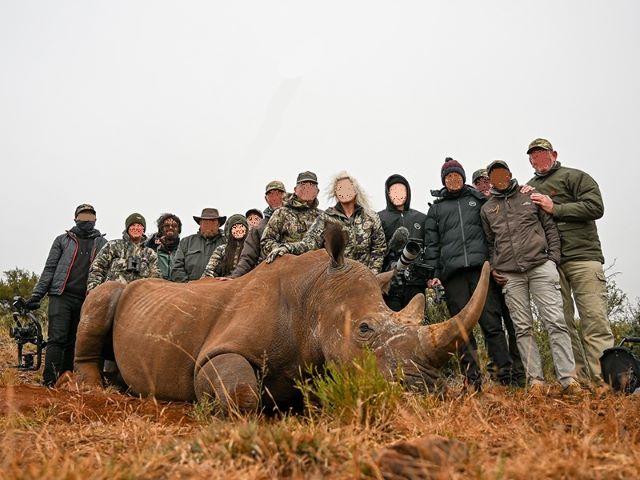
A rhino hunt begins long before the hunter arrives in Africa. Unlike a Cape buffalo hunt, where several bulls may be tracked and judged before one is selected, the rhino available to hunt may already have been identified before the safari begins.
There can be several reasons why a particular rhino becomes available. Age may be one consideration, but it is not the only one. The animal's breeding role, behaviour, condition and place within the wider population may all be considered as part of a management decision. In some cases, a bull may be causing problems with other rhinos. In others, removing a particular animal may fit a longer-term management objective.
This also means that Rhino Hunts are not simply about finding the animal with the longest horn. Depending on the hunt, the hunter may be pursuing a specific rhino that has already been identified and approved, with permits and other requirements dealt with before anyone enters the field.
White and black rhino hunting can also involve very different circumstances, and the process is not identical between countries, properties or individual hunts. What matters is understanding why that rhino is available to hunt, who made that decision and what needs to happen before the hunt can take place.
That process is where a rhino hunt really begins.
Rhino Populations Are Closely Monitored
Rhino hunting differs from most African hunting because individual animals within managed populations are often closely monitored. Even free-ranging rhinos are part of managed populations, with wildlife authorities, landowners, conservation teams or anti-poaching units keeping records of the animals within an area.
In South Africa and Namibia, individual rhinos may be well known. Managers know bulls by their horn shape, ear notches, scars, age, territory or identification records. Individual rhinos may have been known and monitored for years, giving managers a detailed understanding of animals within the population.
That does not mean every rhino hunt involves one specific animal. A smaller population may have a particular bull selected before the hunt, while a larger population may contain several bulls that meet the management criteria for hunting. The exact system depends on the area, the population and the permits involved.
What is unusual is how much may already be known about the rhinos before the hunter ever arrives.
Who Decides Which Rhino Can Be Hunted?
The decision to make a rhino available for hunting is not usually made by the hunter or Professional Hunter. The process depends on the country, the property and whether the hunt involves white or black rhino, but wildlife authorities and the people responsible for managing the population can all play a role.
On privately managed populations in South Africa, a particular rhino may be identified well before a hunter arrives. Managers already know the animal's age, breeding history, behaviour and place within the population. In other circumstances, several bulls may meet the management criteria and the final animal is selected as part of the hunt.
Black rhino hunting is considerably more restricted. Namibia provides a good example: the wildlife ministry identifies the individual animals made available under its regulated programme, and authorised hunts are accompanied by government representatives. Annual availability must be confirmed before a hunt is booked.
Why Would a Particular Rhino Be Selected?
A rhino may be selected for hunting for several reasons, and age is only one of them. The decision depends on the animal itself and what wildlife managers are trying to achieve within that population.
An older bull that is no longer contributing to breeding may be an obvious candidate. In other cases, a dominant bull may be preventing younger animals from breeding, fighting with other males or injuring females. An animal's health, condition, genetics and behaviour can also form part of the decision.
Population structure matters. A property carrying a healthy rhino population needs an appropriate balance of breeding females, younger animals and mature bulls. Removing one animal can therefore be part of managing the population rather than simply removing the oldest rhino available.
This is particularly important because the biggest horn does not automatically identify the right rhino to hunt. A younger breeding bull with exceptional horn growth may be considerably more valuable to the population than an older animal carrying a smaller trophy.
The opposite can also be true. In some South African white rhino populations, younger bulls may become available for management reasons. A legal rhino hunt therefore does not automatically mean pursuing an old, post-reproductive animal.
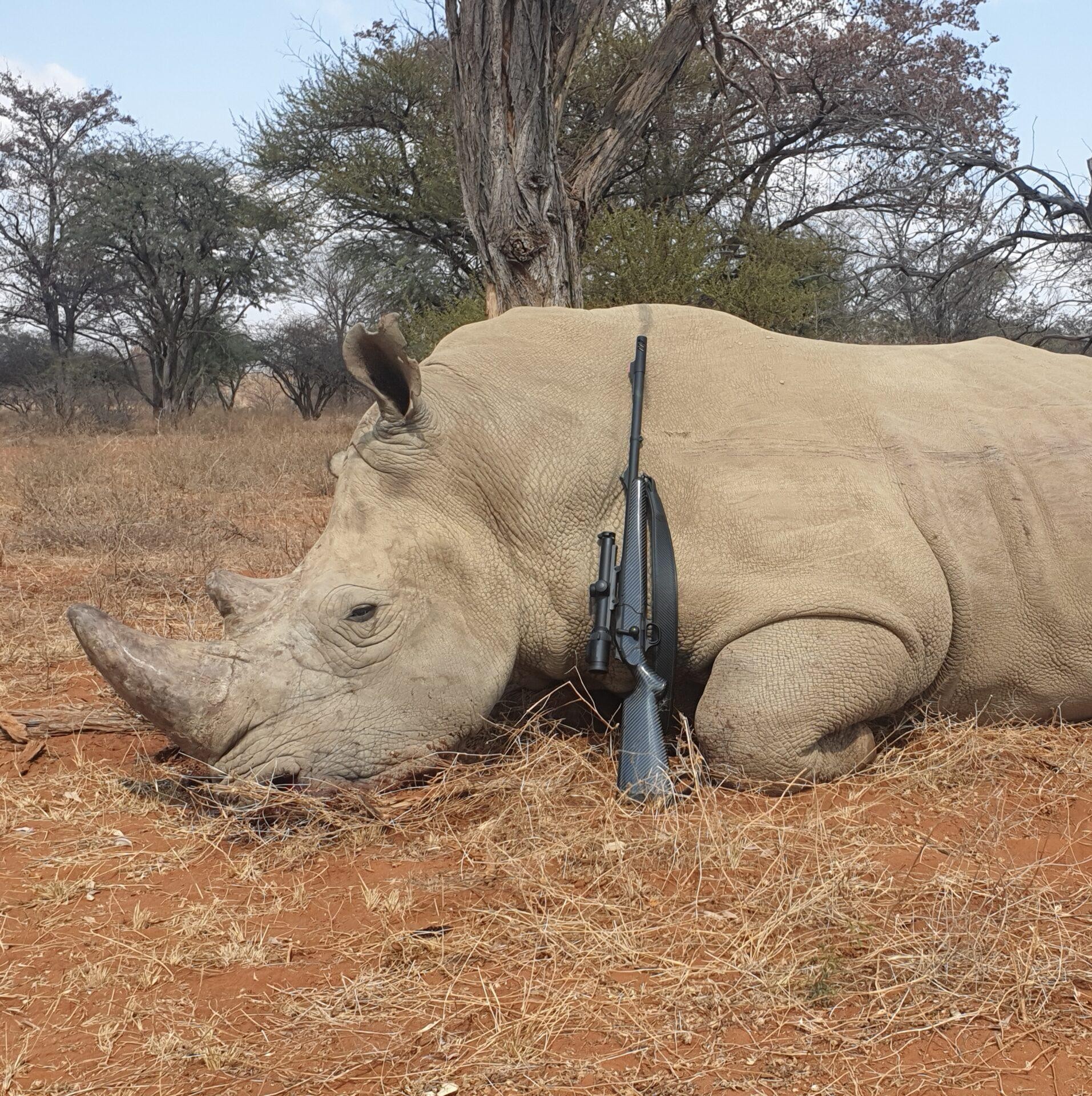
The reason for selecting the rhino comes first. Its trophy quality comes second.
Does a Rhino Have to Be Old Before It Can Be Hunted?
No. Although older bulls are often associated with rhino hunting, particularly in the case of extremely limited black rhino opportunities, a legal rhino hunt does not always involve an animal at the end of its life.
White rhino can be different. In South Africa, younger bulls may become available for hunting as part of the management of a particular population. A bull does not necessarily have to be old or past his breeding years before there may be a reason to remove him.
This can happen when a property has more bulls than are needed for breeding, when younger males begin competing for territory or when the management plan for the population requires certain animals to be removed. Each population is different, which is why age alone cannot determine whether a rhino is suitable for hunting.
Two legal rhino hunts can involve different animals, even within the same country.
A younger bull can also represent a very different trophy from an older animal. Rhino horn develops as the animal matures, and an older bull may carry considerably more horn. That can have a major effect on the price of the hunt.
Rhino hunts are often sold within a particular horn-size range. A hunter might, for example, book a rhino up to an agreed horn measurement, with larger trophy categories carrying considerably higher prices. Depending on the arrangement, additional inches above the agreed measurement can also come at a substantial additional cost.
This needs to be understood before the safari begins. The hunter should know exactly what trophy category has been booked, how the horn will be measured and what happens if the rhino ultimately hunted falls outside the agreed range.
When it comes to rhino hunting, size counts. A few extra inches of horn may look impressive, but they can also add a very substantial amount to the final trophy fee.
The Hunter May Need to Be Approved Too
A rhino hunt cannot be booked in the same way as most other African safaris. Having the money and finding an available rhino does not necessarily mean the hunt can simply go ahead.
For rhino hunts, authorities may require information about the hunter before the necessary permit is approved. In South Africa, a foreign hunting client applying to hunt white rhino is required to show that he is a bona fide hunter. Supporting information can include membership of a recognized hunting association, a hunting CV or evidence of previous hunting safaris in Africa.
That makes previous hunting history more than a conversation around the campfire. The authorities will want to know what the hunter has hunted before considering the application.
There is also the paperwork surrounding the animal itself. Depending on the country and hunt, permits, identification of the rhino, trophy documentation and CITES requirements may all need to be dealt with.
American hunters also need to establish the U.S. Fish and Wildlife Service requirements for the rhino and country being hunted. These are not the same for every rhino hunt. For example, USFWS currently treats the import of a Namibian southern white rhino differently from one hunted in South Africa. Import requirements should therefore be confirmed well before the safari rather than assumed once the hunt has been booked.
This is why some rhino hunts are planned well in advance. The rhino may already be identified, while the hunter's approval and paperwork still need to be completed.
A Rhino May Be Selected Long Before It Is Hunted
The rhino selected for a hunt may be identified months or even years before the hunter eventually arrives. Managers do not necessarily decide that an animal should be removed and then immediately look for someone to hunt it.
Once a particular bull has been identified, the situation can continue to be monitored. Its age, condition, behaviour and position within the population may still be observed while the eventual hunting opportunity is arranged.
Finding the hunter is only part of the process. Permits need to be obtained, the hunter may need to satisfy the relevant requirements, and arrangements for the eventual export and import of the trophy need to be understood. With an international client, this can involve authorities in more than one country.
But the rhino does not stop being a rhino because somebody has earmarked it for a future hunt. Animals move, fight, breed, suffer injuries and occasionally die. Circumstances can change between the original management decision and the planned safari.
Occasionally, the opposite can happen and a rhino becomes available at very short notice. An animal may be badly injured in a fight or suffer another serious injury that places its future at risk. If wildlife managers decide that the animal should be removed, a hunting opportunity may become available much sooner than usual, provided the necessary permits and approvals can be arranged. These opportunities are uncommon and cannot be planned around.
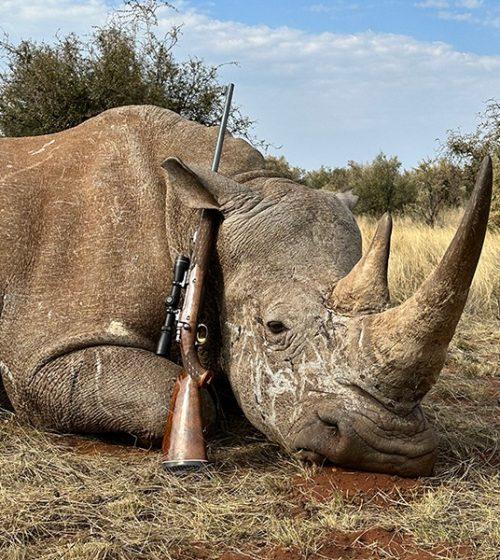
Identifying the rhino and eventually hunting it are two separate stages. An animal may have been earmarked years earlier, while the final approval and hunt take place much later.
What Happens When the Hunter Arrives?
Knowing which rhino is available does not mean the hunt begins with someone pointing at the animal and telling the hunter to shoot it.
If a specific rhino has been selected, the hunting team still needs to locate it and positively identify the correct animal. Depending on the area, that may involve searching for tracks, following sign or glassing likely country until the rhino is found.
Identification is critical. Horn shape, ear notches, scars and other distinguishing features can help confirm that the correct animal is being followed. Where several rhinos occur together, the Professional Hunter and management team need to be certain of the animal before the hunt proceeds.
The situation can be different where several bulls meet the approved management criteria. Rather than hunting one predetermined rhino, the team may have more than one suitable animal to consider, depending on the permits and conditions of that hunt.
Once the correct rhino has been located, it is still a hunt. Wind, vegetation and the animal's movements determine the approach, and getting close enough for a safe, carefully placed shot can require patience.
During a Big Five Hunting safari, few mistakes could be more serious than confusing one rhino for another. The hunting team needs to know exactly which animal is in front of them before the hunter takes the shot.
FAQs About How Rhinos Are Selected for Hunting
Can a hunter choose which rhino to hunt?
Sometimes, but not always. A particular rhino may already have been identified for hunting before the safari is booked. In other areas, several animals may meet the management criteria, allowing the final rhino to be selected during the hunt. The exact arrangement should be understood before booking.
How far in advance should a rhino hunt be booked?
Rhino hunts require more planning than other African safaris. The animal may need to be identified, permits obtained and the hunter approved before the hunt can take place. International trophy import requirements can add further time, so these are not hunts to arrange at the last minute.
Can American hunters import a rhino trophy?
Potentially, but the requirements depend on the rhino species, country of origin and current U.S. regulations. American hunters should establish the applicable U.S. Fish and Wildlife Service and CITES requirements before booking the hunt, rather than assuming that a legally hunted rhino can automatically be imported.
Does horn size affect the price of a rhino hunt?
Yes. Rhino hunts may be priced according to an agreed horn-size category, and moving into a larger trophy class can substantially increase the price. Hunters should understand the measurement method, trophy category and any additional charges before the safari begins.
Is rhino hunting more complicated than other dangerous game hunting?
Usually. Rhino hunting can involve animal-specific management decisions, permits, hunter approval, CITES documentation and trophy import requirements before the safari begins. That makes it one of the more carefully controlled Dangerous Game Hunts available in Africa.
Can a rhino be added to another African hunting safari?
Potentially, but it is not normally as simple as deciding to add another species once the safari has started. Availability, permits, the rhino and the hunter's eligibility all need to line up. Hunters considering rhino as part of broader Africa Hunting Trips should therefore raise the possibility well before the safari.
The Rhino Comes First
A legal rhino hunt starts with the animal. Long before a hunter arrives, there may have been years of monitoring, management decisions and planning behind why that rhino is available.
The hunter then becomes part of that process. Permits, trophy requirements and sometimes the hunter's own history need to be dealt with before the safari can begin.
Once everything is approved, the paperwork stays behind and the hunting starts. The rhino still needs to be found, correctly identified and hunted.
That is what makes a rhino hunt unusual: the decision about which animal can be hunted may have been made years earlier, but the final few hundred yards still belong to the hunter and his Professional Hunter.
About the Author
Pierre van Wyk is co-founder of Game Hunting Safaris and has extensive firsthand experience hunting across Southern Africa. He writes from his own hunting experience and his involvement in planning African hunting safaris.