
You can spend thirty years hunting and still arrive in Africa feeling like the new guy.
You may have chased elk through the Rockies, hunted bears in Alaska, climbed mountains for ibex, or travelled to New Zealand for red stag. You know how to shoot, you understand wind, you have packed animals out of difficult country, and you certainly don't need somebody explaining how hunting works.
Then you arrive in Africa.
Suddenly there is a tracker standing on the front of a Land Cruiser reading marks in the sand you can barely see. Your Professional Hunter knows there were buffalo on the road hours earlier. Another tracker can tell which direction they went, whether they were moving quickly and whether there is an old Dagga boy among them.
By lunchtime you may be following those tracks on foot through country where something considerably bigger than a grizzly could be standing behind the next patch of brush.
And that is only the hunting.
Shoot an elk back home and much of what happens next may be your responsibility. In Africa, a successful hunt can bring an entire team into action. Trackers, skinners, camp staff and sometimes members of surrounding communities all have a role to play. Shoot an elephant or hippo in hot weather and recovering the animal, protecting the trophy and dealing with thousands of pounds of meat becomes an operation of its own.
That is often the first surprise. Years of hunting elsewhere don't necessarily prepare you for how differently things work in Africa.
An African Hunting Safari is not simply the same hunting you know with different animals. The people are different. The country is different. The way you hunt is different. Even what happens after you squeeze the trigger can be completely different. You can arrive with thirty years of hunting behind you. Africa can still teach you something on the first morning.
Suddenly, You Are Hunting With a Team
A hunter used to doing things himself may find the size of an African hunting team surprising at first.
On a self-guided hunt back home, you might scout the area, carry your own gear, find the animal, make the stalk and deal with everything that follows. Perhaps there are two of you, but much of the responsibility remains yours from beginning to end.
Africa can be different.
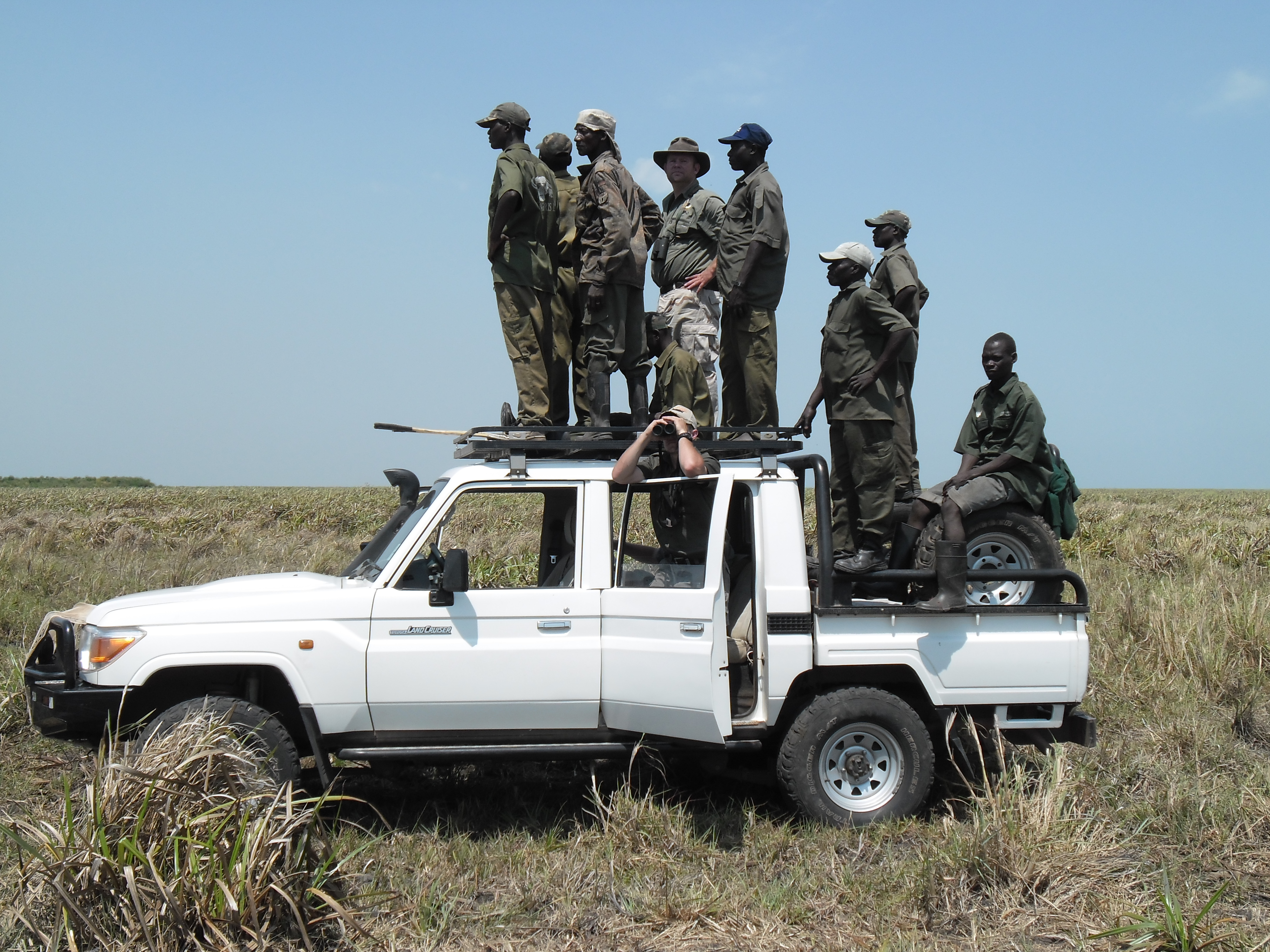
The PH may be making the hunting decisions, but there can be several other people helping to make the safari work. Trackers follow spoor and assist with locating game. Skinners take responsibility for the trophy once an animal is down. Camp staff keep everything running while the hunting team is miles away, and government game scouts are part of the operation in some hunting concessions.
On larger Dangerous Game Hunts, even more people are involved when an animal needs to be recovered. At first, having so many people around can feel unusual to someone accustomed to being self-sufficient. After a few days, you begin to understand why they are there.
Everyone has a job, and some of those jobs involve skills that take a lifetime to learn.
A tracker who has followed animal spoor since childhood may notice a bent blade of grass, a scuff in the sand or the edge of a track that means nothing to you. A good skinner can work on a trophy worth thousands of dollars knowing that one careless cut cannot simply be undone. The PH must bring all that information and experience together while deciding where the hunt goes next.
Nobody is hunting the animal for you. When the moment comes, you still must make the stalk and make the shot. You have simply become part of a hunting team. Learning to trust that team may be one of the first adjustments you make in Africa.
Africa May Change Your Idea of a Hard Hunt
If you have spent years hunting sheep, ibex, black bear or elk in steep country, an African safari can appear suspiciously comfortable. Instead of putting a heavy pack on your back before daylight and climbing several thousand feet, the first instruction of the morning may simply be:
Get in the Land Cruiser.
For about five minutes, you may wonder why you didn't discover African hunting twenty years earlier.
Enjoy the thought while it lasts. The vehicle may get you into the hunting area, but what happens after you climb out can vary depending on the animal you are hunting.
Cape Buffalo Hunts may mean finding fresh tracks and following them for hours through bush, trying to stay downwind while the temperature continues to climb. Elephant hunting can involve walking many miles behind tracks, only to catch up and discover that the bull is not what the team is looking for.
Lion and leopard bring different challenges. Much of the work can revolve around finding tracks, understanding how a cat is moving through an area, checking baits and deciding where to spend the next day. Crocodile hunting may require the opposite approach altogether. Instead of covering miles, the difficult part may be sitting still and waiting for one crocodile to give you the right shot.
Then there are the mountain and forest hunts. Africa has plenty of country where the Land Cruiser isn't going to save your legs at all. Hunting the rainforests of Congo or Gabon can mean long days on foot through thick, humid forest in pursuit of species such as bongo and forest buffalo.
In Uganda, mountainous and broken country can present an entirely different physical challenge. The continent can take you from dry savanna to rainforest and steep mountain country, sometimes with very little resemblance between one hunt and the next.
There really isn't one way to hunt Africa.
Each species brings its own problems, which is part of what makes Big Game Hunting in Africa so varied. The people who hunt these animals regularly develop specialized skills around them. Following buffalo spoor is not the same job as building a leopard hunt. Tracking elephant is different again, and getting into position on a crocodile presents another challenge entirely.
The physical demands change with the hunt as well. You may not be climbing an Alaskan mountain carrying everything you need on your back, but six hours behind buffalo tracks in African heat brings its own challenges.
Your shirt may have been soaked with sweat since mid-morning, insects seem determined to follow you everywhere, and in tsetse country the flies make sure nobody gets too comfortable. By then, that easy ride out of camp in the Land Cruiser can feel like a distant memory, especially when you know there is a cooler box full of cold beer waiting in the back.
And sometimes, after walking all day, you find exactly what you have been looking for.
The PH studies the animal.
Not the one. Let's keep going.
Welcome to Africa.
You Won't Always See Animals Everywhere
One of the easiest mistakes to make before your first African hunt is expecting animals to be everywhere.
Sometimes they are. In certain hunting areas you may see impala, kudu, zebra, giraffe and warthog before breakfast. A waterhole can be busy with game, or you may drive across country where there always seems to be something else to look at.
But that is not every African safari.
Spend time hunting large free-range concessions in Zimbabwe, Tanzania, Zambia, Mozambique or other remote parts of the continent and there can be long periods when you see little. The country may stretch for miles, animals can move great distances and bush can hide something surprisingly close to you.
The great wildlife areas of East Africa can hold extraordinary numbers of animals, but that is not what every African hunting concession looks like.
Free-range hunting can be hard.
You may spend an entire morning looking for buffalo tracks before finding anything worth following. Elephant spoor may lead the hunting team for miles before the animals are ever seen. A leopard can be living in the area, leaving tracks on the roads and feeding at night, without showing himself to you once during daylight.
Even when game is plentiful, seeing animals and finding the right animal are two different things.
A buffalo herd might contain a hundred animals and still not hold the old Dagga you're looking for. In the swamps and floodplains of Mozambique's Coutadas, you may encounter even larger herds, yet the job remains the same: find the right bull among all those buffalo.
You may see several kudu bulls before the PH wants to look twice at one. Sometimes the animal you came halfway around the world to hunt simply refuses to cooperate.
That uncertainty is part of free-range hunting. Some mornings Africa can feel full of animals. On others, you may see nothing more than the backside of a warthog disappearing into the bush. And tomorrow morning you'll climb back into the Land Cruiser and start again.
The Shot May Be the Smallest Part of What Happens Next
This is where Africa can really surprise hunters accustomed to recovering and processing their own animals.
Once an animal is down, things happen quickly.
Heat is often the first consideration. On a cold-weather hunt there may be time to work carefully through the recovery, but an animal lying under an African sun creates a different problem. The trophy needs attention, the meat needs to be recovered and, with larger animals, there can be an enormous amount of work ahead.
Furred animals bring another concern. The skin needs to come off quickly so it can be cleaned, properly salted and protected before heat begins causing problems such as hair slip. On a hot afternoon, there isn't much time for everyone to stand around admiring the animal before the skinners need to get to work.
The number of people involved can be surprising.
I once shot a buffalo that ended up in the water. When photographs appeared on social media, American hunters immediately started discussing how we were going to recover it. We would need a truck. Perhaps a winch. Maybe some serious equipment.
The African solution was considerably simpler.
Gaan haal daai buffel.
Go fetch that buffalo.
A handful of guys went into the water and fetched the buffalo. Problem solved.
An elephant takes the scale of recovery to another level entirely. Until you have watched one being processed, it is difficult to appreciate just how much work begins after the shot.
The skinners need the time and space to protect the trophy first. Around them, people may be waiting with pangas and knives, ready to start on the meat. Once they are given the go-ahead, everything changes quickly. People are working everywhere, fires may be burning and meat already cooking while the carcass is still being processed.
To somebody seeing it for the first time, it can look like complete chaos. It isn't.
Everybody knows what needs to be done, and there is good reason for the urgency. In warm conditions, thousands of pounds of meat cannot simply lie around until tomorrow. Where meat from an elephant, hippo or other animal is destined for surrounding communities, getting it processed and distributed properly matters.
Thirty years of hunting may have taught you exactly what happens after an elk goes down.
Africa can give you an entirely new version of what “after the shot” means.
The Hunting Day Does Not Always End When You Get Back to Camp
After eight hours behind buffalo tracks, soaked in sweat and irritated by tsetse flies, getting back into the Land Cruiser can feel pretty good. That cooler box full of cold beer suddenly looks considerably more important than it did at sunrise.
Back at camp, rifles are put away, boots come off and the hunting team begins talking through the day. There may be a shower, a fire, dinner and perhaps a brandy and Coke while tomorrow's plan gets attention.
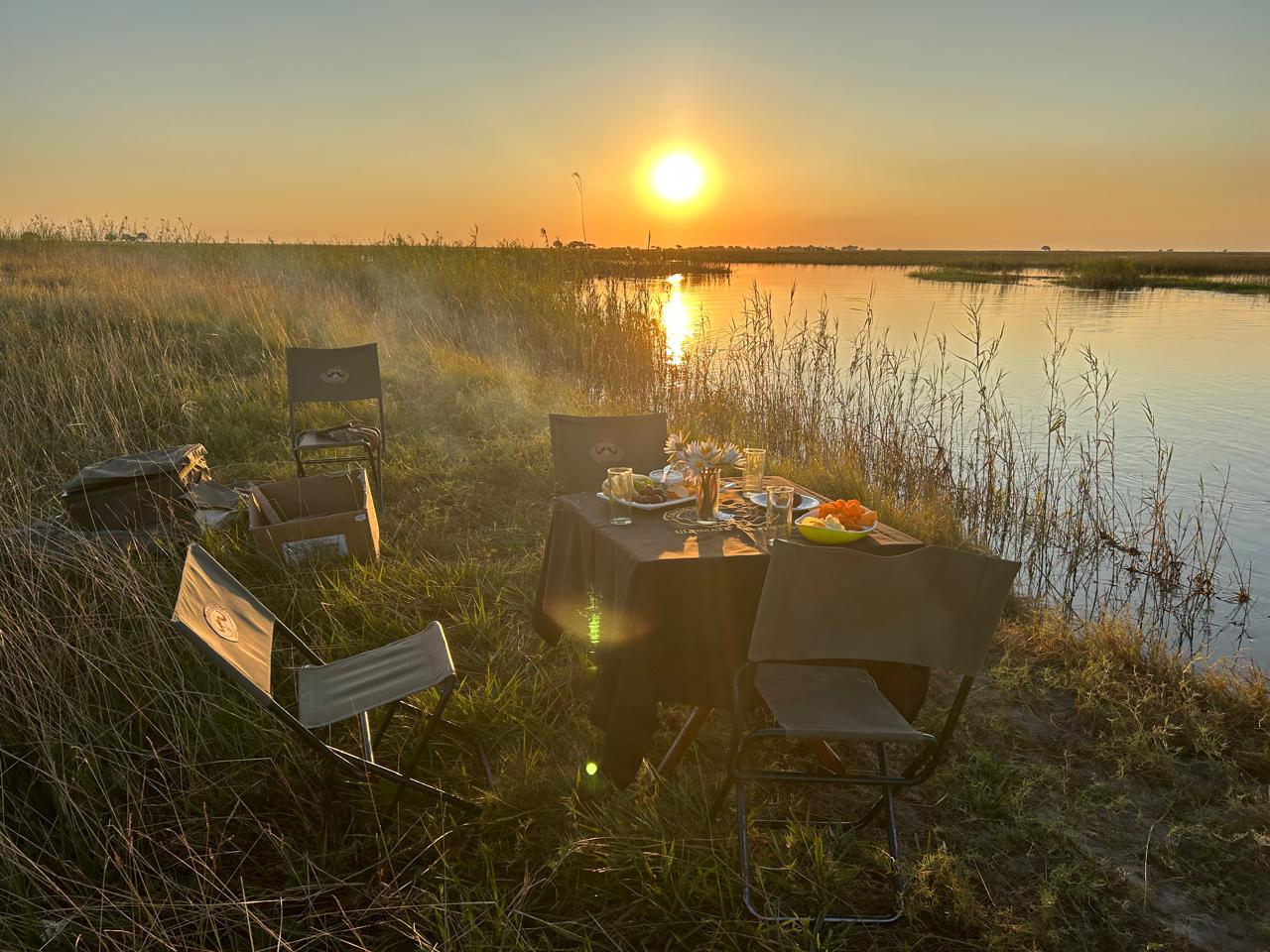
That can be another adjustment for a hunter accustomed to self-guided safaris, where camp means a small tent, something quick to eat and preparing your own gear for the following morning. African safari camps vary tremendously. Some are simple fly camps and others are comfortable and luxurious, but the camp has always been an important part of safari hunting.
It is also where the team side of the hunt becomes more noticeable.
The tracker who spent six hours following buffalo spoor is sitting around the same fire. The PH is replaying where the tracks were lost. Everyone knows what happened that afternoon, and everyone knows where the hunt starts again tomorrow.
When things finally go right, those same people share the celebration. You may have arrived in Africa expecting the animals to be the biggest difference.
Sometimes it is the people you hunted with that surprise you most.
Frequently Asked Questions
Is African hunting difficult for an experienced hunter?
It can be. Years of hunting experience remain valuable, but Africa introduces different animals, terrain and hunting methods. Following buffalo or elephant tracks, hunting thick rainforest, judging unfamiliar species or waiting on a leopard or crocodile can require a completely different approach from hunts elsewhere in the world.
How physically demanding is an African hunting safari?
It depends heavily on the species and hunting area. Some safaris involve relatively short stalks from a vehicle, while buffalo and elephant hunts may require many miles of tracking on foot in hot conditions. Forest and mountain hunts can be physically demanding as well. Hunters should understand the terrain and likely daily distances before choosing a safari.
Why are trackers so important on African hunting safaris?
Experienced African trackers can read spoor and signs that visiting hunters may barely notice. Tracks, disturbed vegetation, broken branches and other small clues can reveal where an animal travelled and help the hunting team decide whether it is worth following. On large free-range concessions, those skills can make the difference between finding game and driving straight past it.
What surprises first-time hunters most about hunting in Africa?
Often it isn't one thing. The size of the hunting team, the skill of the trackers, the variety of hunting methods, long days on foot, how quickly animals must be processed in the heat and the importance of safari camp can all be unexpected. Perhaps the biggest surprise is discovering that an African safari is not simply familiar hunting with different animals.
Africa Can Still Teach You Something
You don't need to arrive in Africa as a beginner to find something new.
You may have hunted for thirty years, travelled across continents and taken animals in some of the toughest country in the world. Africa can still surprise you with its people, its wildlife and the completely different ways a hunting day can play out.
Perhaps that is part of the reason hunters keep coming back.
If Africa is next on your list, explore our African Hunting Trips and start with the animal, country and type of hunt that brought Africa onto your radar in the first place.
About the Author
Pierre van Wyk is co-founder of Game Hunting Safaris and has spent years hunting across southern Africa. He writes from firsthand experience, sharing the moments, lessons and realities of African hunting that don't always make it into the brochures.