
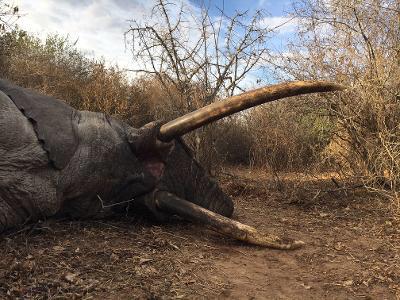
Long before hunters begin comparing tusk size, concession names or safari costs, Tanzania has usually already entered the conversation. Its reputation was never built on quick opportunities or convenient hunting. It was earned across vast wilderness areas where following the spoor of a single mature bull could become the focus of an entire safari.
That reputation continues today. Planning an Elephant Hunting Safari in Tanzania safari means understanding that the country offers more than the chance to pursue one of Africa's most iconic animals. It offers a style of hunting built around patience, tracking and allowing the country itself to determine the pace of the hunt.
Elephant safaris in Tanzania are often longer than elsewhere in Africa because the country determines the pace of the hunt. Mature bulls move across enormous hunting blocks, conditions change from one day to the next and success cannot be measured by a fixed schedule. Time has always been part of the safari.
Understanding why Tanzania earned its reputation helps explain why serious elephant hunters continue to regard it as one of Africa's great Big Game Hunting destinations. Before choosing a concession or deciding how many days to book, it is worth understanding what has made the classic East African elephant safari so respected for generations.
[DYNAMIC-BLOGTABLEOFCONTENT]
Tanzania's reputation as the classic East African elephant safari was never built on elephant numbers alone. It was earned across immense hunting areas where mature bulls continue to move through unfenced wilderness that has changed little over generations. The country itself has always shaped the hunt.
Fresh spoor found shortly after sunrise may lead the hunting team across many miles of varied country before the first glimpse of the bull. On other days, the tracks simply fade, the wind changes or the elephant alters direction, leaving the hunt to begin again the following morning. Success is measured by decisions made along the track rather than by how quickly a bull is found.
Every mature bull is free to use the landscape naturally, moving between feeding areas, water and cover according to its own instincts rather than the hunter's plans. That uncertainty has always been part of Tanzania's appeal, requiring patience, careful tracking and a willingness to hunt at the elephant's pace.
The reputation of a Tanzanian elephant safari was earned because the wilderness has always dictated the terms of the hunt. Long before a shot is taken, the country itself has already become part of the story.
The Safari Follows the Elephant
One of the first things hunters notice when planning an elephant safari in Tanzania is the length of the hunt. Safari durations are often considerably longer than in many other African destinations, but that has never been about extending the experience for its own sake. It reflects the realities of hunting mature bulls across immense wilderness where the country, the conditions and the elephants themselves determine when opportunities arise.
A day may begin with fresh spoor that appears only minutes old, creating every expectation of finding the bull before midday. Hours later, the tracks may disappear into thick cover, merge with those of other elephants or simply become impossible to follow across hard ground. The following morning, the search begins again with the same patience, concentration and attention to detail.
Elephant hunting requires patience from start to finish. Reading the wind, recognising fresh feeding sign and knowing when to slow the pace often matter far more than trying to force an opportunity that is not there. Good decisions made consistently throughout the safari usually achieve more than covering unnecessary ground.
Longer safari durations remain one of the defining characteristics of elephant hunting in Tanzania. They allow the hunting team to work with the country rather than against it, giving mature bulls the freedom to remain wild and hunters the time needed to pursue them properly. That philosophy has helped define the classic East African elephant safari for generations.
Following One Bull Can Become the Entire Safari
A mature elephant bull rarely travels according to the hunter's expectations. Fresh spoor may suggest the bull is only a short distance ahead, only for the tracks to lead across valleys, through thick cover and over ground where every change in direction demands another decision. The hunt soon becomes less about finding an elephant quickly and more about understanding where that bull is likely to go next.
Trackers constantly interpret the signs left behind. The size and shape of a track, freshly broken branches, feeding activity and the condition of dung all help build a picture of the bull's movements. Wind direction, terrain and the speed of travel are assessed continuously, with every decision influencing whether the hunting team gains ground or quietly falls behind.
The hunt does not stop when the day ends. While the hunting team returns to camp, the elephant continues moving through the night. By first light, the bull may already have covered considerable distance, turning yesterday's promising spoor into a fresh challenge that begins all over again. Every new morning demands the same patience, concentration and commitment.
There are days when the spoor simply runs out. Dry ground, changing wind or other elephant herds may erase the advantage built during the morning, forcing the team to begin again elsewhere. Accepting those setbacks has always been part of elephant hunting in Tanzania, where persistence often matters more than speed.
When the opportunity finally comes, it has usually been earned over many hours of careful tracking and thoughtful decision-making. A successful Tanzanian elephant safari is often remembered as much for the hunt that preceded the shot as for the trophy itself.

Living the Classic East African Safari
Reaching many of Tanzania's elephant hunting areas is part of the experience itself. Rather than driving between towns or hunting properties, many safaris begin with a charter flight into a remote airstrip where the hunting team, vehicles and camp staff are already waiting. From that point onward, the concession becomes home for the duration of the safari.
Every morning starts with the same objective: find the bull again. Before sunrise the hunting team is already preparing for the day ahead, discussing the previous afternoon's tracks and deciding where to begin searching for fresh spoor. By evening, attention turns to everything the country revealed during the day and where those signs may lead tomorrow.
Weeks spent hunting the same concession create something that shorter safaris rarely achieve. Rivers, woodland, open floodplains and elephant routes gradually become familiar. The country stops feeling like somewhere being visited and starts feeling like somewhere being understood.
The remoteness is equally important. Entire days may pass without seeing another vehicle or another hunting party. The focus remains exactly where it has always been, following one mature bull through wild country. That sense of isolation has helped preserve the character of the classic East African elephant safari for generations.
The Hallmarks of the Classic East African Safari
The phrase East African safari has always described more than the pursuit of a particular species. It reflects a style of hunting where time, distance and wilderness remain just as important as the trophy itself. The country dictates the pace, the hunting team follows the game and every day in the field builds on the one before.
Tanzania continues to preserve that tradition. Charter flights into remote airstrips, comfortable canvas camps, experienced trackers and weeks spent hunting the same concession all contribute to a safari that feels connected to the landscape rather than separated from it. Instead of moving between hunting properties, the concession gradually becomes familiar, allowing hunters to understand the country as well as the game that lives within it.
These characteristics are becoming increasingly difficult to find together. The opportunity to spend extended periods in one remote hunting area, following mature game through unfenced wilderness while living in a traditional safari camp, is what continues to define Tanzania as the classic East African elephant safari.
An Elephant Safari Rarely Ends with One Story
Spending several weeks in Tanzania's wilderness means an elephant hunt quickly becomes part of something much bigger. Every day in the field offers reminders that the concession belongs to far more than a single species. Fresh buffalo tracks cross elephant spoor, lion announce their presence during the night and leopard leave silent evidence of their movements along sandy roads before first light.
Time spent in the same hunting area creates an understanding that shorter safaris rarely achieve. Hunters begin recognising river systems, well-used elephant crossings, favourite feeding areas and the places where different species regularly intersect. The wilderness becomes familiar, and every day spent in the concession adds another piece to a much larger picture.
That is a characteristic that has always separated Tanzania from other destinations. An elephant safari is not simply about pursuing one mature bull. It is about spending enough time in wild country to appreciate how every species shares the same landscape and how each day reveals something new.
The same wilderness that has earned Tanzania its reputation for exceptional Elephant Hunts has also produced some of Africa's finest Buffalo Hunts, where old dagga boys are still tracked through remote hunting areas.
It remains one of the continent's great destinations for traditional Lion Hunts, while Leopard Hunts continue to test the patience and skill of even the most experienced hunting teams. Together they form part of the broader tradition of Dangerous Game Hunts that has defined Tanzania for generations.
Planning an Elephant Hunting Safari in Tanzania
Planning an elephant hunting safari is often the starting point for anyone considering Hunting in Tanzania. Choosing the right hunting area, allowing enough time and understanding the style of safari are often more important than comparing daily rates or focusing on a single trophy.
Tanzania rewards hunters who arrive with realistic expectations. Elephant hunting here is built around tracking mature bulls through genuinely wild country, where every day unfolds differently and success is never measured by a fixed schedule. Allowing sufficient time gives the hunting team the flexibility to adapt to changing conditions, follow promising spoor properly and wait for the right opportunity rather than forcing one.
Selecting the right concession is equally important. Terrain, habitat, elephant movements and the overall character of a hunting area all influence how the safari develops. Matching the concession to your expectations and hunting style is one of the most valuable decisions made before the safari begins.
Preparing for the right safari is about far more than selecting dates on a calendar. Our African Hunting Trips allow hunters to compare concessions, safari styles and hunting opportunities across Tanzania, making it easier to choose a safari that reflects the traditional East African experience described throughout this guide.

Frequently Asked Questions About Elephant Hunting in Tanzania
Why are elephant safaris in Tanzania longer than in many other African countries?
Tanzania's elephant hunts are traditionally conducted over longer safari periods because mature bulls move freely across immense unfenced hunting areas. Allowing more time gives the hunting team the flexibility to track properly, adapt to changing conditions and wait for the right opportunity.
What makes Tanzania different from other elephant hunting destinations?
Tanzania has earned its reputation through vast wilderness, traditional tracking and genuinely wild hunting areas where mature bulls continue to move naturally. The emphasis has always been on the hunt itself rather than quick opportunities.
When is the best time to hunt elephant in Tanzania?
Most elephant safaris take place during the dry season, when vegetation becomes thinner and tracking conditions generally improve. Local conditions and concession location can also influence the timing of the hunt.
How physically demanding is an elephant safari in Tanzania?
Most hunters should expect several consecutive days of walking over uneven terrain. The pace is not always fast, but following fresh spoor for many hours requires reasonable fitness, comfortable boots and the ability to remain focused throughout the day.
Can elephant hunting be combined with other dangerous game?
Yes. Depending on the licence and hunting area, many safaris can also include Cape buffalo, lion, leopard or other dangerous game species, making Tanzania one of Africa's most complete dangerous game destinations.
What calibre is commonly used for elephant hunting in Tanzania?
Most Professional Hunters recommend rifles chambered in traditional dangerous game calibres that meet Tanzania's legal requirements. Reliability, familiarity and accurate shot placement are generally considered more important than choosing the largest calibre available.
What should I expect from a traditional Tanzanian safari camp?
Many elephant safaris are based in comfortable tented camps within remote hunting concessions. Daily life revolves around early starts, long days in the field, shared meals and evenings discussing the day's spoor and plans for the following morning.
How do I choose the right elephant hunting safari in Tanzania?
The best safari depends on your expectations, available hunting time and the style of experience you are looking for. Comparing concessions, safari duration and available dangerous game opportunities before booking helps ensure the hunt matches your goals.
About the Author
Pierre van Wyk is the co-founder of Game Hunting Safaris and writes extensively about African hunting destinations, dangerous game and safari planning. His work focuses on helping international hunters better understand Africa's hunting traditions, wildlife management and the practical realities of planning an authentic safari.