Legendary Selous Safari for Elephant, Lion and Leopard
Booking Season: 2026
Hunt Difficulty: Difficult

Compared to Zimbabwe, where availability is higher, or Botswana, where access is tightly controlled but more predictable, Tanzania sits in a different category.
Hunts here are structured, heavily regulated, and often more demanding, both physically and logistically. Quota is limited, concession systems are complex, and safaris are typically longer and more expensive than in most other African destinations.
For international hunters, particularly those traveling from the United States, Tanzania hunting safaris are not usually considered the natural starting point for elephant hunting in Africa.
We’ve seen hunters book what looked like strong areas on paper, only to arrive and find elephant movement completely out of sync with their safari dates.
But for those who understand how the system works and are willing to commit to it, it offers one of the most traditional and uncompromising elephant hunting experiences left in Africa. In practice, most of the difficulty in Tanzania does not come from finding elephants — it comes from aligning quota, area, and timing correctly before the hunt even begins. That is where most hunts are either set up properly or compromised from the start.
Available Elephant Hunts
Legendary Selous Safari for Elephant, Lion and Leopard
Booking Season: 2026
Hunt Difficulty: Difficult
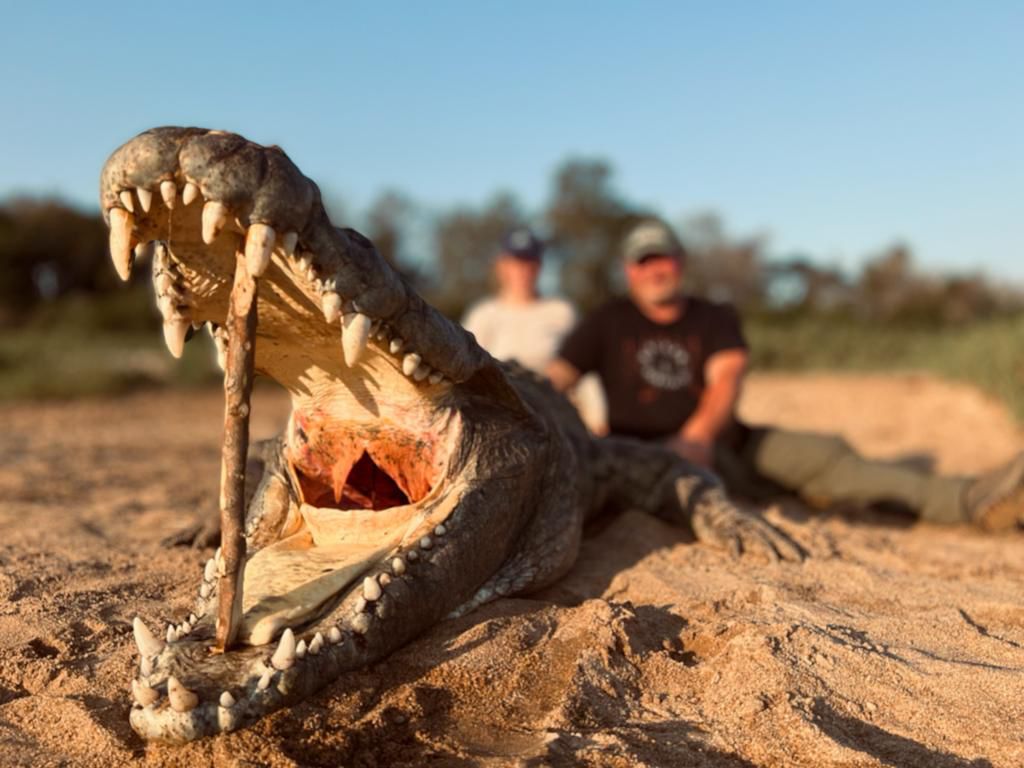
Lion, Leopard & Buffalo Safari Tanzania | Lunda Nkwambi
Booking Season: 2026
Hunt Difficulty: Difficult
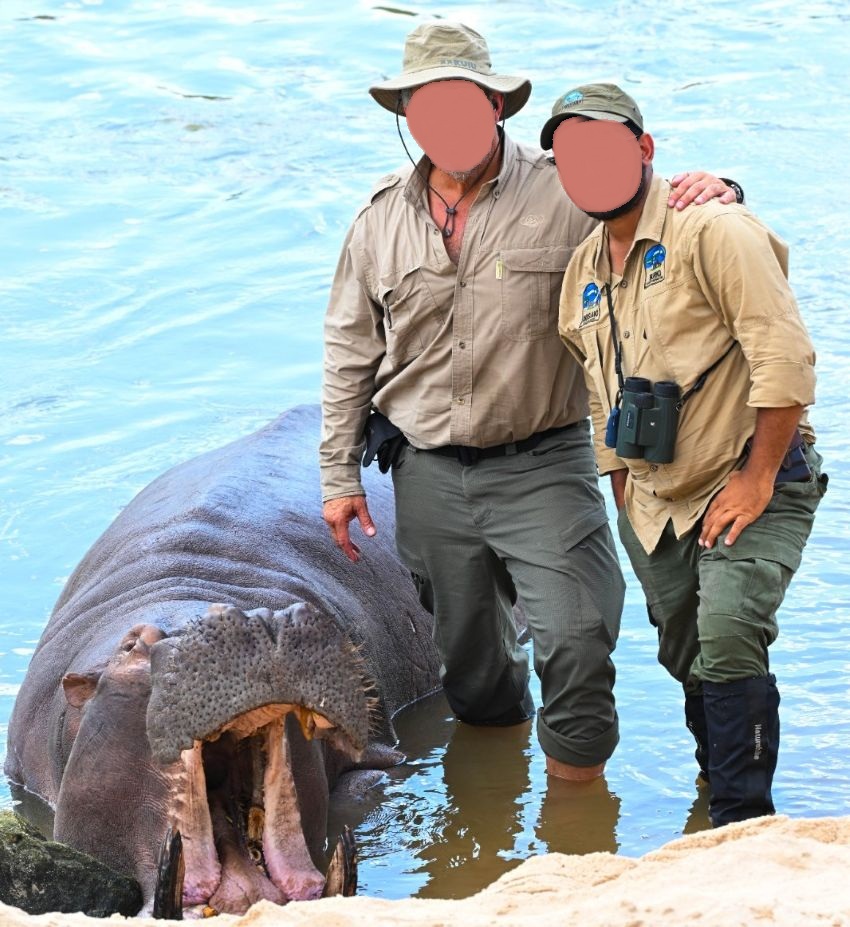
28-Day Exclusive Hunting Safari in Tanzania’s Famed Selous Region
Booking Season: 2026
Hunt Difficulty: Moderate, Difficult

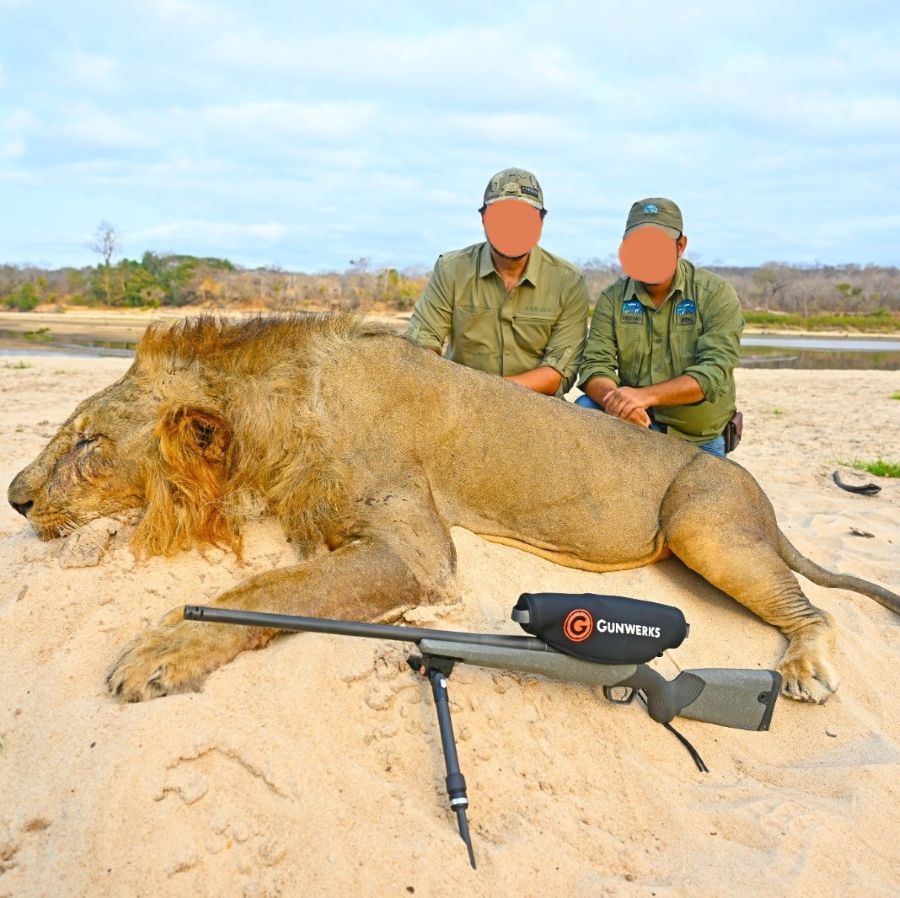
Hunt Lion, Leopard, Elephant & Cape Buffalo in Masailand, Tanzania
Booking Season: 2026
Hunt Difficulty: Moderate, Difficult
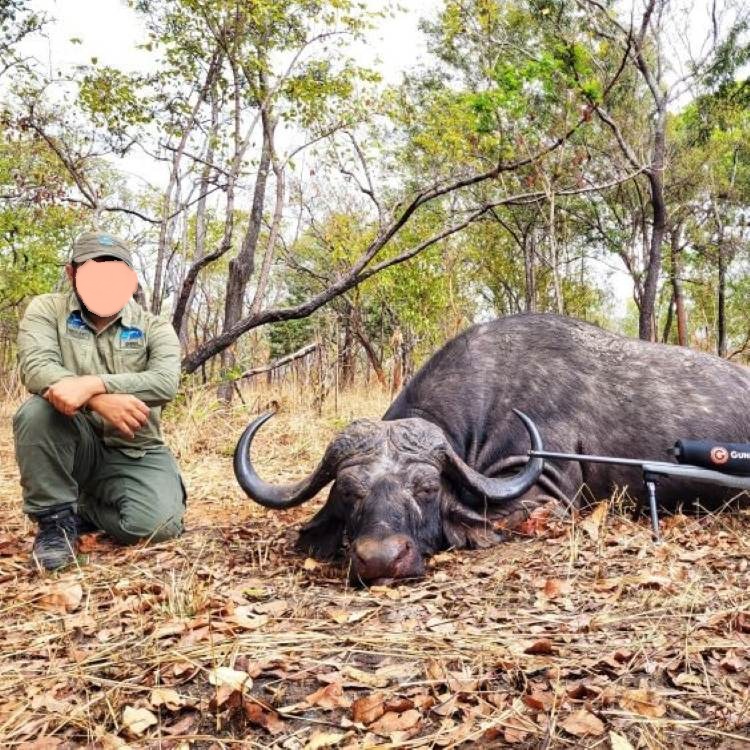
Full Bag Safari in Tanzania’s Liparamba Region
Booking Season: 2026
Hunt Difficulty: Difficult
Tanzania appeals to hunters looking for a more traditional and demanding elephant hunting experience rather than a shorter, more commercially structured safari. The country’s hunting system is tightly regulated, with quota allocated to specific concessions and hunts conducted across vast unfenced wilderness ecosystems such as Selous and Rungwa, where elephant move naturally over enormous areas without artificial boundaries.
Unlike more accessible destinations, elephant hunting in Tanzania is built around time in the field. Safaris are typically longer, often running between 16 and 21 days, allowing hunters and professional hunters the opportunity to properly track mature bulls, understand movement patterns, and make more selective decisions throughout the course of the hunt. The focus is generally not on frequent encounters or high hunting volume, but rather on locating older, mature animals under authentic free-range conditions.
For many experienced dangerous game hunters, that is precisely the attraction. Tanzania still offers remote safari camps, long tracking days on foot, and a style of hunting that feels far less commercialized than many other African destinations. Success is rarely quick or predictable, but for hunters who value wilderness, patience, and traditional East African safari conditions, that is often exactly the point.
Tanzania is not the right fit for every elephant hunter, and understanding the trade-offs before booking a safari is extremely important. Compared to countries such as Zimbabwe, hunts in Tanzania are generally longer, more expensive, and far less flexible in terms of both timing and overall structure. The country’s 21-day license system means shorter safaris are rarely possible, while higher daily rates, charter logistics, concession costs, and government fees all contribute to a significantly larger overall investment.
The hunting system itself is also more complex than other African destinations. Access to elephant hunting is tied to specific concessions and quota allocations, which means availability can vary considerably depending on the area and season. As a result, planning often requires more advance preparation and a better understanding of how different concessions perform throughout the year.
For first-time elephant hunters, Tanzania is not always the most practical starting point. The combination of cost, time commitment, logistics, and concession variability generally makes it better suited to hunters who already have some experience with dangerous game hunting in Africa and understand the realities of longer, more traditional safaris.
Tanzania is not defined by how many elephants it has, but rather by how carefully access to hunt them is controlled and structured.
Elephant hunting in Tanzania is shaped by one of the longest-standing regulated hunting systems in Africa.
During the colonial period, large areas were set aside as controlled hunting blocks, forming the foundation of the concession system still used today. After independence, Tanzania retained this structure, with wildlife remaining under state ownership and hunting rights allocated through a government-managed system.
Over time, this approach has remained consistent: hunting is conducted under strict quotas, tied to specific areas, and regulated at a national level.
Unlike some countries where hunting systems have changed significantly over time, Tanzania has maintained a more continuous, structured approach. This is one of the reasons hunts today are longer, more regulated, and closely tied to concession management.
This history matters. It explains why access is limited, why safaris are structured the way they are, and why Tanzania operates differently from more flexible hunting destinations.
• One of the largest elephant ecosystems in Africa
The scale of the Selous ecosystem allows for wide-ranging elephant movement, with large tracts of land supporting both resident and seasonal populations.
• River systems, dense bush, and long tracking conditions
The Rufiji River system and surrounding habitat create a mix of thick cover and open areas, requiring slow, methodical tracking over long distances.
• Consistent potential for mature bulls
Due to the size of the area and relatively low hunting pressure in certain blocks, Selous continues to produce solid, mature bulls.
• Demanding terrain with long days on foot
Hunts here are physically demanding, often involving extended tracking in heat and varied terrain.
Selous offers a balance between opportunity and traditional hunting conditions, but still requires time and effort to locate the right animal.
• Lower density than Selous in some areas
Elephant numbers can be more spread out, which often means fewer daily encounters.
• Known for older, more mature bulls
Certain areas within Rungwa are recognized for producing heavier, older animals, particularly where hunting pressure has been lower.
• More physically demanding tracking
Terrain is often rougher and tracking can be slower, requiring patience and endurance.
• Less predictable encounters
Movement patterns can vary, and success often depends on covering ground and adapting to changing conditions.
Rungwa tends to suit hunters who are willing to trade frequency of encounters for the possibility of locating older bulls under more demanding conditions.
• Different ecosystem compared to southern Tanzania
More open terrain in certain areas, with a mix of savanna and bushveld, creating different tracking conditions.
• Seasonal elephant movement
Elephant presence can vary depending on migration patterns and cross-border movement with neighboring regions.
• Lower hunting pressure in select concessions
Some areas offer less competition and a quieter hunting environment.
• More variable opportunity depending on timing
Success is often influenced by when the hunt takes place, making timing more critical than in some southern areas.
Masailand can offer a very different style of hunt, but it is generally more variable and requires careful planning around timing and concession choice.
• Remote, low-pressure hunting environments
These areas see fewer hunters overall, creating a more isolated and less disturbed hunting experience.
• Fewer hunters and less overall activity
Lower pressure can influence animal behavior, but also means less consistent tracking opportunities.
• Highly variable elephant movement
Seasonal changes, water availability, and migration patterns can significantly affect where elephants are found.
• Requires patience, time, and flexibility
Hunts in these regions often depend on adapting to current conditions rather than following predictable patterns.
Western Tanzania offers some of the most remote hunting in the country, but with that comes greater uncertainty and the need for a more flexible approach.
Not all areas offer the same experience. In Tanzania, choosing the right concession is often more important than choosing the outfitter.
One of the most overlooked aspects of elephant hunting in Tanzania is movement. Elephants are not static. Their distribution changes constantly based on water, pressure, seasonal conditions, and broader migration patterns, and this has a direct impact on the outcome of a hunt.
In some parts of Tanzania, particularly in northern areas such as Masailand, elephant movement can extend across large regions, including cross-border movement linked to areas in Kenya. Bulls, especially older animals may move through an area rather than remain in it consistently.
This creates a reality that many hunters underestimate. A concession may hold elephants at certain times of the year and be significantly quieter at others.
In practical terms:
• Being in the right area at the wrong time can result in very limited encounters
• A strong concession can still produce a poor hunt if movement patterns are not aligned
• Timing the hunt correctly is often as important as choosing the area itself
This is relevant when targeting older bulls or larger-tusked animals, which tend to move over wider ranges and are less predictable than herd animals.
This means one thing: The success of an elephant hunt in Tanzania is not just about where you hunt, but when you hunt it
Understanding how elephant movement affects a specific concession, and aligning your safari dates accordingly, is one of the most important, and least discussed parts of planning the hunt properly.
On most unsuccessful hunts, the issue is not tracking ability or effort, it is starting in an area where elephant movement is not aligned with the timing of the safari. This is rarely visible from brochures or pricing lists, but it is one of the biggest factors affecting outcome.
Elephant hunting in Tanzania ranks among the more expensive dangerous game safaris in Africa, largely because of the way the country’s hunting system is structured. Most elephant hunts are conducted under 16 to 21-day license periods, which significantly increases both the overall safari cost and the level of planning involved compared to shorter hunts available in other African countries.
Hunters can expect total safari costs to range anywhere from approximately US$ 60,000 to well over US$ 120,000 depending on the hunting area, concession quality, outfitter, quota availability, and the size category of the elephant being hunted. Trophy fees are often structured according to ivory weight, meaning the final cost can vary considerably based on the elephant taken during the safari.
Unlike more accessible destinations, the cost of elephant hunting in Tanzania is not simply tied to the trophy itself. Remote wilderness concessions, seasonal safari camps, charter logistics, government concession fees, professional hunter rates, camp staff, anti-poaching obligations, and overall operating costs all contribute to the final price of the hunt.
Lower-priced elephant hunts in Tanzania are not always better value. In many cases, reduced pricing can reflect compromises in concession quality, elephant movement consistency, access, infrastructure, or quota availability, all of which can have a direct impact on how the safari unfolds in the field.
Elephant hunting in Tanzania is expensive for a reason. These safaris take place in some of Africa’s most remote and least accessible wilderness areas, where operating a hunting concession requires enormous logistical effort long before a hunter even arrives in camp.
Most elephant hunts are conducted in large unfenced concessions with little or no permanent infrastructure. Seasonal safari camps must be built, maintained, supplied, and eventually removed each year, while vehicles, fuel, equipment, food, staff, and hunting supplies often need to be transported over vast distances under difficult conditions. In some concessions, charter flights are required simply to reach the hunting area, particularly during periods when road access becomes unreliable.
The structure of Tanzania’s hunting season also contributes significantly to overall cost. Heavy seasonal rains limit access to many hunting areas for large parts of the year, reducing the amount of time operators can realistically conduct safaris. At the same time, quota is tightly controlled and hunting volume remains intentionally low, meaning operators must maintain large wilderness concessions, skilled staff, anti-poaching programs, roads, vehicles, and camp infrastructure across relatively few hunts each season.
This means the advertised safari price is often only part of the total investment. Additional costs such as charter flights, trophy handling, export documentation, taxidermy, shipping, and government fees can substantially increase the final overall cost of the safari.
The remoteness of the hunting area can also make a meaningful difference to overall pricing. Some Tanzanian concessions can be reached by road transfer, while others require expensive charter access into isolated wilderness areas. Although this does not necessarily change the quality of the hunting itself, it can have a significant impact on the final safari budget.
The cost of elephant hunting in Tanzania reflects the scale of the wilderness, the complexity of the concession system, and the level of infrastructure required to operate traditional safaris in some of Africa’s last truly wild hunting areas.
This can include lion hunts in Africa, leopard hunting safaris, or buffalo hunting safaris, depending on quota and safari structure. In Tanzania, elephant hunts are typically conducted under full license periods, and those licenses often allow additional dangerous game species to be hunted within the same safari.
For hunters planning a longer safari, this creates the option to structure a more complete dangerous game hunt rather than focusing on a single species.
For a full breakdown of species and how multi-species safaris are typically structured, see our guide to dangerous game hunting in Africa.
This is a tracking hunt. There are no shortcuts.
Hunters should expect:
• Long days on foot, often in heat and thick bush
• Physically demanding terrain
• Close-range encounters, often inside 30 yards
• Slow, methodical tracking rather than frequent opportunities
This is not a high-volume hunting environment. Days may pass without seeing a suitable bull.
When opportunities come, they come fast, and usually at close range. Success depends on patience, physical endurance, and staying composed under pressure. Before arriving in camp, hunters should familiarize themselves with proper shot placement for elephant hunting, particularly for close-range encounters in thick bushveld conditions.
While Tanzania represents one of the more structured and demanding environments, it is only one part of the broader elephant hunting landscape in Africa. Different countries offer very different systems, costs, and levels of accessibility.
In certain Tanzanian concessions, tracking conditions can change quickly throughout the day depending on temperature, wind direction, water availability, and how recently elephant have moved through an area. In thick miombo woodland or dense riverine vegetation, visibility is often limited, forcing hunters and trackers to move slowly and communicate carefully while following spoor at close range. Older bulls in particular can become extremely cautious in pressured areas, with encounters sometimes developing suddenly at very short distances in heavy cover.
Elephant hunting in Tanzania tends to appeal to hunters looking for a more traditional and demanding safari experience rather than a shorter, more commercially structured hunt. These safaris are typically longer, physically tougher, and far more dependent on timing, concession quality, and time spent in the field than many other elephant hunting destinations in Africa.
For experienced dangerous game hunters, that is often part of the attraction. Tanzania still offers vast unfenced wilderness areas, remote safari camps, and long tracking days where success is never guaranteed and patience becomes an important part of the hunt itself. Hunters who appreciate old East African-style safaris, extended time in the bush, and a less hurried approach to dangerous game hunting are usually the ones most drawn to Tanzania.
At the same time, Tanzania is not always the most practical option for first-time elephant hunters, shorter safaris, or hunters looking for maximum flexibility. The country’s concession system, longer license structures, and higher overall costs require a greater level of planning and commitment before the safari even begins.
Tanzania is not always the best fit for hunters looking for a shorter, simpler, or more flexible elephant hunting safari. The country’s hunting system is built around long safari durations, structured concession management, and more complex logistics than many other African destinations, which naturally limits flexibility and increases overall cost.
For first-time elephant hunters, countries such as Zimbabwe are often considered more practical starting points due to broader quota availability, shorter safari options, and simpler booking structures. Tanzania also tends to be less suited to hunters expecting fast-paced hunting or highly predictable outcomes, as elephant movement, concession conditions, seasonal timing, and hunting pressure can all influence how a safari unfolds in the field.
Tanzania rewards patience, preparation, and a willingness to commit to the realities of a longer traditional safari experience rather than focusing purely on convenience or efficiency.
For most hunters, the real decision is not whether to hunt elephant in Africa, but where to do it. These three countries are the most commonly considered options, but they operate very differently and are not interchangeable.
• Most accessible option across Africa
• More widely distributed quota across multiple areas
• Greater flexibility in booking and timing
• Shorter planning timelines in most cases
For hunters, elephant hunting in Zimbabwe offers the most practical combination of availability, flexibility, safari variety, and overall accessibility across Africa.
Zimbabwe is often considered the natural starting point for first-time elephant hunters, not because the hunting is easier, but because quota is more widely available and safari structures tend to be more flexible than in countries such as Tanzania or Botswana.
• Limited quota tied to specific concessions
• Fewer operators with access to elephant permits
• Higher overall cost
• More controlled and selective hunting environment
For hunters seeking a more exclusive and tightly controlled safari environment, elephant hunting in Botswana offers limited quota, highly regulated concessions, and a lower-volume hunting model compared to most other African destinations.
Botswana is generally better suited to hunters specifically targeting the Botswana experience itself, rather than those simply looking for the most accessible or flexible elephant hunting safari in Africa.
• Government-controlled concession system
• Long safari requirements (typically 16–21 days)
• More complex planning and logistics
• Greater emphasis on time, effort, and area selection
Tanzania sits in a different category.
It is not built around accessibility or volume. It is built around structure, longer safaris, and a system where success depends heavily on understanding how concessions, quota, and timing interact.
This makes it a more demanding option, both in terms of time and commitment.
What This Means in Practice
For hunters simply looking to get on an elephant hunt with greater flexibility, broader quota availability, and shorter planning timelines, Zimbabwe is usually the most practical place to start. Botswana tends to appeal to hunters specifically looking for a more exclusive and tightly controlled safari environment, where access is limited and quota is far more restricted.
Tanzania sits somewhere different. These hunts are generally longer, more structured, and far more dependent on understanding how concession quality, timing, elephant movement, and quota all work together. For that reason, Tanzania is often better suited to hunters who already have some dangerous game hunting experience and are looking for a more traditional East African safari rather than simply the easiest route to an elephant hunt.
Import regulations matter and they should be confirmed before booking.
• CITES export permits required
• U.S. Fish & Wildlife Service approval required
• Regulations can change
Import approval is not guaranteed. It should be verified before committing to any hunt. Elephants hunted in Tanzania can be imported into the United States, but this is not automatic. U.S. hunters are required to submit an application to the U.S. Fish and Wildlife Service, along with supporting documentation demonstrating that the hunt meets current import criteria.
This process typically includes:
• A formal permit application
• Supporting documentation from the outfitter and hunting area
• A conservation-based motivation outlining how the hunt meets U.S. requirements
Approval is granted on a case-by-case basis, and timelines can vary.
Experienced hunters generally:
• Confirm current import policy before booking
• Work with outfitters familiar with the process
• Plan for potential delays in receiving trophies
Elephant hunting in Tanzania is often misunderstood by hunters who have never spent time in these remote wilderness areas. On paper, the process can appear relatively straightforward, choose a country, select a concession, and book the safari. In reality, successful elephant hunting in Tanzania depends heavily on timing, concession quality, elephant movement, and understanding how different hunting areas perform throughout the season.
We’ve seen hunters arrive in concessions that looked excellent on paper, only to discover that elephant movement patterns were completely out of sync with the timing of their safari. In many cases, the problem was not the outfitter itself, but rather how the hunt had been planned, how expectations were managed, and whether the concession historically held elephants consistently during that particular time of year.
Hunters who generally get the most out of elephant hunting in Tanzania are those who approach the safari with patience, realistic expectations, and a solid understanding of how quota, movement patterns, and concession management all influence the hunt. These are not high-volume safaris where opportunities appear every day. Long tracking sessions, changing conditions, and periods with limited activity are all part of the experience.
Tanzania is not the easiest destination for elephant hunting in Africa. However, when the right concession, timing, and preparation come together, it remains one of the most authentic and rewarding dangerous game hunting experiences available anywhere on the continent.
Tanzania is not the easiest place to hunt elephant in Africa, and it is not meant to be. This is a destination built around structure, regulation, and long-standing hunting systems. Hunts are longer, access is more controlled, and expectations need to be realistic from the start.
For most hunters, it is not the natural starting point. If your priority is simply to get on an elephant hunt, with more flexibility, more availability, and shorter lead times, then countries like Zimbabwe are usually the more practical choice. If your focus is on exclusivity, limited quota, and highly controlled access, then Botswana may be a better fit. Tanzania sits in a different position.
It requires more time, more planning, and a clearer understanding of how the system works. Safaris are longer, logistics are more complex, and success depends heavily on choosing the right concession and timing the hunt correctly.
This is not a destination built around convenience. It is better suited to hunters who:
• Are not constrained by time
• Understand how quota and concession systems affect the outcome
• Are comfortable with longer, more physically demanding safaris
• Are willing to invest more in both time and cost
Tanzania is often a second or more specialized elephant hunt, not because it is better or worse, but because it requires a different level of commitment. That is also what makes it appealing.
For those who understand the trade-offs and are prepared for the realities, Tanzania offers something that fewer destinations still provide: a structured, traditional elephant hunt where the experience is shaped by the system, the terrain, and the effort required to complete it.
Elephant hunting in Tanzania is not built around convenience, short timelines, or guaranteed outcomes. It remains one of the few places in Africa where dangerous game hunting is still shaped by vast wilderness concessions, long days on foot, complex concession systems, and the realities of tracking truly free-ranging animals across enormous landscapes.
For hunters willing to commit the time, planning, and patience that these safaris demand, Tanzania continues to offer one of the most authentic and traditional elephant hunting experiences left on the continent. The combination of remote wilderness areas, structured hunting systems, experienced professional hunters, and classic East African safari conditions creates a style of hunt that feels increasingly rare in modern Africa.
Yes. Elephant hunting in Tanzania is legal and regulated under a government-controlled quota system. Permits are issued for specific concessions, and hunts are conducted under strict national regulations.
Yes, U.S. hunters can participate in elephant hunts in Tanzania. However, importing trophies into the United States requires approval from the U.S. Fish and Wildlife Service, and this is handled through a separate application process.
Elephant hunts are typically conducted under 21-day license periods, with most safaris running between 16 and 21 days depending on the concession and quota.
Timing depends on the area and elephant movement patterns. In general, the dry season offers better tracking conditions, but movement and availability vary by concession and year.
Most elephant hunts fall within the $60,000 to $120,000+ range. Total cost depends on safari length, area, quota, and additional logistics such as charter flights and trophy handling.
Search from our range of Hunts across various popular destinations in Africa.

Book Your Hunt