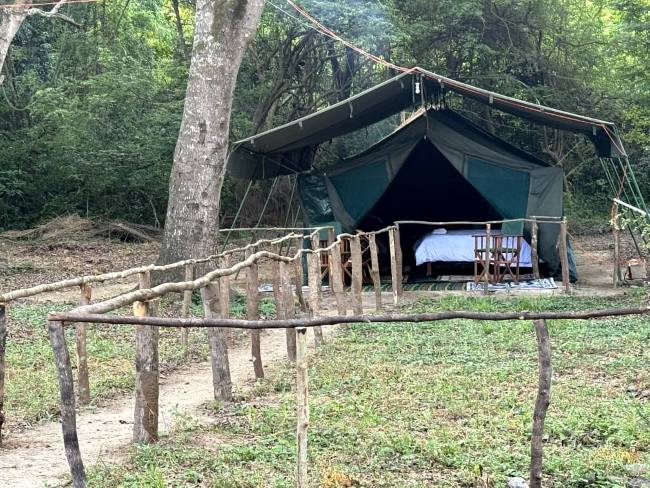
Triple Cape Buffalo Hunt in the Selous, Tanzania
Booking Season: 2026
Hunt Difficulty: Difficult

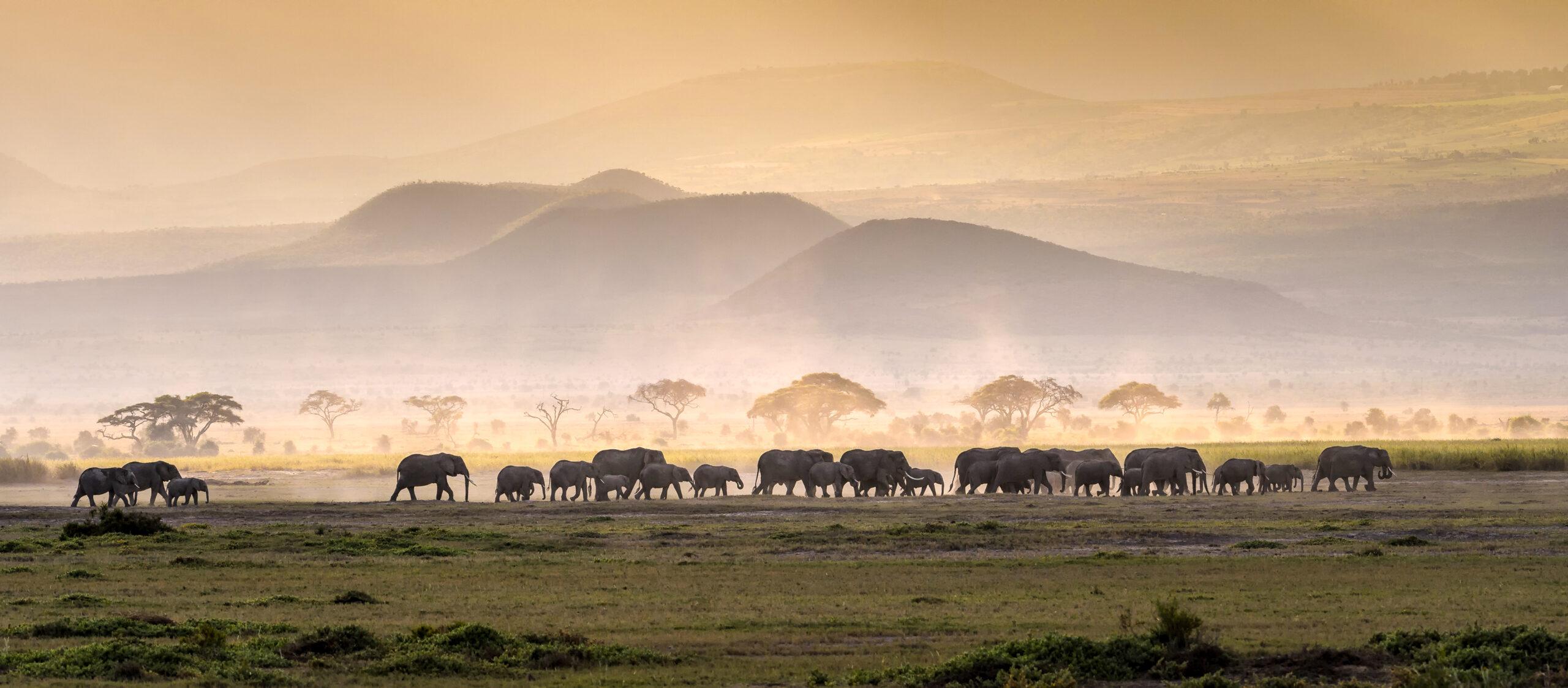
Tanzania remains one of Africa's great destinations for serious big game hunting. Large hunting concessions, free-ranging wildlife and a long safari tradition provide opportunities to pursue Cape buffalo, elephant, lion and leopard across some of the continent's wildest hunting country. For American hunters considering a traditional African safari, Tanzania offers a different proposition from shorter hunts conducted on smaller or more intensively managed areas.
Hunts Currently Available
Triple Cape Buffalo Hunt in the Selous, Tanzania
Booking Season: 2026
Hunt Difficulty: Difficult
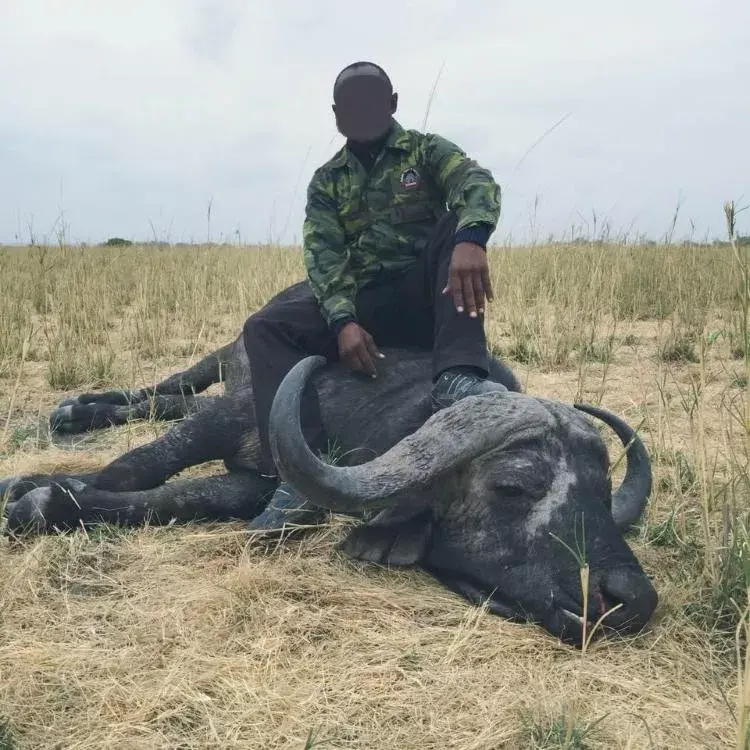
2 Cape Buffalo Safari in Tanzania's Maasailand
Booking Season: 2026
Hunt Difficulty: Difficult
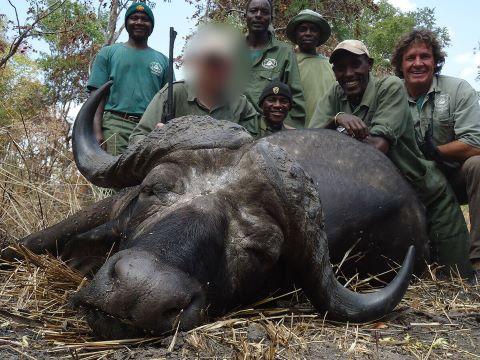
A Classic Cape Buffalo Safari in Tanzania's Legendary Selous
Booking Season: 2026
Hunt Difficulty: Difficult
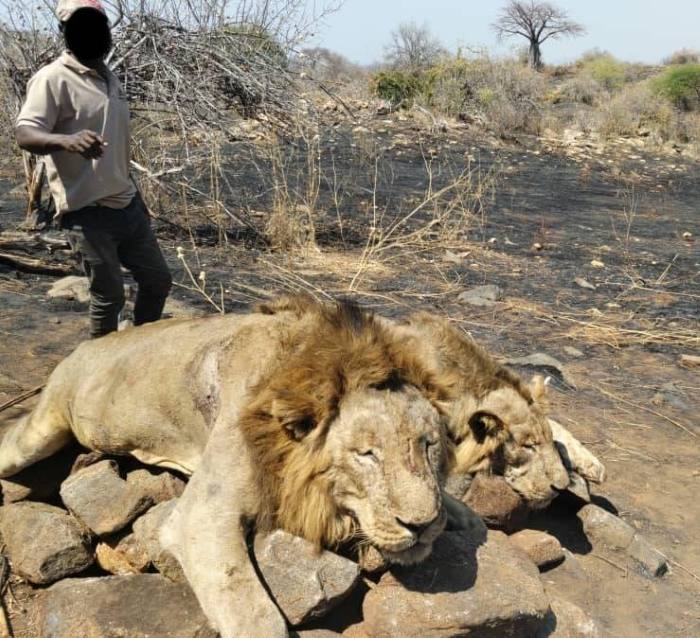
16-Day Lunda Nkwambi Lion Safari
Booking Season: 2026
Hunt Difficulty: Difficult
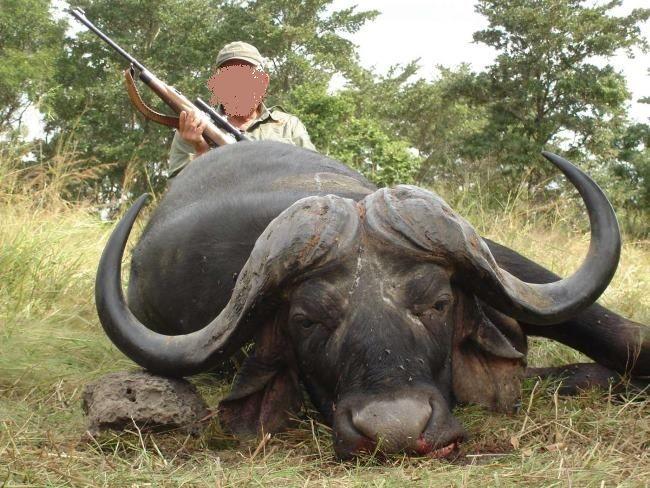
Hunt Two Cape Buffalo in the Selous
Booking Season: 2026
Hunt Difficulty: Difficult
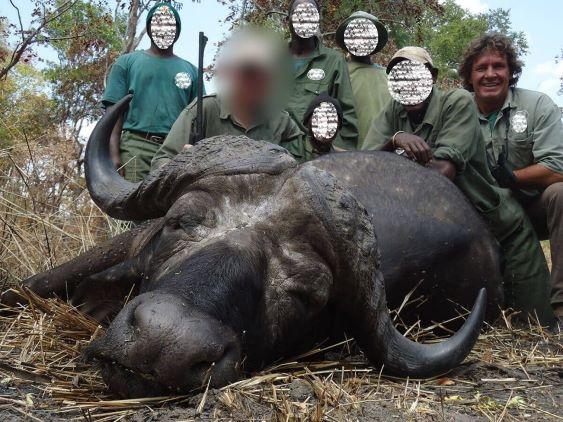
Traditional Cape Buffalo Hunting Safari in Tanzania
Booking Season: 2026
Hunt Difficulty: Difficult
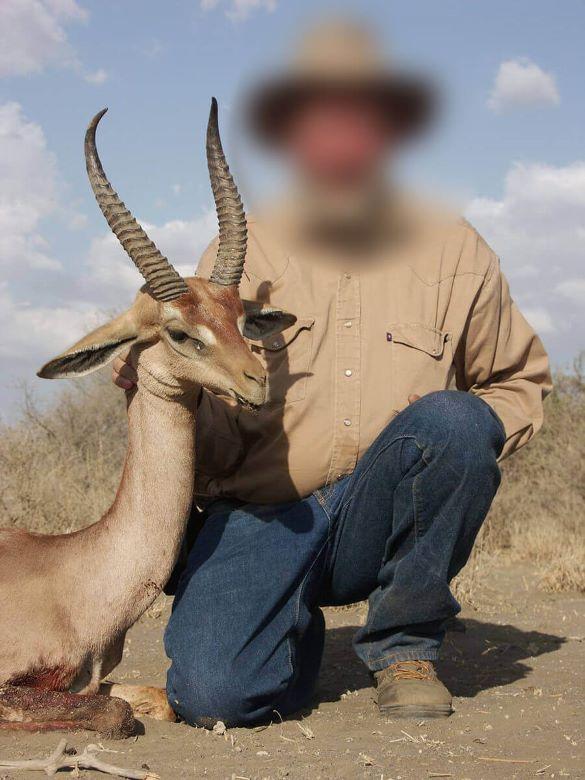
10-Day Plains Game Hunt in Maasailand, Tanzania
Booking Season: 2026
Hunt Difficulty: Moderate
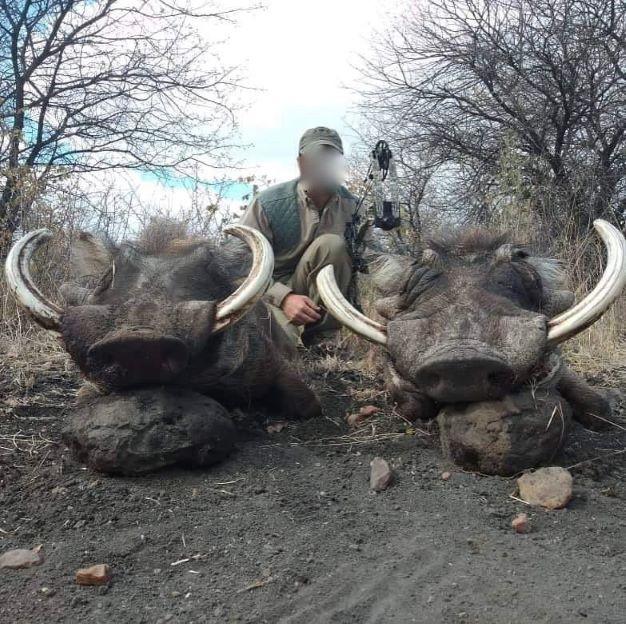
7-Species, 10-Day African Hunt in Tanzania
Booking Season: 2026
Hunt Difficulty: Difficult
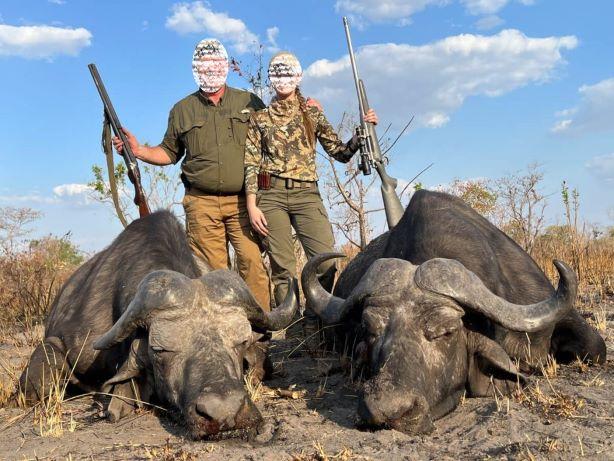
Hunt in Tanzania 2 x Cape Buffalo & Plains Game Selous
Booking Season: 2026
Hunt Difficulty: Difficult
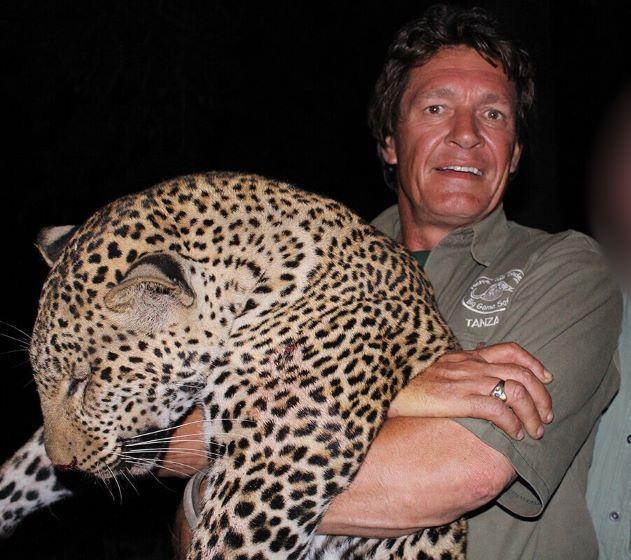
Classic 14-Day Selous Leopard & Buffalo Safari
Booking Season: 2026
Hunt Difficulty: Difficult
Big Game Hunting in Tanzania is rarely about fitting as much as possible into a few days. Safaris are built around the species being pursued, the hunting area and the time needed to find mature animals. A buffalo hunt may begin by cutting tracks along a road or watercourse, while lion and leopard hunts require a completely different approach.
Elephant can require days of tracking and judging bulls before the right opportunity appears.
The country itself is equally important. From the wilderness areas of southern and western Tanzania to the different country of northern Masailand, location can influence the species available, terrain, logistics and the way a safari unfolds. Our complete guide to Hunting in Tanzania covers the country's hunting areas, seasons, licensing and travel requirements in greater detail.
A Tanzania big game safari therefore starts with a simple decision: what do you most want to hunt? Once that is clear, the right area, safari length and combination of species become considerably easier to determine.
Tanzania combines large hunting areas, free-ranging wildlife and several of Africa's major big game species within the same destination. Cape buffalo remain central to much of the country's hunting, while elephant, lion and leopard can turn a longer safari into a very different undertaking.
The size of the hunting country matters. Tanzania's hunting blocks can cover large areas of woodland, river systems and open country, allowing animals to move in response to water, food and seasonal conditions. A promising area one week does not guarantee that the same bulls, herds or predators will still be there when the hunt begins.
That uncertainty is part of the appeal. Big game hunting here is built around traditional hunting methods, finding fresh sign, following tracks, checking water and allowing the Professional Hunter enough time to judge the animals encountered. Some days can produce several opportunities. Others may involve hours of tracking without getting close enough for a proper look.
Tanzania also allows a safari to be built around more than one important species. A hunter may arrive with buffalo as the main objective while also holding quota for other dangerous game and selected plains game. The result is not simply a longer list of animals to hunt. It gives the hunting team options when tracks go cold, animals move or conditions make one part of the hunting area more productive than another.
That combination of wild country, time and choice is what continues to separate Tanzania from many other big game destinations.
Cape buffalo, elephant, lion and leopard sit at the center of Tanzania's big game hunting. Each can be the main objective of a safari, but they can also be combined within longer hunts where the available quota, hunting area and safari licence allow.
Buffalo are often the most practical starting point. Tanzania holds strong populations across several major hunting regions, and safaris provide the opportunity to hunt more than one bull. A dedicated Cape Buffalo Hunt can involve days of tracking herds and bachelor groups, while on a longer big game safari buffalo may be hunted alongside another primary species.
Elephant change the nature of the hunt. Finding elephant may not be difficult in some areas, but locating mature bulls worth following can require considerably more time. Tracks may be followed for hours before the PH gets a proper look, and animals can move long distances between water, feeding areas and neighboring hunting blocks.
Lion and leopard require a different approach. Both require careful planning around quota, area and the time available, while the hunting methods are different from following buffalo or elephant on tracks. A safari built around one of Africa's large cats needs to be planned with that species in mind from the beginning.
Hippo and crocodile can also form part of a Tanzania big game safari where suitable quota and habitat are available. They are often complementary species rather than the reason for choosing a long Tanzania safari in the first place.
Together, these species explain why Tanzania remains such an important destination for Dangerous Game Hunts. The important decision is not how many species can be added to a licence, but which animal should shape the safari and which others make sense alongside it.
Once the main species is decided, the rest of the safari begins to take shape. Hunting area, safari length and the other animals included should support that objective rather than competing with it.
Buffalo provide considerable flexibility. They occur across several of Tanzania's major hunting regions and can work as the main objective of a safari or as an important part of a longer hunt. If buffalo are the priority, the decision often comes down to the quality of the area and the number of bulls available.
Lion requires a different approach. The right hunting area and available quota become critical, and enough time needs to be allowed for the hunt to develop. Buffalo and other species can still be important parts of the safari, but the lion remains the animal around which much of the planning is built.
Leopard creates another set of considerations. Baits need to be established and checked while other hunting continues, allowing the PH and hunting team to work on the leopard throughout the safari without spending every day focused solely on the cat. A hunter may therefore spend the morning following buffalo tracks while the leopard hunt continues quietly in the background.
Elephant can be less predictable. Bulls may move considerable distances, and recent reports from scouts can become more useful than what happened in the same area several months earlier. If elephant is the main objective, enough time needs to be available to find tracks, follow bulls and walk away from animals that do not meet expectations.
This is also why simply comparing species lists can be misleading. Two Tanzania safaris may include similar animals on paper while requiring very different amounts of time, hunting completely different country and placing the main emphasis on different species.
Start with the animal you would be most disappointed to return home without. Build the safari around that species, and let the other opportunities fit around it.
A Tanzania big game safari is rarely spent driving from one known animal to another. Much of the hunt begins by looking for information: fresh tracks crossing a road, buffalo moving toward water, elephant sign from the previous night or reports from scouts working elsewhere in the hunting area.
Once tracks are found, the vehicle is often left behind and the hunt continues on foot. What follows may be a short approach or several hours of tracking through woodland, riverine cover or broken country before the animals are seen. Even then, getting a look does not necessarily mean taking a shot. The wind may change, the herd may move, or the bull may simply not be old enough.
Some days come together quickly. Others do not. A morning spent following buffalo can end with the herd disappearing into thick cover, while elephant tracks found before sunrise may lead across miles of country before the bulls are finally caught. Lion and leopard introduce their own routines, with baits, trail cameras and fresh sign influencing where time is spent.
That is one reason longer Tanzania safaris work differently from short hunts. There is time to abandon an unproductive track, change areas, return to promising sign the following morning or concentrate on another species while the situation develops.
The days can also be long. Early starts, heat, dust and hours on foot are part of hunting large areas where the outcome cannot be controlled. A hunter does not need to be an athlete, but arriving reasonably fit can make a considerable difference when the tracks worth following keep going.
Tanzania gives the hunt time to develop. On a serious big game safari, that can be just as important as the animals available on the licence.
Safari length in Tanzania is closely connected to the species being hunted. A focused buffalo safari requires considerably less time than a hunt built around lion, leopard, elephant and several other species.
The important consideration is not simply the number of hunting days available, but what needs to happen during them. Buffalo tracks need to be found and followed, leopard baits may need time to begin producing, lion activity can change, and elephant bulls may move into or out of an area during the safari.
Longer hunts provide room for those variables. A difficult first week does not necessarily compromise the safari when there is still enough time to change tactics, move attention to another part of the hunting area or wait for conditions to improve.
This becomes important when several major species are included. Taking a buffalo early does not mean the remaining days are wasted, while spending several days concentrating on elephant or leopard does not necessarily remove the opportunity to hunt buffalo later.
The safari package selected also determines which species can be hunted. Tanzania currently structures tourist hunting around 10-day Regular, 14-day Major and 21-day Premium packages, with species availability tied to the relevant package.
A hunter does not necessarily have to spend every available day of a longer package in the field. A 21-day package may be selected because it provides access to the required species combination, while the actual safari is planned for fewer hunting days. The important point is that the animals pursued must remain within the species and quota authorized under the hunter's permit.
Rather than choosing a safari by duration alone, the better approach is to decide what you want to hunt, understand the package required for those species and then allow enough time for them to be pursued properly.
A Tanzania big game safari is an expensive journey to rush. The right number of days is the number needed to give the priority species a realistic opportunity.
Big game hunting in Tanzania can vary considerably in price depending on the species, hunting area, safari length and licence required. A buffalo-focused safari sits at one end of the range, while a longer hunt combining lion, leopard, elephant and buffalo can become a substantial investment.
The daily rate is only one part of the calculation. Trophy fees, government permits, conservation fees, charter flights or road transfers, firearm permits and trophy handling can all contribute to the final cost. Remote hunting areas can also require considerable logistics simply to move hunters, staff, fuel and supplies into camp.
Species selection usually has the greatest influence. Buffalo can be hunted on shorter safaris, while lion, leopard and elephant can require longer packages and considerably higher trophy fees. Current Tanzania regulations also attach different government permit fees to Regular, Major and Premium safari packages.
This makes comparing Tanzania safaris on headline price alone difficult. A cheaper daily rate does not necessarily mean a cheaper hunt once the licence, trophy fees, transfers and other costs are included. The better comparison is the total expected cost of pursuing the species you want to hunt.
Our African Hunting Safari Prices guide provides a broader comparison of daily rates, trophy fees and other safari costs across Africa.
Tanzania is not usually chosen because it is the cheapest place to hunt big game. Its value lies in what the investment can provide: time, large hunting areas and the opportunity to build a serious safari around several of Africa's major big game species.
Tanzania, Zimbabwe, Zambia and Mozambique can all provide serious big game hunting, but they do not offer the same type of safari. Choosing between them usually comes down to the species at the top of the list, the amount of time available and how much the hunter wants to invest in the trip.
Zimbabwe can be attractive for buffalo, elephant and leopard, often with shorter safari options and easier logistics than some of Tanzania's remote hunting areas. Zambia offers excellent dangerous game hunting of its own, with the Luangwa Valley and other wilderness areas providing a different combination of species and terrain.
Mozambique comes closer to Tanzania in the scale and remoteness of some of its hunting country. Large concessions, free-ranging buffalo, elephant, lion and leopard can produce a traditional wilderness safari, although the hunting areas and logistics vary across the country.
Tanzania's strength is the complete package. A hunter can build a safari around buffalo, lion, leopard or elephant while having the time and hunting country needed to pursue other important species alongside the main objective. The trade-off is usually greater cost, longer safari commitments and more complicated logistics.
Once the priority species has been decided, planning moves to the hunting area, available quota and the amount of time needed to pursue it properly.
The hunting area deserves particular attention. A well-known concession means little if the animal you want is not currently using it in good numbers or the available quota does not match your objectives. Recent information from the outfitter, Professional Hunter and scouts can therefore be more useful than simply choosing an area because of its reputation.
It also makes sense to consider what happens if the main hunt comes together early. Taking a buffalo on day three of a longer safari can leave considerable time in the field, while elephant, lion or leopard may prove more difficult than expected. Having suitable additional species available gives the safari somewhere to go in either situation.
Before booking, the important details should be clear: hunting area, quota, licence or safari package, number of hunting days, trophy fees, transfers and the other species that can realistically be pursued. Current African Hunting Trips can then be compared around those requirements rather than choosing a safari on price alone.
Tanzania makes the most sense when the objective is not simply to take one big game animal, but to devote the time and budget to a traditional multi-species African safari.
Tanzania offers Cape buffalo, elephant, lion, leopard, hippo and crocodile, subject to the hunting area, available quota and safari package. Buffalo are commonly included on big game safaris, while lion, leopard and elephant generally require more time and careful planning.
The cost depends heavily on the species, safari length and hunting area. Daily rates are only part of the total, with trophy fees, government charges, permits, transfers and other logistics also contributing to the final price. Longer safaris involving lion, leopard or elephant can cost considerably more than a buffalo-focused hunt.
Tanzania uses 10-day Regular, 14-day Major and 21-day Premium safari packages, with different species available under each. The package required should therefore be determined by the animals being hunted rather than simply choosing the shortest safari available.
There is no single best hunting area for every species. Southern and western Tanzania contain extensive wilderness areas known for buffalo and other dangerous game, while northern Tanzania offers different habitat and species combinations. The best area is the one with suitable quota and strong current information for the hunter's priority species.
Yes. Cape buffalo are one of the species most closely associated with big game hunting in Tanzania. They occur across several major hunting regions and can be pursued on a focused buffalo safari or included as part of a longer hunt involving other dangerous game.
Yes, provided the species are available within the hunting area's quota and permitted under the relevant safari package. Longer safaris can combine buffalo with species such as elephant, lion or leopard, allowing the hunting team to shift attention as conditions and opportunities change.
Tanzania generally makes the most sense for someone who values large hunting areas, free-ranging game and enough time to pursue several important species properly. Hunters primarily interested in taking a single animal as economically as possible may find shorter safari options elsewhere in Africa more suitable.
Discounted Hunts
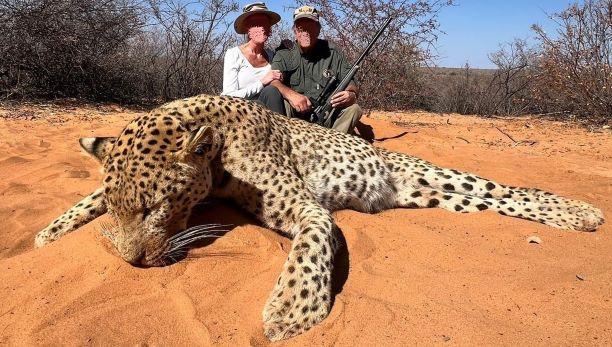
Leopard Safari in Bushmanland
Booking Season: 2026
Hunt Difficulty: Difficult

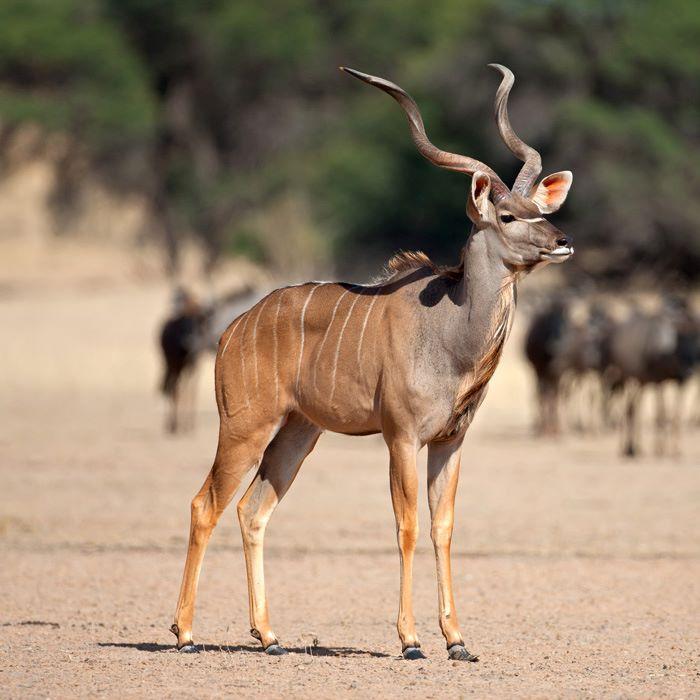
10 Days Kudu hunting bonanza and more for 2 Hunters in SA
Booking Season: 2026
Hunt Difficulty: Difficult
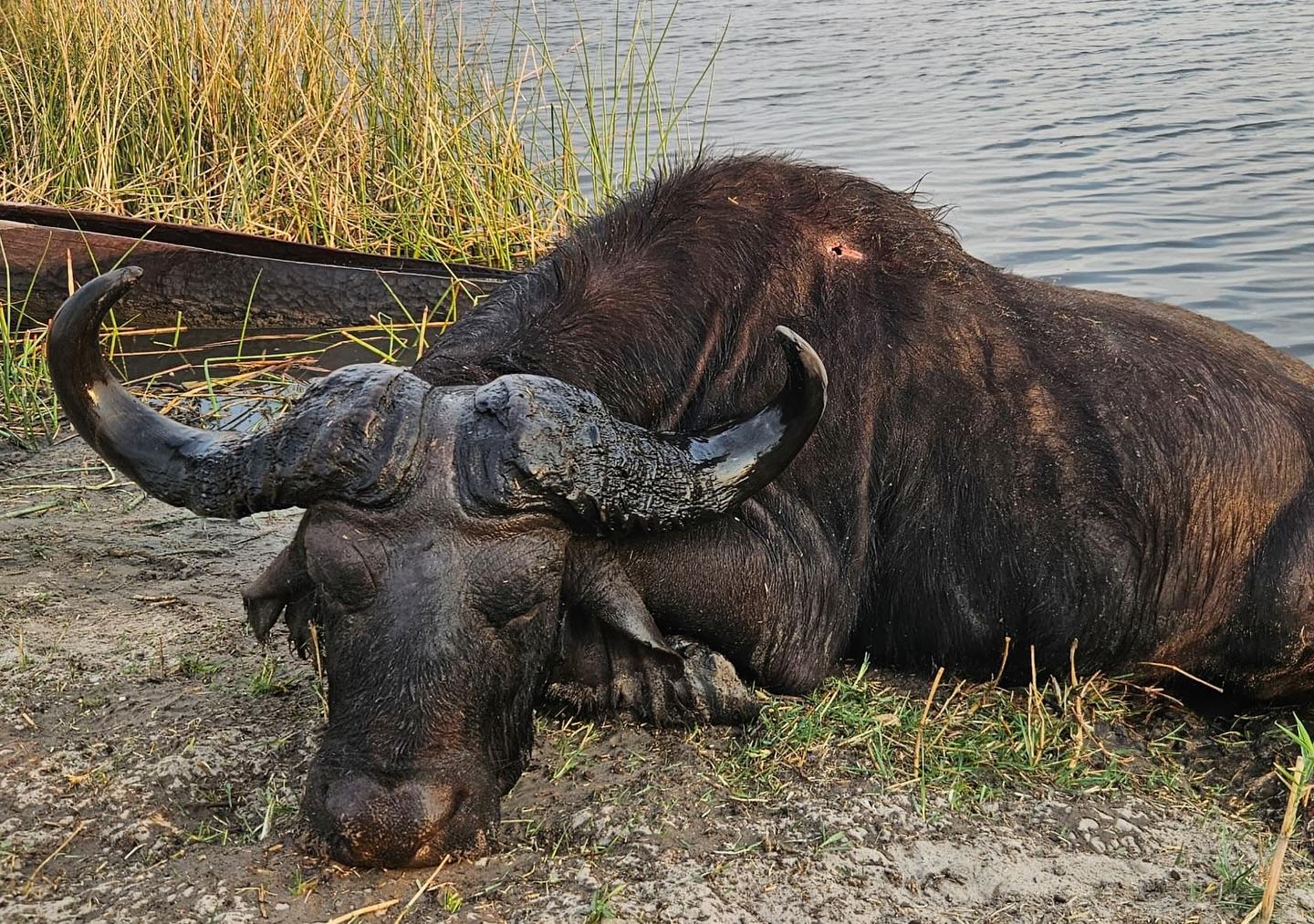
5 Full Day Zambezi Cape Buffalo Safari, Namibia
Booking Season: 2026
Hunt Difficulty: Difficult

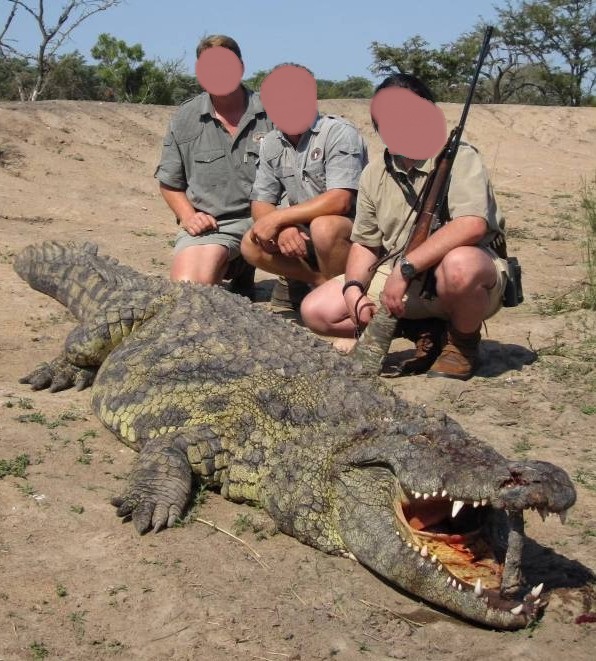
Non-Exportable Crocodile Hunt in Namibia’s Caprivi Strip
Booking Season: 2026
Hunt Difficulty: Moderate, Difficult
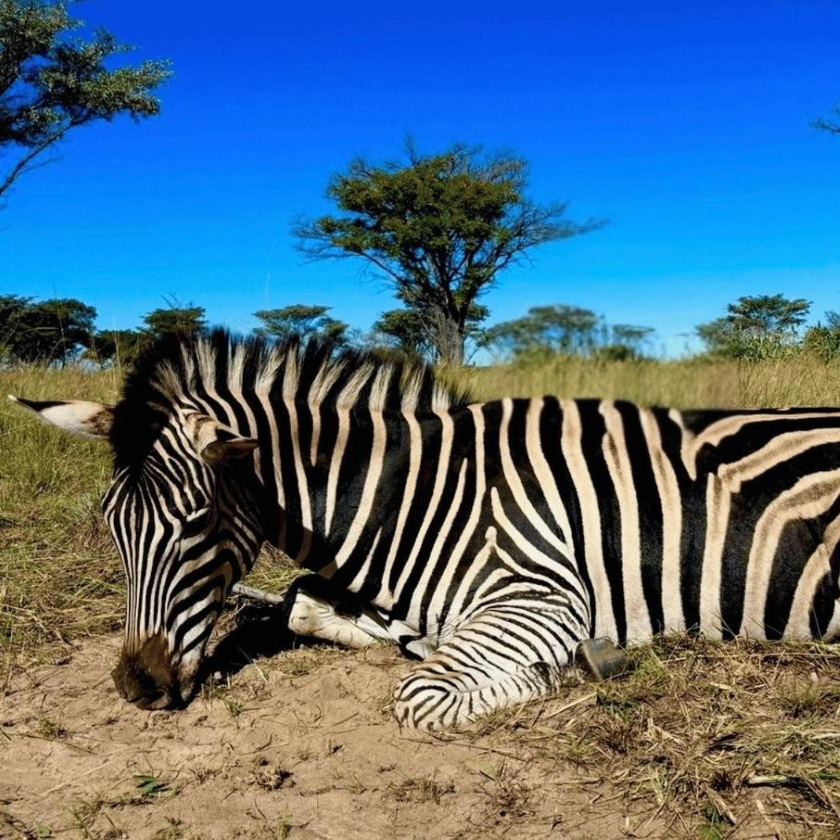
Wildebeest, Impala, Zebra, Warthog & Blesbok Hunts in Limpopo
Booking Season: 2026
Hunt Difficulty: Moderate
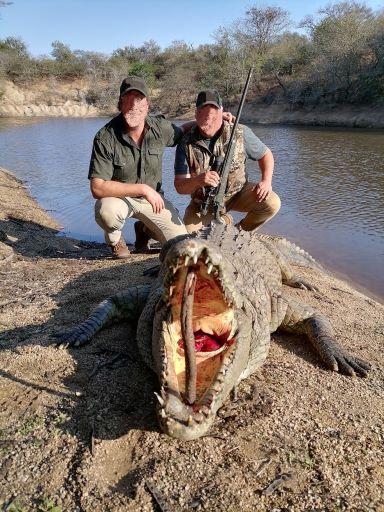
Free Range Crocodile Hunting Safari in Limpopo, SA
Booking Season: 2026
Hunt Difficulty: Moderate
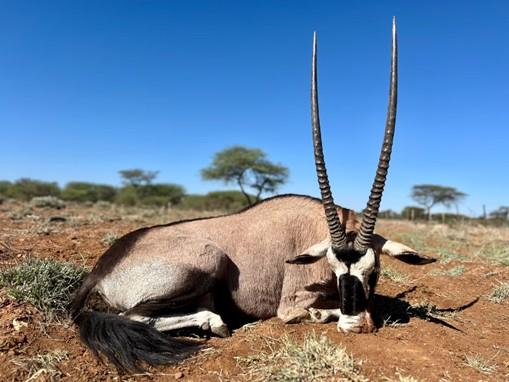
Namibia Plains Game Hunt — 8 Days for Two Hunters
Booking Season: 2026
Hunt Difficulty: Moderate
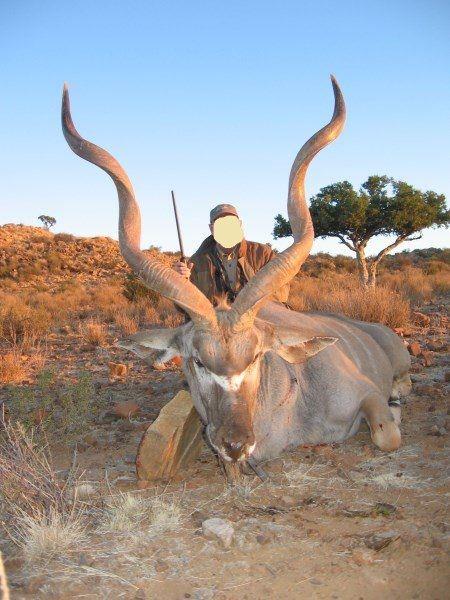
2 Hunters: Kudu, Gemsbok & Springbok Hunt in Namibia | 7 Days
Booking Season: 2026
Hunt Difficulty: Moderate
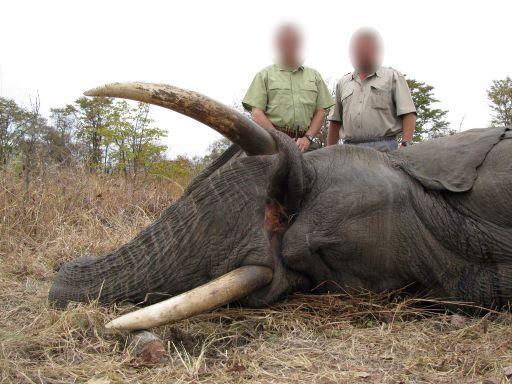
14-Day Elephant Hunting Safari | Matetsi Unit 2
Booking Season: 2026
Hunt Difficulty: Difficult
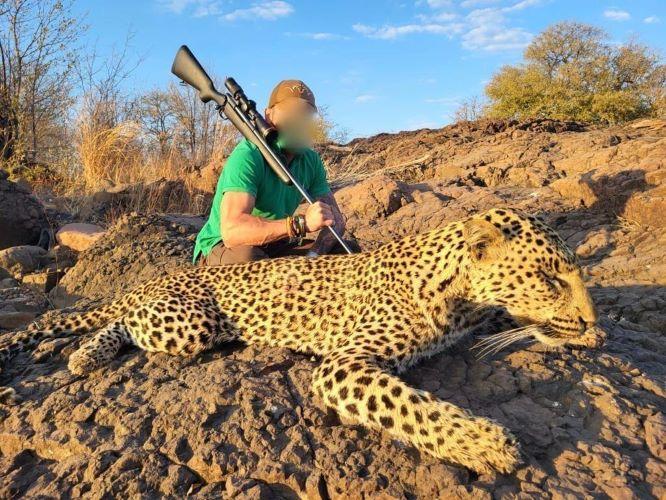
Free-Range Leopard Hunting Safari in Tanzania | 14-Day Licenc
Booking Season: 2026
Hunt Difficulty: Difficult
Packaged Hunts
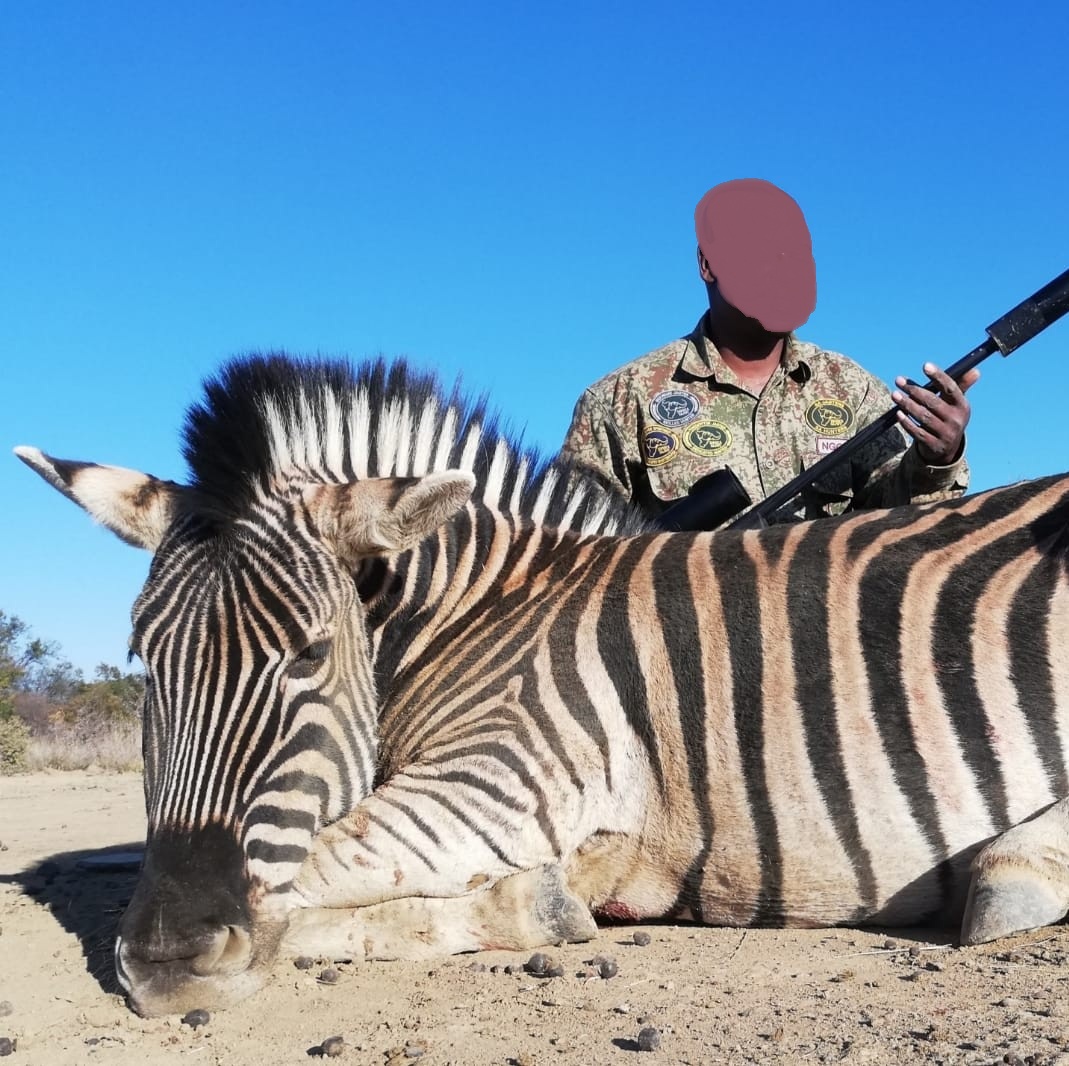
Hunt Eland, Zebra, Sable & 3 More Plains Game Species in SA
Booking Season: 2026
Hunt Difficulty: Moderate
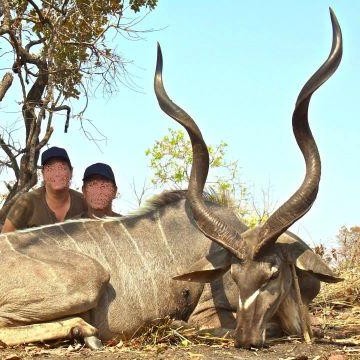
Hunting Safari in SA 10 x Nights Plains Game Combination
Booking Season: 2025
Hunt Difficulty: Difficult
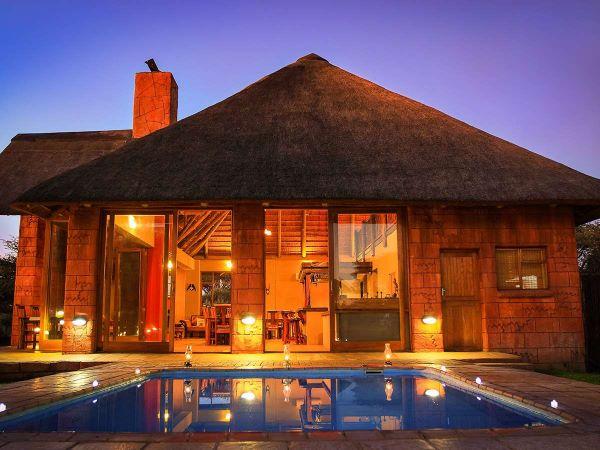
Plains Game Hunting in South Africa 5 Star Luxury 4 x 2
Booking Season: 2026
Hunt Difficulty: Moderate, Difficult
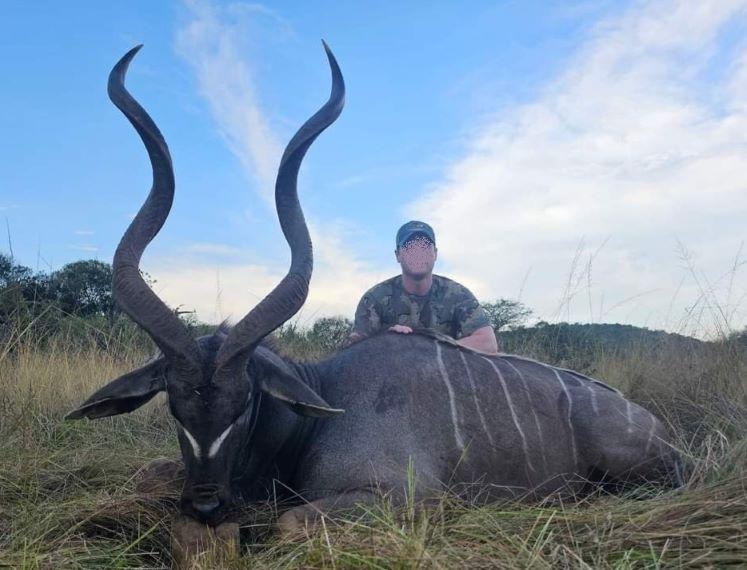
African Plains Game Safari in South Africa 6 Trophies KwaZulu Natal
Booking Season: 2026
Hunt Difficulty: Moderate
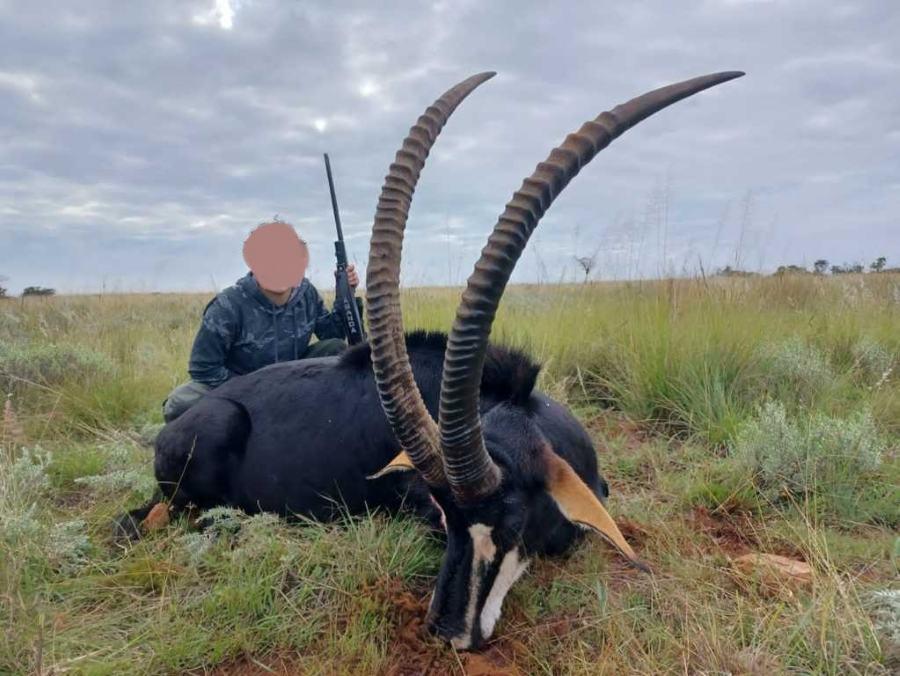
6-Day Roan & Sable African Plains Game Hunt in SA
Booking Season: 2025
Hunt Difficulty: Moderate
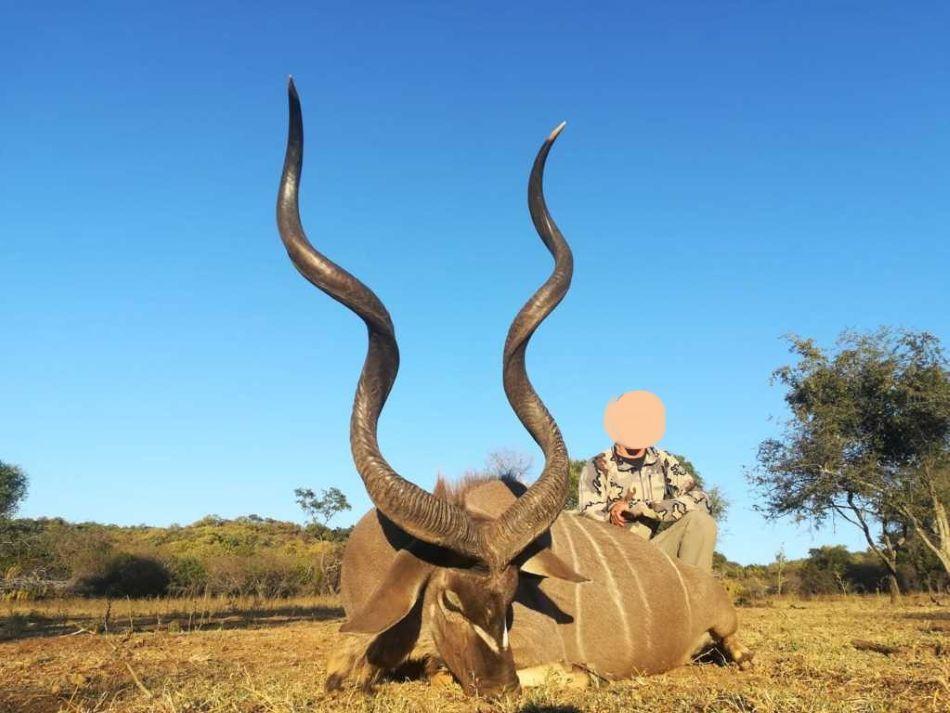
10-Day Plains Game Extravaganza Hunting in South Africa
Booking Season: 2026
Hunt Difficulty: Moderate
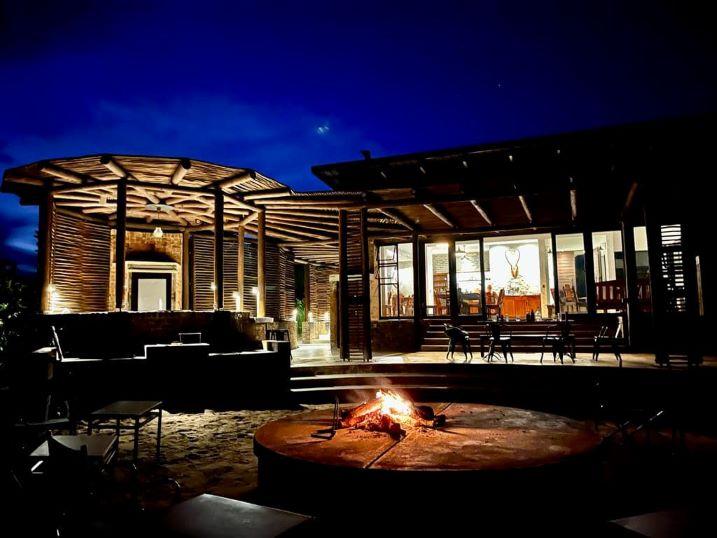
Hyena Hunting for 10 x Days in SA, plus 6 other Critters
Booking Season: 2026
Hunt Difficulty: Moderate, Difficult
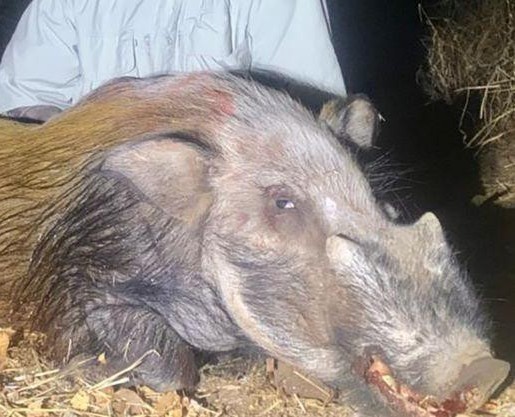
Bushpig Hunting in SA, plus 5 other Species in 10 Days
Booking Season: 2026
Hunt Difficulty: Difficult
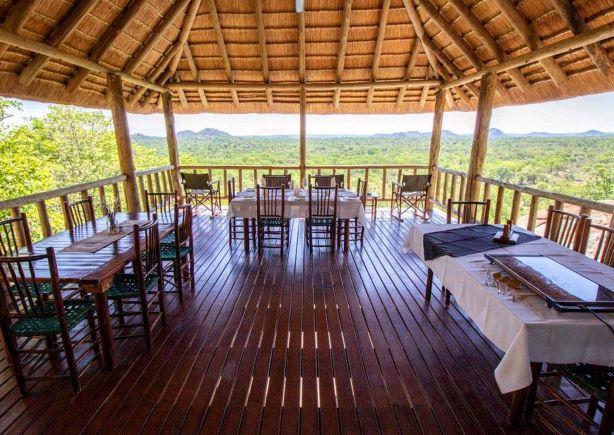
African Plains Game Hunt, plus Night Critters 10 Days in SA
Booking Season: 2025
Hunt Difficulty: Moderate, Difficult
Triple Cape Buffalo Hunt in the Selous, Tanzania
Booking Season: 2026
Hunt Difficulty: Difficult
Cancelled Hunts
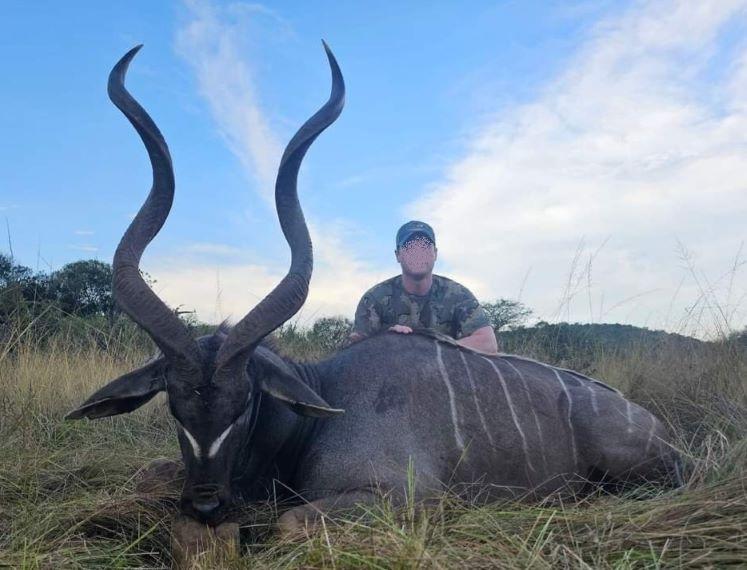
South African Plains Game Safari Trophy Nyala plus 5 Species
Booking Season: 2026
Hunt Difficulty: Moderate, Difficult
Wildebeest, Impala, Zebra, Warthog & Blesbok Hunts in Limpopo
Booking Season: 2026
Hunt Difficulty: Moderate
Free-Range Leopard Hunting Safari in Tanzania | 14-Day Licenc
Booking Season: 2026
Hunt Difficulty: Difficult
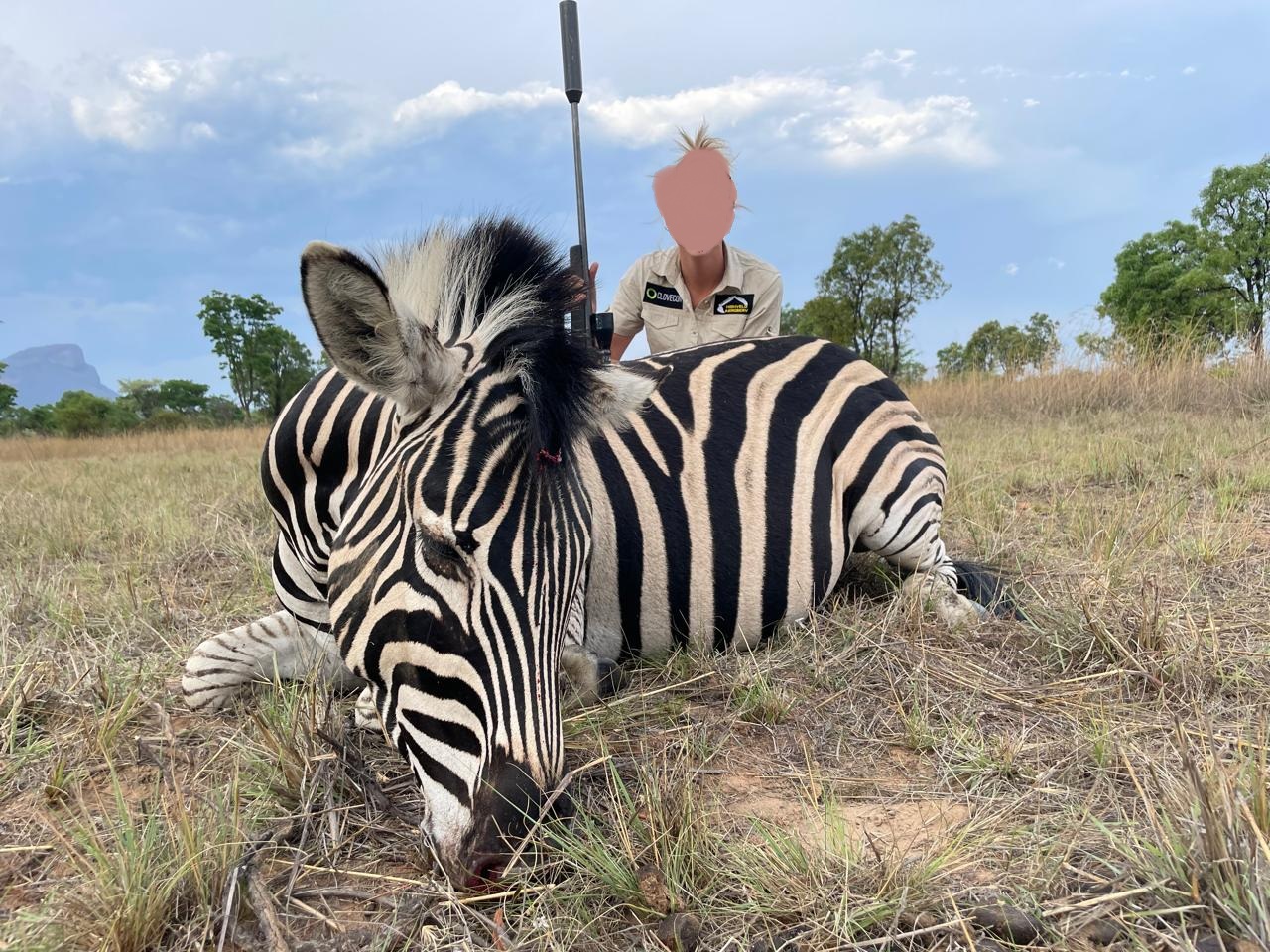
Hunt Cape Buffalo, Wildebeest, Zebra & Bushbuck in Limpopo
Booking Season: 2026
Hunt Difficulty: Difficult
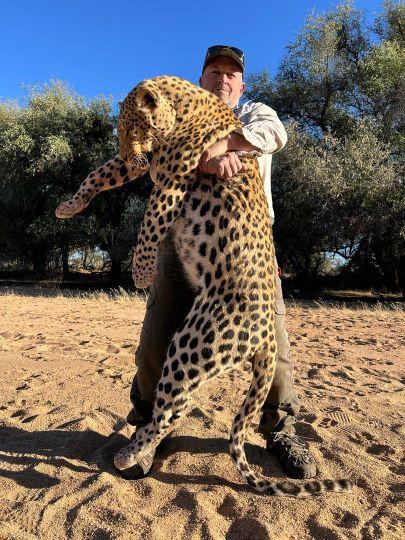
Namibia Leopard & Brown Hyena Cancelation Hunt
Booking Season: 2025
Hunt Difficulty: Difficult