Cape Buffalo Hunting in the Selous Tanzania 1 x 2 or 2 x 1
Booking Season: 2026
Hunt Difficulty: Difficult

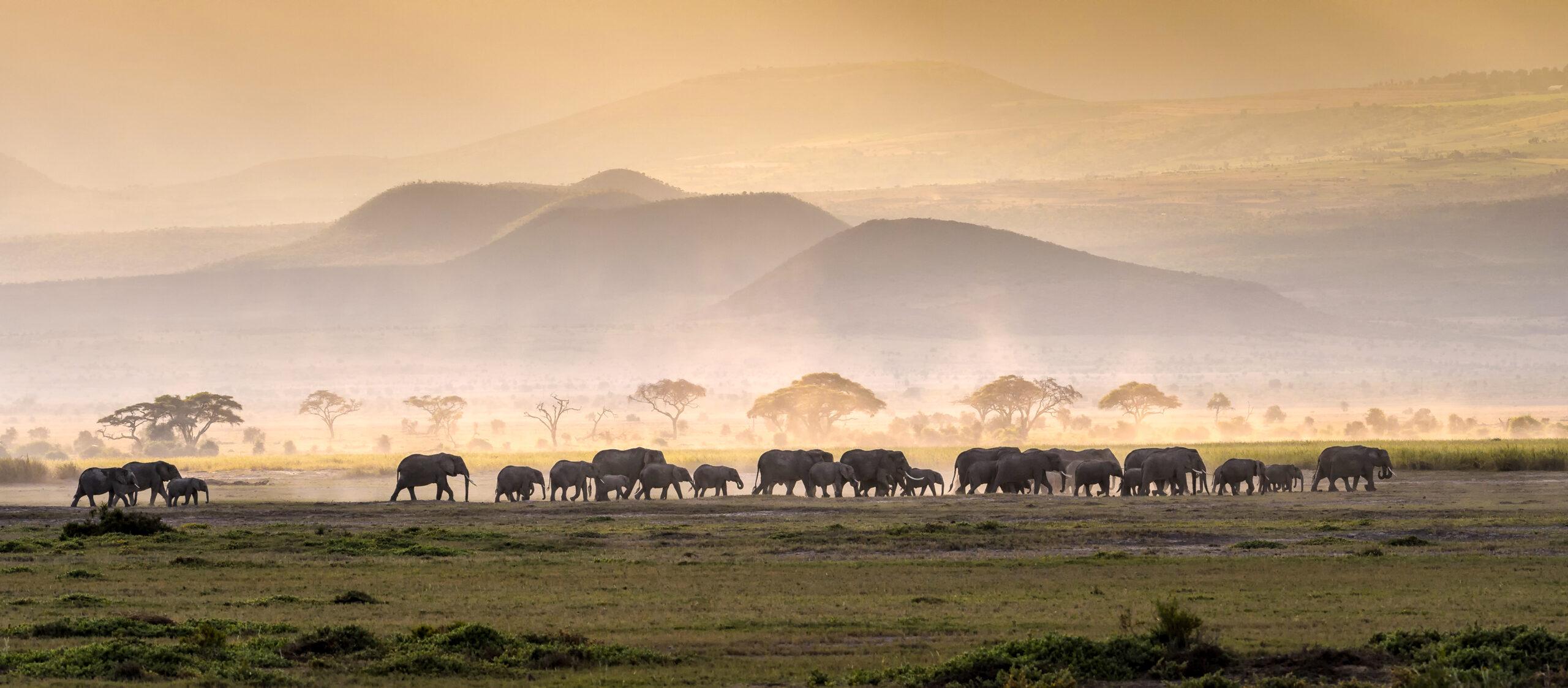
Crocodile hunting in Tanzania combines patience, precise shooting and careful trophy judging with some of East Africa's great wilderness areas. Nile crocodiles inhabit rivers, lakes and wetland systems across the country, with hunting opportunities found in areas such as the Selous ecosystem and western Tanzania.
Unlike hunts that involve covering large distances behind tracks, a crocodile safari can involve hours spent watching a particular stretch of water, studying animals and waiting for a mature crocodile to present the right opportunity. The difficult part is rarely finding a crocodile. It is identifying the right one, getting into position without sending it into the water and making an extremely precise first shot.
Tanzania also gives hunters the opportunity to include crocodile as part of a broader dangerous game safari. Depending on the hunting area and available quota, buffalo, hippo, leopard and other species may form part of the same safari.
Tanzania is one of several destinations offering Nile crocodile hunting, and our Crocodile Hunts page compares the major hunting destinations, methods and considerations when planning a crocodile safari in Africa.
Available African Crocodile Hunts
Cape Buffalo Hunting in the Selous Tanzania 1 x 2 or 2 x 1
Booking Season: 2026
Hunt Difficulty: Difficult
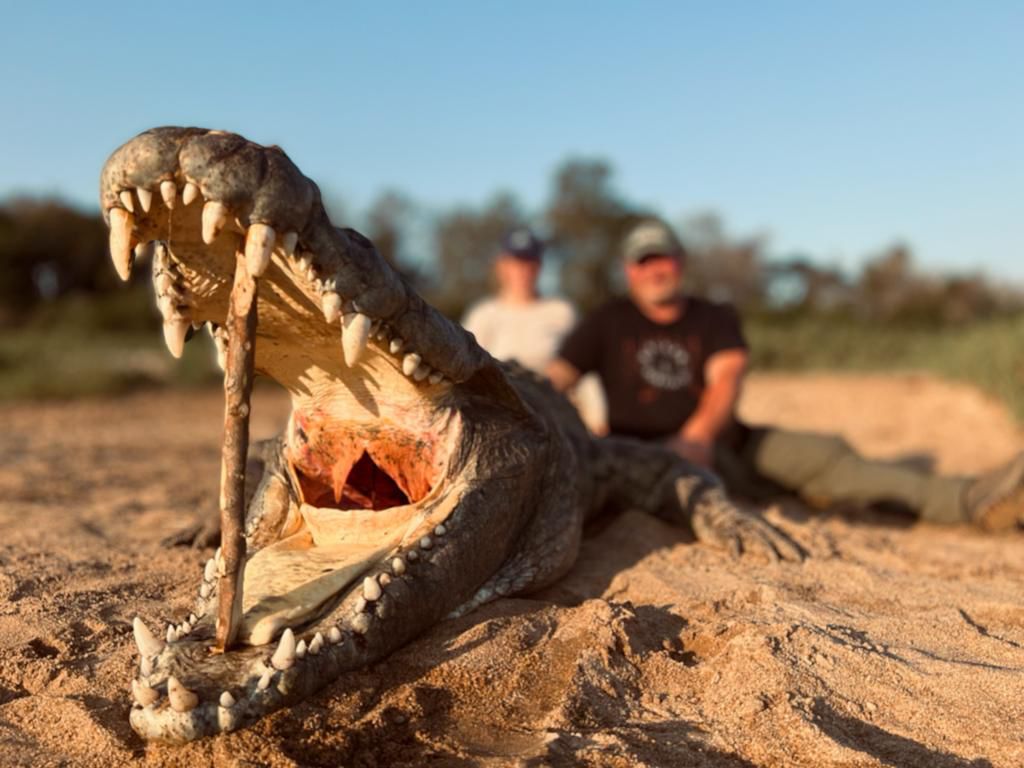
Lion, Leopard & Buffalo Safari Tanzania | Lunda Nkwambi
Booking Season: 2026
Hunt Difficulty: Difficult
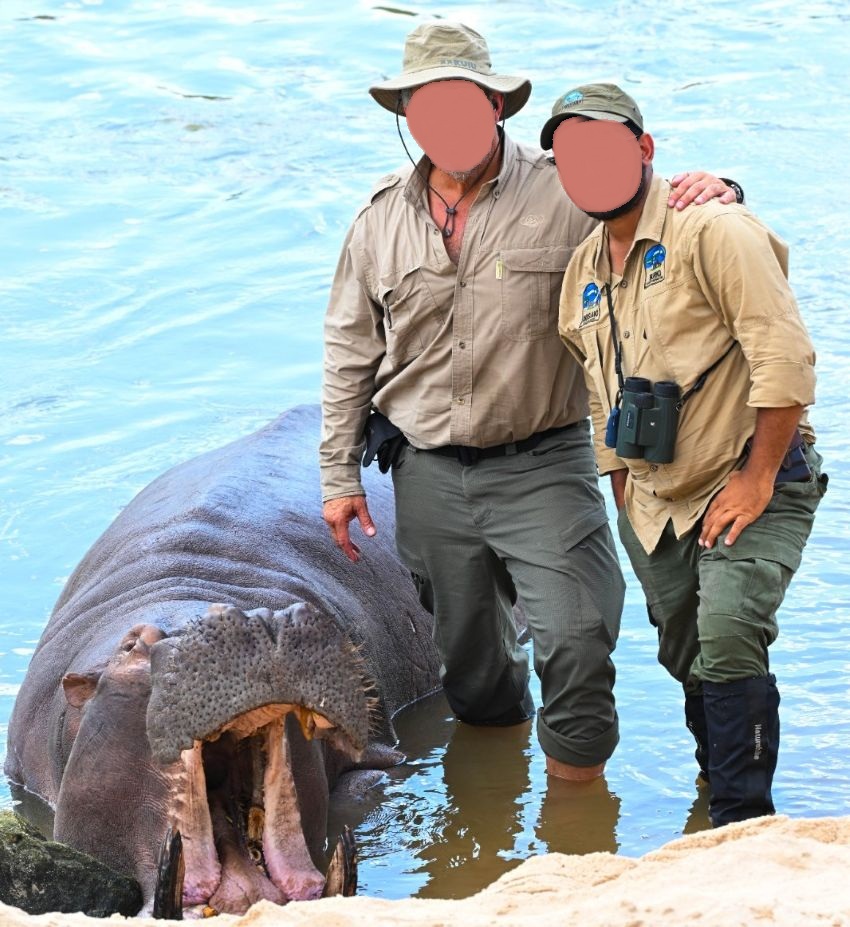
28-Day Exclusive Hunting Safari in Tanzania’s Famed Selous Region
Booking Season: 2026
Hunt Difficulty: Moderate, Difficult
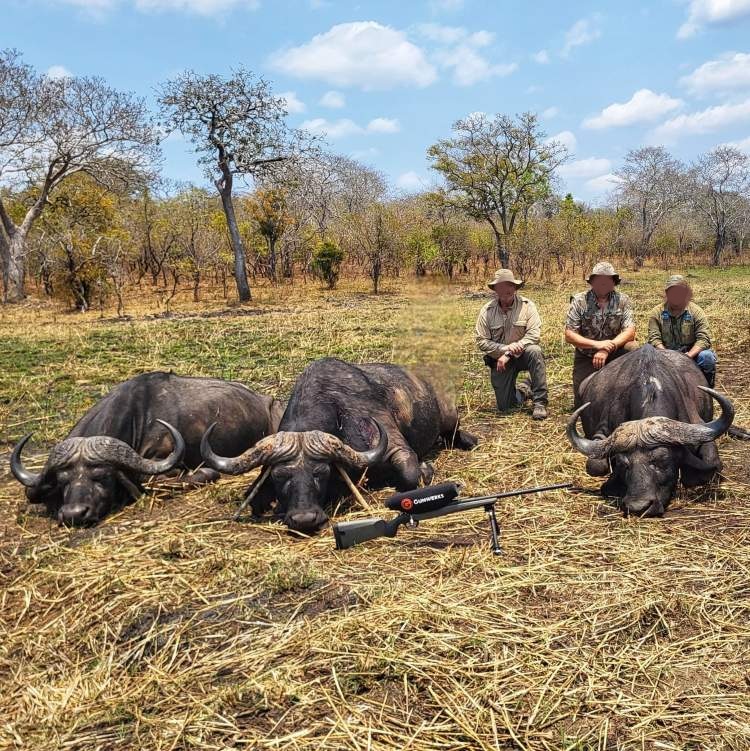
Selous Cape Buffalo Safari | 4 Hunters, 2 PHs
Booking Season: 2026
Hunt Difficulty: Moderate, Difficult
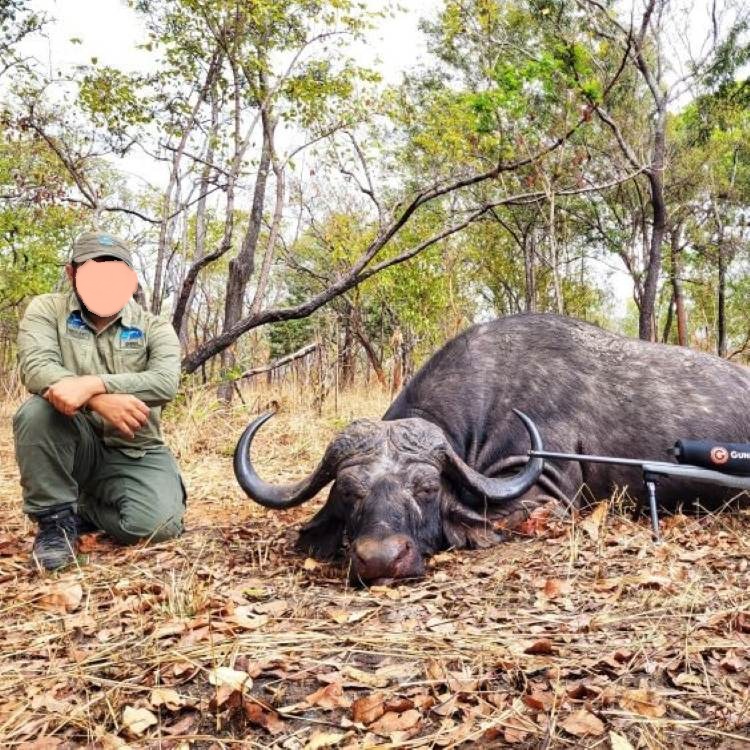
Full Bag Safari in Tanzania’s Liparamba Region
Booking Season: 2026
Hunt Difficulty: Difficult
Nile crocodiles are found in Tanzania's rivers, lakes, marshes and wetland systems, with hunting opportunities varying considerably between concessions. The Selous ecosystem is particularly well known for its extensive river systems, while western areas such as Ugalla and Moyowosi contain wetlands and floodplains that provide suitable crocodile habitat.
Much of Hunting in Tanzania takes place across enormous free-range concessions, and crocodile hunting reflects that same sense of scale. A PH may spend considerable time glassing riverbanks, sandbars and likely basking areas before deciding whether a crocodile is mature enough to warrant a closer look.
Finding crocodiles does not necessarily mean finding the right crocodile. Large animals may remain partly submerged, disappear into deep water or lie in positions where a safe recovery would be difficult. This makes patience and careful trophy judging an important part of the hunt long before the final stalk begins.
Nile crocodiles are regulated under CITES, meaning the correct permits and export documentation are required when taking a trophy from Tanzania.
Shot Placement while Crocodile Hunting in Tanzania
An African hunt targeting crocodiles generally utilizes two main hunting methods to target this prehistoric predator. Firstly, bait can be set to lure the crocodile and a temporary blind set up from which the crocodile is hunted. Secondly, the crocodile can be stalked using a mokoro (traditional canoe) or walking along the river banks until a worthy trophy is spotted, after which an intense stalk will follow. It is incredibly difficult to sneak up on a crocodile, as they have excellent hearing and can sense vibrations on land and in the water, through sensory organs called DPRs (Dermal Pressure Receptors).
Precise crocodile shot placement is critical, particularly when an animal is lying close to deep water where a poorly placed shot can result in a lost trophy. Your PH will assess the angle and position of the crocodile before recommending the best shot. Frontal Brain Shot: This is the shot that will most likely be recommended by your PH. An accurate shot will result in a quick and humane kill. Broadside Brain Shot: Aim above the smile, just behind the eye, as this target is located behind the eyes and slightly above the center of the skull.
Heart Broadside Shot: When the crocodile lies broadside, the heart and lungs are exposed and sit about two inches on the inside of the front leg. The hunter needs to consider the position of the front leg when executing this shot, as the heart is not always in the same position. Quartering Away Brain Shot: When given this angle on your African hunt, aim for the brain, found slightly above “the smile” and just behind the eye (center line of the skull). This brain shot is an extremely challenging option and unless you are 100% sure, rather leave the shot. Remember to have your second and third shots ready in quick succession, to firstly ensure a quick and humane kill, and to prevent the crocodile from heading towards water, resulting in a lost big game hunting trophy.
What Caliber Rifle is used when Hunting Crocodile in Tanzania?
Bow hunting is not permitted in Tanzania, and hunting safaris are only allowed during daylight hours. Nile crocodiles have armor-like scales that form a thick layer of protection, which is why you need a rifle that will penetrate both its skin, as well as its thick skull and vertebrae with ease. A suggested option would be a 7mm, 300-win mag, or a .375 for a successful African hunt.
Judging a Nile crocodile is not always as straightforward as it appears. Much of the animal may be hidden beneath the water, while distance and the crocodile's position on a riverbank can make an already large reptile appear even bigger.
Professional Hunters look at more than length alone. The size and width of the head, thickness through the body and overall proportions can all help when judging whether a crocodile is mature enough to pursue. Large old crocodiles often carry considerably more mass than younger animals, particularly through the head, neck and body.
Time spent glassing can therefore be an important part of crocodile hunting in Tanzania. A crocodile may be watched repeatedly before the decision is made to begin an approach. Even then, the animal needs to be lying in a position that offers both a suitable shot and a reasonable chance of recovery.
That patience matters as once the final stalk begins, there may be very little room for error. A crocodile disturbed near deep water can disappear almost instantly, potentially ending an opportunity that took hours to develop.
Crocodile does not necessarily need to be the only objective of a Tanzanian safari. Depending on the hunting area, available quota and length of the hunt, crocodile may be combined with buffalo, hippo, leopard or other species found in the same broader hunting area.
The interesting part is how different the hunting can be from one animal to the next. A morning may involve following buffalo tracks through the bush, while crocodile hunting can require hours spent glassing a riverbank or waiting for a animal to leave the water. Hippo brings another completely different set of considerations.
That variety is why Tanzania remains such an important destination for Dangerous Game Hunts. Rather than repeating the same hunting method across several species, a longer safari can involve very different animals, terrain and hunting strategies.
The cost of crocodile hunting in Tanzania depends on the hunting area, length of safari and whether crocodile is the primary objective or forms part of a larger dangerous game hunt.
Tanzania generally operates longer safari packages than many other African destinations, particularly when dangerous game is involved. In addition to the daily rate and crocodile trophy fee, hunters may need to budget for government fees, licenses, firearm permits, transfers and other safari-related costs.
Combining crocodile with buffalo, hippo or another species can also change the overall cost considerably. This makes it important to compare the complete safari rather than looking at the crocodile trophy fee alone.
Our African Hunting Safari Prices guide explains the main costs, trophy fees and other expenses to consider when budgeting for a hunt in Africa.
Some of Tanzania's best crocodile hunting is found around rivers, lakes and wetland systems. The Selous ecosystem and western hunting areas such as Ugalla and Moyowosi provide suitable Nile crocodile habitat, although opportunities depend on the individual concession and available quota.
Crocodiles may be hunted by glassing riverbanks and basking areas, stalking along waterways or using bait and a temporary blind where appropriate. Much of the challenge involves judging a mature crocodile and waiting for it to present a suitable shot away from deep water.
Suitable options can include the .300 Winchester Magnum and .375-caliber rifles. Regardless of caliber, accuracy is critical because the brain presents a relatively small target and a poorly placed shot can allow the crocodile to reach deep water.
Yes. Depending on the hunting area, available quota and safari length, crocodile may be combined with species such as Cape buffalo, hippo or leopard. This can make crocodile part of a broader Tanzanian dangerous game safari rather than the sole objective of the hunt.
Nile crocodiles are regulated under CITES, and the appropriate documentation is required for international movement of trophies. Hunters should confirm current Tanzanian export requirements as well as the import requirements of their home country before booking.
Search from our range of Hunts across various popular destinations in Africa.
Book Your Hunt