
Hunting in Zambia: Leopard, Plains Game Plus Croc OR Hippo
Booking Season: 2027
Hunt Difficulty: Difficult

Hippo hunting in Tanzania combines one of Africa's most formidable dangerous game species with some of the continent's largest and most remote hunting areas. The scale of Tanzania, together with its rivers, wetlands and established big game concessions, creates very different conditions for pursuing hippo.
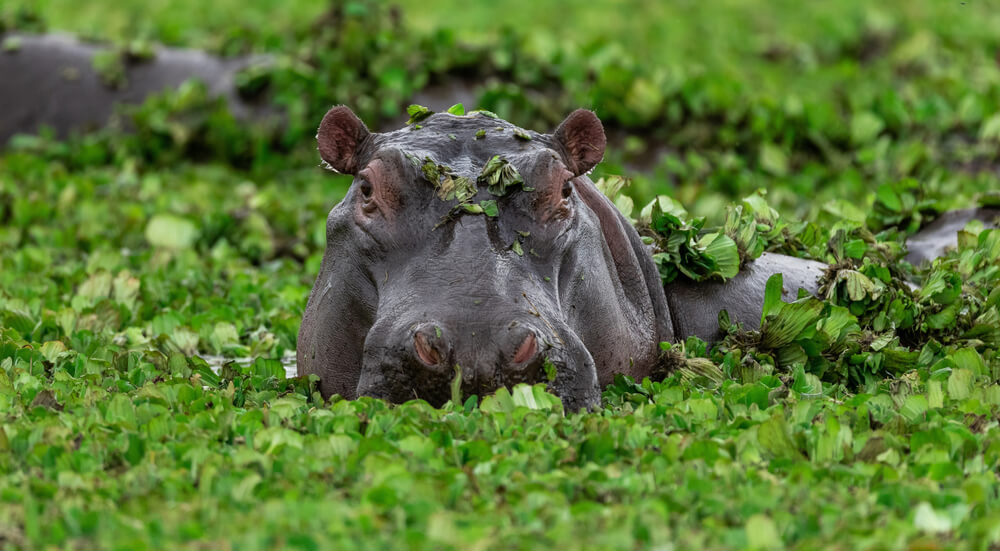
The hippo (Hippopotamus amphibius) is a semi-aquatic mammal that spends up to 16 hours a day wallowing in bodies of water, not only to keep cool but also to protect its skin from the harsh African sun. They prefer a habitat with plenty of water and are found in streams, swamps, rivers, and estuaries. Hippos are found throughout sub-Saharan Africa, including Botswana, Mozambique, Zambia, Zimbabwe, Namibia, South Africa, and Tanzania. When hippo hunting in Tanzania, popular hunting locations include the Selous Game Reserve, as well as the Ugalla and Moyowosi Game Reserves, renowned for their swamp areas.
Hunting conditions can vary considerably between the river systems, swamps and wetlands where hippos are found.
Available Hippo Hunts
Hunting in Zambia: Leopard, Plains Game Plus Croc OR Hippo
Booking Season: 2027
Hunt Difficulty: Difficult
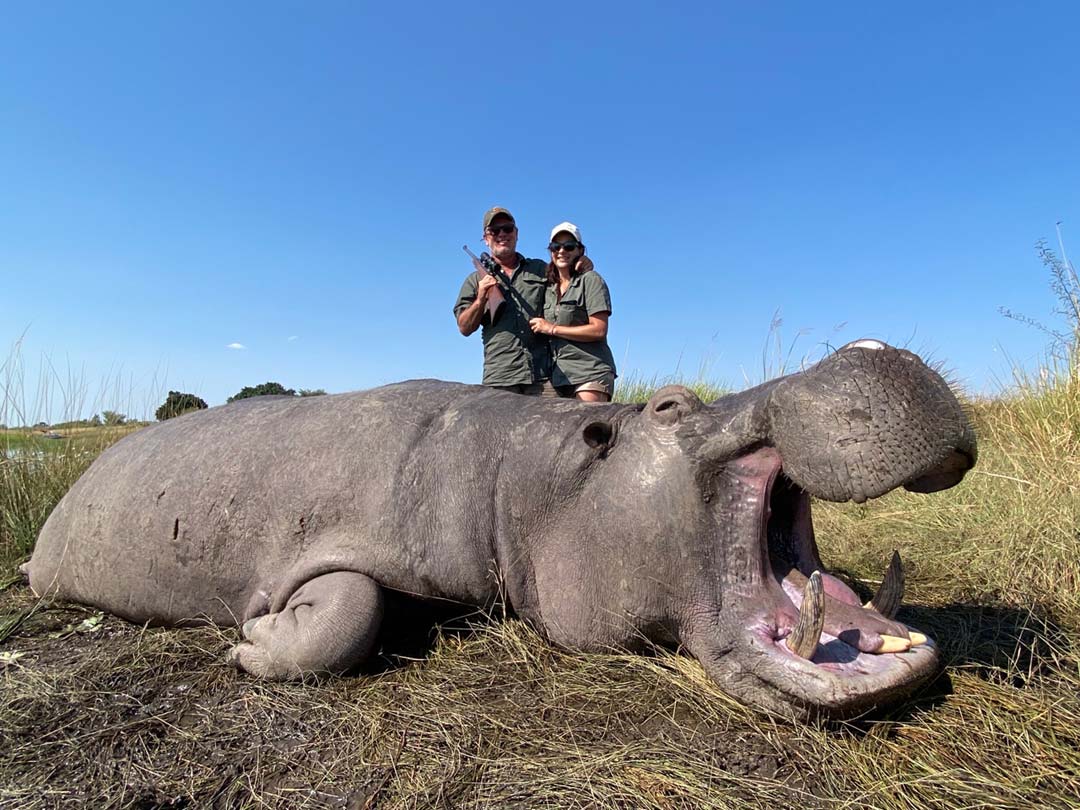
Non-Exportable Hippo Hunt Namibia | Zambezi (Caprivi Strip)
Booking Season: 2026
Hunt Difficulty: Difficult
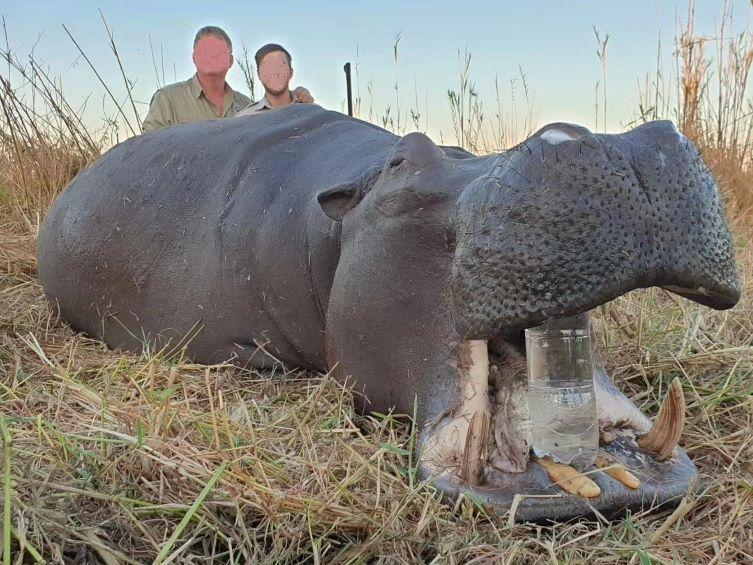
5-Day Exportable Hippo Hunt in Namibia’s Caprivi
Booking Season: 2026
Hunt Difficulty: Difficult
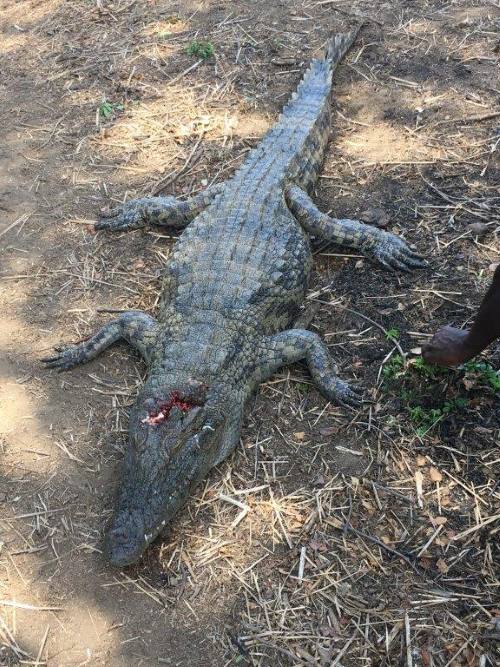
Hippo & Nile Crocodile Hunting Safari in Zimbabwe
Booking Season: 2026
Hunt Difficulty: Difficult
7-Day Dangerous Game & Plains Game Safari in Zambia
Booking Season: 2026
Hunt Difficulty: Difficult
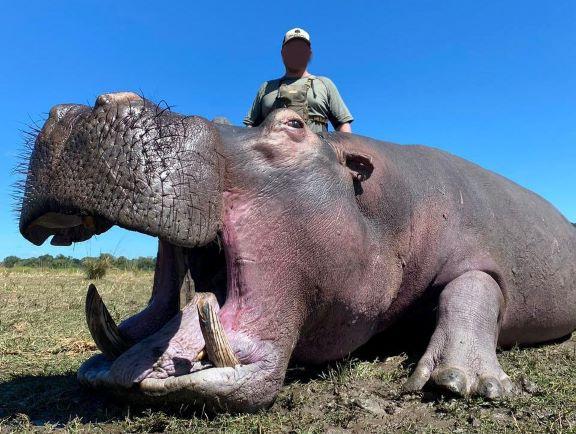
South Africa Dangerous Game & Nocturnal Hunting Safari
Booking Season: 2026
Hunt Difficulty: Moderate, Difficult
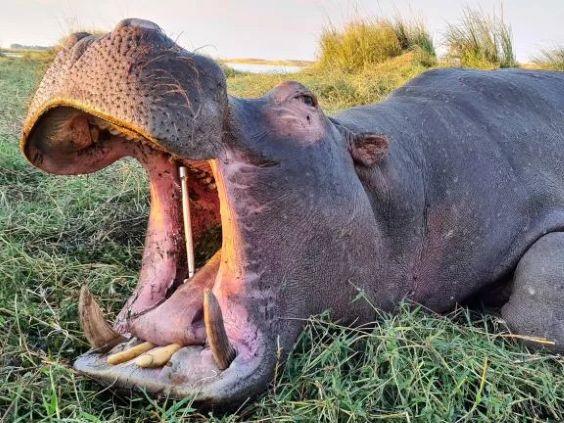
The Save Valley Hippo Combination Safari
Booking Season: 2026
Hunt Difficulty: Moderate, Difficult
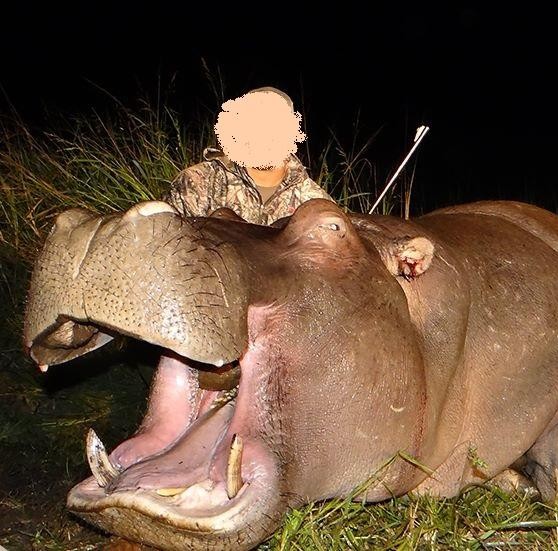
A 10-Day Hippo & Nocturnal Hunting Safari in South Africa
Booking Season: 2026
Hunt Difficulty: Difficult
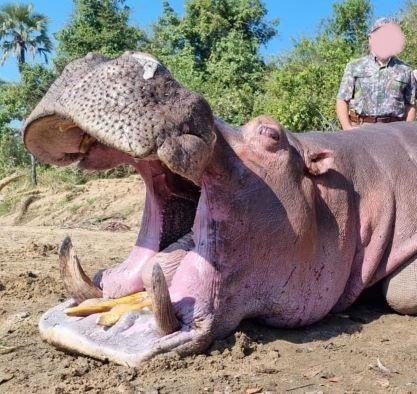
14-Day Dangerous Game & Plains Game Safari in South Africa
Booking Season: 2026
Hunt Difficulty: Difficult
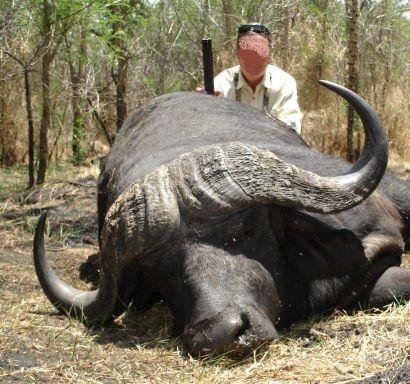
Cape Buffalo Hunting in the Selous Tanzania 1 x 2 or 2 x 1
Booking Season: 2026
Hunt Difficulty: Difficult
Hippos are listed as “vulnerable” by the IUCN and no special permits are required when hippo hunting in Tanzania, but a minimum of a 21-day hunting license must be obtained. No bows may be used on Dangerous Game Hunts in Tanzania. Look for a mature hippo bull that sports two bumps next to its nostrils. These bumps are the lower tusks of the hippo bulls pushing against the mouth when it is closed. When the hippos are submerged in water, it may be difficult to differentiate between the sexes. Look for a hippo with the largest head, neck, and tusks, along with the two bumps at the nostrils.
Hippo hunting in Tanzania is shaped by the scale and remoteness of the country's hunting areas. In regions such as the Selous, Ugalla and Moyowosi, hippos may be found along major rivers, permanent pools and extensive wetland systems within much larger big game concessions.
This means a hippo hunt is often part of a broader dangerous game safari rather than an isolated hunt. Buffalo, leopard, lion and other game may be hunted within the same concession, depending on quota and the safari being booked.
The country also offers very different conditions from one hunting area to another. Some hippos are hunted along rivers where animals can be glassed from the bank, while swamp and wetland areas can require considerably more time to locate and assess a mature bull.
For a hunter already planning a Big Game Hunting safari in Tanzania, hippo can therefore be a natural addition when the right quota and hunting area are available.
Shot Placement while Hippo Hunting in Tanzania
Hippo hunting requires careful judgment, particularly when animals are approached at close range or encountered on land. Despite their size, hippos can move remarkably quickly, and positioning between an animal and the water can create a dangerous situation. Hippo hunting safaris in Tanzania use two main hunting methods.
The first method involves approaching a suitable bull on foot after the pod has been located. This could start using a traditional canoe called a mokoro until the herds are spotted. The second option is to target the hippo on land as it leaves the water to feed around dusk or returns later that night or early the following morning. Hunting a hippo on land requires particular care, especially when the animal's route back to the water places it close to the hunters.
When hippo hunting in Tanzania, there are a couple of options available in terms of shot placement, and which is chosen, will all depend on numerous factors, including the hunting conditions, as well as the hunter’s position to the trophy. The shot placement options include the frontal brain shot, the frontal heart shot, the broadside brain shot with the hippo in the water, the headshot with the hippo facing away from the hunter, as well as the fleeing shot, the neck shot, and lastly, the heart and lung shot. The bottom line with hippo shot placement is simple: the shot must be precise. If you are unsure of the angle or placement, don't take it.
What Caliber Rifle is used when Hunting Hippo in Tanzania?
Hippos are exceptionally large, heavily built animals, and adequate rifle and bullet selection is essential. The minimum requirement when targeting dangerous game is a .375 caliber, together with the minimum of a 300-grain bullet. A suggestion would be to use solid bullets, as this trophy is exceptionally difficult to kill. Should the hippo be out of the water, with the hunter close and standing broadside, then a suggested rifle would be a .416 Rigby or .500 NE, to enter the heart for an accurate kill shot, quick death, and humane kill.
Yes, hippo hunting is legal in Tanzania under strict regulations. Hunters must obtain a minimum 21-day hunting license, and all hunts are conducted under the guidelines of the Tanzania Wildlife Conservation Act.
The two main methods are:
A minimum of a .375 caliber rifle with at least a 300-grain bullet is required. For close-range shots, especially on land, a .416 Rigby or .500 NE is suggested for effective penetration.
Top hunting areas include:
These regions are renowned for their swampy terrains and abundant hippo populations.
The optimal hunting season is during the dry months from April to August, offering better visibility and accessibility to hunting areas.
Yes, depending on the situation:
Accurate hippo shot placement is crucial due to the animal’s size and toughness—understanding proper shot placement is essential for a quick, ethical kill.
No, bow hunting is prohibited for dangerous game, including hippos, in Tanzania.
Prices vary based on the package:
Hunters comparing Tanzania with other destinations can also review our African Hunting Safari Prices guide for a broader look at safari costs across Africa.
Packages typically include:
Specific inclusions may vary by package.
Hippos are among Africa’s most dangerous animals, responsible for numerous human fatalities annually. Their aggressive nature, especially when threatened, makes hunting them a challenging and potentially dangerous endeavor.
Search from our range of Hunts across various popular destinations in Africa.

Book Your Hunt