
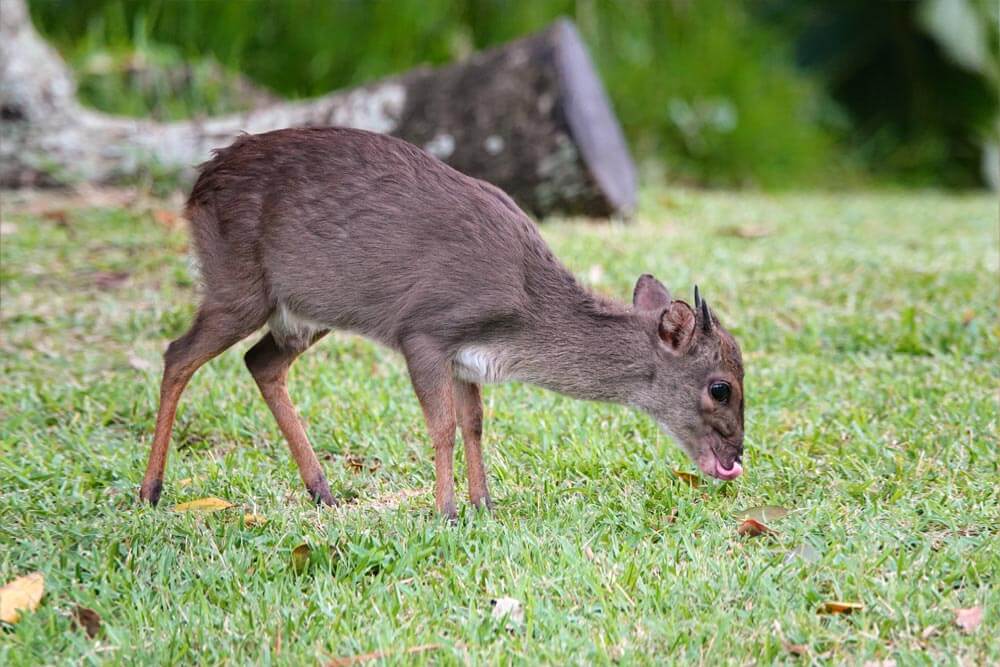
Gabon’s rainforest presents a different physical challenge from hunting in the dry savanna country familiar to many African hunters. High humidity, regular rainfall, dense vegetation and limited airflow can make an ordinary day’s tracking considerably more demanding.
Preparing for these conditions involves more than arriving with lightweight clothing. Hydration, physical conditioning, footwear, insect protection and the ability to maintain concentration while hot and fatigued can all affect the hunt.
This article focuses specifically on preparing for Gabon’s tropical forest environment. Hunters looking for information about available species, hunting areas, seasons and travel arrangements should begin with our complete Hunting in Gabon guide.
[DYNAMIC-BLOGTABLEOFCONTENT]
Key Takeaways
- Gabon’s combination of heat, humidity and dense vegetation can make forest hunting physically demanding.
- Clothing should be lightweight and breathable but still provide protection from vegetation and insects.
- Hunters must maintain hydration before thirst becomes noticeable.
- Boots should provide traction in wet conditions and be thoroughly broken in before the safari.
- Physical preparation should include walking in warm conditions rather than concentrating only on gym fitness.
- The outfitter should confirm expected rainfall, walking distances and camp conditions before the safari.
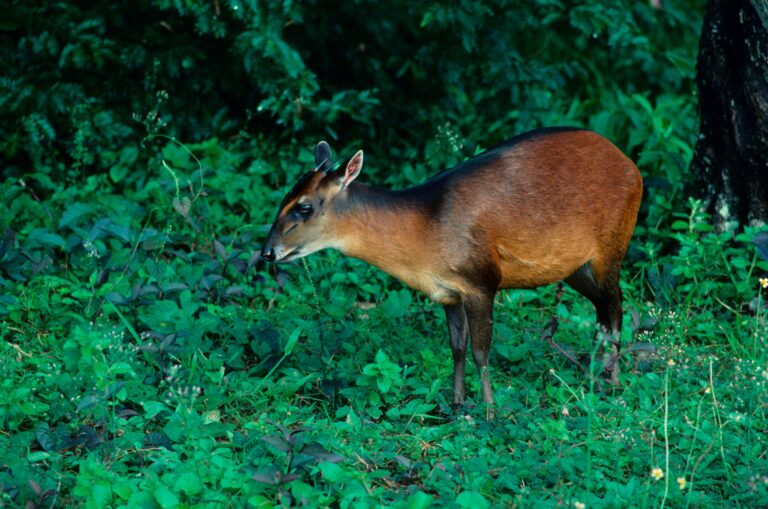
How Gabon’s Heat and Humidity Affect a Forest Hunt
Gabon’s tropical climate brings warm temperatures, high humidity and rainfall throughout the year. Conditions can vary by season and hunting area, but even relatively moderate temperatures may feel considerably more demanding when humidity is high and airflow is limited beneath the forest canopy.
Heat and humidity can slow the hunting party, increase fluid loss and make sustained concentration more difficult. Wet clothing, slippery ground and repeated contact with dense vegetation add to the physical workload. Hunters should ask the outfitter for conditions specific to the concession and proposed safari dates.
Why Humidity Can Be Harder Than Dry Heat
High humidity reduces the body’s ability to cool itself through the evaporation of sweat. A hunter may therefore feel increasingly hot and fatigued even when travelling beneath cloud cover or the rainforest canopy.
Dense vegetation adds to the workload. Progress can be slow, clothing may remain wet and the hunting party may repeatedly negotiate mud, roots, streams and fallen vegetation. These conditions can affect concentration as well as endurance, particularly after several consecutive days in the forest.
A hunter who becomes tired may also become less patient, less observant and less steady when an opportunity finally appears. Preparing for Gabon therefore means building the ability to remain focused while walking in warm, uncomfortable conditions, not merely completing a particular distance.
What to Confirm Before Travelling
Conditions can vary between concessions and different times of year. Before finalizing the safari, ask the outfitter:
- How far should the hunter expect to walk each day?
- Are trails generally wet, muddy or crossed by streams?
- What temperatures and rainfall are likely during the selected dates?
- Are laundry and clothing-drying facilities available in camp?
- Is safe drinking water carried by the hunting team?
- Are mosquito nets and other insect protections provided?
- What footwear and rainwear does the Professional Hunter recommend?
- Which firearm, ammunition and optical equipment will be available or permitted?
These answers allow the hunter to prepare for the actual concession rather than relying on general assumptions about rainforest hunting.
Frequently Asked Questions
What clothing should I pack for a Gabon forest hunt?
Choose lightweight, breathable clothing that dries quickly while still protecting your arms and legs from insects, thorns and wet vegetation. Bring more than one suitable hunting outfit because clothing may remain damp overnight in humid conditions. Avoid relying on heavy cotton garments that absorb moisture and dry slowly.
A lightweight waterproof layer is useful during sustained rain, but completely sealed rainwear can become uncomfortable when walking in high humidity. Ask the outfitter whether laundry and drying facilities are available in camp.
What boots are best for hunting in Gabon’s rainforest?
Boots should provide dependable traction on wet trails, mud, roots and uneven forest ground. They must also be comfortable enough for long periods of walking and thoroughly broken in before the safari.
Waterproof boots can help in wet conditions, although water may still enter from above during heavy rain or when crossing streams. Pack suitable moisture-managing socks and ask the outfitter whether gaiters or an additional pair of boots would be useful in the selected concession.
How should I train for a Gabon forest hunt?
Preparation should include regular walking rather than gym work alone. Build your ability to remain on your feet for several hours while carrying a light daypack. Whenever practical, train in warm conditions and include hills, uneven ground and repeated shorter walks.
The outfitter should provide a realistic estimate of the expected daily walking distance, terrain and hunting pace. Hunters with medical concerns should discuss heat, humidity and physical exertion with their healthcare provider before travelling.
How can I manage hydration in Gabon’s humidity?
Begin each hunting day properly hydrated and drink regularly rather than waiting until you feel thirsty. Heavy perspiration can occur even when cloud cover and dense forest make the temperature feel less severe.
Confirm that sufficient safe drinking water will be carried in the field. Electrolyte products may also be useful during prolonged exertion, but hunters with relevant health conditions should seek appropriate medical advice before using them extensively.
How should I protect myself from insects?
Wear long sleeves, long trousers and clothing that limits exposed skin. Pack a reliable insect repellent and confirm with the outfitter whether insect-treated clothing, mosquito nets or additional protection is recommended for the hunting area.
Speak to a travel-health professional well before departure about malaria prevention, required vaccinations and other current health precautions for Gabon. Some medications must be started before travel.
How should rifles, ammunition and optics be protected from humidity?
Moisture can affect metal surfaces, ammunition and optical equipment. Keep ammunition dry, carry lens-cleaning materials and wipe exposed metal surfaces after returning to camp. Small waterproof bags or protective cases can help protect documents, batteries and other sensitive equipment.
Hunters should confirm the current firearm-import rules and available firearm arrangements with the outfitter before booking. Do not assume that the same process used in southern African destinations applies in Gabon.
What should I carry during a day in the rainforest?
A practical daypack may include drinking water, electrolyte products, insect repellent, a lightweight waterproof layer, spare socks, basic medication, lens-cleaning materials and waterproof protection for documents or electronics.
Keep the load manageable. The Professional Hunter should confirm what the hunting team carries and which personal items are genuinely required in the field.
Does rainforest hunting continue when it rains?
Light or intermittent rain does not necessarily stop a forest hunt, but heavy rainfall can affect visibility, tracking conditions, trail access and animal movement. The Professional Hunter will decide whether continuing is practical and safe.
Hunters should arrive expecting some rain rather than treating every wet day as lost hunting time. Proper clothing and equipment make changing conditions much easier to manage.
Preparing for Gabon's Rainforest Conditions
A hunter cannot remove Gabon’s heat, humidity or rainfall from the equation, but proper preparation makes these conditions considerably easier to manage. Broken-in boots, breathable clothing, reliable insect protection and disciplined hydration should all be arranged before travelling.
The outfitter should explain the expected daily walking distance, trail conditions, rainfall and accommodation available in the selected concession. Hunters ready to compare properly structured opportunities can also explore our current Hunting Trips before confirming dates and species availability.
About the Author
Pierre van Wyk is the co-founder of Game Hunting Safaris. He works with African outfitters and international hunters to provide practical information about hunting destinations, safari conditions and planning a properly structured African hunt.