
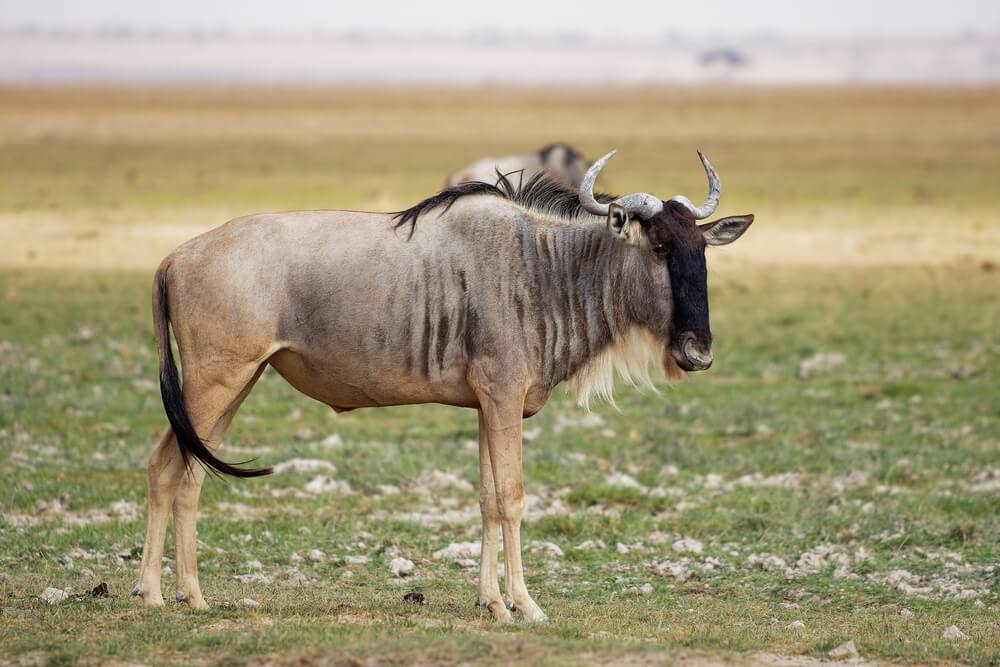
Why Maasailand Still Captures the Imagination of American Hunters
Long before many American hunters ever set foot in Africa, they’ve already imagined a place like Maasailand.
Maybe not by name, but through old safari books, campfire stories, grainy photographs, and the idea of East Africa as the last place where hunting still feels vast, uncertain, and genuinely wild. Tanzania represents something larger than trophies alone. For generations of American hunters, it has embodied the version of Africa they imagined long before they ever booked a safari.
And Maasailand sits at the center of that image.
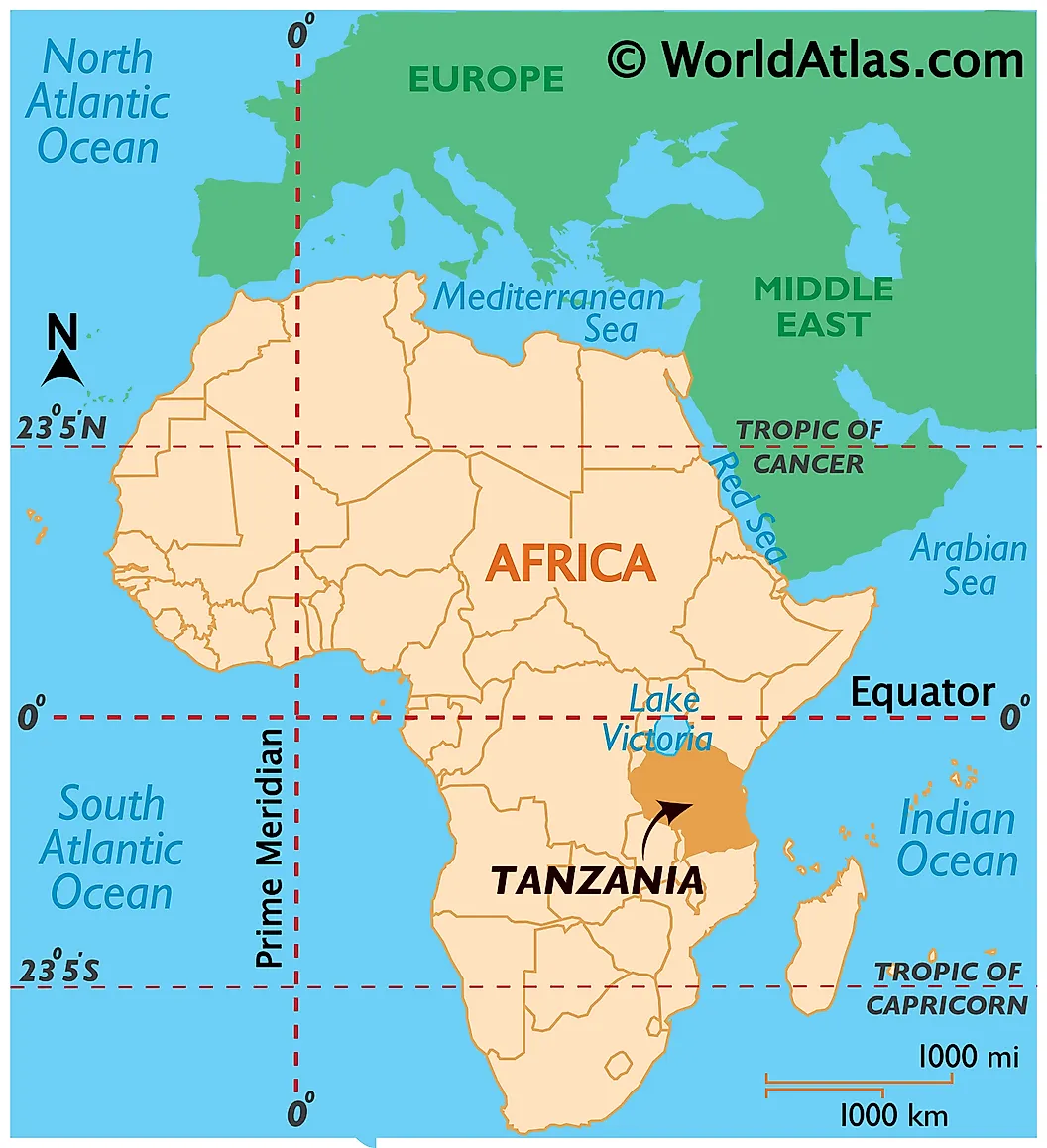
Stretching across huge areas of northern Tanzania near the Kenyan border, Maasailand still carries the atmosphere many hunters fear has disappeared elsewhere: long dirt roads, open horizons, unfenced country, and hunting areas where the landscape often feels bigger than the people moving through it. This is not polished safari tourism disguised as hunting. In many areas, it still feels rough around the edges, and that is precisely what attracts people to it.
For American hunters considering hunting in Tanzania, Maasailand is often where the country either gets under your skin, or convinces you it never will. Not because it is easy, comfortable, or predictable, but because it still feels connected to the older idea of African hunting: tracking dangerous game through vast country, spending long days in the field, and earning opportunities rather than manufacturing them.
That also means Maasailand is not automatically the right fit for everyone.
Some hunters arrive expecting romance and leave overwhelmed by the distances, heat, dust, and physical demands. Others spend the next decade trying to find an excuse to return.
[DYNAMIC-BLOGTABLEOFCONTENT]
Key Takeaways
Maasailand still offers one of the closest experiences to the older idea of East African hunting, long distances, rough country, and safari areas where the wilderness still feels larger than the infrastructure around it.
It rewards hunters who value atmosphere, patience, and unpredictability more than convenience or tightly managed schedules. The hunting here can be physically demanding, mentally draining, and occasionally frustrating, particularly for hunters expecting a polished or highly structured safari experience.
This is exactly what keeps drawing certain hunters back. Maasailand concessions vary enormously, and the hunts that test hunters the hardest are usually the ones that stay with them longest. This is especially true on dangerous game hunting safaris, where long tracking days, pressure, and unpredictability become part of the experience rather than exceptions to it.
Maasailand Doesn't Feel the Same Everywhere
Maasailand is often spoken about as though it’s one place with one atmosphere. Spend time there and that idea falls apart pretty quickly.
Two hunts inside Maasailand can feel different depending on the concession, terrain, distance from infrastructure, hunting pressure, and the way the safari is operated. Some areas feel harsh and isolated, where a day in the field can pass without seeing another vehicle or sign of modern life. Others feel more accessible, more open, and slightly easier on hunters experiencing East Africa for the first time.
That difference matters more than many hunters realize.
Certain areas are closely associated with dangerous game and long tracking days through thick bush or broken terrain. Others are better known for open plains, endemic species, or a safari atmosphere that feels quieter and less physically demanding. Even the pace of the hunt can change dramatically from one concession to another.
The mistake many first-time hunters make is assuming they are all essentially the same. The terrain, distance, and atmosphere of a concession can shape the hunt just as much as the animals you came for.
Enduimet
Enduimet feels exposed from the moment you enter it. The country opens up into long stretches of dry ground, scattered thornveld, and elephant paths that seem to run endlessly toward the Kenyan border. Nothing about the area feels crowded or controlled. Wildlife moves through it rather than staying confined to one place, and the hunting often reflects that uncertainty.
Elephants are a major part of Enduimet’s identity. The Kitenden Corridor cuts through the area as animals move between Tanzania and Amboseli, and hunters realize they are operating inside a landscape shaped by migration rather than predictable patterns. Some days feel quiet and empty. Others suddenly feel alive with fresh tracks, dust, and movement.
The openness of Enduimet changes the rhythm of the hunt as well. Distances can look deceptively short until you start crossing them on foot under East African heat. The country forces patience. It also forces hunters to pay attention, because visibility works both ways in terrain where little stays hidden for long.
What stays with many hunters afterward is not necessarily a single trophy, but the feeling of being part of a much larger landscape that continues moving whether you are there or not.
Kilombero
Kilombero feels slower than northern Maasailand, but not necessarily easier. The distances are long, villages become sparse, and the safari gradually settles into a quieter rhythm where days begin early and often end with the feeling that you’ve barely scratched the surface of the country around you.
The valley carries a sense of isolation that many American hunters are not expecting on their first trip to Tanzania. Hours can pass without seeing another vehicle, another hunting camp, or any sign that people are operating nearby at all. That absence changes the atmosphere of the hunt. The experience becomes less about rushing between opportunities and more about settling into the pace of the concession itself.
The terrain shifts constantly through river systems, woodland, thick vegetation, and open areas that can make tracking both physically tiring and mentally frustrating. Some hunts here unfold slowly over several days, especially when conditions force trackers and PHs to work cautiously through difficult ground.
Kilombero tends to stay with hunters who value immersion more than efficiency. It is the kind of place where the silence, distances, and repetition of long days in the field gradually become part of the experience itself.
Lake Natron
Lake Natron hardly feels forgiving. The landscape is harsh, open, and dramatic in a way that makes many other hunting areas feel tame by comparison. Volcanic ground, dry plains, distant mountains, and shimmering heat dominate much of the horizon, while Oldonyo Lengai rises over the region with a presence that feels impossible to ignore once you’ve spent time there.
Hunting in this part of Maasailand often feels exposed. There are few places to disappear in the open country, and both hunters and game tend to move carefully across terrain where visibility stretches for long distances. Wind, heat, and distance become part of almost every stalk.
The atmosphere around Lake Natron can also feel strangely quiet. Camps are far apart, roads are rough, and large sections of the area still feel disconnected from modern safari tourism. That isolation is part of the appeal for some hunters and exactly what makes others uncomfortable after a few days in the field.
What separates Natron from many African hunting areas is the sense that the landscape itself dominates the experience. Even hunters who leave without a major trophy often remember the country long after the safari ends.
Monduli
Monduli feels more varied than many hunters expect when they first look at it on a map. The terrain changes constantly, shifting between dry open country, thicker woodland, rocky ground, and pockets of surprisingly dense vegetation that can make tracking far slower than anticipated.
The hunting here often carries a slightly more grounded feeling than some of the larger or more dramatic Maasailand concessions. Community-run Wildlife Management Areas are common throughout the region, and local involvement forms part of the rhythm of daily life in camp and in the field. Hunters are rarely isolated from the reality that people live and work throughout this landscape alongside the wildlife itself.
Roads are rough, distances can still be deceptive, and conditions change quickly depending on the season. A hunt that feels straightforward in the morning can become physically draining by afternoon once heat, terrain, and tracking conditions begin to take their toll.
Monduli may not always have the mythology attached to areas like Maswa or Natron, but many hunters end up appreciating it for exactly that reason. The experience often feels less theatrical and more connected to the everyday reality of hunting in East Africa.
Burko
Burko sits close enough to Arusha to feel accessible at first, but the atmosphere changes quickly once you’re inside the concession. The country opens into a mixture of dry plains, broken ground, scattered woodland, and rising terrain that constantly shifts the pace of the hunt. Nothing about it feels manicured. The roads stay rough, distances stretch unexpectedly, and the landscape carries the slightly raw feeling common to much of Maasailand.
What hunters remember most about Burko is the balance it offers. It does not feel as extreme or punishing as some of Tanzania’s harsher concessions, but it still carries enough unpredictability to remind hunters they are operating in genuinely wild country. A morning can begin in open semi-arid terrain and end hours later in thicker vegetation or mountain foothills without the hunt ever feeling repetitive.
Burko also carries a quieter safari atmosphere than some of the more heavily discussed Tanzanian hunting regions. Camps here usually feel quieter and less hurried, and most hunters eventually settle into the pace of the concession whether they intend to or not. That slower pace is part of what makes the experience memorable.
For hunters interested in plains game hunting safaris, Burko often appeals because the country feels varied without becoming overwhelming. It still carries the feeling of East Africa, just without constantly trying to prove it.
Maswa Makao
Maswa Makao feels alive in a way few hunting areas do. Wildlife movement shapes the atmosphere constantly, and even quiet days can carry the sense that something is happening just beyond view. The proximity to the Serengeti ecosystem changes the rhythm of the concession, particularly during migration periods when game numbers and predator activity shift dramatically across the landscape.
This is not soft country to hunt. Thick woodland, rocky ground, watercourses, and broken terrain slow everything down, especially on dangerous game hunting safaris where tracking often becomes patient, physically demanding work. Hunters can spend long hours moving carefully through difficult ground with very little certainty about how the day will unfold.
There is also a tension to Maswa that hunters tend to recognize quickly. On dangerous game hunting safaris, buffalo, lion, and other species shape the pace of the hunt itself. Trackers move differently, ground is approached more carefully, and even quiet stretches of bush can carry a sense of pressure.
What makes Maswa Makao memorable is not simply the species list or the reputation attached to the ecosystem. It is the feeling that the hunting still revolves around the wildlife rather than the other way around. Some concessions in Africa feel managed around the safari experience. Maswa often feels as though the safari is simply trying to keep up with the country itself.
Liwale
Liwale can wear hunters down in ways they do not always expect before arriving in Tanzania. The distances are long, the roads are rough, and much of the country feels isolated enough that a full day in the field can pass without seeing another vehicle or sign of outside movement. By the third or fourth day, most hunters stop thinking about comfort altogether and simply settle into the routine of the safari.
The terrain shifts constantly between miombo woodland, thicker forest, rolling hills, and open ground that can make tracking both physically exhausting and mentally frustrating. Hunts here rarely feel rushed. Progress is often slow, especially when conditions force trackers and PHs to work carefully through difficult country where visibility changes from one ridge or drainage to the next.
What makes Liwale memorable is not only the quality of the hunting, but the feeling of isolation surrounding it. The concession still carries the atmosphere of older East African safaris, where patience, endurance, and time in the field mattered far more than convenience or predictability.
Hunters looking for polished camps, short drives, and tightly managed schedules usually struggle here. Hunters wanting something rougher often end up loving it.
Ruvu
Ruvu feels smaller and more enclosed than many of the wider Maasailand concessions. Thick brush, winding game paths, and towering baobab trees create a landscape where visibility disappears quickly and hunts often unfold at much closer range than hunters initially expect.
The country changes the pace of the safari. Tracking becomes slower, movement through cover becomes more deliberate, and even relatively short stalks can feel tense once hunters realize how quickly animals can vanish into the vegetation. The atmosphere here feels quieter and more intimate than the vast open country many people associate with Tanzania.
Ruvu also has a way of feeling deceptively calm. Long stretches of bush can appear empty until fresh tracks suddenly pull the entire mood of the hunt in another direction. That unpredictability is part of what makes the concession memorable, especially for hunters who enjoy slower, more patient hunting rather than covering huge distances every day.
While some Maasailand areas overwhelm hunters with scale, Ruvu tends to pull them deeper into the details of the hunt itself — tracks in dry soil, movement in thick brush, and the constant feeling that something may already be watching from cover nearby.
Why Dangerous Game Still Defines Maasailand
Elephant Hunts in Maasailand
Elephant hunts in Maasailand rarely feel predictable. The scale of the country changes the experience long before hunters ever cut a fresh track. Dry river systems, open ground, scattered woodland, and old migration routes force hunters to think less about a single destination and more about movement across an enormous landscape.
In areas like Enduimet, elephants are part of a much larger rhythm tied to seasonal pressure, water, and corridors stretching toward Kenya. Some days begin with nothing but old sign and dust-covered tracks, only for the entire atmosphere of the hunt to change once fresh movement is found crossing through the concession.
What stays with many hunters afterward is not simply the size of the animal, but the strange combination of calm and pressure that comes with following something so large through country that still feels genuinely wild. Elephant hunts in Tanzania tend to strip the safari down to patience, distance, and concentration for long periods of time.
The physical side matters too. Heat builds quickly in open country, and hours spent tracking through dry ground can become mentally exhausting long before the real pressure of the stalk even begins. Hunters comparing the country's major dangerous game opportunities can explore our Big Game Hunting in Tanzania guide.
Lion Hunts in Maasailand
Lion hunts change the mood of a safari camp almost immediately. Conversations become quieter, trackers pay closer attention to distant sounds at night, and even routine drives through the concession carry a different kind of focus once fresh sign is found.
In areas like Maswa Makao and Liwale, lions are not treated as rare sightings added for atmosphere. They are part of the environment surrounding the hunt itself. Hunters hear them at night, cut tracks crossing roads at first light, and spend long hours moving slowly through country where visibility can disappear without warning.
What makes lion hunts difficult is not constant action. It is often the opposite. Long stretches of waiting, uncertainty, and mental pressure slowly build over days until a brief opportunity suddenly appears and everything narrows down to a few seconds of decision-making.
Some hunters love that tension. Others discover very quickly that dangerous game hunting safaris can be mentally far more draining than they expected before arriving in Africa.
Leopard Hunts in Maasailand
Leopard hunts have a way of getting into a hunter’s head after enough time in camp. Days begin and end checking roads, bait sites, drag marks, spoor, and small signs most people would normally walk straight past without noticing.
Very little about leopard hunting feels rushed. The pace becomes slow, repetitive, and quietly obsessive. Hunters spend hours looking into thick bush, listening to trackers discuss movement from the previous night, and wondering whether the animal is already nearby without ever revealing itself.
In places like Burko, Natron, and Kilombero, the terrain often adds another layer of frustration. Thick vegetation, broken ground, shifting wind, and limited visibility mean opportunities can disappear almost as quickly as they appear.
Leopard hunts in Tanzania reward patience more than intensity. The hunters who struggle most are often the ones trying to force the experience into something faster or more predictable than it really is.
Cape Buffalo Hunts in Maasailand
Cape buffalo hunts in Maasailand rarely feel theatrical. The pressure builds slowly through long tracking days, difficult ground, heat, and the constant awareness that wounded bulls can disappear into thick cover faster than most hunters expect.
In areas like Maswa Makao, Kilombero, and Liwale, tracking old buffalo bulls can become physically draining work. Hours pass moving through broken woodland, dry riverbeds, thorn, and heavy cover where visibility changes constantly and trackers often communicate more through body language than words.
What separates buffalo hunting in Tanzania from many other African experiences is the feeling that the country itself is working against you. Dust, heat, distance, and terrain wear hunters down gradually, especially during long stalks where the pace slows to a near crawl once fresh sign appears ahead.
The best buffalo hunts are rarely clean or comfortable. They tend to feel tense, exhausting, and uncertain right up until the final moments. That discomfort is also part of why so many hunters become obsessed with Cape buffalo after experiencing them properly for the first time.
Aquatic Hunts in Maasailand
Not every memorable hunt in Tanzania happens in dry bush or open plains. Some of the most tense moments unfold around water, where long periods of stillness can suddenly shift into chaos with very little warning.
Hippo and crocodile hunts in Maasailand carry a different kind of pressure from tracking buffalo or lion through thick cover. River systems slow the pace of the safari down completely. Hunters spend hours watching movement along muddy banks, studying small signs in the water, and waiting for brief opportunities where shot placement becomes critical. A poorly placed shot can turn a straightforward recovery into a difficult and unpredictable situation almost immediately.
What makes these crocodile and hippo hunts memorable is often the atmosphere surrounding them. Early mornings along river edges feel quiet in a way the open plains rarely do, but there is always a sense that something is watching from the water long before hunters ever see it themselves.
Maasailand Still Appeals to Hunters Looking Beyond The Obvious
Dangerous game may dominate the mythology surrounding Tanzania, but Maasailand has always attracted hunters interested in far more than buffalo and lion alone. The region’s mix of terrain, isolation, and endemic species creates the kind of safari that keeps serious collectors returning long after they’ve already hunted Africa elsewhere.
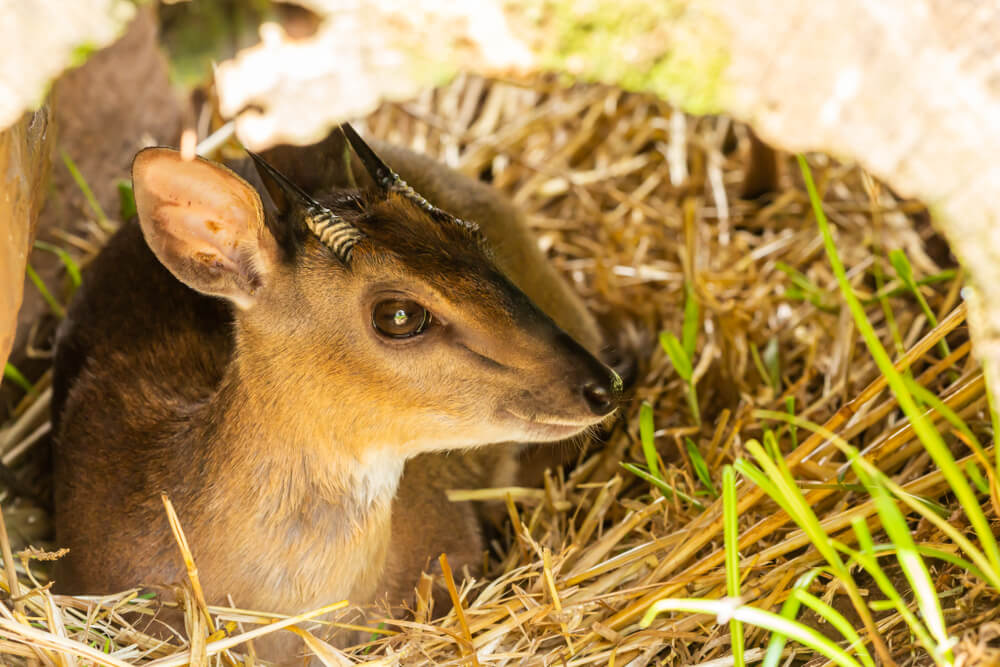
Some hunters arrive focused on kudu hunts or sable hunts and quickly realize the appeal of Maasailand lies just as much in the smaller details of the country itself. Tiny antelope moving through dry thornveld at first light, unusual East African subspecies found nowhere else, and the constant feeling that the next track in the sand could belong to something entirely unexpected all become part of the experience.
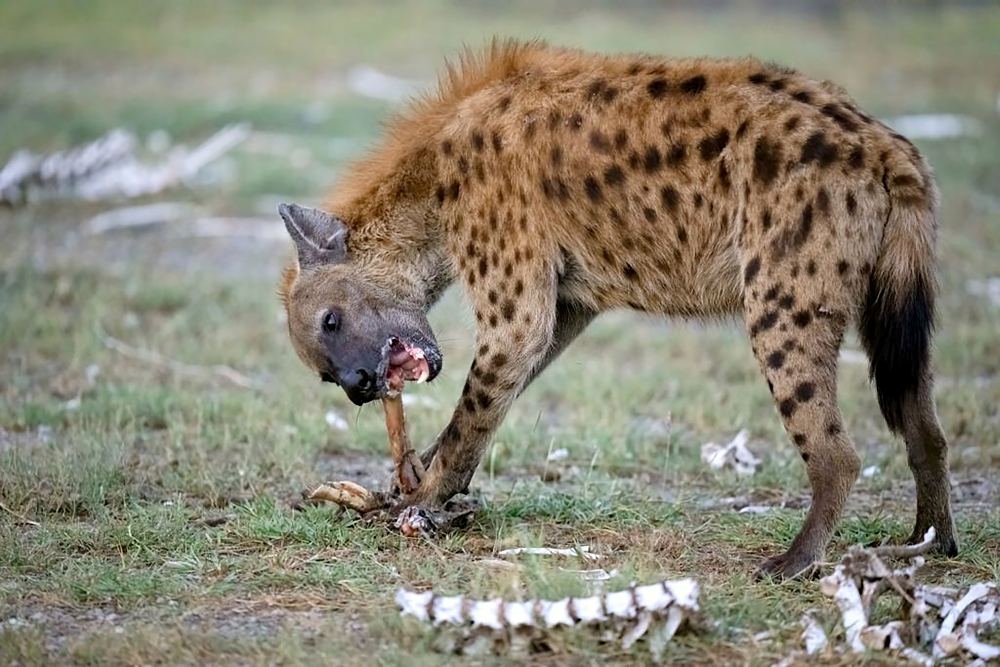
Maasailand also remains one of the more sought-after regions for hunters pursuing striped hyena hunts, partly because Tanzania does not allow night hunting. Instead of relying on darkness, hunters often need to locate hyena during the narrow windows around first light and sunset, when movement briefly increases before disappearing again. The result is a hunt built far more around patience, timing, and persistence than most hunters initially expect.
What separates Tanzania from many other destinations is that the safari rarely revolves around a single trophy animal. The atmosphere, the variety, and the feeling that almost anything could appear over the next ridge tend to stay with people long after the hunt itself is over.
What American Hunters Usually Get Wrong About Tanzania
Many American hunters arrive in Tanzania with a fairly clear picture in their heads of what the safari will feel like. Usually, that picture comes from old hunting books, photographs, documentaries, or years spent imagining Africa from a distance.
The reality is often both better and harder than expected.
One of the biggest adjustments is pace. Tanzania rarely feels efficient in the way many first-time hunters expect. Distances are longer, roads are rougher, tracking takes time, and entire days can pass without the kind of constant opportunities some hunters are used to elsewhere. The safari settles into its own rhythm, and hunters who try to force things usually end up frustrated long before the hunting itself becomes difficult.
The physical side also catches people off guard. By the middle of a long safari, the combination of heat, dust, walking, early mornings, rough driving, and mental concentration starts wearing people down in ways they did not anticipate beforehand. Tanzania can feel romantic from thousands of miles away. On day eight, covered in dust and following tracks through thick thorn under East African heat, the experience often becomes something very different.
That shift matters more than many hunters realize.
For some, this is the point where the fantasy starts to collapse. The inconvenience becomes irritating, patience disappears, and the safari begins feeling far less glamorous than expected. For others, this is exactly when Tanzania finally starts making sense. The country stops feeling like a hunting package and starts feeling like a real place with its own pace, discomforts, unpredictability, and rewards.
Tanzania also demands patience in a way many modern hunts no longer do. Dangerous game hunting safaris can involve long periods where very little appears to happen at all. Hunters may spend days tracking buffalo, checking bait, or moving carefully through country without ever getting a clear opportunity. The best moments often arrive suddenly after hours or even days of uncertainty.
That unpredictability is part of what keeps experienced hunters returning.
The stories people remember afterward are rarely about perfect schedules or smooth logistics. They are usually about difficult stalks, long evenings in camp, hearing lions somewhere beyond the firelight, or the strange silence that settles over the bush just before sunrise. Tanzania tends to stay with hunters because the experience feels earned rather than managed.
Maasailand Has Very Little Patience for Poor Preparation
Some hunters may arrive in Tanzania believing the difficult part starts once dangerous game appears at close range. In reality, problems often begin much earlier.
Heat, dust, long tracking days, awkward shooting angles, heavy vegetation, and physical fatigue all affect shooting more than many first-time hunters expect. By the middle of a safari, even experienced hunters can find themselves rushing shots, struggling on sticks, or reacting poorly once pressure suddenly builds after hours of slow tracking.
The terrain also changes how opportunities appear. Buffalo may stop for only a few seconds in thick cover. Plains game can emerge briefly at longer distances before disappearing again into broken country. Along rivers and muddy banks, crocodile and hippo hunts place even greater importance on precise shot placement because recovery conditions can become difficult very quickly.
Hunters preparing for Maasailand usually benefit from understanding African hunting shot placement before arriving rather than assuming the experience will resemble hunting back home. The country rewards patience, composure, and preparation far more than speed or aggression.
Is Maasailand Right for You?
Maasailand tends to leave very little middle ground once the safari is over. Hunters usually come away either deeply attached to the experience or quietly relieved to be heading home. Very few feel neutral about it.
The hunters who connect most strongly with Tanzania are usually the ones comfortable with uncertainty. They do not need every day to produce constant opportunities, and they are willing to trade convenience for atmosphere, scale, and the feeling of hunting in country that still feels genuinely wild. Many dangerous game hunters fall into this category, particularly those more interested in the overall experience of tracking, camp life, and immersion than simply measuring success by trophy size alone.
Hunters who struggle in Maasailand are not necessarily inexperienced. More often, they arrive expecting Africa to feel smoother, easier, and more structured than it actually is. Tanzania can become frustrating for people who dislike long periods of waiting, difficult terrain, rough travel, or hunts where success may depend on patience over many days rather than constant action.
The physical side matters too. Maasailand is not always kind to hunters who arrive underprepared for heat, walking, exhaustion, and long stretches of concentration. Even experienced hunters sometimes discover that East Africa wears them down differently than expected, especially once the romance of the first few days fades and the safari settles into its real rhythm.
At the same time, this is exactly what keeps certain hunters returning. Tanzania rarely feels manufactured around the client experience. The country still feels larger than the safari itself, and for many hunters that is precisely the point.
Maasailand is probably not the right destination for someone looking for the easiest version of Africa. For hunters wanting an experience that feels immersive, unpredictable, physically real, and emotionally difficult to forget, very few places still compare.
Final Thoughts on Hunting Maasailand
A lot has changed in African hunting over the last few decades. Roads reach places they never used to, camps have become more comfortable, and modern safari marketing has a habit of making almost every destination sound roughly the same.
Maasailand still resists some of that.
The hunting here can be uncomfortable, slow, physically draining, and occasionally frustrating in ways that many first-time hunters are not fully prepared for. Some safaris unfold exactly as planned. Others feel unpredictable from the moment the vehicle leaves camp. The country does not always care about schedules, expectations, or how badly somebody wants a particular trophy.
That lack of control is part of what gives Tanzania its reputation.
Hunters remember the pressure of following fresh buffalo tracks through thick bush at first light. They remember hearing lions after dark somewhere beyond camp, or watching dust rise across open plains while trackers study the ground ahead in complete silence. Years later, many struggle to explain why those moments stayed with them as strongly as they did.
Maybe that is the real appeal of Maasailand. The experience rarely feels polished enough to become forgettable.
For the right hunter, that is exactly what makes it special. Hunters comparing Maasailand with the country's other hunting regions can explore our complete Hunting in Tanzania guide.
Frequently Asked Questions
Why Are Tanzania Hunting Safaris Usually Longer Than Hunts in Other African Countries?
Tanzania operates differently from many other African hunting destinations. Hunting areas are enormous, travel between concessions can take time, and dangerous game regulations require minimum safari lengths for species such as lion, leopard, and elephant. The country also rewards patience more than speed. Some days are spent tracking, checking bait, or covering difficult ground without immediate opportunities appearing at all. Hunters expecting a tightly scheduled experience are often surprised by how much Tanzania slows the pace of the safari down.
Is Maasailand Suitable for First-Time African Hunters?
It can be, but it depends heavily on the hunter’s expectations and personality. Maasailand is rarely the easiest introduction to Africa. The distances are long, conditions can be physically demanding, and the hunting often feels less structured than places like South Africa or Namibia. Hunters who value wilderness, atmosphere, and immersion usually connect strongly with Tanzania, even on a first safari. Hunters still deciding where Tanzania fits into a broader African safari can compare destinations and hunting options in our African Hunting Trips guide.
Why Do Tanzania Hunting Safaris Cost More Than South Africa or Namibia?
Part of the cost comes from the scale and remoteness of the hunting areas themselves. Tanzania’s concessions are large, heavily regulated, and expensive to operate, especially in regions where dangerous game hunting safaris take place. Government fees, conservation costs, permit structures, charter flights, camp logistics, and mandatory wildlife personnel all add to the overall safari price. Tanzania is not built around high-volume hunting. The experience tends to revolve around time, space, and access to large unfenced wilderness areas, which naturally increases operating costs. Hunters budgeting for Tanzania can compare these expenses in more detail in our African Hunting Safari Prices guide.
Is Hunting in Maasailand Physically Demanding?
Yes. Long tracking days, heat, rough roads, uneven ground, dust, and hours spent on foot can become exhausting by the middle of a safari. Dangerous game hunts are particularly demanding because opportunities often develop slowly after long periods of concentration and physical effort. Even experienced hunters sometimes underestimate how draining East African conditions can feel once fatigue starts building over multiple days in the field.
Can Dangerous Game and Plains Game Be Combined on the Same Tanzania Safari?
Absolutely. In many Maasailand concessions, hunters can pursue dangerous game species while also adding plains game opportunities throughout the safari. One of the unique strengths of Tanzania is how quickly the atmosphere of the hunt can change depending on the terrain and species being pursued. A morning tracking buffalo through thick woodland can shift into an afternoon glassing for plains game in more open country without the safari ever feeling disconnected or repetitive.
Why Do Experienced Hunters Keep Returning to Tanzania?
Most hunters who become attached to Tanzania struggle to explain it purely through trophies alone. The country offers something increasingly difficult to find elsewhere: uncertainty, scale, discomfort, and the feeling that the wilderness still shapes the safari more than the infrastructure surrounding it. Long tracking days, rough camps, difficult conditions, and unpredictable hunting do not appeal to everyone, but for certain hunters those are exactly the qualities that make Tanzania impossible to forget.
Author
Pierre van Wyk is the co-founder of Game Hunting Safaris and has spent years immersed in the realities of African hunting safaris, outfitter networks, and dangerous game hunting across Southern and East Africa. Through firsthand industry experience and extensive research into hunting destinations, species, and safari operations, he focuses on helping hunters better understand Africa’s most respected hunting regions and the unique experiences they offer.