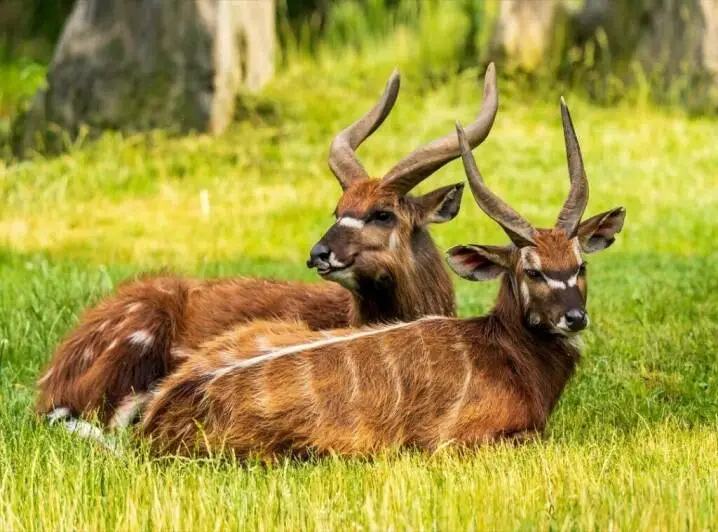
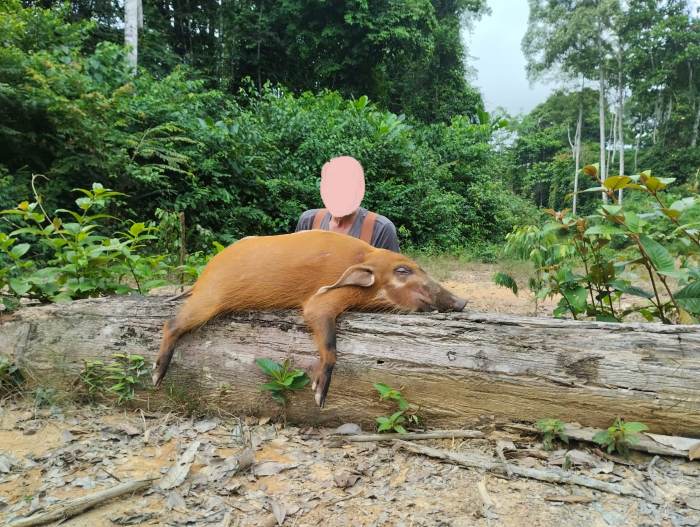
13-Day Dwarf Buffalo, Sitatunga & Forest Game Safari in Gabon
Booking Season: 2026
Hunt Difficulty: Difficult

Gabon has never been a high-volume hunting destination, and that is part of its appeal. Only a small number of international hunters travel there each year, many of them experienced sportsmen from the United States and Canada who have already hunted in other parts of Africa.
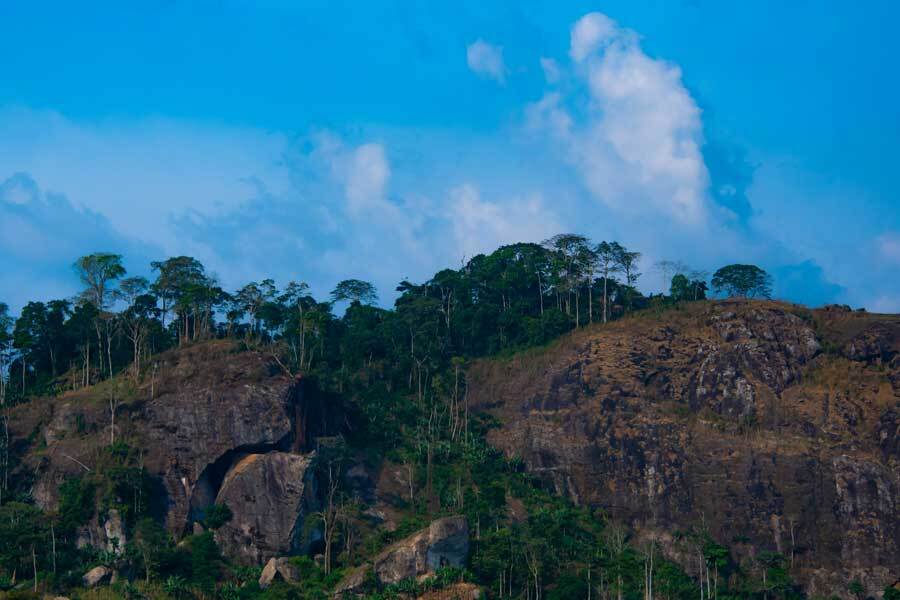
Gabon offers something very different from the more familiar African hunting safaris, with dense rainforest, remote concessions and a far more demanding style of hunting. Camps can be isolated, access difficult and hunting here often feels closer to an expedition than a conventional safari operation.
Hunters who travel to Gabon usually understand what they are signing up for. The terrain is demanding, the climate can be difficult, and success often comes only after long days in the forest. It is a very different side of Big Game Hunting in Africa from the open-country safaris more familiar to most international hunters.
For those looking for a challenging hunt in one of Central Africa's last truly wild environments, that difficulty is exactly what makes Gabon appealing.
Hunts Currently Available
13-Day Dwarf Buffalo, Sitatunga & Forest Game Safari in Gabon
Booking Season: 2026
Hunt Difficulty: Difficult
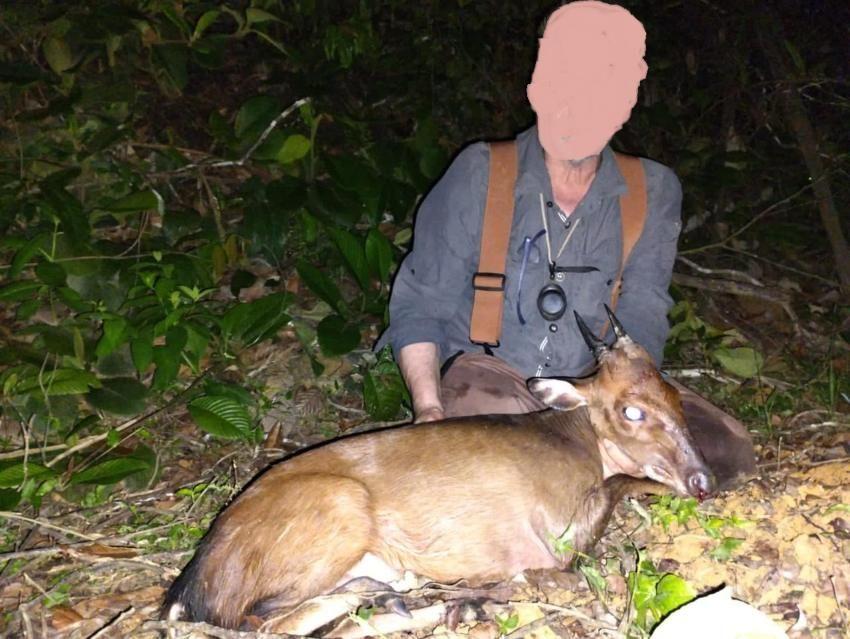
10-Day Gabon Duiker and Forest Game Safari
Booking Season: 2026
Hunt Difficulty: Difficult
Most American hunters picture Africa as open savanna where animals can be spotted from long distances. Gabon is the opposite.
Hunting here takes place in dense rainforest where visibility can be limited to just a few yards. Instead of glassing large areas, hunters often move slowly through thick vegetation while trackers follow sign on the forest floor.
Animals are rarely seen at a distance. Encounters often happen suddenly and at close range, sometimes after hours of careful tracking through heavy cover.
This style of hunting demands patience and discipline. A hunter accustomed to spotting game across open country will find Gabon's rainforest different and often far more intense.
You Might Also Like
Gabon is known less for traditional plains game and more for the remarkable diversity of rainforest species found within its forests.
Central African rainforests support a wide range of small forest antelope known as duikers, many of which are rarely encountered in other parts of Africa. In fact, more than twenty different duiker species occur across the forests of Central and West Africa, making this one of the most diverse groups of antelope anywhere on the continent.
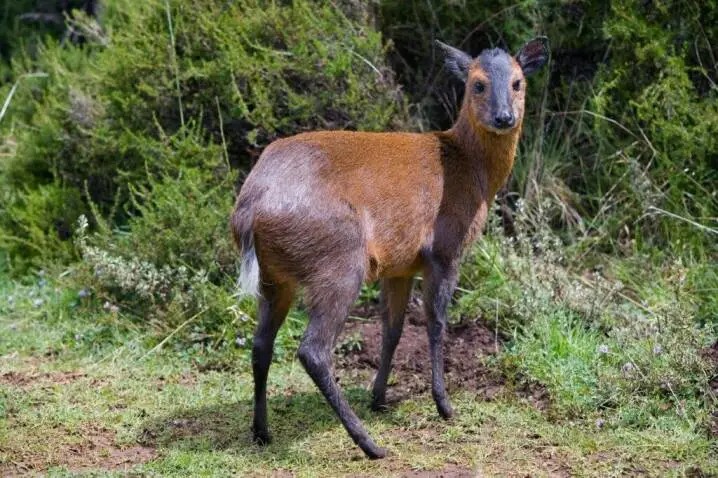
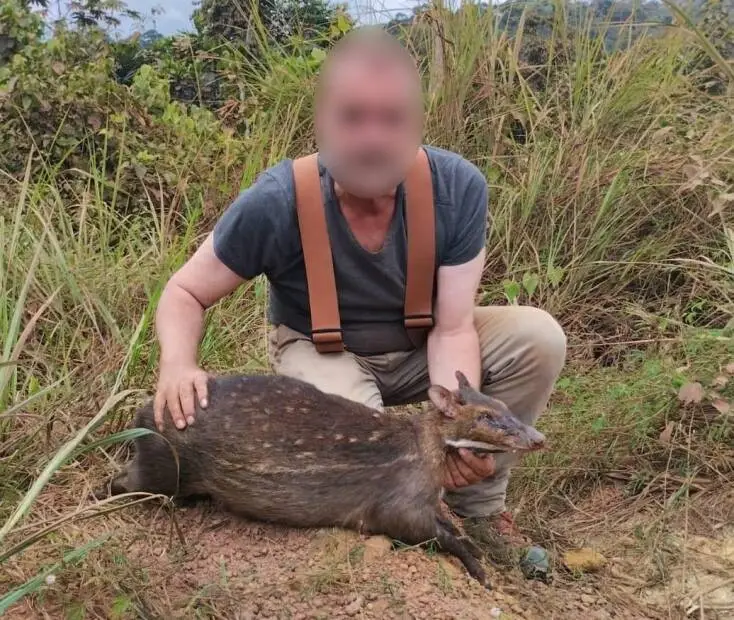
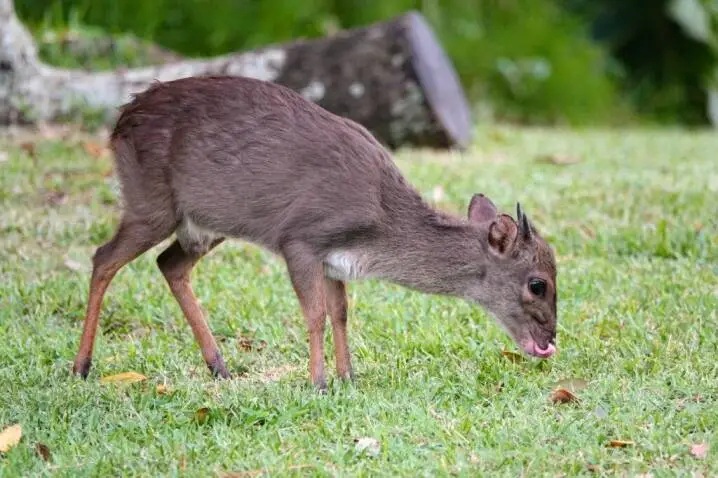
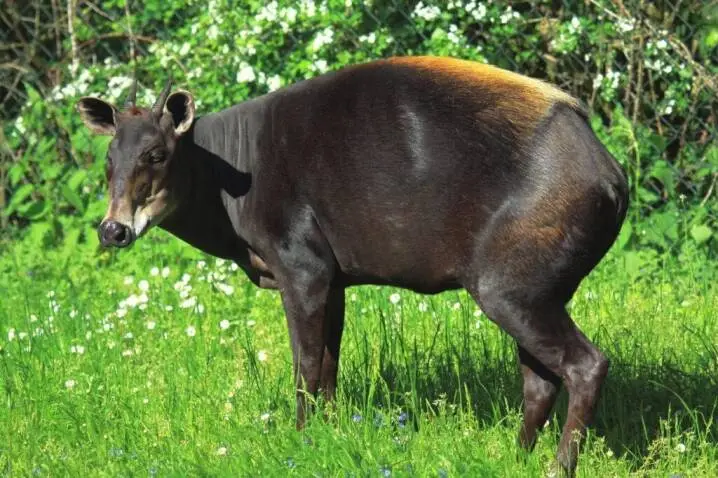
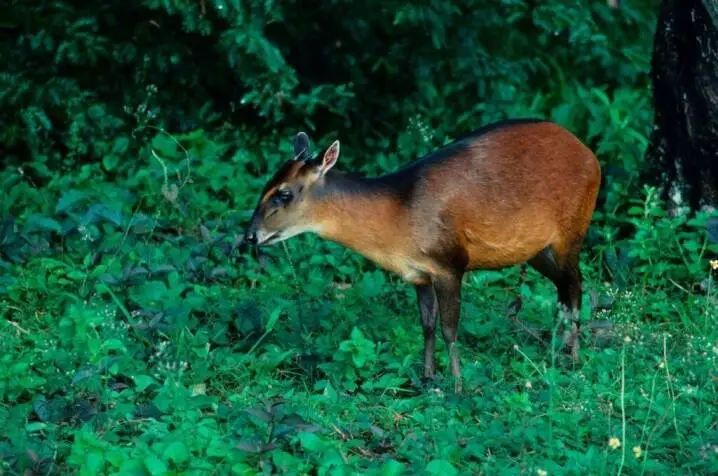
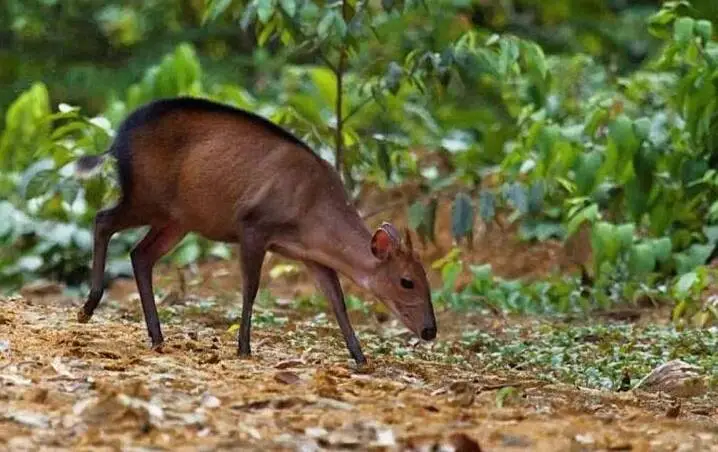
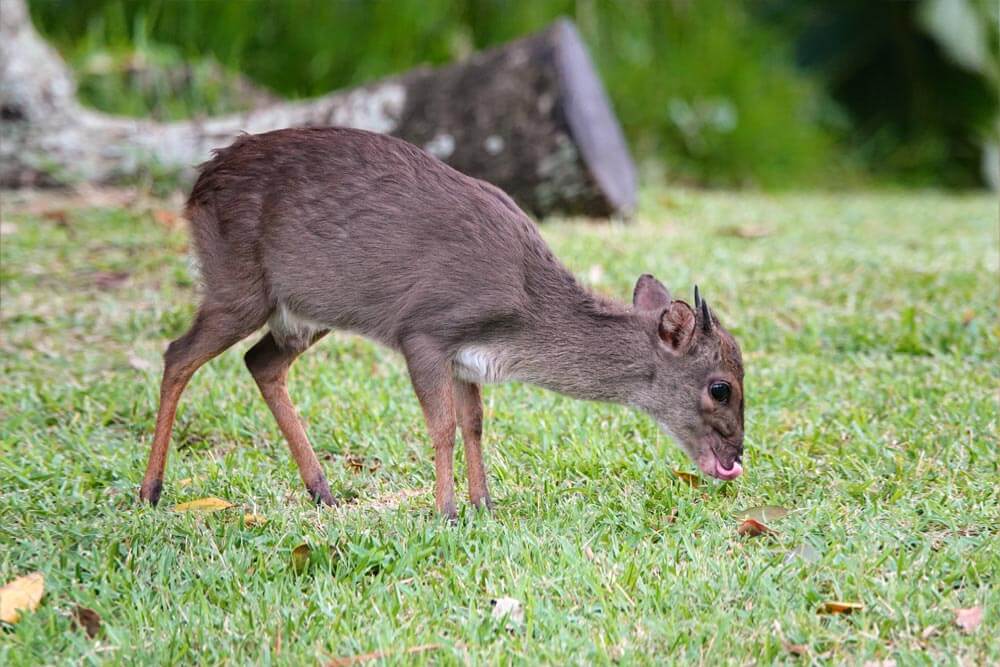
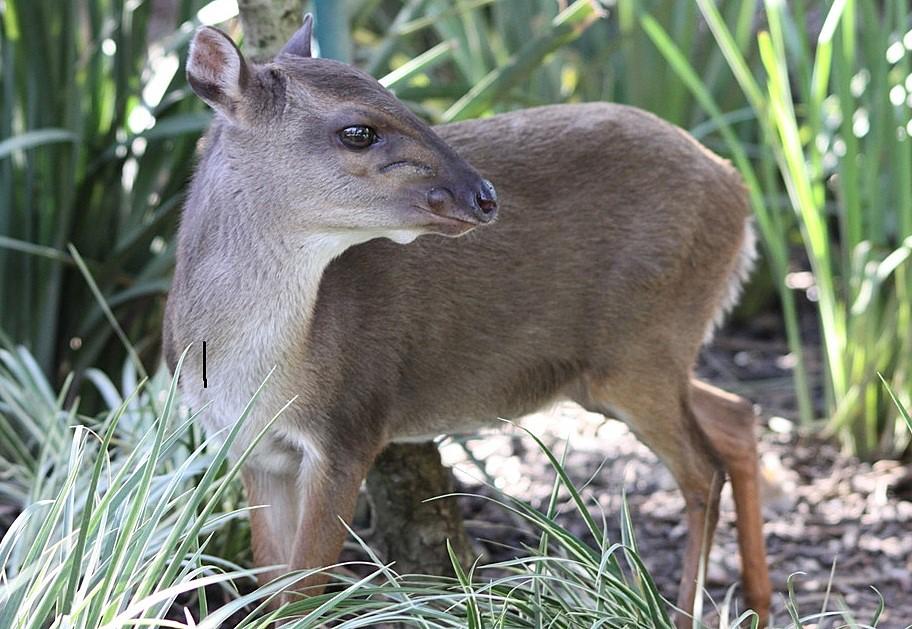
Species such as the blue duiker, red duiker, bay duiker and yellow-backed duiker inhabit dense forest environments where they move quietly through thick undergrowth. Many of these animals are closely associated with the rainforests of Gabon and the wider Congo Basin.
The opportunity to pursue these specialized forest species is one of the reasons Gabon holds such a unique place in African hunting.
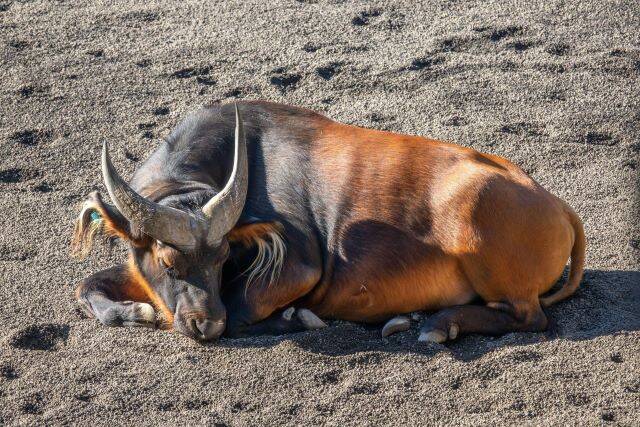
In addition to duikers, hunters may encounter species such as those pursued on Bongo Hunts, as well as forest buffalo, sitatunga and giant forest hog.
These animals are adapted to life in dense rainforest environments and often require careful tracking through thick cover to locate. For hunters who have already taken many of Africa's more familiar plains game species, the rainforest animals of Central Africa offer a completely different and highly specialized hunting challenge. Forest buffalo also gives Gabon a very different place within Dangerous Game Hunts in Africa, with hunting taking place at close range in dense rainforest rather than the more open buffalo country associated with Southern and East Africa.
On a typical morning in the Gabon rainforest, the hunting team may move quietly along narrow forest paths while trackers search the ground for fresh sign. The air is heavy with humidity, and visibility through the vegetation can be limited to only a few yards.
Sometimes hours pass with little conversation as the trackers slowly follow faint tracks through the undergrowth.
Then suddenly the lead tracker raises his hand.
A freshly turned patch of soil or a broken stem reveals that an animal passed only moments earlier. From that point on, every step becomes deliberate as the team carefully moves closer through the dense forest. In places like Gabon, hunting often happens exactly this way: slowly, quietly and often at very close range.
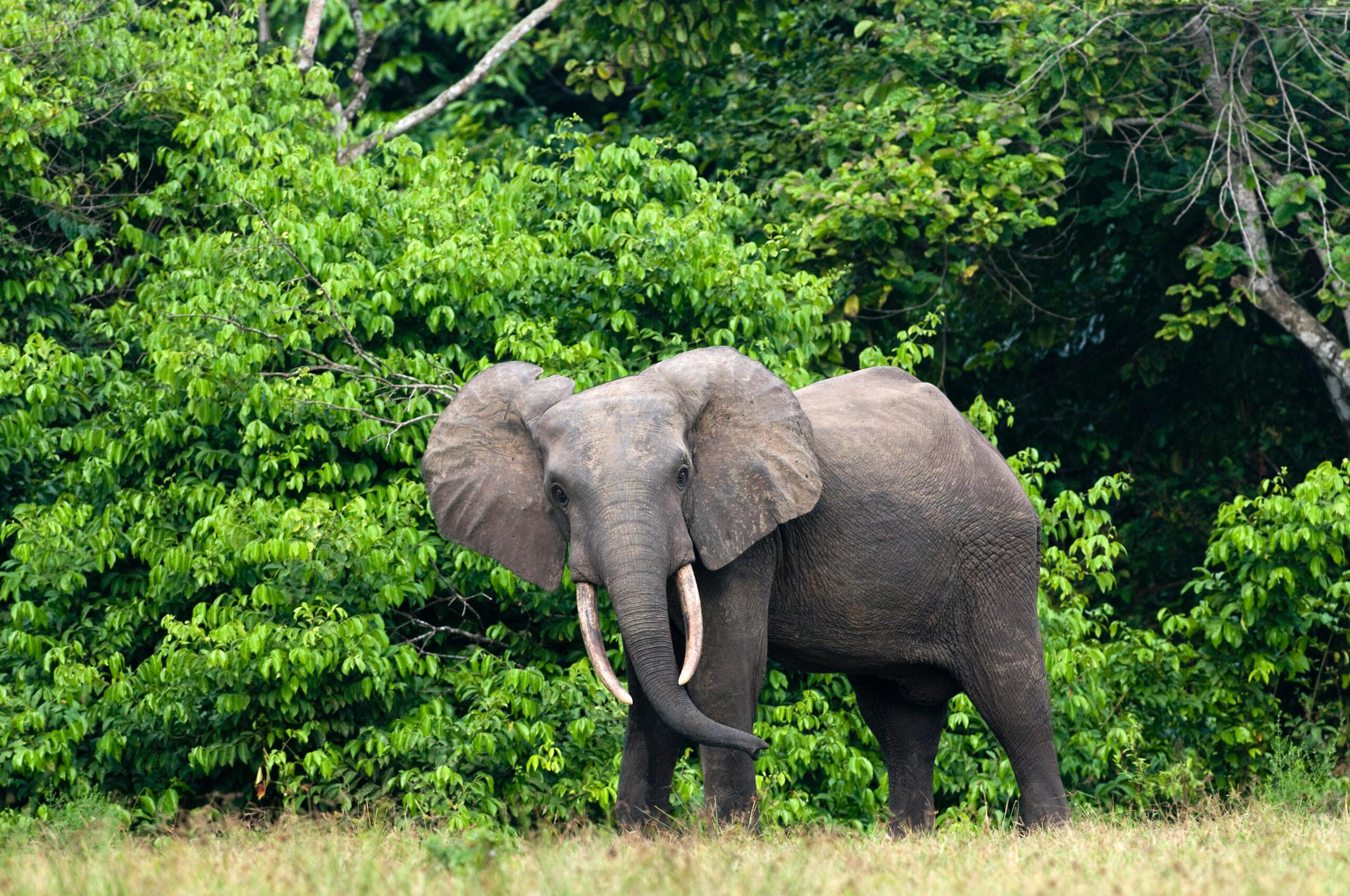
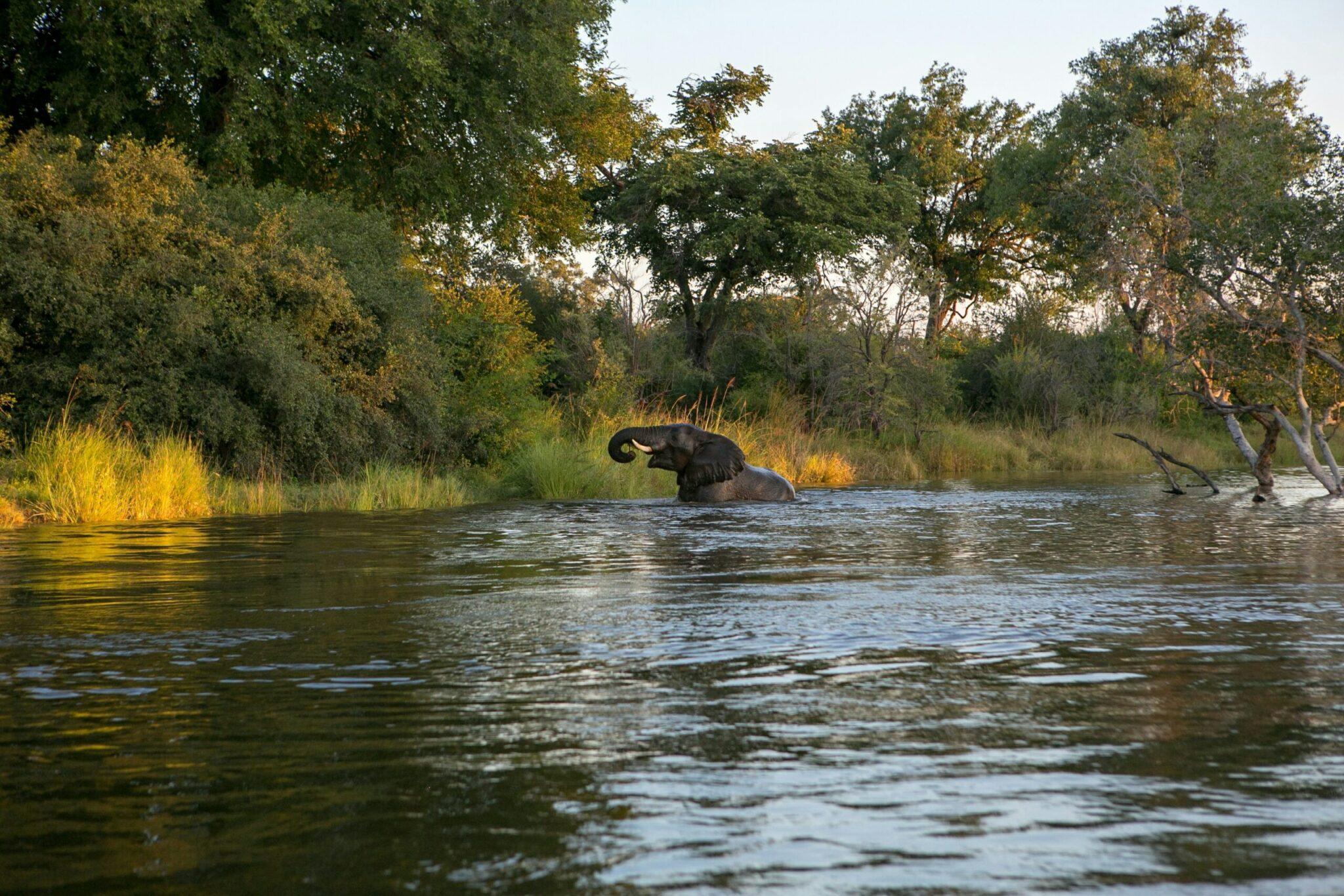
Forest elephants may be encountered unexpectedly while hunters are pursuing other species in Gabon. Dense vegetation can conceal animals at extremely close range, making wind direction, fresh sign and the judgement of the Professional Hunter and tracking team especially important.
A hunter may know that elephants are nearby without being able to see them. Broken vegetation, fresh dung, tracks and changes in the behavior of the tracking team may provide the only warning before an encounter.
Hunters should follow the Professional Hunter’s instructions immediately and avoid moving independently through areas where fresh elephant activity has been identified. The presence of forest elephants does not mean they are included in the safari quota; their current legal status must be confirmed separately.
In the forests of Central Africa, skilled trackers are the foundation of any successful hunt.
Gabonese trackers can spend a lifetime learning to read these forests and pick up signs that a visiting hunter would never notice. A faint disturbance in the soil, a bent stem, or a partially hidden hoofprint can tell them which direction an animal traveled and how recently it passed.
Professional hunters rely heavily on these tracking teams when pursuing species such as forest buffalo or bongo. Following spoor through rainforest terrain requires patience and an understanding of how animals move through thick cover. Watching experienced trackers interpret the forest can become one of the most fascinating parts of the entire safari.
Safaris in Gabon are often longer than comparable hunts in Southern Africa. The reason is simple: rainforest hunting takes time.
Animals move through thick forest where visibility is limited, and locating mature game often requires extended tracking over several days. Unlike open savanna hunting, where animals can sometimes be spotted from a vehicle or distant vantage point, forest hunting usually happens on foot and at a slower pace.
Longer safaris give the hunting team the time needed to find fresh tracks, work slowly through difficult terrain, and pursue animals carefully once they are located.
Hunting dates in Gabon depend on current government regulations, the species involved and the quota allocated to the relevant hunting area. Because these requirements can change, hunters should obtain written confirmation of the legal dates and species availability from the outfitter before booking international flights.
Within the permitted period, rainfall has a significant influence on access, tracking and movement through the forest. Drier conditions can make remote camps and hunting areas easier to reach, while heavy rain can soften trails, expand swamp systems and slow progress through already difficult terrain.
The best dates should therefore be selected around the primary species, current legal season and conditions expected in the specific concession.
Hunting in Gabon is generally more expensive than a conventional plains game safari in Southern Africa. Remote camps, longer hunting periods, difficult access and the logistics involved in operating in rainforest concessions all contribute to the cost.
The final price depends heavily on the species being hunted, length of the safari, trophy fees, permits and the location of the hunting area. Internal transfers or charter flights may also form part of the overall cost when camps are difficult to reach.
This makes it important to compare more than the advertised daily rate. Hunters should establish exactly what is included, which trophy fees apply and what additional travel or permit costs need to be allowed for. Our African Hunting Safari Prices guide provides a broader comparison of the costs involved when planning a hunt in Africa.
Long before international hunters began traveling to Gabon, the country's vast forests supported rich wildlife populations that local communities relied on for generations. Traditional hunting methods were used throughout the region, with deep knowledge of the forest passed down through families and villages.
During the colonial period in Central Africa, explorers and naturalists began documenting the remarkable diversity of wildlife found in Gabon's rainforest ecosystems. The region gained attention for its unusual forest species and the extraordinary range of wildlife found across the Congo Basin.
Over time, regulated hunting concessions developed in certain areas while large national parks and protected regions were established to conserve wildlife habitat. Today Gabon maintains one of the largest protected forest systems in Africa, with national parks and conservation areas covering a significant portion of the country.
Much of Gabon's wildlife habitat remains intact, giving hunters access to one of Africa's most distinctive rainforest environments.
Gabon is known for its vast forest ecosystems and extensive network of protected areas. Much of the country remains covered in rainforest, providing habitat for an exceptional range of Central African wildlife.
Regulated hunting concessions operate within this broader conservation system under government oversight. When properly managed, these concessions help maintain large areas of wildlife habitat and provide resources for anti-poaching activities in remote regions. Hunting in these remote areas also shows just how important large, intact landscapes are to the future of Central Africa's wildlife.
Gabon tends to appeal most to hunters who enjoy remote environments and are comfortable with the slower pace of rainforest hunting. Patience, physical effort and the willingness to adapt to difficult terrain are all part of the experience.
Gabon will not suit everyone. Hunters looking for easier travel, open landscapes or shorter safaris may find other African destinations better suited to what they want.
It is therefore not simply another country to add to a list of African Hunting Trips. Gabon is a specialist destination best chosen by hunters who specifically want the species, difficulty and rainforest hunting for which Central Africa is known.
Gabon's hunting takes place almost entirely in dense rainforest and swamp environments, where visibility is limited and encounters are close. Unlike open savannah hunts, success here depends on tracking skill, quiet movement, and teamwork with experienced local trackers rather than long-range shooting or high daily sighting rates.
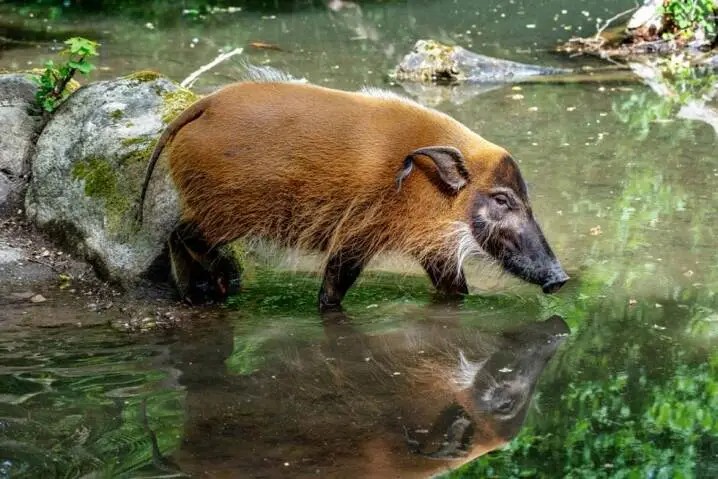
Gabon is best known for forest species such as forest buffalo, sitatunga, red river hog, and a variety of duiker species. These animals are highly adapted to dense cover, making them challenging and rewarding trophies for hunters who appreciate close-quarters tracking.
Yes. Hunting in Gabon is physically demanding due to thick vegetation, uneven ground, high humidity, and slow travel through forest and swamp terrain. Hunters should be prepared for long days on foot with limited vehicle access.
Gabon is best suited for experienced hunters who value difficulty, patience, and traditional tracking over visibility and volume. It appeals to those specifically seeking forest species rather than plains game or long-range shooting opportunities.
Hunters should expect complex logistics, including international travel, internal transfers, firearm permits and preparation for humid, remote conditions. Depending on the hunting area, reaching camp may also involve a domestic flight followed by a lengthy road transfer from Libreville. Planning ahead and understanding the physical nature of forest hunting are essential for a successful safari.
31 January 2025 30 January 2025
Latest Blogs About Gabon
How to Prepare for the Heat and Humidity of a Gabon Forest Hunt
Why Hunting in Gabon Is Unlike Anywhere Else in Africa
Search from our range of Hunts across various popular destinations in Africa.
Book Your Hunt