
Africa Hunting Trip for Dwarf Buffalo & Sitatunga Cameroon
Booking Season: 2026
Hunt Difficulty: Difficult

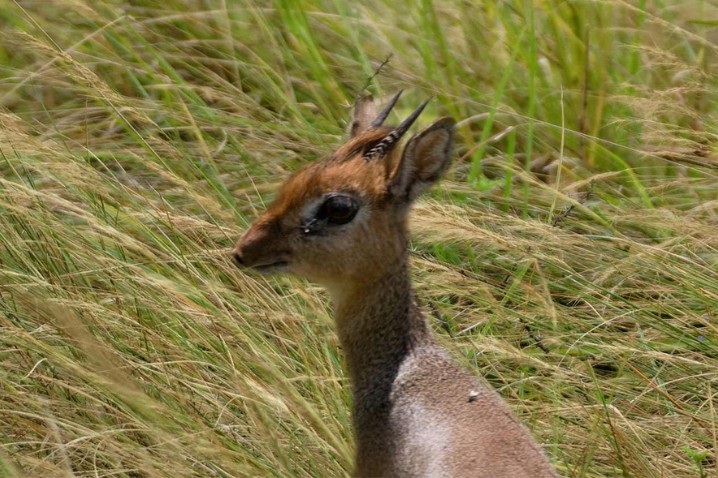
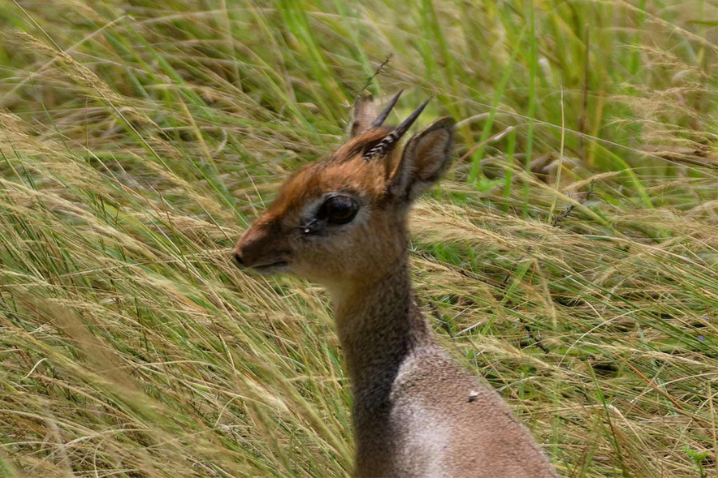
The Bates's pygmy antelope is one of the smallest antelope species in Africa, and one of the least understood by international hunters. Found deep in the rainforests of Cameroon, this tiny forest antelope is not a primary target on safari, but rather an opportunistic species encountered during specialized jungle hunts.
For U.S. hunters traveling to Central Africa, Bates’s pygmy antelope represents something different: not a headline trophy, but a rare and authentic part of the rainforest hunting experience. It is one of several small forest antelope species found in Central Africa, but among the least frequently encountered in a hunting context.
Available Bate's Pigmy Antelope Hunts
Africa Hunting Trip for Dwarf Buffalo & Sitatunga Cameroon
Booking Season: 2026
Hunt Difficulty: Difficult
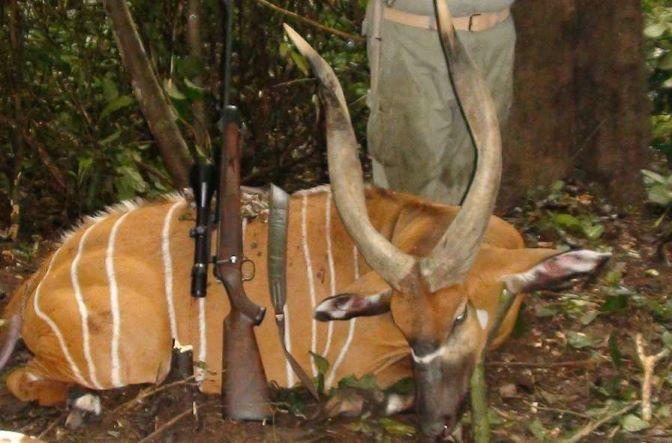
Bongo and Forest Elephant Hunting Safari (13 Days) – Cameroon
Booking Season: 2026
Hunt Difficulty: Difficult
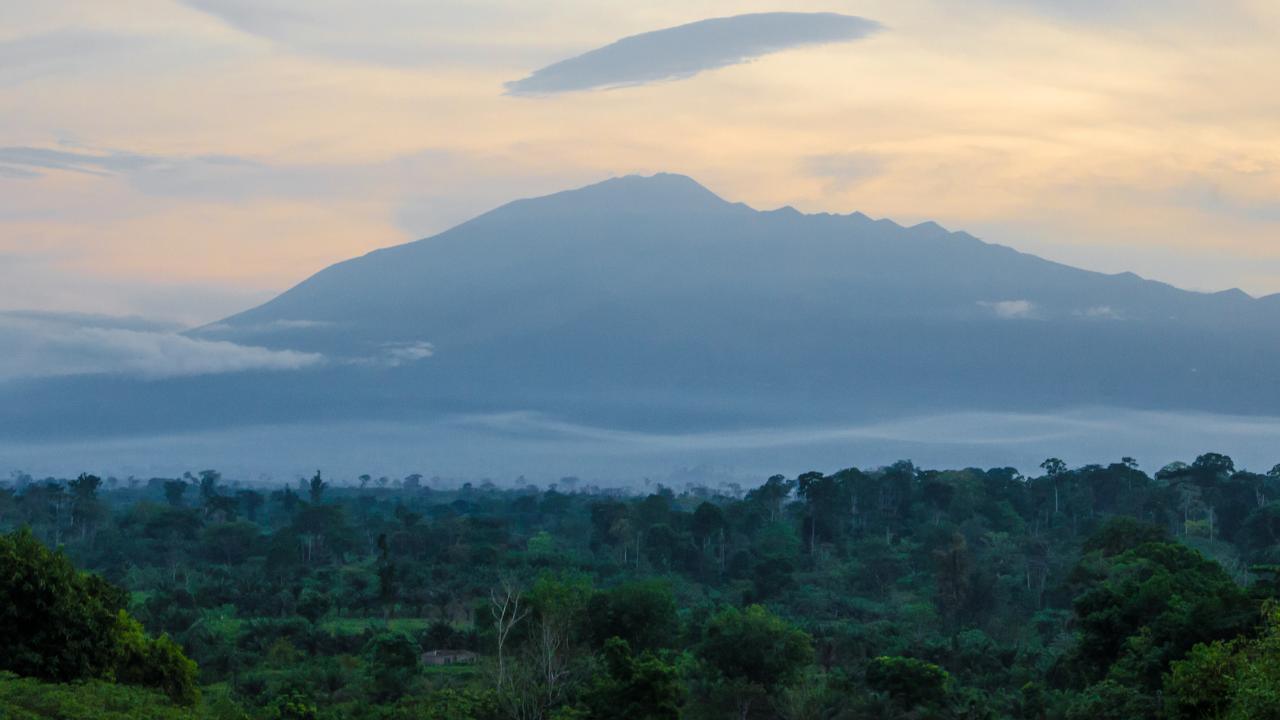
The Bates's pygmy antelope is confined to the dense southern rainforest regions of Cameroon, where hunting takes place in large, remote forest concessions. These areas are the same ecosystems that support some of Central Africa’s most sought-after species, including bongo, forest (dwarf) buffalo, and a wide range of duikers.
This is not open country. The terrain is defined by thick jungle vegetation, limited lines of sight, and a hunting pace that is slow, deliberate, and heavily dependent on tracking and awareness. Movement through these forests is quiet and controlled, often with visibility measured in meters rather than yards.
Unlike the savanna systems of northern Cameroon, where species are more visible and hunts are structured around glassing and covering ground, Bates’s pygmy antelope exists entirely within the forest environment. Encounters happen in tight conditions, often without warning, and only in the southern hunting blocks where true rainforest habitat still dominates.
Bates’s pygmy antelope can be hunted in Cameroon, but it needs to be understood in the correct context. It is not a species that hunters travel specifically to pursue. Instead, it exists within the broader structure of a Central African rainforest safari, where the primary focus is typically on species such as bongo or forest buffalo. Within that environment, smaller antelope like Bates’s pygmy antelope may be encountered as part of the natural progression of the hunt.
In most concessions, it is not treated as a primary quota animal in the same way as larger or more commercially important species. Rather, it is taken opportunistically when conditions allow, usually during tracking, movement between areas, or while working through dense cover in pursuit of other game.
This distinction matters. Hunters who arrive expecting to specifically target Bates’s pygmy antelope are often misaligned with how these safaris actually unfold. Those who understand the structure of rainforest hunting, on the other hand, recognize it for what it is: a rare and incidental opportunity that comes as part of a much broader and more complex hunting experience.
The Bates's pygmy antelope is not pursued as a standalone species, but rather encountered as part of a broader rainforest hunting safari in Cameroon. These hunts are typically structured around primary forest species such as bongo, forest buffalo, and various duiker species. As hunters move through dense jungle concessions in pursuit of these animals, they are naturally exposed to smaller and far less visible antelope, including Bates’s pygmy antelope.
Because of the way these safaris are conducted, slow tracking, careful movement through thick cover, and extended time in productive forest areas, opportunities for incidental species arise. Bates’s pygmy antelope falls into this category. It is not planned for in the same way as larger game, but it becomes part of the overall experience for hunters spending meaningful time in the forest.
The more time a hunter spends actively hunting in the right areas, the greater the likelihood of encountering species like this. However, it remains an unpredictable element of the safari rather than a structured objective.
Hunting in Cameroon’s rainforest is fundamentally different from the open-country safaris most hunters are familiar with. The environment dictates everything, from how animals are found to how shots are taken. Visibility is extremely limited. In many areas, a clear line of sight may extend only a few meters, and animals can appear and disappear within seconds. Shots, when they present themselves, are typically at very close range and require quick, controlled execution.
Movement through the forest is slow and deliberate. Tracking is done on foot, often following subtle signs through dense vegetation, with an emphasis on silence and awareness rather than covering distance. This style of hunting places a premium on patience and discipline rather than speed. Encounters with Bates’s pygmy antelope reflect these conditions. They are usually brief and unpredictable, often offering only a narrow window of opportunity. In many cases, the animal is seen only momentarily before disappearing back into cover.
This is not a glass-and-stalk environment, and it is not forgiving. It is a true jungle hunt, where success depends as much on understanding the terrain and adapting to it as it does on marksmanship. In many forest concessions, professional hunters will spend days tracking larger game without seeing smaller antelope like this at all, which gives a realistic sense of how easily it can be missed.
The Bates's pygmy antelope is widely regarded as one of the smallest antelope species in Africa, and its physical characteristics are shaped entirely by life in dense rainforest environments.
It is compact and low to the ground, with short legs that allow it to move efficiently through thick undergrowth and tangled vegetation. Its coloration is subtle and well-adapted to the forest floor, providing natural camouflage in low-light conditions beneath the canopy.
These traits make it exceptionally difficult to detect. In most cases, the animal is not spotted at distance, but rather encountered suddenly at close range. Even when present, it is easy to overlook, blending into the environment and disappearing quickly into cover with minimal movement or sound.
For hunters unfamiliar with rainforest conditions, this alone can make the species more challenging than its size would suggest. Compared to more familiar species like duikers, Bates’s pygmy antelope is even smaller and more easily overlooked in dense vegetation.
Bates’s pygmy antelope is not a headline species, and it is not typically listed as a primary objective on a safari. Its value lies elsewhere. It represents a level of access to the forest that most hunters never experience. Animals like this are not encountered in open terrain or on short hunts—they are seen only by those spending sustained time in remote rainforest concessions, moving slowly and deliberately through the environment.
Because of this, taking a Bates’s pygmy antelope is less about the animal itself and more about what it represents. It is a reflection of time spent in the right areas, under the right conditions, and as part of a properly conducted Central African hunt.
For experienced hunters, it becomes a marker of a deeper, more complete safari, something earned rather than planned.
It is not, and it should not be approached that way. Bates’s pygmy antelope cannot be reliably targeted in the same way as larger or more visible species. It is not a guaranteed opportunity, and it does not form the basis of a safari plan. Instead, it exists as an opportunistic addition, something that may present itself while pursuing other game in the forest.
Understanding this is important. Hunters who arrive expecting to specifically hunt this species often misunderstand how rainforest safaris operate. Those who approach it correctly, as a secondary opportunity within a broader hunt, tend to have more realistic expectations and a better overall experience.
In the end, it is not about checking a box. It is about being in the right place, hunting the right way, and recognizing the opportunity when it appears.
If you are considering a rainforest safari where species like the Bates's pygmy antelope may be encountered, the most important step is understanding how hunting in Cameroon is structured.
The country offers two very different hunting environments. Northern Cameroon is defined by open savanna systems, where hunts focus on species such as roan, buffalo, and other plains game. Southern Cameroon, by contrast, is dense rainforest, home to bongo, forest buffalo, and a wide range of smaller, elusive antelope.
Bates’s pygmy antelope belongs entirely to this southern system. It is not part of a general plains game safari, and it will only be encountered on properly structured forest hunts where time is spent moving through dense jungle concessions.
Understanding this distinction is critical. The type of safari you choose determines not only the species available, but also the style of hunting, the pace of the experience, and the likelihood of encountering animals like this.
For a complete breakdown of hunting areas, available species, and how safaris are typically structured, see our full guide to hunting in Cameroon.
Bates’s pygmy antelope is not a species most hunters travel to Africa specifically to pursue. It does not define a safari, and it is not something that can be planned with certainty.
What it does represent is something more meaningful.
It is part of a category of animals that are only encountered by hunters who commit to the realities of Central African rainforest hunting, long days in dense cover, limited visibility, and a slower, more deliberate approach to the hunt. These are not easy conditions, and they are not for everyone.
For those who embrace that environment, however, species like Bates’s pygmy antelope become part of a broader and more authentic experience. Not a primary objective, but a reflection of time spent hunting properly, in the right places, under the right conditions.
In that context, it is less about the animal itself, and more about what it represents within the overall hunt.
Search from our range of Hunts across various popular destinations in Africa.

Book Your Hunt