Designed by Hunters, for Hunters

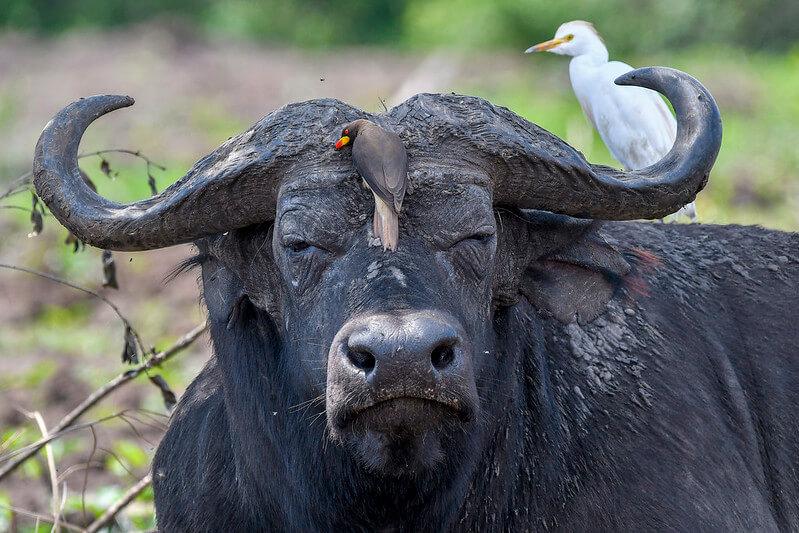
Buffalo found in Ethiopia are commonly referred to as Nile buffalo, a regional form of African buffalo best understood in the broader context of our Cape Buffalo Hunts guide. On the surface, it is still African buffalo hunting, but the conditions, environment, and overall structure of the hunt make it a very different experience.
For hunters considering hunting in Ethiopia, buffalo hunting here offers one of the most remote and physically demanding dangerous game hunts still available in Africa. There is very little predictability, and even less that feels controlled or repeatable. Success is not built around opportunity volume, but rather on patience, tracking, and the ability to act decisively when a moment finally presents itself.
This is not a high-volume buffalo destination. Hunts tend to unfold slowly, and outcomes depend more on conditions than planning.
This guide is based on real buffalo hunting experience across multiple African countries, including environments where tracking, pressure, and visibility vary significantly.
The goal is not to generalize buffalo hunting, but to explain how it actually works under different conditions---and how Ethiopia fits into that.
For hunters specifically interested in Nile buffalo hunting in Ethiopia, this difference becomes clear very quickly once the hunt begins.
Buffalo found in Ethiopia are commonly referred to as Nile buffalo, a regional form of the African buffalo found in East Africa. While they fall within the same species, they are shaped by a very different environment compared to southern populations.
These buffalo are associated with river systems, floodplains, and areas of dense, broken vegetation. In some regions, they appear slightly taller and longer-bodied, often with wide horn spreads, although trophy characteristics can vary significantly depending on habitat and age.
The more important distinction is not physical appearance, but how their environment influences behavior. These buffalo move through larger, less controlled areas and are not as predictable in their patterns as those found in more structured hunting areas elsewhere in Africa.
For hunters looking at African buffalo hunting across different regions, understanding how Nile buffalo differ from southern Cape buffalo helps set realistic expectations for the hunt.
While often referred to as Nile buffalo in Ethiopia, they remain part of the broader African buffalo species, and understanding African buffalo hunting as a whole is essential to understanding how this hunt works."
The difference is less about the animal itself and more about the conditions in which it is hunted. In countries like South Africa or Namibia, buffalo hunting is often conducted in more managed environments with higher densities and more structured tracking systems. These conditions can allow for more controlled setups and, in some cases, repeated opportunities.
Ethiopia presents a different scenario entirely. Buffalo exist in larger, more natural areas with lower densities and less predictable movement. The hunt is not built around a system, but around adapting to the landscape and the conditions on any given day.
This is where the key difference lies. The buffalo are part of the same species, but the way you hunt them is fundamentally different.
Buffalo hunting in Ethiopia is often compared to more established destinations, but those comparisons only go so far.
In countries like Tanzania or Mozambique, buffalo hunts can still feel wild, but there is usually some level of structure in how the hunt is conducted. Access, tracking conditions, and herd movement tend to follow more consistent patterns.
Ethiopia removes much of that consistency. The hunt becomes less about working a known system and more about adapting to whatever conditions present themselves on a given day.
For hunters who have experienced multiple buffalo hunts, this difference is immediately noticeable. The pace is less predictable, the opportunities are fewer, and the outcome depends more heavily on how each situation is handled in the moment.
While buffalo are widely hunted across Africa, not all buffalo carry the same appeal for experienced hunters and collectors.
In Ethiopia, what draws attention is not just the animal itself, but the combination of environment, availability, and how rarely these hunts are undertaken compared to more established destinations. Buffalo from this region are often taken in far less structured conditions, which adds to their significance for hunters who value the process as much as the result.
From a trophy perspective, Nile buffalo can be distinctive. In some areas, they are known for wider horn spreads and a slightly different overall appearance compared to southern buffalo, although this varies by region and age. What matters more is that each animal reflects the conditions it comes from---less managed, less predictable, and often harder earned.
For collectors, this carries weight. A buffalo taken in Ethiopia represents something different from a standard buffalo hunt. It reflects a specific environment and a style of hunting that is not widely accessible.
Taxidermy also plays a role in this appeal. Buffalo are already one of the most recognizable and respected trophies in Africa, and animals taken from remote regions often carry a stronger narrative. The mount itself is not just about size or measurement, but about where the animal was taken and how the hunt unfolded.
For many hunters, this is what elevates the experience. It is not simply another buffalo added to a list, but one that stands apart because of the conditions under which it was hunted.
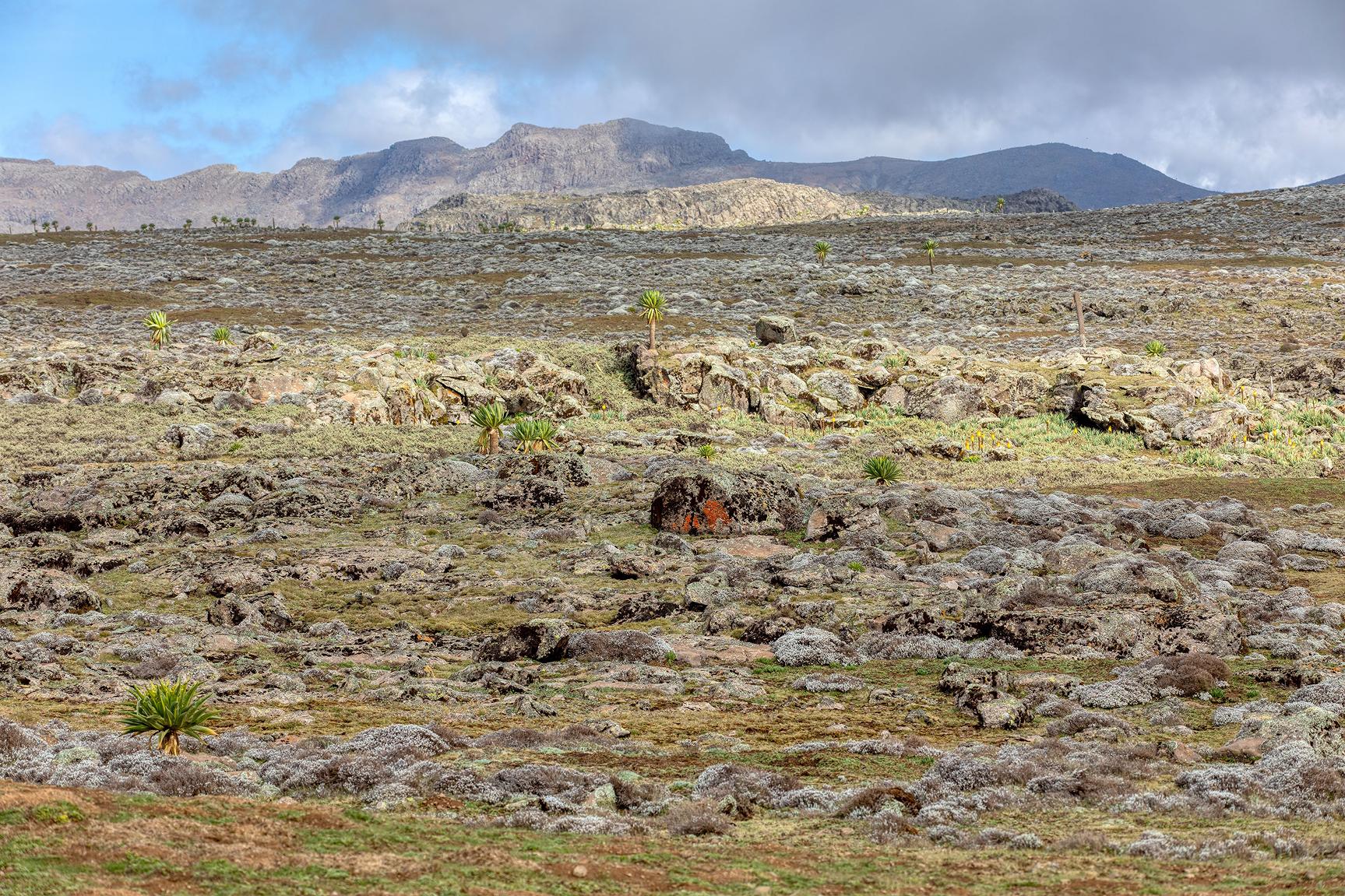
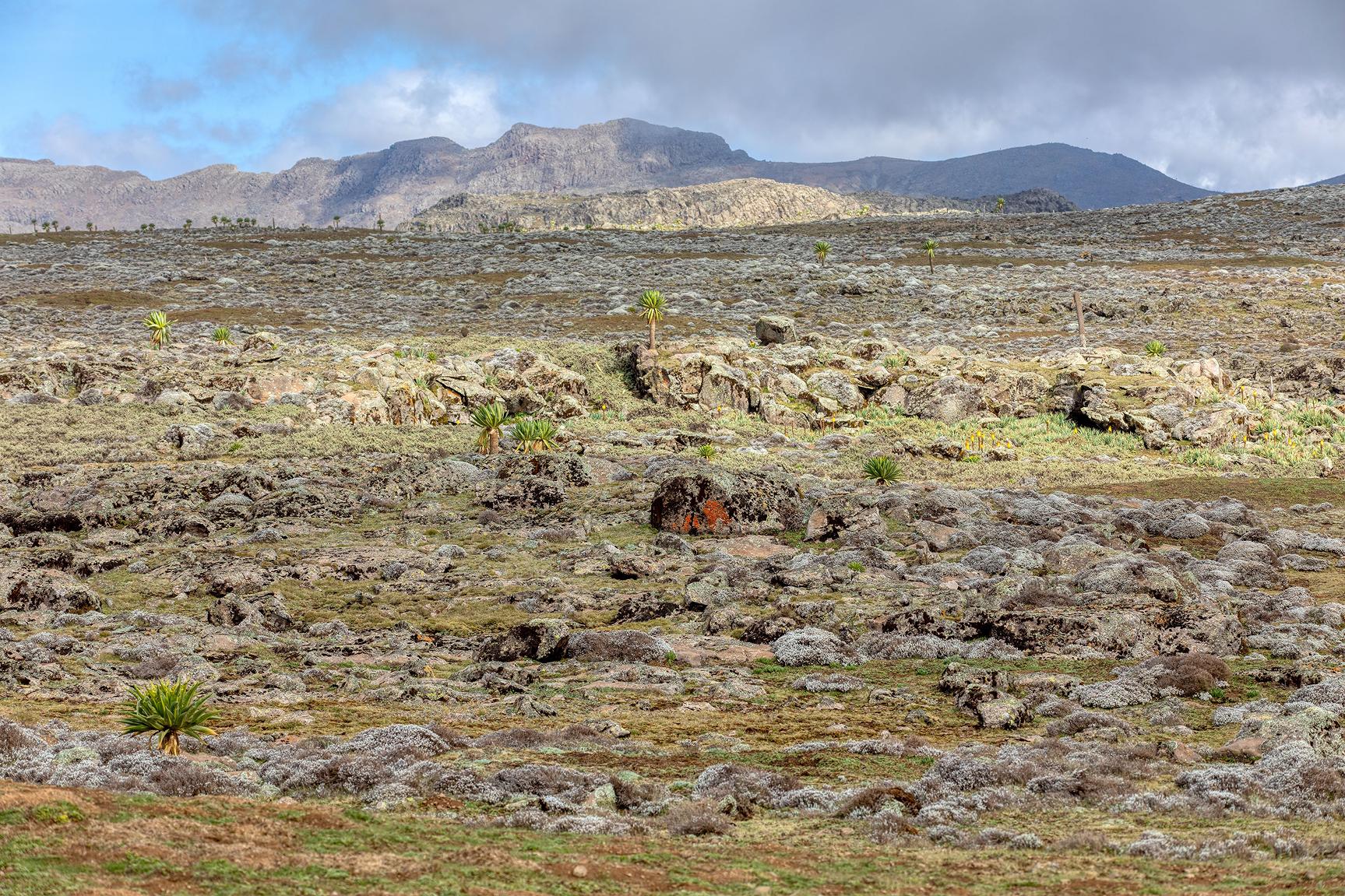
Buffalo hunting in Ethiopia typically takes place in the western and southwestern parts of the country, particularly in areas influenced by major river systems and seasonal floodplains.
These regions are characterized by thick riverine vegetation, patches of open ground, and constantly changing visibility. The terrain does not favor long-range observation or glassing. Instead, it creates an environment where animals are often present but not immediately visible.
Most encounters happen at closer distances and under conditions where the hunter is working with partial information. You are rarely looking at a fully exposed animal. Instead, you are interpreting movement, shape, and brief openings in the vegetation.
This is what defines hunting in Ethiopia---large, less structured areas where the hunt is shaped more by conditions than by design.
This is the core habitat where Nile buffalo hunting in Ethiopia actually takes place
Buffalo hunting in Ethiopia differs from many other destinations primarily in how little structure the hunt provides. In more developed hunting areas, it is often possible to reposition, circle herds, or rely on vehicles to manage distance and angle.
In Ethiopia, much of that flexibility is removed. The hunt is largely ground-based, with tracking playing a central role. Once fresh spoor is found, the process becomes one of following, interpreting, and gradually closing the distance without being detected.
Unlike most dangerous game hunting in Africa, this is not a hunt built around repeatable encounters or controlled situations. Opportunities are limited, and when they occur, they tend to develop quickly and without warning.
The pace of the hunt is set by the terrain and the animals, not by the hunter.
Buffalo behavior in Ethiopia is shaped heavily by environment, and understanding this is critical to how the hunt unfolds.
In more open or managed areas, buffalo movement patterns can become somewhat predictable. Herds follow water, grazing cycles, and established routes that can be interpreted with relative consistency. In Ethiopia, those patterns are far less defined.
Buffalo tend to move through thicker cover and larger areas, often without clear daily routines that can be easily anticipated. This makes tracking more complex, as spoor does not always lead to a predictable outcome. A herd may change direction without obvious cause, hold in dense cover for extended periods, or move into areas where visibility is significantly reduced.
Wind also plays a larger role. In riverine environments, shifting currents and thermals can expose a hunter's position more quickly than expected. Buffalo react to this immediately, often moving off before they are ever seen.
This creates a situation where the hunter is constantly adjusting, rather than following a pattern. The behavior of the animal becomes less about routine and more about reaction to immediate conditions.
And that is where the hunt becomes difficult to control. That loss of control is not just a hunting challenge---it also introduces risk
Buffalo have a reputation for being dangerous, and in most cases that reputation is earned. In Ethiopia, that danger is not exaggerated---it is simply less controlled.
The risk does not come from aggression alone, but from how quickly situations can develop in the type of terrain where these animals are found. Visibility is often limited, and encounters tend to happen at closer distances, sometimes without a clear view of the entire animal or herd.
In more structured hunting environments, there is often time to assess the situation, reposition, or disengage if conditions are not right. In Ethiopia, those options are more limited. When contact is made, the hunter is often already within a distance where decisions need to be made quickly.
Buffalo do not always react in predictable ways. A herd may move off without issue, or a single animal may hold its ground. In thick cover, it is not always immediately clear what the animal is doing or how it will respond.
This is where the risk increases. Not because the hunt is reckless, but because the margin for error is smaller. The hunter is working with less visibility, less time, and fewer opportunities to correct a developing situation.
Understanding this is important. The danger is not something separate from the hunt---it is part of the conditions that define it.
Buffalo Shot placement is well understood, but the conditions in Ethiopia make execution more challenging than expected. The difficulty does not come from identifying where to aim, but from being able to take the shot under imperfect conditions.
Visibility is often restricted, and the animal may only be partially exposed. Angles are not always ideal, and the time available to settle and execute the shot is usually limited.
In many cases, waiting for a perfect broadside presentation results in losing the opportunity entirely. The hunter must be able to recognize when the shot is sufficient and commit before the situation changes.
This is where many opportunities are lost---not because the shot is difficult, but because the window is short.
Buffalo are described as tough animals, but that description does not fully explain the challenge.
The difficulty is not just physical resilience. It is how they react when pressured.
A buffalo that is unaware presents a straightforward shot. A buffalo that has detected danger becomes a very different animal. Movement changes, angles disappear, and the animal may position itself in a way that limits any clear shot opportunity.
In Ethiopia, this becomes more pronounced. Because encounters are often close and visibility is restricted, there is less time to assess and less room to recover if the first shot is not perfectly placed.
This is why experience matters. Not because the shot itself is complicated, but because everything around that shot becomes compressed.
The animal does not give you time to correct mistakes. This is consistent across African buffalo hunting, but in Ethiopia the conditions amplify it
Buffalo are rarely encountered as isolated animals in Ethiopia, and understanding herd structure is an important part of the hunt.
Herds can vary in size, but typically consist of cows, younger animals, and a mix of bulls. Mature bulls may move with the herd or separate into smaller groups, depending on age, pressure, and environmental conditions.
Identifying the right bull is not always straightforward. Visibility is often limited, and the hunter may only see portions of the herd at any given time. This makes it difficult to assess horn shape, boss development, and overall maturity in a controlled way.
In more open environments, it is sometimes possible to observe and evaluate multiple animals before making a decision. In Ethiopia, that luxury is limited. The hunter must often make a decision based on partial views and brief opportunities.
This adds another layer of pressure to the hunt. It is not just about getting a shot, but about making the correct decision under conditions that do not allow for extended evaluation.
Buffalo hunting in Ethiopia requires the same level of rifle reliability and stopping power expected for dangerous game anywhere in Africa. Most hunters will use a .375 caliber rifle or larger, paired with appropriate bullet selection.
However, equipment alone does not determine success. What matters more in this environment is familiarity with the rifle, the ability to acquire the target quickly, and confidence under pressure.
When the opportunity presents itself, there is rarely time to adjust or rethink the shot. The decision and execution must happen together.
A typical buffalo hunt in Ethiopia begins with locating fresh spoor, usually near water sources or movement corridors. From there, the hunt becomes a process of following tracks and interpreting changes in direction, pace, and behavior.
Long periods may pass without any visual contact. The focus remains on tracking, positioning, and managing wind direction. The moment of encounter often comes without warning.
When it does, the hunter is rarely presented with a complete or ideal scenario. The buffalo may be partially visible, moving, or positioned in a way that limits clear shooting lanes. The situation develops quickly, and just as quickly, it can break down.
Success depends on recognizing the opportunity as it forms and acting before it disappears.
In most buffalo hunts, the defining moment does not happen at the shot---it happens earlier, when the hunter first realizes the situation is coming together.
This is the point where movement is confirmed, the wind is holding, and the distance is beginning to close. Nothing has happened yet, but everything is already in motion.
In Ethiopia, this moment is easy to miss. The environment does not always make it obvious, and the hunter may still be processing what they are seeing while the opportunity is already forming.
Experienced hunters recognize this shift early. They slow down, commit to the approach, and prepare for a shot that may come without warning.
Less experienced hunters often realize it too late---when the situation has already started to break down.
And by then, the opportunity is already gone.
The first part of a buffalo track often determines how the rest of the hunt will unfold, but it is also where most hunters misread the situation.
Fresh spoor alone is not enough. What matters is how the tracks are moving---whether the herd is feeding, traveling, or already aware of pressure. Subtle details such as stride length, direction changes, and how tightly grouped the tracks are can indicate whether the buffalo are settled or alert.
In Ethiopia, this becomes even more important. Because visibility is limited, the hunter often commits to a track before ever seeing the animals. If that track is already "unstable," meaning the herd is moving with awareness or tension, the chances of a clean approach drop significantly.
Experienced hunters pay close attention here. They are not just asking, "How fresh is the track?" but rather, "What are these buffalo doing right now?"
That question often determines whether the hunt develops---or falls apart hours later.
Tracking buffalo in Ethiopia is not simply a matter of following spoor. It is a continuous process of interpreting subtle changes in direction, pace, and behavior.
Tracks may move through areas where visibility is limited, making it difficult to confirm direction visually. The ground itself can vary from soft riverbanks to harder, less defined surfaces, where spoor becomes harder to read.
In these conditions, tracking becomes less about clear signs and more about accumulated interpretation. Small indicators---disturbed vegetation, slight shifts in track depth, or changes in movement pattern---become important.
The pace of the track is also critical. Moving too quickly increases the risk of detection, while moving too slowly can result in losing contact altogether.
This balance is difficult to maintain, and it is one of the defining challenges of buffalo hunting in this environment.
One of the less obvious realities of buffalo hunting is that not every herd you track will ever be seen.
In environments like Ethiopia, buffalo can move through terrain where visibility is so limited that even a well-executed track never results in a visual encounter. The hunter may follow spoor for hours, adjusting to wind and terrain, only for the animals to drift into thicker cover or change direction without being detected.
This is not always a failure of tracking. It is often a result of how buffalo use their environment.
They position themselves where they can move without being exposed. They respond quickly to subtle pressure, and once they begin to shift away, they rarely make that movement obvious.
Understanding this changes expectations. The hunt is not simply about finding buffalo---it is about finding them under conditions where an opportunity can actually develop.
And those conditions do not come together every time.
Most missed opportunities follow a similar pattern. The hunter becomes aware of movement or presence ahead, but the animal is not fully visible. There is a tendency to wait for a clearer view or a better angle.
During this time, small changes occur. The wind shifts slightly, the buffalo adjusts position, or cover increases between hunter and animal. What initially seemed like a manageable situation begins to deteriorate.
Within a short time, the opportunity is gone. The herd moves off, often without noise or obvious alarm, and the moment cannot be recovered.
This is a common outcome, and understanding this dynamic is key to approaching the hunt correctly.
Buffalo hunting in Ethiopia is limited and dependent on specific areas and operators. Permits are controlled, and availability can vary from season to season.
This is not a high-volume hunting destination, and opportunities are shaped as much by regulation and access as by animal populations. Hunters planning a safari in Ethiopia must account for this and ensure that all arrangements are confirmed in advance.
This hunt is best suited to hunters with prior dangerous game experience or those who understand the realities of tracking-based hunting. It requires patience, adaptability, and the ability to make decisions under less-than-ideal conditions.
Hunters who expect structured setups or multiple opportunities may find this environment challenging. Those who value the process and are comfortable with uncertainty will find it far more rewarding.
The difficulty of buffalo hunting in Ethiopia is not primarily physical, although the terrain can be demanding. The greater challenge lies in the limited number of opportunities and the conditions under which those opportunities occur.
Hunters may only encounter a small number of viable situations during the hunt, and each one may be imperfect. Managing expectations and understanding this dynamic is essential.
This is not a hunt where success is measured by frequency of opportunity, but by the ability to capitalize on the right moment.
For hunters who have already taken buffalo in places like South Africa or Mozambique, the difference in Ethiopia becomes clear very quickly.
The structure is not the same.
There are fewer concessions, less development, and very little that feels standardized. You are not stepping into a system that has been refined for consistency over time. Instead, you are stepping into an environment where the hunt is shaped more by conditions than by planning.
That changes how you approach the entire experience.
In more established destinations, a lot of the uncertainty has been reduced. You still need to execute, but the process leading up to the opportunity is often more controlled. In Ethiopia, that control is limited. You spend more time tracking, more time adjusting, and more time working through situations that do not fully come together.
For an experienced hunter, this is usually the first thing that stands out. The hunt feels less predictable, less repeatable, and in many ways more dependent on individual decisions in the moment.
It is not necessarily harder in a physical sense, but it demands a different level of awareness and patience.
Ethiopia is not the right choice for every buffalo hunter, and it is important to be clear about that from the start.
If your priority is a structured hunt with higher encounter rates, multiple opportunities, and a more predictable outcome, there are other destinations that are better suited to that goal. Countries like South Africa or parts of Zimbabwe and Tanzania offer that level of consistency.
Ethiopia sits in a different category.
It starts to make sense when the goal shifts away from efficiency and toward experience. Hunters who are less concerned with how many opportunities they get---and more interested in how those opportunities come together---tend to appreciate what this kind of hunt offers.
It also suits hunters who already understand buffalo behavior and are comfortable operating without a structured buildup to the shot. There is less guidance from the environment, and more responsibility on the hunter to recognize when the moment is right.
For someone booking their first buffalo hunt, this is usually not the ideal starting point.
For someone who has already experienced more controlled hunts and is looking for something less predictable, Ethiopia becomes far more interesting.
Whether buffalo hunting in Ethiopia is worth it depends on what the hunter is looking for. For those seeking higher success rates, more structured hunts, or a greater number of opportunities, other destinations may be more suitable.
However, for hunters interested in a more traditional, less controlled experience, Ethiopia offers something distinct. The hunt is shaped by the environment, the movement of the animals, and the ability of the hunter to adapt.
It is not the easiest way to hunt buffalo, but for the right hunter, that is precisely what makes it worthwhile.
Search from our range of Hunts across various popular destinations in Africa.

Book Your Hunt