
Trophy Lion Hunting 21 Days in Untamed Rufunsa GMA Zambia
Booking Season: 2026
Hunt Difficulty: Difficult

Some African game animals can be hunted across several countries. Others exist in only one part of the continent, making the destination every bit as important as the trophy itself. Cookson's Wildebeest Hunting in Zambia belongs firmly in the second category.
Found only in Zambia's Luangwa Valley, Cookson's wildebeest has become one of Africa's most distinctive plains game trophies. Although closely related to the blue wildebeest, this remarkable subspecies has evolved in isolation over thousands of years, giving species collectors a rare opportunity to pursue an animal that cannot be hunted anywhere else.
The appeal extends well beyond adding another trophy to the collection. A Cookson's wildebeest safari is also a chance to experience Hunting in Zambia, where traditional walking safaris through the Luangwa Valley remain one of Africa's classic hunting adventures. Buffalo, puku, Crawshay's zebra, Lichtenstein's hartebeest and numerous other plains game species may all form part of the same safari, making every day in the field feel different.
The rarity of Cookson's wildebeest is inseparable from the country itself. If pursuing this unique subspecies is on your list, Zambia is the only place where that opportunity exists. That exclusivity is precisely what continues to attract dedicated plains game hunters and species collectors from around the world.
Available Cookson's Wildebeest Hunts
Trophy Lion Hunting 21 Days in Untamed Rufunsa GMA Zambia
Booking Season: 2026
Hunt Difficulty: Difficult
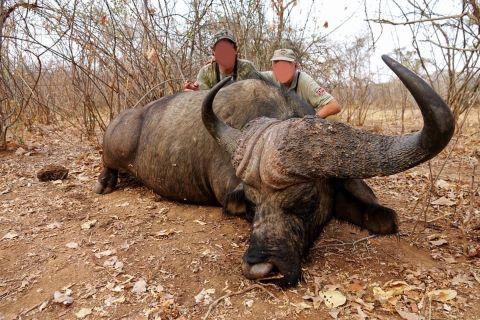
Buffalo Hunting in Zambia's Zambezi Valley
Booking Season: 2026
Hunt Difficulty: Difficult
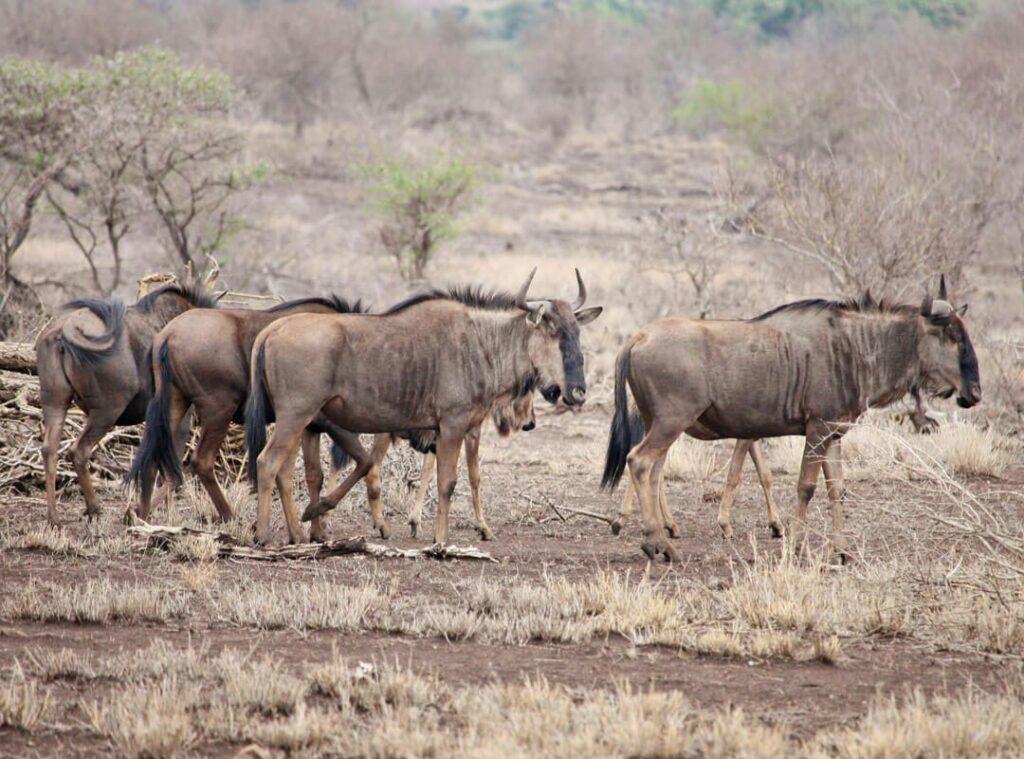
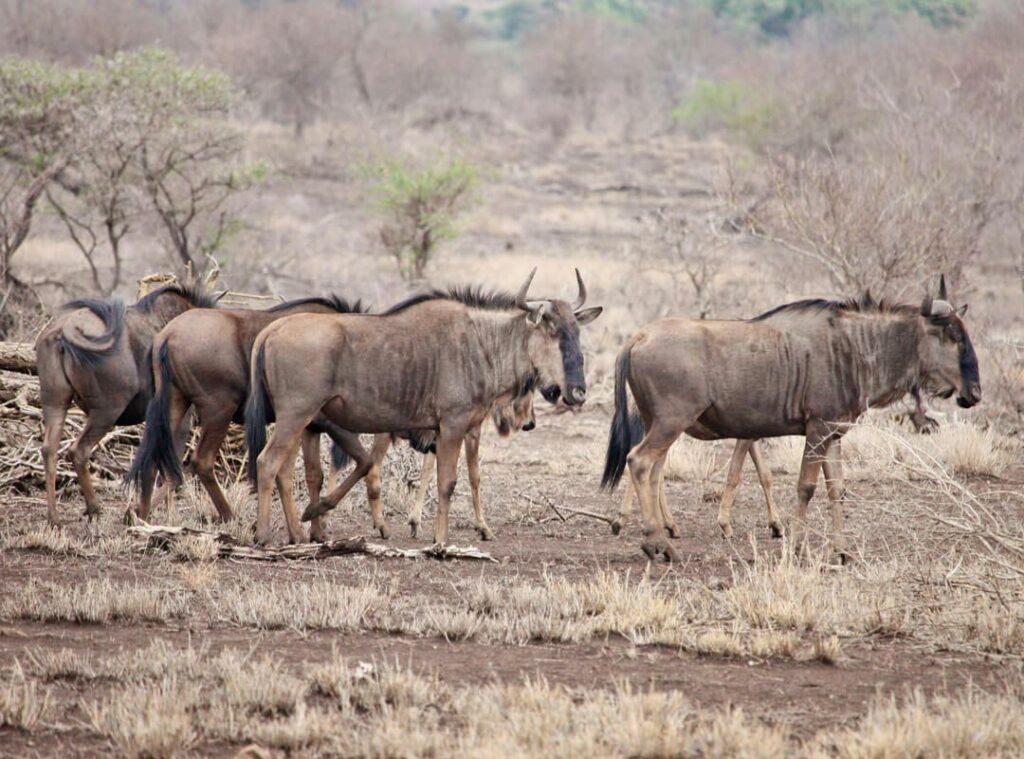
At first glance, Cookson's wildebeest looks similar to the familiar blue wildebeest found elsewhere in southern Africa. Spend a little time looking closer, however, and the differences become far more apparent. Subtle variations in colour, facial markings and body proportions distinguish Cookson's from its better-known relative, while its restricted range has made it one of Africa's most sought-after plains game subspecies.
The biggest difference, however, is not its appearance. It is where it lives. Cookson's wildebeest evolved within Zambia's Luangwa Valley and remains found nowhere else in the wild. That geographic isolation is what has made it so desirable among species collectors.
Cookson's wildebeest should not be viewed as simply another type ofWildebeest Hunt. It stands alongside the blue wildebeest, black wildebeest, white-bearded wildebeest and Nyassa wildebeest as one of Africa's recognised wildebeest forms, each with its own distribution, characteristics and appeal to hunters.
Pursuing Cookson's is therefore not about collecting another blue wildebeest. It is about hunting a wildebeest found nowhere else on Earth.
Cookson's wildebeest did not become unique by accident. Over thousands of years, the Luangwa Valley's isolation, seasonal floodplains and diverse habitats allowed this distinctive subspecies to develop separately from other wildebeest populations found across Africa. Today, those same landscapes continue to support healthy populations while providing one of the continent's most rewarding plains game hunting destinations.
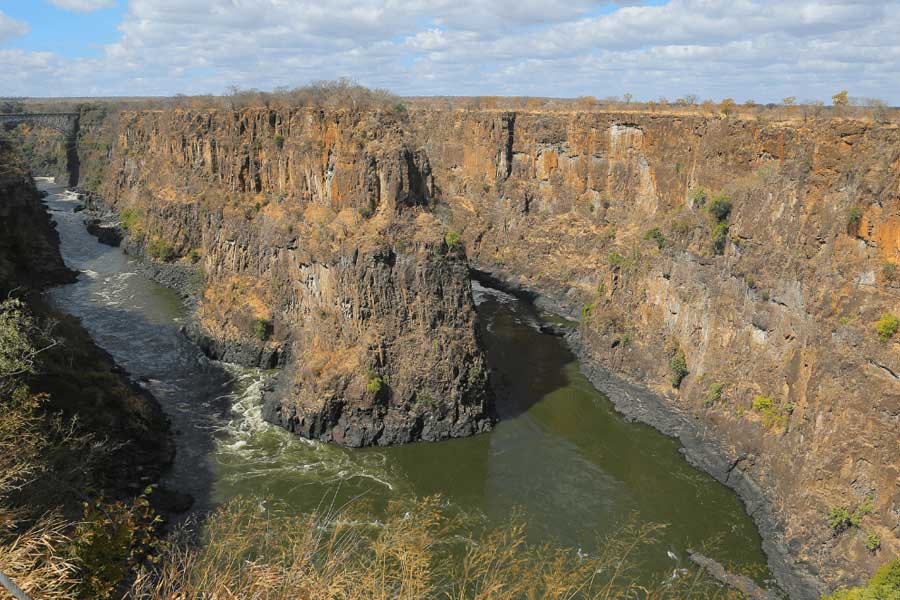
The Luangwa Valley is one of Africa's great wildlife strongholds. Seasonal rivers, open grasslands, riverine forests and mopane woodland combine to create a landscape capable of supporting an exceptional variety of game. Rather than being dominated by a single habitat, hunters move through changing terrain where every valley, floodplain and woodland edge presents different opportunities throughout the safari.
Those varied habitats are one of the reasons Cookson's wildebeest continue to thrive here. Open areas provide grazing, while nearby woodland offers shelter and natural movement corridors. This diversity also allows hunters to pursue Cookson's wildebeest alongside puku, Crawshay's zebra, Lichtenstein's hartebeest and buffalo, making Zambia one of the few destinations where a plains game safari can include so many distinctive regional species.
Traditional walking safaris remain central to hunting in the Luangwa Valley. Covering country on foot with an experienced Professional Hunter allows hunters to read fresh spoor, glass open floodplains and adapt to changing conditions throughout the day. It is a style of hunting that suits the landscape perfectly and remains one of the reasons so many experienced hunters return to Zambia.
The Luangwa Valley is therefore far more than the only place to hunt Cookson's wildebeest. It is the landscape that shaped the subspecies itself, making the destination an inseparable part of the trophy.
A safari built around Cookson's wildebeest rarely ends with a single trophy. Zambia's Luangwa Valley offers one of Africa's finest opportunities to combine several distinctive plains game species with Cape Buffalo Hunts, allowing hunters to experience far more than a traditional plains game safari.
Puku are among Zambia's signature antelope and are often high on the list for hunters visiting the Luangwa Valley. Crawshay's Zebra is another sought-after regional trophy, while Lichtenstein's Hartebeest appeals to collectors looking to pursue one of Africa's less commonly hunted antelope species.
Depending on the hunting concession and safari length, hunters may also encounter bushbuck, warthog and a variety of other plains game. Combining several regional species during the same safari not only makes practical sense but also creates a collection that reflects one of Africa's most distinctive hunting destinations.
A well-planned safari is often about more than a single trophy. Our African Hunting Trips help hunters build itineraries around exceptional species such as Cookson's wildebeest, Cape buffalo and several other animals that make Zambia one of Africa's premier hunting destinations.
Although highly sought after by species collectors, Cookson's wildebeest remains a classic Plains Game Hunt. Success depends on good fieldcraft, careful stalking and making the most of opportunities as they develop naturally throughout the day.
Cookson's are alert animals that rely on keen eyesight and open country to detect danger. Professional Hunters spend time glassing suitable habitat before planning a careful approach, using the terrain, wind and available cover to close the distance without alerting the herd. Like other wildebeest, they seldom remain stationary for long, making patience and timing just as important as accurate shooting.
The varied terrain of the Luangwa Valley means no two stalks are exactly alike. A hunt may begin on open floodplains before moving through patches of woodland or along river systems where changing vegetation influences both visibility and the animals' movements. Hunters who enjoy covering country on foot and adapting to changing conditions often find this style of hunting particularly rewarding.
While Cookson's wildebeest may be the primary objective, every stalk also becomes an opportunity to experience one of Africa's richest wildlife areas. Buffalo, puku, zebra and other plains game are often encountered throughout the day, making every outing about far more than a single trophy.
Planning a Cookson's wildebeest safari begins with one important decision: choosing the right hunting area within Zambia's Luangwa Valley. Although the species is found only in this region, hunting concessions vary in terrain, game densities, safari style and the combination of other species available. Selecting an area that matches your hunting objectives is often just as important as choosing the trophy itself.
Safari length also deserves careful consideration. While Cookson's wildebeest may be the primary objective, many hunters choose to spend additional days in the field to pursue buffalo, puku, Crawshay's zebra or Lichtenstein's hartebeest. Allowing enough time creates greater flexibility, particularly when hunting conditions or weather require plans to change.
Travel logistics are another factor to consider. Some hunting areas require charter flights or extended road transfers, while others are more easily reached. Understanding these practical details before booking helps ensure the safari runs smoothly from arrival through to departure.
Perhaps most importantly, approach a Cookson's wildebeest safari as more than the pursuit of a single trophy. Zambia remains one of Africa's classic hunting destinations, and the opportunity to experience its wildlife, landscapes and traditional walking safaris often becomes every bit as memorable as the animal itself.
Cookson's wildebeest is found only in Zambia's Luangwa Valley. Hunters wishing to pursue this distinctive subspecies must travel to this region, making it one of Africa's most exclusive plains game trophies.
Yes. Although closely related, Cookson's wildebeest is recognised as a distinct subspecies with its own distribution, physical characteristics and hunting appeal. Its restricted range within the Luangwa Valley is one of the reasons it is so highly sought after by species collectors.
Thousands of years of geographic isolation within the Luangwa Valley allowed Cookson's wildebeest to develop separately from other wildebeest populations across Africa. Today, it remains unique to this region.
Many hunters combine Cookson's wildebeest with Cape buffalo, puku, Crawshay's zebra, Lichtenstein's hartebeest, bushbuck, warthog and several other plains game species found in the Luangwa Valley.
Cookson's wildebeest is hunted as a traditional spot-and-stalk plains game species. Success depends on careful observation, good fieldcraft, using the wind correctly and making the most of natural opportunities as they develop.
The best time depends on the hunting area and annual conditions, but the dry season generally provides the most favourable hunting conditions, with improving visibility and easier access across much of the Luangwa Valley.
Most hunters use medium-calibre plains game rifles that provide adequate power while allowing accurate shot placement. Your Professional Hunter can recommend an appropriate calibre based on the hunting area and the other species included in your safari.
Although Cookson's wildebeest may be the primary objective, many hunters choose a longer safari to combine several of Zambia's unique plains game species or Cape buffalo. Allowing additional days also provides greater flexibility should weather or hunting conditions change.
It is certainly popular with species collectors because it can only be hunted in Zambia, but many hunters are equally attracted by the opportunity to experience the Luangwa Valley itself and combine several distinctive regional species during one safari.
Its appeal lies in its rarity and exclusivity. Cookson's wildebeest cannot be hunted anywhere else in the world, making every successful hunt part of a much broader journey into one of Africa's last great wilderness hunting destinations.
Search from our range of Hunts across various popular destinations in Africa.

Book Your Hunt