Designed by Hunters, for Hunters

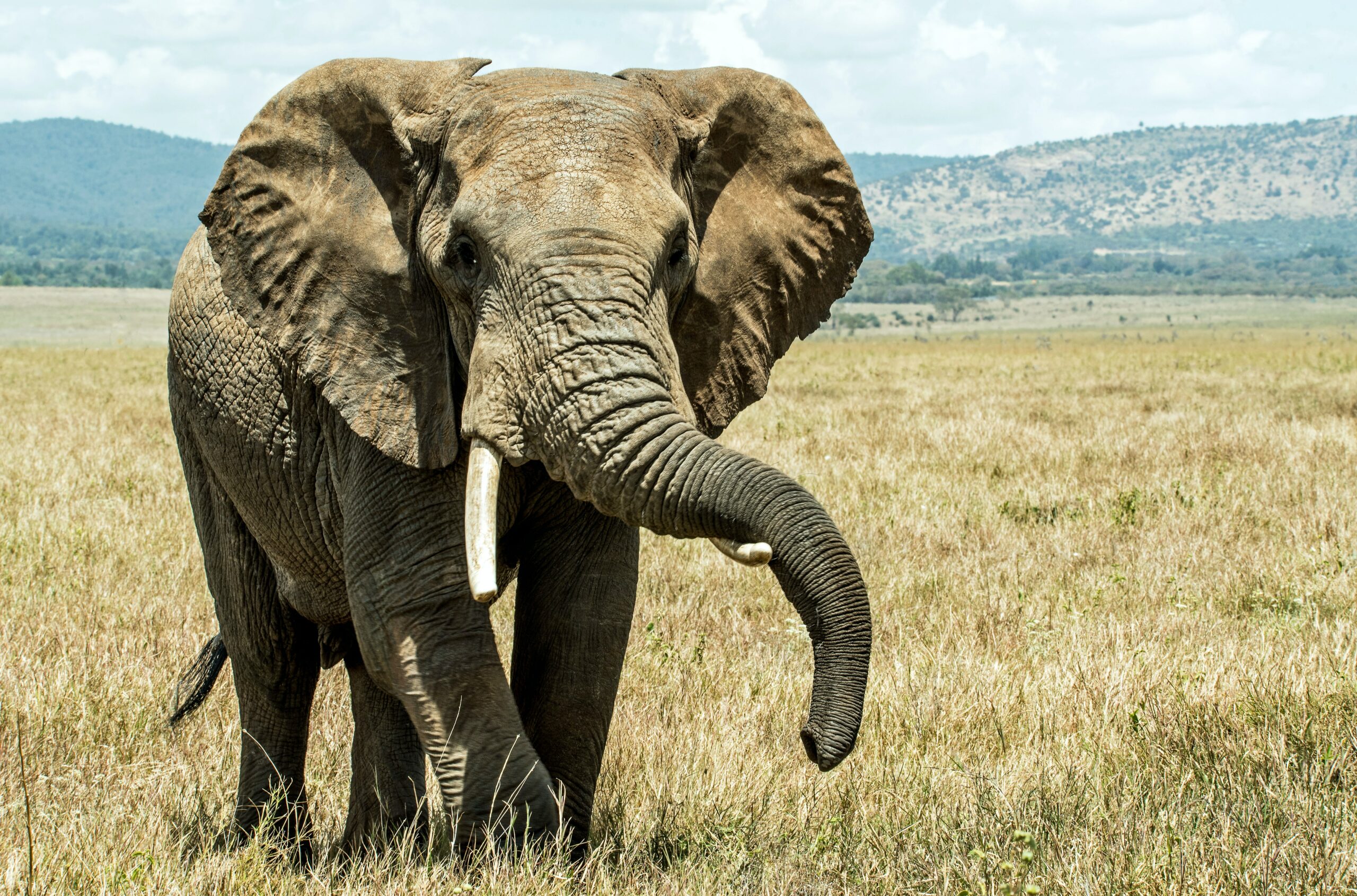
Elephant hunting in South Africa is legal and regulated, with hunting controlled through permits, provincial management and strict rules governing individual animals and hunting areas. Opportunities are more limited than in some of Africa's traditional elephant destinations, but legal hunts do take place when the necessary permits and approvals are in place.
South Africa's approach is different from countries such as Zimbabwe, Namibia and Tanzania. An elephant hunt may be connected to the management requirements of a particular reserve or area, and availability can change considerably from one season to another. Hunters therefore need to establish exactly what permits apply, where the hunt will take place and whether the trophy can be exported before committing to a safari.
Elephant Hunts in South Africa form part of a much broader African hunting picture. Elephant remains one of Africa's Big Five species and one of its most formidable dangerous game animals, but hunting one in South Africa requires a clear understanding of how the country's system works.
The country also offers far more than elephant hunting. Hunting in South Africa ranges from extensive plains game safaris to buffalo, lion and other dangerous game opportunities, while Big Game Hunting in South Africa can combine several very different species within the same trip.
Yes. Elephant hunting is legal in South Africa, but it is tightly regulated and subject to the relevant permits and management requirements.
Elephant hunting in South Africa operates under strict government control. Hunting requires the relevant permits, while the allocation of elephant hunting opportunities is influenced by national regulations, provincial authorities and the management requirements of individual reserves and hunting areas.
South Africa also operates within a CITES export quota for elephant hunting trophies. This should not be confused with an open inventory of elephant hunts that outfitters can offer throughout the season. The availability of a hunt still depends on where quota and permits are allocated, the animals involved and the management objectives of the particular area.
Some opportunities may involve specific animals identified for management purposes, while others can arise from problem animal situations. As a result, availability can be considerably less predictable than in African countries where elephant hunting forms a larger part of the traditional safari industry.
South Africa does not have the same large, free-range elephant hunting structure found in countries such as Zimbabwe.
Elephant populations are largely managed within defined reserves and conservation areas, with hunting opportunities controlled through quotas, permits and the management objectives of the individual area. This makes elephant hunting considerably more limited than South Africa's broader Big Game Hunting opportunities.
A permit may relate to a particular reserve, management objective or animal. Problem animals can also create hunting opportunities, although these are naturally difficult to predict in advance.
The result is a legal and highly regulated elephant hunting system where availability can vary considerably between areas and from one season to another.
Elephant hunting opportunities in South Africa generally fall into a few specific categories.
Problem animal hunts, often referred to as PAC situations, happen when elephants cause damage to property, infrastructure, or ecosystems. These hunts are unpredictable, with timing often determined by the situation rather than a hunting calendar.
Management hunts are issued as part of population control within enclosed or semi-controlled systems, where ecological balance needs to be maintained.
Occasionally, there are tightly controlled hunts under special permits, but these are rare and not part of a consistent offering.
These opportunities can be difficult to predict. Timing, location and the individual elephant may only become clear once the necessary allocation and permits are in place.
Hunters traveling from the United States or Canada need to confirm the availability, permits and trophy-import requirements before planning a South African elephant hunt. An elephant hunt cannot always be booked as far in advance as a typical plains game or dangerous game safari.
Permits must be secured in advance, and in many cases, they are issued before a client is even identified. Availability is limited, and hunts are often offered only when a specific management need arises.
There are also export considerations that can affect whether a hunt is viable from the outset. Depending on timing and regulatory conditions, moving trophies internationally may involve additional approvals, and in some cases hunters only get clarity on export feasibility after permits are already in motion.
A South African elephant hunt therefore requires more flexibility than a safari built around a readily available annual hunting allocation.
Elephant hunting in South Africa requires a different level of planning and expectation compared to other African destinations.
While South Africa has a highly developed hunting industry, elephant hunting does not follow the same booking process found in several other African elephant hunting destinations.
Permits are not only limited, but often issued based on specific management needs, which means timing rarely aligns with travel planning. In many cases, hunts only become available after permits are allocated, rather than being booked in advance as part of a standard safari package.
There are also additional considerations around import regulations, approvals, and timing, all of which can influence whether a hunt is practical from a US perspective.
US hunters planning a predictable, pre-booked elephant safari will often find countries with established annual hunting allocations easier to plan around.
There is no standard price for elephant hunting in South Africa. Costs vary according to the hunting area, the elephant available, permit requirements and the circumstances surrounding the hunt.
Unlike destinations where elephant hunts are regularly marketed as established safari packages, South African opportunities may become available individually. Daily rates, trophy fees, permit costs and other charges can therefore differ considerably from one hunt to another.
Hunters comparing the wider costs of hunting across the continent can use our African Hunting Safari Prices guide for typical daily rates, trophy fees and other expenses involved in planning an African safari.
While elephant hunting opportunities are limited, South Africa is one of the strongest plains game hunting destinations in Africa.
The country offers a wide variety of species, highly professional outfitters, and well-managed hunting areas. Hunts are structured, accessible, and particularly well suited to international hunters traveling from the United States.
South Africa's established hunting industry, extensive species selection and relatively straightforward logistics also make it possible to combine different animals within a single safari.
Elephant hunting opportunities are not evenly distributed across South Africa.
Unlike countries with large, continuous wilderness areas, South Africa’s elephant populations are mostly managed within defined reserves and controlled systems. One of the best-known examples is Kruger National Park, where elephant populations are significant but tightly managed and not part of a traditional open hunting structure.
In some cases, elephants move across international boundaries, particularly between Zimbabwe, Botswana, and bordering regions of South Africa. These movements can create problem animal situations when elephants leave protected areas or cross into farmland and private land.
Permits may be issued in response to specific animals causing damage, or where elephants move into areas that cannot support them long term. These situations are highly localized and depend on timing, movement patterns, and management decisions rather than predefined hunting zones.
Private reserves and concessions can also play a role, but again, any elephant hunting activity is tied to permits and specific circumstances rather than a standing inventory of animals.
There is no single “place” to hunt elephant in South Africa in the traditional sense. Opportunities are driven by where elephants are, where they move, and where management intervention becomes necessary.
If you want a broader understanding of how hunting areas are structured across the country, see our guide to hunting in South Africa.
An elephant hunt in South Africa can change quickly once fresh tracks are found. Much of the hunting is done on foot, with the Professional Hunter and trackers following spoor until the elephants can be approached closely enough to determine exactly what animals are in the group.
Finding elephants is not necessarily the difficult part. Getting close enough to properly judge a bull without being detected can take considerably longer. Wind direction becomes critical during the approach. An elephant's eyesight may not be exceptional, but its hearing and sense of smell make a careless approach difficult to recover from.
Even after a suitable elephant is located, there may be no immediate shot. The PH needs time to assess the animal, confirm that it meets the requirements of the hunt and find an angle that allows a safe, responsible shot. Elephants may be feeding, moving through thick bush or standing among other animals, and the hunter may spend a long time at close range waiting for the situation to change.
That final approach is one of the things that makes elephant hunting so different from most other African game. A hunter may have followed tracks for hours only to cover the last few hundred yards slowly, stopping repeatedly as the wind changes or the elephants move.
A South African elephant hunt is not always a case of entering an area and searching for the biggest bull a hunter can find. The permit and management objective can influence which elephant may be hunted, and that can fundamentally change how the safari is approached.
On some hunts, the target may be a particular bull or an elephant meeting specific criteria. In a problem animal situation, the hunt may involve identifying the animal responsible for damage rather than comparing several bulls for trophy quality. Other hunts may allow more traditional hunting and selection within the conditions attached to the permit and hunting area.
That distinction must be understood before the safari begins. A hunter needs to know whether the hunt is for a specific elephant, whether there are age or trophy restrictions, and how much freedom the PH has to select between different animals encountered during the hunt.
It also affects expectations around ivory. A legal elephant hunt does not automatically mean the hunter will spend the safari searching for the heaviest tusks available. The elephant that can legally be hunted and the elephant a hunter might choose purely on trophy quality are not necessarily the same animal.
South Africa is often mentioned alongside countries such as Tanzania and Namibia when elephant hunting destinations are compared, but the systems operate differently.
In Tanzania, elephant hunting is conducted in large, unfenced wilderness areas under a structured quota system. Hunts are planned in advance, allocated through licensed operators, and follow a traditional safari model with defined concessions and seasons.
Namibia operates in a similarly structured way, particularly in communal conservancies where elephant hunting is quota-based and tied to long-term conservation programs. Hunts are limited, but they are part of a functioning, predictable system that international hunters can access through established channels.
South Africa's system combines quota controls with provincial allocations, individual permits and the management requirements of particular hunting areas. Having a national elephant quota therefore does not mean the same number of hunts is automatically available for outfitters to offer.
If you are looking for a classic, bookable elephant safari, countries like Tanzania or Namibia are where that experience exists. If you are looking at South Africa, you are looking at a regulated, situational opportunity that may or may not align with your timing or expectations.
Choosing where to hunt elephant in Africa depends less on price or trophy size, and more on how each country’s system operates.
In countries where elephant hunting is part of a structured safari industry, hunts are planned in advance, quotas are allocated annually, and availability is built into the system. This allows hunters to select dates, locations, and outfitters with a high degree of certainty.
In South Africa, the process works in reverse. Hunting opportunities follow management needs, and availability is often determined before a hunter is ever involved.
Hunters who want a traditional safari experience, with defined areas, predictable timing, and bookable hunts, generally look toward countries where elephant hunting is part of a quota-based system. Hunters who are open to a more situational opportunity may consider South Africa, but it requires flexibility, patience, and a clear understanding of how the system works.
South Africa can be the right destination for an elephant hunt, but availability needs to be confirmed before the rest of the safari is built around it. Permits, the hunting area and the elephant available all play a role, making these hunts less predictable than in countries with larger annual elephant allocations.
Where South Africa does have an advantage is the strength of its wider hunting industry. Established outfitters, good infrastructure and an enormous variety of game make it relatively easy to combine an elephant opportunity with buffalo, plains game or other species during the same safari.
A hunter whose only objective is a classic free-range elephant hunt across vast wilderness may find Zimbabwe, Tanzania or Namibia better suited to that particular goal. South Africa offers something different: a highly regulated elephant hunt that can form part of a much broader African safari.
The important part is knowing exactly what is available before booking. When the permits, hunting area and elephant are confirmed, South Africa remains a serious option for an elephant hunter.
Yes. Elephant hunting is legal in South Africa but is strictly regulated. Hunts require the relevant permits and must comply with national and provincial regulations, as well as the management requirements of the hunting area.
Yes, but availability is more limited and less predictable than in some other African elephant hunting destinations. A hunt depends on the necessary allocation, permits, hunting area and elephant being available, so these details should be confirmed before travel arrangements are made.
Yes. South Africa operates within a CITES export quota for elephant hunting trophies, with hunting opportunities allocated and controlled through the relevant authorities. A national export quota does not mean that the same number of elephant hunts is freely available for hunters to book through outfitters.
There is no single standard price. The cost depends on the hunting area, elephant available, trophy fee, daily rates, permits and other expenses associated with the particular safari.
South Africa, Zimbabwe, Namibia and Tanzania can all offer legal elephant hunting, but the type of safari differs considerably between countries. Zimbabwe and Tanzania are particularly well known for traditional elephant hunts in large wilderness areas, while Namibia offers opportunities in several conservancy and hunting areas. South African elephant hunts are generally more limited and depend heavily on the area, allocation and permits available.
Yes. Elephant is one of Africa's Big Five, alongside Cape buffalo, lion, leopard and rhino. However, the availability and regulations surrounding each species differ considerably in South Africa. Hunters considering more than one of these species can compare the options in our Big Five Hunting in Africa guide.
Search from our range of Hunts across various popular destinations in Africa.

Book Your Hunt