Designed by Hunters, for Hunters

Legal status: Not legal
Permits available: None
Species status: Fully protected
Alternative countries: Zimbabwe, Tanzania, Namibia
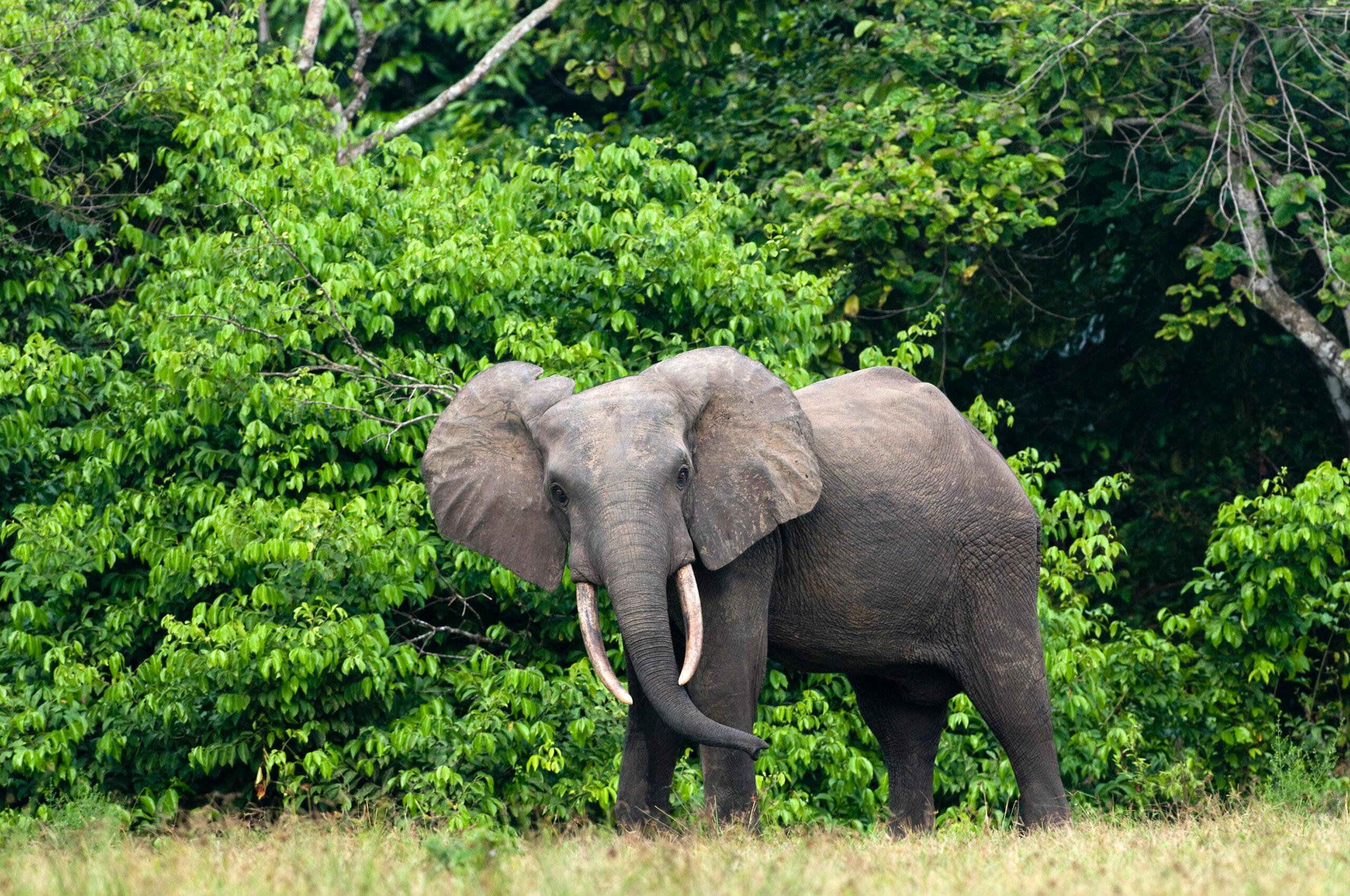
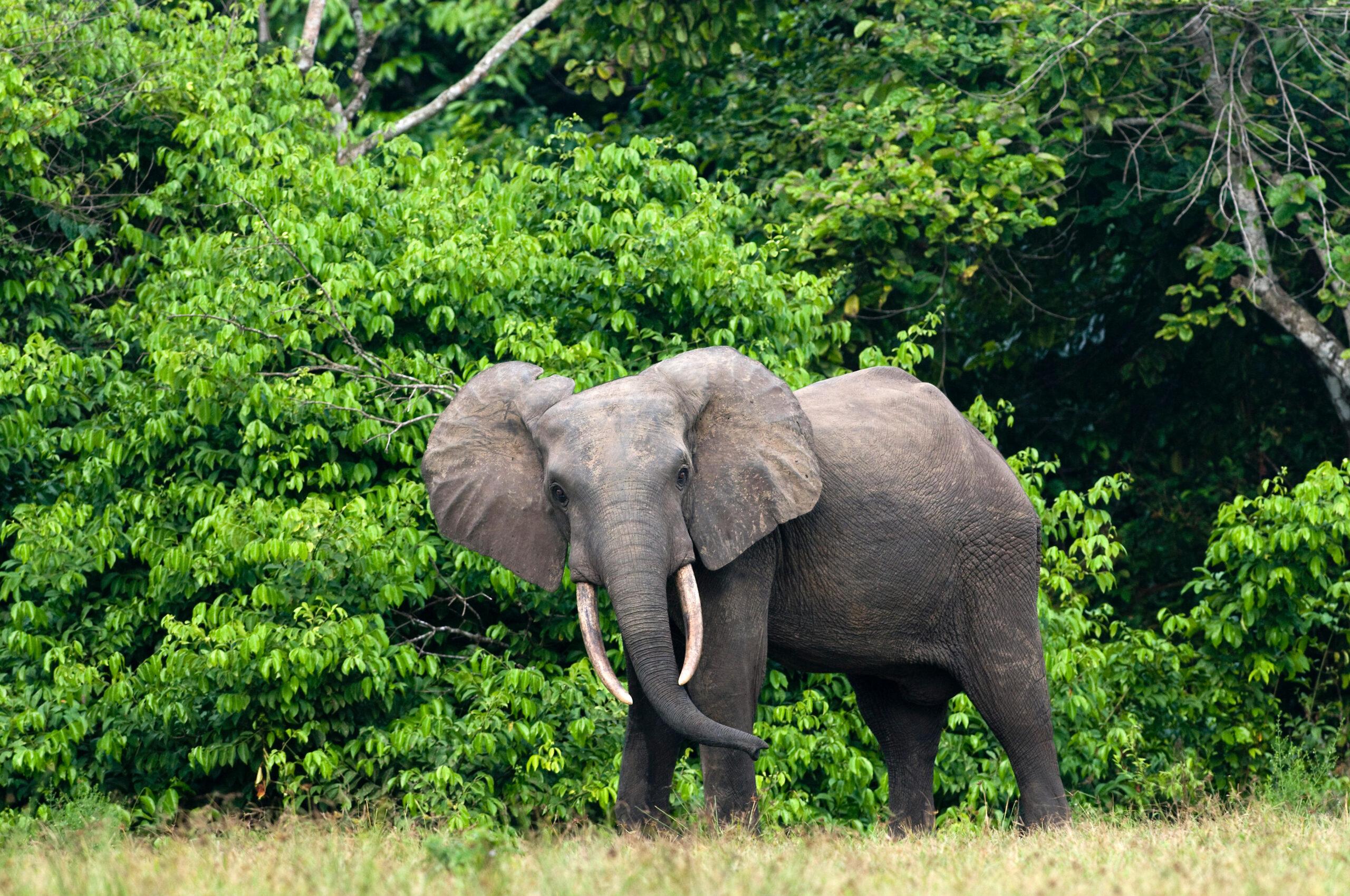
No, elephant hunting is not legal in Uganda.
Elephants are a fully protected species under national wildlife laws and are not included in any legal hunting quota. There are no permits available for sport hunting elephants in Uganda. Hunting regulations in Uganda are enforced by national wildlife authorities under strict conservation laws. Any attempt to hunt an elephant outside of official wildlife authority control operations is illegal and can result in severe penalties, including fines and imprisonment. Uganda’s hunting industry is regulated under strict conservation frameworks, and elephant hunting is completely excluded from that system.
For U.S. hunters, this means hunting in Uganda is not a bookable elephant hunting destination.
Elephant hunting in Uganda has a long and complex history, dating back to the late 19th and early 20th centuries.
During the colonial era, Uganda was part of British East Africa, and elephant hunting was widely practiced by explorers, settlers, and professional ivory hunters. At the time, elephants were pursued primarily for ivory rather than as part of regulated sport hunting.
By the early 1900s, uncontrolled hunting and ivory trade led to severe population declines across much of East Africa. In response, early wildlife laws were introduced to limit hunting and establish protected areas.
Following independence, Uganda experienced periods of political instability, during which poaching increased dramatically. Elephant populations dropped to critically low levels in some regions.
From the 1990s onward, the government began rebuilding its wildlife management systems. National parks were strengthened, anti-poaching enforcement increased, and elephant populations slowly began to recover.
As part of this recovery strategy, elephants were permanently removed from hunting quotas and given full protected status.
Today, Uganda’s approach reflects that history. Rather than reintroducing elephant hunting, the country has chosen to protect and grow elephant populations, promote photographic tourism, and maintain strict anti-poaching policies.
This shift marks a clear transition from historical exploitation to modern conservation.
Understanding this history explains why elephant hunting is no longer permitted in Uganda today.
Elephant hunting is banned in Uganda due to long-term conservation policy, population protection, and economic strategy.
Historically, elephant numbers in Uganda declined sharply due to poaching, civil unrest, and weak wildlife enforcement. In some areas, populations were pushed close to collapse. As stability returned, the government shifted toward strict protection and recovery, removing elephants entirely from any hunting framework.
Today, elephants are classified as a fully protected species, actively monitored through conservation programs, and managed as part of long-term population recovery strategies. They are also considered a high-value tourism asset within Uganda’s wildlife economy. The decision is not only about conservation—it is also economic. Uganda’s wildlife model is heavily built around photographic tourism, particularly in national parks. Elephants are one of the most visible and marketable species for international visitors, generating ongoing revenue over time rather than a single hunting fee.
There are also structural limitations. Uganda does not have the same scale of unfenced wilderness or large hunting concessions found in countries like Zimbabwe or Tanzania. Elephant populations are more concentrated within protected areas, making integration into a hunting quota system far more complex. International conservation partnerships further reinforce this approach, supporting strict protection policies and long-term sustainability. For all of these reasons, elephants are excluded from hunting quotas entirely.
As of 2026, there are no indications that elephant hunting will be legalized in Uganda.
Uganda does allow regulated hunting, but only for a select group of species under strict government control.
Unlike Southern African destinations, Uganda’s hunting industry is smaller in scale and more limited in species. Hunting is focused on animals that can be sustainably managed within designated areas. Legal species typically include Cape buffalo, Uganda kob, bushbuck and other antelope, as well as Nile crocodile and hippopotamus.
All hunting operates under a controlled system where permits are issued through wildlife authorities and hunts are restricted to designated concessions under strict quota management. This approach is designed to balance conservation with local economic benefit, rather than maximize hunting volume.
In practical terms, Uganda offers a more specialized and less commercial safari experience. Hunts are typically smaller, more selective, and often combined with broader East African travel. For hunters, Uganda is best suited for buffalo-focused safaris and collecting unique East African antelope species. It is not a destination that offers the full range of dangerous game. Species such as elephant and rhino are fully protected and unavailable under any hunting quota.
The key takeaway: Uganda offers quality—but limited—hunting opportunities and should be viewed as a niche destination rather than a primary dangerous game safari country.
If you’re searching for elephant hunting in Uganda, the better question is: Where is elephant hunting actually legal, and realistically available in Africa?
Elephant hunting is tightly regulated and limited to a small number of countries that operate structured, government-controlled safari systems. The primary destinations are Zimbabwe, Tanzania, and Namibia. Zimbabwe is widely considered one of the most reliable elephant hunting countries in Africa, offering consistent quotas, large free-range populations, and well-established safari operations. Tanzania represents a premium wilderness experience, with vast concessions and traditional safari conditions suited to experienced hunters. Namibia operates under a highly controlled, conservation-driven model with limited quotas and strong oversight.
Across all three countries, elephant hunting is conducted under government permits, managed through quota systems, and operated by licensed professional outfitters.
For U.S. hunters, these destinations are structured for international participation, with established systems for permits, logistics, and safari execution.
Zimbabwe allows elephant hunting and is best known for classic dangerous game safaris, making it a strong choice for first-time elephant hunters. Tanzania also permits elephant hunting but offers a far more remote wilderness experience, better suited to experienced hunters. Namibia provides a legal, conservation-based hunting model focused on selective and ethical hunts. Uganda, however, does not offer elephant hunting, as it is not legally available.
Elephant hunting depends on specific conditions that not all countries can support. Countries like Zimbabwe and Tanzania have vast, unfenced wilderness areas with dispersed elephant populations. These conditions allow for sustainable quota systems and low-pressure hunting models. They also operate under wildlife management systems where hunting revenue directly supports conservation and local communities.
Uganda, by contrast, has more concentrated elephant populations within protected parks and a tourism-driven model. This makes hunting integration both logistically difficult and economically unnecessary.
In short, elephant hunting works where land, population distribution, and management systems support it—and Uganda does not meet those conditions.
One of the most common misconceptions among first-time hunters is that elephant hunting is widely available across Africa. In reality, only a small number of countries allow it under strict regulation.
Uganda is often mistakenly included due to its strong wildlife reputation, but elephant hunting has not been part of its legal hunting system for decades. Understanding this early can save time and help focus your planning on destinations where elephant hunting is actually possible.
Understanding this distinction makes it easier to compare Uganda with countries that actively offer elephant hunting.
Uganda is not directly comparable to countries that offer elephant hunting.
It operates as a specialized, limited-quota hunting destination focused on a narrower range of species. While Uganda can offer quality buffalo and plains game hunting, it is not built around large-scale dangerous game safaris. By contrast, countries such as Zimbabwe, Tanzania, and Namibia are structured specifically for elephant and other dangerous game hunts. Their hunting industries are supported by established quotas, large concessions, and safari infrastructure designed around dangerous game.
In these countries, elephant hunting is a core part of the safari model, backed by regulation, outfitter networks, and long-standing systems. That is the key difference U.S. hunters need to understand. Uganda is a niche destination for select species, while Zimbabwe, Tanzania, and Namibia are true dangerous game destinations.
If elephant is on your list, Uganda does not meet that requirement.
Searches like “elephant hunting in Uganda” are common, but they’re based on incorrect assumptions. Elephant hunting is highly location-specific and only available in select countries.
Most experienced hunters learn quickly that Africa is not a single hunting market. Regulations vary widely by country, and species availability depends on quotas, land access, and conservation policy. Uganda is a strong option for buffalo, antelope, and unique East African hunting experiences—but not for elephant.
If your goal is to hunt elephant, or pursue a true dangerous game safari, you need to focus on destinations where elephant hunting is legal and supported by active quota systems, and where hunts are professionally operated within established safari frameworks. In practical terms, this means Zimbabwe, Tanzania, and Namibia.
Hunters serious about elephant safaris typically start by comparing available dangerous game hunts across these countries to find the right fit based on quota availability, terrain, and hunting style.
The key takeaway:
Match the destination to the species.
Can Americans hunt elephants in Uganda?
No. Elephant hunting is illegal for all hunters, regardless of nationality.
Why are elephants protected in Uganda?
Due to conservation efforts, population recovery, and their economic value in tourism.
Which countries in Africa allow elephant hunting for U.S. hunters?
Zimbabwe, Tanzania, and Namibia are the main legal destinations.
How much does an elephant hunt cost?
Most elephant hunts range from $30,000 to $70,000+, depending on location and safari structure.
Can you hunt the Big Five in Uganda?
Only partially. Buffalo may be hunted, but elephant and rhino are protected.
Elephant hunting in Uganda is not legal and is not available under any hunting permit system.
Uganda remains a niche hunting destination focused on a limited number of species, but elephant is not one of them.
If you are planning an elephant hunt in Africa, you will need to choose a country where it is legal, regulated, and actively offered—such as Zimbabwe, Tanzania, or Namibia.
The key is simple: choose your destination based on the species you want to hunt, not assumptions about availability.
Most successful elephant hunts in Africa are planned 12–24 months in advance due to limited quotas.
Search from our range of Hunts across various popular destinations in Africa.

Book Your Hunt